Whether a Bloodhound Needs a Snood Outdoors Too
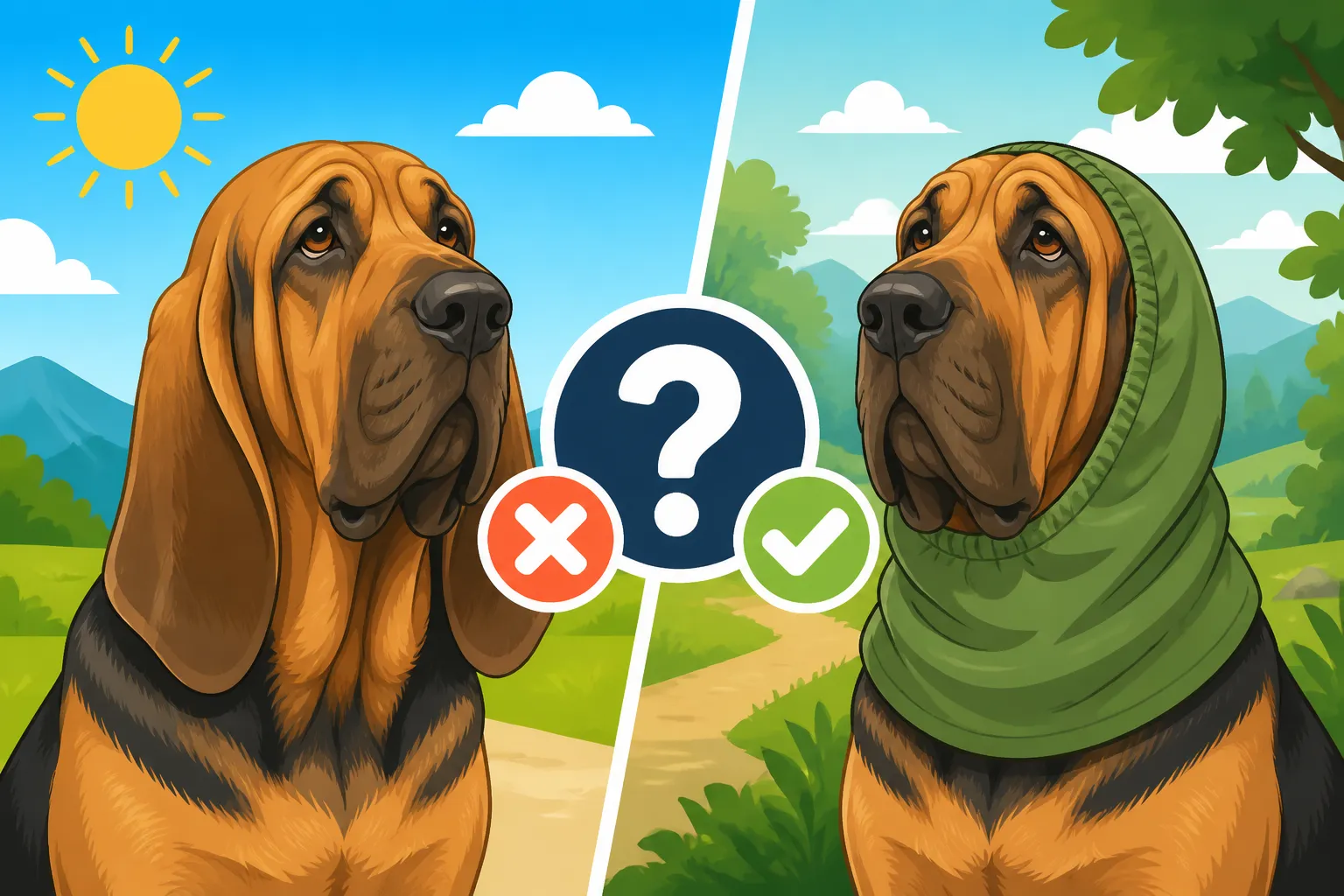
Oh, the eternal question for us Bloodhound owners: is a snood just for keeping those magnificent, slobbery ears out of the food bowl, or does it have a place in our outdoor adventures too? If you've ever watched your Bloodhound’s majestic ear leather sweep through mud puddles, collect burrs like a magnet, or drag through thick underbrush on a trail, you’ve probably pondered this very thought. This guide will dive deep into the practicalities, benefits, and considerations of using a snood to protect your Bloodhound's precious ears when you're out and about, far beyond the confines of your kitchen.
The Core Purpose of a Bloodhound Snood Indoors
Before we venture outside, let's just quickly touch upon why snoods became such a staple for Bloodhound owners in the first place. It’s not just a fashion statement, believe me; it’s a necessary tool for daily management, especially when you consider how prone Bloodhounds are to ear issues.
Keeping Ears Clean and Dry During Meals
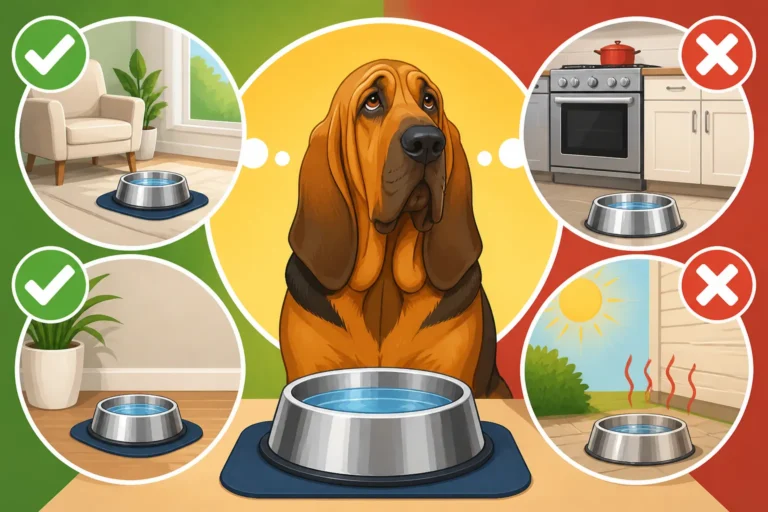
This is the classic use case, the bread and butter of Bloodhound snood ownership. Imagine a dog with ears so long they can practically touch their elbows. Now imagine that dog diving headfirst into a bowl of kibble, or worse, a bowl of wet food. Or taking a long, slurpy drink from the water dish. Without a snood, those beautiful, velvety ears become a mop for everything in their path. They get soaked with water, caked with food, and then hang heavy and damp, creating the perfect breeding ground for yeast and bacteria deep within the ear canal.
A snood neatly gathers up those long ears, holding them gently yet firmly out of the way. It’s like a hairnet for dogs, but much more stylish! This simple act prevents food particles from adhering to the ear leather, keeps them from becoming dripping wet, and significantly reduces the amount of post-meal cleanup you have to do. More importantly, it directly impacts their ear health. Wet, dirty ears are an invitation for infection, and as any Bloodhound owner knows, ear infections are a constant battle. A good snood, perhaps picked up from a place like Chewy, can make a world of difference in your daily routine and your dog's comfort. You can read more about this in What a Snood Does for a Bloodhound and Which Bowl Shape Keeps a Bloodhound's Ears Out.
Protecting Ears from Household Hazards
Beyond the dinner bowl, your Bloodhound's long ears are surprisingly vulnerable even within the home. Think about all the places those ears can drag or get caught. When they drink from the toilet (yes, they do that), their ears dip in. When they investigate a new smell under the couch, their ears can pick up dust bunnies, small toys, or even sharp bits of debris. If you have active children or other pets, those ears can accidentally get stepped on, pulled, or even used as a plaything, leading to discomfort or injury.
While less dramatic than outdoor risks, these everyday household hazards contribute to general ear irritation and can introduce foreign bodies into the ear canal or cause minor tears to the delicate skin. A snood provides a layer of protection, keeping the ears tucked away and minimizing exposure to these accidental bumps, scrapes, and grime. It’s about proactive care, ensuring those magnificent ears stay in top condition without constant vigilance on your part.
Outdoor Challenges That Threaten a Bloodhound's Ears
Now, let’s talk about the great outdoors. This is where your Bloodhound’s ears become truly vulnerable, turning into magnets for every bit of nature you encounter. The sheer length and texture of their ears, designed for sweeping scent towards their incredibly powerful nose, also make them extraordinarily good at collecting unwanted souvenirs from the environment.
The Menace of Burrs, Foxtails, and Debris
Anyone who has taken a Bloodhound for a walk through a field or wooded area knows this pain. Their long, velvety ears are absolutely fantastic at snagging burrs, foxtails, twigs, and all sorts of plant matter. It's almost as if these things are attracted to Bloodhound ears by some magnetic force! Burrs can become deeply embedded in the fine hairs, turning into painful tangles that are a nightmare to remove. Foxtails are even more insidious; their barbed shape means they only travel in one direction – inward – and can burrow deep into the ear canal, causing severe pain, infection, and even requiring surgical removal. You certainly don't want a foxtail making its way into How Deep a Bloodhound's Ear Canal Runs.
Imagine your Bloodhound on a scent trail, nose to the ground, ears swinging low as they work diligently. Every step they take in tall grass or brush means their ears are sweeping, collecting, and potentially embedding these hazards. Removing these items can be a tedious and uncomfortable process for your dog, often requiring careful combing or even trimming of matted fur. In some cases, if a foxtail is suspected, an immediate vet visit is crucial. This is a primary scenario where an outdoor snood becomes not just convenient, but a vital protective measure. Whether Burrs Catch in a Bloodhound's Ear Leather is a common concern for owners.
Mud, Water, and Other Environmental Contaminants
Bloodhounds love to explore, and exploration often means encountering mud, puddles, and damp ground. Their ears, hanging low, will inevitably drag through whatever is on the ground. A casual stroll through a wet park, a quick sniff around a muddy ditch, or even a playful romp after a rain shower can leave those ears caked in dirt, drenched, and generally filthy. This isn't just an aesthetic issue; it's a major health concern.
Constantly wet ears create a humid, warm environment deep within the ear canal – ideal conditions for bacteria and yeast to flourish. This can quickly lead to painful, itchy ear infections, which are a recurring nightmare for many Bloodhound owners. Beyond that, the dirt and grit picked up can cause irritation to the delicate skin of the ear flap, leading to secondary issues like hot spots or skin infections. Why a Bloodhound's Ear Canal Stays Damp explains why this breed is so susceptible. Even if your Bloodhound isn’t a fan of swimming, a simple roll in dew-kissed grass can be enough to saturate their ears. A snood helps keep the ears up and away from these ground-level contaminants, acting as a barrier and significantly reducing the amount of moisture and grime that can accumulate.
Protecting Ears During Intense Scent Work
For many Bloodhound owners, scent work is more than just a hobby – it's a way of life. These dogs are born to trail, and their work can take them through incredibly challenging environments: dense woods, thick underbrush, uneven terrain, and even urban rubble. During these intense sessions, their focus is entirely on the scent, not on where their ears are going. The ears become tools for sweeping scent, dragging close to the ground, but this also exposes them to constant friction, potential tears, and abrasions.
Think about a Bloodhound pushing through thorny bushes or scrambling over fallen logs. Their ears are incredibly susceptible to getting snagged, ripped, or scratched. Not only is this painful, but any open wound on the ear can quickly become infected, given the ear's damp, low-airflow environment. A sturdy, well-fitting snood acts as a protective sleeve, minimizing these risks. It keeps the ears tucked safely against the head, reducing the chances of them getting caught on obstacles. This allows your Bloodhound to work unimpeded and with greater comfort, without you having to constantly worry about their ears taking a beating. For Bloodhounds deeply engaged in activities like mantrailing, which you can learn more about in Mantrailing Is the Answer to a Bloodhound, Not Obedience, an outdoor snood isn't just a nicety; it's a piece of essential safety gear.
When and How to Utilize a Snood for Outdoor Adventures
So, you're convinced that an outdoor snood might be a good idea. But when is it truly necessary, and what kind of snood should you be looking for? It's not a one-size-fits-all solution, and understanding the nuances can help you get the most out of this protective accessory.
Situational Snood Use for Specific Activities
The beauty of the outdoor snood is its versatility. You don't necessarily need it for every single outing. For a quick potty break in your paved yard, it's probably overkill. However, for specific activities and environments, it becomes incredibly valuable:
- Long walks or hikes in natural areas: If you're heading to a park with tall grasses, dense bushes, or muddy trails, a snood is highly recommended. It will shield the ears from burrs, foxtails, and excessive dirt.
- Scent work or trailing practice: When your Bloodhound is focused on a trail, their ears will be down and active. A snood protects them from snags and scrapes in rough terrain, allowing them to concentrate fully on their task.
- Wet weather or damp conditions: Even if it's not pouring, walking through dew-soaked grass or after a recent rain can get those ears saturated. A snood helps keep them drier, reducing the risk of moisture-related ear issues.
- Visits to dog parks with natural ground cover: While usually supervised, communal spaces can sometimes have unexpected debris. A snood adds a layer of protection against anything your Bloodhound might drag their ears through.
- Camping or outdoor trips: When you're spending extended time in nature, a snood can be part of your routine to minimize daily ear contamination and the risk of injuries from sticks or rough ground.
Think about the environment you're entering. If there's anything on the ground that could get stuck in their ears, or if the ground is wet, a snood is probably a good call.
Choosing the Right Snood for Outdoor Durability
Not all snoods are created equal, especially when it comes to outdoor use. The delicate fabric snoods you might use for mealtime might not stand up to the rigors of a wilderness trail. When selecting an outdoor snood, consider these factors:
- Material: Look for durable, breathable, and water-resistant fabrics. Neoprene, ripstop nylon, or thicker fleece blends can offer better protection than thin cotton or satin. Some specialized hunting dog ear protection is made of even tougher materials.
- Fit: A good outdoor snood needs to be snug enough to stay on without being tight or uncomfortable. It should cover the ears completely, keeping them close to the head without restricting movement or vision. Too loose, and it will fall off or snag. Too tight, and it could cause chafing or discomfort. Many owners find their ideal snood on Amazon, where there's a wider variety of specialized gear.
- Attachment: Some outdoor snoods have elastic bands, drawstrings, or even small clips to help secure them. Make sure whatever closure mechanism is used is safe, won't pinch, and can withstand your Bloodhound's activity level.
- Visibility: If you're hiking in low light or hunting areas, consider a snood in a bright, reflective color for added safety.
It's often helpful to have a "mealtime" snood and a separate "adventure" snood. The mealtime one can be lighter and easier to wash, while the adventure one prioritizes durability and protection.
Training Your Bloodhound to Accept an Outdoor Snood
Just like any new piece of gear, your Bloodhound might need some encouragement to accept wearing a snood, especially outdoors. Patience and positive reinforcement are key here.
- Start indoors: Introduce the snood in a calm, familiar environment. Let your Bloodhound sniff it, then offer a high-value treat.
- Short durations: Briefly put the snood on, give a treat and praise, then immediately take it off. Gradually increase the time they wear it.
- Positive associations: Always pair the snood with something pleasant – a favorite game, a delicious treat from a brand like Ollie, or a quick cuddle.
- Distraction: Once they tolerate it for a few minutes, try distracting them with a puzzle toy or a short play session while wearing the snood.
- Gradual outdoor introduction: Start with short outdoor trips in a low-distraction environment. A quick walk around the block, then slowly progress to more stimulating places.
- Consistency: Make wearing the snood a normal part of your routine for specific outdoor activities. They'll quickly associate it with fun outings.
Some Bloodhounds will take to it immediately, while others might try to shake it off or rub their heads. Don't get discouraged! Consistency will win out. Remember, the goal is to make it a comfortable and positive experience. You can find more advice on this in Whether a Bloodhound Tolerates Wearing a Snood.
Beyond the Snood: Other Strategies for Outdoor Ear Care
While a snood is a fantastic tool for protecting your Bloodhound's ears outdoors, it’s not the only solution. A comprehensive ear care routine involves multiple layers of defense, ensuring that even when the snood isn't in play, you're doing everything you can to keep those ears healthy.
Diligent Post-Outdoor Grooming
Regardless of whether your Bloodhound wore a snood or not, a thorough post-outdoor check and cleaning regimen is absolutely non-negotiable. This is your chance to catch any issues before they escalate.
Immediately after any outdoor excursion, especially in natural environments:
- Visual Inspection: Carefully lift each ear flap and visually inspect the entire ear leather, inside and out. Look for any hitchhikers like burrs, twigs, ticks, or any small cuts or scrapes. Pay close attention to the tips and edges of the ears, which are prone to damage. You can read more about inspecting ears in Whether a Bloodhound's Ears Should Be Checked After Every Walk.
- Debris Removal: Gently remove any visible dirt, mud, or plant matter. A soft brush or damp cloth can be useful here. If burrs are deeply matted, you might need a fine-toothed comb and a detangling spray, or even carefully trim the affected fur.
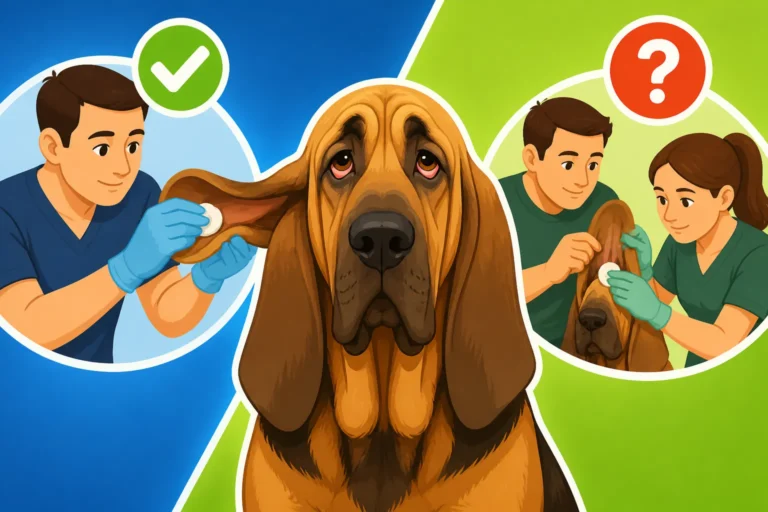
- Ear Cleaning: If the ears are visibly dirty or damp, or if your Bloodhound has a history of ear infections, a proactive cleaning with a veterinarian-approved ear cleaner is a must. Squirt the cleaner directly into the ear canal, massage the base of the ear, and then let your dog shake their head. Finish by wiping away any loosened debris and excess cleaner with cotton balls or gauze. Never use cotton swabs deep inside the ear canal. For more details on this, refer to How Often a Bloodhound's Ears Need Cleaning.
- Drying: Ensure the ears are completely dry, especially deep inside the canal. You can use a soft towel for the outer parts, and a gentle ear-drying solution (specifically for dogs) can help remove moisture from deeper within. This is particularly important if your Bloodhound has been near water, as explored in Whether Swimming Sets Off a Bloodhound's Ears. Dampness is the enemy of healthy Bloodhound ears.
This post-adventure routine, even if it takes a few extra minutes, can save you a world of heartache (and vet bills!) down the line.
Proactive Ear Health and Veterinarian Check-ups
Beyond the daily care, a proactive approach to your Bloodhound's ear health involves regular veterinary oversight and being attuned to subtle changes in their behavior or the appearance of their ears.
- Routine Vet Visits: During your Bloodhound's annual or semi-annual check-ups, always ask your vet to thoroughly examine their ears. Vets have specialized tools to look deep into the ear canal and can spot early signs of infection or other issues that you might miss.
- Learn the Signs of Trouble: Educate yourself on the indicators of an ear infection. These can include head shaking, scratching at the ears, redness or swelling, a foul odor, discharge (waxy, dark, or pus-like), or sensitivity when you touch their ears. Signs a Bloodhound's Ear Is Infected provides a helpful overview. The sooner you catch an infection, the easier and less costly it is to treat.
- Discuss Prevention: Talk to your veterinarian about the best ear cleaning products for your specific Bloodhound. Some dogs benefit from regular prophylactic cleaning, while others with chronic issues might need medicated flushes or specific drying agents. Your vet can also advise on dietary factors that might contribute to ear health, as some allergies can manifest as recurrent ear infections.
- Address Underlying Issues: If your Bloodhound suffers from chronic ear infections, it's crucial to investigate the root cause. This could be allergies (environmental or food-related), anatomical predispositions, or even thyroid issues. A snood is a great preventative measure for external factors, but it won't solve an internal problem.
By combining diligent daily care, strategic snood use for outdoor excursions, and regular veterinary attention, you can keep your Bloodhound's magnificent ears as healthy and comfortable as possible, allowing them to fully enjoy their world of scents without constant irritation.
| Scenario | Risk to Ears | Snood Benefit | Post-Outdoor Action |
|---|---|---|---|
| Mealtime (Indoor) | Food/water contamination, dampness | Keeps ears clean and dry | Quick wipe, ensure dryness |
| Casual Walks (Pavement) | Low direct risk, general dirt | Minimal, keeps somewhat cleaner | Basic visual check |
| Hikes/Trails (Woods) | Burrs, foxtails, twigs, mud, abrasions | High protection from snags and debris | Thorough inspection, debris removal |
| Swimming/Water Play | Water saturation, infection risk | Helps keep dry before water, less during | Deep cleaning, thorough drying |
| Intense Scent Work | Dragging through varied terrain, snags | High protection, allows unimpeded work | Careful inspection, targeted cleaning |
| Yard Play (Grassy) | Wet grass, mud, small debris | Moderate, especially in damp conditions | Visual check, wipe as needed |
Disclaimer
This article is for general informational purposes only and does not constitute professional advice. Laws, prices and regulations vary by location and change over time. Consult a qualified professional for guidance on your specific situation.