Whether Swimming Sets Off a Bloodhound’s Ears
It’s a joyful sight, isn't it? Watching your big, floppy-eared Bloodhound bound towards the water, nose to the ground until the very last second, then plunging in with gusto. They might not be retrievers by breeding, but many Bloodhounds absolutely adore a good splash! The problem, as many of us owners know all too well, is that while their spirits might soar, their ears often pay the price.
Their magnificent, pendulous ears are a marvel of scent-gathering engineering, but they’re also a magnet for trouble, especially when water is involved. If you’ve ever wondered if letting your Bloodhound swim is just asking for another ear infection, you're not alone. It's a valid concern that every Bloodhound owner grapples with, and understanding why their ears are so vulnerable is the first step to protecting them.
The Unique Vulnerability of Bloodhound Ears
Bloodhounds are undeniably special, with their incredible noses and even more incredible ears. But those very features that make them such extraordinary scent hounds also make them incredibly susceptible to ear problems. It's a design flaw, almost, in an otherwise perfect package.
Anatomy That Traps Moisture
Let’s be honest, a Bloodhound's ear is a thing of beauty and utility. Those long, heavy ear leathers, or "set," hang low, sometimes trailing the ground or sweeping scent right to their powerful noses. But aesthetically pleasing and functionally brilliant as they are, they create a perfect, enclosed environment. Think of them as natural ear muffs that block airflow.
Deep inside, your Bloodhound’s ear canal isn't a straight shot like ours. It takes a distinct L-shaped turn, creating nooks and crannies where debris and, crucially, moisture can easily get trapped. This deep, winding path, coupled with the heavy ear flap covering the opening, means very little air can circulate to dry things out. This is a primary reason why a Bloodhound's ear canal stays damp, and why A Bloodhound's Ears Are a Standing Infection Risk regardless of swimming. This constant dampness softens the delicate skin lining the ear canal, making it more permeable and vulnerable to irritation and infection.
The Ideal Environment for Pathogens
Now, combine that lack of airflow and trapped moisture with the warm body temperature of your dog, and what do you get? A dark, moist, and warm environment that is absolutely heaven for opportunistic microorganisms. Both yeast (most commonly Malassezia pachydermatis) and various bacteria (such as Staphylococcus and Pseudomonas) thrive in these conditions.
Normally, a healthy ear has a balanced microbiome, but introduce excess moisture and poor ventilation, and that balance is thrown off. The yeast and bacteria, which might be present in small, harmless numbers, suddenly find themselves in a five-star resort with an all-you-can-eat buffet. They multiply rapidly, leading to the familiar signs of an ear infection: itching, redness, discharge, and that tell-tale foul odor. It’s a recurring nightmare for many Bloodhound owners, and it’s why even without swimming, their ears demand constant attention.
How Swimming Aggravates Ear Problems
When you introduce swimming into the mix, you're essentially pouring fuel on an already smoldering fire. The very act of a Bloodhound doing what comes naturally in the water, whether it's splashing, diving, or simply wading, opens the door for even more trouble in their ears.
Water Intrusion and Retention
It’s almost impossible for a Bloodhound to swim without water entering their ear canals. Those long, heavy ear flaps that block air circulation also do a fantastic job of trapping water inside the ear once it gets in. Imagine trying to dry something completely when it’s sealed off from the air. That’s what’s happening in your Bloodhound’s ears after a dip.
The water sits in that deep, L-shaped canal, unable to drain out or evaporate effectively. This creates an even more intensely humid and soggy environment than their ears usually contend with. It doesn’t matter if it’s a pristine lake, a chlorinated pool, or the ocean; the issue isn't necessarily the type of water, but the presence of water itself in such a vulnerable anatomical structure. Each swim session increases the likelihood that the ear canal will remain wet for extended periods, paving the way for problems.
The Cycle of Inflammation and Infection
With water retained in the ear, the delicate skin lining the ear canal becomes macerated – essentially, soggy and weakened. This breakdown of the skin's natural barrier allows those ever-present yeast and bacteria to penetrate more easily and multiply unchecked. The result is often an inflammatory response, leading to the classic symptoms of an ear infection.
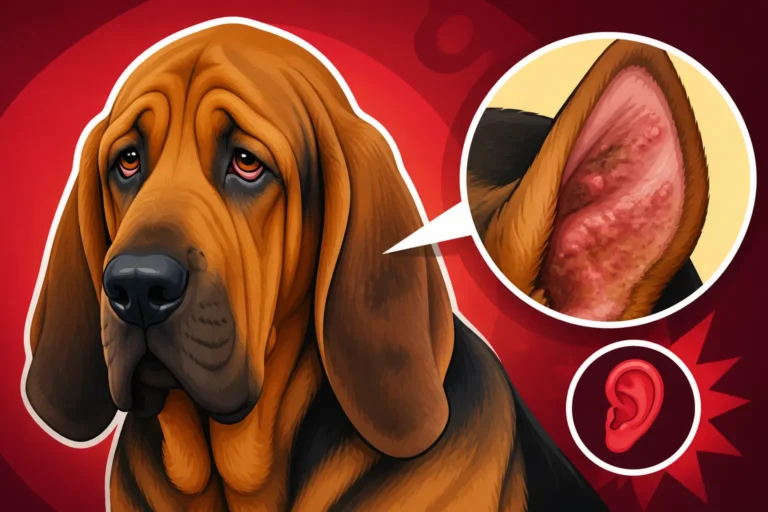
You might notice your Bloodhound shaking their head vigorously, scratching at their ears with a hind paw, or rubbing their head along furniture or the ground. Inside, the ear canal can become red, swollen, and produce waxy or purulent discharge. The smell can be quite strong and unpleasant. This cycle can become chronic, with infections flaring up after every swim, or even just after a particularly humid day. It’s a constant battle, and it's why How Often a Bloodhound Gets an Ear Infection is a question many Bloodhound owners know the answer to far too well. If left untreated, these acute infections can become persistent, deep-seated issues that are much harder to resolve.
Beyond Simple Infections
Unfortunately, the problems don't always stop at external ear infections (otitis externa). If left untreated or if chronic inflammation is present, the infection can travel deeper into the middle ear (otitis media) or even the inner ear (otitis interna). This can lead to more serious symptoms like loss of balance, hearing impairment, severe pain, and neurological signs.
Chronic irritation can also lead to permanent changes in the ear canal itself. The skin can thicken and calcify, and the canal can narrow, making it even harder for medications to penetrate and for air to circulate. In severe, irreversible cases, a total ear canal ablation (TECA) surgery might be necessary to provide relief, but this is a drastic measure. Understanding When a Bloodhound's Ear Infection Becomes Permanent is crucial, as early intervention can prevent these painful and debilitating long-term consequences.
Proactive Steps to Protect Your Water-Loving Bloodhound's Ears
While the risks are real, the good news is that you don't necessarily have to ban your Bloodhound from enjoying a refreshing swim. With diligent and consistent care, you can significantly reduce the chances of swimming setting off an ear infection. It takes commitment, but seeing your hound happy and healthy is always worth it.
Pre-Swim Preparation
Before your Bloodhound even dips a paw in the water, there are a couple of things you can do to give their ears a fighting chance.
One common method is to place large cotton balls lightly in the outer ear canal. It’s important to emphasize lightly – you don't want to shove them deep inside where they could get stuck or push debris further in. The goal is simply to create a physical barrier to prevent the bulk of the water from rushing down the canal. Remember to remove these immediately after swimming! Some owners also use specialized ear plugs designed for dogs, though finding a comfortable fit for a Bloodhound's unique ear canal can sometimes be a challenge.
Another option is to use a veterinary-approved ear protectant or drying solution before swimming. Products containing ingredients like boric acid or salicylic acid can help create an environment that’s less hospitable to bacteria and yeast, or provide a protective barrier. Always check with your veterinarian before using any product to ensure it's appropriate for your dog, especially if they have sensitive skin or a history of ear issues.
Immediate Post-Swim Care
This is where the real work happens, and it's the most critical step in preventing post-swim ear infections. As soon as your Bloodhound is out of the water, it's time for ear duty.
First, gently wipe the outer ear flap and visible parts of the ear canal with a soft, absorbent cloth or cotton pads. You want to remove as much surface water as possible. Then, it's time for an ear drying solution. Your vet can recommend a good one, but many contain ingredients that help evaporate moisture and acidify the ear canal, making it less friendly to pathogens. Tilt your Bloodhound’s head to one side, apply the recommended amount of solution into the ear canal until it's visibly full, and then gently massage the base of the ear for about 30 seconds. You’ll likely hear a squishing sound as the solution works its way in. Let your Bloodhound shake their head, and then use a fresh cotton pad or cloth to wipe away any excess solution and debris that comes to the surface. Repeat on the other ear. This thorough drying process is a non-negotiable step after every swim. This meticulous approach is part of why Cleaning a Bloodhound's Ears Every Week for Life is standard practice for this breed, whether they swim or not.
Regular Maintenance and Vigilance
Even if your Bloodhound isn’t a regular swimmer, their ears need consistent attention. For a water-loving Bloodhound, this need is amplified. Commit to a weekly (or even more frequent, if advised by your vet) ear cleaning routine. This involves using a gentle, veterinary-approved ear cleaner to flush out debris and maintain a healthy ear environment.
Beyond routine cleaning, you need to be a hawk for any signs of trouble. Check your Bloodhound's ears daily, especially after swimming. Pay attention to any changes in behavior like increased head shaking, scratching, or rubbing their ears. Give their ears a sniff – a healthy ear should have a very mild, almost neutral smell. Any foul odor, discharge (yellow, brown, black, or bloody), redness, swelling, or pain when you touch the ear are all red flags. These are classic Signs a Bloodhound's Ear Is Infected and demand immediate attention. Don’t wait to see if it gets better on its own; with Bloodhounds, it rarely does, and waiting can lead to a more severe and costly infection to treat.
Dealing with recurrent or chronic ear infections can also be a significant financial burden, especially if your Bloodhound ends up needing recurrent vet visits, medicated flushes, special drops, or even surgery to address severe issues. That's where comprehensive pet insurance, like a plan from Healthy Paws, can really offer peace of mind, helping to cushion the blow of unexpected — or even expected — veterinary bills for conditions like ear infections. It’s part of the financial reality of owning this wonderful breed, as What a Bloodhound's Ear Infection Costs to Treat can add up quickly.
Here's a quick checklist to help you keep your Bloodhound's ears healthy around water:
| Activity | Pre-Swim Action | Post-Swim Action | Ongoing Maintenance |
|---|---|---|---|
| Preparation | – Lightly place cotton balls in outer ear canal (remove after) – Apply vet-approved ear protectant/drying solution |
– Immediately remove cotton balls | – Regular vet check-ups |
| Drying | – N/A | – Gently wipe outer ear/canal with absorbent cloth – Apply vet-approved ear drying solution and massage base of ear – Let dog shake, then wipe away excess |
– Ensure complete drying after baths or any moisture exposure |
| Observation | – N/A | – N/A | – Daily ear checks for redness, swelling, discharge, odor – Watch for excessive head shaking or scratching |
| Professional Help | – Consult vet for product recommendations/concerns | – N/A | – Seek vet attention at first sign of infection (see below) |
When to Seek Veterinary Attention
Knowing when to call the vet is probably the most crucial part of Bloodhound ear care. These infections can escalate quickly and become quite painful for your dog. Your proactive care will reduce the frequency, but it won't eliminate the need for professional help entirely.
Recognizing the Red Flags
You know your Bloodhound best, and often, the first sign of an ear problem is a subtle change in behavior. As mentioned, increased Whether a Bloodhound's Head Shaking Means Infection or scratching are primary indicators. Beyond that, be on the lookout for:
- Foul Odor: A strong, unpleasant smell coming from the ear.
- Discharge: Waxy buildup, yellowish, brownish, or greenish pus, or even blood from the ear canal.
- Redness and Swelling: The inside of the ear flap and visible canal appearing inflamed.
- Pain or Sensitivity: Your Bloodhound flinching, whining, or pulling away when you touch their ear.
- Head Tilting: Persistently tilting their head to one side.
- Reluctance to Play: A general lethargy or disinterest due to discomfort.
Any of these signs warrant a prompt call to your veterinarian. Ignoring them can lead to the infection becoming more severe, moving deeper into the ear, and potentially causing permanent damage or requiring more invasive treatments. Remember, The Standing Cost of a Bloodhound's Ears isn't just about cleaning supplies; it's about the potential for costly veterinary intervention if issues are neglected.
The Diagnostic Process and Treatment
When you take your Bloodhound to the vet for an ear problem, they won't just guess what's going on. They'll typically start with a thorough examination, including looking deep into the ear canal with an otoscope to check for foreign bodies, polyps, or eardrum damage.
Crucially, they'll usually take a sample of any discharge for cytology. This involves looking at the sample under a microscope to identify whether yeast, bacteria, or both are present, and in what quantities. This guides the choice of medication. Sometimes, if the infection is persistent or severe, they may also recommend an ear culture and sensitivity test to identify the specific type of bacteria and determine which antibiotics will be most effective. This answers the question of Whether a Bloodhound Needs a Culture Before Ear Drops – it's often a necessary step for effective treatment, especially for recurrent infections.
Treatment will typically involve medicated ear drops (containing antibiotics, antifungals, and/or steroids) that you'll need to administer at home for a specified period. Oral medications might also be prescribed for more severe infections. It’s vital to follow your vet’s instructions precisely and complete the full course of medication, even if the ear appears to be improving, to prevent a relapse. Early and thorough treatment is key to keeping your Bloodhound's ears healthy and preventing long-term complications.
Disclaimer
This article is for general informational purposes only and does not constitute professional advice. Laws, prices and regulations vary by location and change over time. Consult a qualified professional for guidance on your specific situation.