Whether a Bloodhound Needs a Culture Before Ear Drops
The distinct, often overwhelming odor emanating from your Bloodhound's ears, coupled with incessant head shaking and scratching, is a familiar and deeply frustrating scenario for many owners. You might find yourself cycling through ear drops, only to have the infection return with a vengeance, leaving you to wonder if there's a more effective way to break this frustrating cycle. This guide will delve into whether a bacterial or yeast culture is truly necessary before treating your Bloodhound's ear infection, exploring when it's absolutely vital and when your vet might opt for a more immediate approach.
Understanding Your Bloodhound's Unique Ear Challenges
Bloodhounds, with their magnificent, long, pendulous ears, are unfortunately predisposed to ear infections. These ears, designed to sweep scent towards their incredible noses, also create a warm, moist, and poorly ventilated environment within the ear canal – a perfect breeding ground for all sorts of microbial mischief. It’s no wonder so many of us find ourselves regularly cleaning and treating our hound's ears.
Why Bloodhound Ears Are a Breeding Ground for Trouble
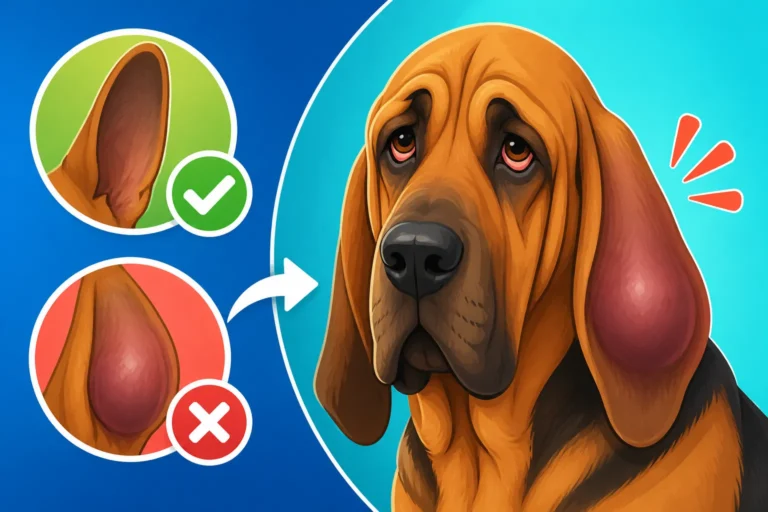
Let's face it, a Bloodhound's ears are a work of art, but they're also a design flaw from a health perspective. Their massive ear leathers hang low, covering the opening of the ear canal like heavy drapes. This effectively blocks airflow, trapping moisture and heat inside. Think about how hot and stuffy a room gets with no windows open – that's essentially what's happening in your Bloodhound's ear. This moist environment is ideal for the proliferation of bacteria and yeast, which are the most common culprits behind ear infections. You can read more about how A Bloodhound's Ears Are a Standing Infection Risk.
Beyond the external structure, the internal anatomy of a Bloodhound's ear canal is also deep and winding, making it difficult for natural debris to escape and for topical medications to penetrate effectively without proper cleaning. This predisposition means that what might be a minor irritation for a dog with prick ears can quickly escalate into a full-blown, painful infection for a Bloodhound. Owners often find themselves routinely cleaning their Bloodhound's ears every week for life to try and stay ahead of these issues.
Identifying the Early Signs of an Ear Infection
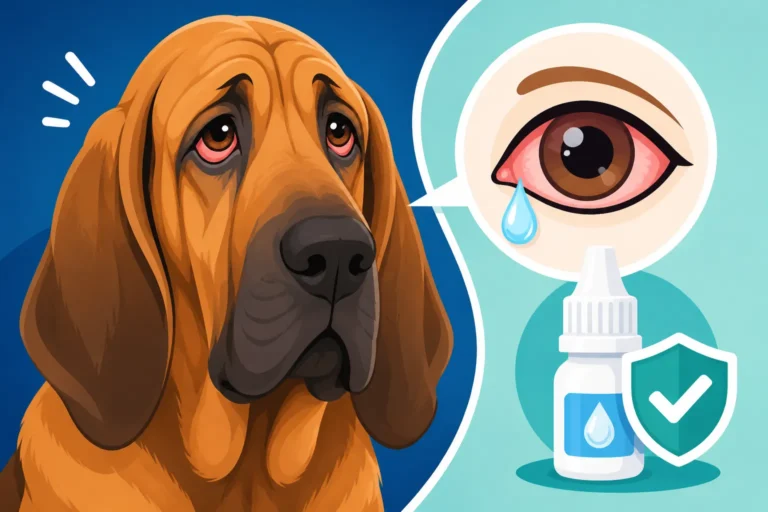
Spotting an ear infection early can make a world of difference in your Bloodhound's comfort and the ease of treatment. The classic signs are often hard to miss. You might notice your Bloodhound shaking its head more frequently, often with vigor, as if trying to dislodge something. Persistent scratching at the ears, sometimes even rubbing them along furniture or the ground, is another clear indicator. If you gently lift their magnificent ear leather, you might observe redness, swelling, or discharge within the ear canal. The discharge can vary in color and consistency – from waxy brown to yellowish-green pus – and often comes with a distinct, unpleasant odor.
Sometimes, the signs are more subtle. Your hound might seem a little off-balance, or perhaps reluctant to let you touch their head. They might even hold one ear slightly lower than the other. If you suspect an infection, a quick trip to the vet is always the best course of action. Delaying treatment can allow the infection to worsen, potentially leading to more severe issues or even a When a Bloodhound's Ear Infection Becomes Permanent.
The Nitty-Gritty of an Ear Culture: When It's Essential
So, when does your veterinarian recommend an ear culture before diving into treatment? It's not always the first step, but it's a critical diagnostic tool, especially for those stubborn, recurrent infections that just don't seem to clear up. An ear culture isn't just about identifying what's growing in there; it also provides crucial information about how to kill it effectively.
What an Ear Culture Actually Is and Why It Matters
An ear culture, also known as a culture and sensitivity test, is a laboratory procedure where a sample of the discharge or material from your Bloodhound's ear canal is collected and grown in a petri dish. The goal is to identify the specific type of bacteria or yeast that is causing the infection. But it doesn't stop there. Once the pathogen is identified, the "sensitivity" part of the test comes in. This involves exposing the isolated bacteria or yeast to a panel of different antibiotics or antifungals to see which ones are most effective at killing it.
Why is this so important? Because not all ear infections are created equal. A common yeast infection might respond well to an antifungal ear drop, but a resistant bacterial infection could require a specific antibiotic that wouldn't even be on your radar without the culture results. Without this information, your vet might be prescribing treatments blindly, which can lead to prolonged suffering for your Bloodhound, the development of antibiotic resistance, and ultimately, more expense and frustration for you. For recurrent issues, understanding Whether Yeast or Bacteria Is More Common in a Bloodhound's Ear is key.
Scenarios Where a Culture is Highly Recommended
There are several key situations where your veterinarian will almost certainly recommend an ear culture for your Bloodhound. If your hound has a chronic ear infection that keeps coming back, despite various treatments, a culture is paramount. This tells your vet if they're dealing with a resistant strain or if there's an unusual pathogen at play. Another scenario is when a previous course of antibiotics or antifungals has failed completely, or if the infection initially improved but then quickly worsened again. This suggests the initial treatment might not have been appropriate for the specific bug causing the problem.
Furthermore, if the infection presents with severe symptoms, such as deep pain, a ruptured eardrum, or signs that the infection has spread beyond the ear canal, a culture provides vital information for aggressive and targeted treatment. If your Bloodhound has been on antibiotics recently for another condition, and now has an ear infection, a culture can help ensure that the new infection isn't resistant to commonly used drugs due to previous exposure. These are often the cases where owners really feel like they're spinning their wheels, and a culture can be the light at the end of the tunnel. It's also worth noting that many pet insurance providers, like Healthy Paws, cover diagnostic tests like ear cultures, which can ease the financial burden of chronic ear issues.
| Scenario | Culture Recommended? | Why? | Potential Outcome Without Culture |
|---|---|---|---|
| First-time, mild infection | Often not | Empirical treatment often effective for common pathogens. | May resolve quickly; if not, a culture might be needed later. |
| Recurrent ear infections | Yes | Identifies resistant strains, underlying causes, and appropriate targeted therapy. | Continued frustration, antibiotic resistance, worsening infection, chronic pain, possible need for What a Total Ear Canal Ablation Means for a Bloodhound. |
| Previous treatment failure | Yes | Determines if the current pathogen is resistant to previously used medications. | Ineffective treatment, prolonged suffering, potential for more severe, deeper infections. |
| Severe symptoms (pain, deep discharge) | Yes | Ensures aggressive, appropriate treatment for serious infections. | Risk of permanent ear damage, spread of infection, systemic illness. |
| Recent antibiotic use for other conditions | Yes | Checks for antibiotic resistance due to prior drug exposure. | Prescribing an ineffective antibiotic, leading to treatment failure and further resistance. |
| Unusual appearance of discharge/lesions | Yes | Helps identify less common pathogens or concurrent issues (e.g., fungal infections). | Missed diagnosis, ineffective treatment for rare conditions, progression of undiagnosed issues. |
The Process: Getting a Sample and Waiting for Results
The actual process of obtaining an ear culture sample is relatively straightforward for your vet, though it might require a little patience from your Bloodhound. First, your vet will perform an otoscopic exam to look deep into the ear canal and assess the eardrum. This helps them determine the best way to collect a sample and ensures the eardrum is intact, which is crucial before putting certain medications into the ear. They will then use a sterile swab to gently collect discharge and debris from the affected area. Sometimes, if the ear is particularly painful or inflamed, or if your Bloodhound is unusually squirmy, mild sedation might be necessary to ensure a good, uncontaminated sample can be collected safely.
Once the sample is collected, it's sent to a veterinary diagnostic laboratory. This is where the magic happens – or rather, the science. The lab technicians will plate the sample on various growth media and incubate it to allow any bacteria or yeast to multiply. This typically takes a few days. Once sufficient growth occurs, they identify the specific organisms and then perform the sensitivity testing. All in all, you can expect to wait anywhere from 3 to 7 days for the full culture and sensitivity results to come back. This waiting period can feel agonizing when your hound is uncomfortable, but the information gained is often invaluable for finally resolving the issue.
When a Culture Might Not Be the First Step
While cultures are powerful tools, they're not always the immediate go-to for every ear infection in a Bloodhound. There are times when your vet might opt for an empirical approach, meaning they choose a broad-spectrum treatment based on their experience and the initial assessment of your dog's ear.
First-Time or Mild Infections: An Empirical Approach
For a Bloodhound's first-ever ear infection, especially if it presents mildly without severe pain or excessive discharge, your vet might choose an empirical treatment. This usually involves prescribing a common antibiotic/antifungal ear drop that is known to be effective against the most frequent culprits – namely, certain bacteria and yeast. This approach is often quicker, less costly up front, and can resolve the issue efficiently if the infection is straightforward. Think of it like treating a common cold; you don't always need a specific diagnostic test to know how to start feeling better.
This strategy relies on the high probability that the infection is caused by one of the usual suspects. If your Bloodhound responds well to the initial course of medication and the infection clears completely, then a culture wasn't strictly necessary. However, if the infection persists or returns shortly after finishing the medication, then the empirical approach has served its purpose, and a culture would become the next logical step to investigate further. It's a balance between swift relief and comprehensive diagnostics.
The Importance of Cytology at Every Vet Visit
Even if a full culture isn't done, your vet will almost always perform cytology during an ear exam. Cytology involves taking a swab of the ear discharge and examining it under a microscope right there in the clinic. This immediate visual assessment can differentiate between yeast, bacteria (and even their shapes, like rods or cocci), and sometimes even mites. This quick test is incredibly helpful because it provides immediate information about the type of organism predominant in the ear.
For example, if the cytology shows predominantly yeast, your vet can confidently prescribe an antifungal ear drop. If it shows cocci bacteria, they might choose an antibiotic effective against common staphylococcal infections. This initial cytology guides the empirical choice, making it more informed than a truly blind guess. It's a fundamental part of diagnosing and monitoring ear infections in Bloodhounds, informing decisions about whether more aggressive steps, like a full culture, are warranted. Plus, it’s far less expensive than a full culture.
Weighing the Cost and Time Factors
The decision to perform an ear culture also involves practical considerations like cost and time. An ear culture and sensitivity test is more expensive than a basic vet exam and cytology, often costing anywhere from $100 to $250 or more, depending on your geographic location and the lab used. And as mentioned, there's a waiting period for results. For some owners, especially those facing an unexpected vet bill, the upfront cost and delay can be a concern. This is where Whether a Bloodhound Owner Needs an Emergency Fund really comes into play.
However, it's crucial to weigh these factors against the potential long-term costs and stress of an unresolved or recurrent infection. If repeated empirical treatments fail, you're not only paying for multiple vet visits and medications, but your Bloodhound is suffering for longer, and you're running the risk of developing resistant infections that are even harder and more expensive to treat down the line. Sometimes, investing in the right diagnostic test upfront can save a significant amount of money and heartache in the long run. Many pet insurance plans, like those offered by Healthy Paws, recognize the value of these diagnostics and often cover a good portion of the costs for cultures and sensitivity testing.
Managing Chronic Ear Infections in Bloodhounds
For Bloodhound owners, chronic ear infections can feel like a never-ending battle. Once a culture has identified the specific culprits and their sensitivities, you and your vet can develop a much more targeted and effective long-term management plan. This isn't just about medication; it's about a holistic approach to keeping those long, beautiful ears healthy.
Tailored Treatment Plans Based on Culture Results
Once those culture and sensitivity results are in hand, your vet can create a truly tailored treatment plan. No more guessing games! If the test reveals a specific bacteria resistant to common antibiotics, your vet can prescribe an antibiotic that the lab confirmed will be effective. Similarly, if it's a persistent yeast issue, a specific antifungal medication can be selected. This precision vastly improves the chances of fully clearing the infection.
Beyond topical ear drops, systemic oral antibiotics or antifungals might be necessary, especially for deep-seated infections or if the eardrum has been compromised. Your vet might also recommend anti-inflammatory medications to reduce swelling and pain, helping your Bloodhound feel more comfortable while the primary treatment takes effect. This customized approach means less trial-and-error, quicker resolution of symptoms, and a better outcome for your beloved hound.
Addressing Underlying Issues and Preventing Recurrence
Treating the immediate infection is only half the battle, especially for Bloodhounds. Often, there are underlying factors that contribute to recurrent ear problems. Allergies are a huge one – whether environmental (like pollen or dust mites) or food-related. If your Bloodhound has chronic ear infections, your vet might suggest investigating allergies as a root cause. This could involve dietary trials, allergy testing, or managing environmental triggers. Whether Allergies Make a Bloodhound's Folds Worse is a related concern, as skin issues often go hand-in-hand with ear problems.
Regular ear cleaning, as detailed in guides like How Often a Bloodhound's Ears Need Cleaning and What to Clean a Bloodhound's Ears With, is absolutely critical for Bloodhounds. Using an appropriate ear cleaner recommended by your vet can help keep the ear canal dry and free of debris, reducing the chance of microbial overgrowth. For some Bloodhounds, lifestyle changes, such as ensuring their ears are completely dry after swimming or bathing, can also make a significant difference. Sometimes, even dietary supplements, like omega-3 fatty acids, can support overall skin and ear health.
When to Re-evaluate and Consider Specialist Referral
Even with a targeted treatment plan, some Bloodhounds continue to struggle. If your hound's ear infection isn't resolving as expected, or if it recurs very quickly despite following all instructions, it's time to re-evaluate. This might mean another culture to check for new resistance, or to ensure no secondary infections have popped up. It also means considering if there are other, more complex underlying issues at play.
In persistent or severe cases, your general veterinarian might recommend a referral to a veterinary dermatologist or an internal medicine specialist. These specialists have advanced diagnostic tools and expertise in managing complex skin and ear conditions. They might perform advanced imaging, like CT scans, to look for issues deep within the ear canal or middle ear that aren't visible on a standard otoscopic exam. While a specialist referral adds to the cost, organizations like Healthy Paws often include specialist visits in their coverage, which can be a huge relief for owners facing complex, long-term health challenges. Ultimately, the goal is always to find the best possible solution to give your Bloodhound lasting comfort and health.
Disclaimer
The information provided in this guide is intended for educational purposes only and should not be considered a substitute for professional veterinary advice. Always consult with a qualified veterinarian for any health concerns or before making any decisions about your Bloodhound's medical care.