Whether a Bloodhound Is Used as a School or Team Mascot
Bloodhounds work as school and team mascots through logos, costumes, or live dogs requiring careful animal welfare planning.
Is this the right one for you?
Origins and temperament, size and coat, what living with one is actually like, and how it compares to the breeds people weigh against it.

Bloodhounds work as school and team mascots through logos, costumes, or live dogs requiring careful animal welfare planning.

Bloodhound characters in films and television, such as Trusty and Chief, and how screen portrayals compare to real tracking.

Bloodhound worldwide recognition involves separate national kennel organizations rather than one single global registry authority.

Bloodhounds and Saint Bernards share European history and monastery links, but lack documented direct ancestry.

American coonhounds developed from various hunting hounds, and Bloodhound ancestry only entered some specific breeding lines.
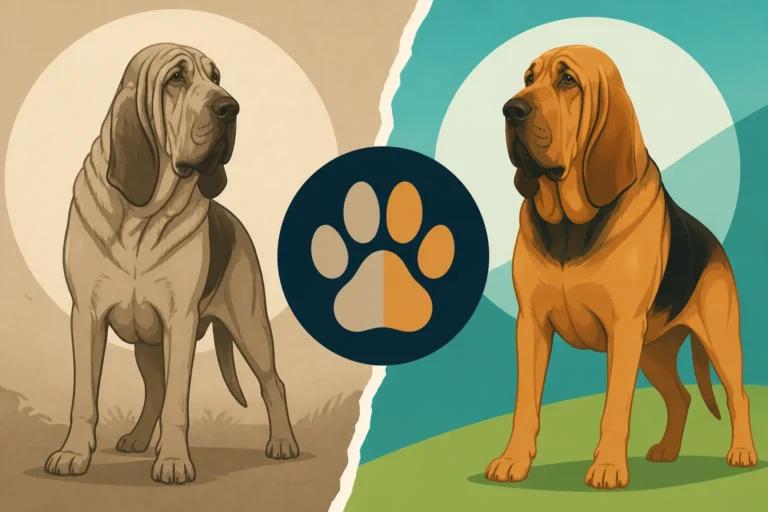
The Bloodhound breed standard since 1900 changed in wording and interpretation while preserving recognizable traits.

The American Kennel Club classifies the Bloodhound in the Hound Group because the breed tracks trails using scent.

Health-focused breeding practices among responsible Bloodhound breeders help buyers evaluate screening results and inherited risks before choosing puppies.

Bloodhound lifespan concerns and breed averages explain how life expectancy influences adoption decisions and household pet care planning.

Bloodhound owner experiences and everyday realities explain why some people would happily choose the breed again.