Robert Boyle Wrote Down the First Bloodhound Trial
Scientist Robert Boyle recorded the earliest known bloodhound trial in the seventeenth century, documenting canine tracking abilities.
Is this the right one for you?
Origins and temperament, size and coat, what living with one is actually like, and how it compares to the breeds people weigh against it.
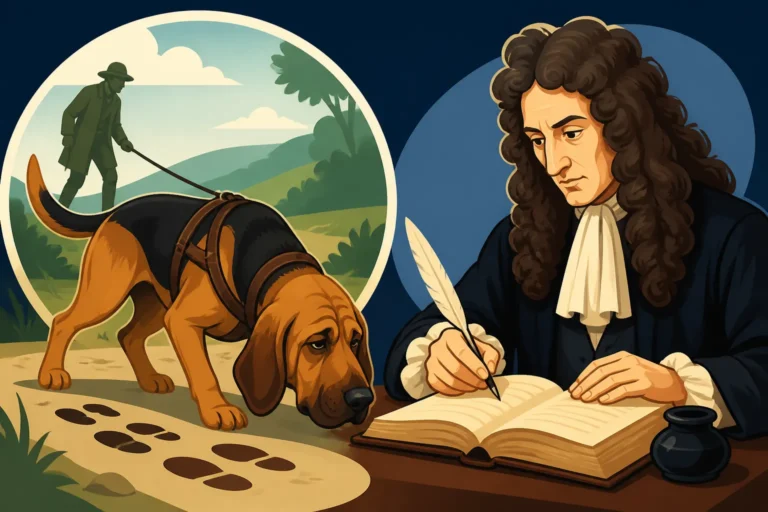
Scientist Robert Boyle recorded the earliest known bloodhound trial in the seventeenth century, documenting canine tracking abilities.
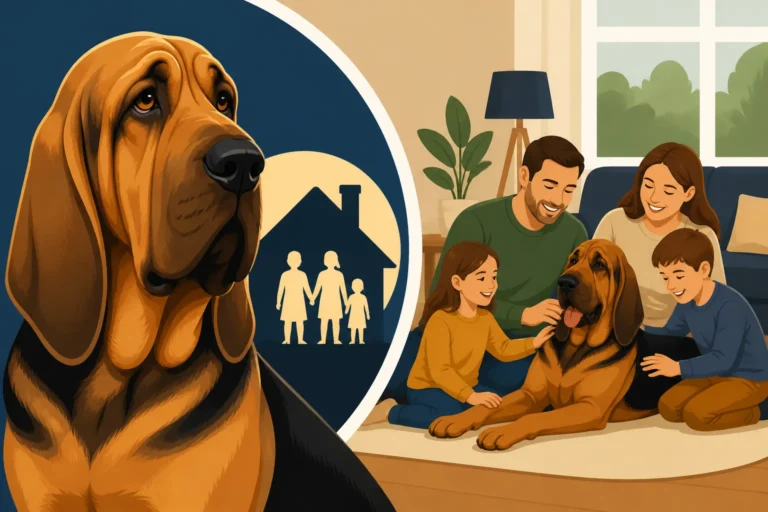
Bloodhound ownership requires secure fencing and daily scent work to manage this specialized working dog breed safely.
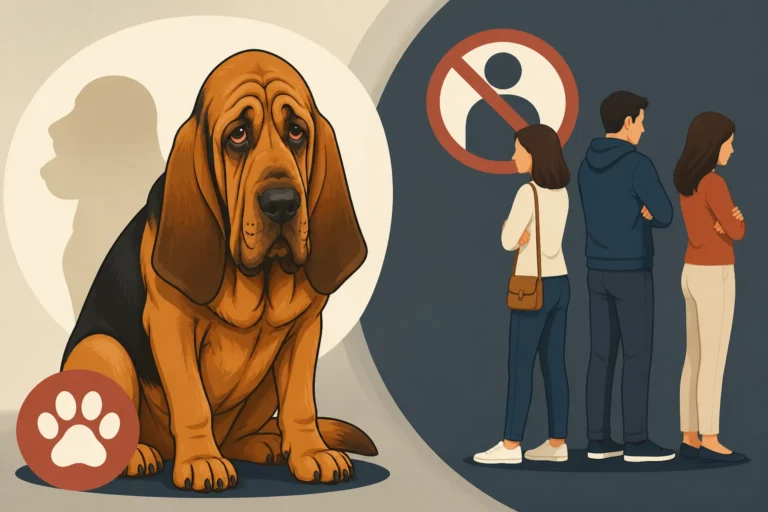
Bloodhound traits like relentless scent tracking and independent nature explain why the breed remains uncommon in households.
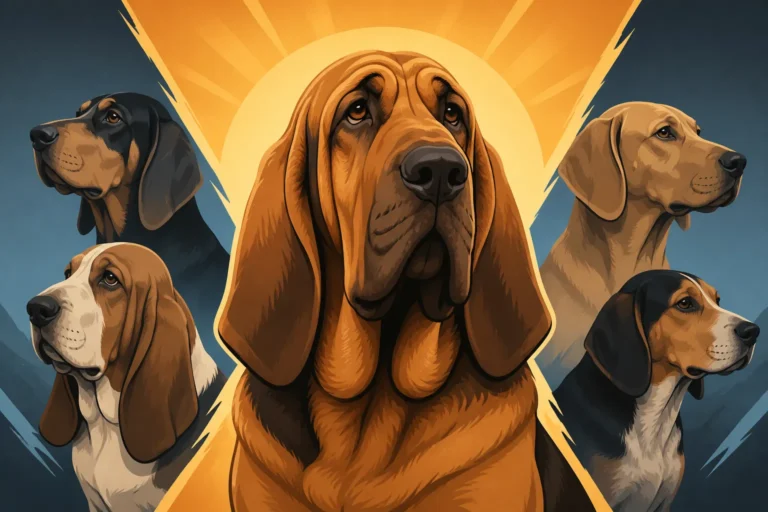
Bloodhound scenting abilities and physical traits compared to other scenthounds highlight unique olfactory receptors and court admissibility.
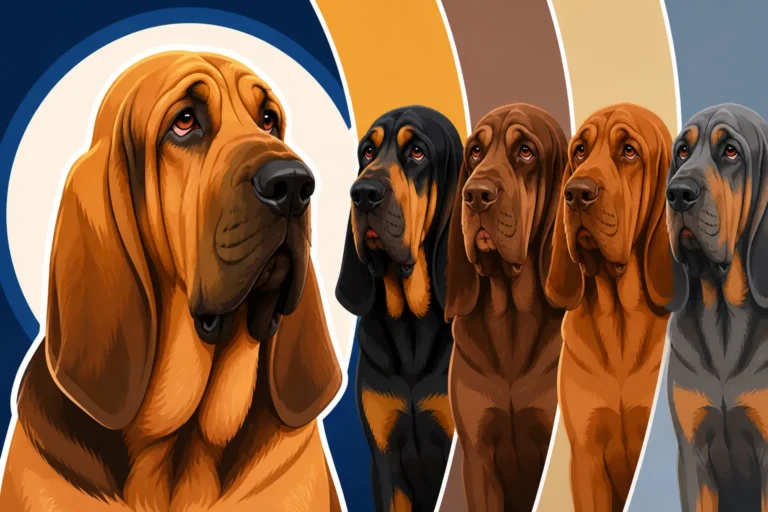
Bloodhound coat colors include the iconic black and tan, rich liver and tan, and various red shades like mahogany.
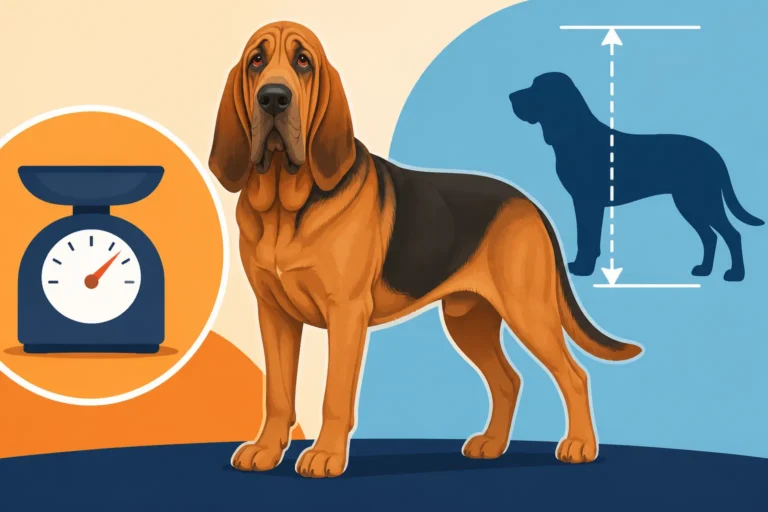
Bloodhound weight and height standards detail the physical size of these giant scent hounds and their proportional proportions.
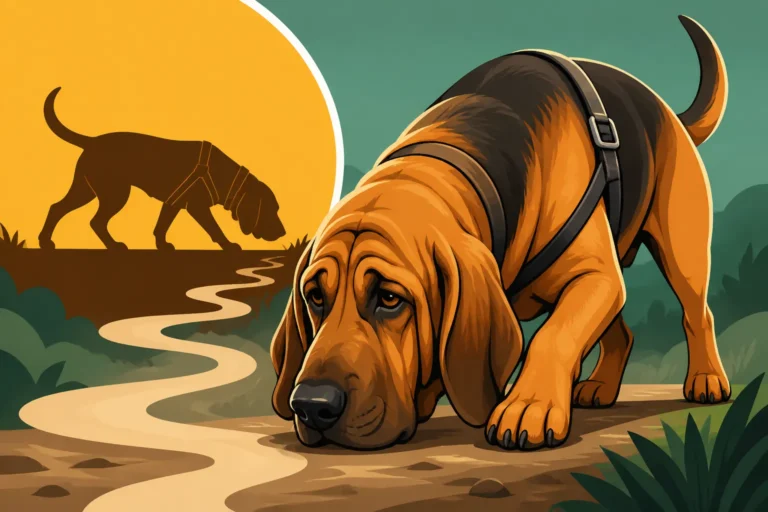
Nick Carter, a legendary twentieth century Bloodhound, achieved six hundred fifty finds and shaped law enforcement history.
The name Bloodhound originates from the historical term blooded hound, meaning a purebred canine of noble lineage.
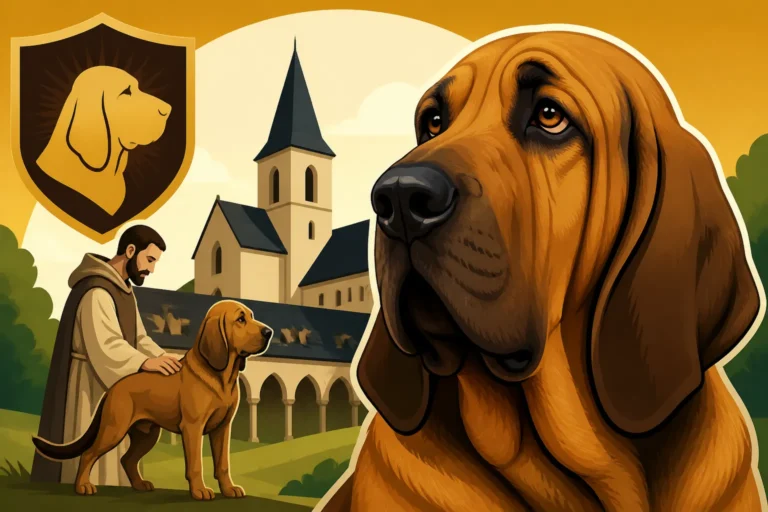
The Abbey of Saint Hubert preserves the ancient lineage, true name origin, and remarkable scenting history of the Bloodhound.
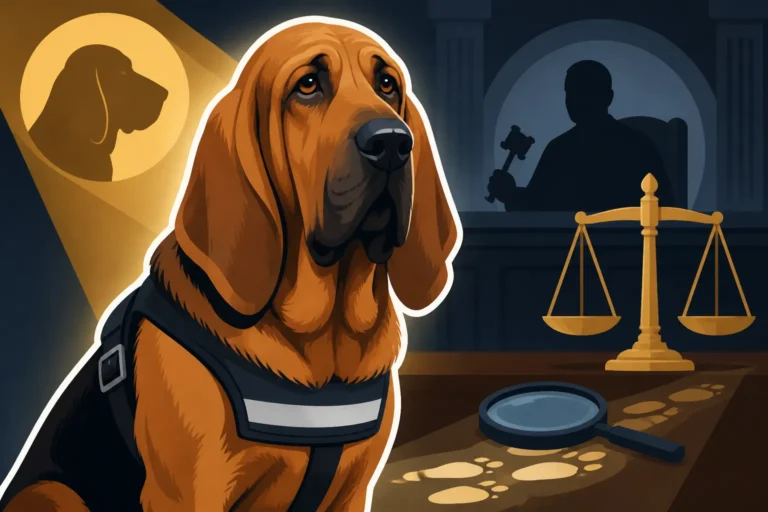
Bloodhound tracking evidence stands in court because their unique biological anatomy allows them to follow one specific scent.