The Abbey of Saint Hubert Bred the Bloodhound’s Ancestor
The Abbey of Saint Hubert preserves the ancient lineage, true name origin, and remarkable scenting history of the Bloodhound.

The Abbey of Saint Hubert preserves the ancient lineage, true name origin, and remarkable scenting history of the Bloodhound.

Bloodhound tracking evidence stands in court because their unique biological anatomy allows them to follow one specific scent.

Weekly cleaning of a Bloodhound’s long, heavy ears prevents trapped moisture, bacteria, yeast infections, and chronic inflammation.
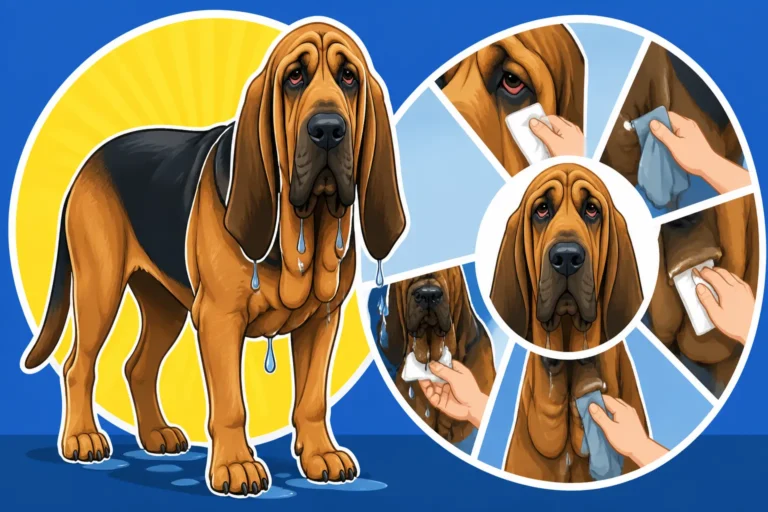
Bloodhound anatomy features heavy ears, wrinkles, and jowls that trap dirt, requiring daily cleaning to prevent infections.
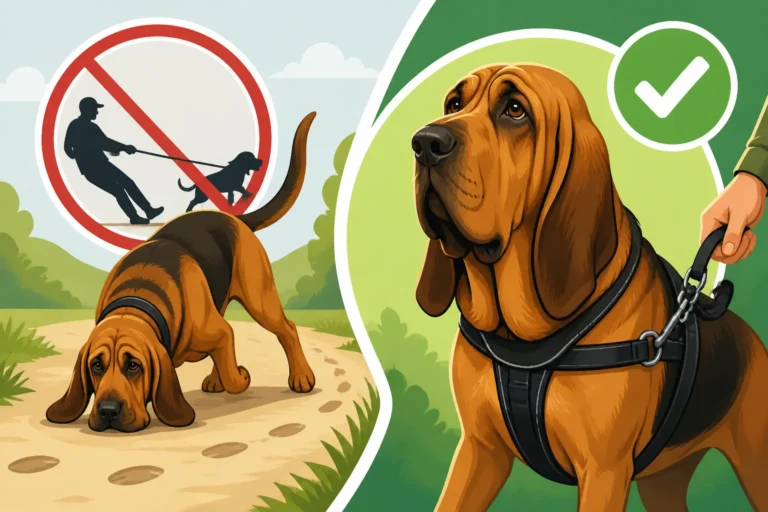
Bloodhound off-leash training fails because instinctive scent tracking overrides obedience, making unsupervised freedom unsafe for this breed.

Bloodhound scent tracking behavior and up to 300 million olfactory receptors explain why these dogs prioritize smells over handlers.

Emergency bloat surgery costs for a Bloodhound involve diagnostic fees, intensive after hours care, and immediate veterinary stabilization.

Bloodhound surgery costs, deep chest bloat risks, chronic ear infections, and eyelid conditions are explained for owners.
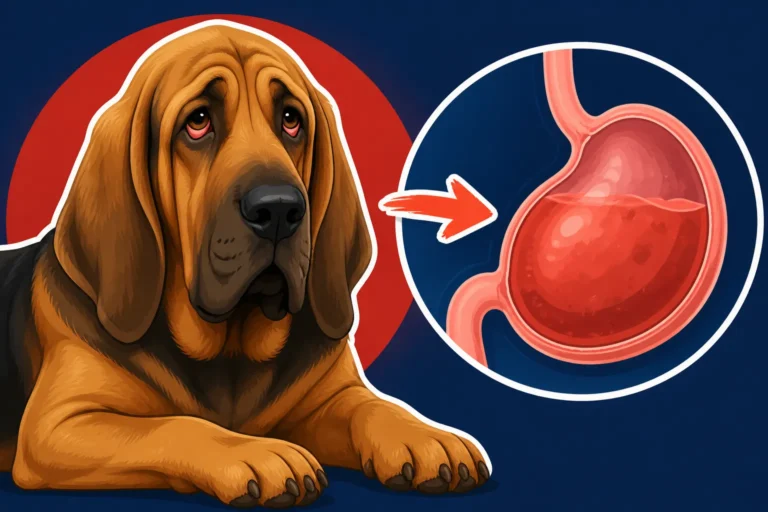
Gastric dilatation-volvulus in Bloodhounds involves stomach swelling and twisting, explaining why this condition kills most hounds.

Bloodhound health challenges and specific predispositions explain why this large breed has a shorter median lifespan of seven to ten years.

Bloodhounds work as school and team mascots through logos, costumes, or live dogs requiring careful animal welfare planning.

Bloodhound characters in films and television, such as Trusty and Chief, and how screen portrayals compare to real tracking.

Bloodhound worldwide recognition involves separate national kennel organizations rather than one single global registry authority.

Bloodhounds and Saint Bernards share European history and monastery links, but lack documented direct ancestry.
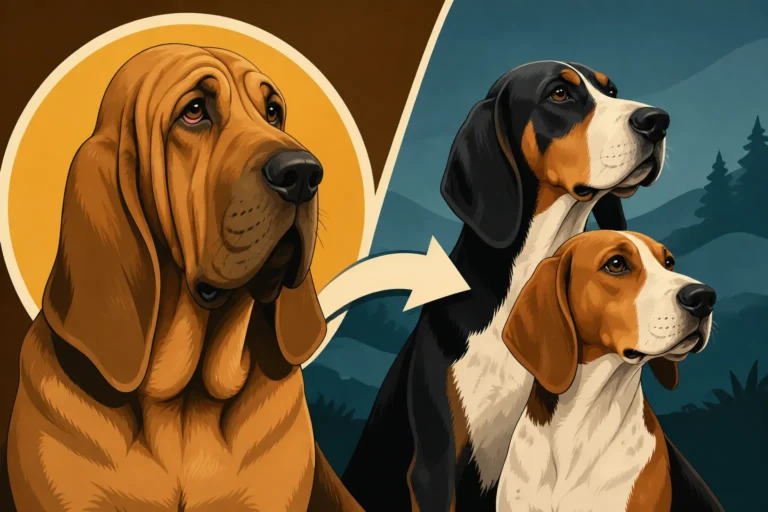
American coonhounds developed from various hunting hounds, and Bloodhound ancestry only entered some specific breeding lines.
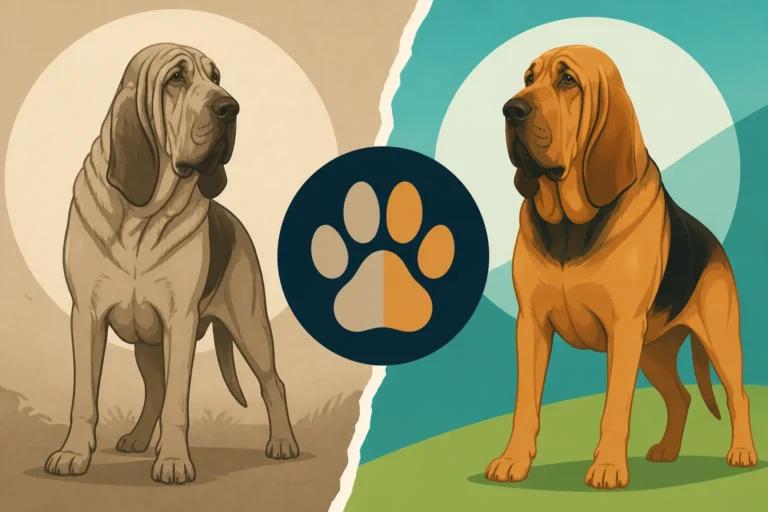
The Bloodhound breed standard since 1900 changed in wording and interpretation while preserving recognizable traits.

The American Kennel Club classifies the Bloodhound in the Hound Group because the breed tracks trails using scent.

Health-focused breeding practices among responsible Bloodhound breeders help buyers evaluate screening results and inherited risks before choosing puppies.

Bloodhound lifespan concerns and breed averages explain how life expectancy influences adoption decisions and household pet care planning.

Bloodhound owner experiences and everyday realities explain why some people would happily choose the breed again.