Cleaning a Bloodhound’s Ears Every Week for Life
Let's be honest: owning a Bloodhound is a special kind of love, full of baying, drool, and an undeniable charm. But if you’re a Bloodhound parent, you know that their glorious, sweeping ears are a constant source of both admiration and apprehension. They're magnificent to behold, but they're also notorious for becoming hotbeds of irritation and infection. This comprehensive guide is here to walk you through the non-negotiable, lifelong routine of weekly ear cleaning, giving you the tools and confidence to keep your hound happy and healthy.
The Unique Anatomy of a Bloodhound's Ear
You can't really understand why weekly ear cleaning is so critical for a Bloodhound until you grasp the unique design of their ears. These aren't just any floppy ears; they are long, heavy, pendulous works of art that also happen to be a perfect storm for ear problems. It's a design that serves their incredible scenting ability, but it comes with significant challenges for their owners.
Why Their Ears are a Breeding Ground for Trouble
Imagine living with a damp, warm blanket constantly covering your inner ear. That's essentially what a Bloodhound's long, heavy ear leathers do. Unlike breeds with upright ears, or even shorter-eared hounds, the Bloodhound's ears hang low and close to the head, creating a perfectly sealed, moist environment. This lack of air circulation means that any moisture that gets in – from drinking water, a bath, or even just humidity – stays trapped. This creates a dark, warm, and humid microclimate, which, let's face it, is basically paradise for bacteria and yeast to multiply. It's not a matter of if your Bloodhound will get an ear infection, but when, and how often, without proper preventative care. Their deep ear canals, combined with the heavy folds of skin, further exacerbate this issue, making it difficult for natural debris to escape and for air to penetrate.
Beyond the internal environment, those long ears are literally dragging along the ground when your Bloodhound is following a scent. They act like scent-sweepers, funneling odors towards their super-powered nose, but they also pick up every bit of dirt, dust, pollen, and debris along the way. Think about it: every leaf, every patch of mud, every stray twig gets brushed by those ears, carrying potential irritants and pathogens right up to the ear canal opening. It's a brilliant design for tracking, but a constant headache for hygiene. This constant exposure to environmental grime, coupled with the trapped moisture, means that without vigilant cleaning, A Bloodhound's Ears Are a Standing Infection Risk is not just a warning; it's a certainty.
Understanding the Risks: Infections and Complications
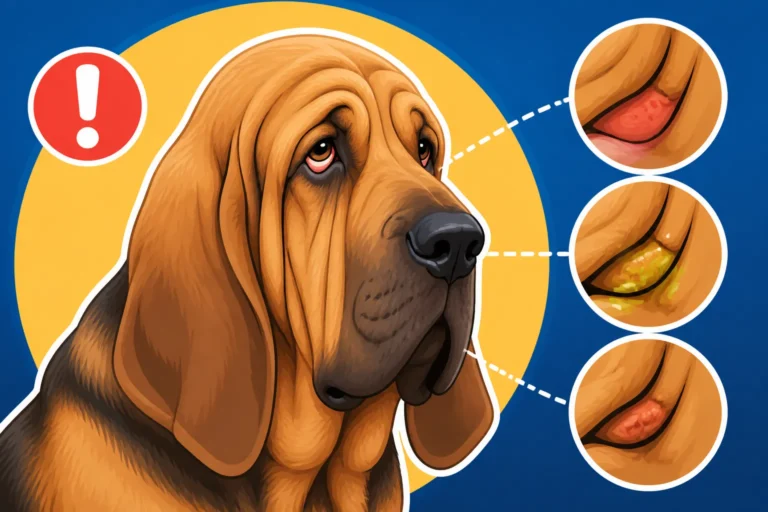
The moist, warm environment and constant exposure to debris directly lead to a host of common ear issues for Bloodhounds. The most frequent culprits are bacterial and yeast infections. A yeast infection, often caused by the fungus Malassezia pachydermatis, typically presents with a foul, yeasty smell – often described as smelling like old bread or corn chips – along with a brownish, waxy discharge. Bacterial infections, on the other hand, might have a more pungent, almost putrid odor, and could produce yellow or greenish pus-like discharge. Both can cause intense itching, leading your Bloodhound to shake their head, scratch at their ears, and rub them against furniture, which only makes things worse.
Left untreated, these infections can become chronic, deep-seated problems that are incredibly difficult and expensive to resolve. Persistent inflammation and infection can lead to thickening of the ear canal tissues, making it even harder for air to circulate and medication to penetrate. In severe cases, the ear canal can even narrow permanently, a condition called stenosis. This can ultimately require surgical intervention, such as a Total Ear Canal Ablation (TECA), which is a major, invasive, and costly procedure. Beyond the chronic infections, the vigorous head shaking that often accompanies ear discomfort can lead to aural hematomas – blood blisters that form on the ear flap when blood vessels rupture due to the force of shaking. These also require veterinary attention, often surgical draining. Understanding these risks drives home why a consistent, weekly ear care routine isn't just a suggestion; it's a critical component of responsible Bloodhound ownership. How Often a Bloodhound Gets an Ear Infection is directly correlated to how diligent you are with preventative care.
Gathering Your Bloodhound Ear Cleaning Arsenal
Before you even think about starting the cleaning process, you need to have all your supplies organized and ready. A frantic search for cotton balls mid-clean will only stress you and your Bloodhound out. Think of it like a medical procedure; preparedness is key to success.
Essential Cleaning Solutions and Wipes
Choosing the right ear cleaning solution is paramount. You absolutely want a veterinary-approved ear cleaner. These are specifically formulated to be gentle on the delicate ear canal lining while effectively breaking down wax and debris. Look for solutions that contain drying agents to help counteract the inherent moisture problem in Bloodhound ears. Ingredients like salicylic acid, lactic acid, or witch hazel are often found in good quality cleaners because they help dry the ear canal and have mild antiseptic properties. Avoid using harsh chemicals, alcohol, or hydrogen peroxide, as these can irritate the ear, strip protective oils, and potentially cause more damage than good. While some people swear by homemade remedies like diluted apple cider vinegar, always consult your vet before trying anything outside of commercially available, vet-approved products. They can advise you on What to Clean a Bloodhound's Ears With based on your specific dog's needs and any underlying sensitivities.
Beyond liquid cleaners, medicated ear wipes can be a fantastic addition to your arsenal, especially for quick daily wipe-downs of the outer ear flap and visible folds. These wipes often contain similar ingredients to the liquid cleaners but are pre-moistened for convenience. They're great for maintaining hygiene between deeper cleanings or for targeting specific areas where moisture might accumulate. You can find a wide variety of ear cleaners and wipes easily online through retailers like Chewy or Amazon, which offer a broad selection of trusted brands and often have customer reviews to help guide your choice. Just remember to read labels carefully and prioritize products recommended by veterinarians.
Tools for a Thorough (and Safe) Cleaning
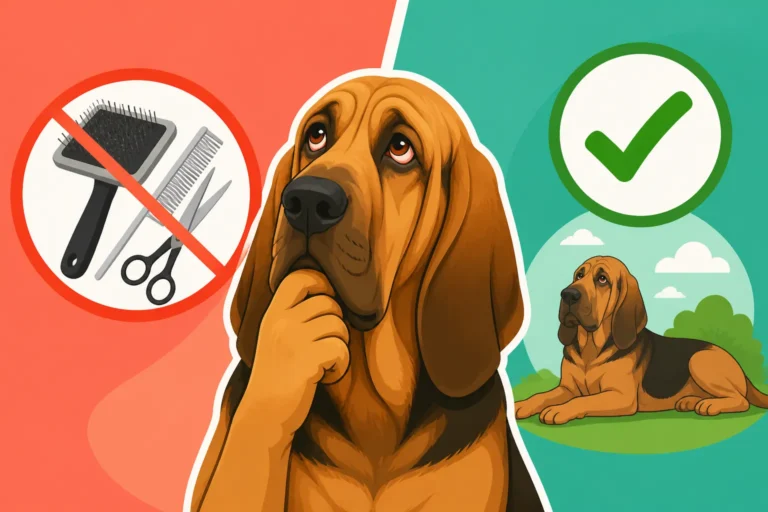
Once you have your cleaning solution, you'll need the right tools for application and wiping. First and foremost, stock up on plenty of large cotton balls or gauze pads. These are ideal for wiping away discharge and solution from the outer ear and visible parts of the canal. Crucially, never use cotton swabs (Q-tips) to clean inside your Bloodhound's ear canal. Their ear canals are L-shaped, and a cotton swab can easily push debris deeper into the ear, compacting wax against the eardrum, or even rupturing the eardrum itself. Stick to tools that allow you to clean only what you can see.
You'll also need a stack of old towels – and trust me, you'll want more than you think. Bloodhounds, being Bloodhounds, are likely to shake their heads vigorously during or immediately after the cleaning process, sending ear gunk and solution flying. Having towels ready will save your walls, furniture, and clothes. Another invaluable tool, especially during meal times or during the cleaning process, is a snood. This fabric tube fits over your Bloodhound's head and neatly gathers their long ears, keeping them out of their food bowl, preventing them from dragging through wet grass, and holding them securely out of the way during cleaning. Seriously, a good snood is a game-changer for keeping those ears clean. You can often find durable, washable snoods on Amazon or specialized pet boutiques. Finally, and perhaps most importantly, have a stash of high-value treats ready. Positive reinforcement is key to making ear cleaning a less stressful experience for your hound (and for you!).
Step-by-Step Guide to Weekly Bloodhound Ear Cleaning
Now that you've got your supplies, it's time to put theory into practice. Approaching ear cleaning with a calm, methodical, and patient attitude will make all the difference for your Bloodhound. Remember, this isn't just a chore; it's an act of care that helps them live comfortably.
Setting the Scene for Success
The environment you choose and your preparation beforehand can significantly impact how smoothly the cleaning goes. First, pick a time when your Bloodhound is relaxed and calm, not immediately after a vigorous play session or when they're overly excited. A quiet room with good lighting is ideal. I often find the bathroom works well because spills are easier to clean, and the lighting is usually adequate for seeing inside the ear. Lay down plenty of old towels on the floor or counter where you'll be working, because drips and shakes will happen.
If you have a particularly squirmy or sensitive Bloodhound, consider recruiting a helper. One person can gently steady the dog and offer treats, while the other focuses on the cleaning itself. This can turn a two-person struggle into a cooperative effort. For puppies, starting ear cleaning early and making it a positive experience from day one is crucial. Gentle handling, lots of praise, and high-value rewards can help them associate ear care with pleasant sensations. Remember, you're building a lifetime habit. If you start when they're young and curious, it will be much easier than trying to introduce it to an adult dog who has only known discomfort or neglect around their ears. Whether Ear Cleaning Should Start in Puppyhood for a Bloodhound is definitely a "yes" in my book.
The Cleaning Process: From Solution to Wipe
Alright, deep breath! Here's the step-by-step for the actual cleaning:
- Position Your Bloodhound: Have your Bloodhound sit or lie down comfortably. If you have a helper, they can gently hold your dog's head steady and offer continuous treats.
- Lift the Ear Flap: Gently lift the long ear leather to expose the opening of the ear canal. You'll see the vertical canal leading down, then turning horizontally. Remember, you're only cleaning what you can see.
- Apply the Solution: Hold the ear cleaner bottle opening near the entrance of the ear canal. Squeeze a generous amount of solution into the ear canal until it's visibly full, but not overflowing too quickly. Don't be shy – you need enough solution to loosen the wax and debris.
- Massage the Base of the Ear: This is a crucial step! Gently but firmly massage the base of your Bloodhound's ear for about 20-30 seconds. You should hear a squishy sound, which indicates the solution is working its way down into the horizontal ear canal and breaking up debris. Many Bloodhounds actually enjoy this part if you're gentle.
- Allow the Shake: After massaging, stand back and let your Bloodhound shake their head. This is instinctual and helps dislodge loosened gunk. Be prepared for a spray of liquid and debris, hence the towels!
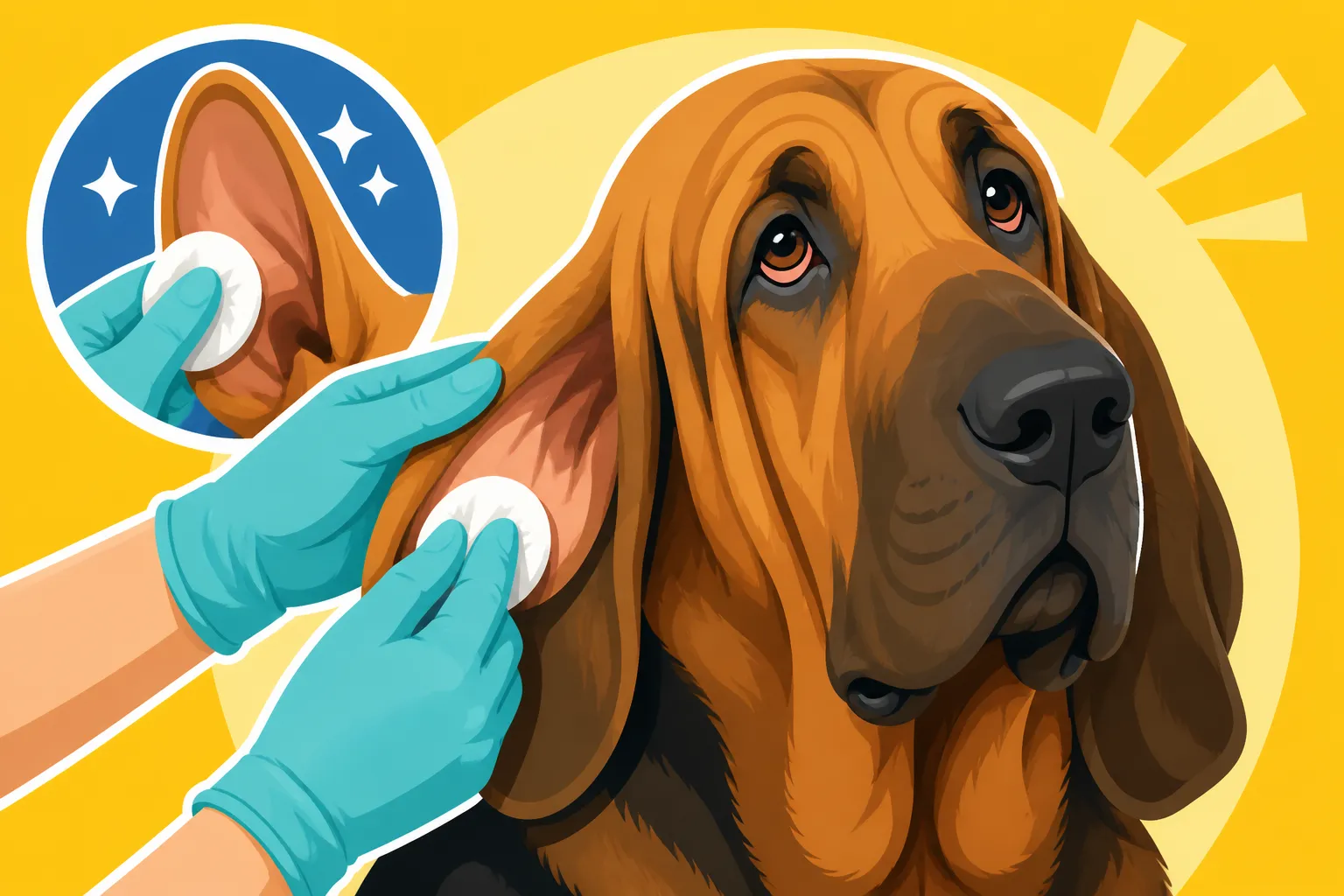
- Wipe the Outer Ear: Take a clean cotton ball or gauze pad and gently wipe out the visible parts of the ear. This includes the inner surface of the ear flap, the folds around the ear opening, and as far down into the canal as your finger can comfortably reach without force. Repeat with fresh cotton until no more visible dirt or discharge comes out. Don't rub too vigorously, as this can cause irritation.
Drying and Post-Cleaning Care
Once you've cleaned the ears, the next critical step is to ensure they are thoroughly dry. Remember, moisture is the enemy in a Bloodhound's ear canal. Use fresh, dry cotton balls or gauze pads to absorb any remaining liquid. Gently blot and wipe the visible parts of the ear, making sure to get into all those nooks and crannies of the ear flap. You want the ear to feel dry to the touch. If your dog is particularly prone to moisture, some vets might recommend a specific ear-drying powder, but always consult with your vet first.
After drying, give your Bloodhound plenty of praise and those high-value treats you had ready. Make it a positive wrap-up to the experience. You might also want to gently wipe down the outside of the ear leathers, especially the tips, with a damp cloth if they picked up any grime during the process. Regularly checking the ear tips is important, particularly in colder weather, as Whether a Bloodhound's Ear Tips Crack in Winter can be a real concern. The skin on those long, heavy ear flaps can become dry and chapped. A little balm or petroleum jelly can help prevent this if you notice dryness. This entire routine, from cleaning to drying and rewarding, should become a normal, even expected, part of your Bloodhound's week.
Common Challenges and Troubleshooting in Bloodhound Ear Care
Even with the best intentions and the right supplies, ear cleaning can sometimes feel like an uphill battle. Bloodhounds, with their strong opinions and often sensitive nature, can present unique challenges. But don't despair; there are ways to navigate these hurdles.
Dealing with Reluctance and Resistance
It's completely normal for a Bloodhound, especially a young one or one new to the routine, to be reluctant or even outright resistant to ear cleaning. This isn't stubbornness (well, not just stubbornness); it could be due to past negative experiences, discomfort, or simply the unfamiliar sensation. The key here is patience, consistency, and positive reinforcement. If your Bloodhound is actively struggling, don't force it. Instead, break the process down into smaller, less intimidating steps. Start by just touching their ears and immediately rewarding them. Gradually work up to lifting the ear, then holding it, then introducing the bottle, and so on. Each small step successfully achieved earns a treat and praise. This desensitization process might take days or even weeks, but it's an investment in a calmer future.
Sometimes, reluctance can stem from actual pain or discomfort, not just dislike of the process. If your Bloodhound suddenly becomes very resistant to ear handling, cries out, or exhibits aggressive behavior during cleaning, stop immediately. There might be an underlying infection or injury that needs veterinary attention. You don't want to cause more pain or make them associate ear care with hurting. For ongoing behavioral challenges, a professional dog trainer or veterinary behaviorist might be able to offer specific strategies to help ease your Bloodhound's anxiety around ear handling. Remember, a Bloodhound's strong prey drive and independent nature mean that harsh handling or punishment will only create more resistance and damage your bond. Keep it positive, always.
When to Seek Veterinary Attention
Knowing when to clean and when to head straight to the vet is crucial for a Bloodhound owner. While weekly preventative cleaning is vital, it's not a substitute for professional medical care when an infection is brewing. Here are the red flags that warrant an immediate vet visit, and that mean you should not attempt to clean the ear yourself, as you could cause pain or push infection deeper:
- Persistent Head Shaking or Scratching: While some head shaking is normal during cleaning, constant or vigorous head shaking and scratching (especially if one ear is targeted) is a primary indicator of discomfort or infection.
- Foul Odor: A truly unpleasant, strong, or unusual smell emanating from the ear. While Bloodhounds have their own unique scent, a pungent, yeasty, or putrid smell is a clear sign of trouble.
- Discharge: Any discharge that is not clear or a minimal, light brown wax. Look for yellow, green, black, or thick, dark brown waxy discharge.
- Redness and Swelling: Inflammation, redness, or swelling of the ear flap or inside the ear canal.
- Pain or Sensitivity: Your Bloodhound cries out, pulls away, or shows aggression when you try to touch their ear.
- Changes in Ear Leather: Hotness to the touch, or crusting, scabbing, or hair loss on the ear flap.
- Rubbing or Tilting Head: Consistently rubbing their ear on the ground or furniture, or holding their head tilted to one side.
These are all signs that Signs a Bloodhound's Ear Is Infected and that the infection likely requires specific medication, often prescription ear drops or oral antibiotics, that only a veterinarian can provide. Trying to clean an already infected ear can be painful for your dog and might delay proper treatment. Your vet will be able to properly diagnose the type of infection (bacterial, yeast, or both) and prescribe the most effective course of action.
Beyond the Weekly Clean: Proactive Ear Health Strategies
While weekly cleaning is your frontline defense, a truly comprehensive approach to Bloodhound ear health involves looking at other factors that can contribute to problems. Sometimes, ear issues are a symptom of a larger underlying condition.
Diet, Allergies, and Their Impact on Ear Health
It might surprise you, but what your Bloodhound eats can have a direct impact on the health of their ears. Many ear infections, especially chronic or recurrent ones, are actually secondary symptoms of allergies. Dogs can be allergic to environmental factors (like pollen, dust mites, or molds) or to ingredients in their food. Food allergies or sensitivities often manifest as skin issues, and the ear canal lining is essentially just an extension of the skin. If your Bloodhound is constantly battling ear infections despite diligent cleaning, it's definitely worth discussing with your vet whether allergies might be at play.
Your vet might suggest a food trial with a novel protein or hydrolyzed protein diet to rule out food sensitivities. Choosing a high-quality, balanced diet is important for overall health, including skin and coat health, which extends to the ears. Some owners find that certain commercial dog food brands, like Ollie, which focuses on fresh, human-grade ingredients, can sometimes help alleviate allergy symptoms in sensitive dogs by providing a simpler, more digestible diet, though every dog is different. It's not a magic bullet, but considering dietary changes under veterinary guidance can be a powerful proactive step in managing chronic ear problems.
Environmental Considerations and Lifestyle Habits
Beyond diet, your Bloodhound's environment and daily habits play a significant role in their ear health. Bloodhounds love to swim, but those long ears are terrible at drying out. If your Bloodhound enjoys a dip, ensure you thoroughly dry their ears immediately afterward. Use absorbent cotton and even a gentle, low-heat hairdryer (held at a distance and never directed into the canal) to ensure moisture doesn't linger. Whether Swimming Sets Off a Bloodhound's Ears is a common concern for owners of pendulous-eared breeds, and the answer is often a resounding "yes" if not properly managed.
When your Bloodhound is out doing what they do best – trailing – those ears are going to get into everything. Burrs, foxtails, twigs, and other plant matter can easily become lodged in the long ear leather or even work their way into the ear canal, causing irritation or infection. Always give your Bloodhound's ears a quick visual check and gentle feel after every outdoor adventure, especially if you've been in tall grass or brush. Removing debris promptly can prevent a small irritation from escalating into a full-blown problem. Whether Burrs Catch in a Bloodhound's Ear Leather is a very real possibility, and often requires careful, gentle removal. Lastly, maintaining a routine of regular veterinary check-ups allows your vet to spot any subtle changes in ear health before they become major issues and to advise on the best preventative care plan for your individual hound.
Long-Term Commitment: A Lifetime of Ear Care
For a Bloodhound, ear care isn't a temporary phase; it's a lifelong commitment. Those magnificent, heavy ears will always be susceptible to issues, making consistent, proactive care essential for their comfort and well-being throughout their entire life.
Establishing a Routine for Success
The key to preventing chronic ear problems and keeping your Bloodhound's ears healthy is establishing a consistent routine and sticking to it. Weekly cleaning should become as ingrained as feeding them or taking them for a walk. Pick a specific day or two each week for ear checks and cleaning, and try to perform it at the same time. This predictability helps your Bloodhound understand what's coming and reduces anxiety. Involve other family members who interact with the dog, ensuring everyone understands the importance of ear hygiene and how to perform basic checks. Consistency creates habit, and habit creates a less stressful experience for everyone involved.
Consider how those long ears interact with daily activities, particularly mealtime. A snood isn't just for cleaning; it's also incredibly useful for keeping your Bloodhound's ears out of their food and water bowls. Imagine dipping those long ears into a wet meal every day – it's a recipe for moisture and bacteria. A snood or a specially designed narrow, deep bowl can help. The Bloodhound Ear That Trails Through the Food Bowl is a vivid image, and one you want to avoid. By making these small adjustments to their daily life, you can significantly reduce the amount of grime and moisture that enters their ear canal, making your weekly cleaning even more effective.
The Payoff: A Happy, Healthy Bloodhound
While the thought of weekly ear cleaning might seem daunting at first, especially with a squirmy Bloodhound, the payoff for this commitment is immense. Diligent ear care prevents painful and costly ear infections, sparing your beloved hound discomfort and potentially serious health complications. It saves you from emergency vet visits, expensive medications, and potentially invasive surgeries down the line. Beyond the financial and medical aspects, a Bloodhound with clean, healthy ears is simply a happier dog. They're more comfortable, less irritable, and free to focus their incredible nose on what they do best: exploring the world without the distraction of itchy, painful ears.
Think of it as an investment in their quality of life. This consistent attention to a breed-specific vulnerability allows your Bloodhound to thrive. It’s a testament to responsible ownership and a true act of love. Yes, it takes time, effort, and sometimes a bit of creative wrestling, but the peace of mind knowing you’re preventing suffering and promoting their overall health is truly priceless. What a Bloodhound's Chronic Ear Care Costs Over a Lifetime can be astronomical if neglected, making proactive care the smartest and kindest choice.
Disclaimer
This article is for general informational purposes only and does not constitute professional advice. Laws, prices and regulations vary by location and change over time. Consult a qualified professional for guidance on your specific situation.