Signs a Bloodhound’s Fold Is Turning
As a Bloodhound owner, you know those glorious, velvety folds are a defining feature of our beloved hounds, but they’re also a constant source of worry. It's incredibly frustrating when you're diligently trying to keep them clean, only to suspect something is "turning" wrong, leaving you wondering if it's just a bit of normal dampness or the start of a full-blown skin issue. This guide is here to help you decipher those subtle cues and blatant red flags, so you can confidently identify when your Bloodhound's folds are heading for trouble and know exactly what steps to take.
Understanding Healthy Bloodhound Folds vs. Troubled Ones
Our Bloodhounds are truly unique, with their expressive, loose skin designed to help them gather scent. But this magnificent anatomy comes with its own set of responsibilities, particularly when it comes to keeping those deep wrinkles healthy. Knowing what's normal is the first step in spotting when things start to go awry.
The Ideal State of a Bloodhound's Folds
Ideally, your Bloodhound's skin folds should be clean, dry, and smell relatively neutral. When you gently part the skin, you should see supple, pink skin, free from redness, irritation, or excessive moisture. The hair within the folds should be soft and lie flat. Think of the skin on your own inner arm – that's the kind of healthy texture and color we're aiming for. It might sound like a dream for a Bloodhound, given their droopy nature, but it's absolutely achievable with consistent care.
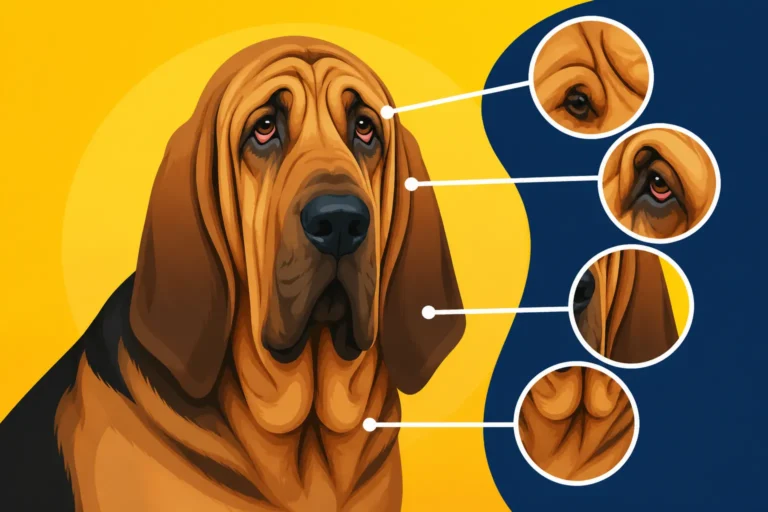
The most common areas where you’ll find these crucial folds are around the eyes, beneath the jowls, along the neck, and sometimes even in the armpits or groin. Each of these areas provides a warm, moist, and dark environment – essentially a perfect breeding ground for trouble if not maintained. That's why being proactive about their cleanliness is so vital. A healthy fold is one that you regularly check and clean, ensuring no debris gets trapped and no moisture lingers.
What "Turning" Means for Your Hound's Skin
When we talk about a Bloodhound's fold "turning," we're referring to the unfortunate shift from a healthy, manageable state to one of irritation, inflammation, or even infection. It's not usually an overnight catastrophe, but rather a gradual progression that can easily be missed if you're not routinely inspecting those hidden areas. This "turning" often begins subtly, maybe with a slight increase in dampness or a faint, unusual scent that you dismiss as "just a hound thing."
The internal environment of a fold makes it particularly susceptible to these issues. Imagine a tiny, warm, humid cave where air doesn't circulate well. Now add some drool, maybe a bit of food debris, and a few shed hairs. It's a recipe for bacterial or yeast overgrowth. This phenomenon is so common in the breed that a specific condition called Skin Fold Dermatitis on a Bloodhound is widely recognized. It’s essentially an inflammation of the skin within these folds, and it can become incredibly uncomfortable and even painful for your dog if left untreated. Recognizing this early 'turning' is key to preventing discomfort and more serious medical interventions down the line.
Catching Early Warning Signs
Spotting an issue early can save your Bloodhound a lot of discomfort and potentially save you a trip to the emergency vet. It’s all about being observant and knowing what to look for, not just visually, but also through touch and smell. Our hounds can be stoic, so they might not always vocalize their discomfort until it’s quite advanced.
Visual Cues That Something Is Wrong
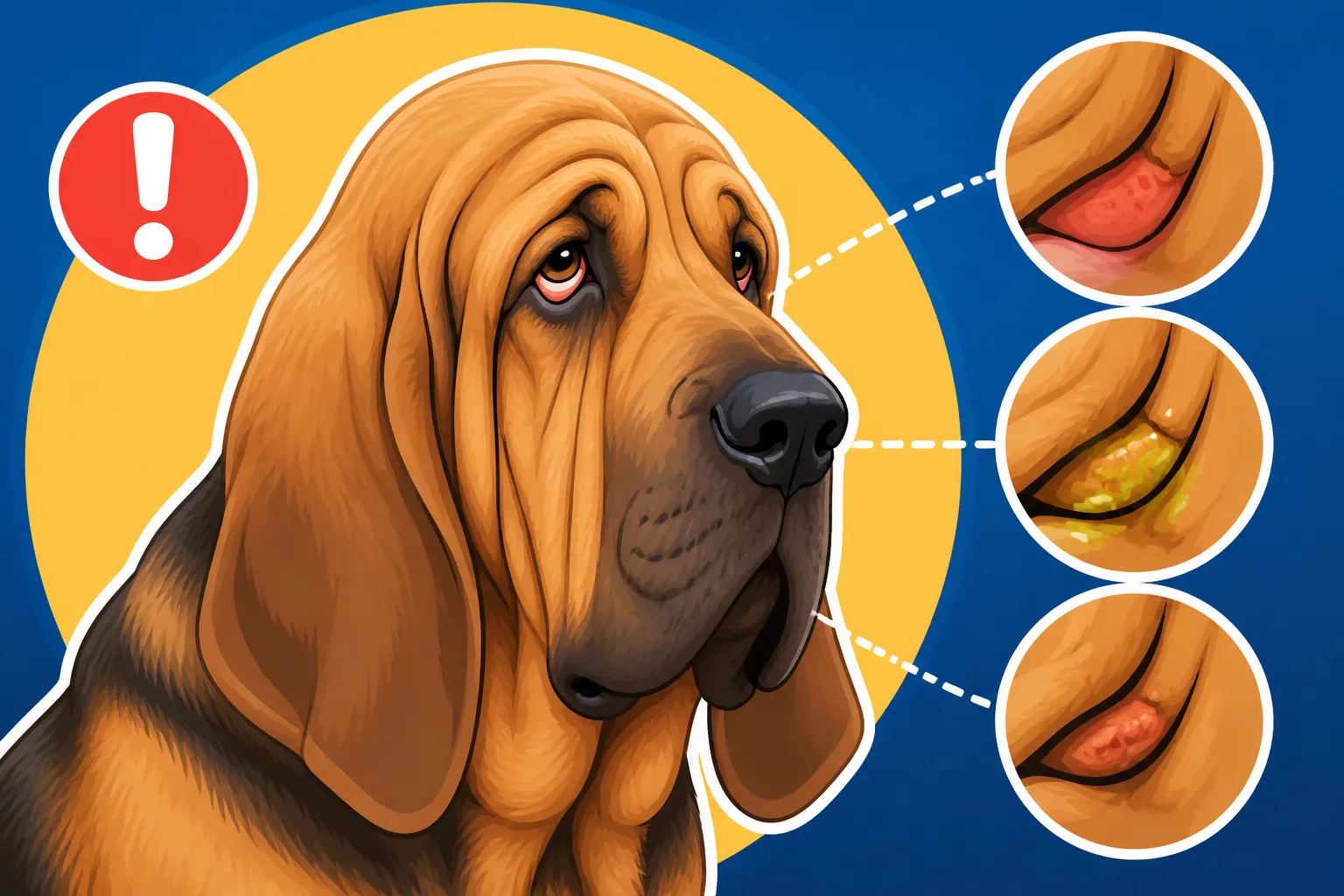
The most obvious first indicators of trouble in your Bloodhound's folds are visual. Start by gently pulling back the loose skin and peering into the crevices. Look for any change in color – healthy pink skin turning a brighter red, an angry crimson, or even a dark, purplish hue. Sometimes, the skin might appear darker or hyperpigmented, a sign of chronic inflammation. You might also notice hair loss in the affected area, as the skin becomes too irritated to support healthy hair growth.
Another tell-tale sign is the presence of discharge. This could be clear and watery, yellow and pus-like, or a brownish, yeasty goo. It might be sticky or crusty, often matting the hair. In some cases, you might even see small pustules or pimples, indicating a bacterial infection. Don't forget to check under the chin and around their big, pendulous lips – areas that often get overlooked but are prime spots for food and moisture to accumulate. If you're consistently wiping away gunk, it's a strong sign things are "turning."
Tactile and Olfactory Indicators
Beyond what you can see, what you can feel and smell are equally important. Healthy folds should feel cool and dry to the touch. If you feel warmth, swelling, or a thickened, leathery texture when you run your fingers along the folds, that's a red flag. These physical changes indicate inflammation and possibly infection beneath the surface. Sometimes, the skin might feel greasy or overly moist, even if you’ve just cleaned it, suggesting an underlying issue causing excessive oil production or discharge.
But perhaps the most distinct warning sign, one that Bloodhound owners know all too well, is a change in smell. A healthy Bloodhound has a natural "houndy" scent, which is perfectly normal. However, if you detect a strong, foul odor emanating from the folds – perhaps a sweet, yeasty smell like old bread, or a truly putrid, cheesy stench – it’s almost certainly an infection brewing. This smell often precedes visual signs, so trust your nose! I talk more about this in Whether a Bloodhound Carries an Odor From Its Folds. A sour or rancid smell is a definite indication that the fold environment has shifted dramatically and needs immediate attention.
Behavioral Changes to Watch For
Your Bloodhound might also try to tell you something is wrong through their behavior, even if they can't speak our language. Look for increased scratching, rubbing, or licking at the affected area. They might rub their face against furniture, the carpet, or even your legs, trying to alleviate an itch or discomfort. If the folds are on their body, you might see them contorting themselves to lick or chew at the irritated skin. This can sometimes lead to secondary skin trauma, making the problem worse.
They might also become sensitive or even protective of the area. If your Bloodhound usually loves a good chin scratch but suddenly flinches or pulls away when you try to examine their jowls, that's a big clue. Similarly, a general decrease in activity, a change in appetite, or a more subdued demeanor could indicate they're feeling unwell or uncomfortable due to persistent irritation. It's about paying attention to their subtle communication and not dismissing a change in routine as just them being "stubborn."
Common Culprits Behind Fold Irritation
Understanding why these folds "turn" can help you be more proactive in preventing issues. It's often a combination of factors, but pinpointing the primary cause is essential for effective treatment and long-term management.
Moisture and Trapped Debris
One of the biggest enemies of a Bloodhound's healthy folds is persistent moisture. Our hounds are champion droolers, and that drool can easily collect in the deep folds around their mouth and neck. Add to that drinking water, especially if they're enthusiastic drinkers, and you have a recipe for perpetual dampness. Rain, humidity, and even post-bath dampness can also contribute significantly. This constant wetness macerates the skin, making it weaker and more susceptible to breakdown.
Beyond moisture, debris can get trapped in the folds and cause significant problems. Think about all the things a Bloodhound's magnificent jowls sweep across: food particles from their bowl, dirt and grass from outside, dust bunnies from under the couch, even shed hair. These particles become lodged deep within the folds, creating friction and providing nutrients for opportunistic bacteria and yeast. It's a vicious cycle where moisture creates an ideal environment, and debris further irritates the skin, making it even more prone to infection. This is exactly why a rigorous cleaning routine, which I detail in Wiping a Bloodhound's Folds Before They Sour, is non-negotiable for this breed.
Bacterial and Yeast Overgrowth
Once moisture and debris have set the stage, bacteria and yeast are usually the uninvited guests that turn the irritation into a full-blown problem. These microorganisms are naturally present on a dog's skin, but in the warm, dark, and moist environment of a skin fold, they can multiply rapidly and cause an infection. Bacterial infections often present with more redness, pus-like discharge, and a truly foul odor. You might see small red bumps or pustules.
Yeast infections, particularly those caused by Malassezia, are incredibly common in Bloodhound folds. They often produce a sticky, brownish discharge, a distinct sweet-sour or rancid odor, and can cause the skin to thicken and become hyperpigmented over time. Sometimes, you'll see a combination of both bacterial and yeast infections, making treatment more challenging. These infections are uncomfortable, itchy, and can quickly spread if not addressed. It's a reminder that vigilant daily care is your first line of defense against these unwelcome invaders.
Allergic Reactions and Irritants
Sometimes, the primary cause of fold irritation isn't just moisture or normal microbes, but an underlying allergy or external irritant. Bloodhounds can suffer from environmental allergies (atopy) to things like pollen, dust mites, or molds, which can manifest as itchy skin, including in their folds. Food allergies or sensitivities are also common, where certain ingredients in their diet can trigger skin inflammation. In these cases, even with diligent cleaning, the folds might remain persistently red or itchy. You can read more about this in Whether Allergies Make a Bloodhound's Folds Worse.
Contact dermatitis is another possibility, where the skin reacts to something it comes into direct contact with. This could be a harsh cleaning product, a laundry detergent used on their bedding, or even certain types of plastic food bowls. Identifying and eliminating these irritants is crucial for resolving the fold issues. Often, an allergic reaction can make the skin more inflamed and itchy, creating micro-abrasions that allow bacteria and yeast to take hold more easily, turning a simple allergy into a secondary infection.
What to Do When You Spot Trouble
So, you've noticed the signs – a foul smell, redness, discharge, or your hound is excessively rubbing its face. Don't panic, but do act swiftly. Early intervention can make a huge difference in your Bloodhound's comfort and recovery.
Immediate Home Care Steps
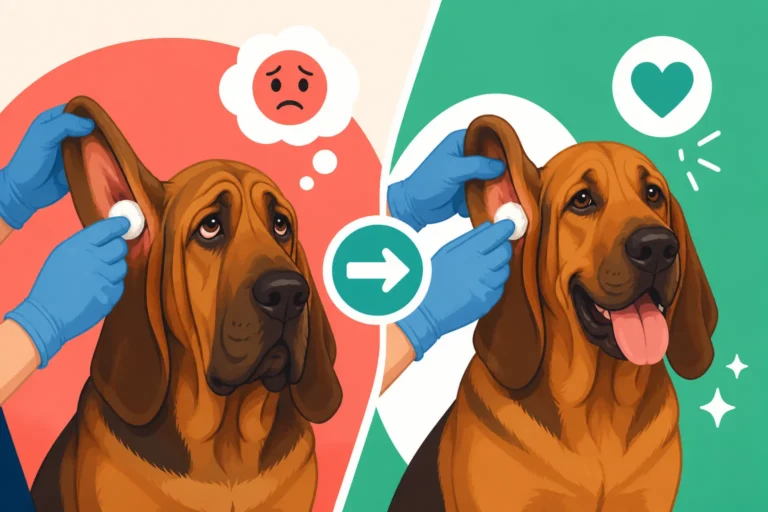
The very first thing you need to do is a thorough, yet gentle, cleaning of the affected folds. You'll want to use a dog-specific antiseptic wipe or a gentle, medicated cleanser recommended by your vet. Look for products containing chlorhexidine or miconazole, which target both bacteria and yeast. Brands like Chewy often carry a wide selection of these specialized wipes and solutions, making it easy to find what you need quickly. Gently part the skin and wipe away any discharge, debris, or crust, moving from the inside out. Use a fresh wipe for each major fold area to avoid spreading the infection.
After cleaning, it is absolutely paramount to thoroughly dry the folds. Moisture is the enemy here. Use a clean, soft cloth or even a piece of gauze to meticulously pat every crevice dry. You can even use a hairdryer on a cool, low setting, holding it a safe distance away, to ensure complete dryness. If the area is particularly raw, applying a thin layer of a vet-approved soothing balm or cream can help. For persistent issues, consistently keeping the area dry and clean is your best defense. Remember, this diligent cleaning needs to be part of a larger routine, as discussed in Everything on a Bloodhound Hangs Down and Has to Be Cleaned.
When It's Time for a Vet Visit
While diligent home care can resolve minor irritations, there are clear signs that it’s time to call your veterinarian. If the redness, swelling, or odor persists or worsens despite your cleaning efforts, that's a definitive signal. Any signs of pain when you touch the area, such as yelping, snapping, or severe reluctance to be examined, warrant professional attention. Excessive discharge, especially if it’s thick, yellow, or greenish, or if you see open sores or deep ulcerations, are also emergency indicators.
Your vet will be able to properly diagnose the type of infection (bacterial, yeast, or both) and prescribe the appropriate medication, which might include oral antibiotics, antifungals, or stronger topical creams. They might also suggest running tests for underlying allergies if the problem is recurrent. Never try to self-diagnose or use human medications, as these can be harmful to your dog. Early veterinary intervention can prevent a mild fold irritation from escalating into a serious and much more painful infection, possibly requiring significant medication, as detailed in Whether a Bloodhound's Fold Infection Needs Antibiotics.
Here's a quick comparison of common fold problems:
| Symptom / Sign | General Irritation (Early Stage) | Bacterial Infection (Common) | Yeast Infection (Common) | Severe/Chronic Issue |
|---|---|---|---|---|
| Appearance | Slight redness, dampness | Bright red, pustules, thick discharge | Brownish, sticky discharge, greasy skin | Darkened, thickened skin, ulcers |
| Smell | Mildly damp/sour | Pungent, foul, cheesy | Sweet-sour, yeasty, rancid | Very foul, pervasive |
| Feel | Slightly moist | Warm, swollen, painful | Greasy, slightly moist | Leathery, very painful, hot |
| Behavior | Mild licking/rubbing | Excessive licking, sensitive to touch | Itchy, rubbing | Lethargy, deep discomfort, depression |
| Discharge | Clear/watery | Yellow/green, pus-like | Brownish, waxy | Purulent, bloody |
Ongoing Management and Prevention
The key to preventing recurrent fold issues is consistent, proactive care. Establishing a regular routine for cleaning your Bloodhound’s folds is paramount. For many Bloodhounds, this means daily wiping, especially after meals and walks. For others, every other day might suffice, but you'll have to monitor and adjust. The important thing is regularity. How Often a Bloodhound's Folds Need Wiping dives deeper into establishing this cadence.
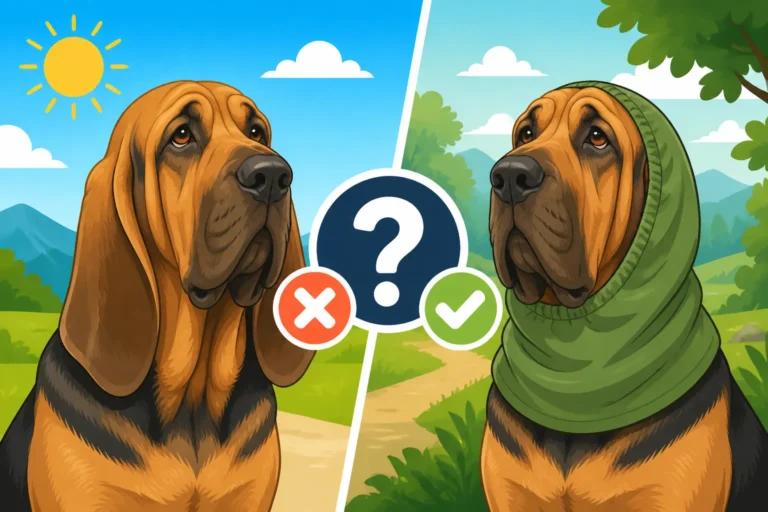
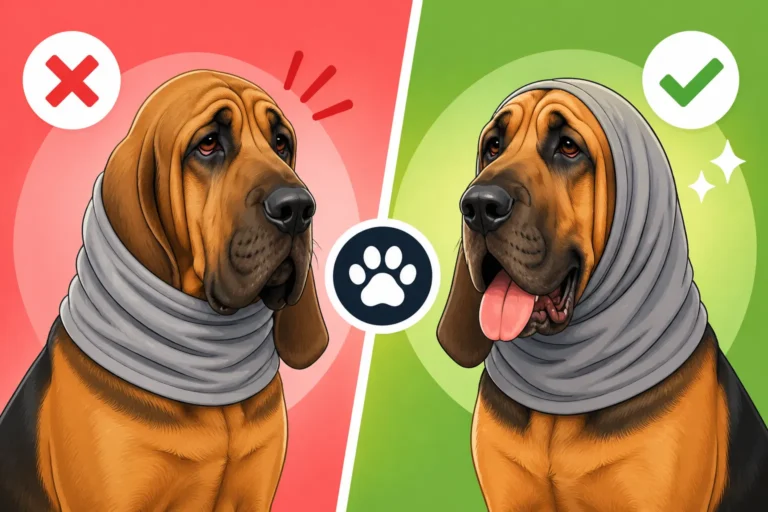
Beyond cleaning, consider dietary adjustments if allergies are suspected. Some owners find success with novel protein diets or fresh food diets, like those offered by Ollie, which can sometimes reduce inflammatory responses in dogs prone to skin issues. Always discuss significant dietary changes with your vet. Ensure your Bloodhound always has access to clean, fresh water and that their bowls are kept impeccably clean. For day-to-day cleaning supplies, from specialized wipes to skin-soothing balms, Amazon offers a vast selection that can be delivered right to your door. Investing in a good snood can also help keep their long ears and jowls out of their food and water, minimizing moisture and food debris accumulation. Ultimately, managing your Bloodhound's folds is a lifelong commitment, but one that ensures your loyal companion remains comfortable and healthy.
Disclaimer
This article is for general informational purposes only and does not constitute professional advice. Laws, prices and regulations vary by location and change over time. Consult a qualified professional for guidance on your specific situation.