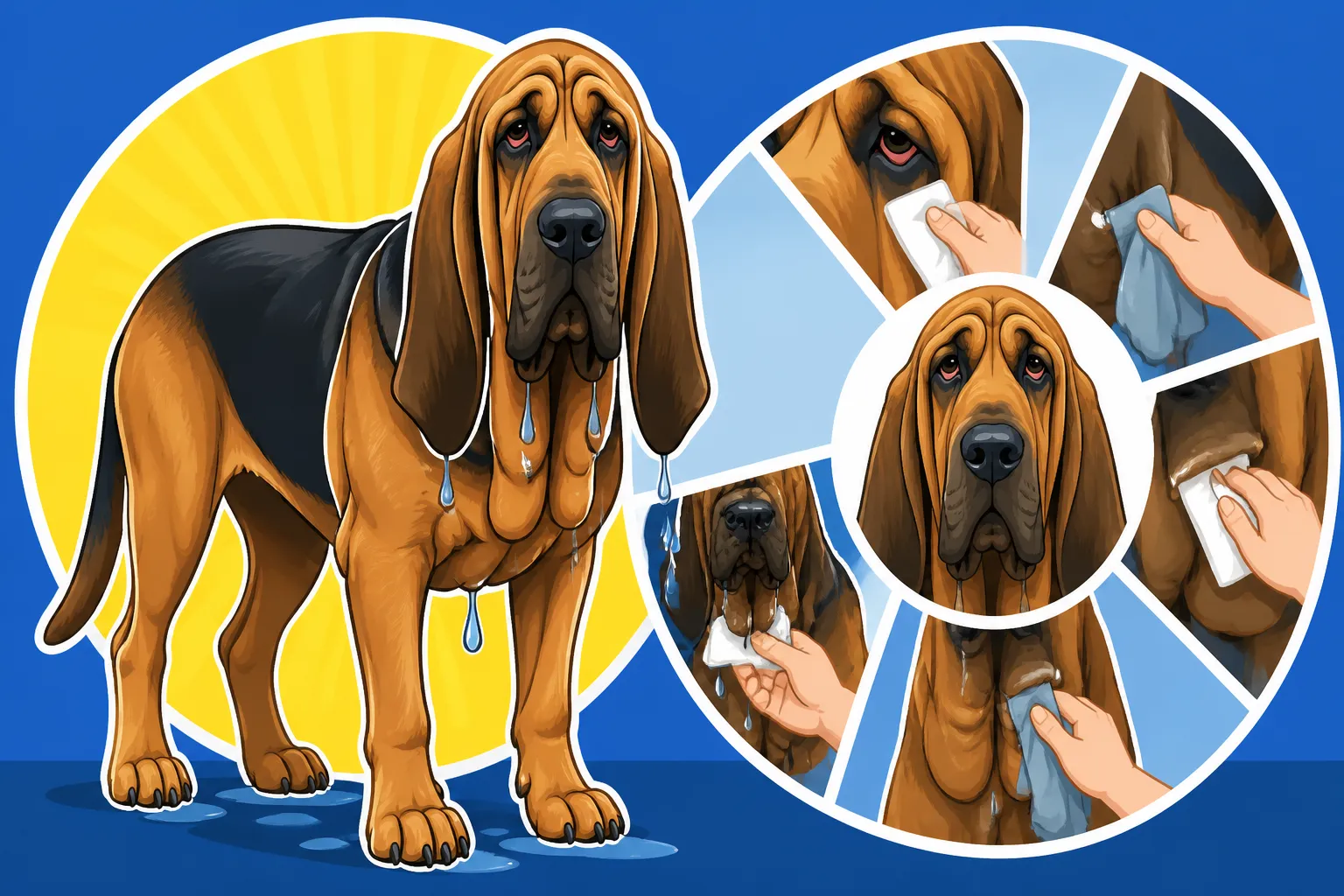
Everything on a Bloodhound Hangs Down and Has to Be Cleaned
Bringing a Bloodhound into your life is an absolute joy, but let's be realistic: these magnificent creatures come with a unique set of care requirements that can be overwhelming if you're not prepared. From their gloriously long ears to their endearing, wrinkled faces and the generous jowls that catch every drop of drool, almost every part of a Bloodhound seems designed to collect dirt, moisture, and odors. This guide is here to walk you through the specifics of maintaining your Bloodhound's distinctive anatomy, ensuring they stay healthy, happy, and as clean as a Bloodhound can be.
The Unique Challenges of Bloodhound Anatomy
Owning a Bloodhound isn't just about providing love and food; it's about understanding and actively managing a body built for scent work, not necessarily for pristine cleanliness. Their skin, their ears, their eyes – every feature that makes them such incredible trackers also presents a daily maintenance challenge. It's a commitment, but one that's incredibly rewarding when you see your hound thriving.
Why a Bloodhound's Anatomy Demands Constant Attention
Think about it: those long, heavy ears that sweep the ground for scent also trap moisture and block airflow, creating a perfect incubator for yeast and bacteria. Their deeply wrinkled faces and necks are fantastic for catching and holding scent particles, but those same folds are prime spots for dirt, food, and moisture to accumulate, leading to irritation. And their famously expressive, droopy eyes? While they add to their soulful look, they also leave the delicate eye tissue exposed to environmental irritants. It's a paradox of design, where their greatest asset for work becomes their biggest hurdle for hygiene.
These aren't just cosmetic quirks; they're functional adaptations that require proactive, consistent care to prevent serious health issues. Ignoring these aspects isn't an option; it's a direct path to discomfort and veterinary bills. Every Bloodhound owner quickly learns that these majestic dogs aren't "wash and wear" pets. They are a daily commitment to cleaning and inspecting, making sure those wonderful, unique features don't turn into sources of pain or infection.
Understanding the Health Risks Associated with Their Features
Without diligent care, those charming Bloodhound traits can quickly escalate into chronic conditions. For example, their pendulous ears are notorious for developing recurrent ear infections, a problem that can become incredibly painful and difficult to resolve if not addressed early and consistently. A Bloodhound's Ears Are a Standing Infection Risk is not an exaggeration; it's a fact of life for the breed. Similarly, the deep skin folds are hotbeds for bacterial and yeast infections, commonly known as fold dermatitis. These areas can become red, inflamed, itchy, and even develop open sores if not kept clean and dry.
The droopy lower eyelids, often referred to as "haw," expose the conjunctiva and can lead to chronic irritation from dust and debris, or even conditions like dry eye or corneal ulcers. Neglecting these areas means putting your Bloodhound at risk for painful, ongoing problems that detract from their quality of life and can require costly veterinary interventions. It's about more than just keeping them smelling fresh; it's about safeguarding their health.
The Commitment Required for a Bloodhound's Hygiene
Let's be honest, owning a Bloodhound means accepting a certain level of mess and committing to a routine that might seem excessive to owners of other breeds. It’s not just an occasional bath; it’s a daily commitment to wiping, inspecting, and, at least weekly, deep cleaning. This isn't a task you can pawn off on someone else without proper training, because it requires a specific approach tailored to the Bloodhound's unique needs.
Think of it as a partnership: you provide the hygiene, and they provide the endless love and the profound joy of watching them follow their nose. This commitment means having the right supplies on hand – gentle cleansers, soft cloths, and possibly medicated wipes or drops recommended by your vet. It means setting aside dedicated time each day, even when you're tired, to ensure your Bloodhound's comfort and well-being. It’s a labor of love, but one that is absolutely essential for these wonderful hounds.
Ears: The Perpetual Project
If there's one body part that defines Bloodhound care, it's their ears. Those long, velvety ear leathers are iconic, but they are also high-maintenance and a constant source of potential problems. They demand a level of attention that surprises many first-time Bloodhound owners, but once you understand why and how, it becomes second nature.
The Anatomy of a Bloodhound's Ear and Why It's Prone to Trouble
A Bloodhound's ear canal is surprisingly deep, curving almost at a right angle before reaching the eardrum. On top of that, it's covered by a thick, heavy flap of ear leather that extends well past the jawline, sometimes even touching the ground when they're sniffing. This anatomical design creates a warm, moist, dark environment with very little air circulation – basically, a perfect petri dish for bacteria and yeast to flourish. Add to that the fact that these long ears can drag through dirt, mud, food, and water, constantly introducing new contaminants to an already vulnerable area.
This combination of factors means that even a healthy Bloodhound's ears are in a state of delicate balance, constantly battling against potential overgrowth of microorganisms. It's not a matter of if your Bloodhound will get an ear infection, but when, and how consistently you can prevent the next one. Understanding this predisposition is the first step in successful ear care.
Cleaning Techniques for Those Long, Heavy Leathers
Weekly ear cleaning is non-negotiable for a Bloodhound. Cleaning a Bloodhound's Ears Every Week for Life is the mantra. You'll need a good quality, vet-recommended ear cleaner (avoid anything with alcohol, which can be irritating), plenty of cotton balls or gauze, and a calm, patient demeanor. I find it easiest to have my hound lie down with their head in my lap, or if they're comfortable, sitting between my legs.
Here’s the basic routine:
- Lift and Inspect: Gently lift the ear flap and visually inspect the inner ear for redness, discharge, or any unusual odor.
- Apply Cleaner: Squirt a generous amount of ear cleaner into the ear canal until it's full. Don't be shy; it needs to get down deep.
- Massage: Gently massage the base of the ear for 30 seconds to a minute. You should hear a squishy sound as the cleaner breaks up debris.
- Allow Shaking: Stand back and let your Bloodhound shake their head vigorously. This helps bring dissolved gunk to the surface.
- Wipe Clean: Use cotton balls or gauze to wipe out all visible debris from the outer ear canal and the underside of the ear flap. Never use cotton swabs deep inside the ear, as this can push debris further in or damage the eardrum.
- Repeat: If the ear is particularly dirty, repeat the process.
Consistency is key. The more regularly you clean, the less buildup there will be, and the less likely infections are to take hold. Products like Zymox or Epi-Otic are often recommended by vets, and you can usually find them through pet supply retailers like Chewy or Amazon.
Preventing and Spotting Ear Infections
Prevention really comes down to consistent, thorough cleaning, and keeping the ears as dry as possible. After baths or swimming, always make sure to thoroughly dry the inside of your Bloodhound’s ears. Some owners even use a soft towel to gently blot the ear canal. For dogs prone to chronic moisture issues, your vet might recommend a drying solution to use after cleaning or water exposure.
Despite your best efforts, ear infections can still occur. Early detection is crucial to prevent them from becoming severe. Look for these signs:
- Excessive Head Shaking: This is often the first and most obvious sign.
- Scratching at the Ears: Your Bloodhound might paw at their ears or rub them against furniture.
- Redness or Swelling: The inside of the ear flap or canal might appear inflamed.
- Discharge: Brown, yellow, or black discharge, sometimes with a waxy or crusty texture.
- Odor: A strong, yeasty, or foul smell coming from the ear.
- Pain: Your dog might cry out when you touch their ear, or become withdrawn.
If you suspect an ear infection, contact your vet immediately. Don't try to treat it yourself with over-the-counter remedies, as you need to know whether it's bacterial, yeast, or a combination, and often prescription medication is required. How Often a Bloodhound Gets an Ear Infection can be frequent if preventive measures aren't strictly adhered to.
Skin Folds: More Than Just Wrinkles
Those beautiful, loose folds of skin, especially around the face and neck, are a hallmark of the Bloodhound. They contribute to their noble, sagacious expression and are an integral part of their scenting ability, helping to trap scent particles. But just like the ears, these folds are also a magnet for trouble, trapping moisture and debris, and becoming a breeding ground for skin infections.
Identifying Problem Areas: Where Folds Trap Moisture and Debris
Bloodhounds have folds almost everywhere, but the most problematic areas tend to be:
- Facial Folds: Around the muzzle, eyes, and across the forehead. These can trap food, water, and eye discharge.
- Lip Folds (Flews): The deep folds around their lower jaw and lips are constantly wet from drool and drinking, and accumulate food particles. This is often the worst offender.
- Neck Folds (Dewlap): The extensive loose skin on their neck can trap moisture, especially if they wear a collar that rubs or if they get wet.
- Under the Tail and Groin: Less obvious but still prone to issues, especially in heavier dogs or those with incontinence.
Anywhere skin touches skin and creates a warm, moist environment without airflow is a potential problem area. It's essential to become intimately familiar with your Bloodhound's unique topography to identify these spots quickly.
Daily Wiping and Drying Protocols
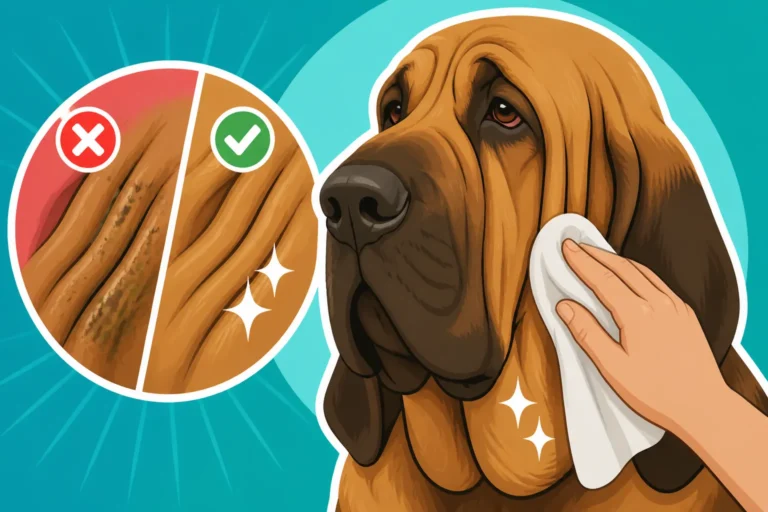
Just like ear cleaning, daily fold care is a critical part of owning a Bloodhound. Wiping a Bloodhound's Folds Before They Sour isn't just a recommendation; it's a necessity. This routine doesn't have to be extensive, but it must be consistent.
Here's how to tackle it:
- Gentle Wiping: Use a soft, damp cloth or a pet-specific cleansing wipe to gently clean inside all visible folds, particularly those around the mouth and eyes, and the prominent neck folds. Pay close attention to any redness or debris.
- Thorough Drying: This is the most crucial step. After wiping, always, always, always dry the folds thoroughly with a clean, soft towel or cotton pad. Trapped moisture is the enemy. You want these areas to be completely dry.
- Post-Meal and Post-Drink: Make it a habit to quickly wipe and dry the lip and facial folds after every meal and after your Bloodhound has had a drink. This prevents food particles from fermenting and moisture from lingering.
For those deep lip folds, some owners find specialized medicated wipes helpful, especially if their dog is prone to recurring issues. These can be found on sites like Amazon or through your vet. Establishing this simple daily routine can prevent a lot of discomfort and infection.
Addressing Fold Dermatitis and Other Skin Irritations
Despite diligent cleaning, sometimes fold dermatitis can still flare up. You'll recognize it by a strong, unpleasant odor, redness, inflammation, hair loss, and sometimes even open sores or weeping skin within the folds. Your dog might also paw at the area, rub their face, or seem generally uncomfortable.
If you notice these signs, it's time for a vet visit. They can properly diagnose the type of infection (bacterial, yeast, or both) and prescribe appropriate treatment, which might include medicated shampoos, topical ointments, or oral antibiotics/antifungals. Never let a suspected fold infection go untreated, as it can quickly worsen and become very painful for your hound.
For ongoing management, some vets might recommend using a specific medicated wipe or cream periodically, even when there's no active infection, to keep the microbial population in check. Keeping your Bloodhound at a healthy weight also helps, as excess weight can deepen folds and create more skin-on-skin contact. Skin Fold Dermatitis on a Bloodhound is a common issue, but with vigilance, it can be managed effectively.
Eyes: Windows to a Sensitive Soul
A Bloodhound's eyes are deeply expressive, conveying that famous "sad hound dog" look. However, this appearance is often due to ectropion – a condition where the lower eyelid droops and turns outward, exposing the delicate pink conjunctiva. While characteristic of the breed, it requires careful attention to prevent irritation and infection.
Understanding the Droopy Eyelids: Ectropion and Its Implications
Ectropion in Bloodhounds means their lower eyelids don't sit flush against the eyeball, leaving a gap where tears can spill out and foreign matter can easily enter. This exposed tissue is more susceptible to drying out and irritation from dust, pollen, and other environmental factors. It's not just a cosmetic feature; it's a functional challenge that can lead to chronic eye issues if not managed.
This constant exposure means your Bloodhound's eyes are more vulnerable to:
- Dryness and Irritation: The natural tear film can evaporate more quickly, leading to discomfort.
- Foreign Bodies: Dust, dirt, grass seeds, and other debris can easily get trapped behind the exposed eyelid.
- Conjunctivitis: Inflammation of the conjunctiva, often manifesting as redness, swelling, and discharge.
- Corneal Ulcers: Severe irritation or scratches can damage the cornea, leading to painful ulcers that require immediate veterinary attention.
Recognizing that this is a breed trait, not just a casual droop, helps you appreciate the need for regular eye care. The Four Eye Problems a Bloodhound Is Born Toward highlights these inherent vulnerabilities.
Daily Eye Cleaning and Debris Management
Consistent, gentle eye care is essential for Bloodhounds. Your daily routine should include:
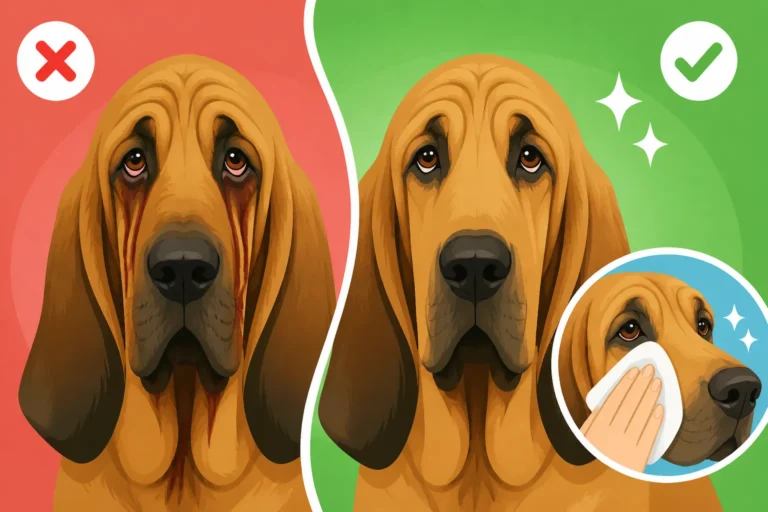
- Gentle Wiping: Use a soft, clean, damp cloth or a sterile saline solution on a cotton ball to gently wipe away any discharge from the corners of their eyes. Always wipe away from the eye, not towards it.
- Checking for Debris: Carefully lift the lower eyelid (the haw) and inspect the exposed area for any trapped dirt, hair, or foreign objects. If you see something small and easily accessible, you can try to gently dab it out with a damp cotton ball. If it's embedded or you're unsure, do not try to remove it yourself; contact your vet.
- Tear Stains: Some Bloodhounds develop reddish-brown tear stains below their eyes. While largely cosmetic, these areas should still be kept clean and dry to prevent skin irritation underneath. There are gentle pet-specific tear stain removers available, but warm water and a soft cloth are usually sufficient for daily maintenance.
This simple daily check takes only a minute or two but can make a huge difference in preventing discomfort and more serious issues. Daily Eye Care for a Bloodhound is a small investment of time for big returns in comfort.
Recognizing Signs of Eye Irritation or Infection
Even with the best care, sometimes a Bloodhound's eyes will get irritated or infected. It's crucial to know what to look for so you can seek veterinary help promptly. Signs of trouble include:
- Excessive Tearing: While some tearing is normal for Bloodhounds, a sudden increase or constant wetness can indicate irritation.
- Redness: The whites of the eyes or the exposed conjunctiva appear unusually red or inflamed.
- Discharge: Any discharge that is thick, yellow, green, or cloudy suggests an infection.
- Squinting or Pawing: Your Bloodhound might squint, blink excessively, or rub their eyes with their paws, indicating pain or discomfort.
- Cloudiness or Swelling: Any cloudiness on the surface of the eye or swelling around the eye area is a red flag.
If you observe any of these symptoms, contact your veterinarian immediately. Eye problems can escalate quickly and threaten vision, so prompt professional assessment and treatment are vital.
Drool: The Ever-Present Reality
Ah, the drool. It's perhaps the most notorious (and often messy) characteristic of the Bloodhound. Their loose jowls, designed to collect scent, also serve as excellent reservoirs for saliva. While it's an undeniable part of their charm, managing the drool is a daily reality for Bloodhound owners.
Why Bloodhounds Drool So Much
The primary reason Bloodhounds drool so much is their unique facial structure, specifically their large, loose flews and jowls. These aren't tight like those of many other dog breeds. When a Bloodhound produces saliva, instead of staying contained within a tight mouth and being swallowed, it easily pools in these loose folds and eventually spills out. It's not that they produce more saliva than other dogs, necessarily, but rather that their anatomy makes it harder to keep it in.
Factors that increase drooling:
- Excitement: A Bloodhound greeting you at the door, or anticipating a walk or meal, will often be a fountain of drool.
- Food Anticipation: The smell of food, or even the crinkle of a treat bag, can trigger a drool cascade.
- Heat: Dogs don't sweat like humans; they pant to cool down, which increases saliva production and thus, drool.
- Drinking Water: Their jowls collect water, and when they lift their head, it often streams out.
- Exercising: Especially if they're panting.
It's a natural physiological function, albeit a messy one!
Managing Drool in the Home Environment
Living with a drooling Bloodhound requires a few strategic adjustments to your home environment and habits.
- Towels, Towels, Everywhere: Consider this your new essential home decor. Keep soft, absorbent towels strategically placed near doors, water bowls, and wherever your Bloodhound tends to hang out. A quick wipe after they drink, eat, or get excited can save your floors and furniture.
- Water Bowl Placement: Place their water bowl in an easy-to-clean area, ideally on a non-slip mat or tray that can catch spills. Some owners even use raised feeding stations or specially designed bowls (like those for Basset Hounds) to help contain splashes.
- Snoods: For meals, a snood is a game-changer. This fabric tube fits over their head and keeps their long ears out of the food and water bowls, and also helps to contain some of the slobber around their mouth while they eat. You can find many varieties on Chewy or Amazon.
- Washable Surfaces: Embrace washable dog beds, blankets, and furniture covers. Your washing machine will become your best friend.
- Grooming: Regularly wiping the jowls and facial folds (as discussed earlier) also helps manage excess moisture and prevent odors that can develop when drool dries and ferments in the folds.
It might sound like a lot, but these routines quickly become second nature, much like living with toddlers who spill everything.
The Practical Solutions for Keeping Things Tidy
Beyond daily wiping and strategic placement of towels, there are a few practical solutions that Bloodhound owners swear by to keep things tidy.
- Specialized Bowls: Look for bowls designed for long-eared dogs or breeds with jowls. These often have a narrower opening or a deeper design to keep ears (and some drool) out of the contents. The Bloodhound Ear That Trails Through the Food Bowl is a real problem that these bowls address.
- Quick-Drying Fabrics: When choosing dog beds, blankets, or even your own furniture upholstery, opt for fabrics that are easy to clean and quick to dry. Outdoor fabric covers can be a lifesaver for indoor furniture.
- Floor Protection: Invest in good quality, washable rugs or mats for high-traffic areas where your Bloodhound spends a lot of time. Hardwood floors and tiles are generally easier to clean than carpet when it comes to drool.
- Portable Wipes: Keep pet-safe cleansing wipes in your car, by the door, and in your walking bag for on-the-go drool emergencies. A happy Bloodhound after a successful trail can leave quite a trail of their own!
Embracing the drool as part of the Bloodhound package, rather than fighting it, is key. With the right tools and routines, you can keep your home (mostly) clean and your Bloodhound comfortable.
Feeding for Health and Longevity
Feeding a Bloodhound isn't just about filling a bowl; it's a strategic act to support their large frame, maintain their energy, and, most critically, reduce their risk of bloat, a life-threatening condition common in deep-chested breeds. The way you feed your Bloodhound can have a significant impact on their health and longevity.
The Critical Importance of Bloat Prevention Through Feeding
Bloat, or Gastric Dilatation-Volvulus (GDV), is a terrifying condition where the stomach fills with gas and can twist, cutting off blood supply. It's a medical emergency that can kill a Bloodhound within hours. Bloodhounds are genetically predisposed to bloat due to their deep, narrow chests. While genetics play a role, feeding practices are a major contributing factor that owners can control.
Key feeding strategies to mitigate bloat risk:
- Multiple Small Meals: Instead of one large meal, feed your Bloodhound two or three smaller meals throughout the day. This reduces the amount of food and gas in the stomach at any one time.
- Slow Eating: Encourage slower eating. Fast eaters are more prone to swallowing air, which contributes to bloat. Slow-feeder bowls or putting a large, non-swallowable object (like a clean rock or a specialized slow-feeder insert) in their bowl can help.
- Limited Water Intake Around Meals: Avoid allowing your Bloodhound to gulp large amounts of water immediately before or after eating.
- No Exercise Around Meals: This is crucial. Restrict strenuous activity for at least an hour before and two hours after meals. Jumping, running, or rough play with a full stomach significantly increases bloat risk.
- Avoid Elevated Bowls: While once thought to prevent bloat, recent studies suggest elevated bowls may actually increase the risk in some deep-chested breeds. It's generally recommended to feed Bloodhounds on the floor.
Bloat Is What Kills Most Bloodhounds is a stark reminder of the gravity of this condition, and why every feeding decision matters.
Choosing the Right Food and Feeding Schedule
Selecting the right food for your Bloodhound involves considering their age, activity level, and any specific health concerns. A high-quality large-breed formula is generally recommended, especially for puppies, to support healthy, controlled growth and reduce the risk of orthopedic issues.
- Puppy Food: For Bloodhound puppies, a large breed puppy formula is essential. These foods are formulated with appropriate calcium and phosphorus levels to support the slower, more controlled growth of large breeds, helping to prevent developmental orthopedic diseases like hip and elbow dysplasia.
- Adult Food: Once mature (usually around 18-24 months), transition to a high-quality adult large breed formula. Look for foods with real meat as the first ingredient and a balanced nutritional profile. Brands like Ollie, known for their fresh, human-grade ingredients, can be an excellent option for owners looking for high-quality nutrition tailored to their dog's needs, or good quality kibbles available from retailers like Chewy.
- Feeding Schedule: As mentioned, 2-3 meals a day is ideal. Consistency is important, so try to feed at roughly the same times each day.
Always consult your veterinarian for specific dietary recommendations tailored to your individual Bloodhound, especially if they have allergies, sensitivities, or other health conditions.
Special Considerations for Bowls and Post-Meal Routine
Beyond the type of food and feeding schedule, the actual mechanics of eating and the post-meal routine are vital for a Bloodhound.
- Floor-Level Feeding: As previously discussed, feeding on the floor is generally advised. This encourages a natural eating posture and may help reduce bloat risk compared to elevated bowls.
- Slow-Feeder Bowls: These bowls have ridges or obstacles that force your dog to eat around them, significantly slowing down their intake. This is invaluable for Bloodhounds who tend to "inhale" their food.
- Deep-Sided Bowls: For water, a deep-sided, narrow bowl can help contain splashes and keep those long ears out of the water. Some owners even use ceramic or stainless steel buckets which are heavy and less likely to be knocked over.
- Rest Period: Enforce a strict rest period after meals. No running, jumping, or vigorous play for at least an hour, preferably two. A quiet nap or gentle chew toy time is perfect. This allows the stomach to digest without excessive movement that could trigger a bloat episode.
- Monitoring: After meals, keep a watchful eye on your Bloodhound for any signs of discomfort or bloat, such as restlessness, pacing, unproductive retching, or a distended abdomen.
By being mindful of these considerations, you're not just feeding your Bloodhound; you're actively contributing to their health and well-being. Feeding a Bloodhound So It Does Not Bloat is one of the most proactive steps you can take as an owner.
Coat and Paw Care: The 'Easier' Parts
Compared to the ears, eyes, and folds, a Bloodhound's short, dense coat and sturdy paws might seem like the low-maintenance part of their care. And in many ways, they are! But "easier" doesn't mean "no care." These areas still require regular attention to keep your Bloodhound comfortable and healthy.
Basic Grooming: Brushing and Bathing a Bloodhound
A Bloodhound's coat is relatively easy to maintain. It's short, dense, and sheds moderately year-round, with heavier shedding seasons in spring and fall.
- Brushing: Regular brushing 2-3 times a week is usually sufficient to remove loose hair, distribute natural oils, and keep their coat healthy and shiny. A rubber curry brush or a hound mitt works wonderfully for this type of coat. It’s also a great bonding experience!
- Bathing: How often you bathe your Bloodhound depends on their lifestyle and how much they embody the "Bloodhound smell." Many owners find that a bath every 4-8 weeks is appropriate, or more often if they've had a particularly muddy adventure or developed a strong odor. Use a gentle, dog-specific shampoo that won't strip their natural oils or irritate their sensitive skin. For those messy hounds, a good hose-down outdoors with warm water can be a quick fix between full baths. Be sure to dry their skin folds and ears thoroughly after a bath!
- Shedding Management: While you can't stop shedding, regular brushing helps reduce the amount of hair that ends up on your furniture and clothes. Some owners also find that adding a high-quality fish oil supplement to their diet can improve coat health and potentially reduce shedding.
Nail Trimming and Paw Pad Protection
Don't neglect your Bloodhound's feet! Healthy paws are crucial, especially for a dog whose primary purpose is to be on the move.
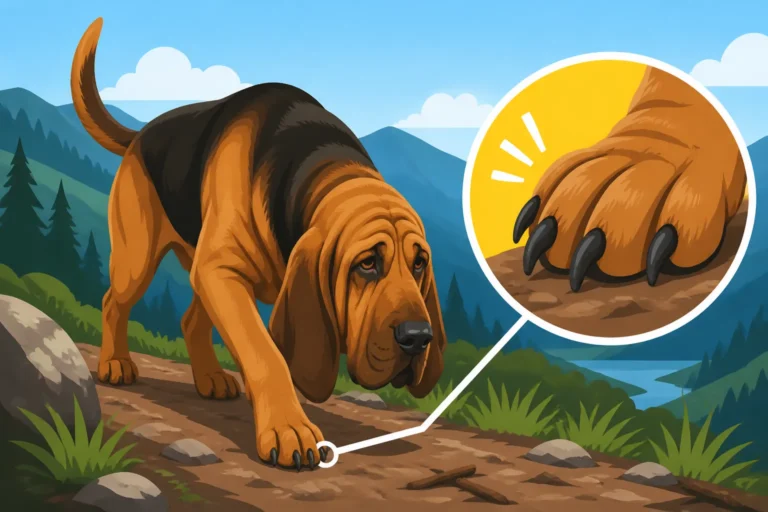
- Nail Trimming: Bloodhounds need their nails trimmed regularly, typically every 2-4 weeks. Long nails can cause discomfort, affect their gait, and even lead to splayed toes or paw injuries. Because their nails are often black, it can be tricky to see the quick (the sensitive part with blood vessels and nerves). If you're unsure, ask your vet or a professional groomer to show you how, or use a Dremel tool for a smoother, less invasive trim. Start this early in puppyhood to get them accustomed to it.
- Paw Pad Inspection: After walks or trailing, always inspect your Bloodhound's paw pads. Look for cuts, cracks, thorns, burrs, or any irritation. Their pads can become dry and cracked, especially in extreme weather.
- Paw Pad Protection: In hot weather, asphalt can burn paw pads, and in cold weather, ice and salt can cause irritation. Consider using paw balms or protective booties if your Bloodhound will be on harsh surfaces for extended periods.
Keeping their nails short and their paw pads healthy contributes significantly to their overall comfort and ability to work or play without pain.
Maintaining Overall Cleanliness Beyond the Obvious
While the specific care for ears, eyes, and folds is paramount, overall cleanliness ensures your Bloodhound is truly comfortable.
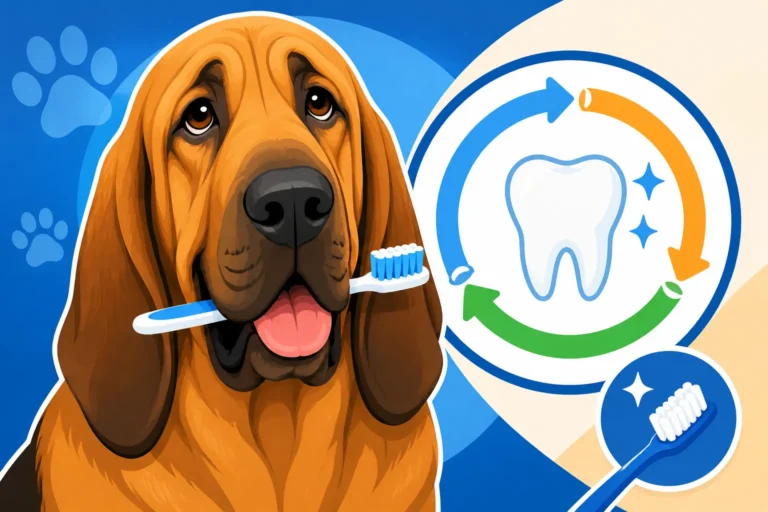
- Dental Care: Don't forget their teeth! Regular dental hygiene, including brushing several times a week, helps prevent plaque buildup, gum disease, and bad breath. Large chew toys or dental chews can also assist, but manual brushing is the most effective.
- Bedding: Just like your home, your Bloodhound's bedding will accumulate drool, dirt, and "hound smell." Regular washing of their beds and blankets is crucial for hygiene and odor control.
- Anal Glands: Occasionally, a Bloodhound may need their anal glands expressed if they're having issues. If you notice your dog scooting their rear on the floor, licking excessively, or straining to defecate, consult your vet.
It's about creating a holistic approach to cleanliness that addresses every aspect of their unique physiology, ensuring they not only look but also feel their best.
The Unmistakable Bloodhound Scent
Let's address the elephant in the room, or rather, the hound in the house: the Bloodhound smell. Many owners fondly refer to it as the "Bloodhound bouquet" or the "hound scent." While some of it is simply natural dog odor, there are specific reasons Bloodhounds tend to have a more pronounced smell, and strategies to manage it.
Understanding the "Hound Scent"
The "Bloodhound scent" isn't a myth; it's a reality that comes from a combination of factors unique to the breed:
- Skin Oils: Bloodhounds have a natural oiliness to their skin and coat. These oils are part of their protection and can have a distinct, musky odor. This is often more noticeable in unbathed or recently wet hounds.
- Skin Folds: As discussed, their extensive skin folds can trap moisture, dead skin cells, and microscopic debris, creating an environment where bacteria and yeast thrive. These microbes produce odor as a byproduct of their metabolic processes. The smell isn't necessarily a sign of infection, but a natural consequence of the environment within the folds.
- Ears: Similarly, the deep, warm, moist ear canals are also prone to harboring yeast and bacteria, even without an active infection, contributing to the overall scent.
- Drool: Dried drool, especially in their jowls and on their neck, can develop a sour or stale odor if not regularly cleaned.
- Environment: Because Bloodhounds are low to the ground and love to explore with their noses, they naturally pick up more environmental odors from grass, dirt, and whatever interesting things they've sniffed.
Why a Bloodhound Smells Like a Bloodhound is a question many owners ponder, and it's a combination of these elements.
Strategies for Odor Management in the Home
Managing the Bloodhound scent in your home requires a multi-pronged approach, integrating your grooming routine with general household hygiene.
- Consistent Grooming: This is your first line of defense. Regular ear cleaning, daily fold wiping, and routine bathing are paramount. If you skip these, the "bouquet" will intensify quickly.
- Washable Bedding & Covers: Wash your Bloodhound's bedding, blankets, and any furniture covers frequently. Pet-specific detergents can help neutralize odors.
- Air Circulation & Filtration: Ensure good air circulation in your home. Opening windows regularly helps. High-quality air purifiers with activated carbon filters can also be very effective at removing pet odors from the air.
- Hard Surfaces: Opt for hard flooring (tile, wood, laminate) over carpet where possible, as carpets can trap odors. If you have carpets, regular vacuuming with a pet-specific vacuum and enzymatic cleaners can help.
- Fabric Fresheners: Use pet-safe fabric fresheners on soft furnishings between washes.
- Deodorizing Sprays: There are many pet-friendly deodorizing sprays available on the market that can be used directly on your dog's coat between baths. Look for natural, non-irritating formulas.
Remember, you'll likely never completely eliminate the natural hound smell, but you can certainly keep it to a minimum with consistent effort.
When a Scent Indicates a Problem
While a certain level of "hound scent" is normal, a sudden increase in odor, or a particularly foul, yeasty, or putrid smell, is often a red flag indicating an underlying health issue. This is when your nose becomes one of your most valuable diagnostic tools.
Specific odors and what they might mean:
- Very Yeasty Smell: Often indicative of a yeast infection, particularly in the ears or skin folds. This usually comes with redness and irritation.
- Foul, Pungent, or Rotten Smell: This is a strong indicator of a bacterial infection, either in the ears, skin folds, or even from a dental issue.
- Fishy Smell: Can be a sign of anal gland problems.
- Sweet or Fruity Smell (less common): Can sometimes indicate a metabolic issue like diabetes.
If you notice a significant change in your Bloodhound's odor, or if the smell is accompanied by other symptoms like scratching, head shaking, redness, discharge, or discomfort, it's time for a vet visit. Your vet can pinpoint the source of the odor and provide appropriate treatment, preventing a minor issue from becoming a major problem. Trust your nose – it's often the first warning sign your Bloodhound gives you that something isn't quite right.
Table of Essential Bloodhound Care Routines
To help keep all these care tasks organized, here's a quick summary of the regular routines your Bloodhound will benefit from.
| Care Area | Frequency | Key Actions | Essential Tools |
|---|---|---|---|
| Ears | Weekly (minimum) | Apply vet-approved cleaner, massage base, allow shaking, wipe clean. Dry thoroughly after baths/swimming. | Vet-approved ear cleaner, cotton balls/gauze, soft towel |
| Skin Folds | Daily | Gently wipe all folds (face, lips, neck) with damp cloth/pet wipe. MOST IMPORTANTLY: Dry thoroughly. Wipe after meals/drinks. | Soft cloths/pet wipes, clean soft towel |
| Eyes | Daily | Gently wipe away discharge with damp cloth/saline. Check for debris. | Soft cloths, sterile saline solution, cotton balls |
| Drool Management | Ongoing | Quick wipes after meals/drinks/excitement. Use snood during meals. Place water bowls on mats. | Towels (everywhere!), snood, water bowl mat |
| Feeding | 2-3x Daily | Multiple small meals. Use slow-feeder if needed. NO exercise 1hr before/2hr after. Feed on floor. | Slow-feeder bowl (optional), regular food bowls |
| Coat Brushing | 2-3x Weekly | Brush to remove loose hair and distribute oils. | Rubber curry brush or hound mitt |
| Bathing | Monthly (or as needed) | Use gentle dog shampoo. Thoroughly rinse and dry coat, especially folds and ears. | Dog-specific shampoo, large towels |
| Nail Trimming | Every 2-4 Weeks | Trim to prevent overgrowth. Inspect paws. | Nail clippers or Dremel, styptic powder (just in case) |
| Dental Care | Several times a week | Brush teeth with dog-specific toothpaste. Provide dental chews/toys. | Dog toothbrush, dog toothpaste, dental chews |
Disclaimer
This article is for general informational purposes only and does not constitute professional advice. Laws, prices and regulations vary by location and change over time. Consult a qualified professional for guidance on your specific situation.