The Four Eye Problems a Bloodhound Is Born Toward
It’s a heart-wrenching sight for any Bloodhound owner: those famously soulful, drooping eyes, usually so expressive and full of warmth, suddenly appearing red, inflamed, or causing discomfort. While their loose facial skin and deep-set eyes are iconic features, they unfortunately predispose Bloodhounds to a number of frustrating and sometimes painful eye conditions. This comprehensive guide will walk you through the four most common eye problems your Bloodhound might face, helping you understand the symptoms, risks, and treatment options so you can advocate for your beloved hound's eye health.
Understanding Your Bloodhound's Unique Eye Anatomy
Before we dive into the specific problems, it's really important to grasp why Bloodhounds are so prone to eye issues in the first place. Their entire facial structure, which we adore, is a double-edged sword when it comes to their ocular health. It’s not just about aesthetics; it’s about function and vulnerability.
Why the Loose Skin Matters
The copious amounts of loose skin, or "furnishings," on a Bloodhound's face are part of their charm and a crucial element of their trailing ability, helping to gather scent. However, this very feature often leads to issues around their eyes. The skin isn't just loose on their brows and jowls; it extends to their eyelids, often causing the lower lids, or sometimes even the upper ones, to sag or roll. This anatomical predisposition means that what might look like a typical "sad hound dog" expression can actually be a sign of a developing problem. This isn't just cosmetic; it leaves the delicate eye tissues more exposed to the environment, making them vulnerable to irritation and infection.
Consider how their skin hangs and shifts as they move and sniff the ground. Every time they lower their head to follow a trail, that skin can pull or sag, potentially drawing debris into their eyes or exacerbating existing conditions. It’s a constant battle against gravity and the very elements that make them such incredible scent hounds.
The Deep-Set Eyes of a Bloodhound
Beyond the loose skin, Bloodhounds typically have deep-set eyes. While this can offer some protection from direct impact, it also creates a pocket where moisture, dust, and debris can accumulate. When combined with the heavy, often drooping eyelids, this anatomical feature can hinder natural tear drainage and air circulation around the eye. This creates a perpetually damp environment, ripe for bacterial or yeast growth, or an overly dry one if the tears aren't spreading properly.
Think of it like a small, enclosed valley. If the drainage isn't perfect, water will pool. For a Bloodhound's eye, this pooling can be tear film, environmental allergens, or dirt. The deep set also means that when an eyelid rolls inward, the eyelashes have a much shorter path to scratch directly against the cornea, leading to immediate and severe irritation. It’s a delicate balance, and their distinct conformation often tips it towards trouble.
Ectropion: The Droopy Lower Lid
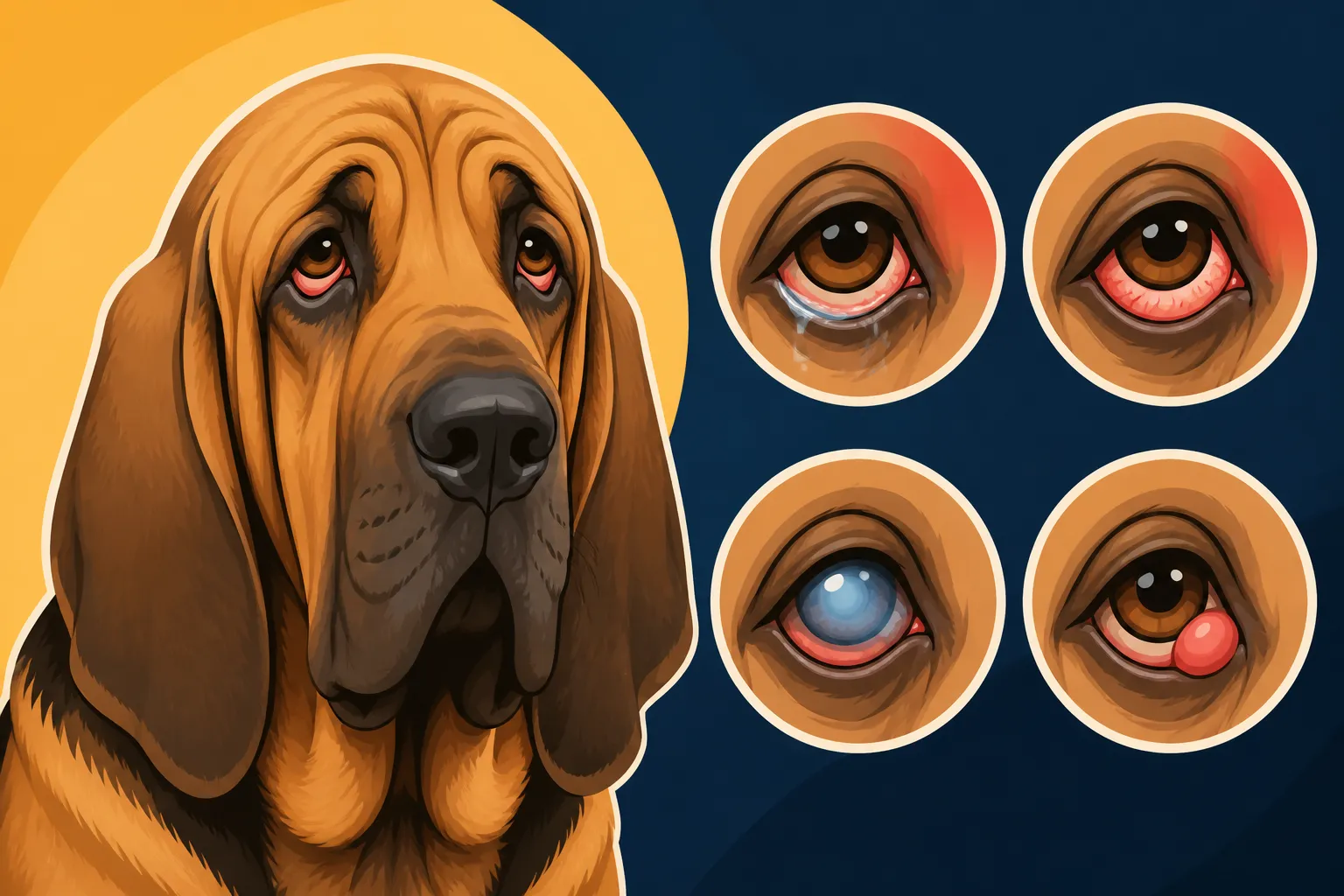
Ectropion is probably what most people picture when they think of a Bloodhound's eyes: those prominent, drooping lower eyelids that reveal the red conjunctiva, often called the "haw." While a certain degree of looseness is considered standard for the breed, when it becomes excessive, it crosses the line from characteristic to problematic.
What Ectropion Looks Like on a Bloodhound
With ectropion, the lower eyelid literally rolls or sags outward, exposing the delicate pink or red conjunctival lining of the inner lid. It often gives the Bloodhound a perpetually sad, sleepy, or even slightly bewildered look. You might notice the prominent "haw" – the third eyelid – more often, or simply a significant amount of the inner lower eyelid tissue being visible. If you gently pull down on your Bloodhound's lower eyelid and it doesn't spring back relatively quickly to cover the eye, or if it hangs down noticeably more than what appears natural for the breed, ectropion could be at play.
It's crucial to understand that there's a spectrum here. A mild amount of exposed haw is common and often benign in a Bloodhound. However, when the lid sags so much that it creates a pocket for debris or constantly exposes the eyeball to drying air, that's when it becomes a health concern. Owners often wonder, What Ectropion Looks Like on a Bloodhound, and the answer usually involves a visible red rim and a perpetually "wet" or irritated look, even if no discharge is present.
The Risks of Exposed Eye Tissue
The main problem with ectropion is that it compromises the eye's natural protective mechanisms. The eyelids are designed to shield the eye from foreign bodies, distribute tears evenly across the corneal surface, and keep the eye moist. When the lower lid sags outward, it can no longer perform these functions effectively.
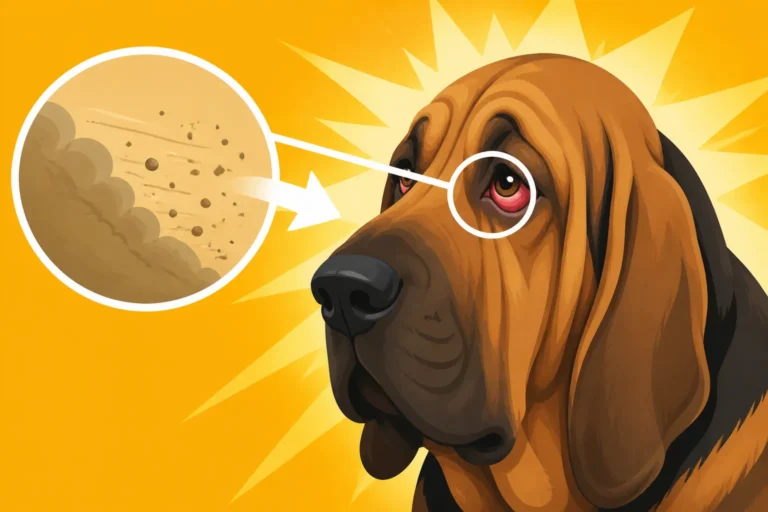
This constant exposure means the tear film, which normally lubricates and protects the eye, evaporates too quickly. This can lead to chronic dryness, irritation, and inflammation of the conjunctiva (conjunctivitis). Your Bloodhound might constantly rub their face, squint, or have excessive watery discharge as their body tries to compensate for the dryness. Furthermore, the exposed conjunctival tissue is a magnet for dust, dirt, pollen, and other environmental irritants, which can easily get trapped in the pocket formed by the drooping lid. This makes your Bloodhound highly susceptible to recurrent eye infections, turning those characteristic sad eyes into chronically sore ones.
Managing and Treating Ectropion
For mild cases of ectropion, daily cleaning with a gentle, veterinary-approved eye wash can help flush out debris and keep the area clean. Lubricating eye drops or artificial tears, applied regularly, can also alleviate dryness and discomfort. Some owners find that a warm, damp cloth gently wiped around the eyes can offer temporary relief and help remove crusty discharge. This routine, while simple, is a lifelong commitment.
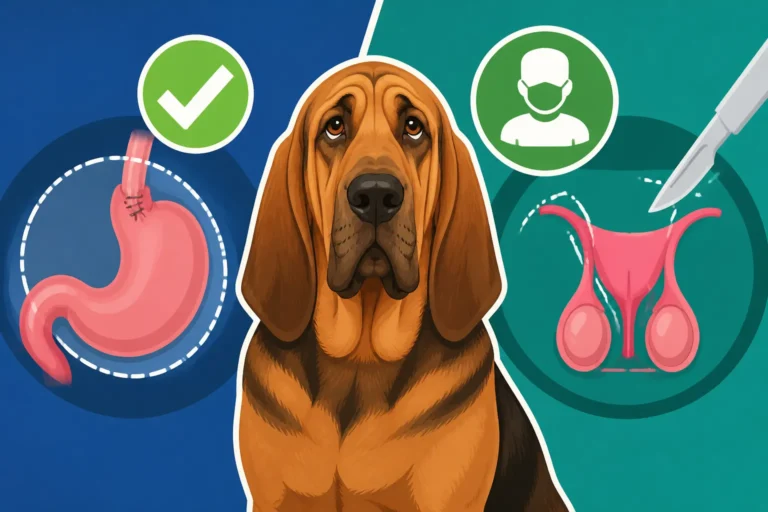
However, if the ectropion is severe, causing recurrent infections, chronic pain, or vision impairment, surgical correction is often necessary. This procedure, called blepharoplasty, aims to remove a small wedge of tissue from the eyelid, allowing it to tighten and sit more snugly against the eyeball. It’s not just cosmetic; it's about restoring proper eye function. For puppies, a temporary procedure called "tacking" might be done, where sutures are placed to hold the lid in a better position as they grow. This can sometimes allow the puppy to "grow into" their skin. When it comes to more severe cases, Bloodhound owners often find themselves asking When a Bloodhound's Eyelids Need Surgery because the ongoing discomfort or recurring infections become unsustainable. While it's a significant decision, the relief it brings can be life-changing for your hound.
Entropion: The Inward-Rolling Eyelid
Entropion is, in many ways, the opposite and often more immediately painful condition compared to ectropion. Instead of the eyelid rolling outward, it rolls inward, causing the eyelashes and surrounding hair to rub directly against the delicate surface of the cornea.
What Entropion Does to a Bloodhound's Eye
Imagine having eyelashes constantly scraping against your eyeball – that's what a Bloodhound with entropion experiences. The inward roll of the eyelid, often the lower lid but sometimes the upper, causes the hairs on the lid margin to chafe against the cornea and conjunctiva. This constant friction is incredibly irritating and painful. You'll likely notice your Bloodhound squinting, blinking excessively, tearing up more than usual, and trying to rub their face against furniture or paw at their eyes.
The pain is often acute, and dogs will try almost anything to relieve it. This rubbing, unfortunately, only makes things worse, potentially introducing bacteria and further irritating the eye. The constant irritation leads to chronic inflammation and can cause serious damage to the cornea, the clear outer layer of the eye. This is where the real danger lies. What Entropion Does to a Bloodhound's Eye is not just about discomfort; it’s about a direct threat to their vision and overall eye health.
Signs a Bloodhound Has a Corneal Ulcer
The most serious complication of untreated entropion is the development of a corneal ulcer. The constant rubbing from the eyelashes can literally scratch away the protective outer layers of the cornea. A corneal ulcer is essentially an open wound on the eye's surface, and it is incredibly painful.
Signs of a corneal ulcer include:
- Intense squinting or holding the eye shut: Your Bloodhound will try to minimize any light or movement that might exacerbate the pain.
- Excessive tearing: The eye will water profusely as it tries to flush out the irritant.
- Redness: The whites of the eye and the conjunctiva will appear very red and inflamed.
- Cloudiness or a bluish haze on the cornea: This indicates damage to the corneal tissue.
- Thick, pus-like discharge: This can be a sign of a secondary bacterial infection in the ulcerated eye.
- Sensitivity to light: Your hound might prefer darker areas or avoid bright lights.
- Rubbing or pawing at the eye: Though this can be a sign of any eye irritation, with an ulcer, it can be quite frantic.
If you suspect your Bloodhound has a corneal ulcer, it’s an absolute emergency. Prompt veterinary attention is crucial, as untreated ulcers can lead to deep infections, corneal rupture, and permanent vision loss. You can learn more about this urgent condition by understanding Signs a Bloodhound Has a Corneal Ulcer.
Addressing Entropion in Bloodhounds
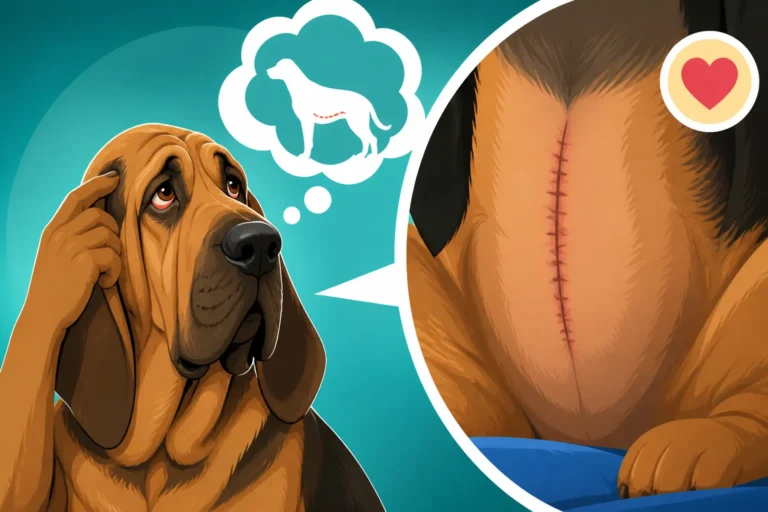
Diagnosis of entropion is usually straightforward and can be confirmed by a veterinarian during a physical exam. For puppies, a common approach is temporary eyelid tacking, where sutures are placed to roll the eyelid outward. This can be done with local anesthetic and often allows the puppy to mature without needing further intervention if their facial structure develops favorably. This buys time, hoping the puppy grows out of the condition as their skull and facial muscles develop.
However, for adult Bloodhounds or puppies where tacking isn't enough, permanent surgical correction (blepharoplasty) is typically required. Similar to ectropion surgery, this involves carefully removing a small strip of skin and muscle from the affected eyelid to permanently roll it outward, away from the eye. The goal is to ensure the eyelid sits correctly and the hairs no longer rub the cornea. This surgery is usually highly successful in resolving the pain and preventing further corneal damage. Post-operative care involves pain medication, antibiotics, and an Elizabethan collar to prevent rubbing while the incisions heal.
Cherry Eye: The Protruding Gland
Cherry eye, officially known as nictitans gland prolapse, is another common concern for Bloodhound owners. It’s a condition where the gland of the third eyelid, normally tucked away and unseen, pops out and becomes visible as a red, swollen mass in the corner of the eye.
Identifying Cherry Eye in Your Bloodhound
You'll know it when you see it. Cherry eye appears as a distinctive, round, reddish-pink mass protruding from the inner corner of your Bloodhound’s eye, near the nose. It literally looks like a small cherry, hence the name. It can affect one eye or both, and it can appear suddenly. While it often looks alarming, it’s usually not painful itself, but the exposed gland can become irritated, inflamed, and susceptible to secondary infections if left untreated.
Your Bloodhound might start to paw at the eye more due to the unusual sensation or the feeling of something being in their eye. The eye might also appear watery or produce a mucous discharge as it tries to cope with the irritation from the prolapsed gland.
Why Cherry Eye Happens in Bloodhounds
The third eyelid, or nictitating membrane, is a protective structure that contains a tear-producing gland vital for the eye's lubrication. In some breeds, including Bloodhounds, the connective tissue that holds this gland in place behind the third eyelid can be weak or stretched. When this tissue weakens, the gland can prolapse, or pop out, from its normal position.
It’s often considered a genetic predisposition, meaning it's something Bloodhounds are born toward due to their breed characteristics. While it can occur at any age, it’s most commonly seen in puppies and younger adult dogs, often around the 6-month to 2-year mark. The exact trigger isn't always clear, but sometimes head trauma, vigorous rubbing, or even intense physical exertion might cause the weak tissue to give way, leading to the prolapse. Owners sometimes worry that something they did caused it, but it’s almost always an underlying genetic vulnerability that simply manifests. For Bloodhounds, it's just one of those things their anatomy unfortunately makes them prone to. Cherry Eye in a Bloodhound is a common diagnosis that highlights this breed-specific vulnerability.
Treatment Options for Cherry Eye
The treatment for cherry eye almost always involves surgical intervention. The key goal is to reposition the prolapsed gland back into its normal anatomical location and secure it there. It is critical to preserve the gland because it produces a significant portion of the eye's tears. Removing the gland, while seemingly simpler, drastically increases the risk of your Bloodhound developing dry eye (KCS) later in life, which is a chronic and much more challenging condition to manage.
The most common surgical technique is called the "tucking" or "pocket" technique. During this procedure, the veterinarian or veterinary ophthalmologist creates a small pocket or flap of tissue behind the third eyelid and sutures the prolapsed gland into this new position. This effectively anchors the gland back where it belongs, allowing it to resume its tear-producing function without being exposed. Success rates for this surgery are generally high, though in some cases, the gland can prolapse again, requiring a second surgery. This is why when discussing options, the question of Whether a Bloodhound's Cherry Eye Should Be Tucked or Removed is so important, with the clear preference being tucking to protect tear production.
Dry Eye: Keratoconjunctivitis Sicca (KCS)
Dry eye, or Keratoconjunctivitis Sicca (KCS), is a condition where the eye doesn't produce enough tears to keep itself adequately lubricated and healthy. While it can be secondary to issues like cherry eye gland removal, it can also occur as a primary condition in Bloodhounds.
Understanding KCS in Bloodhounds
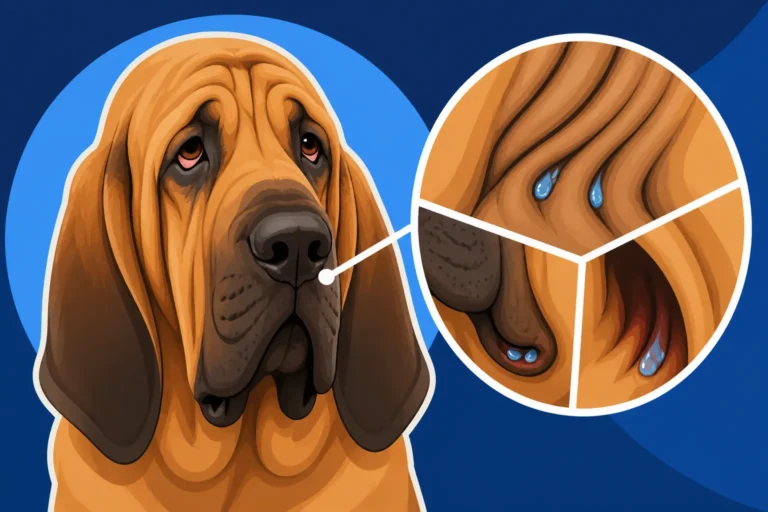
KCS is essentially a chronic deficiency in tear production. Tears are not just water; they're a complex mixture of water, mucus, and oil that work together to lubricate the eye, flush out irritants, provide nutrients, and even fight off bacteria. When the tear glands don't produce enough of these components, the eye becomes chronically dry. This dryness leads to irritation, inflammation, and can have serious long-term consequences for the cornea.
In Bloodhounds, KCS can sometimes be linked to immune-mediated destruction of the tear glands, where the body mistakenly attacks its own tear-producing cells. It can also be a side effect of certain medications, previous eye surgeries (like cherry eye gland removal), or other underlying health conditions. The constant lack of lubrication makes the eye surface incredibly vulnerable to damage and infection, turning what might seem like a minor irritation into a serious health threat.
Signs a Bloodhound Has Dry Eye
The symptoms of KCS can vary in severity but generally include:
- Thick, stringy, often yellowish or greenish discharge: This is mucus and cellular debris accumulating because there aren't enough watery tears to flush them away.
- Red, inflamed eyes (conjunctivitis): The conjunctiva will appear very red and irritated due to chronic dryness.
- Frequent blinking or squinting: Your Bloodhound will try to stimulate tear production or protect their uncomfortable eyes.
- Rubbing or pawing at the eyes: Again, a common sign of irritation.
- Dull, cloudy, or hazy corneal surface: Over time, the cornea can lose its clear, shiny appearance, becoming dull, pigmented (darker), or even develop blood vessels growing into it as the body tries to heal. This can eventually impair vision.
- Corneal ulcers: Just like with entropion, a dry eye is highly susceptible to developing painful ulcers because its protective barrier is compromised.
Diagnosing KCS involves a simple, non-invasive test called a Schirmer Tear Test (STT). A small strip of filter paper is placed under the lower eyelid for one minute, and the amount of moisture absorbed indicates the tear production rate. Low readings confirm KCS. You might notice these Signs a Bloodhound Has Dry Eye developing gradually, often worsening over time.
Long-Term Management and Prognosis
KCS is typically a lifelong condition that requires consistent, daily management. The primary treatment involves medications designed to stimulate tear production and lubricate the eye. The most common medications are topical immunosuppressants like cyclosporine or tacrolimus eye drops or ointments. These drugs work to suppress the immune system's attack on the tear glands, allowing them to produce tears again. It's often a situation where Whether a Bloodhound With Dry Eye Needs Drops for Life is answered with a resounding "yes."
In addition to tear stimulants, artificial tears or lubricating gels are often prescribed to provide immediate relief and supplementary moisture, especially in the initial stages or during flare-ups. Regular eye cleaning is also essential to remove accumulated discharge.
While KCS is manageable, it requires a dedicated owner. Skipping doses can quickly lead to a return of symptoms and potential corneal damage. With consistent treatment, most Bloodhounds with KCS can live comfortably, but their eyes will always need vigilant care. Untreated KCS can lead to chronic pain, recurrent infections, permanent corneal changes, and ultimately, severe vision impairment or blindness.
Proactive Eye Care: Preventing Problems and Catching Them Early
Given the Bloodhound's predisposition to eye issues, proactive care isn't just a suggestion; it's a necessity. Early detection and consistent maintenance can prevent minor irritations from escalating into painful, costly, and potentially vision-threatening conditions.
Daily Inspection and Cleaning
Making a daily eye check a part of your routine is one of the best things you can do for your Bloodhound. Take a few moments each day to gently lift their jowls and inspect their eyes. Look for any redness, swelling, excessive discharge (especially thick or discolored), squinting, or signs of discomfort. Check if the eyelids are sitting correctly or if they appear rolled in or out more than usual.
If you see any debris, dust, or light discharge, gently wipe it away with a soft, clean, damp cloth or a cotton ball soaked in a veterinary-approved eye wash. Always wipe away from the eye, from the inner corner outwards. For Bloodhounds with ectropion, keeping the exposed conjunctiva clean and moist with artificial tears can make a world of difference. Establishing this habit when they are puppies makes them much more amenable to having their eyes handled as adults. This simple ritual, often integrated into their morning greeting or evening cuddle, is your first line of defense.
Regular Veterinary Check-ups
Routine veterinary visits are essential for all dogs, but especially for breeds like Bloodhounds with known health predispositions. Your vet can perform comprehensive eye exams during these visits, often catching subtle changes before they become obvious problems. They can also perform tests like the Schirmer Tear Test to monitor tear production, or fluorescein staining to check for corneal ulcers.
Don't hesitate to bring up any eye concerns, no matter how minor they seem. Sometimes a slight increase in discharge or a bit more redness is the first clue to a developing issue. Your vet can guide you on the best preventive strategies, recommend specific cleaning products or lubricating drops, and advise when it's time for more specialized care. Establishing a strong relationship with your vet allows for consistent monitoring and quick action.
The Role of a Specialist Ophthalmologist
While your primary veterinarian is an invaluable resource, there are times when a veterinary ophthalmologist – a specialist in animal eye health – is the best choice. If your Bloodhound is diagnosed with a complex eye condition, requires intricate surgery (like advanced entropion or cherry eye repair), or has a condition that isn't responding to conventional treatment, a referral to a specialist is often warranted.
Ophthalmologists have specialized equipment and advanced training to diagnose and treat a wide range of ocular diseases. They can offer surgical options that might not be available at a general practice and provide expert long-term management plans for chronic conditions like KCS. While a referral might seem like an extra step, their expertise can often save your Bloodhound from prolonged discomfort and potentially preserve their vision. They are invaluable for confirming diagnoses, providing second opinions, and performing delicate procedures that require micro-surgical precision.
Navigating Costs and Insurance for Bloodhound Eye Conditions
Let's be real, owning a Bloodhound can be an expensive endeavor, and their eyes are often a major contributor to veterinary bills. Planning for these costs is just as important as understanding the conditions themselves.
What Eyelid Surgery Is the Bill Bloodhound Owners Do Not Expect
Many owners are prepared for the usual costs of a large breed dog – food, preventatives, maybe even a larger-than-average vet bill for an accident. However, the specialized eye surgeries that Bloodhounds often need can come as a significant financial shock. Eyelid Surgery Is the Bill Bloodhound Owners Do Not Expect, and it can quickly add up. For instance, blepharoplasty for entropion or ectropion can range from several hundred to a few thousand dollars per eye, especially if performed by a board-certified ophthalmologist. If both eyes are affected, or if multiple surgeries are needed (e.g., if a cherry eye prolapses again), the costs multiply.
This doesn't even include the pre-surgical bloodwork, anesthesia fees, post-operative medications, Elizabethan collar, and follow-up appointments. These are complex surgeries on delicate tissues, and they require skilled hands and careful monitoring. While no one wants to think about their dog needing surgery, for Bloodhounds, it’s often a realistic possibility. Having an emergency fund or pet insurance is not just a good idea; it's almost essential for this breed.
Pet Insurance Considerations
This is where pet insurance, like Healthy Paws, can really make a difference. Pet insurance typically works by reimbursing you for a percentage of your veterinary bills after you've met your deductible. For conditions like entropion, ectropion, or cherry eye, which often require expensive surgical intervention, having a good policy can soften the financial blow significantly.
However, it's vital to understand the specifics of your policy. Many insurance providers consider congenital or hereditary conditions differently. Because these eye issues are common and often genetically predisposed in Bloodhounds, some policies might have specific clauses or even exclusions. It's crucial to enroll your Bloodhound in a policy when they are young and healthy, before any symptoms of these conditions appear, as they would otherwise be considered pre-existing conditions and not covered. Always read the fine print, ask questions about congenital conditions, and understand waiting periods. A good policy can cover a substantial portion of diagnostic tests, surgeries, medications, and specialist visits, turning a potentially devastating bill into a manageable one. Understanding What Insurance Will and Will Not Cover on a Bloodhound is key to making an informed decision.
Disclaimer
The information provided in this article is for educational purposes only and is not intended to be a substitute for professional veterinary advice, diagnosis, or treatment. Always seek the advice of your veterinarian or other qualified animal health provider with any questions you may have regarding a medical condition.