Whether a Gastropexy Can Be Done at a Bloodhound’s Neuter
It's a tough spot as a Bloodhound owner, trying to balance all the potential health challenges our beloved, droopy-eared companions face with the practicalities of vet visits and recovery times. One of the biggest fears we carry is the specter of bloat, or Gastric Dilatation-Volvulus (GDV), a condition that can turn fatal in a matter of hours. This guide is all about whether a preventive gastropexy can, and perhaps should, be combined with your Bloodhound's neuter surgery, offering a path to greater peace of mind and streamlined care.
Understanding Bloat and the Role of Gastropexy in Bloodhounds
Owning a Bloodhound means accepting a unique set of responsibilities, and near the top of that list is the ever-present concern of bloat. It's not just a scary story; it's a real, life-threatening emergency that every Bloodhound parent needs to understand.
The Silent Threat of Gastric Dilatation-Volvulus GDV
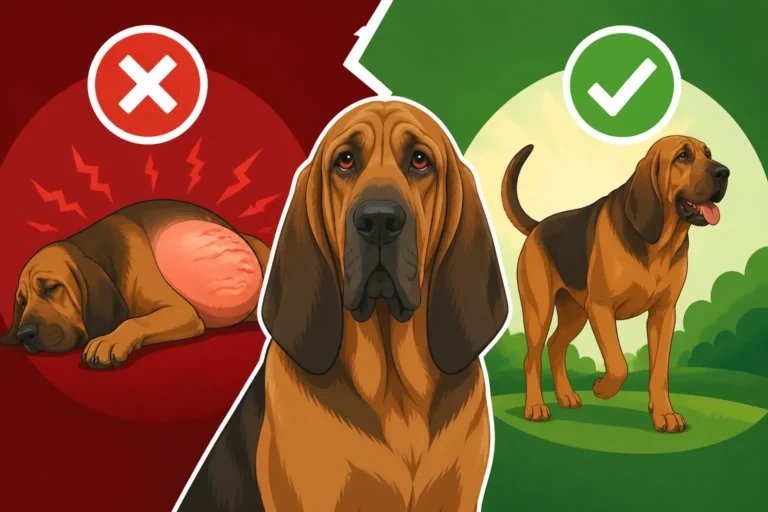
Gastric Dilatation-Volvulus, mercifully shortened to GDV or simply "bloat," is a nightmare scenario for owners of deep-chested breeds like our Bloodhounds. What starts as an accumulation of gas, fluid, or food in the stomach (dilatation) can rapidly escalate into a twisting of the stomach on its axis (volvulus). When this twist occurs, it traps everything inside, cutting off blood supply to the stomach and often the spleen, and putting immense pressure on other organs and the diaphragm. The speed at which this can happen is terrifying – a perfectly healthy, happy hound can go from normal to critical in less than an hour, making it clear why Bloat Is What Kills Most Bloodhounds.
The physical build of a Bloodhound, with its characteristic deep, narrow chest, is unfortunately a significant predisposing factor to bloat. It's a cruel irony that their majestic conformation also harbors this hidden danger. Unlike many other breeds, where the stomach might just expand, a Bloodhound's anatomy gives its stomach more room to swing and flip when distended. This isn't just a matter of discomfort; it's a rapidly progressing medical emergency that requires immediate veterinary intervention. The pain is intense, and without urgent surgery, the outcome is almost always fatal. Recognizing Signs a Bloodhound Is Bloating is crucial for any owner.
How a Gastropexy Protects Your Bloodhound
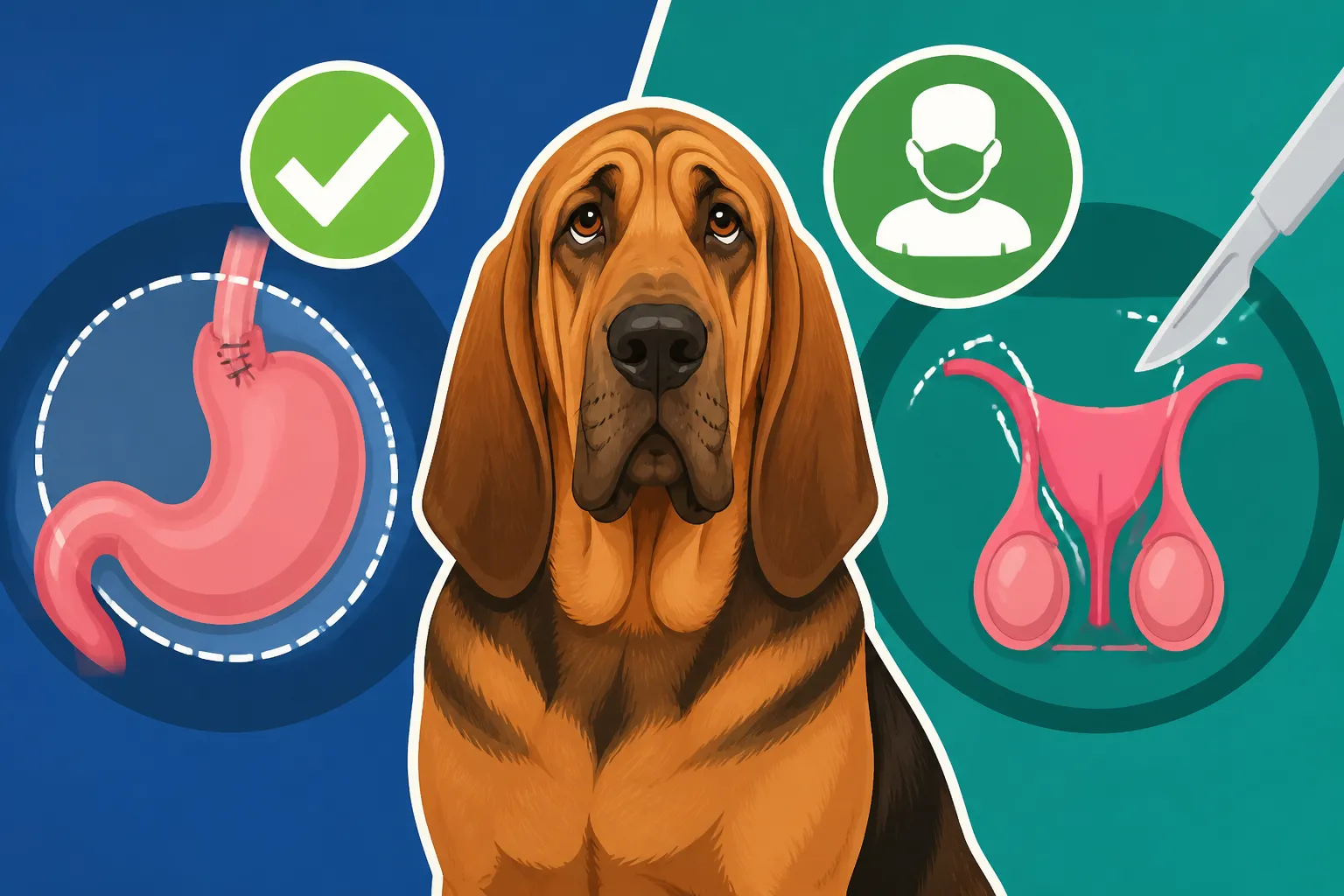
Given the terrifying reality of GDV, preventive measures are a huge topic of discussion among Bloodhound enthusiasts and veterinarians. This is where a gastropexy comes in as a literal lifesaver. A gastropexy is a surgical procedure that permanently attaches a portion of the stomach wall to the abdominal wall. Think of it as tacking the stomach in place. While a gastropexy doesn't prevent the initial gas buildup (dilatation), it does prevent the stomach from twisting (volvulus) – which is the truly deadly part of bloat. This means that if a gastropexied Bloodhound experiences bloat, it will still be uncomfortable and need veterinary attention to decompress its stomach, but the critical, time-sensitive, and often fatal twisting will be avoided.
The peace of mind a gastropexy offers is immense for many Bloodhound owners. Knowing that you've significantly reduced the risk of your dog succumbing to the most dangerous aspect of bloat can dramatically lower anxiety. It's important to understand that a gastropexy is a preventive surgery, not a cure for bloat altogether. However, by eliminating the risk of gastric torsion, it transforms a dire, often untreatable emergency into a manageable medical issue. The question of The Gastropexy Decision Every Bloodhound Owner Faces is less about "if" and more about "when and how" for many in our community.
Why Combining Gastropexy with Neutering Makes Sense
When it comes to preventative healthcare for our Bloodhounds, efficiency and minimizing stress are always on our minds. The idea of combining two significant surgeries, neutering and gastropexy, is something many owners consider, and for good reason.
The Benefits of a Single Anesthesia Event
One of the most compelling arguments for performing a gastropexy at the same time as a neuter is the reduction in exposure to anesthesia. Anesthesia, while generally safe, always carries some degree of risk. For a large breed like a Bloodhound, with their unique physiology, minimizing these events is a thoughtful approach to their overall health. Having your Bloodhound go under anesthesia once for both procedures means:
- Reduced Overall Risk: Every time a dog undergoes anesthesia, there's a risk of complications, however small. Combining surgeries cuts this risk in half by eliminating the need for a second induction and recovery from sedation.
- Less Stress on Your Dog: Dogs don't understand why they're going to the vet for surgery. One stressful day, one trip to the clinic, and one recovery period are far kinder to your Bloodhound than two separate experiences. This is especially true for anxious or sensitive hounds.
- Streamlined Pre-Surgical Preparation: Pre-anesthetic bloodwork, physical exams, and fasting protocols only need to be done once, simplifying the process for both you and your vet. This can also save a bit on veterinary bills, as certain tests don't need to be repeated.
This single event philosophy is often discussed in human medicine as well, aiming to consolidate medical interventions where possible. For your Bloodhound, it translates to fewer days of recovery medication, fewer cones of shame, and less disruption to their routine.
Practical and Financial Advantages
Beyond the health benefits, combining these procedures offers tangible practical and financial advantages that can make a big difference for Bloodhound families. Let's be real, owning a large breed like a Bloodhound can be expensive, and emergency veterinary care even more so.
- Cost Savings: While you're still paying for two procedures, combining them often results in a lower overall bill than performing them separately. You save on the "fixed costs" of a surgical appointment, such as facility fees, repeat anesthesia administration, and certain medications or lab work that would otherwise be duplicated. Many clinics offer a discounted rate for the gastropexy when done concurrently with a neuter. To give you a rough idea, a standalone preventive gastropexy can cost anywhere from $500 to $2,000, depending on your location and the type of procedure (open vs. laparoscopic). If you're factoring in What Emergency Bloat Surgery Costs on a Bloodhound, which can easily run into the thousands, the preventive measure is a sound investment.
- Single Recovery Period: Imagine dealing with two separate recoveries for a large, active dog like a Bloodhound. Two periods of restricted activity, two rounds of incision monitoring, and two stints of medication administration. By combining, you consolidate this into one focused recovery effort. This means less time off work for you, less logistical juggling, and a quicker return to normalcy for your pup. Plus, if you have pet insurance like Healthy Paws, it's good to confirm that both procedures would be covered under their policy when combined, minimizing out-of-pocket expenses.
- Convenience: Simply put, it's more convenient. Scheduling one major surgical date, managing one pre-operative fasting period, and navigating one post-operative recovery schedule is significantly easier than doing it twice. For busy families, this can be a major factor in ensuring their Bloodhound receives all necessary preventative care without undue stress on the household.
The financial aspect is particularly pertinent given that A Bloodhound's Money Is Spent in the Operating Room throughout its life. Proactive measures, even if costly upfront, can prevent far more expensive emergencies down the line.
Factors to Consider Before Combining Procedures
While combining a gastropexy with your Bloodhound's neuter sounds like a smart move, it's not a one-size-fits-all decision. There are important factors to discuss with your veterinarian to ensure it's the right choice for your individual hound.
Assessing Your Bloodhound's Overall Health
The most crucial step before any surgery, let alone two combined, is a thorough assessment of your Bloodhound's overall health. Your vet will perform a comprehensive physical exam and likely recommend pre-anesthetic bloodwork to check organ function and ensure there are no underlying issues that could complicate surgery or anesthesia.
- Age and Development: The ideal age for a gastropexy often aligns with the age for neutering, generally between 6 months and 2 years. At this age, a Bloodhound is typically healthy and robust enough for surgery, but still young enough to benefit from the long-term prevention. However, if your Bloodhound is older or has other health concerns, your vet might recommend separate procedures or advise against a gastropexy if risks outweigh benefits. For example, if your Bloodhound has a heart murmur, or a history of adverse reactions to medication, these would need to be thoroughly investigated. The general guidance for The Age a Bloodhound Should Have a Gastropexy is usually before 2 years old, but this needs to be tailored to each dog.
- Pre-existing Conditions: Any known health issues, even seemingly minor ones, need to be fully disclosed and evaluated. Conditions like a history of allergies, specific sensitivities to medications, or any orthopedic concerns (like early signs of Hip and Elbow Dysplasia in the Bloodhound) might influence the type of anesthesia used or the post-operative care plan. A healthy, robust Bloodhound typically handles a combined procedure well, but a compromised one might benefit from a more staggered approach or specialized care.
- Breed-Specific Concerns: Beyond bloat risk, Bloodhounds have other breed-specific predispositions, such as certain eye conditions or skin fold dermatitis. While these typically don't directly contraindicate a gastropexy/neuter, a vet will take a holistic view of your dog's health profile to make the best recommendation.
Discussion with Your Veterinarian
This isn't a decision you should make in a vacuum. A detailed, open conversation with your trusted veterinarian is paramount. They know your Bloodhound best and can offer personalized advice.
- Understanding Specific Risks: While combined surgery generally reduces overall anesthesia risk, it does mean a slightly longer surgery time on the table compared to a neuter alone. Your vet can explain any specific risks based on your dog's individual health, the type of gastropexy (traditional open surgery vs. less invasive Whether a Laparoscopic Gastropexy Suits a Bloodhound), and the clinic's resources. They should outline the anesthesia monitoring protocols, pain management strategies, and expected post-operative care.
- Choosing an Experienced Team: Ensure your veterinary team is experienced with both neuters and gastropexies in large breeds. If your regular vet isn't comfortable performing a gastropexy or the combined procedure, they should be able to refer you to a board-certified veterinary surgeon who specializes in these types of operations. Don't hesitate to ask about their experience, success rates, and what kind of support is available if complications arise.
- Post-Operative Expectations: Clarify exactly what the recovery period will entail. Will there be more extensive wound care? Longer activity restrictions? Understanding these expectations upfront helps you prepare your home and schedule for your Bloodhound's recovery.
The Impact on Recovery Time
While a combined procedure offers convenience, it's essential to understand that it is still a major surgery. The recovery time will generally be longer and require more diligent care than a neuter alone.
- Extended Restriction: Typically, a neuter requires about 10-14 days of restricted activity. Adding a gastropexy usually means maintaining these restrictions more strictly and potentially for a slightly longer duration, perhaps closer to three weeks or even a full month of careful monitoring. This means no running, jumping, or rough play, and leash walks only. You'll need to prevent your Bloodhound from licking or chewing both incision sites, which might require a cone (e-collar) or a recovery suit.
- Increased Discomfort: While pain management protocols are excellent, a combined surgery naturally means a larger incision (for traditional gastropexy) or two distinct incision sites (for laparoscopic). This can translate to slightly more discomfort initially. Your vet will prescribe appropriate pain medication, and it's vital to administer it exactly as directed. Look out for any signs of undue pain or lethargy beyond the expected post-surgical grogginess.
- Monitoring Both Sites: You'll have two areas to keep an eye on: the neuter incision and the gastropexy incision. Both need to be checked daily for redness, swelling, discharge, or signs of infection. Knowing How Long a Bloodhound Takes to Recover From a Gastropexy is critical for setting realistic expectations for your household and your furry friend.
The Surgical Procedure and Post-Operative Care
Understanding what happens on surgery day and what comes next can help ease your anxieties and ensure you’re fully prepared for your Bloodhound’s journey to recovery.
What Happens During a Combined Surgery
When your Bloodhound goes in for a combined neuter and gastropexy, they will first undergo pre-anesthetic preparations, including blood tests and possibly IV fluid administration to support them during surgery. Once under general anesthesia, the surgical team will get to work.
- Laparoscopic vs. Open Procedure: The gastropexy can be performed in two primary ways: traditional "open" surgery or laparoscopically.
- Open Gastropexy: This involves a larger incision in the abdomen, allowing the surgeon direct access to the stomach. The neuter would typically be performed first (for males, a scrotal incision), followed by the abdominal incision for the gastropexy. During the gastropexy, a portion of the stomach's outer wall is permanently sutured to the inside of the abdominal wall. This is a robust and highly effective method.
- Laparoscopic Gastropexy: This minimally invasive technique uses a camera and specialized instruments inserted through small incisions. The neuter may still be a traditional scrotal incision, or for a female, a laparoscopic spay might also be combined if feasible for the clinic. The laparoscopic gastropexy typically results in less pain and a faster recovery for the abdominal component, though it does require specialized equipment and surgeon expertise. Whether a Laparoscopic Gastropexy Suits a Bloodhound is a great question to ask your vet, as it can significantly impact recovery.
- The Neuter Component: For male Bloodhounds, neutering (castration) involves removing the testicles through a small incision in the scrotum. For females, spaying (ovariohysterectomy) removes the ovaries and uterus through an abdominal incision. When combined, the surgeon carefully plans the placement of incisions to be efficient and minimize trauma.
- Anesthesia Monitoring: Throughout the procedure, a dedicated veterinary technician will continuously monitor your Bloodhound's vital signs, including heart rate, respiration, blood pressure, and oxygen saturation, ensuring they remain stable and comfortable.
The surgical team will take great care to ensure both procedures are performed meticulously, focusing on minimizing discomfort and maximizing the success of the gastropexy.
Ensuring a Smooth Recovery at Home
The surgery is just one part of the journey; diligent home care is critical for a smooth and complete recovery. This is where your role as a Bloodhound parent truly shines.
- Pain Management: Your vet will send your Bloodhound home with a tailored pain management plan, usually including oral pain medications and anti-inflammatories. Administer these exactly as prescribed, even if your dog seems to be feeling better. Consistent pain relief makes your dog more comfortable and less likely to disturb their incision sites. Do not give any human pain medications without explicit veterinary instruction, as many are toxic to dogs.
- Restricted Activity: This is perhaps the hardest part for an energetic Bloodhound. For the duration recommended by your vet (typically 2-4 weeks), your dog's activity must be strictly limited. This means:
- No running, jumping, or roughhousing.
- Leash walks only, for bathroom breaks and gentle exercise. Keep walks short and controlled.
- No stairs if possible, or assist your Bloodhound carefully.
- Confine them to a small, safe area where they can't get into trouble, like a crate or a small room.
- Wound Care and Incision Monitoring: You'll need to check both incision sites daily. Look for:
- Redness or excessive swelling: Some mild redness and swelling are normal, but increasing inflammation is a concern.
- Discharge: A small amount of clear or slightly blood-tinged discharge might be normal initially, but pus, strong odor, or heavy bleeding are signs of infection.
- Opening of the incision: Ensure sutures are intact and the incision edges are closed.
- Bruising: Some bruising is normal, especially with larger procedures.
- Keep it clean and dry: Do not bathe your Bloodhound during the recovery period unless specifically instructed by your vet.
- Preventing Licking: This is non-negotiable. Your Bloodhound absolutely cannot lick or chew at their incisions. This can lead to infection, opening the incision, and serious complications. A properly fitting Elizabethan collar (cone) or a veterinary recovery suit is essential. Yes, they might hate it, but it’s for their own good.
- Monitoring Appetite and Elimination: Your Bloodhound might have a reduced appetite for the first day or two, but they should be eating and drinking normally within 48 hours. Ensure they are urinating and defecating regularly. Any prolonged lack of appetite, vomiting, diarrhea, or difficulty eliminating warrants a call to your vet.
- Follow-up Appointments: Attend all scheduled post-operative check-ups so your vet can assess healing and remove sutures if necessary.
While this might seem like a lot to manage, remembering that it's a one-time intensive effort for a lifetime of protection against bloat can help you through.
Long-Term Benefits and Addressing Common Concerns
Making the decision to combine surgeries for your Bloodhound is a significant one, and it's natural to have questions, both about the immediate aftermath and the long-term implications.
Peace of Mind for Bloodhound Owners
The most profound long-term benefit of a preventive gastropexy, especially when combined with neutering, is the sheer peace of mind it offers. For owners of deep-chested breeds like Bloodhounds, the fear of bloat can be a constant, low-level anxiety. Every time your dog acts a little off, or seems to be stretching, that worry creeps in.
- Reduced Risk of Fatal GDV: While a gastropexy doesn't eliminate the risk of gastric dilatation (the stomach filling with gas), it drastically reduces the risk of volvulus (the deadly twisting). This means that if your gastropexied Bloodhound does bloat, it's far less likely to be a catastrophic, rapidly fatal event. Instead, it becomes a medical urgency requiring vet attention for stomach decompression, but with a significantly higher chance of survival. This fundamental shift from "imminent death" to "serious but treatable" is invaluable.
- Focus on Quality of Life: With the biggest health concern mitigated, you can focus more on enjoying your Bloodhound's unique personality, their incredible nose, and their loving companionship. You can worry less about specific feeding schedules designed to reduce bloat risk or avoid certain exercises after meals, though good practices are always recommended. Knowing you've done everything proactive within your power to protect them allows for a richer, less anxious shared life. This proactive approach supports a healthier and potentially longer life for your furry family member, contributing to How Long a Bloodhound Lives on average.
- Potential Insurance Benefits: Many pet insurance providers, such as Healthy Paws, recognize the value of preventive care. While a gastropexy itself might not always be covered as a routine procedure, it's worth checking if your policy offers any benefits for preventative surgeries or if future bloat-related emergencies (if they occur after a gastropexy) are treated differently in terms of coverage. Understanding What Insuring a Bloodhound Costs Monthly and if Whether a Bloodhound Policy Caps Bloat is crucial for financial planning.
Debunking Myths About Combined Surgeries
There are often misconceptions or fears surrounding combining major surgeries. Let's tackle a few of them.
- Myth 1: "It's too much for the dog." While it is a significant surgical event, for a healthy Bloodhound of appropriate age, the benefits of a single anesthesia outweigh the slightly increased surgical time. Modern anesthesia protocols and pain management make these combined procedures very manageable. The stress of two separate recovery periods, two trips to the vet, and two rounds of fasting is often considered "more" for the dog than one well-managed combined surgery.
- Myth 2: "The recovery will be unbearable." While recovery is more involved than a simple neuter, it's not "unbearable." With proper pain medication, strict activity restriction, and diligent monitoring, most Bloodhounds recover very well. They may be a bit groggy and uncomfortable for the first few days, but they quickly improve. The goal is a comfortable recovery, not a suffering one.
- Myth 3: "A gastropexy isn't really necessary." This is a dangerous myth for Bloodhound owners. Given that Why a Bloodhound's Chest Shape Causes Bloat is a known factor and bloat is so deadly in this breed, a gastropexy is considered a highly recommended, even essential, preventive measure by many veterinary professionals and breed clubs. The outcome of untreated GDV is so devastating that proactive prevention is almost universally endorsed.
- Myth 4: "Combining procedures increases the risk of complications." The primary complication risk usually revolves around anesthesia. As discussed, a single, slightly longer anesthesia event is often less risky than two separate ones. The risk of surgical complications for a combined procedure, when performed by an experienced surgeon, is generally comparable to two individual surgeries. The key is excellent pre-operative screening and careful intra-operative monitoring.
Making the Best Decision for Your Companion
Ultimately, the decision to combine a gastropexy with your Bloodhound's neuter is a personal one, made in close consultation with your veterinarian. It’s about weighing the factors and choosing what feels right for your unique situation.
Evaluating the Pros and Cons
To help visualize the decision, here’s a table summarizing the common advantages and disadvantages of combining these two important procedures:
| Feature | Combining Gastropexy & Neuter | Separate Procedures |
|---|---|---|
| Anesthesia Exposure | One single event, reducing overall risk | Two separate events, doubling individual anesthesia risks |
| Recovery Period | One combined, slightly longer (2-4 weeks) intensive recovery | Two separate, shorter recoveries, but spread out over time |
| Cost | Often less expensive overall due to fewer fixed costs | Potentially higher total cost due to duplicated fees |
| Convenience | One vet visit, one pre-op prep, one recovery phase | Two vet visits, two pre-op preps, two recovery phases |
| Stress on Dog | One stressful clinic visit and recovery period | Two potentially stressful clinic visits and recovery periods |
| Surgical Time | Slightly longer surgical time during the single procedure | Shorter surgical time per procedure |
| Incision Sites | Potentially two distinct sites or one larger site (depending on type) | Two distinct sites, done at different times |
| Peace of Mind | Significant reduction in fatal bloat risk sooner | Delayed reduction in fatal bloat risk until gastropexy |
As you can see, the scale often tips heavily towards the combined approach for many Bloodhound owners, especially concerning the critical aspect of bloat prevention. The upfront investment in a combined surgery is a strong step towards mitigating the severe risks associated with GDV.
When to Seek a Specialist's Opinion
While your general practice veterinarian is a wonderful resource, there are times when seeking the expertise of a board-certified veterinary surgeon is highly advisable.
- Complex Health History: If your Bloodhound has pre-existing conditions that might complicate anesthesia or surgery (e.g., severe heart disease, certain clotting disorders, or previous adverse reactions to drugs), a specialist can provide a more in-depth risk assessment and specialized care.
- Laparoscopic Preference: If you are strongly considering a laparoscopic gastropexy for its minimally invasive benefits, but your general vet doesn't offer it, a referral to a surgical specialist will be necessary. These procedures require specialized training and equipment.
- Uncertainty or Second Opinion: If you feel uncertain about your vet's recommendations, or simply want a second opinion to fully explore all options, consulting a specialist is always a valid and responsible step. They can offer insights from their extensive experience with complex cases and different surgical techniques.
- Rare Complications or Concerns: In the rare event of unusual complications during or after surgery, a specialist might be better equipped to manage them. Knowing that you have access to such expertise can be reassuring.
The decision for What a Preventive Gastropexy Does for a Bloodhound is a big one, and combining it with another procedure amplifies the need for careful consideration. By working closely with your veterinary team and being an informed advocate for your Bloodhound, you can make the choice that gives your beloved companion the healthiest, happiest future possible.
Disclaimer
The information provided in this article is for general informational purposes only and does not constitute veterinary medical advice. Always consult with a qualified veterinarian for any health concerns or before making any decisions related to your pet's health and treatment.