Signs a Bloodhound Is Bloating
Recognizing the subtle, terrifying signs that your beloved Bloodhound might be bloating can literally be the difference between life and death. Many owners feel overwhelmed and unsure, worried they'll miss crucial clues or overreact to a simple upset stomach. This comprehensive guide is here to empower you, detailing every symptom, from the most elusive early indicators to the unmistakable emergency signals, so you can act swiftly and confidently when every second counts.
Understanding Gastric Dilatation-Volvulus (GDV) in Bloodhounds
Gastric Dilatation-Volvulus, or GDV, is a medical emergency commonly referred to as "bloat" by most dog owners. It's a condition where a dog's stomach fills with gas and twists on its axis, cutting off blood supply and trapping the gas inside. For Bloodhound owners, this isn't just a concern; it's often a waking nightmare, a silent threat that can strike even the healthiest of hounds without much warning. The sheer speed at which this condition can escalate from mild discomfort to a life-threatening crisis is why understanding its nuances is so vital.
The Mechanics of Bloat: Distension and Twisting
Imagine a balloon being inflated inside your dog's abdomen, but that balloon is its stomach. That's the initial stage of gastric dilatation. For reasons that aren't always clear, gas, fluid, or food can accumulate rapidly in the stomach, causing it to swell dramatically. This distension is painful and puts immense pressure on surrounding organs and major blood vessels. However, the truly life-threatening part of GDV is the "volvulus," which means twisting. Once the stomach distends, it becomes unstable and can rotate, often 180 to 360 degrees, effectively pinching off both the entry (esophagus) and exit (duodenum).
This twisting has catastrophic consequences. Food and gas can no longer escape, causing the stomach to continue swelling. Blood flow to and from the stomach is compromised, leading to tissue death. The enlarged stomach presses on the diaphragm, making breathing difficult, and also on the large veins returning blood to the heart, which can trigger shock. All these factors contribute to a rapid decline in the dog's condition, making immediate veterinary intervention absolutely critical.
Why Bloodhounds Are at High Risk
It's a cruel twist of fate that our beloved Bloodhounds, with their unique physiology, are among the breeds most predisposed to bloat. Their deep, narrow chests are a significant anatomical risk factor. Unlike breeds with broad, shallow chests, a Bloodhound's chest cavity provides ample space for the stomach to swing and twist when it becomes distended. This structural predisposition is a key reason why we Bloodhound owners live with this constant concern. If you're looking for more information on this, check out our article on Why a Bloodhound's Chest Shape Causes Bloat.
Beyond their chest conformation, other factors contribute to a Bloodhound's higher risk. Genetics play a role; if a Bloodhound's close relatives have bloated, its risk increases significantly. Age also seems to be a factor, with middle-aged to older dogs (around 6-12 years old) showing a higher incidence, though it can strike younger dogs too. Eating habits, like eating one large meal quickly or exercising vigorously right after eating, are also thought to increase risk, though these are often secondary to the primary anatomical predisposition. It's a complex puzzle, but the bottom line is that Bloodhounds are simply more vulnerable, and every owner must be hyper-vigilant.
The Earliest, Most Subtle Indicators of Bloat
Bloat doesn't always start with dramatic, unmistakable symptoms. Often, the initial signs are subtle, easily mistaken for general discomfort or a mild stomach upset. This is why being attuned to your Bloodhound's normal behavior is so important. Catching these early, vague indicators can shave precious minutes off your response time, which can be life-saving. Don't dismiss these minor changes, especially if your Bloodhound has a history of anxiety or is generally prone to gastric issues.
Restlessness and Pacing
One of the first things you might notice is a change in your Bloodhound's demeanor. They might become unusually restless, unable to settle down in a favorite spot. You might observe them pacing aimlessly around the house or yard, almost as if they can't find a comfortable position. They may stand and stretch frequently, arching their back or trying to relieve pressure. This restlessness isn't just about being bored; it's a deep, internal discomfort that they can't articulate, a primal urge to move and shift to ease the building pressure in their abdomen.
This pacing can sometimes escalate into agitation. Your normally calm Bloodhound might appear anxious, panting, or even whining softly. They might lie down, only to stand up again moments later, repeating the cycle. They may seek out their owner more than usual, nudging for attention or simply wanting to be close, as if asking for help. This internal struggle to find relief is a red flag that something more serious than just indigestion might be brewing, and it warrants close observation.
Excessive Drooling and Lip Licking
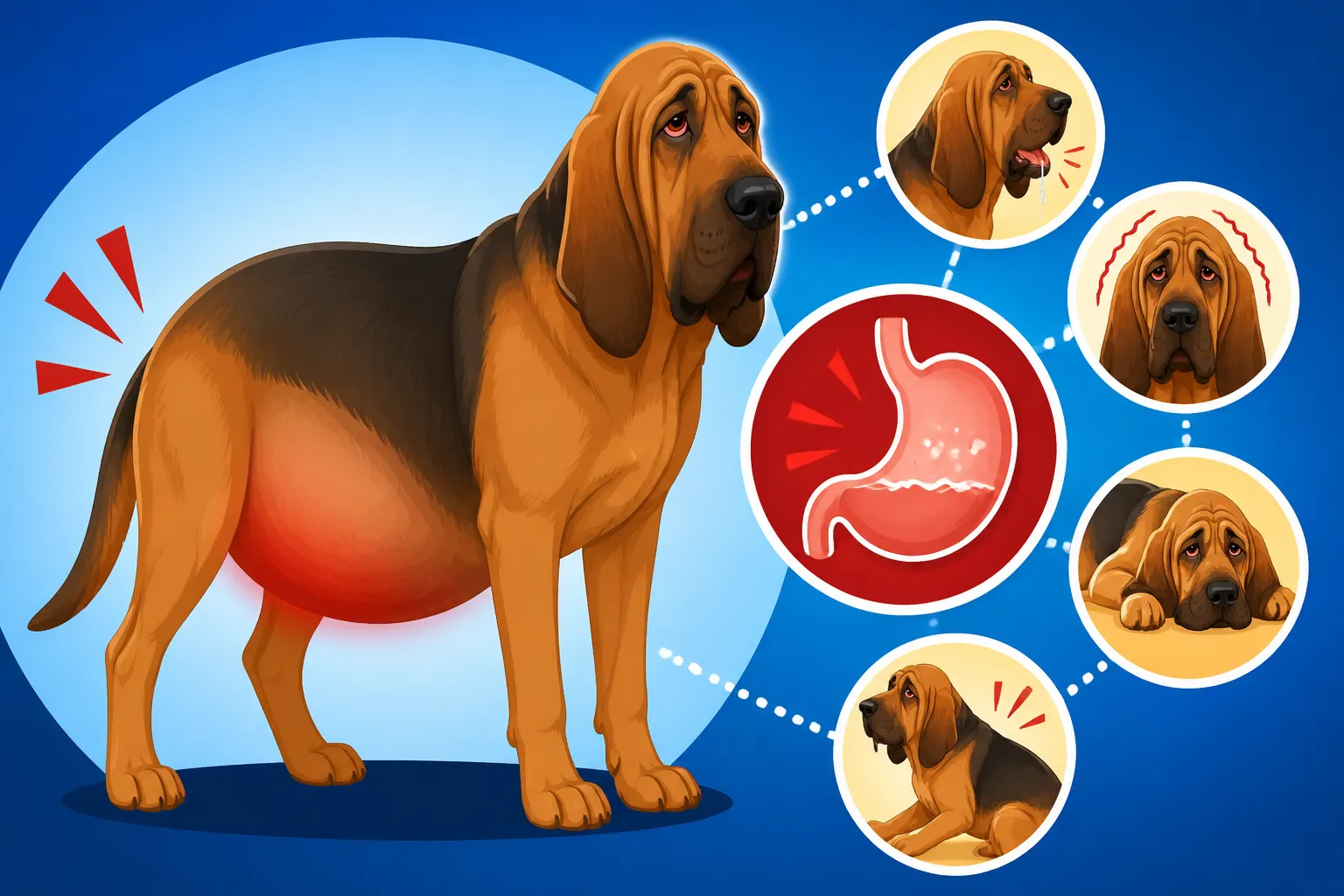
Bloodhounds are known for their drool, that's just part of the package! However, an unusual increase in drooling, particularly when accompanied by frequent lip licking, can be a sign of nausea and distress associated with bloat. While a little slobber after a drink or during an exciting moment is normal, persistent, copious drooling that seems out of character should catch your attention. It's their body's way of reacting to extreme gastrointestinal discomfort. For more on Bloodhound drool, check out What a Bloodhound Puts Its Drool.
Beyond the typical "Bloodhound drool," pay attention to the quality of the drool – is it thick, ropy, or excessive beyond the norm? Are they constantly trying to swallow or lick their lips, even when no food is present? This can indicate an attempt to relieve nausea or a build-up of saliva that they can't quite manage. If your dog is usually dry-mouthed but suddenly seems to have a constant stream of saliva, or if a regular drooler starts drooling even more, it's a symptom that shouldn't be ignored, especially when combined with restlessness.
Attempted Vomiting (Retching) Without Producing Anything
This is arguably the most critical early sign of bloat and one that owners absolutely must recognize. Your Bloodhound will make strenuous efforts to vomit, heaving and gagging, just as they would if they were trying to bring up food or an object. However, with bloat, nothing or very little will come up. They might produce a small amount of foamy saliva or bile, but no actual stomach contents. This unproductive retching is a tell-tale sign that the stomach's exit is blocked due to twisting.
Witnessing your dog in this state is heartbreaking and incredibly alarming. They might hunch over, abdominal muscles straining, making loud retching noises, only to lift their head with a look of confusion and increasing distress. This sign alone, even without other obvious symptoms, should trigger an immediate emergency veterinary visit. It indicates that the stomach is likely twisted, and time is already running out. Do not wait for other symptoms to develop if you see your Bloodhound trying repeatedly and unsuccessfully to vomit.
Physical Changes and Obvious Discomfort
As bloat progresses, the signs typically become more pronounced and easier to identify. These physical manifestations of distress signal a worsening condition and should prompt an even more urgent response. It's at this stage that the internal pressure and organ dysfunction begin to visibly impact your Bloodhound's body and posture.
Abdominal Distension and Firmness
This is the classic, often terrifying, sign of bloat. Your Bloodhound's abdomen, especially the area behind the rib cage, will begin to swell noticeably. It might look as if they've swallowed a basketball. This distension can be incredibly rapid, sometimes appearing within minutes, or it might develop over an hour or two. Visually, you might see one side of the abdomen (often the left, though it can be both) appear more enlarged than the other, though this isn't always reliable for diagnosis. If you're wondering how the abdomen should look, consider reading How a Bloodhound's Abdomen Looks When It Bloats.
Beyond the visual enlargement, if you gently press on the swollen area, it will feel taut and hard, like a drum. This isn't just a full stomach; it's a stomach under extreme pressure, filled with gas. The firmness will be unmistakable, unlike the soft, pliable belly of a dog with a normal gastrointestinal issue. Any time you see such dramatic abdominal swelling and hardness in your Bloodhound, assume the worst and seek emergency care immediately. Remember, even if the distension isn't extreme yet, if combined with unproductive retching, it's still an emergency.
Pain and Sensitivity to Touch
A dog experiencing bloat is in immense pain. As the stomach distends and twists, it pulls on ligaments, compromises blood flow, and puts pressure on nerves. Consequently, your Bloodhound will likely exhibit signs of severe pain, especially if you attempt to touch or palpate their abdomen. They might yelp, snap, flinch away, or guard their belly fiercely. Even a gentle touch could elicit a strong negative reaction.
This pain isn't just confined to the abdomen; it's systemic. Your Bloodhound might be hunched over, unwilling to move, or showing a generalized discomfort throughout their body. They might whimper, groan, or moan, particularly when shifting positions or trying to lie down. If your normally tolerant Bloodhound becomes suddenly aggressive or fearful when you approach their middle, take it as a serious warning signal. A dog in this much pain needs immediate professional attention, and delaying could have dire consequences.
Changes in Posture: The "Prayer Position"
One specific posture that many owners report in bloating dogs is often called the "prayer position" or "play bow position." This involves the dog standing with their front legs stretched out, head low to the ground, while their hind end remains elevated. While this position is normally associated with an invitation to play, in the context of bloat, it's a desperate attempt to stretch and relieve the excruciating abdominal pain and pressure. When a Bloodhound takes The Prayer Position a Bloating Bloodhound Takes, especially outside of playful interaction, it's a sign of significant distress.
Beyond the prayer position, you might notice a general stiffness or reluctance to move. They may walk with a stiff, unnatural gait, or refuse to lie down in their usual comfortable spots. Some dogs might attempt to sit in unusual positions, almost as if trying to prop themselves up to ease the pressure on their diaphragm, making breathing easier. Any departure from their normal relaxed posture, especially if coupled with the other signs of distress, should be a major concern.
Behavioral and Systemic Alarms
As bloat progresses into more advanced stages, it begins to affect the entire body, leading to systemic shock. These signs indicate that the situation is rapidly deteriorating and are clear indicators of a life-threatening crisis. Recognizing these signals means your Bloodhound is in grave danger and needs immediate, life-saving intervention.
Pale Gums and Increased Heart Rate
When the stomach twists during GDV, it cuts off blood flow not only to the stomach itself but also impacts the overall circulatory system. One of the clearest indicators of this is a change in gum color. Normally, a Bloodhound's gums should be a healthy bubblegum pink. In a dog suffering from advanced bloat, their gums may become pale, whitish, or even grayish-blue. This is a sign of poor circulation and potentially shock. Press your finger firmly on their gum for a few seconds, then release. The pink color should return almost immediately (capillary refill time, or CRT). If it takes longer than 2 seconds, it's a serious concern.
Simultaneously, their heart rate will likely become rapid, often feeling weak. While it can be hard for a layperson to accurately assess heart rate, you might notice your Bloodhound's pulse is unusually fast and thready. Their extremities, like their ears or paws, might also feel cold to the touch due to reduced blood flow. These are all signs that your dog's body is going into shock as it struggles to cope with the severe internal trauma. This is when the window for successful treatment becomes critically small.
Weakness and Collapse
As the body enters deeper shock, your Bloodhound's strength will rapidly diminish. They may become extremely weak, disoriented, and unable to stand or walk properly. You might notice their hind legs wobbling, or they might simply collapse, unable to rise. This profound weakness is a dire sign, indicating severe systemic compromise. It means their cardiovascular system is failing to adequately supply oxygen and nutrients to their muscles and brain.
A dog that collapses due to bloat is in a critical state and needs immediate, hands-on veterinary care. They may be unresponsive or only partially responsive. Their eyes might appear glazed over, and their breathing will be labored. At this point, minutes literally count, and any delay in getting them to an emergency clinic drastically reduces their chances of survival. This stage often signifies that the organs are starting to fail, and the body is succumbing to the overwhelming stress of GDV.
Rapid, Shallow Breathing
The immense pressure from a bloated stomach pressing against the diaphragm makes it incredibly difficult for a Bloodhound to breathe effectively. You might notice their breathing becoming rapid and shallow, almost like they're panting, even when they haven't been exercising. Their chest might heave with effort, and they might exhibit open-mouthed breathing, struggling to get enough oxygen. This respiratory distress is a clear indication of severe discomfort and a body under immense strain.
In some cases, you might even hear whistling or raspy sounds as they struggle for air. Their tongue might also take on a bluish or purplish tint (cyanosis), which is a late-stage, extremely critical sign of oxygen deprivation. A dog cannot sustain this kind of respiratory effort for long. If you observe your Bloodhound panting rapidly and shallowly, especially when combined with a distended abdomen and pale gums, do not hesitate for a second. Get them to the nearest emergency veterinary hospital.
Differentiating Bloat from Other Conditions
It's common for owners to worry about overreacting, especially when their Bloodhound is known for being a bit of a drama queen with a sensitive stomach. However, with bloat, it's always better to be safe than sorry. While some signs of bloat can mimic less severe conditions, there are key distinctions that can help you decide when it's time to rush to the vet versus when you can observe at home.
Bloat vs. Upset Stomach
A general upset stomach, or gastritis, in a Bloodhound might involve vomiting, diarrhea, lethargy, or a temporary loss of appetite. They might even act a bit restless or uncomfortable. However, there are crucial differences from bloat:
- Vomiting: With a regular upset stomach, your Bloodhound will typically produce vomit, often containing food, bile, or grass. With bloat, the vomiting attempts are unproductive, yielding little to nothing. This is the single most important differentiating factor.
- Abdominal Distension: While an upset stomach might cause some mild abdominal tenderness, it rarely leads to the firm, drum-tight swelling characteristic of bloat. The stomach won't feel like a rock.
- Pain Level: An upset stomach can cause discomfort, but bloat pain is excruciating and progressive. Your dog will likely be visibly suffering in ways beyond typical digestive upset.
- Rapid Deterioration: An upset stomach usually improves or plateaus, while bloat rapidly worsens within a short period, often an hour or two.
If you observe unproductive retching, a rapidly distending and firm abdomen, and escalating pain, it's bloat until proven otherwise.
When in Doubt, Act Immediately
This is the golden rule for bloat. If you have even the slightest suspicion that your Bloodhound might be bloating, do not wait. Do not try home remedies. Do not wait to see if it gets better. Bloat is an emergency that progresses incredibly fast. The difference between survival and fatality can be measured in minutes, not hours. Many owners have shared harrowing stories of thinking they had more time, only to lose their beloved hound.
Trust your gut instinct. If something feels off, if your Bloodhound's behavior isn't right, or if any of the key symptoms listed above are present, especially unproductive retching, immediately contact your emergency veterinarian. Tell them you suspect GDV, and that you are on your way. It's always better to take your Bloodhound to the clinic and be told it's a false alarm than to delay and face a tragic outcome. A prompt diagnosis and treatment are absolutely critical for survival.
Immediate Actions and Emergency Protocol
Once you suspect bloat, your role shifts from observer to rapid responder. Every action you take, or don't take, in the next few minutes is critical. There’s no time for hesitation or second-guessing. Knowing exactly what to do can make all the difference for your Bloodhound. Remember, Bloat Is What Kills Most Bloodhounds, so quick action is paramount.
Contacting Your Veterinarian Immediately
The very first thing you need to do is call your veterinary clinic or, if it's after hours, your nearest emergency veterinary hospital. This isn't a casual phone call; it's an urgent heads-up. Clearly state that you suspect your Bloodhound is suffering from bloat (GDV) and that you are on your way. This allows the veterinary staff to prepare for your arrival, ensuring they have the necessary equipment, medications, and personnel ready to spring into action the moment you walk through the door. For more guidance, read Whether a Bloodhound Owner Should Call Ahead to the Clinic.
Provide as much information as you can about your Bloodhound's symptoms: unproductive retching, abdominal distension, restlessness, pale gums, and anything else you've observed. While they'll likely tell you to come in immediately, this call helps them triage and prepare for a critical case. Do not attempt to decompress your dog's stomach at home or administer any medications unless specifically instructed by a veterinarian. Time is of the essence, and professional medical intervention is the only way to save a bloating Bloodhound.
The Drive to the Emergency Clinic
Once you've made that critical call, getting your Bloodhound to the clinic safely and as quickly as possible is your next mission. Remain calm, as your stress will only add to your dog's anxiety. Have someone else drive if possible, allowing you to monitor your Bloodhound. If you're alone, focus on safe driving. Avoid sudden stops or sharp turns, which could jostle your dog and worsen their discomfort. Keep the car cool and well-ventilated. Many owners find it helpful to learn What to Do on the Drive With a Bloating Bloodhound.
Throughout the journey, continue to observe your Bloodhound. While you can't intervene medically, noting any changes in their condition—such as increased panting, further collapse, or changes in gum color—can provide valuable information to the veterinary team upon arrival. If your Bloodhound is prone to carsickness or anxiety, just focus on keeping them as still and comfortable as possible. This drive is a race against time, but a controlled and calm approach is best for both you and your stressed Bloodhound. The prognosis for a Bloodhound with bloat depends heavily on how quickly they reach a vet; for context, see How Fast Bloat Kills a Bloodhound.
Discussing the Gastropexy Decision in Emergencies
When your Bloodhound arrives at the emergency clinic with suspected GDV, the veterinary team will immediately begin stabilization and diagnostic procedures. If bloat is confirmed, emergency surgery is usually the only treatment. During this life-saving procedure, the veterinarian will often perform a gastropexy. A gastropexy is a surgical procedure where the stomach is permanently tacked or sewn to the abdominal wall. This prevents the stomach from twisting again in the future, significantly reducing the risk of recurrence.
While a gastropexy is often performed preventatively in high-risk breeds like Bloodhounds, in an emergency bloat situation, it's done during the life-saving surgery. It's a critical decision that your vet will discuss with you, as it drastically reduces the chances of a second, often fatal, bloat episode. Many owners, after experiencing the terror of emergency bloat, choose to have the gastropexy performed. It’s an important part of ensuring your Bloodhound's long-term health and preventing a recurrence. You can learn more about this decision in The Gastropexy Decision Every Bloodhound Owner Faces. Having insurance like Healthy Paws can be incredibly helpful in covering the significant costs associated with emergency bloat surgery and the subsequent gastropexy, ensuring you can make the best medical decisions for your pet without financial hesitation.
The Critical Timelines and What Happens Next
Understanding the timeline of bloat and the steps veterinarians take can help you prepare mentally and financially for what lies ahead. The journey from suspecting bloat to recovery is intense, and knowing what to expect can ease some of the anxiety.
The Rapid Progression of GDV
Bloat doesn't dally. From the first subtle signs of restlessness to full-blown collapse and shock, the progression can occur in a shockingly short period, often within just a couple of hours. This rapid escalation is why early detection and immediate action are not just recommended, but absolutely imperative. A Bloodhound might appear slightly off after dinner, show unproductive retching an hour later, and be in critical condition by the time you're halfway to the emergency clinic.
This short timeline means there's no room for a "wait and see" approach. Every minute that passes with a twisted stomach means more tissue damage, increased risk of shock, and a higher chance of irreversible organ damage. The goal is to get your Bloodhound to surgical intervention before significant tissue necrosis or severe shock sets in, because at that point, even surgery may not be enough. The findings of studies, like What the Purdue Bloat Study Found About Bloodhounds, consistently highlight the critical importance of swift action.
Emergency Medical and Surgical Intervention
Upon arrival at the emergency clinic, the veterinary team will work quickly and methodically. First, they'll stabilize your Bloodhound, addressing shock with IV fluids and pain medication. They'll attempt to decompress the stomach, often by passing a tube down the esophagus or, if that's not possible, using a large-bore needle to release gas through the abdominal wall. While decompression provides temporary relief, it doesn't solve the twist.
Once stabilized, surgery is typically the next step. This is where the twisted stomach is carefully untwisted, inspected for damage, and then tacked to the abdominal wall (gastropexy). The entire procedure is complex and carries risks, but it is often the only path to survival. After surgery, your Bloodhound will require intensive post-operative care, including monitoring for complications like arrhythmias, infection, and further shock. This entire process, from emergency consult to post-op recovery, can be lengthy and expensive, underscoring why having pet insurance, like a plan from Healthy Paws, is a sound investment for Bloodhound owners. For a deeper dive into the procedure, read What Emergency Bloat Surgery Does for a Bloodhound.
| Symptom Category | Early/Subtle Signs (Act Now!) | Advanced/Severe Signs (EMERGENCY!) |
|---|---|---|
| Behavioral | Restlessness, pacing, anxiety | Weakness, collapse, disorientation |
| Gastric | Excessive drooling, lip licking | Unproductive retching, constant heaving |
| Abdominal | Mild discomfort, tenderness | Rapidly distending, drum-tight abdomen |
| Pain | Whining, seeking attention | Severe pain, guarding abdomen, yelping |
| Circulatory | Normal gum color, normal pulse | Pale, white, or blue gums; rapid, weak pulse |
| Respiratory | Normal breathing | Rapid, shallow, labored breathing |
| Posture | Stretching, trying to get comfy | "Prayer position," stiff gait, reluctance to move |
The Aftermath and Prevention
Surviving bloat is just the first hurdle. The recovery period is crucial, and looking ahead, prevention becomes a paramount concern for all Bloodhound owners. The financial and emotional toll of bloat is immense, which highlights the value of proactive measures. As we've seen, A Bloodhound's Money Is Spent in the Operating Room, making prevention not just about health, but also about financial foresight.
Post-Surgery Recovery and Potential Complications
Even after successful surgery, your Bloodhound isn't out of the woods. The post-operative period typically involves several days of hospitalization for intensive care. Complications such as cardiac arrhythmias, infections, peritonitis (inflammation of the abdominal lining), and even blood clotting issues can arise. The veterinary team will closely monitor vital signs, administer medications, and ensure a gradual reintroduction of food and water.
Recovery at home will involve strict activity restrictions, wound care, and continued medication. It's a demanding time, requiring diligence from the owner to prevent any setbacks. Your Bloodhound will need plenty of rest, a quiet environment, and your unwavering support. The emotional and physical recovery for both pet and owner can be significant. However, with careful management and adherence to veterinary instructions, many Bloodhounds make a full recovery, though the experience leaves a lasting impression on everyone involved.
The Importance of Preventive Gastropexy
Given the high risk and devastating nature of bloat in Bloodhounds, a preventive gastropexy is a topic every Bloodhound owner should discuss with their veterinarian. This elective surgery, which involves permanently tacking the stomach to the abdominal wall, dramatically reduces the risk of the stomach twisting, though it does not prevent the stomach from dilating (filling with gas). It's often performed when the dog is young, frequently at the same time as spaying or neutering, making it a less invasive and costly procedure than emergency surgery.
For high-risk breeds like the Bloodhound, a preventive gastropexy is truly a proactive measure that can save their life and save you from the unimaginable heartache and expense of an emergency GDV. While no surgery is without risk, the benefits of a preventive gastropexy far outweigh the risks for a Bloodhound. If you're a Bloodhound owner, or considering becoming one, educate yourself on this option and include it in your long-term health planning. Considering pet insurance like Healthy Paws early on can also help cover these types of crucial elective procedures if your policy allows, easing the financial burden and encouraging proactive care.
Disclaimer
The information provided in this guide is for informational purposes only and does not constitute veterinary medical advice. Always consult with a qualified veterinarian for any health concerns or before making any decisions about your Bloodhound's care. In a suspected emergency situation such as bloat, seek immediate veterinary attention.