The Prayer Position a Bloating Bloodhound Takes
One of the most terrifying moments a Bloodhound owner can face is seeing their beloved hound suddenly drop into a strange, almost pleading posture, often referred to as the "prayer position." This isn't just a quirky habit; it’s a critical red flag, a desperate signal from your dog that something is terribly wrong, likely indicating the onset of gastric dilatation-volvulus (GDV), more commonly known as bloat. This guide is here to walk you through exactly what this position means, why it’s such an urgent warning, and what you absolutely must do if you ever witness your Bloodhound adopting this stance.
Understanding the "Prayer Position" in a Bloodhound
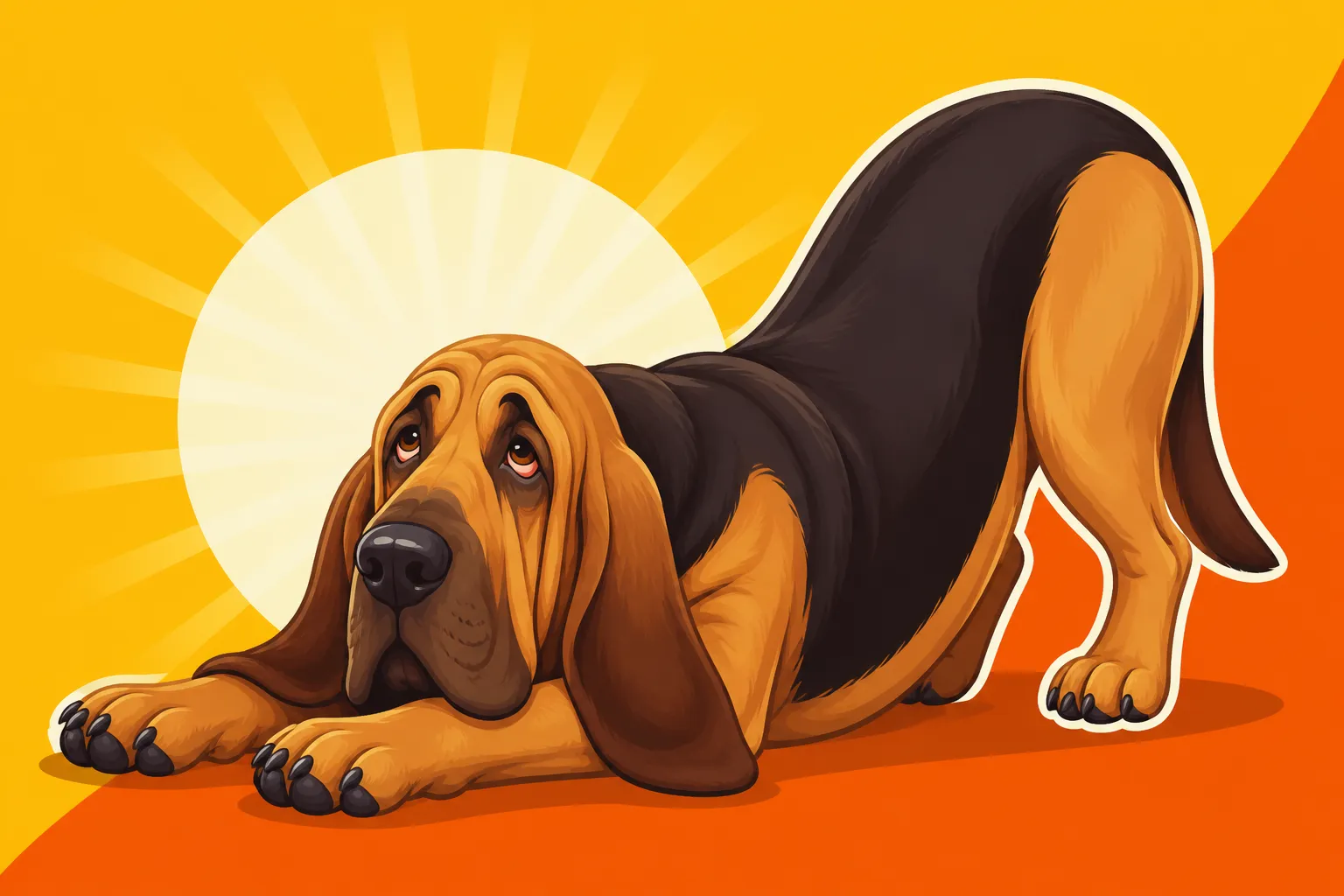
When we talk about the "prayer position" in dogs, especially large, deep-chested breeds like our Bloodhounds, we're referring to a very specific posture: the dog stands with its hindquarters elevated, while its front paws and chest are lowered to the ground, almost as if bowing or stretching. It looks a bit like a play bow, but there's a crucial difference that speaks volumes about what's happening internally. This isn't a playful invitation; it’s a desperate attempt to alleviate intense abdominal pain.
Why This Specific Posture Signals Deep Distress
The "prayer position" isn't chosen at random. It's an instinctive reaction to severe pain in the abdomen. When a Bloodhound's stomach begins to twist in a case of bloat, the gas trapped inside expands rapidly, putting immense pressure on internal organs and restricting blood flow. This causes excruciating pain. The dog lowers its front end and raises its rear to try and shift its internal organs, hoping to relieve some of that pressure or untwist the stomach. Imagine an agonizing stomach cramp that doesn't let up, only amplified a hundredfold and compounded by the physical distortion of the stomach itself.
Your Bloodhound is trying to stretch its body in a way that creates more space in its abdomen, or perhaps to slightly alter the angle of its stomach in a futile attempt to make itself more comfortable. This position specifically targets the abdominal area because that's where the pain is localized. Unlike a playful bow, where the tail might wag and the dog's demeanor is light, a Bloodhound in the prayer position due to bloat will often appear tense, panicked, and utterly miserable. Their eyes might be wide with fear, and they may be unwilling to move or respond to commands. It's a clear sign that the pain has become debilitating. Recognizing this distinction is vital, because confusing it with a simple stretch could cost precious minutes.
The Anatomy Behind the Agony
Bloodhounds, with their deep, narrow chests, are unfortunately predisposed to bloat. You might have heard us talk about this before, especially when we discuss topics like why a Bloodhound's chest shape causes bloat. Their unique build allows their stomach more room to swing and twist when it fills with gas or food. When GDV strikes, the stomach dilates (expands) with gas and then twists (volvulus) on its axis, trapping both gas and food. This twisting cuts off the blood supply to the stomach and can compress major blood vessels, including the vena cava, reducing blood flow back to the heart.
The diaphragm, the muscle that separates the chest cavity from the abdomen and aids in breathing, also comes under immense pressure from the expanding stomach. This makes breathing difficult and contributes to the dog's distress. The pain signals traveling from the stomach, often accompanied by stretching of the abdominal wall and irritation of surrounding nerves, are what drive your Bloodhound into this desperate, pain-relieving posture. It's not just discomfort; it's a rapidly escalating, life-threatening crisis that demands immediate action. Many owners are often caught off guard, as bloat can progress with alarming speed, as we explore further in How Fast Bloat Kills a Bloodhound.
Other Critical Signs Accompanying the Prayer Position
While the prayer position is an unmistakable alarm bell, it rarely occurs in isolation. It’s usually one symptom within a cluster of signs indicating that your Bloodhound is in a critical state. Understanding these other accompanying symptoms is crucial for confirming your suspicion and acting with the necessary urgency.
Retching Without Relief
One of the most common and distressing signs of bloat, often seen alongside the prayer position, is unproductive retching. Your Bloodhound will look like they’re trying to vomit, heaving and gagging intensely, but nothing or very little will come up. This is because the twisted stomach prevents anything from passing out of it. The constant, futile effort to throw up is exhausting and terrifying for your dog, and heartbreaking for you to witness.
They might stand over a spot, drooling excessively, with their whole body tensing with each spasm. This isn't just a sign of an upset stomach; it's a strong indicator of a blockage and internal pressure. If you see this coupled with the prayer position, there's almost no doubt you're dealing with bloat. This symptom alone is enough to warrant an immediate trip to the emergency vet, but when combined with the distinctive posture, it screams emergency.
Distended Abdomen and General Restlessness
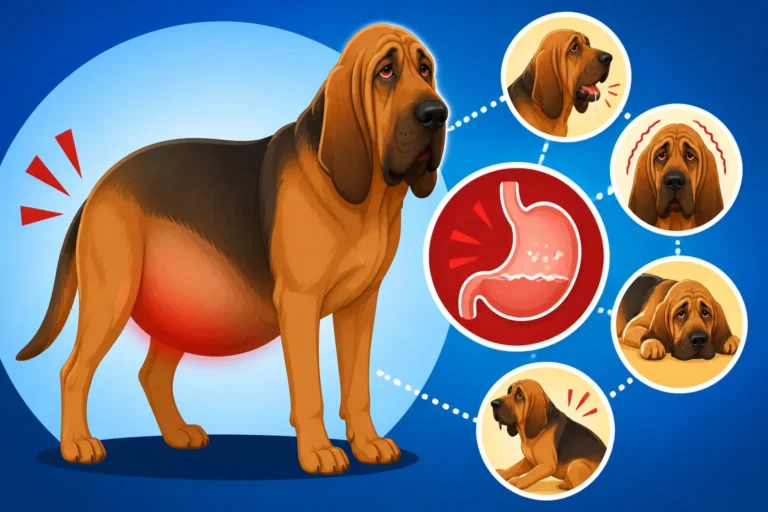
Another major indicator is a visibly distended abdomen. Your Bloodhound’s belly, especially on the left side just behind the rib cage, might appear swollen, tight, and drum-like to the touch. This swelling can become quite pronounced very quickly. It's the physical manifestation of the gas-filled, twisted stomach. You might even hear a hollow sound if you gently tap their side, like tapping a drum.
Alongside the physical changes, your Bloodhound will likely display extreme restlessness and anxiety. They might pace constantly, unable to find a comfortable position. They may get up, lie down, get up again, lie down on their side for a moment, then quickly rise. They might whimper, pant heavily, or refuse to settle. This isn't just a dog feeling a bit unwell; this is a dog in profound discomfort and fear, trying anything to escape the pain. This frantic searching for comfort, combined with the prayer position and unproductive retching, paints a very clear picture of a GDV emergency. Remember, early signs are often subtle, but they quickly escalate, so paying attention to even minor changes can save their life, as discussed in Signs a Bloodhound Is Bloating.
Here's a quick reference table for common bloat symptoms:
| Symptom | Description | Urgency Level |
|---|---|---|
| Prayer Position | Hindquarters raised, front paws/chest lowered to ground, rigid posture, not playful. | CRITICAL |
| Unproductive Retching | Repeated attempts to vomit, but nothing (or only foamy saliva) comes up. | CRITICAL |
| Distended Abdomen | Swollen, tight, and often drum-like appearance, especially behind the rib cage. | CRITICAL |
| Restlessness/Pacing | Inability to settle, constant movement, looking for comfort, anxiety. | HIGH |
| Excessive Drooling | More drool than usual, often associated with nausea and retching. | HIGH |
| Rapid, Shallow Breathing | Difficulty breathing due to pressure on the diaphragm. | HIGH |
| Weakness/Collapse | As bloat progresses, the dog may become weak, lethargic, and eventually collapse from shock. | CRITICAL |
| Pale Gums | Sign of poor circulation and shock; press finger to gum, color should return in 1-2 seconds. | CRITICAL |
Immediate Action When You See the Prayer Position
Seeing your Bloodhound in the prayer position, especially if accompanied by other bloat symptoms, is not a moment for hesitation. This is a dire emergency, and every second truly counts. Your immediate response will be the single most important factor in your dog's survival.
Call Ahead to Your Emergency Vet Clinic
The very first thing you need to do, before you even get your dog into the car, is to call your nearest veterinary emergency clinic. Do not just show up. Explain clearly and calmly that you suspect your Bloodhound has bloat (GDV) and describe the symptoms you are seeing, specifically mentioning the prayer position and unproductive retching. This call allows the veterinary team to prepare for your arrival. They can get staff ready, clear an examination room, and even pull out necessary equipment for immediate stabilization and diagnosis.
Let them know your estimated arrival time. This small step can shave precious minutes off the diagnostic and treatment process once you arrive, minutes that could be the difference between life and death for your Bloodhound. Many clinics, like those in larger cities, are well-equipped for these emergencies, but a quick heads-up is always appreciated and vital. You might find it helpful to look into something like a Healthy Paws pet insurance policy early on, as the costs associated with emergency bloat surgery can be staggering, a topic we touch on in what Emergency Bloat Surgery Costs on a Bloodhound.
Getting to the Clinic Safely and Swiftly
Once you've made that call, it's time to get your Bloodhound to the clinic. This is not the time for leisurely driving. While you must drive safely, you also need to be swift. If possible, have another person drive so you can monitor your Bloodhound during the journey. Keep them as comfortable as possible, but understand that they will likely be in extreme pain and distress.
Try to keep their head elevated slightly if they are lying down, as this might help with breathing, but prioritize getting them there. Avoid offering food or water, as this can worsen the situation. Your focus should be entirely on getting them to professional help. Remember, the window for effective treatment for bloat is incredibly narrow, sometimes as little as The Half Hour a Bloating Bloodhound Has before irreversible damage or even death can occur. In this stressful scenario, having a clear plan, including knowing where the nearest 24-hour emergency vet is located, can make all the difference.
What to Expect at the Emergency Clinic
Upon arrival, the veterinary team will immediately assess your Bloodhound. They’ll confirm the diagnosis of bloat through a physical exam and often an X-ray of the abdomen. If bloat is confirmed, stabilization will begin right away. This typically involves placing intravenous (IV) catheters to administer fluids for shock, pain medication, and antibiotics. They may attempt to decompress the stomach by passing a tube down the esophagus into the stomach, or if that’s not possible, by trocharization (inserting a large needle through the abdomen into the stomach to release gas).
After stabilization, the definitive treatment for GDV is emergency surgery. This surgery, known as a gastropexy, involves untwisting the stomach and then tacking it to the abdominal wall to prevent future rotations. While a gastropexy is usually performed during the emergency surgery, it's worth noting that preventive gastropexy can be done as a prophylactic measure, often at the same time as a spay or neuter, significantly reducing the risk of recurrence. This is a serious procedure, and we cover it in more detail in What Emergency Bloat Surgery Does for a Bloodhound.
The veterinary team will also monitor your Bloodhound for complications like cardiac arrhythmias, which are common with bloat. This entire process is intensive and costly, which again brings up the benefit of having pet insurance from providers like Healthy Paws.
Managing the Risk and Promoting Long-Term Health
After such a terrifying event, or even just learning about the potential dangers of bloat, it's natural to want to take every precaution to prevent it from happening. While GDV can strike without warning, there are definitely steps you can take to mitigate the risk for your beloved Bloodhound.
Dietary and Feeding Strategies to Minimize Bloat Risk
One of the most impactful areas where you can reduce bloat risk is through your Bloodhound's diet and feeding routine. Instead of feeding one large meal a day, split their daily food allowance into two or three smaller meals. This prevents the stomach from becoming overly distended at any one time, which can be a trigger for twisting.
Consider using a slow feeder bowl if your Bloodhound tends to "inhale" their food. Eating too quickly can lead to gulping air along with their kibble, contributing to gas buildup. You might also want to avoid intense exercise immediately before or after meals. Give your Bloodhound at least an hour of rest before and after eating to allow for proper digestion. While the effectiveness of raised food bowls has been debated, with some studies suggesting they might increase risk, it's generally recommended to feed from floor level unless your vet advises otherwise due to specific health conditions. For more in-depth advice, our article on Feeding a Bloodhound So It Does Not Bloat offers a comprehensive guide.
Some owners also choose to moisten their Bloodhound’s kibble with water, as this can help slow down eating and potentially reduce air intake. Always discuss any significant dietary changes with your veterinarian to ensure they are appropriate for your dog’s specific needs.
The Preventative Gastropexy: A Lifesaving Choice
For many Bloodhound owners, the ultimate preventative measure is a prophylactic gastropexy. This surgical procedure involves surgically attaching the stomach to the abdominal wall, preventing it from twisting. It doesn't prevent the stomach from dilating with gas, but it does prevent the life-threatening volvulus (twisting). This is often considered the single most effective way to prevent future bloat episodes.
A preventive gastropexy can be performed laproscopically, which is less invasive and typically results in a faster recovery time. It's often recommended to do this procedure when your Bloodhound is already undergoing another surgery, such as a spay or neuter, to minimize the number of times they need to go under anesthesia. The peace of mind this surgery offers is invaluable, knowing that you've significantly reduced the risk of experiencing the terror of a bloat emergency. Many people weigh The Gastropexy Decision Every Bloodhound Owner Faces very carefully, considering both the cost and the long-term benefits. While not 100% foolproof against any stomach issues, it's a huge step in protecting your deep-chested hound.
If you're considering this, it's a fantastic conversation to have with your veterinarian. They can walk you through the specifics, discuss the best timing, and help you understand the benefits and any potential risks. Again, this is where pet insurance, like a policy from Healthy Paws, can really shine, often covering a significant portion of the cost of preventive procedures or, certainly, emergency bloat treatment.
Ongoing Vigilance and Routine Care
Even with preventive measures in place, ongoing vigilance is key to your Bloodhound’s health. Regular veterinary check-ups are essential. During these visits, your vet can monitor your dog's overall health, discuss any concerns you might have, and offer tailored advice based on their individual needs.
Pay close attention to any changes in your Bloodhound's behavior, appetite, or energy levels. Sometimes, subtle shifts can be early indicators of underlying issues. Maintaining a healthy weight for your Bloodhound is also important, as obesity can be a contributing factor to various health problems, including potentially influencing bloat risk. Ensure they get appropriate exercise that is not too strenuous immediately before or after meals. Remember, a well-cared-for Bloodhound, with a proactive owner, has the best chance at a long, healthy life, even with the breed's predispositions.
Disclaimer
This article is intended for informational purposes only and does not constitute professional veterinary advice. Always consult with a qualified veterinarian for any health concerns or before making any decisions about your pet's medical care. In case of a suspected emergency, seek immediate veterinary attention.