Whether a Bloodhound’s Cherry Eye Comes Back
When you notice that angry red blob in the corner of your Bloodhound's eye, often dubbed "cherry eye," it's a gut-wrenching moment. You worry about their comfort, their vision, and of course, the inevitable trip to the vet. After discussing treatment options, a common, persistent fear for many Bloodhound owners is whether this condition, once treated, will simply reappear. This guide will delve deep into cherry eye, its treatment, and specifically address the chances of it returning, helping you understand what to expect for your beloved hound's long-term eye health.
Understanding Cherry Eye in Our Bloodhounds
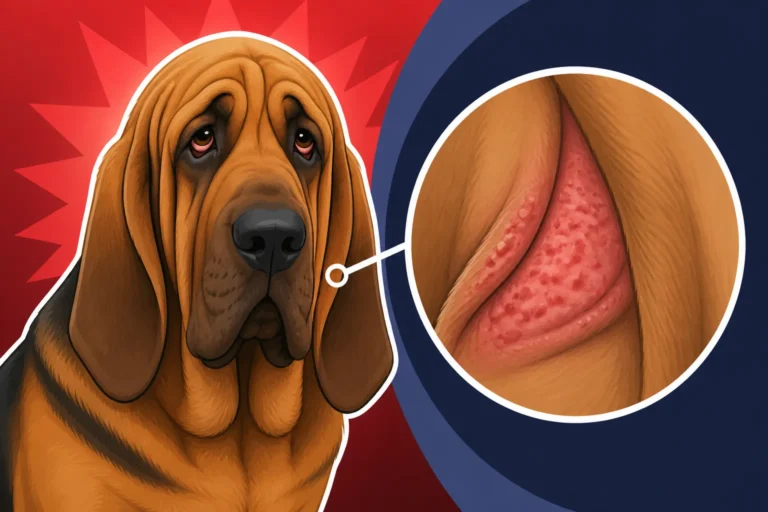
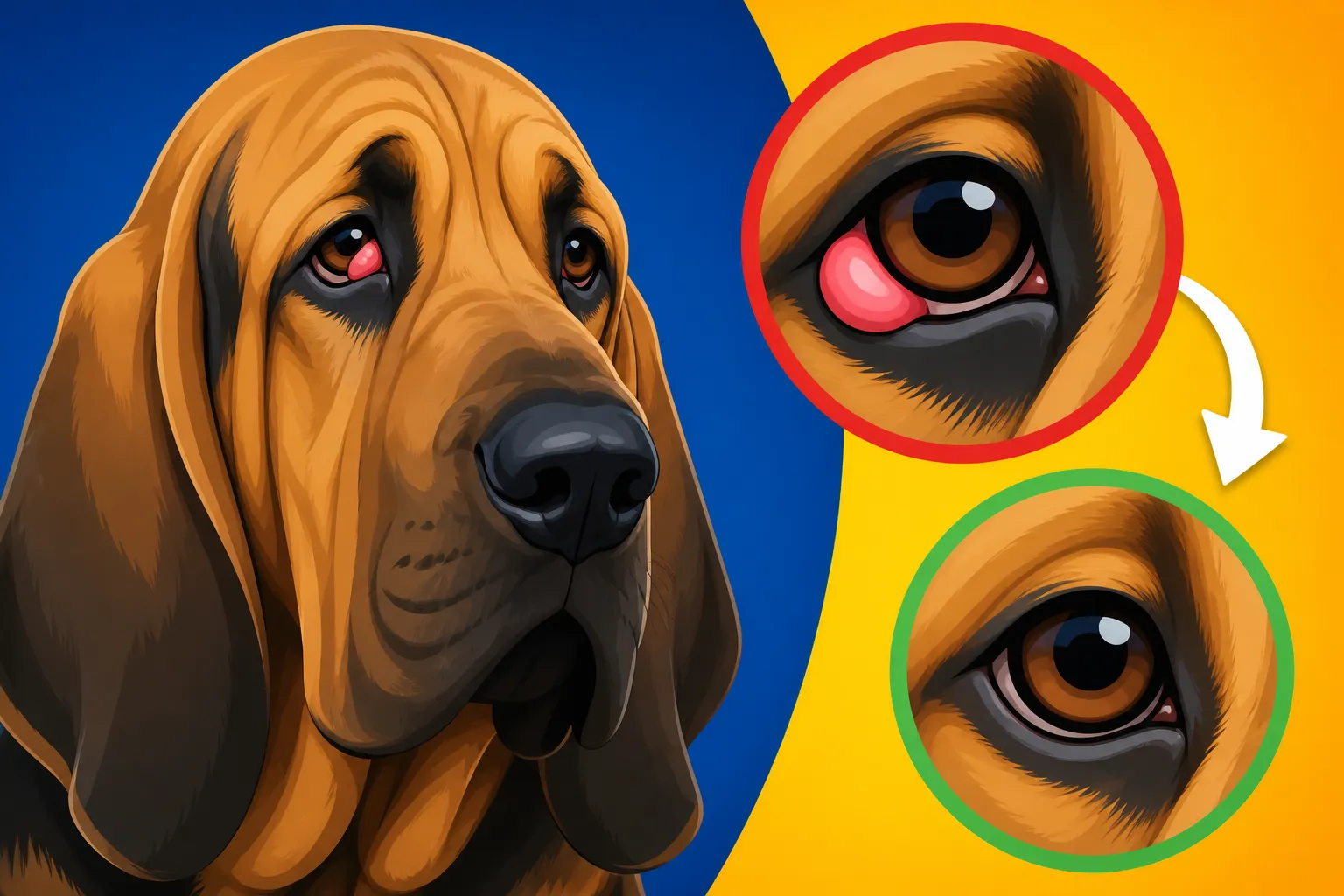
Cherry eye is one of those distinct conditions that can catch any Bloodhound owner off guard, even if you’re meticulous about their care. It refers to the prolapse of the nictitating membrane's gland, more commonly known as the third eyelid gland. This gland, typically nestled unseen in the inner corner of your dog's eye, is crucial for producing a significant portion of their tears – about 30-50% of the aqueous part, to be exact. When it prolapses, it pops out and looks like a small, red, swollen cherry, hence the name.
Why Bloodhounds Are Prone to Cherry Eye
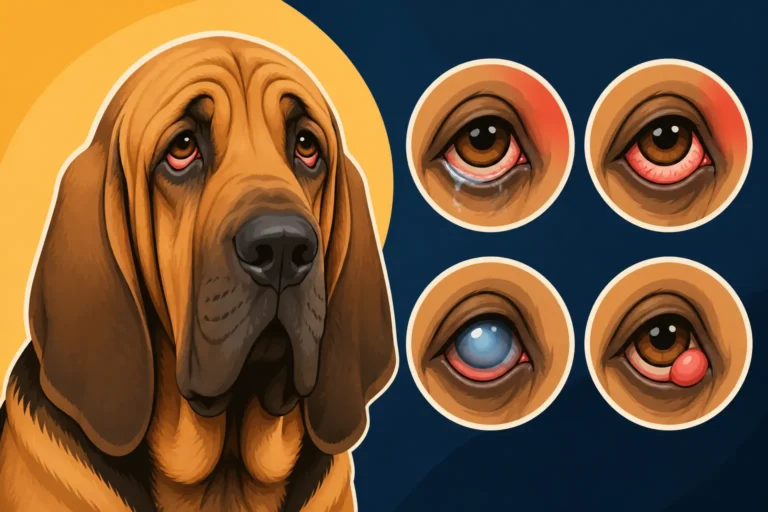
Our amazing Bloodhounds, with their deeply set eyes and magnificent jowls, are unfortunately genetically predisposed to a number of eye issues, including cherry eye. It's often considered one of The Four Eye Problems a Bloodhound Is Born Toward due to the breed's conformation. The connective tissue that holds this gland in place can be weaker in certain breeds, and Bloodhounds are certainly on that list, along with Bulldogs, Beagles, and Cocker Spaniels. It’s not about poor care or an injury; it's often just how they're built.
When this tissue weakens, the gland can easily pop out. Sometimes it's triggered by excitement, straining, or even just a sneeze, but often, it seems to appear out of nowhere. It’s more common in puppies and young dogs, typically under two years of age, but it can certainly occur at any age. While it usually affects one eye first, it's not uncommon for the other eye to develop cherry eye later, a detail that often worries owners about the potential for future issues. You can recognize it easily when you see cherry eye – that tell-tale red, fleshy mass.
The Immediate Dangers of Untreated Cherry Eye
Beyond the unsightly appearance, an untreated prolapsed third eyelid gland poses real risks to your Bloodhound's eye health. The exposed gland is vulnerable to drying out, irritation, and infection, which can lead to inflammation (conjunctivitis) and chronic discomfort. Over time, the gland's ability to produce tears can be compromised, potentially leading to a more severe and irreversible condition known as dry eye, or keratoconjunctivitis sicca (KCS).
If left unaddressed, the inflammation can spread, causing corneal damage, ulcers, and persistent pain. The chronic irritation can even lead to changes in the surrounding ocular tissues. It's not just a cosmetic issue; it's a functional one that directly impacts your Bloodhound's long-term vision and comfort. This is why prompt veterinary attention is so vital, not just to fix the immediate problem but to safeguard your hound's sight.
Treatment Options and Recurrence Potential
When your Bloodhound presents with cherry eye, the primary goal of treatment is to return the gland to its proper anatomical position and restore its function. There are generally two main approaches: surgical repositioning (tacking) or, less ideally, removal of the gland. The choice of treatment significantly impacts the likelihood of recurrence.
Surgical Repositioning (Gland Tacking)
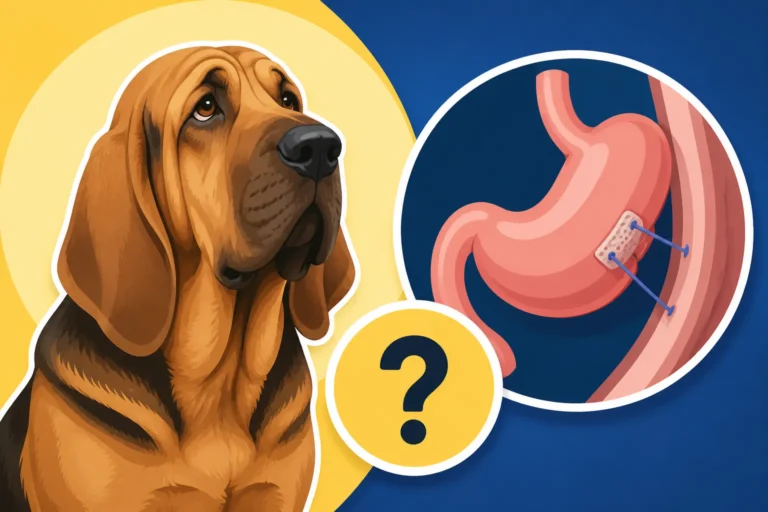
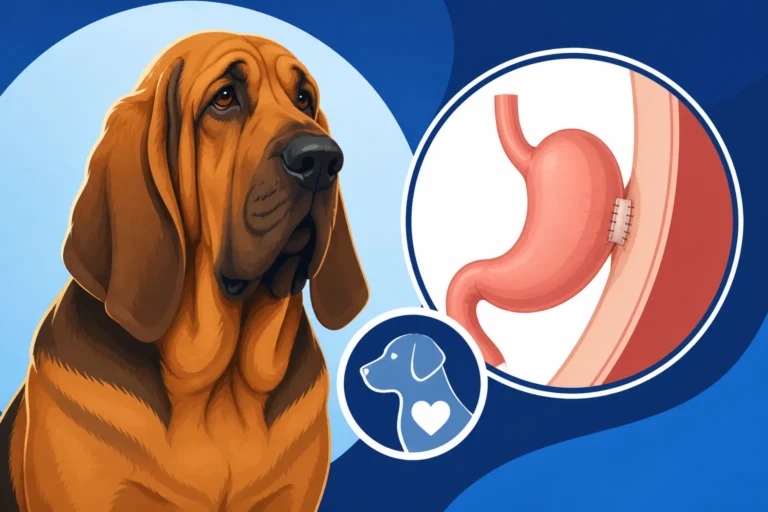
For the vast majority of cherry eye cases in Bloodhounds, surgical repositioning, often referred to as "tacking," is the preferred method. This procedure involves creating a small pocket or suture to secure the prolapsed gland back into its normal position behind the third eyelid. The aim is not just to make it disappear, but to ensure it stays there and continues its vital tear production. This is usually the recommendation, as Whether a Bloodhound's Cherry Eye Should Be Tucked or Removed heavily favors tucking.
The recurrence rate after a successful tacking procedure is relatively low, typically cited in the range of 5-20%. This means that while it's certainly possible for the cherry eye to return, most dogs do well with this surgery. The success often depends on the surgical technique used, the health of the surrounding tissues, and importantly, the post-operative care provided by the owner. While some general practitioners perform this surgery, for our Bloodhounds, given their predisposition to eye issues, many owners opt for a board-certified veterinary ophthalmologist. What a Bloodhound's Eyelid Surgery Needs a Specialist is a crucial question to consider, as specialists often have more advanced techniques and experience, which can further reduce recurrence risk.
Gland Removal (Excision)
While less common and generally discouraged due to the long-term consequences, gland removal or excision is another, albeit more drastic, treatment option. This involves surgically removing the entire third eyelid gland. The reason this is less favored is critical: the gland is responsible for a significant portion of tear production. Removing it drastically increases the risk of your Bloodhound developing chronic dry eye (KCS) later in life.
If the gland is removed, the cherry eye itself cannot "come back" in that eye because the gland is no longer there. However, you've traded one problem for another potentially more serious and lifelong condition. The consequences of Whether Removing a Bloodhound's Tear Gland Causes Dry Eye are very real, and managing dry eye can involve daily eye drops for the rest of your dog's life, which is a significant commitment and ongoing expense. If the cherry eye returns after a tacking procedure, a second tacking attempt is usually recommended before considering removal, precisely because of the critical role this gland plays.
Comparing Treatment Outcomes
To summarize the expected outcomes and recurrence potential for each treatment method:
| Treatment Method | Recurrence Rate (Affected Eye) | Risk of Dry Eye (KCS) | Long-term Management |
|---|---|---|---|
| Surgical Repositioning (Tacking) | 5-20% | Low | Post-op drops, regular monitoring |
| Gland Removal (Excision) | 0% (gland absent) | High (often inevitable) | Lifelong tear supplements/medication |
It's clear from this comparison that tacking is overwhelmingly the better choice for your Bloodhound's long-term eye health. The slight risk of recurrence is generally preferable to the high probability of developing chronic dry eye, which is a condition that requires continuous and often costly care. When weighing your options, especially with your vet, consider the potential for recurrence against the guaranteed burden of lifelong medication. This is also where pet insurance like Healthy Paws can truly shine, covering the costs of these surgeries and potentially the ongoing management of related conditions if they arise.
Factors Influencing Cherry Eye Recurrence
Understanding why cherry eye might return even after a seemingly successful surgery can help you manage expectations and provide the best possible care for your Bloodhound. Several factors, both inherent to the dog and related to the surgical process, can play a role.
Breed Predisposition and Genetics
As we've touched upon, Bloodhounds are genetically predisposed to conditions like cherry eye. This underlying genetic tendency doesn't simply disappear after one surgery. If your Bloodhound developed cherry eye in one eye, there's an increased chance that the same weakness in the connective tissue could lead to the condition appearing in the other eye later on. This isn't technically a "recurrence" in the same eye, but a new instance in the contralateral eye, often due to the same genetic predisposition.
Furthermore, some individual Bloodhounds may simply have weaker connective tissue than others, making them more prone to a re-prolapse even after a technically perfect surgical repair. This is part of the challenge of owning a brachycephalic or large-breed dog with specific genetic traits. It’s why choosing a reputable breeder who screens their lines for such issues, although not a guarantee, can be beneficial in reducing the overall risk of health problems like these in the future.
Surgical Technique and Expertise
The skill and experience of the veterinary surgeon performing the tacking procedure are paramount in minimizing the risk of recurrence. Different surgical techniques exist, and an experienced surgeon will choose the most appropriate method for your Bloodhound's specific anatomy and the severity of the prolapse. A well-executed procedure ensures that the gland is securely anchored in a way that is robust enough to withstand the normal movements and pressures of daily life.
As mentioned earlier, consulting a board-certified veterinary ophthalmologist can significantly improve the prognosis. They perform these surgeries frequently and are adept at nuanced techniques that may offer a more durable repair. While Eyelid Surgery Is the Bill Bloodhound Owners Do Not Expect can be substantial, the long-term benefit of reduced recurrence and better eye health often outweighs the initial cost, especially if your pet insurance, like Healthy Paws, helps to mitigate the financial burden. A less experienced surgeon, or one using an outdated technique, might inadvertently leave the gland less securely attached, increasing the chances of it popping out again.
Post-Operative Care and Activity Levels
The healing period immediately following cherry eye surgery is critical. Your Bloodhound will likely need to wear an Elizabethan collar (e-collar) to prevent them from rubbing or scratching at the surgical site, which could dislodge the sutures or irritate the healing tissues. Skipping the e-collar, even for a short time, can easily lead to a setback. Additionally, controlling your Bloodhound's activity level during recovery is important.
Sudden, strenuous activity, rough play, or excessive head shaking can place undue stress on the surgical repair. While Bloodhounds aren't known for being hyperactive, a young or excited hound can certainly manage to undo delicate surgical work. Following your vet's instructions meticulously regarding medication, eye drops, and activity restriction is your best defense against recurrence. Ignoring these instructions, even inadvertently, increases the risk that the gland might pop back out before the tissues have fully healed and strengthened. This diligent post-operative period is crucial, and it’s a commitment that falls squarely on the owner.
Managing Your Bloodhound's Eye Health Long-Term
Beyond the immediate post-surgical period, maintaining excellent eye health for your Bloodhound is an ongoing commitment. Our beloved hounds have those signature deep-set eyes and loose skin, which, while giving them their unique charm, also create an environment that needs careful attention. Proactive care can help prevent a host of issues, including reducing the chances of cherry eye recurrence or complications from previous surgery.
Regular Eye Cleaning and Inspection
One of the simplest yet most effective ways to maintain your Bloodhound's eye health is through consistent, gentle daily care. This means Daily Eye Care for a Bloodhound should be part of your routine. Their naturally loose eyelids and deep creases around the eyes can trap dirt, debris, and moisture, creating a breeding ground for bacteria or irritation. A soft, damp cloth or a veterinarian-approved eye wipe can be used to gently clean away any discharge, crust, or foreign material from around their eyes.
When you're cleaning, take a moment to really look at their eyes. Are they clear and bright? Is there any excessive redness, cloudiness, or discharge? Is the third eyelid visible more often than it should be? Catching subtle changes early can be the key to addressing potential problems before they escalate. If you notice persistent redness, swelling, or if the cherry eye appears to be re-prolapsing, contact your vet immediately. Early intervention is always best.
Eye Drops and Medications
After cherry eye surgery, your Bloodhound will likely be prescribed a course of antibiotic and anti-inflammatory eye drops to prevent infection and reduce swelling during the healing process. It is absolutely vital to administer these medications exactly as prescribed, even if the eye looks better before the course is finished. Stopping medication too soon can lead to a resurgence of inflammation or infection.
For Bloodhounds who have had the gland removed, or who develop dry eye as a complication, lifelong tear stimulant or artificial tear drops will be necessary. Whether a Bloodhound With Dry Eye Needs Drops for Life is a question often answered with a resounding "yes" if the condition is severe. These drops, like cyclosporine or tacrolimus, help stimulate natural tear production or provide lubrication to compensate for the lack thereof. This can be a significant commitment, both in terms of time and cost. Understanding What a Bloodhound's Eye Drops Cost Each Year is important for budgeting, and again, pet insurance policies from providers like Healthy Paws can be invaluable in managing these ongoing expenses.
Protecting Your Bloodhound's Eyes from Irritants
Our Bloodhounds love to stick their noses to the ground and explore, which means their eyes are often quite close to dust, dirt, pollen, and other environmental irritants. While you can't prevent every exposure, you can take steps to minimize potential irritation, especially if your Bloodhound has had previous eye surgery or is prone to sensitivity.
For instance, during windy conditions or when doing yard work, consider keeping your Bloodhound indoors or supervising them closely. If they ride in the car, prevent them from sticking their head fully out the window, as the wind and debris can cause significant eye irritation. Some owners even use dog goggles or "doggles" for protection during outdoor activities or car rides, though getting a Bloodhound to tolerate them can be an adventure in itself! Minimizing these irritants reduces the chances of inflammation, which can, in turn, reduce strain on the delicate eye structures that hold the third eyelid gland in place.
Recognizing Signs of Recurrence or Complications
Even with the best surgical technique and diligent post-operative care, complications can sometimes arise. Knowing what to look for can help you seek timely veterinary attention and protect your Bloodhound's vision and comfort.
How to Identify a Re-prolapsed Cherry Eye
The signs of a re-prolapsed cherry eye are essentially the same as the initial occurrence: you'll see that familiar red, fleshy mass protruding from the inner corner of your Bloodhound's eye. It might look smaller or less inflamed than the first time, or it could be just as prominent. The key is that it shouldn't be there at all.
Other signs might include increased tearing or discharge, rubbing or pawing at the eye, redness of the conjunctiva (the pink tissue surrounding the eye), or your Bloodhound holding the affected eye partially or fully closed. If you suspect the cherry eye has returned, do not try to push it back in yourself. This can cause further damage or introduce infection. Contact your veterinarian or a veterinary ophthalmologist immediately for an evaluation.
Other Post-Surgical Eye Issues
While recurrence is a primary concern, other complications can occur following cherry eye surgery, or simply arise independently in a Bloodhound. One of the most significant is the development of dry eye (KCS), which can manifest as chronic redness, thick, mucoid discharge, and frequent blinking or squinting. Signs a Bloodhound Has Dry Eye are important for every Bloodhound owner to recognize.
Other potential issues include corneal ulcers, which can result from chronic irritation or rubbing, or from impaired tear production. Signs of an ulcer include squinting, sensitivity to light, a bluish or cloudy appearance to the cornea, and intense redness of the surrounding tissues. Infection can also occur, even with antibiotic drops, presenting as swelling, pus-like discharge, and pain. Any sudden change in your Bloodhound's eye appearance or comfort level warrants an immediate vet visit. Prompt attention to these issues can prevent them from becoming more serious and potentially sight-threatening. And remember, proactive discussions about prevention with your vet and reviewing your pet insurance policy with providers like Healthy Paws can give you peace of mind that you're prepared for these potential health challenges.
Disclaimer
This guide is intended for informational purposes only and does not constitute medical advice. Always consult with a qualified veterinarian for any health concerns or before making any decisions about your Bloodhound's care.