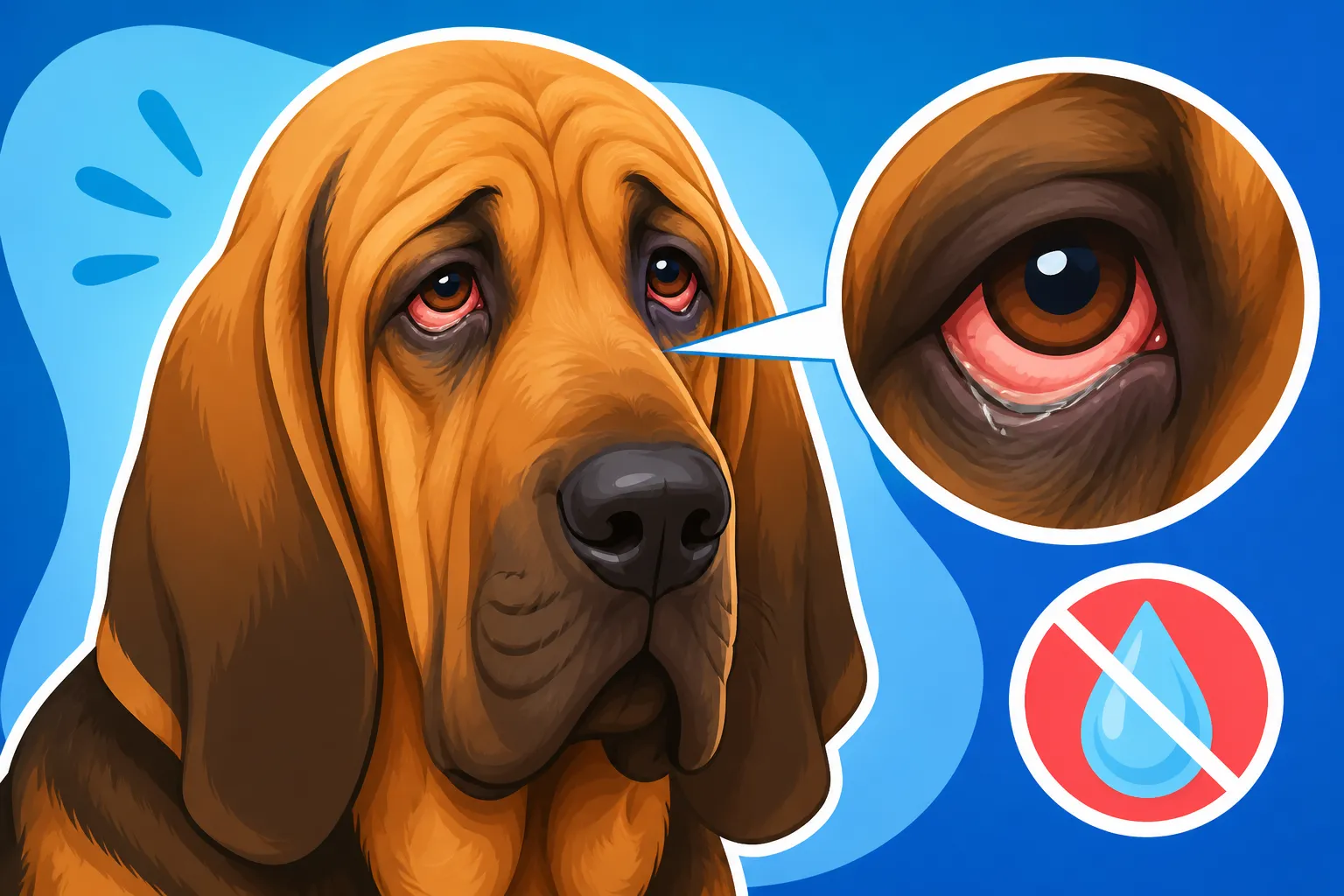
Signs a Bloodhound Has Dry Eye
It’s truly disheartening to see your beloved Bloodhound looking uncomfortable, especially when it concerns something as vital as their eyes. Those soulful, droopy eyes are a hallmark of the breed, but they’re also prone to a host of unique challenges. While we often worry about infections or irritation from their long ears, a silent and sometimes insidious problem can creep in: dry eye. This condition, which vets often call Keratoconjunctivitis Sicca (KCS), can cause significant pain and lead to severe complications if not caught early. This comprehensive guide is here to help you understand the subtle and overt signs of dry eye in your Bloodhound, so you can act quickly and ensure their comfort and long-term eye health.
Understanding Dry Eye in Your Bloodhound: The Basics
Living with a Bloodhound means you're already familiar with the special care their eyes require. Their prominent, often loose eyelids, coupled with their constant nose-to-the-ground lifestyle, make them particularly susceptible to all sorts of ocular issues. Dry eye, however, isn't just another irritation; it's a chronic condition stemming from a fundamental problem with their tear production.
What Exactly Is Dry Eye
Imagine your own eyes feeling gritty, burning, and just plain awful. That’s a taste of what dry eye feels like for our Bloodhounds. The term "dry eye" sounds simple enough, but it refers to a complex issue where the eye either doesn't produce enough tears or the tears produced aren't of the right quality. Healthy tears are more than just water; they're a delicate cocktail of water, oils, and mucus, all working together to lubricate, nourish, and protect the surface of the eye. This tear film acts like a natural shield, washing away irritants and delivering essential oxygen and nutrients to the cornea.
When this tear film breaks down, the surface of the eye becomes exposed, inflamed, and incredibly vulnerable. It’s not just a matter of "dryness"; it’s a breakdown in the eye's natural defense system. This constant irritation isn't just uncomfortable; it can lead to serious damage to the cornea, the clear outer layer of the eye. It's one of those conditions that starts subtly, making it easy to overlook until your Bloodhound is really suffering. For us Bloodhound owners, who are already constantly wiping eyes and cleaning folds, it can be frustrating to differentiate normal maintenance from a developing problem.
Why Bloodhounds Are Prone to Dry Eye
Our beloved Bloodhounds, with their distinctive deep-set eyes and famously loose facial skin, are unfortunately predisposed to a range of eye conditions, and dry eye is one that often flies under the radar. Their unique conformation, specifically their drooping lower eyelids – a feature known as ectropion – means that their eyes are more exposed to the elements. While this characteristic helps their incredible noses gather scent, it also means dust, dirt, and wind can more easily irritate the surface of the eye, increasing the demand on their tear glands.
Beyond the structural predisposition, genetics play a significant role. Bloodhounds, like several other large breeds, can inherit tendencies towards autoimmune conditions where the body mistakenly attacks its own tear glands, reducing tear production. This is often the underlying cause of KCS. We already know that our Bloodhounds are born toward The Four Eye Problems a Bloodhound Is Born Toward, and KCS can sometimes manifest alongside or be exacerbated by conditions like What Ectropion Looks Like on a Bloodhound or even What Entropion Does to a Bloodhound's Eye. While entropion, where the eyelid rolls inward, might seem like the opposite problem, the constant rubbing of lashes can also damage tear glands over time. It’s a delicate balance, and their inherent breed traits, while iconic, unfortunately put them at a higher risk.
The Subtle and Obvious Signs of Dry Eye to Watch For
Recognizing dry eye in your Bloodhound can be a bit like trying to find a specific leaf in a pile of fallen autumn foliage – some signs are obvious, but many are subtle and can easily be mistaken for other common Bloodhound eye issues. The key is to pay close attention to changes in their eyes and behavior, as early detection is crucial for successful management.
Changes in Eye Appearance
The most common and often earliest signs of dry eye will manifest in the appearance of your Bloodhound’s eyes. You might start noticing that their eyes just don't look as bright and clear as they usually do. Instead of that healthy, glistening surface, you might observe a dull, almost sticky quality.
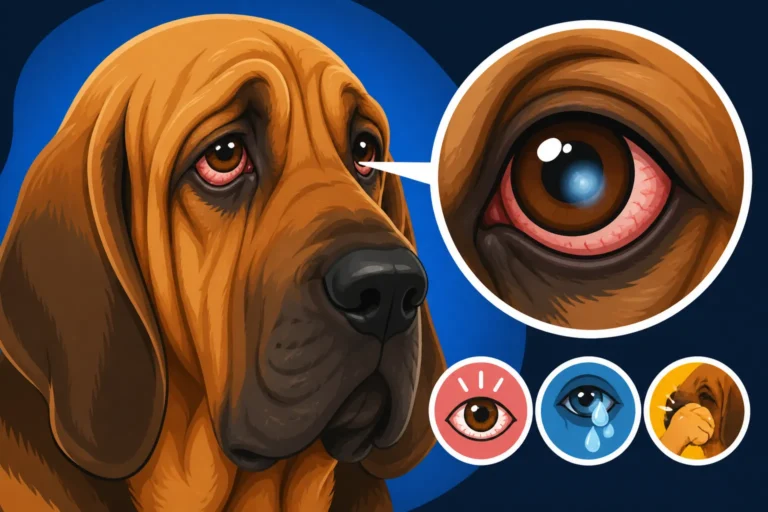
- Redness: This is one of the first things owners often spot. The whites of the eyes (sclera) and the delicate tissues surrounding them (conjunctiva) will appear noticeably red and inflamed. This isn't just a fleeting flush; it's a persistent redness that indicates ongoing irritation. It can sometimes be mistaken for an allergic reaction or simple irritation, which is a common frustration for owners trying to figure out what's really going on.
- Dullness or Lack of Luster: A healthy eye glistens with a smooth, continuous tear film. With dry eye, this film is compromised, making the eye appear dull, dry, and sometimes a bit cloudy. It loses that characteristic sparkle.
- Thick, Mucus-like Discharge: This is a big one, and often confuses owners. You might expect "dry eye" to mean no discharge, but it's often the opposite. When the watery part of the tear film is reduced, the eye tries to compensate by producing more of the mucous component. This results in a thick, stringy, often yellowish or greenish discharge that collects in the corners of the eyes or even smears across the cornea. Unlike the clear, watery discharge you might see with allergies or simple irritation, this discharge is usually tenacious and difficult to wipe away completely. If you find yourself constantly wiping away this goopy material, it’s a strong indicator to investigate for KCS.
- Corneal Changes: Over time, if left untreated, the cornea itself will start to change. It might begin to look hazy or cloudy, a condition called corneal edema. You might also notice dark spots or patches appearing on the surface of the eye, which is called corneal pigmentation. This pigmentation is the body's attempt to protect the exposed surface, but it can unfortunately obstruct vision. These changes are often irreversible, even with treatment, highlighting why early intervention is so vital. This is also why a professional diagnosis is so important, as Signs a Bloodhound Has a Corneal Ulcer can easily be missed or mistaken for less severe issues by the untrained eye.
Behavioral Indicators of Discomfort
Beyond the visual cues, your Bloodhound’s behavior can also give you important clues that their eyes are bothering them. These behavioral signs often stem from the chronic pain and irritation they're experiencing.
- Excessive Blinking or Squinting: Just like when we have something in our eye, a Bloodhound with dry eye will blink more frequently or squint to try and alleviate the discomfort. They might hold one or both eyes partially closed, especially in bright light or after a nap. This is a clear sign that something isn't right with the eye's surface.
- Rubbing or Pawing at the Eyes/Face: A dog’s natural instinct when something hurts or itches is to try and rub it away. You might notice your Bloodhound pawing at their face, rubbing their eyes on furniture or carpets, or even trying to scratch their eyes with their hind paws. This behavior can be particularly dangerous, as it can introduce bacteria and lead to secondary infections or even self-inflicted damage.
- Sensitivity to Light (Photophobia): Dogs with dry eye often find bright light uncomfortable or even painful. You might notice your Bloodhound shying away from bright sunshine, preferring darker areas, or struggling to keep their eyes open when outdoors on a sunny day. This is a direct result of the irritated corneal surface.
- Reluctance to Open Eyes Fully: Upon waking, or after resting, a Bloodhound with dry eye might have difficulty opening their eyes fully. The eyelids might feel "stuck" due to the thick discharge, or the eye might simply be too painful to open wide. It can be heartbreaking to see them struggle, validating the concern that this is more than just a minor irritation.
- Decreased Interest in Activities: Chronic discomfort can take a toll on any dog, including our typically enthusiastic Bloodhounds. If your dog is less eager to play, go for walks, or engage in their usual trailing activities, and you've noticed eye changes, it could be that their vision or general discomfort from dry eye is impacting their quality of life.
Tracking the Progression of Untreated Dry Eye
It’s easy to dismiss early signs of eye trouble as "just a Bloodhound thing," given their propensity for eye issues like Why a Bloodhound's Lower Lid Hangs Away From the Eye. However, ignoring dry eye can have severe and irreversible consequences. Understanding this progression underscores why early and consistent intervention is so critical.
Initially, the signs might be mild: a little redness, occasional discharge. But without the protective and nourishing tear film, the cornea is constantly exposed to friction, irritation, and potential damage. Over time, this chronic inflammation leads to more pronounced changes:
- Chronic Pain and Discomfort: The constant irritation of the corneal surface is painful. Imagine having sand in your eye, all day, every day. This ongoing pain impacts your Bloodhound’s quality of life significantly, making them miserable and potentially leading to behavioral changes.
- Corneal Ulceration: This is a serious complication. The dry, exposed cornea is highly vulnerable to scratches and infections. Even minor trauma can lead to a corneal ulcer, which is essentially an open sore on the surface of the eye. These ulcers are excruciatingly painful and, if deep or infected, can lead to vision loss or even eye rupture. This is a genuine emergency and often requires intensive veterinary care.
- Corneal Pigmentation and Scarring: As the body tries to protect the perpetually irritated cornea, pigment (melanin) starts to migrate into the corneal tissue, often from the edges inward. This looks like dark, brown-black patches on the eye. While it's a protective mechanism, it also progressively blocks light from reaching the retina, leading to impaired vision and, in severe cases, blindness. Along with pigmentation, the cornea can scar, further diminishing clarity.
- Bacterial Infections: The lack of a healthy tear film also means the eye loses its natural antibacterial defenses. This makes the eye a prime target for opportunistic bacterial infections, which can worsen the discharge, increase pain, and cause further damage.
- Vision Loss and Blindness: Ultimately, the cumulative effect of chronic inflammation, ulcers, scarring, and pigmentation can lead to significant vision impairment or even permanent blindness in the affected eye(s). This is why Whether a Bloodhound Goes Blind From Untreated Dry Eye is a very real concern for Bloodhound owners. The thought of our scent-driven companions losing their sight is truly heartbreaking.
When to Seek Veterinary Care for Your Bloodhound's Eyes
As Bloodhound owners, we know their eyes are a constant source of attention, whether it's Daily Eye Care for a Bloodhound or dealing with a stray piece of debris. But knowing when to go beyond at-home care and head straight to the vet can make all the difference, especially with something like dry eye. You might wonder if you should simply Whether a Bloodhound's Eye Should Be Rinsed Daily more often, but there's a point where professional intervention is non-negotiable.
At-Home Observation vs. Professional Diagnosis
It’s natural to want to try and resolve minor issues at home first. For a simple bit of dust or mild irritation, a gentle saline rinse might be perfectly appropriate. However, if you observe any of the persistent signs we've discussed – ongoing redness, thick discharge, squinting, or pawing – it’s time to call your veterinarian. These are not symptoms that will simply clear up on their own, and delaying a vet visit can lead to irreversible damage.
When you take your Bloodhound to the vet with suspected dry eye, they won’t just take a quick look. A thorough ophthalmic exam is crucial. The cornerstone diagnostic test for dry eye is the Schirmer Tear Test (STT). This simple, non-invasive test involves placing a small strip of specialized paper under your Bloodhound's lower eyelid for one minute. The amount of moisture absorbed by the strip is then measured, providing a numerical value for tear production. A normal reading for a dog is typically 15mm/minute or more. Readings below this, especially those under 10mm/minute, are highly indicative of KCS.
In addition to the STT, your vet will likely perform other tests:
- Fluorescein Stain: This dye is applied to the eye to check for corneal ulcers. If there's an ulcer present, the dye will adhere to the exposed deeper layers of the cornea, showing up as a bright green under a special light.
- Tonometry: This measures the intraocular pressure (IOP) of the eye, ruling out conditions like glaucoma.
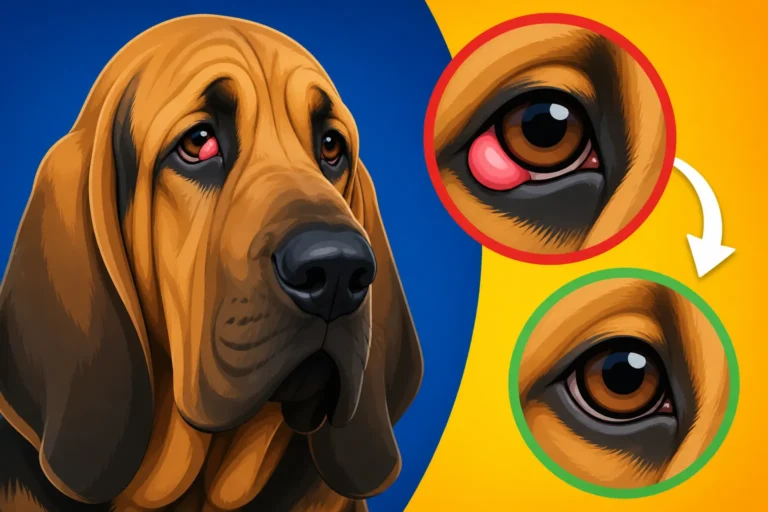
- Physical Examination of the Eyelids and Surrounding Structures: The vet will carefully examine your Bloodhound's eyelids, looking for conformational issues like ectropion or entropion, or checking for other problems like Cherry Eye in a Bloodhound, all of which can contribute to ocular discomfort.
It’s vital to get a precise diagnosis. What might look like a run-of-the-mill eye infection could actually be dry eye, and treating it incorrectly can worsen the problem. Don’t hesitate to seek professional help; it's the only way to get a clear picture of what's happening.
Long-Term Management and Treatment Options
Once a diagnosis of dry eye is confirmed, it's important to understand that KCS is often a lifelong condition. Just like managing a chronic illness in humans, it requires consistent, dedicated effort on your part. The good news is that with proper management, most Bloodhounds with dry eye can live comfortable, pain-free lives. The goal of treatment is to stimulate tear production, reduce inflammation, and provide lubrication.
Treatment typically involves a combination of topical medications:
- Tear Stimulants: Medications like cyclosporine (e.g., Optimmune) or tacrolimus are the primary treatments. These drugs work by suppressing the immune system’s attack on the tear glands, thereby stimulating tear production. They usually need to be applied once or twice daily, for life. Consistency is absolutely key here; skipping doses can lead to a return of symptoms and progression of the disease.
- Artificial Tears and Lubricants: These are crucial for providing immediate comfort and supplementing the natural tear film, especially in the initial stages of treatment or during flare-ups. They don’t stimulate tear production but offer much-needed lubrication and protection. They might need to be applied multiple times a day.
- Anti-inflammatory Medications: Sometimes, a short course of topical corticosteroids might be prescribed to quickly reduce severe inflammation, but these are generally used cautiously due to potential side effects like delaying ulcer healing if not used appropriately.
- Antibiotics: If a secondary bacterial infection is present, your vet will prescribe topical antibiotics.
For owners, this can feel like a daunting commitment. It's an ongoing expense and a daily routine. This is where pet insurance providers like Healthy Paws can truly offer peace of mind, potentially covering the recurring costs of these essential medications and veterinary check-ups. Many Bloodhound owners find that proactive management not only improves their dog's quality of life but also helps avoid more expensive emergency treatments down the line. It's worth considering the long-term financial aspect, especially with a breed prone to chronic conditions.
In very rare and severe cases where medical management isn't effective, a surgical procedure called parotid duct transposition might be considered. This involves rerouting a salivary gland duct from the mouth to the eye, allowing saliva to provide lubrication. However, this is a complex surgery with its own set of potential complications and is typically a last resort, usually performed by a board-certified veterinary ophthalmologist.
The reality for many Bloodhounds is that Whether a Bloodhound With Dry Eye Needs Drops for Life is often a resounding yes. Regular follow-up visits with your veterinarian are essential to monitor tear production, assess the condition of the cornea, and adjust medications as needed. With diligence and care, your Bloodhound’s eyes can stay much healthier, preventing the pain and potential blindness that untreated dry eye can cause.
Comparing Dry Eye Symptoms with Other Common Eye Conditions
It's easy to get confused when your Bloodhound's eyes are looking red or irritated, especially with how many eye issues our long-faced friends can face. Here’s a quick comparison to help differentiate dry eye from some other common problems, though remember, only a vet can give a definitive diagnosis.
| Symptom / Condition | Dry Eye (KCS) | Conjunctivitis (Allergies/Infection) | Ectropion | Entropion |
|---|---|---|---|---|
| Redness | Persistent, significant | Present, varies with severity | Mild to moderate, chronic irritation | Moderate to severe, chronic irritation |
| Discharge | Thick, sticky, mucoid (yellow/green) | Clear, watery (allergies) or thick, purulent (infection) | Often clear to slightly watery due to exposure | Clear to mucoid, may have pus if secondary infection |
| Squinting/Blinking | Common, persistent | Varies, usually present | Mild to moderate | Pronounced, severe |
| Pawing/Rubbing | Common | Common | Less common, unless very irritated | Very common, severe |
| Corneal Appearance | Dull, hazy, can develop pigmentation or ulcers | Clear, unless secondary ulcer | Clear, may dry out | Cloudy, vascularization, ulcers common |
| Associated Factors | Autoimmune, breed predisposition | Allergens, bacteria, viruses | Breed conformation (droopy eyelids) | Breed conformation (inward rolling eyelids) |
| Pain Level | Chronic, moderate to severe | Mild to moderate | Mild discomfort | Moderate to severe |
This table shows that while some symptoms overlap, the quality and consistency of the discharge, combined with the level of discomfort and any corneal changes, can help you narrow down the possibilities. Always remember that any persistent eye issue warrants a trip to the vet. Timely diagnosis, possibly supported by pet health coverage from a provider like Healthy Paws, can make managing these chronic conditions much less stressful.
Disclaimer
The information provided in this guide is intended for educational purposes only and should not be taken as medical advice. Always consult with a qualified veterinarian for any health concerns or before making any decisions related to your Bloodhound's health or treatment.