Daily Eye Care for a Bloodhound
If you’re a Bloodhound owner, you know the struggle: those beautiful, soulful eyes, set deep in folds of loose skin, are also magnets for every bit of dust, debris, and gunk imaginable. It’s not a matter of if your Bloodhound will have watery, goopy eyes, but when and how often. This guide is here to walk you through the reality of daily eye care for your floppy-faced friend, offering practical, empathetic advice to keep those peepers clean, comfortable, and healthy, saving you from constant worry and those unexpected vet visits.
Understanding the Bloodhound's Unique Eye Structure
Let's be honest, part of what makes a Bloodhound so utterly charming and distinct is that glorious, loose skin, the long ears, and yes, those wonderfully droopy eyes. But what makes them unique also presents some real challenges when it comes to keeping them clean and healthy. It's crucial to understand why their eyes are built the way they are before we dive into how to care for them.
The Anatomy of a Bloodhound's Droopy Eyes
When you look at a Bloodhound, you're looking at a dog specifically bred for scent work, for keeping its nose to the ground and following a trail relentlessly. Their anatomy, down to their eyes, is designed for this purpose. Their eyes are large and often appear quite deep-set within their substantial skull. The most striking feature, however, is the significant amount of loose skin around them. This isn't just a cosmetic trait; it's a functional one. The lower eyelids often hang quite a bit, revealing the pink membrane underneath, known as the haw. This condition, where the lower lid sags outwards, is called ectropion, and it's actually considered characteristic of the breed standard.
You might wonder why such an exaggerated feature evolved. While it contributes to their famously "sad" or "wise" expression, it also serves a purpose. Imagine your Bloodhound's head down, nose to the ground, working a scent. That loose skin, including the folds around the eyes and those long, low-set ears, actually helps to "trap" scent particles close to their nose. The droopy eyelids, while exposing the conjunctiva, might also offer a slight protective overhang, shielding the eyes from direct impact with brush or debris as they push through undergrowth. It's a double-edged sword: a functional trait for their work, but one that requires diligent care from us, their human companions. It's a stark visual example of What Ectropion Looks Like on a Bloodhound and is often why you see the haw so prominently.
Why Bloodhound Eyes Are Prone to Issues
Now, let's talk about the downside of all that glorious droop. While the loose skin might help in scent work, it also makes your Bloodhound’s eyes incredibly vulnerable. That sagging lower eyelid, the ectropion we just discussed, creates a perfect little shelf or pocket. Instead of a tightly sealed eyelid that sweeps away irritants with every blink, the Bloodhound's lower lid acts like a tiny scoop, collecting all sorts of unwelcome guests.
Think about it: as your Bloodhound trots through the park, sniffs around the backyard, or even just settles down for a nap, dust, pollen, stray hairs, tiny bits of grass, and any other microscopic debris floating in the air or lingering on surfaces have an open invitation to settle right into that exposed conjunctival sac. The eye itself is more exposed to wind and environmental factors, which can lead to increased tearing as the eye tries to naturally flush itself, or conversely, it can lead to dryness because the tears aren't spread effectively across the entire surface. This constant exposure and collection of foreign material are the primary reasons why Bloodhounds are predisposed to chronic irritation, infection, and general "goopy" eyes. It's not just a quirk; it's a constant battle against the elements for those vulnerable eyes. This is the practical reality of Why a Bloodhound's Lower Lid Hangs Away From the Eye.
Common Daily Eye Messes and Minor Irritations
If you're living with a Bloodhound, you're undoubtedly familiar with the daily spectacle of their eyes. It's rarely a crisp, dry, sparkling gaze. More often than not, there's something going on. These aren't necessarily signs of a severe problem, but rather the normal, albeit sometimes frustrating, consequences of their unique facial structure.
The Constant Battle with Eye Discharge
One of the most frequent sights for a Bloodhound owner is eye discharge. Let's distinguish between what's typically "normal" and what might signal a problem. A healthy Bloodhound might have a small amount of clear or slightly off-white, somewhat sticky discharge, especially in the mornings. This is often just accumulated dust, dried tear film, or small bits of debris that the eye has tried to flush out overnight. It usually cleans up easily with a soft, damp cloth. It's similar to the "sleep" we get in our own eyes, just often more pronounced and persistent with Bloodhounds.
The challenge comes from the sheer volume and frequency. Because their eyes are so exposed and prone to collecting irritants, their tear glands are often working overtime. This can lead to a constant flow of tears that don't drain properly, running down their face and creating moist areas where bacteria or yeast can thrive. Over time, these constantly damp areas can lead to reddish-brown tear staining on the fur beneath the eyes, which can be tough to keep clean. This isn't just cosmetic; persistent dampness and accumulated gunk can lead to skin irritation or even infections in the folds directly around the eye. It's a continuous cycle that requires diligent attention, because leaving it unattended can escalate a minor mess into a much bigger issue. Many owners wonder Whether a Bloodhound's Eye Should Be Rinsed Daily due to this constant discharge.
Dealing with Environmental Irritants
Beyond the natural tear production, your Bloodhound's eyes are practically open invitations for anything floating around in the environment. Think about your Bloodhound's natural curiosity and how they explore the world, nose-first. They push their massive heads into bushes, root around in tall grass, and generally immerse themselves in the very elements that love to find a home in those open eye pockets. Dust from dry soil, tiny seeds from weeds, pollen during allergy season, or even just grit kicked up by wind can all become lodged, causing irritation.
The issue isn't just about what gets in but also the constant exposure. If you live in an area with a lot of wind, or if your Bloodhound loves to stick their head out the car window (a sight we all know and love!), their eyes are constantly bombarded. Even a perfectly benign environment like your own home can be a culprit; dust bunnies under the couch or a romp on a freshly mown lawn can send small particles right into those vulnerable eyes. This constant barrage of irritants often prompts an increase in tear production as the eye attempts to cleanse itself, leading back to the discharge problem we just discussed. It's a perpetual challenge that highlights why regular, gentle cleaning isn't just an option, but a necessity to keep your Bloodhound comfortable and prevent minor irritations from escalating into painful conditions. This also ties into concerns like Whether Dust Should Keep a Bloodhound Indoors – a valid thought for any Bloodhound owner.
Your Daily Bloodhound Eye Cleaning Routine
Now that we understand why Bloodhound eyes are such a magnet for trouble, let's talk about the practical side of keeping them clean. This isn't just about aesthetics; it's about comfort and preventing more serious health issues. Think of it as a small, consistent act of love for your big, floppy-eared companion.
Gathering Your Eye Care Essentials
Before you even approach your Bloodhound, it’s a good idea to have everything laid out and ready. This makes the process smoother for both of you and helps establish a calm routine. You'll need a few key items, all easily accessible:
First, cotton balls or soft gauze pads. Avoid harsh cotton swabs, as they can be too abrasive or even accidentally poke the eye. Soft, absorbent cotton pads are ideal for gentle wiping. You can often find large packs of these at your local pharmacy or order them in bulk from places like Chewy or Amazon.
Next, a canine-specific eye wash or sterile saline solution. This is crucial. Never use human eye drops or solutions unless specifically instructed by your vet, as they can contain ingredients harmful to dogs. A good saline solution is essentially sterile salt water, perfectly safe for flushing the eyes. Look for products clearly labeled for canine use. Some popular brands offer gentle eye washes that help break down tear stains. You might also consider specially formulated canine eye wipes. These pre-moistened wipes often contain mild cleansing agents and are super convenient for a quick clean-up on the go. Again, check pet supply retailers like Chewy or Amazon for a variety of options.
Finally, have a few clean, soft towels on hand. These can be used to gently pat the area dry or to protect your clothing from any drips if your Bloodhound decides to shake its head mid-cleaning. Having all your supplies ready means less fumbling and a more efficient cleaning experience for you and your dog.
Step-by-Step Cleaning Technique
Alright, supplies in hand, let's get down to business. Patience and gentleness are your best friends here. You want this to be a positive experience, so use a calm, reassuring voice and offer praise.
-
Get Comfortable: Find a comfortable spot where you and your Bloodhound can be relaxed. For smaller Bloodhounds or puppies, a raised surface might work. For adults, often sitting on the floor with them works best. If your Bloodhound is prone to wiggling, having a second person to gently hold and reassure them can be a huge help, especially when you're first establishing the routine.
-
Assess the Situation: Take a moment to look at your Bloodhound's eyes. Note where the gunk is concentrated, if there's any redness, or if any foreign objects are visible. This helps you know where to focus your efforts.
-
Soften the Gunk (if needed): If the discharge is crusty and dried on, resist the urge to pull at it. Take a cotton pad soaked in warm, sterile saline solution and gently hold it over the affected area for a few seconds. This will soften the discharge, making it much easier to wipe away without irritating the delicate skin and fur.
-
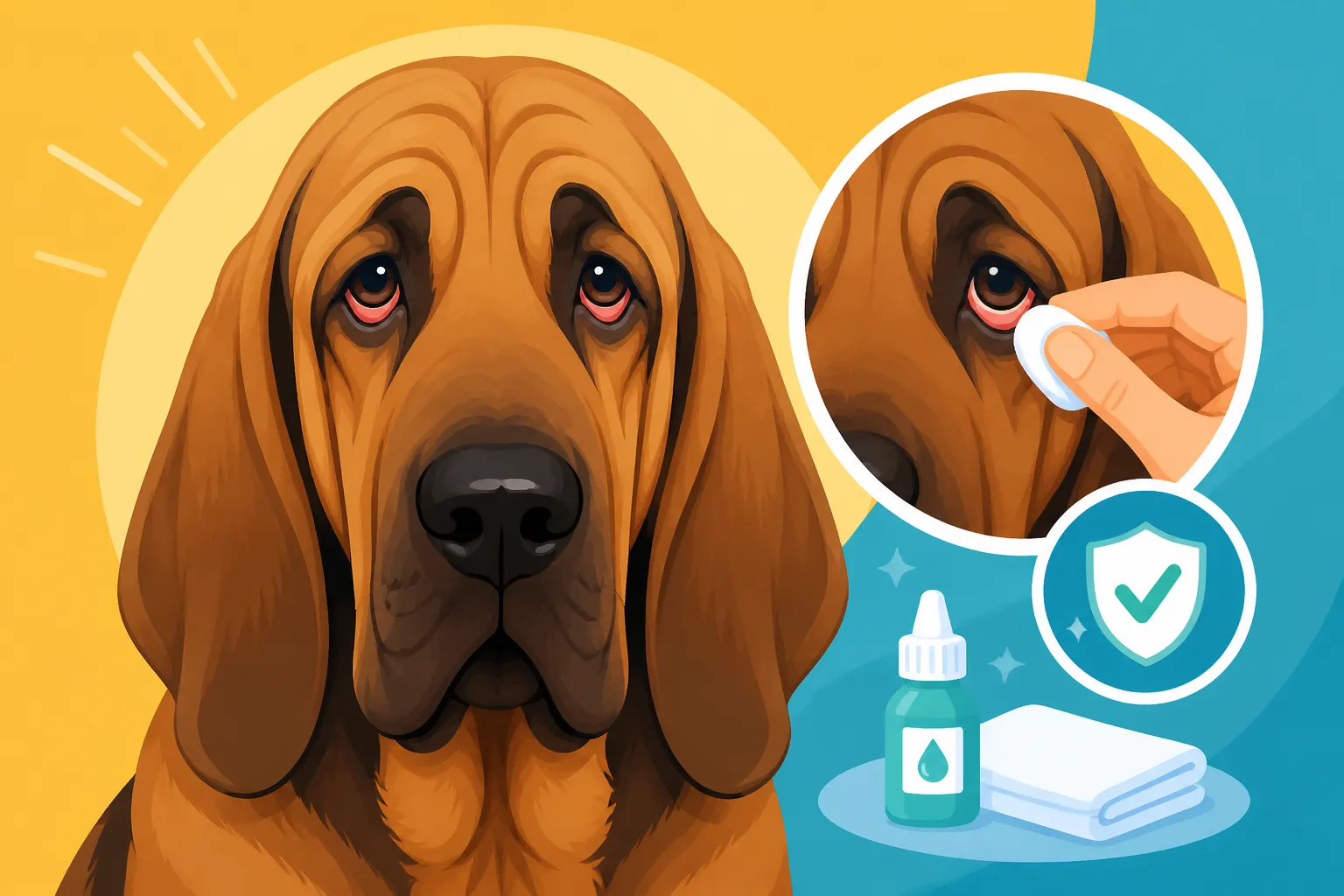
Wipe, Wipe, Wipe – Gently: Using a fresh, saline-moistened cotton pad for each eye, gently wipe away from the inner corner of the eye towards the outer corner. The key here is to use light, downward strokes, following the natural curve of the eye. Don't press too hard. For the lower lid, you might need to gently pull the loose skin down slightly with one finger to get into the fold where debris collects. Wipe under the haw, where moisture and gunk often build up. Discard the used pad immediately after wiping one eye to avoid cross-contamination. Repeat with a fresh pad for the other eye.
-
Clean the Surrounding Folds: Once the immediate eye area is clean, use another fresh, damp cotton pad or a specialized eye wipe to clean any gunk or tear stains from the skin folds directly below and beside the eye. This prevents skin irritation and keeps tear staining from setting in.
-
Optional Flush: If you notice a foreign object like a stray hair or a tiny piece of debris in the eye itself (not just on the lids), you can gently flush the eye with sterile saline solution. Hold your Bloodhound's head still, tilt it slightly, and gently squeeze the saline bottle above the eye, allowing the stream to rinse across the eye. This can help dislodge small particles. If you can't get it out, or if the eye becomes red or irritated, it's time for a vet visit.
-
Dry Gently: Finally, use a clean, soft cloth or a dry cotton pad to gently pat the area dry. Leaving the area damp can encourage yeast or bacterial growth, especially in those skin folds.
Remember, the goal is gentle, thorough cleaning. If your Bloodhound shows any signs of pain, severe redness, or excessive discharge that is yellow or green, stop and consult your veterinarian.
Frequency and Consistency are Key
This isn't a once-a-week chore; for most Bloodhounds, daily eye care is absolutely essential. In fact, many Bloodhound owners find themselves doing a quick eye wipe multiple times a day, especially after outdoor adventures or a particularly enthusiastic meal. Think of it like brushing your own teeth – a little bit of daily effort goes a long way in preventing bigger problems.
Why the emphasis on consistency? Well, for starters, preventing buildup is much easier than tackling crusty, hardened gunk. When discharge accumulates, it becomes a sticky, hospitable environment for bacteria and yeast, increasing the risk of painful infections. Regular wiping keeps the area dry and clean, making it less appealing for these opportunistic organisms. Furthermore, consistency allows you to monitor your Bloodhound's eye health closely. You'll quickly notice any changes in discharge color or consistency, redness, swelling, or signs of discomfort, enabling you to address potential issues promptly before they become severe.
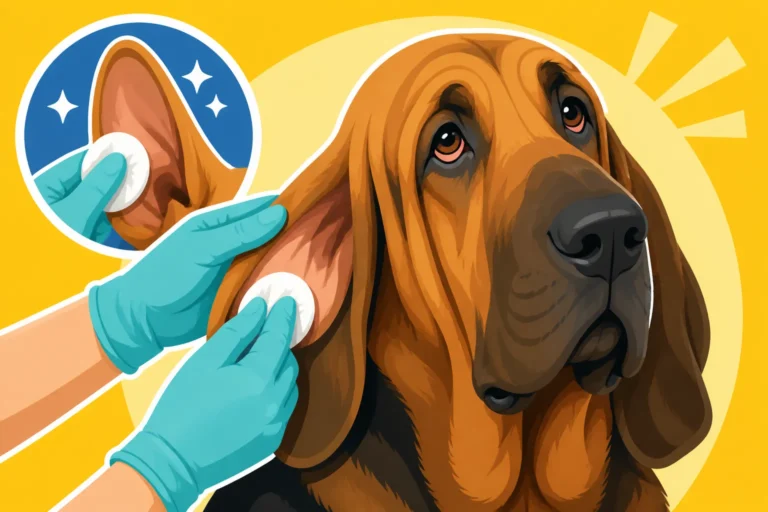
Establishing a routine also helps your Bloodhound accept the process. The more regularly and calmly you perform eye cleaning, the more accustomed they will become to it. It transforms from a potentially startling intrusion into a predictable, gentle interaction. Just like with grooming their magnificent ears (see A Bloodhound's Ears Are a Standing Infection Risk), regular, gentle handling around the head and face from puppyhood can make these necessary care routines much easier to manage as they grow. So, make it a part of your daily rhythm – perhaps after their morning walk, or before bedtime. Your Bloodhound's comfort and eye health depend on it.
Recognizing When "Normal" Becomes "Problematic"
As a Bloodhound owner, you quickly learn to distinguish the usual goop from something more concerning. But sometimes, that line can feel blurry. It's vital to know when to escalate your concern from a simple cleaning issue to a "call the vet" situation.
Signs of Infection and Irritation
While some clear discharge is normal, certain changes should immediately raise a red flag. Pay close attention to the following indicators that suggest a deeper problem, possibly an infection or significant irritation:
- Color and Consistency of Discharge: If the discharge changes from clear or whitish to a thick, yellow, green, or even dark brown color, this is a strong indicator of a bacterial or yeast infection. It might also become stringy or pus-like. This is a clear signal that something is seriously amiss.
- Redness and Swelling: Observe the whites of the eyes (sclera) and the pink membranes (conjunctiva). If they appear excessively red, inflamed, or swollen, far beyond a slight irritation, it's a sign of a problem. Swelling around the eyelids themselves is also concerning.
- Squinting or Excessive Blinking: If your Bloodhound is squinting, holding one or both eyes partially closed, or blinking rapidly and excessively, it's a clear sign of pain or discomfort. They might be trying to protect the eye or dislodge something painful.
- Pawing at the Face or Rubbing: If your Bloodhound is constantly rubbing its face on furniture, pawing at its eyes, or dragging its face along the ground, they are trying to relieve discomfort. This can also worsen the problem by introducing more bacteria or causing self-inflicted injury.
- Cloudiness or Changes to the Eyeball Itself: Any cloudiness on the surface of the eye, changes in pupil size, or visible scratches on the cornea are emergencies. The cornea is the clear outer layer, and damage to it, such as a corneal ulcer, can be incredibly painful and lead to vision loss if not treated quickly. Signs a Bloodhound has a corneal ulcer can range from severe squinting to a visibly cloudy spot on the eye.
- Sensitivity to Light: If your Bloodhound avoids bright light or squints more in sunny conditions, it's a sign of ocular pain.
- Lethargy or Behavioral Changes: If your normally energetic Bloodhound seems subdued, withdrawn, or unwilling to play, it could be due to pain from an eye issue.
If you observe any of these symptoms, especially if they are sudden or severe, don't hesitate. Contact your veterinarian immediately. Eye issues can progress rapidly, and prompt treatment is often crucial for preserving vision and preventing long-term damage.
Other Eye Conditions to Watch For
Beyond everyday irritations and infections, Bloodhounds are predisposed to several specific eye conditions due to their breed characteristics. While daily cleaning helps manage some aspects, these conditions often require veterinary intervention, possibly even surgery. Knowing what to watch for can help you advocate for your dog's health.
One of the most common, as we've discussed, is ectropion, the outward rolling of the lower eyelid. While mild ectropion is characteristic and usually only causes mild irritation and increased discharge, severe cases can leave the eye so exposed that it becomes chronically dry, irritated, or prone to foreign bodies. Surgical correction might be recommended in such severe cases to improve comfort and protect the eye.
On the flip side, though less common in Bloodhounds than ectropion, is entropion, where the eyelid rolls inward, causing the eyelashes or hair to rub directly on the cornea. This is incredibly painful and can lead to corneal ulcers, scarring, and even blindness if left untreated. What Entropion Does to a Bloodhound's Eye is a serious concern, even if it's not the first thing we think of with our droopy-eyed friends. Signs might include constant tearing, squinting, and visible irritation.
Another condition is cherry eye, which is when the gland of the third eyelid (a protective membrane in the inner corner of the eye) prolapses and appears as a red, swollen mass. It looks exactly like a small cherry in the corner of the eye. While not usually painful in itself, it can cause irritation and disrupt tear production. Cherry Eye in a Bloodhound is treatable, often with surgery to tuck the gland back into place, which is important to preserve its function in tear production.
Finally, dry eye, or Keratoconjunctivitis Sicca (KCS), occurs when the tear glands don't produce enough tears to lubricate the eye. While it can affect any breed, chronic irritation from exposed eyes can sometimes contribute. Signs include thick, sticky discharge, red, dull-looking eyes, and discomfort. Dry Eye in a Bloodhound often requires lifelong medication to stimulate tear production and manage inflammation.
These conditions highlight why regular vet check-ups are so important for Bloodhounds. Your veterinarian can assess your dog's eyes thoroughly and recommend the appropriate course of action if they spot any of The Four Eye Problems a Bloodhound Is Born Toward. Don't assume anything beyond minor clear discharge is "just a Bloodhound thing." When in doubt, always consult your vet.
Preventive Measures Beyond Wiping
While daily wiping is the cornerstone of Bloodhound eye care, there's more you can do to minimize issues. Thinking proactively about your dog's environment and overall health can make a significant difference in reducing the frequency and severity of eye problems.
Environmental Management
Since much of a Bloodhound's eye trouble stems from exposure to irritants, managing their environment is a powerful preventive strategy. It's about reducing the opportunities for dust, debris, and allergens to get into those vulnerable eye pockets.
Start in your yard. Keeping grass trimmed short, especially in areas where your Bloodhound likes to root around, can significantly cut down on grass seeds and pollen making their way into the eyes. If you have dusty areas, consider laying down mulch or pavers to minimize airborne particles. When your Bloodhound comes in from an outdoor adventure, especially after a vigorous trail walk or a romp in a dusty field, take a moment for a quick eye check and wipe. This immediate action can prevent small irritants from settling in and causing problems later.
Think about car rides too. We all love to see our Bloodhounds with their heads out the window, ears flying, but that direct blast of wind and debris can be incredibly irritating to their exposed eyes. If your Bloodhound insists on being a wind-in-the-face kind of dog, consider using protective eyewear like "doggles" (dog goggles) for car rides or particularly dusty outings. It might sound silly, but they're surprisingly effective. Even if they don't tolerate goggles, simply keeping the window up a bit more, or providing a crate in the car, can offer protection. It's a common dilemma, and owners often wonder Whether a Bloodhound Should Ride With the Window Down. These small adjustments to their environment can make a big difference in the daily comfort of their eyes.
Nutritional Support for Eye Health
While there isn't a magic supplement that will eliminate all Bloodhound eye issues, a well-balanced, high-quality diet plays a fundamental role in overall health, which in turn supports healthy eyes. A robust immune system, nourished by proper nutrition, is better equipped to fight off infections that might take hold if irritants do get into the eyes.
Look for a dog food that uses high-quality ingredients, with real meat as the primary protein source. Brands like Ollie, known for their fresh, human-grade ingredients, can provide excellent nutrition that supports everything from a shiny coat to strong immunity. While not directly eye-specific, nutrients like Omega-3 fatty acids (found in fish oil) are known to support overall inflammatory response in the body, which can be beneficial for eye health. Antioxidants, found in fruits and vegetables, help protect cells from damage.
Avoid foods with excessive fillers, artificial colors, or by-products, as these can sometimes contribute to systemic inflammation or trigger allergies that manifest as eye irritation or discharge. If your Bloodhound has chronic eye issues, discussing their diet with your veterinarian is always a good idea. They might suggest specific dietary changes or supplements to address any underlying nutritional deficiencies or inflammatory responses that could be contributing to the problem. Think of it as supporting their entire system, including those often-troubled eyes, from the inside out.
Regular Veterinary Check-ups
Even with the most diligent daily care and environmental management, regular veterinary check-ups are non-negotiable for Bloodhounds, especially concerning their eyes. Your vet is trained to spot subtle changes or underlying issues that might escape your notice, even as an attentive owner.
During a routine check-up, your veterinarian will typically examine your Bloodhound's eyes, looking for signs of inflammation, infection, or structural abnormalities. They can perform specific tests, such as a Schirmer tear test to check for dry eye or a fluorescein stain test to detect corneal ulcers, which might not be visible to the naked eye. Early detection of conditions like entropion, severe ectropion, or developing cataracts can make a huge difference in treatment success and your dog's long-term comfort and vision.
These visits also provide an opportunity to discuss any persistent concerns you have, whether it’s chronic discharge, tear staining that seems intractable, or changes in how your Bloodhound’s eyes look or behave. Your vet can recommend prescription eye drops, medicated wipes, or even refer you to a veterinary ophthalmologist if a specialist's opinion is needed. Think of your vet as your partner in managing your Bloodhound's unique health needs. They can offer tailored advice and intervene before minor issues become major, painful, and potentially sight-threatening problems. This proactive approach is fundamental to managing the unique challenges of The Four Eye Problems a Bloodhound Is Born Toward.
Specialized Products and When to Use Them
When it comes to Bloodhound eye care, there's a world beyond simple saline and cotton pads. Sometimes, you need a bit of extra help, whether it's for a specific medical issue or for protection during certain activities. However, it's crucial to understand when these specialized products are appropriate and, most importantly, when to consult your vet before introducing them.
Medicated Wipes and Solutions
You might come across a variety of medicated wipes and solutions marketed for dog eye care. These often contain mild antiseptic or anti-inflammatory ingredients, or even very low doses of antibiotics or antifungals. While they can be very helpful, they are generally not for routine daily use without veterinary guidance.
When your vet might recommend them:
- Mild, recurring infections: If your Bloodhound is prone to yeast or bacterial infections around the eye folds despite regular cleaning, your vet might prescribe a medicated wipe or solution for a short period to get the issue under control. These might contain ingredients like chlorhexidine or ketoconazole.
- Managing chronic tear staining: Some medicated wipes are specifically designed to reduce tear staining by addressing the underlying bacteria that cause the reddish-brown discoloration. However, it's important to rule out medical causes for excessive tearing first.
- Post-operative care: After any eye surgery, your vet will likely prescribe specific medicated drops or ointments to prevent infection and aid healing.
Important considerations:
- Always follow veterinary instructions: Never self-diagnose an eye infection and reach for medicated products. Using the wrong medication can worsen the problem, mask symptoms, or even damage the eye.
- Check ingredients: Even over-the-counter medicated wipes should be reviewed by your vet, especially if your Bloodhound has sensitive skin or allergies. Some ingredients might be irritating.
- Duration of use: Medicated products are typically used for a limited time. Prolonged use of antibiotics, for example, can lead to resistant bacteria.
The bottom line here is clear: for anything beyond basic cleaning with sterile saline, get your vet's input. They can accurately diagnose the problem and prescribe the most effective and safest solution for your unique Bloodhound.
Protective Eyewear for Bloodhounds
Yes, doggles are a real thing, and for some Bloodhounds, they can be a game-changer! Protective eyewear, such as "doggles" or similar goggles designed for dogs, serves a very specific purpose: to shield the eyes from environmental hazards that the Bloodhound's own anatomy leaves vulnerable.
When might protective eyewear be beneficial?
- Car rides with open windows: As mentioned earlier, the wind and debris from an open car window can severely irritate exposed Bloodhound eyes. Doggles provide a physical barrier.
- Dusty environments: If you live in a very dusty area, or if your Bloodhound accompanies you to places like construction sites, farms, or areas with a lot of loose soil, goggles can prevent irritants from getting in.
- Outdoor adventures: For Bloodhounds that love to hike through brush, dense woods, or participate in trailing through challenging terrain, goggles can protect against branches, thorns, and other physical abrasions.
- Medical conditions: For Bloodhounds recovering from eye surgery, or those with chronic dry eye or corneal issues, goggles can offer an extra layer of protection to help the eye heal or prevent further damage.
Challenges and considerations:
- Tolerance: Not all Bloodhounds will tolerate wearing goggles. It takes patience and positive reinforcement to introduce them. Start with short periods, associate them with treats and praise, and gradually increase wear time.
- Fit: Proper fit is essential. Goggles should be snug enough to stay on and protect, but not so tight that they cause discomfort or rub. Brands like Rex Specs or Doggles offer various sizes and styles. You can often find them on Amazon or Chewy.
- Limited field of vision: While modern doggles are designed to minimize obstruction, they can slightly alter your Bloodhound's peripheral vision, which might take some getting used to.
While certainly not for every Bloodhound or every situation, protective eyewear can be an invaluable tool for owners seeking to provide an extra layer of defense against the elements, especially for those working dogs or adventure hounds whose eyes are constantly put to the test.
The Emotional Toll of Eye Issues on Your Bloodhound (and You!)
It's easy to focus on the physical aspects of eye care, the cleaning, the vet visits, the cost. But let's not forget the emotional impact these issues have, both on our beloved Bloodhounds and on us, their devoted owners. Living with chronic discomfort or the constant threat of infection can take a real toll.
Recognizing Discomfort and Pain in Your Bloodhound
Bloodhounds are often incredibly stoic animals. They were bred to work tirelessly, sometimes ignoring discomfort to stay on a scent. This means they might not always vocalize pain or obvious distress, which puts the onus on us to be incredibly observant. It’s easy to dismiss a little squinting as "just being tired" or a bit of pawing as "a scratch." But consistent discomfort significantly impacts their quality of life.
Imagine having a constant irritant in your eye, or the feeling of dry, gritty eyes every day. It's miserable. For your Bloodhound, this can manifest in subtle behavioral shifts. They might become less enthusiastic about their favorite activities, or slower to respond to commands. Perhaps they avoid eye contact or flinch when you reach for their head. You might notice they're sleeping more, or conversely, restless and unable to settle because of the nagging irritation. They might rub their face more often on carpet or furniture, seeking relief, which can inadvertently introduce more bacteria or even scratch the delicate cornea. Any of these subtle cues, especially when consistent, are your Bloodhound's way of telling you, "I'm not comfortable." It’s a call to action, reminding us that Everything on a Bloodhound Hangs Down and Has to Be Cleaned, and this includes their sensitive eyes.
Managing Owner Frustration and Burnout
Let’s be real: living with a Bloodhound means accepting a certain level of… mess. The drool, the ear wax, the gunk. And the eyes are a big part of that. It’s completely normal to feel frustrated, overwhelmed, or even a bit burned out by the constant vigilance and endless cleaning. You might find yourself thinking, "Didn't I just clean those eyes ten minutes ago?" or "Is this ever going to get better?"
This feeling is valid. You're trying your best to provide comfort and care, and it can feel like a losing battle sometimes. But please, don't let that frustration lead to neglecting the routine. The consistency truly makes a difference. If you're feeling overwhelmed, take a step back. Re-evaluate your routine. Is there a time of day that's calmer for cleaning? Are your supplies readily accessible? Can a family member help share the responsibility?
It's also okay to seek support. Talk to your veterinarian about your struggles. They might have new tips, products, or even refer you to a veterinary ophthalmologist who can offer specialized solutions for particularly stubborn cases. Connecting with other Bloodhound owners, perhaps through local breed clubs or online forums, can also be incredibly validating. Sharing experiences and tips can help you feel less alone in the constant battle against eye gunk. Remember, you're not failing; you're just dealing with the unique demands of a truly unique and wonderful breed. Persistence and patience are your greatest allies, for both your Bloodhound's comfort and your own peace of mind.
Comparison of Common Bloodhound Eye Issues
To help you quickly identify and differentiate between various eye conditions that Bloodhounds are prone to, here's a helpful table summarizing symptoms and typical actions.
| Condition | Common Symptoms | Typical Owner Action | When to See a Vet Immediately |
|---|---|---|---|
| Normal Discharge | Small amount of clear/whitish discharge, especially upon waking. No redness or discomfort. | Gentle wipe with saline-moistened cotton ball. Daily routine. | If discharge changes color/consistency, increases significantly, or is accompanied by other symptoms. |
| Environmental Irritation | Increased clear tearing, slight redness, pawing at eye after outdoor activity. | Gentle flush with sterile saline. Check for foreign objects. Monitor closely. | If a foreign object is visible and cannot be flushed, severe redness persists, squinting, or pain. |
| Ectropion (mild) | Droopy lower eyelid showing haw, increased clear tearing, tear staining. | Daily gentle cleaning of discharge and folds. Keep area dry. | If it becomes severe, causing chronic dryness, frequent infections, or significant discomfort, indicating need for potential surgical correction. |
| Infection (Bacterial/Yeast) | Thick yellow/green/dark discharge, foul odor, significant redness, swelling, squinting, pain, pawing. | Do not self-treat. Keep clean with saline, but primary action is veterinary visit. | Immediately. This requires veterinary diagnosis and prescription medication (antibiotics/antifungals) to prevent serious damage. |
| Corneal Ulcer | Intense pain (squinting, holding eye shut), excessive tearing, visible cloudiness/indentation on eye surface. | Do not touch the eye. Prevent rubbing. | Emergency. Requires immediate veterinary attention. This is a painful and potentially blinding condition that needs urgent treatment. |
| Dry Eye (KCS) | Thick, ropey, sticky discharge; red, dull-looking eyes; blinking, discomfort, sometimes pawing. | Gentle cleaning of discharge. Note the sticky nature. | Immediately. Requires veterinary diagnosis and specific lifelong medications to stimulate tear production. |
| Cherry Eye | A visible red, round mass in the inner corner of the eye. May or may not cause immediate discomfort or tearing. | Observe, do not try to push it back in. | Within 24-48 hours. While not always an emergency, it should be addressed promptly by a vet to prevent complications and preserve the gland's function. |
| Entropion | Squinting, excessive tearing, redness, visible eyelashes rubbing on the eyeball, discomfort, pawing. | Do not try to manually correct. | Immediately. This is very painful and requires veterinary assessment, likely leading to surgical correction to prevent corneal damage. |
Disclaimer
This article is for general informational purposes only and does not constitute professional advice. Laws, prices and regulations vary by location and change over time. Consult a qualified professional for guidance on your specific situation.