Feeding and Handling an Old Bloodhound
There comes a point in every Bloodhound owner's journey where you start to notice those subtle shifts, the slowing down, the quiet moments that weren't there before. It's a bittersweet feeling, seeing your magnificent, boisterous hound begin to show the signs of age. Suddenly, questions crop up: is he eating enough? Is she comfortable? Are those new behaviors normal? This guide is here to walk you through the unique aspects of feeding and handling an old Bloodhound, providing practical advice and empathetic understanding for these precious golden years.
Understanding the Aging Bloodhound
Our Bloodhounds, with their deep chests, long ears, and soulful eyes, capture our hearts from the moment we meet them. But their very size and breed characteristics mean their aging process can look a little different from a smaller, spry terrier. Embracing their senior years means understanding these changes and adapting our care to ensure their comfort and happiness.
When "Old" Begins for a Bloodhound
It's a common misconception that all dogs age at the same rate. For a large breed like the Bloodhound, "senior" status often arrives sooner than you might expect. While some might think of a dog as old closer to ten or twelve, for a Bloodhound, the twilight years can begin as early as six years old. This might sound surprisingly young, especially if your hound still has moments of puppy-like exuberance, but those quiet shifts often start around this time. Aging in a Bloodhound Starts at Six dives deeper into this topic, but generally, their large size means their bodies experience more wear and tear over a shorter period.
You might not see dramatic changes overnight, but rather a gradual evolution. Perhaps they take a little longer to get up from a nap, or they're not quite as eager for that long, sprawling walk they once adored. Their stamina might diminish, and they might choose to spend more time observing the world from a comfortable bed rather than actively participating in every household flurry. It’s not about them becoming "less" of a Bloodhound; it’s about them evolving into a distinguished elder, still full of love and character, but with different needs. Acknowledging this earlier onset of seniority helps us prepare and provide the best possible care, rather than being caught off guard when more pronounced signs appear.
Common Physical Changes You'll Notice
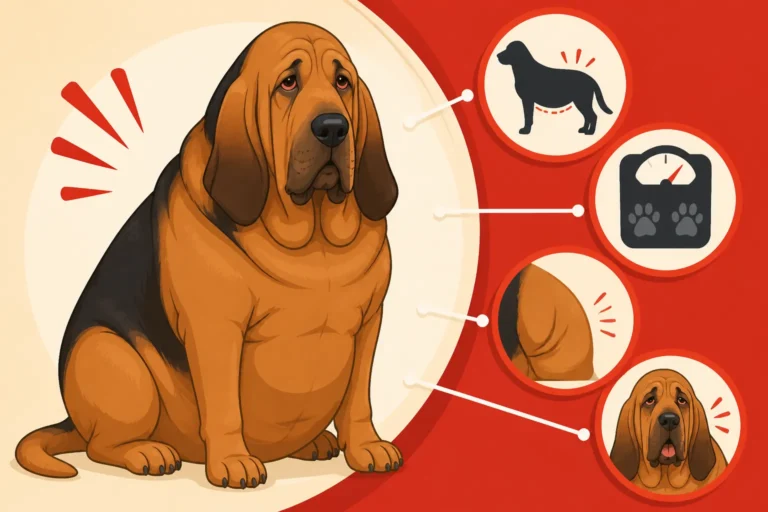
As your Bloodhound journeys into their senior years, their physical appearance and capabilities will naturally change. One of the first things many owners notice is a shift in their dog's body condition. Even if their appetite remains strong, muscle atrophy can become a concern. You might observe a subtle thinning over their hips or a loss of definition in their hind legs, even if their overall weight stays the same or even increases due to decreased activity. This loss of muscle can impact their balance and strength, making everyday movements a little more challenging. It’s crucial to monitor this, as maintaining muscle mass is vital for supporting their joints.
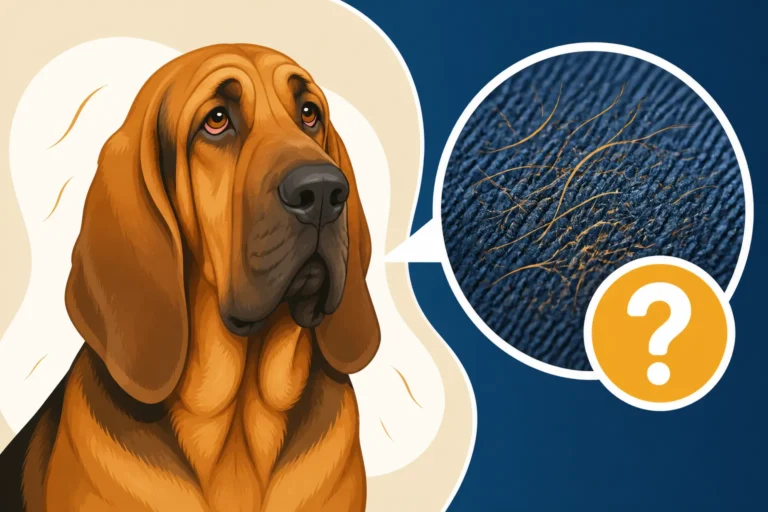
Beyond muscle changes, their coat might tell tales of time passing. Many Bloodhounds will start to show a dusting of gray around their muzzle and eyes, like a distinguished silver fox. Their coat might also become a little duller or thinner, and their skin can lose some of its elasticity. You might notice areas of dry skin more easily, or that small scrapes take a bit longer to heal. These are all normal parts of the aging process, but they do mean a bit more attention to grooming and skin care. Regularly checking their body for any new lumps or bumps is also important, as the incidence of various health conditions increases with age.
Behavioral Shifts in Senior Bloodhounds
The spirited, often goofy, and endlessly curious Bloodhound you know and love will likely undergo some behavioral shifts as they age. One of the most common changes is a general decrease in energy levels and an increase in sleep. Where they once might have followed you from room to room, now they might prefer to snooze peacefully in their favorite spot, rousing only for meals or a potty break. This isn't laziness; it's simply their body telling them they need more rest to recover from daily activities. Respecting their need for sleep, and providing comfortable, quiet resting places, becomes paramount.
Alongside increased rest, you might notice subtle shifts in their temperament. Some senior Bloodhounds can become a bit more anxious or sensitive to changes in routine or loud noises. Others might become a little more irritable if disturbed during sleep or if they're in pain. On the flip side, some become even more affectionate and clingy, seeking comfort and reassurance from their human companions. Cognitive changes, akin to canine dementia, can also manifest as confusion, disorientation, or even changes in their house-training habits. If your Bloodhound starts staring blankly at walls, gets "stuck" in corners, or seems to forget familiar people or places, it's worth a conversation with your veterinarian. These behavioral shifts, while sometimes challenging, require patience, understanding, and a willingness to adapt your interactions to meet their evolving needs.
Nutritional Adjustments for Senior Bloodhounds
Just as our own dietary needs change as we age, so too do those of our beloved Bloodhounds. Their metabolism slows down, their activity level often decreases, and their bodies require different nutrients to maintain health and combat the effects of aging. Ignoring these shifts can lead to weight gain, nutrient deficiencies, or exacerbation of age-related health issues.
Why Their Diet Needs to Change
As your Bloodhound moves into its golden years, the energetic puppy that could eat anything and burn it off in an hour gives way to a more sedentary, wiser companion. This means their caloric needs generally decrease. If you continue to feed them the same amount of their regular adult food, they're likely to gain weight, which puts undue stress on already aging joints. What Changes in an Old Bloodhound's Diet really drives this point home. Their metabolic rate slows, and their body composition changes, often with a decrease in lean muscle mass and an increase in fat.
Beyond just fewer calories, the type of nutrients becomes even more critical. High-quality protein is essential to help maintain muscle mass, which is crucial for supporting their massive frame and preventing weakness. Look for easily digestible proteins to accommodate a potentially more sensitive digestive system. Additionally, their aging bodies may benefit from specific supplements, whether included in their food or added separately. These can include joint-supporting compounds, antioxidants to combat cellular aging, and fiber to support digestive regularity, which can sometimes become an issue in older dogs. It's about feeding for longevity and quality of life, focusing on foods that support their specific senior needs.
Choosing the Right Senior Dog Food
When it comes to selecting food for your senior Bloodhound, it’s not just about a bag labeled "senior formula." You need to scrutinize the ingredients. Many senior diets are formulated with fewer calories to prevent weight gain, and that's a good start. However, they should also contain high-quality, easily digestible protein sources, often from animal-based ingredients, to help preserve muscle mass. Look for foods that include joint-supporting ingredients like glucosamine and chondroitin. These are vital for buffering cartilage and reducing inflammation, which can bring immense relief to arthritic Bloodhounds.
Omega-3 fatty acids, like those found in fish oil, are also incredibly beneficial. They help reduce inflammation throughout the body, support cognitive function, and contribute to a healthy skin and coat, which can sometimes become dry or dull in older dogs. Some senior diets might also incorporate higher fiber content to aid digestion and maintain bowel regularity, or specific antioxidants to support a healthy immune system. Always check the ingredient list, and consider brands like Ollie, which offers fresh, human-grade food tailored to specific life stages and needs, making it easier to provide high-quality, digestible nutrition. If you're shopping on Chewy or Amazon, you'll find a wide array of options, but always prioritize ingredients over marketing claims. Don't hesitate to consult your vet for recommendations, as they can help you choose a diet that specifically addresses your Bloodhound's individual health profile.
Adjusting Feeding Schedules and Bowls
How you feed your senior Bloodhound can be just as important as what you feed them. For many older dogs, especially large breeds prone to bloat, smaller, more frequent meals can be beneficial. Instead of one or two large meals, consider breaking their daily ration into three or even four smaller portions throughout the day. This reduces the amount of food in their stomach at any one time, potentially easing digestion and reducing the risk of conditions like bloat, though bloat prevention is a complex topic that involves more than just meal frequency. Whether Three Meals Lower a Bloodhound's Bloat Risk is a good read if you're concerned about this.
Another important consideration is their comfort during mealtime. As arthritis sets in, bending down to a floor-level bowl can become painful and difficult. Elevated food and water bowls can make a world of difference, allowing them to eat and drink in a more natural, comfortable posture without straining their neck or joints. While there's some debate about elevated bowls and bloat risk in certain breeds, for an older dog with mobility issues, the comfort benefits often outweigh the theoretical risks, especially if other bloat prevention strategies are in place. Ensure the bowls are stable and at a comfortable height – not too high, not too low – for your individual Bloodhound. Making mealtime a calm, stress-free experience is key for digestion and overall well-being.
Managing Joint Health and Mobility
The sheer size and weight of a Bloodhound mean that their joints take a significant pounding throughout their lives. As they age, it's almost inevitable that many will develop some degree of arthritis or other mobility issues. Understanding these challenges and proactively managing them is crucial for their comfort and continued enjoyment of life.
Recognizing Signs of Arthritis and Pain
One of the most heart-wrenching aspects of caring for an aging Bloodhound is seeing them struggle with joint pain. Arthritis, or osteoarthritis, is a progressive and often painful condition that affects the joints, and it's incredibly common in large breeds. The signs can be subtle at first, easily dismissed as "just getting old." You might notice a stiffness, particularly after they've been resting or first waking up. They might take longer to rise, or appear hesitant to jump into the car or climb stairs. Whether Arthritis Slows a Bloodhound at Six illustrates how early these signs can begin.
Look for changes in their gait; perhaps they take shorter, choppier steps, or favor one leg over another. They might groan or whimper when trying to get comfortable, or even refuse activities they once loved, like chasing a ball or going for a longer walk. Some dogs might lick or chew at specific joints, indicating discomfort in that area. Remember, Bloodhounds are stoic creatures, and they often hide pain until it becomes severe. Any reluctance to move, any new stiffness, or any vocalization during movement should prompt a call to your veterinarian. Early recognition and intervention are key to managing their pain and improving their quality of life.
Supplements and Medications for Joint Support
Once you or your vet identify signs of joint pain, a multi-faceted approach to management is usually best. For many senior Bloodhounds, supplements are a great starting point. Glucosamine and chondroitin, often given together, are widely used to support cartilage health and reduce inflammation. Other popular joint supplements include MSM (methylsulfonylmethane), green-lipped mussel, and omega-3 fatty acids (like fish oil), all known for their anti-inflammatory properties. These aren't magic bullets, but they can significantly improve comfort for many dogs, and are generally safe for long-term use. You can find many reputable options on platforms like Amazon or Chewy.
However, sometimes supplements aren't enough, especially as arthritis progresses. Your veterinarian may prescribe non-steroidal anti-inflammatory drugs (NSAIDs) to manage pain and inflammation. There are various types, and your vet will help you choose the best one for your dog, often requiring regular blood tests to monitor liver and kidney function while on these medications. Other pain relief options might include gabapentin, tramadol, or even newer injectable therapies designed to target specific pain pathways. The goal is always to keep your Bloodhound as comfortable and mobile as possible. It's crucial to never give human pain medications, as many are toxic to dogs, and always consult your vet before starting any new medication or supplement regimen.
Assisting with Mobility
As your Bloodhound's mobility naturally declines, you'll find yourself needing to become their personal assistant at times. Simple things like getting into the car or navigating stairs can become monumental tasks. Ramps are incredibly useful tools – investing in a sturdy ramp for your vehicle can save your dog's joints (and your back!) from uncomfortable jumps. Similarly, portable ramps or even baby gates can help manage stair access in your home, preventing falls or prolonged struggles.
Within the house, consider their footing. Smooth, slippery floors like tile or hardwood can be treacherous for an arthritic Bloodhound, increasing their risk of slips and falls. Lay down non-slip rugs or runners in high-traffic areas where they need to walk. For temporary assistance, perhaps after a particularly long rest, a support harness or sling can provide that crucial bit of lift to their hindquarters, helping them stand or navigate a short distance. Canine massage, performed by a professional or gently learned by you, can also improve circulation and ease muscle tension. In some cases, physical therapy, hydrotherapy (swimming in a controlled environment), or even acupuncture can offer significant benefits, improving strength, flexibility, and overall comfort for your aging companion. The goal is to make their world as accessible and pain-free as possible.
Special Care for Senior Bloodhound Senses and Hygiene
Aging often brings with it changes in sensory perception and a greater need for diligent hygiene, especially for a breed like the Bloodhound with its unique physical characteristics. Their long ears, loose skin, and expressive eyes require continuous attention throughout their lives, and even more so in their senior years.
Addressing Declining Vision and Hearing
One of the quieter challenges of caring for an aging Bloodhound is the gradual decline in their senses. Their once-sharp eyesight might dim, making them hesitant in unfamiliar surroundings or bumping into furniture they usually avoid. Similarly, their remarkable hearing might start to fade, leading to them not responding to their name or familiar commands. This isn't stubbornness; it's simply a change in how they perceive the world.
To help them cope, consistency is your best friend. Try to keep furniture in the same place to minimize disorientation. If you must rearrange, guide them gently around the new layout. For those with significant vision loss, adding subtle scent markers (like a drop of essential oil on a piece of fabric near their bed or water bowl) can help them navigate. When their hearing starts to go, your voice needs to be clear and perhaps a bit louder, but never harsh. Gentle touches, a tap on the shoulder, or a strong vibration (like a clap) can help get their attention. Always approach them from the front to avoid startling them. Patience and understanding are key as they adapt to a world that feels a little different.
Maintaining Dental Health
Dental health is often overlooked until a problem becomes painful, but it's critically important for senior Bloodhounds. Older dogs are more prone to dental disease, which can range from plaque and tartar buildup to painful gum infections and tooth loss. Untreated dental issues aren't just uncomfortable; they can also lead to more serious systemic health problems as bacteria from the mouth can enter the bloodstream and affect organs like the heart, kidneys, and liver.
Regular veterinary check-ups should include a thorough dental examination. Your vet might recommend professional dental cleaning, which involves anesthesia to safely scale and polish teeth and extract any damaged ones. While anesthesia carries increased risks for older dogs, the benefits of addressing severe dental disease often outweigh those risks. At home, maintaining oral hygiene can be challenging but worthwhile. Soft dental chews or dental wipes can help, especially for Bloodhounds with sensitive mouths. If your dog has significant tooth loss or pain, switching to a softer diet might be necessary. Good dental health contributes immensely to their overall comfort, appetite, and general well-being in their senior years.
Continuing Essential Hygiene: Ears, Folds, and Coat
The Bloodhound's iconic features – those long, pendulous ears and abundant loose skin – are a lifetime commitment in terms of hygiene, and this commitment only deepens in their senior years. Their ears, naturally prone to trapping moisture and debris, become even more susceptible to infection as mobility decreases and they might be less able to shake their heads vigorously. Cleaning a Bloodhound's Ears Every Week for Life emphasizes this lifelong need. You'll need to be extra diligent with weekly or even more frequent ear cleaning, using a veterinarian-approved ear cleaner. Whether an Old Bloodhound's Ears Need More Attention is a crucial question to ask yourself – the answer is almost always yes. Be gentle but thorough, and always ensure the ear canal is dry after cleaning to prevent yeast and bacterial growth. You can easily find suitable ear cleaners and wipes on Chewy or Amazon.
Similarly, their skin folds, particularly around the muzzle, neck, and sometimes tail, are notorious for trapping moisture, food particles, and sweat. This creates a warm, damp environment perfect for bacterial and yeast infections, leading to skin fold dermatitis. Whether an Old Bloodhound Still Needs Its Folds Wiped Daily is another definite yes. These folds need to be gently wiped clean daily, or even multiple times a day if they're particularly messy eaters or droolers, using a damp cloth or pet-safe wipes, and then thoroughly dried. Pay special attention to the deep crevices. As for their coat, while it's short and generally low maintenance, regular brushing helps to remove loose hair, stimulate circulation, and allows you to inspect their skin for any new lumps, bumps, or irritations that might signify a developing issue. These routine hygiene tasks, though sometimes tedious, are vital for preventing painful infections and maintaining your senior Bloodhound's comfort.
Adapting Exercise and Mental Stimulation
The image of a Bloodhound endlessly following a scent trail might be iconic, but as they age, their capacity for intense physical activity naturally diminishes. This doesn't mean they should become couch potatoes; rather, it means adapting their exercise routine and finding new ways to keep their sharp minds engaged without overtaxing their bodies.
Redefining "Exercise" for an Old Bloodhound
For a senior Bloodhound, "exercise" shifts from vigorous activity to gentle movement that maintains muscle tone, joint flexibility, and overall well-being without causing pain or exhaustion. Long, sprawling walks that used to be a joy might now be too much for their aging joints. Instead, think "quality over quantity." Shorter, more frequent walks throughout the day are often far more beneficial. A couple of 15-20 minute strolls might be better than one 45-minute trek. Pay close attention to their cues: if they lag behind, start to limp, or show signs of fatigue, it's time to head home.
Swimming, if accessible and if your Bloodhound enjoys it, can be an excellent low-impact exercise for joint health, as the water supports their weight. Just be mindful of their ears post-swim and ensure they are thoroughly dried to prevent infections. Avoid high-impact activities like jumping, running on hard surfaces, or sudden stops and starts. The goal is to keep them moving gently to prevent stiffness and maintain a healthy weight, rather than pushing them to perform at their younger selves' level. Every dog is an individual, so tailoring their activity to their specific comfort level is paramount.
Keeping Their Minds Engaged
While their bodies might slow down, a Bloodhound's incredible nose and sharp mind remain powerful tools, and keeping them mentally stimulated is just as important as physical exercise for preventing cognitive decline. Whether an Old Bloodhound Loses Its Nose might seem like a strange question, but while their sense of smell might still be potent, their willingness or ability to use it in strenuous ways might diminish. Fortunately, there are many ways to engage their primary sense right at home.
Scent games are perfect for senior Bloodhounds. Hide treats around the house and let them sniff them out. Puzzle toys, which require them to figure out how to get a treat, can provide immense mental satisfaction. Slow feeders aren't just for bloat prevention; they can also turn mealtime into a mental challenge, making them think and work for their food. Short, positive training sessions, reinforcing known commands or teaching a simple new trick, can keep their brains active and strengthen your bond. Even just introducing them to new, safe smells (like a new herb or a different type of leaf on a walk) can be mentally enriching. A tired mind often leads to a relaxed body, and mental exercise can be just as tiring, if not more so, than physical exertion.
Balancing Rest and Activity
For an aging Bloodhound, the delicate balance between activity and rest becomes critically important. They need enough movement to stay mobile and prevent stiffness, but too much can lead to pain, exhaustion, and potentially exacerbate existing joint issues. Your role as their caretaker is to become an expert observer of their individual rhythm.
Ensure they have ample opportunities for undisturbed rest throughout the day. A comfortable, orthopedic bed in a quiet corner of the house provides a sanctuary where they can truly relax and recuperate. Observe their natural schedule: do they seem more energetic in the mornings, or do they perk up after an afternoon nap? Try to schedule their walks and mental games around these peak times. If they choose to lie down during a walk, respect that signal. If they seem stiff or tired after a short play session, dial it back next time. It's about letting them dictate the pace and ensuring they get the downtime their aging bodies require. Over-exercising a senior Bloodhound can lead to unnecessary pain and reluctance to move, whereas a thoughtful balance keeps them engaged and comfortable.
Recognizing and Addressing Common Senior Health Issues
As our Bloodhounds gracefully enter their senior years, their vulnerability to certain health conditions increases. While we hope for a peaceful and healthy old age, being aware of common ailments and knowing when to seek veterinary attention is paramount to providing the best care.
Increased Vulnerability to Certain Conditions
Aging, unfortunately, brings with it an increased risk of various health problems. Bloodhounds, like many large breeds, are prone to specific issues throughout their lives, but these can become more prevalent or severe in their senior years. Cancer, in its many forms, becomes a greater concern. Regular physical examinations by your vet, including checking for new lumps or bumps, are vital for early detection. Organ diseases, particularly those affecting the kidneys, liver, and heart, can also develop. What Changes in a Bloodhound at Six provides a good overview of early indicators of age-related changes. Signs a Bloodhound's Heart Is Failing can be subtle, but knowing what to look for can make a critical difference.
Cognitive dysfunction syndrome (CDS), often referred to as canine dementia, is another condition that can affect senior Bloodhounds, impacting their memory, learning, and awareness. Endocrine disorders, such as hypothyroidism, can also manifest or worsen with age, affecting metabolism, coat quality, and energy levels. This is why regular veterinary check-ups are more important than ever. Your vet might recommend routine blood work and urine tests to screen for these conditions, even if your Bloodhound appears healthy. Early detection of any of these issues allows for more effective management, often leading to a better quality of life for a longer period.
Signs of Cognitive Dysfunction (Canine Dementia)
It's heartbreaking to watch your once-sharp Bloodhound become confused, but canine cognitive dysfunction syndrome (CDS) is a real condition, much like dementia in humans. The signs can be subtle at first, often dismissed as just "getting old," but recognizing them early can help you manage the condition and maintain their comfort. Common indicators include disorientation: your dog might get lost in familiar rooms, stare blankly at walls, or seem confused about where they are.
Changes in sleep-wake cycles are also very common. A dog with CDS might become restless and pace at night, waking you up, and then sleep excessively during the day. Alterations in social interaction, such as becoming more withdrawn, irritable, or even less interested in greetings, can occur. House-soiling accidents, even from a perfectly trained dog, can be a symptom, as they might forget their potty training or simply not realize they need to go out. Finally, changes in activity levels, like a decrease in purposeful activity or repetitive behaviors, are also observed. If you notice a combination of these signs, discuss them with your vet. There are medications, supplements, and environmental changes that can help manage CDS symptoms and improve your Bloodhound's cognitive function and quality of life.
When to Seek Veterinary Help
Knowing when to call the vet for your senior Bloodhound is crucial, as their health can change rapidly. While some age-related changes are normal, others are red flags that warrant immediate attention. Any sudden, unexplained change in appetite, thirst, or urination patterns should always prompt a call. Drinking significantly more water, or having accidents inside despite being house-trained, can indicate underlying kidney disease, diabetes, or other serious conditions.
Persistent coughing, difficulty breathing, or changes in the color of their gums are emergency signs that could point to heart disease or respiratory issues. Signs a Bloodhound's Heart Is Failing details what to watch for. Vomiting, diarrhea, or any signs of abdominal pain that last more than a day, or are severe, also require urgent veterinary care. New lumps or bumps that appear rapidly or change in size, any unexplained weight loss, or persistent lameness that isn't resolving are also reasons to schedule a visit. Trust your gut: if something just doesn't seem right with your senior Bloodhound, it's always better to err on the side of caution and get them checked out. Early intervention can make a significant difference in managing their health and comfort.
Creating a Comfortable and Safe Environment
As your Bloodhound ages, their home environment needs to evolve to meet their changing needs. What was once perfectly adequate for a rambunctious youngster might now present challenges or discomfort for an older, less mobile dog. Making thoughtful modifications can significantly enhance their quality of life and prevent unnecessary accidents.
Warm, Soft Bedding and Resting Spots
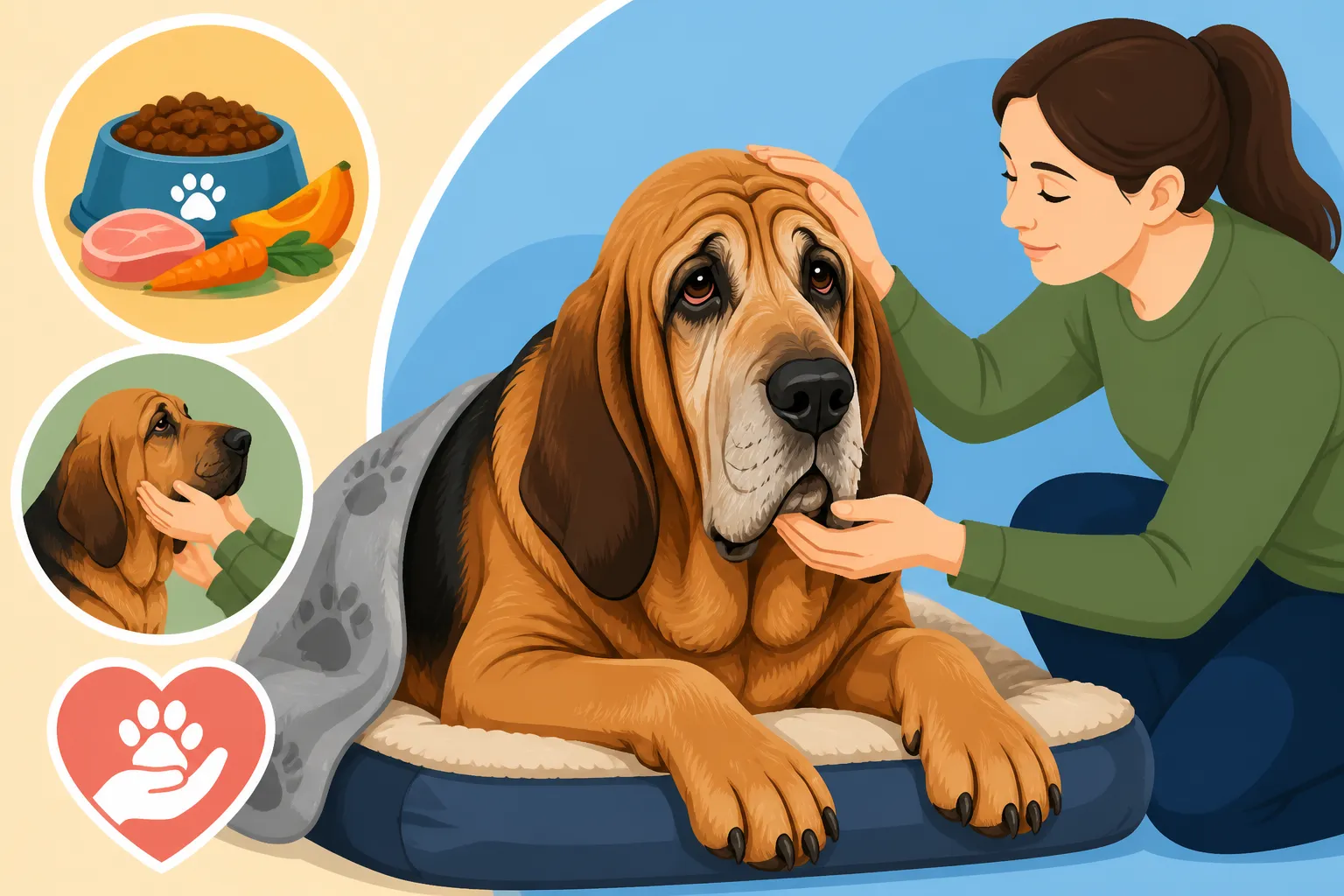
Comfort becomes paramount for a senior Bloodhound, especially when it comes to rest. Their aging joints and muscles will appreciate soft, supportive surfaces more than ever. Investing in a high-quality orthopedic dog bed is one of the best things you can do for them. These beds are designed to distribute weight evenly, reduce pressure points, and provide excellent support for arthritic joints. Look for beds with memory foam or thick, dense padding that won't flatten out quickly.
Beyond the main bed, create multiple comfortable resting spots throughout the house where your Bloodhound can easily settle. These should be in quiet, draft-free areas, away from constant foot traffic. Ensure they have easy access to a fresh water bowl nearby, perhaps at an elevated height to reduce strain. In colder climates, a warm blanket or a heated dog bed can provide immense comfort, especially for dogs with arthritis. Conversely, in warmer weather, make sure they have access to cooler spots. Prioritizing their comfort allows them to get the restorative rest their aging bodies desperately need.
Accessibility and Safety Modifications
An aging Bloodhound's home needs to be a safe haven, not a hazard course. Slippery floors are a major concern for dogs with decreased mobility and balance. Lay down non-slip rugs, carpet runners, or even yoga mats in areas where your Bloodhound frequently walks, particularly leading to their food, water, and potty doors. If you have stairs, consider using baby gates to block access, preventing falls or difficult ascents/descents. Ramps can also be installed for short flights of stairs if your dog still needs to use them.
Remove clutter from their main pathways to prevent tripping hazards. Cushion sharp corners of furniture, especially if your Bloodhound's vision is declining. Good lighting, particularly at night, can also help them navigate more confidently, preventing bumps and falls. Some owners even install nightlights in hallways or near potty doors. Think about their approach to water bowls; sometimes a non-slip mat underneath can prevent them from sliding as they drink. Every small modification contributes to a safer, more accessible environment, allowing your senior Bloodhound to move with greater confidence and less risk of injury.
Managing Potty Breaks
Even the most perfectly house-trained Bloodhound can start to have accidents as they age. This isn't usually a behavioral issue; it's a physiological one. Their bladders and bowels might not be as strong or as controllable, and they might not be able to hold it as long as they once could. Reduced mobility also means they might struggle to get outside quickly enough.
The solution is patience and increased frequency. Take your senior Bloodhound out for potty breaks much more often – perhaps every 2-3 hours, especially after waking up, eating, or drinking. Make the outdoor access as easy as possible; if you have a dog door, ensure it's still comfortable for them to use. If not, consider a ramp off a deck or a very short path to a designated potty area. Be understanding when accidents happen inside; never scold them, as this can lead to increased anxiety and hiding their accidents. Instead, clean thoroughly with an enzymatic cleaner to eliminate odors. Waterproof pads or senior dog diapers can be a lifesaver for managing indoor accidents, especially overnight. The goal is to reduce stress for both you and your Bloodhound, ensuring they can relieve themselves comfortably and frequently.
The Emotional Aspect of Caring for an Aging Bloodhound
Caring for an aging Bloodhound is a journey filled with unique joys and inevitable heartaches. It tests our patience, deepens our empathy, and ultimately strengthens the incredible bond we share with these magnificent hounds. Navigating their golden years is as much about managing our emotions as it is about managing their physical needs.
The Unique Bond with a Senior Dog
There's something truly profound about the bond you share with a senior dog. It's a relationship built on years of shared experiences, unwavering loyalty, and unconditional love. As they age and become more dependent, this bond often deepens even further. They might move slower, their bay might be a bit weaker, but their eyes still hold the same intelligence and affection. The Age a Bloodhound Is Considered Senior might feel like a turning point, but it's also an invitation to cherish every moment.
These golden years are a time to slow down with them, appreciate their quiet companionship, and revel in the simple joys. A gentle head scratch, a shared nap on the sofa, a quiet stroll through the neighborhood – these moments become priceless. While it can be emotionally challenging to witness their decline, focusing on their comfort and quality of life brings immense satisfaction. It's about honoring the lifetime of love they've given you by providing them with the dignity, peace, and care they deserve in their final chapter. Their continued presence, even in their vulnerability, remains a source of immense joy and comfort.
Coping with Decline and End-of-Life Decisions
This is arguably the hardest part of sharing your life with an aging Bloodhound. Watching their physical and cognitive abilities decline can be incredibly painful. There will be days filled with worry, frustration, and sadness as you grapple with their changing needs and your own emotional response. It's vital to acknowledge these feelings and allow yourself to grieve the gradual loss of the vibrant, younger dog you once knew. You are not alone in this journey; many Bloodhound owners experience the same rollercoaster of emotions.
One of the most difficult, yet necessary, conversations you'll have is about quality of life and, eventually, end-of-life decisions. Your veterinarian is your most important ally here. They can help you objectively assess your Bloodhound's comfort levels, pain management, and overall enjoyment of life. This often involves frank discussions about what constitutes a good quality of life for them, not just what we wish it could be. Palliative care, focused on maximizing comfort, can be an option for some time. Ultimately, the decision to say goodbye is the most loving, selfless, and heartbreaking choice an owner can make. Planning ahead, understanding the process, and ensuring your Bloodhound's final moments are peaceful and surrounded by love, is the ultimate act of devotion.
Summary of Senior Bloodhound Care Adjustments
To help you keep track of all the changes required, here's a quick overview of how care for a senior Bloodhound typically shifts compared to their younger adult years. This table should serve as a helpful guide for making those necessary adjustments.
| Aspect of Care | Adult Bloodhound (2-6 Years) | Senior Bloodhound (6+ Years) |
|---|---|---|
| Diet | Higher calorie, often 2 large meals/day, focus on growth/energy | Lower calorie, higher quality protein, 3-4 smaller meals/day |
| Joint Care | Preventative supplements (if predisposed) | Active management with supplements & vet-prescribed medications |
| Exercise | Long walks, scent work, active play | Shorter, more frequent walks, gentle swimming, low-impact |
| Mental Stimulation | Advanced trailing, obedience, puzzle toys | Scent games, simple puzzle toys, consistent routines, gentle training |
| Hygiene (Ears/Folds) | Regular weekly cleaning, daily wiping | Increased vigilance, more frequent cleaning/wiping, monitor for infections |
| Vet Visits | Annual check-ups, vaccinations | Biannual check-ups, blood work, specific screenings for age-related conditions |
| Environment | Open spaces, comfortable bed | Orthopedic bed, non-slip rugs, ramps, secure and consistent layout |
| Potty Breaks | 2-3 scheduled outings daily | More frequent outings, easy access, patience for accidents |
The journey with an aging Bloodhound is a profound experience. By understanding their changing needs, adapting your care, and showering them with love and patience, you can ensure their golden years are as comfortable, dignified, and joyful as possible.
Disclaimer
This article is for general informational purposes only and does not constitute professional advice. Laws, prices and regulations vary by location and change over time. Consult a qualified professional for guidance on your specific situation.