Whether a Bloodhound Steps on Its Own Ears
The magnificent, long ears of a Bloodhound are truly a marvel, designed by centuries of breeding to enhance their legendary scenting abilities. But let's be honest, as incredible as they are for trailing, they can also be a bit of a liability in day-to-day life. Many Bloodhound owners worry about their beloved hound stepping on its own ears, and it's a valid concern that touches on the unique challenges of living with this incredible breed. This guide will dive deep into the realities of those long ears, whether self-inflicted injuries are a common issue, and how you can best protect your Bloodhound's precious floppy appendages.
The Anatomy of a Bloodhound's Magnificent Ears
Owning a Bloodhound means becoming intimately familiar with those impressive ears. They're not just long; they're heavy, velvety, and hang in a way that truly sets the breed apart. But this defining characteristic also comes with its own set of practical challenges that every Bloodhound family quickly learns to navigate.
Why Bloodhound Ears Are So Long
Let's start with the "why." Those exceptionally long, low-set ears aren't just for show – they're a crucial part of the Bloodhound's unparalleled scenting toolkit. As a Bloodhound moves along a trail, its ears act like natural sweepers. They actually help funnel scent particles from the ground directly towards its incredibly sensitive nose, creating a concentrated "scent tunnel." This design is part of what makes them such formidable trackers, allowing them to pick up and follow trails that are hours, or even days, old. The sheer surface area, the folds, and the way they hang all play a role in this amazing sensory amplification.
However, this incredible design, while perfect for the field, isn't always suited for navigating a crowded kitchen or a playful romp in the yard. The ears are thick but the skin is delicate, and they hang so low that they constantly brush against surfaces. This constant contact, while beneficial for scent, means they are perpetually exposed to the elements, dirt, and potential hazards. Understanding this primary function helps us appreciate why they are built the way they are, but also helps us acknowledge the compromises involved in their design for a domestic life.
The Realities of Ear Length and Daily Life
The moment you bring a Bloodhound into your home, you'll start noticing just how often those ears get in the way. They drag on the ground when your hound is sniffing around the yard, sweep through water bowls as they drink, and dip into food bowls during mealtime. It's not just about hygiene, though that's a big part of it; it's also about physical vulnerability. When a Bloodhound stands up from a nap, those ears can get caught under a paw. When they shake their head after a drink, water and whatever else they've collected go flying.
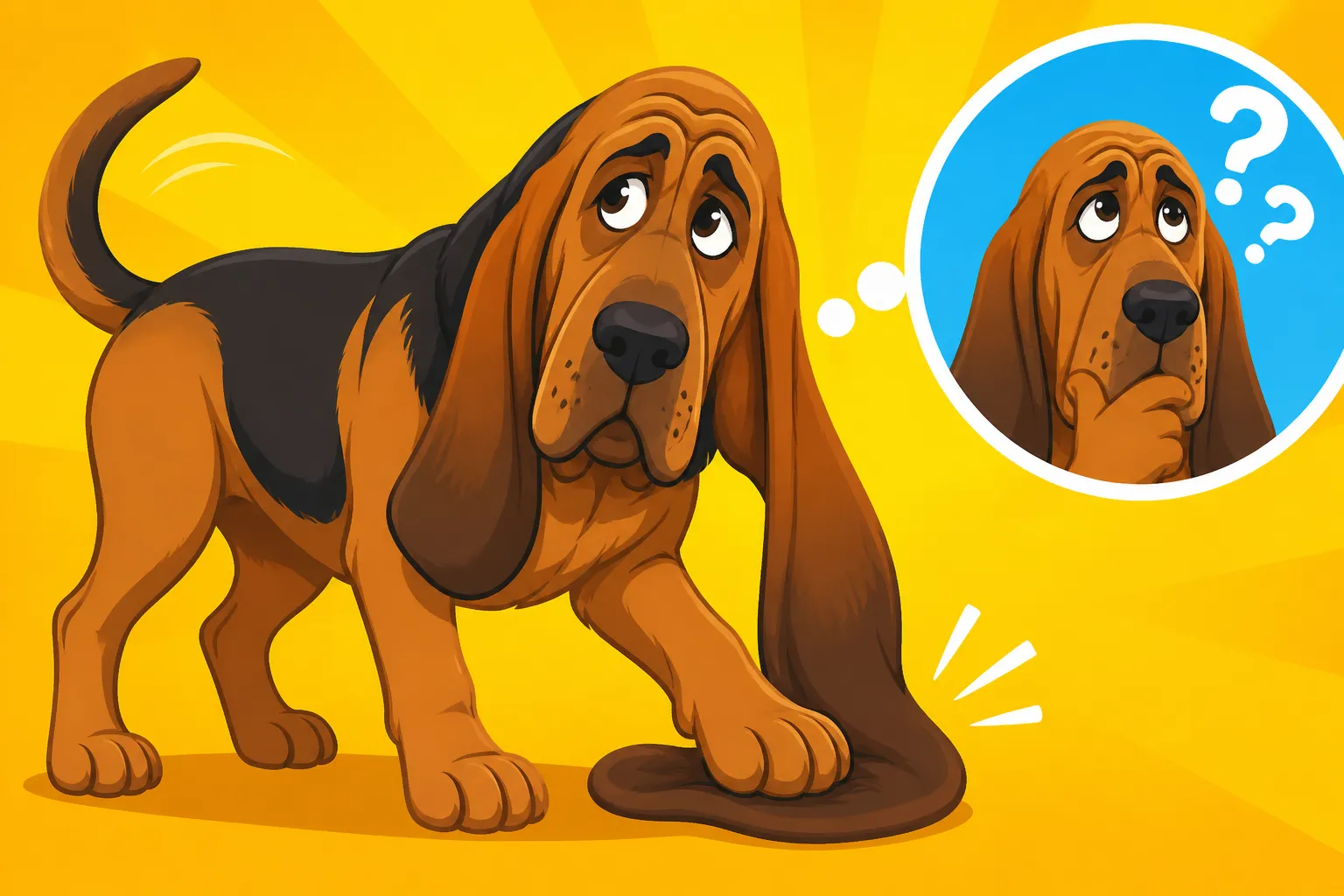
The sheer mass and length of the ear leather mean they can get stepped on, not necessarily by the dog themselves in a purposeful stride, but often accidentally. Imagine your Bloodhound turning sharply, or trying to navigate a tight space, and one of those long ears gets briefly trapped under a foot. It's a quick yelp and a shake of the head, and usually no harm done, but it can certainly cause a moment of panic for an owner. This constant potential for accidental snagging, dragging, and even minor trampling is a real source of anxiety for many Bloodhound owners, and it's absolutely a legitimate concern born from their unique physical traits. It's part of Everything on a Bloodhound Hangs Down and Has to Be Cleaned.
Is a Bloodhound Really Stepping on Its Own Ears?
This is the million-dollar question for many new Bloodhound owners. The image of a clumsy dog tripping over its own extremities is almost comical, but the reality for a Bloodhound owner can be a serious worry. Let's separate fact from fiction and explore the various ways those ears can get into trouble.
The Myth vs. The Reality of Self-Inflicted Injury
While the idea of a Bloodhound constantly stepping on its own ears and injuring itself sounds dramatic, the actual act of a dog stepping on its own ear with enough force to cause significant trauma is less common than one might imagine. A Bloodhound's gait, while deliberate and ground-covering, usually keeps their paws clearing their ears as they walk. They have a natural awareness of their body, even with those long appendages.
However, that's not to say the ears aren't a frequent hazard! The more common scenario isn't a deliberate step, but rather an accidental entanglement. Think about it: a Bloodhound suddenly gets up from a lying position and one ear is tucked awkwardly under a front paw or even a back paw. There's a moment of discomfort, perhaps a quick yelp or a startled head shake, and they free it. Or, during enthusiastic play, a quick pivot might momentarily catch an ear. It's these fleeting, minor incidents that cause the most concern and often lead to superficial scrapes or, more commonly, just getting the ears dirty or wet.
It's also crucial to consider the broader environment. Those ears can get caught on furniture, snagged on bushes during an outdoor adventure, or even accidentally stepped on by a human or another pet in the house. So, while direct self-inflicted major injury from stepping might be less frequent, the risk of general ear entanglement and minor trauma is very real and a constant consideration for owners.
Beyond Stepping: Other Ear-Related Hazards
The ears aren't just at risk from being stepped on. Their length and low-hanging nature make them magnets for all sorts of issues. When your Bloodhound drinks water, those ears inevitably dip in, becoming soaked and trailing water everywhere. The same goes for mealtime, especially if you're not using a snood or a specialized bowl. This constant dampness creates a perfect breeding ground for yeast and bacteria, leading to frequent ear infections. A Bloodhound's Ears Are a Standing Infection Risk
Beyond the wetness, imagine a Bloodhound on a scent trail, nose to the ground. Those ears are sweeping through dirt, mud, burrs, stickers, and anything else the ground offers. Burrs can become deeply embedded in the delicate ear leather, causing pain and requiring careful removal. Scrapes and cuts from sharp objects on the ground are also possible. Even seemingly harmless interactions, like rough-and-tumble play with another dog, can result in an ear getting tugged or caught. The tips of the ears, in particular, are prone to becoming scuffed or even split from repeated trauma against hard surfaces or being shaken against things. It's a never-ending battle to keep those ears clean and healthy, and it's why Cleaning a Bloodhound's Ears Every Week for Life is non-negotiable for this breed.
| Ear Hazard Category | Common Scenarios | Potential Consequences |
|---|---|---|
| Self-Entanglement | Getting up, turning quickly, playful rolling | Brief discomfort, minor scrapes, getting dirty |
| Environmental | Dragging on ground, snagging on furniture/bushes | Cuts, scrapes, burrs, ear tips split, infections |
| Liquid & Food | Dipping in water bowls, food bowls | Chronic dampness, yeast infections, bacterial infections, mess |
| External Contact | Stepped on by people/other dogs, rough play | Sprains, tears, hematomas, pain |
Practical Solutions for Protecting Those Precious Ears
Living with a Bloodhound means being proactive about ear protection. It's not about preventing every single minor incident, but about reducing the overall risk of injury and infection, and making life more comfortable for your hound.
The Power of the Snood and Other Protective Gear
When it comes to protecting a Bloodhound's ears, the snood is truly your best friend. What's a snood, you ask? It's essentially a fabric tube, often made of stretchy material like fleece or jersey, that you slip over your dog's head to hold their ears up and out of the way. Think of it like a chic, functional headband for their magnificent ears.
Snoods are invaluable during mealtimes, keeping those long ears from dragging through food and water. This not only keeps them clean and dry, reducing the risk of infection, but also prevents them from developing that sour smell so common when ears are constantly wet. They're also fantastic for messy outdoor activities, protecting the ears from burrs, mud, and excessive dirt. You can find a wide variety of snoods online from retailers like Chewy or Amazon, in different sizes and materials to suit your Bloodhound's needs and your personal style. Some owners even have custom ones made! What a Snood Does for a Bloodhound
For more rigorous outdoor adventures, like serious trailing work in dense brush, some owners opt for specialized ear wraps or lighter snoods made of mesh that offer breathability while still protecting the ear leather from snags and scratches. The key is to find something comfortable that your Bloodhound tolerates well. Introduce it slowly, with positive reinforcement, and they'll quickly associate it with pleasant activities like eating.
Environmental Adjustments and Training
Beyond wearable protection, simple adjustments around the house can make a world of difference. Investing in a narrow, deep food bowl or a bowl with a raised center is a game-changer. These designs naturally encourage your Bloodhound to keep their head slightly more elevated, or physically block the ears from dipping into the food or water. This minimizes the constant wetting and subsequent cleanup. Which Bowl Shape Keeps a Bloodhound's Ears Out Elevated bowls can also be helpful, as they allow your dog to eat and drink without lowering their head as much, further reducing ear-to-bowl contact.
Training also plays a role. Teaching your Bloodhound a "wait" cue before approaching their food bowl can encourage them to be more deliberate about their approach, rather than eagerly plunging their head in. Similarly, teaching a "lift" cue for their head can be useful if you need them to raise their ears out of the way for a moment. While you can't train them not to have long ears, you can absolutely encourage mindful behaviors around them. Ensure their resting areas are clear of clutter where an ear might get trapped, and always be mindful of where your own feet are when your hound is close by!
The Importance of Regular Ear Care
No matter how many preventative measures you take, the reality is that a Bloodhound's ears are going to get dirty and damp. This is why a consistent and thorough ear cleaning routine is paramount. Weekly ear cleaning should be a non-negotiable part of your Bloodhound's care regimen. Use a veterinarian-approved ear cleaner specifically designed for dogs. Gently massage the cleaner into the ear canal, allowing it to break down wax and debris, and then wipe away any excess with soft cotton balls or gauze.
The goal isn't to reach deep into the ear canal with cotton swabs – that can actually push debris further in and damage delicate structures. Instead, focus on cleaning the visible parts of the ear and the folds. After cleaning, ensure the ears are thoroughly dried, especially in the deeper folds, to prevent moisture buildup. Regularly inspect the ears for any signs of redness, swelling, unusual odor, or discharge, as these can be early indicators of an infection. Addressing these issues promptly is crucial, as chronic ear problems can become very difficult to manage. How Often a Bloodhound's Ears Need Cleaning and What to Clean a Bloodhound's Ears With are questions every Bloodhound owner needs to master.
When to Seek Veterinary Advice for Ear Injuries
Despite all your best efforts, accidents can happen, and infections can sometimes take hold. Knowing when to simply clean and when to call the vet is critical for a Bloodhound owner.
Recognizing Signs of Trouble
Your Bloodhound's ears are a delicate ecosystem, and any deviation from their normal appearance or behavior warrants attention. Pay close attention to these signs, as they could indicate an injury or a developing infection:
- Excessive Head Shaking: While some head shaking is normal, persistent or violent head shaking, especially if accompanied by whimpering, is a big red flag. It's often a sign of discomfort, pain, or fluid in the ear (see Whether a Bloodhound's Head Shaking Means Infection).
- Constant Scratching or Pawing at Ears: If your Bloodhound is constantly trying to scratch or rub its ears against furniture, it's likely experiencing itchiness or pain.
- Redness and Swelling: Inspect the inside of the ear flap and the opening of the ear canal. Any redness, inflammation, or swelling that wasn't there before is a sign of irritation or infection.
- Unusual Discharge: A healthy ear should be relatively clean. Look for any dark, waxy, pus-like, or bloody discharge. The color and consistency can give your vet clues as to the type of infection.
- Foul Odor: A healthy Bloodhound ear might have a faint, yeasty scent, but a strong, pungent, or sour odor is a clear indicator of a bacterial or yeast infection.
- Pain or Sensitivity: If your Bloodhound yelps, flinches, or pulls away when you touch or try to examine its ears, it's experiencing pain.
- Crusts or Scabs: These could indicate a scrape, an insect bite, or a more serious skin infection within the folds of the ear leather.
- Matted Fur or Hair Loss Around Ears: This can result from persistent scratching or rubbing, or from moisture trapping leading to skin irritation.
Remember, even a seemingly minor scrape on the long ear leather can quickly escalate. The warm, moist environment created by the floppy ears is a perfect incubator for bacteria and yeast, turning a small cut into a full-blown infection if not addressed. Early detection and intervention are key to preventing minor issues from becoming chronic problems.
Common Ear Issues Beyond Stepping
While directly stepping on an ear might not be the most common severe injury, Bloodhounds are prone to other ear-related woes due to their anatomy. One of the most heartbreaking and painful conditions is an aural hematoma. This occurs when vigorous head shaking (often due to an ear infection) causes blood vessels in the ear flap to rupture, leading to a blood blister that fills the ear leather, making it swell like a pillow. These are incredibly painful and almost always require veterinary intervention, often surgery, to drain and prevent recurrence.
Chronic ear infections are another reality for many Bloodhound owners. The deep, pendulous ears limit airflow, creating an ideal environment for moisture and warmth, perfect for yeast and bacteria to thrive. What might start as a simple yeast infection can, if left untreated or improperly managed, become a persistent bacterial issue, sometimes even leading to a "superbug" infection that is resistant to common medications. In severe, chronic cases, where the ear canal itself becomes thickened and scarred beyond repair, a total ear canal ablation (TECA) might even be necessary, which involves surgically removing the diseased ear canal.
Finally, the sheer length and weight of the ears can lead to split ear tips. These happen when the very end of the ear repeatedly slaps against a hard surface (like during vigorous head shaking) or gets snagged. These can bleed quite profusely and be slow to heal due to their location and the constant movement of the ear. Your veterinarian is your best partner in navigating these challenges, offering diagnosis, appropriate treatments, and advice on preventative strategies.
Disclaimer
This article is for general informational purposes only and does not constitute professional advice. Laws, prices and regulations vary by location and change over time. Consult a qualified professional for guidance on your specific situation.