What to Clean a Bloodhound’s Ears With
Bloodhound ears are a magnificent, yet challenging, part of owning these incredible hounds. Their long, pendulous ear leathers and the deep, often damp, ear canals they create are practically an open invitation for yeast and bacteria to set up shop. It's a common frustration for Bloodhound owners to constantly be on guard against that tell-tale odor or incessant head shaking that signals another ear infection. This guide will dive deep into what to use for cleaning your Bloodhound's ears, exploring commercial options, debunking DIY myths, and outlining when to absolutely call your vet.
Why Bloodhound Ears Demand Dedicated Cleaning Protocols
Let's be honest, those impressive, scent-sweeping ears are beautiful, but they're also a design flaw when it comes to hygiene. Unlike breeds with pricked ears that allow for ample airflow, a Bloodhound's ears hang low and heavy, covering the opening of the ear canal and creating a warm, moist environment where trouble can brew. This unique anatomy means ear care isn't just a suggestion; it's a non-negotiable part of responsible Bloodhound ownership.
The Anatomy of a Bloodhound Ear: A Perfect Breeding Ground
Imagine a dark, warm, and humid cave – that's essentially what the inside of your Bloodhound's ear canal can become if not properly maintained. The ear leather itself is thick and heavy, often dipping into their food and water bowls, and dragging through whatever interesting scents they pick up on the ground. This external contact introduces dirt, debris, and moisture to the inner ear. Then, the long, floppy nature of the ear acts like a lid, trapping all that moisture and preventing proper air circulation. It’s a bit of a perfect storm for things like yeast and bacteria to flourish. You can read more about Why a Bloodhound's Ear Canal Stays Damp. Because the canal itself is also quite deep, it's not a simple wipe-and-go situation; you need to ensure the cleaning solution can reach deep enough to be effective.
The Constant Threat of Infection
Given this anatomical setup, Bloodhounds are perpetually at a higher risk for ear infections compared to many other breeds. These aren't just minor irritations; ear infections can be incredibly painful for your dog, leading to chronic discomfort, severe itching, and even neurological symptoms if left untreated. You'll often see signs like head shaking, scratching at the ears, rubbing their head along furniture, or a noticeable odor emanating from the ear. If you notice any discharge, redness, or swelling, it's already past the point of routine cleaning and needs professional attention. Understanding How Often a Bloodhound Gets an Ear Infection is crucial for proactive care. Regular, preventive cleaning with the right products helps manage the moisture and microbial load, drastically reducing the chances of these painful flare-ups.
Commercial Ear Cleaners: What to Look For and Why
When it comes to keeping those majestic ears healthy, commercial ear cleaners are your best friend. They are formulated specifically for canine ears, with ingredients designed to tackle the unique challenges Bloodhounds face. Don't just grab any old solution; understanding the purpose of different ingredients will help you choose wisely.
Key Ingredients and Their Purpose in Bloodhound Ear Care
A good commercial ear cleaner for Bloodhounds typically contains a combination of ingredients that work synergistically to clean, dry, and protect the ear canal.
- Drying Agents: This is paramount for Bloodhounds. Ingredients like boric acid, salicylic acid, or witch hazel help to evaporate excess moisture within the ear canal, denying yeast and bacteria the damp environment they thrive in. Look for solutions that specifically highlight drying properties.
- Antimicrobials/Antifungals: Some cleaners include mild agents like chlorhexidine or ketoconazole. These are not strong enough to treat an active infection, but they can help keep the population of yeast and bacteria in check as a preventative measure. They act as a subtle deterrent to overgrowth.
- Ceruminolytics (Wax Dissolvers): Ingredients such as squalene or docusate sodium help to break down and loosen ear wax (cerumen), making it easier to remove. Bloodhounds, with their deep canals, can accumulate a lot of wax, which then traps moisture and debris.
- pH Balancers: The skin inside a dog's ear has a specific pH, and maintaining it is important for health. Formulated cleaners are usually pH-balanced to avoid irritation and support the natural defenses of the ear.
When you're browsing options, whether it's on Chewy, Amazon, or at your local pet store, check the ingredient list for these beneficial components. Many popular brands are readily available, offering various combinations to suit different needs. Remember, a product that cleans and dries is ideal for your Bloodhound.
When to Choose a Vet-Recommended Cleaner
While over-the-counter cleaners are great for routine maintenance, there are definite times when you need a specific, vet-prescribed or vet-recommended solution. If your Bloodhound shows any signs of discomfort or infection – excessive scratching, redness, swelling, discharge, or a foul odor – it's time to call the veterinarian, not just switch to a different cleaner.
Your vet will examine the ear, and likely take a sample to determine whether the infection is bacterial, yeast-based, or both. They might even check for ear mites, though these are less common in adult dogs. Based on the diagnosis, they can prescribe medicated ear drops or a cleaning solution specifically formulated to target that particular type of infection. Using the wrong type of cleaner on an infected ear can not only be ineffective but could also cause further irritation or even push the infection deeper into the ear canal. Sometimes, after an infection is cleared, your vet might recommend a specific maintenance cleaner to prevent recurrence, which could be different from what you were using before. It’s always best to follow their guidance, especially if your Bloodhound has a history of chronic ear issues. This is also where a discussion on Whether an Ear Drying Solution Beats a Cleaner for a Bloodhound can become very relevant, as some specialized drying solutions are far superior to general cleaners for post-infection care.
Homemade Ear Cleaning Solutions: Proceed with Caution
The idea of whipping up a homemade ear cleaner can be appealing – it often seems cheaper, and you control the ingredients. However, when it comes to something as delicate and prone to problems as a Bloodhound's ear, homemade solutions come with significant risks that often outweigh any perceived benefits.
Pros and Cons of DIY Solutions
The allure of a DIY solution typically centers around cost savings and the desire to use "natural" ingredients. Some owners might feel that a homemade mixture avoids harsh chemicals or preservatives found in commercial products. However, the cons are substantial:
Pros:
- Potentially lower cost for ingredients.
- Control over what goes into the mixture.
Cons:
- Incorrect pH: Mixing ingredients at home makes it very difficult to achieve a proper, balanced pH for a dog's ear, which can lead to irritation or encourage microbial growth.
- Lack of Efficacy: Many homemade solutions simply aren't as effective at dissolving wax or drying the ear canal as commercially formulated products. They might clean superficially but fail to address the underlying issues.
- Introduction of Bacteria: Unless you're using sterile water and thoroughly cleaned, sterile containers, you risk introducing new bacteria into the ear canal, potentially causing an infection.
- Irritation and Damage: Certain common household ingredients can be highly irritating or even damaging to the sensitive lining of the ear canal.
For a breed like the Bloodhound, whose ears are already a high-maintenance area, taking chances with homemade concoctions is rarely worth it. The goal is to prevent problems, and sometimes, a seemingly benign homemade remedy can inadvertently create a bigger one.
Common DIY Ingredients and Their Dangers for Bloodhound Ears
Many homemade ear cleaner recipes float around online, but some common ingredients are problematic for Bloodhounds:
- Vinegar and Water: While apple cider vinegar has some purported antimicrobial properties, using it in a dog's ear is risky. It's highly acidic and can irritate the delicate skin inside the ear, especially if there are any micro-abrasions or existing inflammation. Furthermore, if the concentration is off, it might not be effective, or it could be too strong. Generally, Whether Vinegar and Water Suits a Bloodhound's Ears is a question with a resounding "no" from most veterinary professionals for routine care.
- Hydrogen Peroxide: This is a big no-no. Hydrogen peroxide can damage healthy tissue, especially at higher concentrations. It bubbles aggressively, which might seem like it's "cleaning," but it's more likely causing irritation and potential injury to the sensitive ear canal. It's not designed for internal use in a delicate area.
- Rubbing Alcohol: Extremely drying and highly irritating, rubbing alcohol can sting and burn, especially if the ear is already inflamed. It strips natural oils, leaving the skin vulnerable. It offers no benefits that outweigh its significant drawbacks for canine ear care.
- Tea Tree Oil: While it has antifungal properties, tea tree oil is toxic to dogs if ingested and can cause severe skin irritation. It should never be used in ear cleaners.
If you're ever in doubt about an ingredient or solution, always err on the side of caution and consult your veterinarian. They can provide safe and effective recommendations. Investing in a good quality, vet-approved ear cleaner, which you can easily find on platforms like Amazon or Chewy, is a small price to pay for your Bloodhound's comfort and health.
Essential Tools for Effective Bloodhound Ear Cleaning
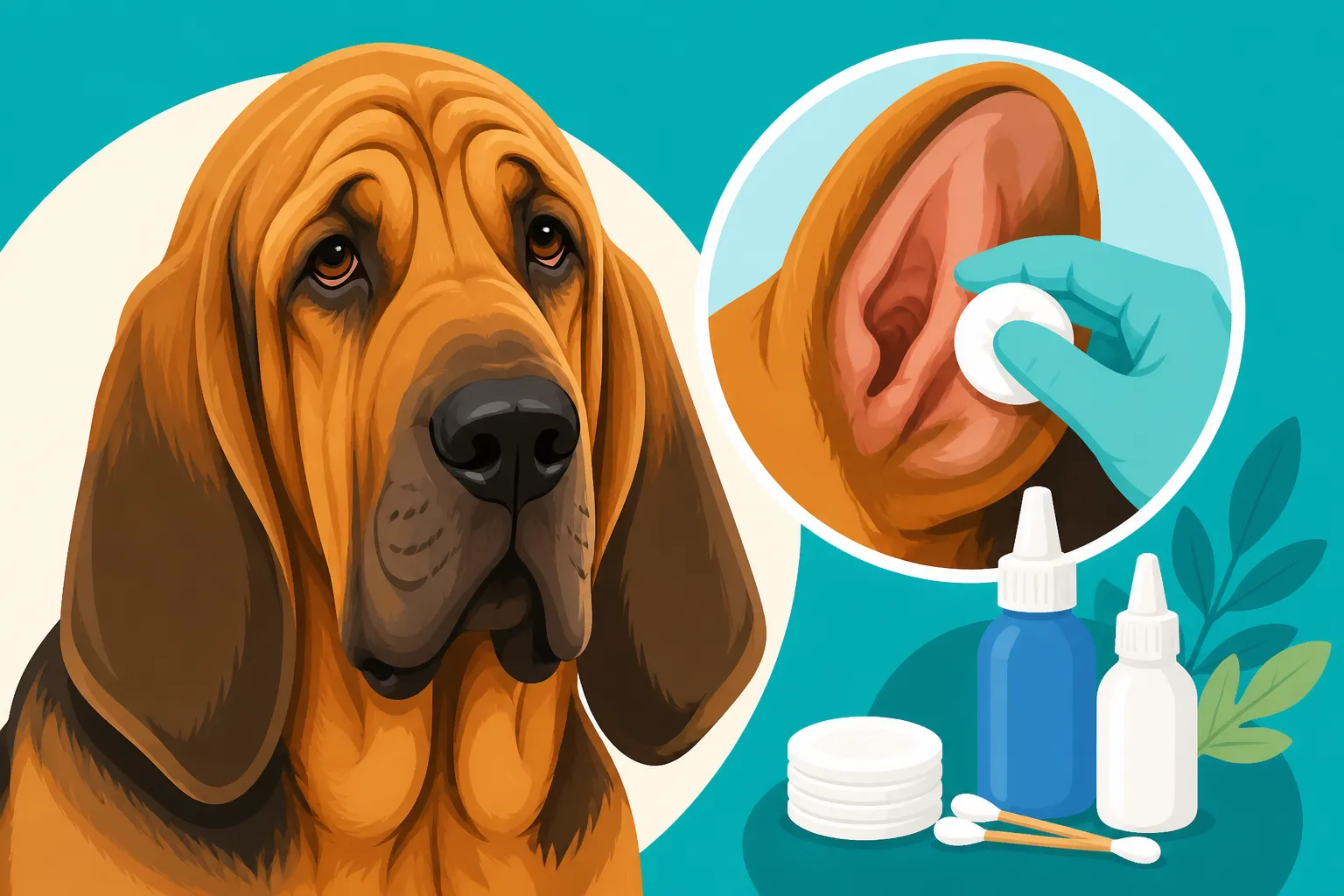
Having the right cleaning solution is only half the battle; you also need the correct tools to apply it safely and effectively. The goal is to clean thoroughly without causing discomfort or pushing debris further into the ear canal.
Cotton Balls vs. Gauze: Making the Right Choice
When you're actually getting down to business with those floppy ears, what you use to wipe them out makes a difference.
- Cotton Balls: These are soft and absorbent, making them a decent choice for general wiping of the outer ear flap and the immediate opening of the ear canal. However, they can sometimes leave cotton fibers behind, which isn't ideal, and their fluffiness might not provide the firm wiping action needed for deeper folds or waxy buildup. They are good for soaking up excess solution after flushing.
- Gauze Pads: These are often a better option for Bloodhounds. Gauze pads (the sterile, square kind you'd find in a first-aid kit) are more robust and less likely to leave fibers. Their slightly textured surface can be more effective at catching and removing debris and wax from the folds of the outer ear and the accessible part of the canal. You can wrap a gauze pad around your finger for a more controlled and effective cleaning motion.
Crucially, never use cotton swabs (Q-tips) to clean your Bloodhound's ears beyond the most superficial creases of the outer ear. The ear canal in dogs is L-shaped, and pushing a cotton swab into it can compact wax and debris, creating blockages, or worse, rupture the eardrum. It's a risk simply not worth taking. Read more about Why Cotton Swabs Are Wrong for a Bloodhound's Ear. Stick to your fingers wrapped in gauze or cotton balls for the parts you can see and feel, and let the liquid cleaner do the work deep inside. You can find a wide array of cotton balls and gauze pads on Amazon or Chewy, making it easy to stock up.
The Importance of a Snood for a Bloodhound
If you've spent any time around Bloodhounds, you've probably seen them wearing what looks like a fabric tube over their heads, often playfully referred to as a "snood." This isn't just a fashion statement; it's an indispensable tool for ear hygiene, especially for a breed with such magnificent ear leathers.
A snood serves several vital purposes:
- Keeps Ears Out of Food and Water: Bloodhound ears are notorious for dragging through their food and water bowls, collecting food particles, and becoming saturated with water. A snood holds their ears up and back, preventing them from getting dirty or wet during meal times and drinks. This is a simple yet incredibly effective way to reduce the amount of moisture and debris introduced into the ear canal. What a Snood Does for a Bloodhound goes into more detail on this essential accessory.
- Protects During Cleaning: When you're cleaning your Bloodhound's ears, a snood can help keep the long leathers out of the way, allowing you better access to the ear canal opening. This makes the cleaning process less messy and more efficient.
- Prevents Outdoor Contamination: When your Bloodhound is on a trail or just romping in the yard, their ears can pick up burrs, foxtails, dirt, and other environmental allergens. A snood can offer a layer of protection, reducing the amount of foreign material that gets into their ears.
Using a snood regularly, particularly during meals, is a proactive step that can significantly reduce the frequency of ear issues for your Bloodhound. Many pet accessory retailers, including Amazon and specialty dog supply stores, offer snoods in various sizes and materials suitable for Bloodhounds.
When to Seek Veterinary Advice for Bloodhound Ears
Even with the best preventive care, Bloodhounds can sometimes develop ear issues. It's crucial to know when a problem goes beyond routine cleaning and requires professional veterinary intervention. Ignoring early signs can lead to more severe, painful, and costly problems down the line.
Signs of an Existing Ear Infection in Your Bloodhound
Your Bloodhound's behavior and the condition of their ears will give you clear clues if something is amiss. Don't dismiss these signs, even if they seem minor:
- Excessive Head Shaking: While all dogs shake their heads, a sudden increase in frequency or intensity, especially if combined with other symptoms, is a red flag.
- Constant Scratching: If your Bloodhound is constantly scratching at one or both ears, or rubbing their head along furniture or the ground, it's a strong indicator of irritation or itchiness.
- Foul Odor: A healthy ear should have a neutral smell. A strong, yeasty, or otherwise unpleasant odor is often the first sign of bacterial or yeast overgrowth.
- Redness or Swelling: Carefully lift your Bloodhound's ear leather and look inside. If the skin is red, inflamed, or swollen, an infection is likely present.
- Discharge: Any discharge, whether waxy, yellowish, brown, or black, is abnormal. The color and consistency can sometimes give a hint about the type of infection, but only a vet can definitively diagnose.
- Pain or Sensitivity: If your Bloodhound flinches, vocalizes, or tries to bite when you touch their ear, they are likely in pain.
- Holding Head to One Side: Persistent tilting of the head can indicate discomfort or even an issue with balance if the infection has progressed.
If you observe any of these symptoms, especially multiple ones, put the routine ear cleaner aside and call your vet immediately. Cleaning an already infected or inflamed ear can be very painful for your dog and might even push debris or bacteria deeper, worsening the condition. For a detailed list, check out Signs a Bloodhound's Ear Is Infected.
The Indispensable Role of Your Veterinarian
Your veterinarian is your most important partner in managing your Bloodhound's ear health. They have the knowledge and tools to diagnose and treat ear infections effectively.
- Accurate Diagnosis: A vet can perform an otoscopic exam to look deep into the ear canal and visually assess the eardrum. They will also take a swab of the ear canal and examine it under a microscope (cytology) to identify whether the primary culprits are yeast, bacteria, or both. This is critical because different types of infections require different medications. Sometimes, a bacterial culture and sensitivity test might be needed, especially for recurrent or stubborn infections. Whether a Bloodhound Needs a Culture Before Ear Drops clarifies why this step is so important.
- Targeted Treatment: Based on the diagnosis, your vet will prescribe specific medicated ear drops or oral antibiotics/antifungals. These prescription medications are far more potent and effective against active infections than any over-the-counter or homemade cleaner.
- Addressing Underlying Causes: Sometimes, ear infections are symptoms of a larger problem, such as allergies (food or environmental), foreign bodies lodged in the ear, or even hormonal imbalances like hypothyroidism. Your vet can help investigate and address these underlying causes to prevent future infections.
- Proper Cleaning Technique: If you're unsure about how to clean your Bloodhound's ears effectively without causing harm, your vet or vet tech can demonstrate the correct technique. This can be invaluable, especially considering the unique structure of Bloodhound ears and their tendency to be sensitive.
Never hesitate to contact your vet if you suspect an ear infection. Early intervention is key to a faster recovery and preventing chronic ear problems, which can ultimately lead to more aggressive treatments like a total ear canal ablation in severe cases. Trust your vet's expertise to keep your Bloodhound's ears healthy and comfortable.
Here's a quick comparison of the types of ear cleaning solutions:
| Feature | Commercial Ear Cleaner (Routine) | Vet-Prescribed Medicated Cleaner/Drops | Homemade Solutions (e.g., Vinegar) |
|---|---|---|---|
| Purpose | Preventative maintenance, remove wax/debris, dry ear | Treat active bacterial/yeast infections, reduce inflammation | Perceived cost savings, "natural" approach |
| Key Ingredients | Boric acid, salicylic acid, witch hazel, ceruminolytics, mild antimicrobials | Specific antibiotics, antifungals, steroids, anti-inflammatories | Vinegar, water, sometimes hydrogen peroxide or essential oils |
| pH Balance | Formulated for canine ear pH | Often specifically formulated for therapeutic action | Usually acidic, difficult to balance |
| Efficacy | Good for routine cleaning and preventing issues | Highly effective against specific infections | Variable, often insufficient, can worsen problems |
| Safety | Generally safe when used as directed on healthy ears | Safe and effective when used as prescribed by a vet | High risk of irritation, damage, or introducing new problems |
| When to Use | Regular weekly/bi-weekly cleaning, after swimming | Only when directed by a veterinarian for an active infection | Generally NOT recommended for Bloodhound ear care |
| Where to Purchase | Pet stores, vet clinics, online retailers (Chewy, Amazon) | Veterinarian's office | Home ingredients |
Disclaimer
This article is for general informational purposes only and does not constitute professional advice. Laws, prices and regulations vary by location and change over time. Consult a qualified professional for guidance on your specific situation.