Signs a Bloodhound’s Ear Is Infected
As a Bloodhound owner, few things are as frustrating and heartbreaking as watching your big, floppy-eared companion suffer from a persistent ear infection. Their magnificent, pendulous ears, while a hallmark of the breed, are also a perfect breeding ground for trouble, trapping moisture and reducing airflow, making them incredibly prone to infections that can quickly become painful and chronic. It's easy to miss the early signs, especially with a dog as stoic as a Bloodhound, but recognizing these indicators quickly is crucial for their comfort and long-term health. This guide will walk you through both the subtle and overt signs that your Bloodhound’s ears might be in distress, helping you catch problems before they spiral.
The Subtle Early Warnings of a Bloodhound Ear Infection
Sometimes, the first hints of an ear infection are so quiet you might second-guess yourself. It's not always an immediate, dramatic display of pain. For Bloodhounds, their long, heavy ears and deep canals mean that discomfort can simmer for a while before erupting into obvious symptoms. Being attuned to these slight shifts in behavior or appearance can make all the difference in catching an infection when it's still relatively mild and easier to treat.
The Whispers of Discomfort: Subtle Head Shakes and Scratches
One of the earliest, most common signs of irritation is a slight increase in head shaking or ear scratching. Now, every dog shakes its head and scratches its ears occasionally – it's normal. But with a Bloodhound, you need to notice if this behavior is becoming more frequent or more intense than usual. Is your Bloodhound shaking its head after it drinks water, more than just once or twice? Are you seeing it scratch at an ear multiple times an hour, or is it using a paw more aggressively? Perhaps you notice it rubbing its ear against the carpet or furniture more often, trying to relieve an itch it can't quite reach effectively with its hind leg.
This isn't necessarily a frantic, continuous motion; it might just be a subtle twitch or a gentle rub. Pay attention during quiet moments when your dog is resting, as these low-key behaviors can be telltale signs that something isn't quite right. It could be the very beginning of an infection brewing deep in the canal, or perhaps an allergic reaction causing inflammation. Either way, it's a whisper from your dog that warrants closer investigation, and a good reminder that your Bloodhound’s ears are a standing infection risk.
Sniffing Out Trouble: Unfamiliar Odors
This one is perhaps the most overlooked early sign, and it's particularly important for Bloodhounds because their ears are so adept at trapping moisture and debris. A healthy Bloodhound ear, even after a thorough cleaning, might have a faint, earthy dog smell, but it shouldn't be pungent, yeasty, or foul. If you notice a distinct, unpleasant odor emanating from one or both of your Bloodhound’s ears, it’s a huge red flag. This smell often precedes visible discharge or severe pain.
Get up close and take a gentle sniff. Does it smell like rancid cheese? Like dirty socks? Or does it have a sweet, yeasty aroma? A yeast infection, a common culprit in Bloodhounds, often presents with a sweet, yeasty smell, while bacterial infections can be more foul or pus-like. You might even notice this smell as your dog passes by, or when it’s sleeping nearby. Don't dismiss it as just "dog smell." An ear odor is rarely normal and almost always indicates an underlying issue, whether it's the start of an infection or an accumulation of wax and debris that needs immediate attention. Remember, A Bloodhound's Ears Are a Standing Infection Risk.
Obvious Physical Signs of a Bloodhound Ear Problem
Once an ear infection progresses past the subtle stage, your Bloodhound will likely start showing more overt physical signs. These are often easier to spot, but by this point, the infection is usually causing significant discomfort and could require more intensive veterinary care. Knowing what to look for can help you decide when to shift from home care to professional intervention.
Visible Irritation and Inflammation
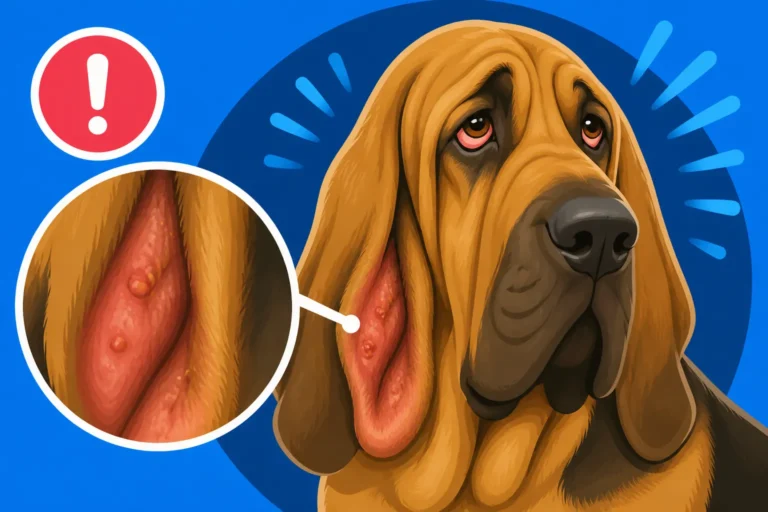
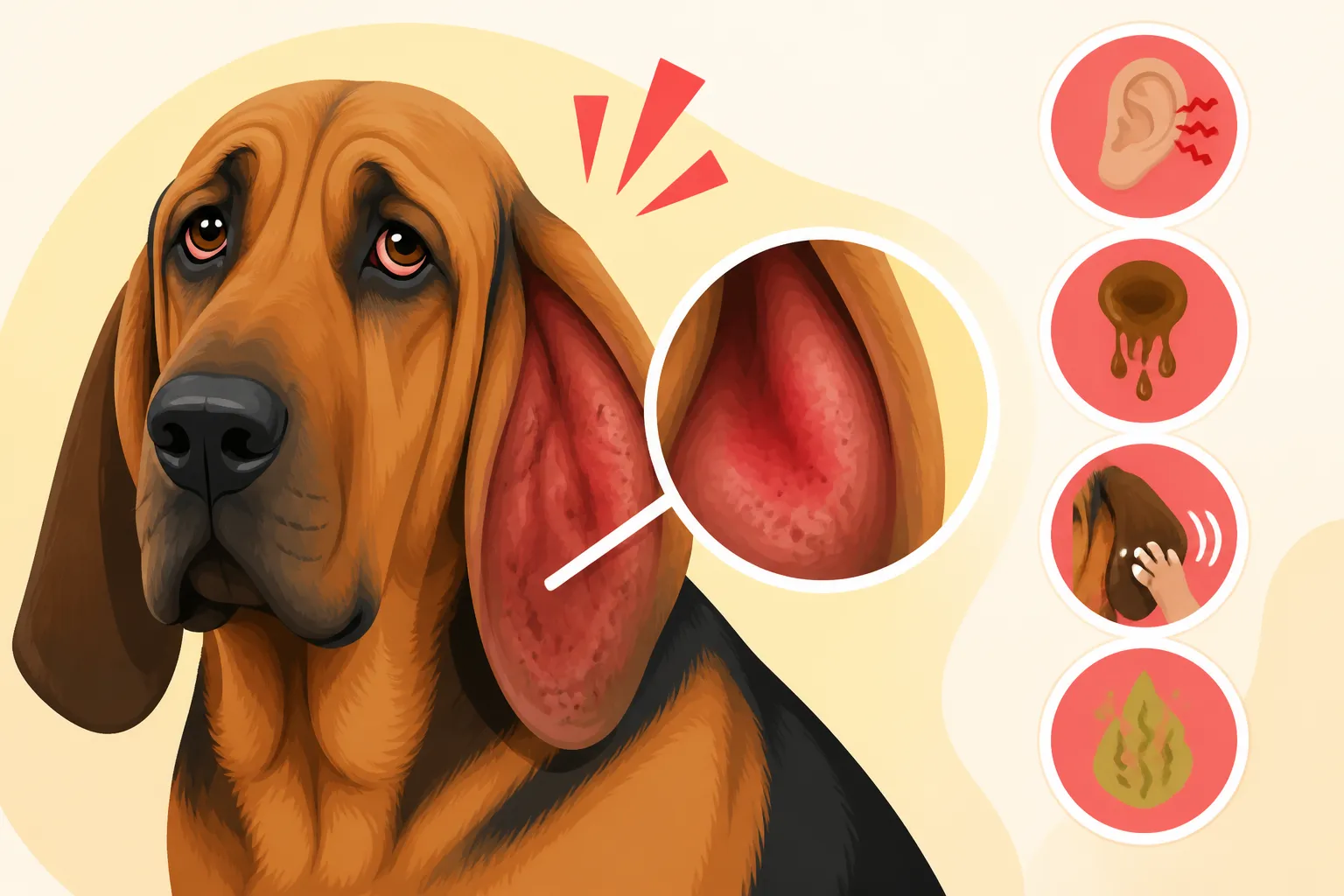
Take a good look at your Bloodhound’s ear canals and the inside of their ear flaps. Healthy skin inside the ear should be a pale, uniform pink. When an infection is present, you’ll likely see redness and inflammation. The skin might look angry, hot to the touch, and swollen. Sometimes, the swelling can be so significant that the ear canal appears narrowed, making it difficult to see deep inside. You might notice the skin looking a bit shiny or slick due to increased oil production, or even thickened and leathery in chronic cases.
If your Bloodhound flinches or pulls away when you gently try to examine their ear, it’s a clear sign of pain. You might also notice hair loss around the ear canal opening or on the inner surface of the ear flap due to constant scratching and rubbing. In some severe cases, you might even see small abrasions or scabs where they’ve broken the skin. This visible irritation indicates a real problem, often driven by the warm, moist environment of Why a Bloodhound's Ear Canal Stays Damp. Regular checks, perhaps during your weekly How Often a Bloodhound's Ears Need Cleaning routine, are essential.
The Unmistakable Discharge and Crusting
Perhaps the most definitive visual sign of an ear infection is the presence of discharge. This isn't just a bit of earwax; this is often a noticeable accumulation of material that can vary in color and consistency depending on the type of infection.
- Dark brown, waxy discharge: Often indicates a yeast infection (common in Bloodhounds) or ear mites. It can look like coffee grounds or dark, thick sludge.
- Yellow or green pus-like discharge: Typically points to a bacterial infection, which can be particularly nasty and painful.
- Bloody or black discharge: This can indicate a more severe issue, possibly a foreign body, trauma, or even a tumor, and requires immediate veterinary attention.
Along with discharge, you might see crusting around the opening of the ear canal or on the inner ear flap. This is dried discharge that has hardened. The ear might also appear generally dirty, even if you’ve recently cleaned it, because the infection is constantly producing more debris. If you're seeing any of these types of discharge, it's a clear sign that your Bloodhound needs a vet check.
Behavioral Changes That Signal Ear Trouble
Beyond the physical manifestations, your Bloodhound might start acting differently, especially if the ear infection is causing significant pain or discomfort. These behavioral shifts are your dog’s way of communicating that something is amiss, and they shouldn't be ignored.
Pain and Sensitivity When Touched
A Bloodhound with an ear infection will often become sensitive to touch around their head and ears. This might manifest as them pulling away sharply when you try to pet their head, or yelping if you accidentally brush against their ear. They might become reluctant to let you handle their ears for cleaning or inspection. Some dogs might even growl or snap, which is completely out of character for the usually gentle Bloodhound, indicating they are in considerable pain and trying to protect themselves.
You might also observe them tilting their head to one side persistently, often favoring the unaffected ear or trying to alleviate pressure on the painful one. Sometimes, if the infection is particularly deep or severe, it can affect their balance, causing them to walk with a slight wobble or appear disoriented. This can be especially alarming and signifies an advanced stage of infection that absolutely warrants urgent veterinary care. If you notice your Bloodhound’s head shaking means infection, pay attention to the intensity and frequency.
Changes in Appetite and Activity Levels
Any time a dog is in pain or feeling unwell, their general demeanor often shifts. An ear infection is no different. You might notice your Bloodhound has a decreased appetite, skipping meals or eating only a small portion. The pain can make chewing uncomfortable, or the general feeling of malaise can simply reduce their desire for food. On the flip side, some dogs might seem restless, unable to settle down due to the constant itching and discomfort.
They might also become less active, more subdued, or withdrawn. A Bloodhound who usually loves a good romp or a long sniff-walk might be less enthusiastic, preferring to lie down and be left alone. Some might become clingier, seeking comfort, while others might become irritable. These changes, especially when combined with any of the physical signs, are strong indicators that your Bloodhound is not feeling well and needs veterinary attention. Pet insurance providers like Healthy Paws often highlight the importance of early intervention to avoid these secondary health impacts and higher costs.
When to Call the Vet: Urgency and Next Steps
The moment you suspect an ear infection, especially after observing several of the signs above, it’s time to call your veterinarian. Ear infections, particularly in Bloodhounds, don't just "go away" on their own, and delaying treatment can lead to more severe pain, chronic issues, and even permanent damage.
Understanding the Urgency of Veterinary Attention
Don't wait. A mild ear irritation can quickly escalate into a full-blown infection that causes immense suffering for your Bloodhound. If left untreated, chronic ear infections can lead to:
- Permanent ear canal narrowing: The tissue inside the ear canal can become so swollen and scarred that it permanently narrows, making future infections even harder to treat and potentially requiring a What a Total Ear Canal Ablation Means for a Bloodhound.
- Hearing loss: Severe or chronic infections can damage the delicate structures of the inner ear, leading to partial or complete hearing loss.
- Aural hematomas: Constant head shaking and scratching can cause blood vessels in the ear flap to rupture, leading to a swollen, painful hematoma that often requires surgery to drain and repair.
- Spread of infection: In rare but serious cases, the infection can spread from the middle ear to the inner ear, leading to neurological signs like balance problems, facial paralysis, or even brain infection.
It's vital to get a proper diagnosis, as what looks like a simple ear infection might be something more complex, like a foreign body lodged deep in the canal, polyps, or even a tumor. A vet can correctly identify the type of pathogen (yeast, bacteria, mites) and prescribe the appropriate medication, whether it's ear drops, oral antibiotics, or anti-inflammatories. The cost of a simple vet visit for an ear infection pales in comparison to What a Bloodhound's Ear Infection Costs to Treat if it becomes chronic or requires surgery. Having a plan with your pet insurance, like Healthy Paws, can also provide peace of mind for unexpected vet bills.
Preparing for Your Vet Visit and What to Expect
When you call your vet, describe the symptoms you’ve observed in detail. Note when they started, how they’ve progressed, and any attempts you’ve made to clean the ear at home (and with what products). This information helps your vet prepare for the appointment.
During the visit, your veterinarian will likely perform a thorough examination, including:
- Visual Inspection: Looking at the outer ear, ear flap, and the entrance to the ear canal.
- Otoscopic Examination: Using an otoscope to look deep into the ear canal and check the eardrum. This is crucial for assessing the extent of the infection and identifying any foreign bodies or damage. Sometimes, a Bloodhound may need mild sedation for this if they are very painful or uncooperative, but with consistent handling, they can Whether a Bloodhound Learns to Accept Ear Cleaning and examination.
- Ear Swab and Cytology: A sample of discharge will be taken and examined under a microscope. This helps identify whether the infection is bacterial, yeast, or both, and if ear mites are present. This step is why Whether a Bloodhound Needs a Culture Before Ear Drops is so important, guiding the correct treatment.
- Culture and Sensitivity (if needed): For severe or chronic infections, a culture might be sent to a lab to identify specific bacteria and determine which antibiotics will be most effective.
Based on these findings, your vet will prescribe a treatment plan, which often includes ear cleaners, medicated ear drops or ointments, and possibly oral medications. They’ll also give you instructions on how to administer the medications at home. Never use cotton swabs deep in your Bloodhound’s ear canal; remember Why Cotton Swabs Are Wrong for a Bloodhound's Ear as they can push debris further in or damage the eardrum. Follow your vet’s instructions carefully and complete the entire course of medication, even if your Bloodhound seems to improve quickly, to prevent a recurrence or a When a Bloodhound's Ear Infection Becomes Permanent problem.
It's truly challenging to own a Bloodhound and not eventually face an ear infection. They’re just built that way. But by knowing the signs, from the faintest hint of an odor to clear physical changes, you can ensure your big, beloved hound gets the prompt care they need to stay comfortable and happy.
Recognizing Bloodhound Ear Infection Symptoms
| Symptom Category | Specific Sign | Description | Action Needed |
|---|---|---|---|
| Subtle Signs | Increased Head Shaking | More frequent or intense head shaking than normal, even if not constant. | Monitor closely; gentle ear check. |
| Increased Ear Scratching/Rubbing | More frequent or vigorous scratching with paws, or rubbing ear against surfaces. | Monitor closely; gentle ear check. | |
| Faint, Unusual Odor | A slight, unfamiliar smell (yeasty, sweet, musty) noticed when close to the ear, even without visible discharge. | Gentle ear check; consider a vet visit if persistent. | |
| Obvious Signs | Redness and Inflammation | Inner ear flap or canal skin appears visibly red, swollen, or hot to the touch. | Vet visit recommended. |
| Visible Discharge | Dark brown, waxy, yellow, green, or bloody/black pus-like material in or around the ear canal. | Vet visit strongly recommended. | |
| Crusting Around Ear Opening | Dried, hardened discharge creating crusts around the ear canal entrance. | Vet visit strongly recommended. | |
| Hair Loss or Skin Lesions | Patchy hair loss, abrasions, scabs, or thickened skin around the ear due to scratching. | Vet visit recommended. | |
| Behavioral Signs | Pain/Sensitivity to Touch | Yelping, flinching, growling, or pulling away when the head or ear is touched. | Vet visit strongly recommended. |
| Persistent Head Tilt | Continuously holding the head at an angle, favoring one side. | Vet visit strongly recommended. | |
| Decreased Appetite / Lethargy | Loss of interest in food, reduced activity levels, or general malaise. | Vet visit recommended. | |
| Restlessness / Irritability | Unable to settle down, fidgeting, or showing uncharacteristic grumpiness. | Vet visit recommended. |
Disclaimer
The information provided in this article is for general informational purposes only and is not a substitute for professional veterinary advice. Always consult with a qualified veterinarian for any health concerns or before making any decisions related to your Bloodhound's health and treatment.