Whether a Bloodhound’s Head Shaking Means Infection
That sudden, vigorous head shake from your Bloodhound can send a jolt of anxiety through any owner. Is it just a casual scratch, or is it the dreaded sign of another ear infection brewing? Given how common ear troubles are in our droopy-eared friends, it’s a valid and frequent concern. This guide will walk you through understanding why your Bloodhound might be shaking its head, what specifically points to an infection, and when it’s time to call the vet.
The Unique Vulnerability of a Bloodhound's Ears
Let's be honest, those magnificent, long ears are a defining feature of the Bloodhound, but they're also a constant source of potential problems. They aren't just for looks; they're designed to help sweep scent towards their incredibly powerful noses when trailing. Unfortunately, that same design creates a perfect storm for ear issues.
Anatomy That Invites Trouble
A Bloodhound's ear canal is like a long, winding tunnel, much deeper and more convoluted than in many other breeds. Coupled with the heavy, pendulous ear leather, this anatomical design severely restricts airflow to the inner ear. Think of it like trying to ventilate a deep cave; it's just not going to happen naturally. This creates a perpetually warm, humid environment that is an open invitation for unwelcome guests. The ear leather itself can also be prone to issues; you can read more about Why a Bloodhound's Ear Leather Blocks Airflow.
Beyond the external ear, the internal canal structure adds to the challenge. The canal bends sharply, making it difficult for debris, wax, and moisture to exit naturally. When you combine this with the sheer size and weight of their ear flaps, you understand why gravity isn't on their side when it comes to keeping things clean and dry. This environment is ripe for trouble, and it's something every Bloodhound owner needs to understand from day one.
Moisture and Microbes: A Perfect Breeding Ground
Because of the poor ventilation, any moisture that enters a Bloodhound's ear—whether from a bath, a swim, or even just humidity in the air—tends to get trapped. This trapped moisture, combined with the warmth, creates an ideal incubator for bacteria and yeast. These microbes, which are normally present in small, harmless amounts on the skin, can rapidly multiply out of control in such conditions.
Once these organisms begin to overgrow, they cause inflammation and irritation. This leads to an itch, and the dog responds by shaking its head, scratching, and rubbing its ears. It's a vicious cycle: the dog shakes to relieve the itch, but the shaking can further traumatize the ear, leading to more inflammation and potentially even more severe issues, like hematomas (which we'll discuss later). Owners often find themselves wondering How Often a Bloodhound Gets an Ear Infection because it feels like a constant battle.
Head Shaking as a Clear Sign of Ear Infection
While not every head shake means an infection, if your Bloodhound is shaking its head repeatedly and vigorously, especially accompanied by other symptoms, an ear infection is highly likely.
The Telltale Shake and Scratch
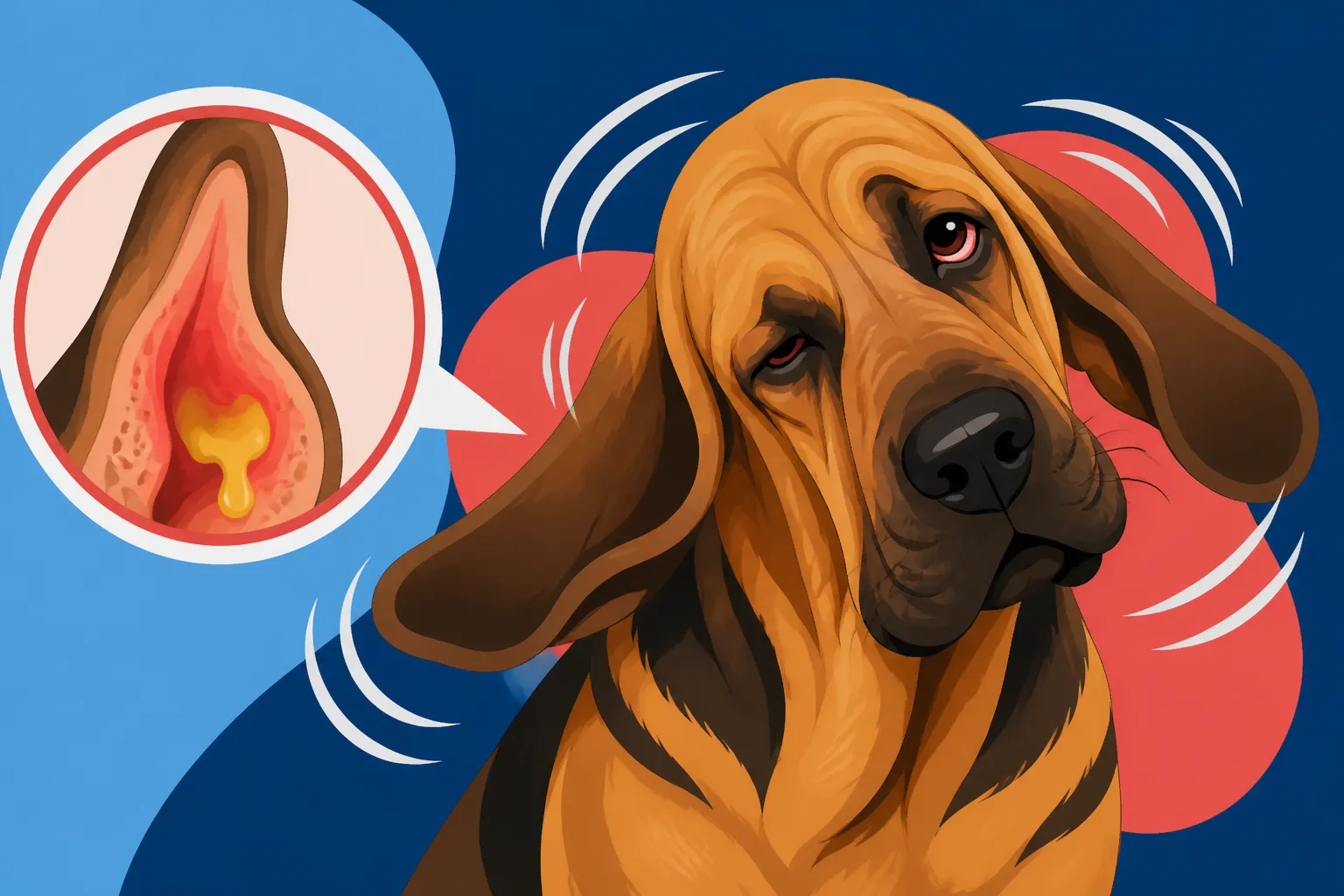
When a Bloodhound has an ear infection, the head shaking isn't just a casual flick. It's often persistent, violent, and accompanied by other tell-tale signs. You might notice your dog frantically pawing at its ear, rubbing its head along the carpet or furniture, or even holding its head tilted to one side. The desire to relieve the intense itch or pain is evident in their behavior. This isn't just a momentary discomfort; it's a persistent irritant that they are desperate to alleviate.
Sometimes, the scratching can be so intense that it causes visible redness or even skin abrasions around the ear flap or behind the ear. This self-trauma can make the problem worse, introducing more bacteria to an already compromised area. It's a clear signal that something is seriously wrong and requires immediate attention.
Odor and Discharge
One of the most unmistakable signs of an ear infection in a Bloodhound is a foul odor emanating from the affected ear. This smell can range from a pungent, sweet "yeasty" aroma (often associated with Malassezia yeast infections) to a truly putrid, cheesy, or even fishy smell (more common with bacterial infections). A healthy Bloodhound ear should have a very faint, neutral smell, if any at all.
Alongside the odor, you'll likely observe discharge. This discharge can vary in color and consistency. It might be:
- Dark brown, waxy, and crumbly: Often indicative of yeast or ear mites.
- Yellowish-green and pus-like: A strong sign of a bacterial infection.
- Bloody or black: Could indicate severe inflammation, ulceration, or a foreign body causing trauma.
Any noticeable discharge, especially if accompanied by an unusual smell, is a definite red flag.
Pain and Swelling
An infected ear is almost always a painful ear. Your Bloodhound might become very sensitive when you try to touch or examine the affected ear. They might yelp, pull away, or even snap if the pain is severe. Inside the ear, you may see redness and swelling of the ear canal tissues. The ear flap itself might feel warm to the touch compared to the other ear, or the area around the ear base might appear swollen.
In some cases, the swelling can be so significant that it nearly closes off the ear canal, making it even harder for air to circulate and medication to penetrate. This increased pain and inflammation often exacerbate the head shaking, as the dog tries to dislodge the painful pressure or relieve the intense throbbing sensation. These are all clear Signs a Bloodhound's Ear Is Infected.
Other Reasons a Bloodhound Might Shake Its Head
While infection is a primary concern, a Bloodhound's head shaking isn't always due to a raging ear infection. Sometimes, there are other irritants at play.
Foreign Objects and Irritants
Bloodhounds, with their low-slung heads and incredible noses, spend a lot of time exploring the world close to the ground. This makes them prone to picking up foreign objects in their ears. Grass awns (those barbed seed heads), tiny burrs, dirt, or even small insects can easily find their way into the deep folds of their ear canals. Once lodged, these irritants can cause intense discomfort, leading to vigorous head shaking as the dog tries to dislodge them.
Water is another common irritant. After a bath or a swim, if water gets trapped deep in the ear canal and isn't properly dried, it can cause itching and discomfort, prompting head shaking. This isn't necessarily an infection yet, but trapped moisture creates the perfect environment for one to develop rapidly. Excessive wax buildup, too, can become an irritant, blocking the canal and causing an uncomfortable feeling that leads to shaking.
Allergies
Just like people, Bloodhounds can suffer from environmental allergies (atopy) or food allergies. A very common manifestation of allergies in dogs is itchy skin, and the ears are frequently one of the first places to show symptoms. If your Bloodhound has seasonal allergies, you might notice increased ear scratching and head shaking during certain times of the year, even without a full-blown infection.
Allergic reactions can cause the ear canal lining to become inflamed, itchy, and red, even without significant discharge or odor initially. However, this inflamed state makes the ear much more susceptible to secondary yeast and bacterial infections, creating a cycle where allergies trigger irritation, which then allows infection to take hold. It's a sneaky culprit that often underpins recurrent ear infections.
Ear Mites
While more common in puppies and dogs with compromised immune systems, ear mites (Otodectes cynotis) can certainly cause head shaking in a Bloodhound of any age. These tiny parasites live inside the ear canal and feed on skin debris. Their presence causes intense itching and irritation.
Signs of ear mites include severe itching, head shaking, and a characteristic dark, crumbly discharge that often resembles coffee grounds. This discharge is a mixture of wax, blood, and mite debris. If you suspect ear mites, a vet visit is essential, as they require specific medication to eliminate them completely.
Aural Hematomas
An aural hematoma is a blood blister that forms within the ear flap itself, usually due to trauma from vigorous head shaking or scratching. When a dog shakes its head violently, the force can cause small blood vessels within the ear flap to rupture, leading to a pocket of blood accumulating between the cartilage and skin of the ear.
Once a hematoma forms, it becomes a heavy, painful, fluid-filled swelling on the ear flap. This new discomfort often causes the dog to shake its head even more, exacerbating the problem and potentially making the hematoma larger or even causing another one to form. It's a painful condition that almost always requires veterinary intervention, usually surgical drainage and suturing, to correct and prevent recurrence.
What to Do When Your Bloodhound Shakes Its Head
When you notice your Bloodhound shaking its head more than usual, it's natural to be concerned. Knowing the right steps to take can help you address the issue promptly and effectively.
Initial Inspection at Home
Before rushing to the vet, a quick, gentle inspection at home can give you valuable clues. Carefully lift your Bloodhound's long ear flap and take a look inside the ear canal as best you can.
- Look for redness or swelling: Is the skin visibly inflamed?
- Check for discharge: Is there any unusual gunk, wax, or liquid? What color is it?
- Smell the ear: Does it have a foul, yeasty, or otherwise unusual odor?
- Observe for foreign objects: Can you see any grass seeds, debris, or insects? (Be cautious and do not attempt to remove anything deep in the canal yourself, as you could push it further in or cause damage.)
- Gently touch the ear: Does your Bloodhound react with pain or discomfort when you touch the ear or the base of the ear?
This initial assessment helps you gather information to relay to your veterinarian and gives you a better understanding of the potential severity.
When to Head to the Vet
Given the anatomy of a Bloodhound's ear and their propensity for infections, it's almost always best to consult your veterinarian if you notice persistent head shaking or any of the symptoms of an ear infection. Delaying treatment can lead to the infection worsening, becoming chronic, or causing more serious complications like middle ear infections, hearing loss, or aural hematomas.
Your vet will use an otoscope to get a clear view deep inside the ear canal, beyond what you can see at home. They can accurately diagnose the cause, whether it's bacteria, yeast, mites, a foreign body, or an allergic reaction. They will also often take a swab for cytology, examining the discharge under a microscope to identify the specific type of organism present, allowing for targeted and effective treatment. Don't hesitate to reach out to your vet; sometimes, waiting even a day or two can make a significant difference in a Bloodhound's ear health. When it comes to managing these costs, many owners find pet insurance plans, such as those offered by Healthy Paws, to be a lifesaver for unexpected vet bills.
Preventative Care and Ongoing Management
The best defense against ear infections in Bloodhounds is consistent preventative care. This includes:
- Regular cleaning: Establish a routine of cleaning your Bloodhound's ears weekly, or as advised by your vet. Use a veterinary-approved ear cleaner specifically designed for dogs. You can learn more about Cleaning a Bloodhound's Ears Every Week for Life.
- Thorough drying: After baths or swimming, ensure you meticulously dry your Bloodhound's ears. Gently blot the accessible parts of the ear canal with cotton balls or gauze.
- Frequent checks: Make it a habit to lift those long ears daily, checking for any redness, odor, or discharge. Early detection can prevent minor irritations from escalating into full-blown infections.
- Addressing underlying allergies: If your Bloodhound suffers from allergies, working with your vet to manage them (through diet, medication, or environmental control) can significantly reduce the incidence of secondary ear infections.
Preventative measures are key to keeping those magnificent ears healthy and happy.
The Ongoing Battle Against Bloodhound Ear Issues
For many Bloodhound owners, ear care isn't just an occasional chore; it's a lifelong commitment. The breed's unique anatomy means they are prone to recurrent issues, making diligent management essential.
Chronic Infections and Their Impact
Without proper and consistent care, or if underlying issues like allergies are not addressed, ear infections in Bloodhounds can become chronic. Chronic infections are incredibly frustrating for both the dog and the owner. They can lead to:
- Thickening and narrowing of the ear canal: Persistent inflammation can cause the tissues of the ear canal to swell and scar, making the canal permanently narrower. This further impedes airflow and makes it even harder for medications to reach the infection site.
- Calcification of the ear canal: In severe, long-standing cases, the cartilage of the ear canal can actually turn rigid and bony, a process known as calcification. This makes the ear canal lose its flexibility and natural protective mechanisms.
- Hearing loss: Chronic inflammation and obstruction can eventually impair hearing.
- Pain and discomfort: Your dog may live in a constant state of discomfort, which can affect their quality of life and even their behavior.
- Middle and inner ear infections: If bacteria travel deeper, they can infect the middle and inner ear, leading to balance issues, neurological symptoms, and even more severe pain.
This is why prompt and thorough treatment is so crucial. Ignoring symptoms or stopping medication prematurely because symptoms seem to improve can lead to more resilient infections that are harder to clear.
Surgical Solutions for Severe Cases
In rare and severe cases of chronic, debilitating ear infections where medical management has failed, surgical intervention might be necessary. The most common procedure for such situations is a Total Ear Canal Ablation (TECA).
A TECA is a major surgery where the entire diseased ear canal is removed, and the middle ear is accessed and cleaned. The eardrum is also removed, and the opening is permanently closed. While this procedure effectively eliminates the source of chronic infection and pain, it does result in permanent hearing loss in the affected ear. It is generally considered a last resort when the ear canal is irreparably damaged, causing the dog immense and constant suffering. While drastic, for some Bloodhounds, a TECA can dramatically improve their quality of life by finally freeing them from chronic pain and infection. Your vet might refer you to a board-certified veterinary surgeon for this type of advanced procedure.
Comparing Bloodhound Ear Concerns
Understanding the different signs can help you differentiate between various ear issues your Bloodhound might face.
| Symptom / Concern | Likely Cause: Ear Infection | Likely Cause: Foreign Object/Wax | Likely Cause: Allergies | Likely Cause: Ear Mites | Likely Cause: Hematoma |
|---|---|---|---|---|---|
| Head Shaking | Frequent, vigorous | Frequent, sudden | Mild to moderate, recurrent | Frequent, intense | Frequent, painful |
| Ear Scratching/Paw | Yes, often frantic | Yes, attempts to dislodge | Yes, persistent itch | Yes, often severe | Avoids scratching due to pain |
| Odor | Foul, yeasty, or putrid | Minimal or none | Minimal or none | Mild musty/yeasty | None (unless infected) |
| Discharge | Yellow, green, dark brown | Minimal, sometimes clear fluid | Minimal | Dark, crumbly ("coffee grounds") | Blood/clear fluid if ruptured |
| Redness/Swelling | Often pronounced | Localized if severe | Mild to moderate | Mild to moderate | Significant swelling of flap |
| Pain on Touch | Likely | Possible | Less likely | Possible | High likelihood |
| Ear Flap Appearance | Normal, or red/inflamed | Normal | Reddened | Normal | Swollen, soft or firm lump |
| Urgency for Vet | High | High (if not easily visible/removable) | Moderate | Moderate | High |
Remember, this table is a general guide. Any persistent or severe symptoms warrant a prompt visit to your veterinarian for an accurate diagnosis and appropriate treatment. When a Bloodhound's ears are in trouble, knowing What a Bloodhound's Ear Infection Costs to Treat can help you prepare financially.
Disclaimer
The information provided in this guide is for general educational purposes only and should not be considered a substitute for professional veterinary advice. Always consult with a qualified veterinarian for any health concerns or before making any decisions related to your Bloodhound's care and treatment.