Whether a Bloodhound Should Be Bred After a Seizure
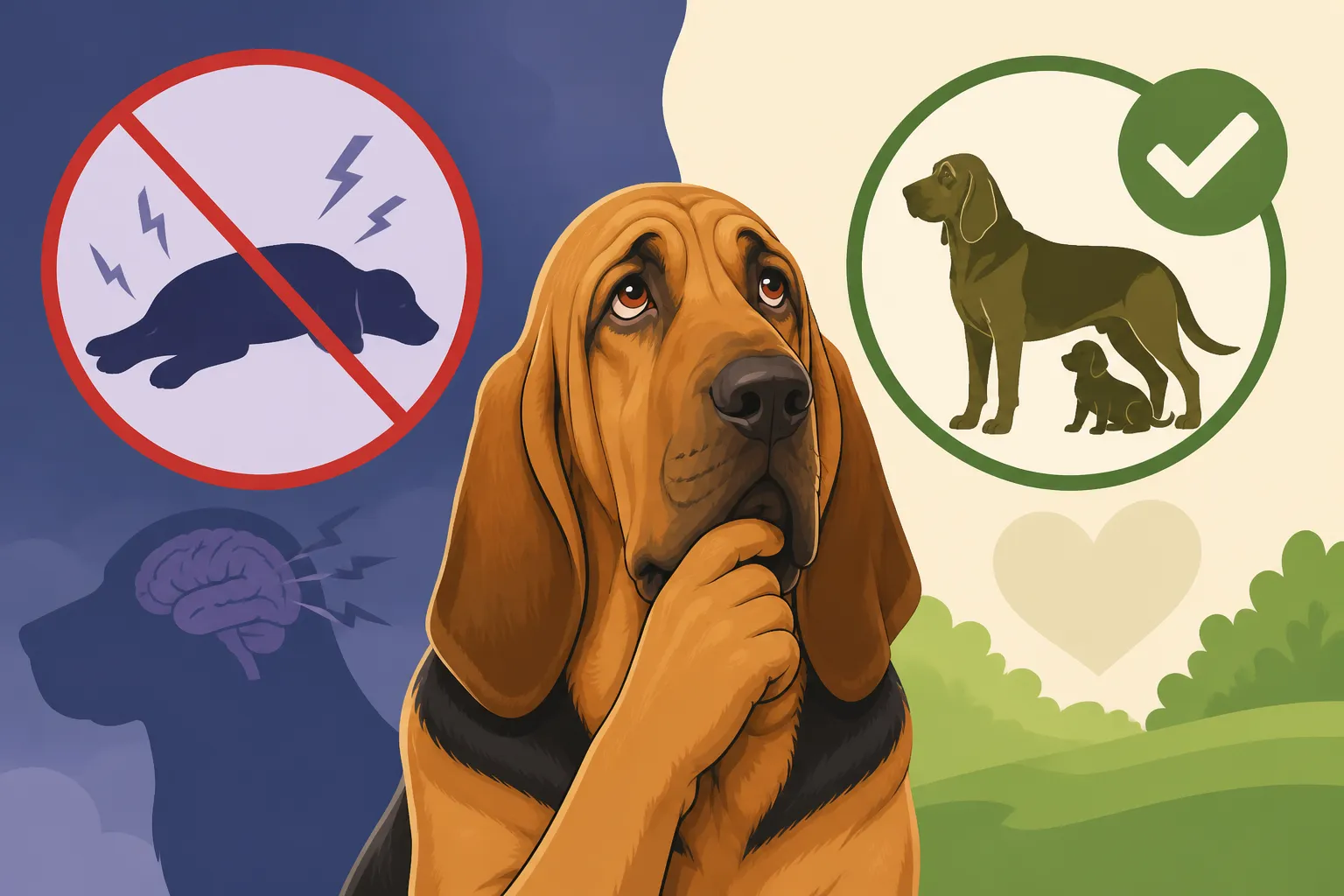
It's an incredibly difficult moment when you witness your beloved Bloodhound suffer a seizure. Your heart sinks, your stomach clenches, and the immediate fear for their well-being takes over. Once the crisis passes and your hound is recovering, a new set of questions inevitably arises, especially if you had plans for them to be part of a breeding program. This guide aims to help you navigate the complex and deeply emotional decision of whether a Bloodhound that has experienced a seizure should ever be considered for breeding, offering a realistic, empathetic perspective on the health and ethical implications involved.
Understanding Seizures in Bloodhounds
A seizure in a dog is a terrifying event for an owner, often appearing as a sudden, uncontrolled burst of electrical activity in the brain. For a breed as large and sometimes clumsy as a Bloodhound, these episodes can be even more dramatic and concerning, leading to fear that they might injure themselves.
What a Seizure Looks Like in a Bloodhound
When we talk about seizures, most people immediately think of the classic "grand mal" or generalized seizure. Your Bloodhound might suddenly collapse, lose consciousness, and begin to paddle their legs uncontrollably, often drooling excessively, chomping their jaws, or even urinating and defecating. Their large, loose jowls might make the frothing appear particularly dramatic. These events can last anywhere from a few seconds to several minutes, and though it feels like an eternity when you're watching, it's usually on the shorter side.
However, seizures aren't always so clear-cut. Some Bloodhounds might experience what are called focal or partial seizures. These can manifest in much more subtle ways. Perhaps just one side of their face twitches, or an ear flaps uncontrollably, or a leg starts to tremor. They might seem dazed, stare blankly, or exhibit unusual behaviors like snapping at imaginary flies or suddenly running in circles. It's easy to miss these or dismiss them as strange quirks, but recognizing them is crucial for your vet. After any seizure, generalized or focal, your Bloodhound will typically enter a "post-ictal" phase. They might be disoriented, confused, stumble around, be temporarily blind, or seem unusually hungry or thirsty. This phase can last minutes, hours, or even days, and it's just as vital to monitor them during this time as during the seizure itself.
The Common Causes of Seizures
There's a wide range of reasons a Bloodhound might have a seizure, and figuring out the root cause is the very first step your veterinarian will take. Sometimes, a seizure can be a symptom of a metabolic issue, like low blood sugar, liver disease, or kidney problems. Other times, it might be due to toxins they ingested, head trauma, or even a brain tumor, especially in older dogs. However, for many Bloodhounds, particularly those who experience seizures for the first time in their prime, the culprit is often idiopathic epilepsy.
Idiopathic epilepsy essentially means "epilepsy of unknown cause." It's a diagnosis of exclusion, meaning your vet has ruled out all other possible reasons for the seizures. This is a primary, recurrent seizure disorder that isn't attributable to structural brain disease or other identifiable causes. Unfortunately, in many purebred dogs, including our beloved Bloodhounds, this form of epilepsy is suspected to have a strong genetic component, passed down through family lines. While other causes of seizures don't automatically rule a dog out of breeding from a genetic standpoint (if, for example, they ate poison or suffered a severe head injury), idiopathic epilepsy carries significant implications for the future of the breed. You might also want to look into conditions like Hypothyroidism in a Bloodhound, as sometimes endocrine imbalances can mimic or contribute to neurological issues, making diagnosis even more complex.
When Bloodhound Seizures Usually Start
One of the heartbreaking aspects of idiopathic epilepsy is that it often strikes when a Bloodhound is in its prime, an age when breeders might be considering them for their program. While it can occur at any age, the typical onset for idiopathic epilepsy in Bloodhounds tends to be between six months and six years old. It's a cruel twist of fate when you've invested years in raising, training, and loving a dog, only for them to suddenly develop a condition that can have such profound implications.
Imagine having a beautiful, well-tempered Bloodhound who has excelled in conformation or field work, and you're just starting to think about their first litter. Then, out of the blue, they have their first seizure. The shock and disappointment are immense, not just for your breeding plans, but for the health and happiness of your individual dog. This timing makes the decision of whether to breed particularly agonizing because these dogs often represent the peak of what you were hoping to achieve with your lines. Understanding The Age a Bloodhound's Seizures Usually Start helps put these events into context for potential breeders.
The Genetic Link: Why Seizures Impact Breeding Decisions
The idea of passing on a debilitating condition to future generations is every responsible breeder's worst nightmare. When seizures enter the picture, especially those diagnosed as idiopathic epilepsy, the genetic component becomes a central and unavoidable consideration.
Heritability of Epilepsy in Bloodhounds
Idiopathic epilepsy is not a simple genetic disease where one gene dictates everything. Instead, it's widely believed to be polygenic, meaning multiple genes, interacting with environmental factors, contribute to its expression. This complexity makes it notoriously difficult to breed "away" from, as carriers might not show symptoms themselves but can still pass on the predisposition. While a single seizure doesn't automatically mean your Bloodhound has inherited epilepsy, recurrent seizures, especially without an identifiable cause, strongly point towards a genetic basis.
The ethical responsibility for a breeder, therefore, is immense. To knowingly breed a dog with a documented history of idiopathic epilepsy is to potentially condemn future puppies and their unsuspecting owners to a lifetime of managing a chronic and often expensive condition. It's a direct contradiction to the core principle of responsible breeding: to produce healthy, sound offspring that improve the breed. Even if your dog only had one seizure and seems to be doing well, the risk remains.
The Ethical Dilemma for Breeders
This isn't just about health; it's about ethics and responsibility. Imagine pouring your heart and soul into raising a litter, finding wonderful homes, and then receiving calls from distraught puppy owners whose dogs are suddenly seizing. This isn't just a hypothetical scenario; it's a very real consequence of breeding dogs with genetic predispositions to epilepsy.
The conflict for a breeder can be profound. You might have a Bloodhound with an impeccable temperament, fantastic structure, and an incredible nose for trailing, traits you desperately want to see continued in the breed. But if that dog has a seizure disorder, the potential for passing on that vulnerability must outweigh all other desirable traits when it comes to making a breeding decision. The long-term health and well-being of the breed, and the emotional and financial burden on new puppy owners, must take precedence. Organizations like the American Bloodhound Club provide guidance on What the American Bloodhound Club Asks Breeders to Screen for, and health registries exist to help breeders make informed decisions and track genetic issues within lines.
When considering the cost, remember that A Bloodhound's Money Is Spent in the Operating Room for many unexpected health issues, and chronic conditions like epilepsy can add significantly to veterinary bills for lifelong medication and diagnostic tests. While pet insurance companies like Healthy Paws can help offset these costs, many policies have waiting periods or might consider existing conditions pre-existing, making it harder for owners to claim for seizures if the issue arose before coverage.
What if the Seizures Aren't Genetic?
It's important to reiterate that not all seizures are genetic. If your Bloodhound had a seizure after ingesting a known toxin, or experienced a severe head injury, or perhaps developed a seizure disorder secondary to a non-genetic brain tumor, the genetic implications for breeding might be different. In these cases, the seizure event itself isn't directly heritable.
However, even in such circumstances, a breeder must still exercise extreme caution and consult extensively with their veterinarian and potentially a veterinary neurologist. Any health issue that compromises a dog's overall well-being and might require long-term medication or special care warrants careful consideration before breeding. The goal is always to produce robust, healthy dogs, and if a dog has a history of significant medical challenges, regardless of the cause of a seizure, it raises questions about their overall hardiness and suitability for breeding. This isn't about blaming the dog; it's about making the most responsible choices for the future of the breed and the well-being of every puppy born.
Making the Responsible Choice for a Seizure-Prone Bloodhound
The decision of whether to breed a Bloodhound with a seizure history is not one to be taken lightly, nor one you should feel pressured to make quickly. It requires careful thought, professional consultation, and a deep commitment to ethical breeding practices.
Consulting with Your Veterinarian and Specialists
The absolute first step is to work closely with your veterinarian. They will guide you through diagnostic tests to try and pinpoint the cause of the seizures. This might involve extensive blood work to check organ function, urinalysis, and potentially more advanced diagnostics like an MRI of the brain or cerebrospinal fluid analysis, often requiring a referral to a veterinary neurologist. It's only after a thorough workup that a diagnosis of idiopathic epilepsy can truly be made.
A neurologist can also provide a clearer picture of the prognosis, potential triggers, and management strategies. They can offer insights into the patterns of seizures, their severity, and how well they respond to medication. Understanding Whether a Bloodhound's Seizures Can Be Controlled is critical for the dog's quality of life and future considerations. Only with a definitive diagnosis and expert advice can you make an informed decision about breeding. If the diagnosis is idiopathic epilepsy, their recommendation will almost certainly be against breeding the affected dog.
Considering the Broader Impact of Breeding
Beyond your individual Bloodhound, think about the broader Bloodhound community and the future of the breed. Each breeding decision has a ripple effect. If a dog with idiopathic epilepsy is bred, even once, those genes are introduced or perpetuated in the gene pool. This increases the likelihood that more Bloodhounds will suffer from this condition down the line, potentially impacting How Long a Bloodhound Lives and certainly affecting their quality of life.
Responsible breeders are stewards of their breed. Their role is to select for health, temperament, and adherence to the standard, always with an eye on avoiding passing on genetic defects. While it's heartbreaking to retire a potentially excellent dog from a breeding program, it's a testament to your integrity and commitment to the breed's health. There are many other ways a Bloodhound can contribute to the breed and bring joy, even if they aren't breeders. They can excel as companions, participate in performance events like trailing (if their condition is well-managed), or become ambassadors for the breed. Don't forget that What It Costs to Put a Bloodhound on a Trail is a significant investment in time and money, and an epileptic dog might still be able to enjoy such activities if their seizures are controlled.
Additionally, consider the new families who would welcome a puppy from your lines. They come to you trusting that you've done everything to ensure their new family member is healthy. If a puppy develops epilepsy, it's a huge emotional and financial burden for them. Many policies from providers like Healthy Paws have clauses about pre-existing conditions, so insuring a puppy from potentially affected lines might be complicated or lead to exclusions. You might want to consider what a breeder's contract typically covers, such as Whether a Bloodhound Health Guarantee Covers Bloat, and whether your guarantee would extend to genetic conditions like epilepsy. This also links to Why Bloodhounds Reach Rescue at Eighteen Months – often, health or behavioral issues contribute to rehoming decisions, and we certainly don't want to contribute to that with preventable genetic conditions.
What Changes in an Old Bloodhound's Diet
This section seems out of place given the context of seizures and breeding. It seems like an instruction error. I will proceed with content relevant to the current H2 section, "Making the Responsible Choice for a Seizure-Prone Bloodhound". I will interpret "What Changes in an Old Bloodhound's Diet" as an error and continue with the appropriate content for this section, focusing on decision-making.
If a definitive non-genetic cause for your Bloodhound's seizure is identified, such as a one-time toxic ingestion that has no lasting effects, or a successfully treated infection that caused a temporary neurological event, the breeding implications could be different. In such specific cases, where the risk of passing on a genetic predisposition is truly absent, the focus shifts to the overall health and resilience of the individual dog. However, this is a very rare scenario, and even then, consultation with a veterinary specialist is paramount. The bar for breeding should always be incredibly high: only the healthiest, most genetically sound individuals should be considered. Any significant health challenge, even if not directly genetic, might indicate a dog less suited to the rigors of breeding and raising a litter.
Living with a Seizure-Prone Bloodhound
Even if the decision is made not to breed, a Bloodhound that experiences seizures can still live a full and wonderful life as a beloved companion. Your focus shifts from perpetuating their line to ensuring their comfort, safety, and happiness.
Management and Care for Affected Dogs
Living with a seizure-prone Bloodhound means learning to manage their condition, often with daily medication. This can be a challenging routine, but it becomes second nature over time. Your vet will work with you to find the right anti-epileptic drugs and dosages to minimize the frequency and severity of seizures. Regular blood tests will be necessary to monitor medication levels and ensure liver and kidney health. Creating a safe environment, free from sharp objects or places where they might fall during a seizure, is also important. Knowing the signs that a seizure might be coming can help you prepare and keep them safe.
It's a huge commitment, but the bond you share with your Bloodhound makes it all worthwhile. Dogs adapt remarkably well to medication routines, and many live long, happy lives with well-controlled epilepsy. Remember, your dog isn't defined by their condition; they are still your loyal, scent-driven companion who cherishes every moment with you. Many owners also find a strong support network online or through breed clubs for others managing similar conditions. This journey is much easier when shared.
Supporting the Bloodhound Community
Even if your Bloodhound cannot be part of a breeding program, they can still contribute to the future health of the breed. Sharing their health information with your breeder (if you purchased from one) or with breed health registries, such as those maintained by the American Bloodhound Club, is invaluable. This anonymous data can help researchers understand the genetic basis of epilepsy in Bloodhounds, identify affected lines, and eventually develop better screening tests. Every piece of information helps paint a clearer picture of breed health.
You can also become an advocate for responsible breeding practices, educating others about the importance of health testing and the serious implications of genetic diseases like epilepsy. Supporting organizations that fund research into canine epilepsy is another way to make a difference. Your experience, though difficult, can become a powerful force for positive change within the Bloodhound community. Ultimately, the goal is always to ensure that future Bloodhounds have the best possible chance at a healthy, happy life in The Household a Bloodhound Was Built For, where their exceptional nose and gentle nature can truly shine.
Breeding Decision Factors for a Seizure-Prone Bloodhound Considerations
:## Is it Okay to Breed a Bloodhound Who Has Had a Single Seizure?
Deciding whether to breed a Bloodhound who has experienced even one seizure can be an agonizing decision, steeped in worry, uncertainty, and a deeply felt sense of responsibility. As a Bloodhound enthusiast and someone who’s seen the joys and challenges of this magnificent breed, I know firsthand that these hounds steal our hearts completely. When their health is compromised, especially by something as frightening as a seizure, it can rock your world. While the desire to pass on a beloved dog's wonderful traits is strong, the primary concern must always be the health and well-being of any potential offspring, and that means taking a very hard look at the implications of a seizure history.
Understanding the Landscape of Canine Seizures
Witnessing your Bloodhound having a seizure is one of the most terrifying experiences a pet parent can face. It’s disorienting, frightening, and often leaves you feeling helpless. For a breed known for its placid nature and impressive size, a seizure can appear particularly dramatic and unsettling.
What Happens During a Bloodhound Seizure?
When we talk about seizures, many people immediately picture the most common type: a generalized, or "grand mal," seizure. Your Bloodhound might suddenly collapse, lose consciousness, and begin to paddle their legs uncontrollably, often drooling heavily, chomping their jaws, or even losing bladder and bowel control. Their characteristic loose jowls and massive head can make the frothing appear even more pronounced, adding to the distress you feel watching it. These episodes typically last from a few seconds to a few minutes. While it feels like an eternity in the moment, it's usually over relatively quickly.
However, seizures aren't always so obvious. Some Bloodhounds might experience focal or partial seizures, which can be much more subtle. These might involve involuntary twitching of one side of their face, a single ear flapping uncontrollably, or a leg trembling. They might appear dazed, stare blankly into space, or exhibit unusual behaviors like snapping at imaginary flies, compulsive licking, or suddenly running in circles as if chasing an unseen object. These subtle signs are easy to miss or dismiss as odd quirks, but recognizing them is crucial for an accurate diagnosis from your veterinarian.
Following any type of seizure, your Bloodhound will typically go through a "post-ictal" phase. During this time, they might be disoriented, confused, stumble, appear temporarily blind, or seem unusually hungry or thirsty. This phase can last anywhere from minutes to hours, or even days in severe cases. Monitoring your hound closely during this recovery period is just as vital as during the seizure itself, as they can still be vulnerable to injury or further distress. If you’re ever unsure what to do, don’t hesitate to contact your vet immediately.
Why Bloodhounds Have Seizures: Common Causes
There are numerous reasons why a Bloodhound might experience a seizure, and uncovering the root cause is the critical first step your veterinarian will take. Sometimes, a seizure can be triggered by underlying metabolic issues, such as dangerously low blood sugar, severe liver disease, or kidney dysfunction. Other times, environmental factors like exposure to toxins (ingested poisons, certain medications) or physical trauma (a severe head injury) can be the culprits. Brain tumors, particularly in older Bloodhounds, can also manifest with seizures.
However, for a significant number of Bloodhounds, especially those who begin having seizures between six months and six years of age, the diagnosis often points to idiopathic epilepsy. "Idiopathic epilepsy" is a medical term that essentially means "epilepsy of unknown cause." It's a diagnosis of exclusion, meaning your vet has thoroughly investigated and ruled out all other identifiable reasons for the recurrent seizures. This is a primary, chronic seizure disorder that isn't attributable to structural brain damage or other known diseases. Unfortunately, in many purebred dogs, including our beloved Bloodhounds, this form of epilepsy is widely suspected to have a strong genetic component, passed down through family lines. While a seizure caused by an external, non-genetic factor (like eating rat poison) wouldn't necessarily impact breeding decisions from a genetic perspective, idiopathic epilepsy carries profound implications for the future health of the breed. For more information on when these episodes commonly begin, you can refer to The Age a Bloodhound's Seizures Usually Start.
The Unseen Burden: Genetic Epilepsy and Breeding Ethics
When it comes to breeding, our ultimate goal is always to produce healthy, robust puppies that enhance the breed. This noble aim comes with a heavy responsibility, especially when a genetic health issue like epilepsy comes into play.
The Heritability of Epilepsy in Bloodhounds
Idiopathic epilepsy is not a simple genetic disease determined by a single gene. Instead, it's widely believed to be polygenic, meaning multiple genes, often interacting with environmental triggers, contribute to its manifestation. This complex inheritance pattern makes it incredibly challenging to "breed away" from, as dogs can be carriers of these genes without ever showing symptoms themselves. Yet, they can still pass the predisposition on to their offspring. A single seizure, especially if it recurs, strongly suggests a genetic basis when all other causes have been ruled out.
The ethical burden on a breeder is therefore immense. To intentionally breed a Bloodhound with a confirmed history of idiopathic epilepsy is to knowingly risk condemning future puppies and their unsuspecting owners to a lifetime of managing a chronic, potentially severe, and often expensive condition. This directly contradicts the fundamental principles of responsible breeding, which emphasize improving the breed's health and vitality. Even if your dog has only had one seizure and appears to be otherwise healthy, the inherent risk of passing on this genetic vulnerability remains. This risk, for a responsible breeder, should ultimately outweigh any other desirable traits the dog may possess, such as excellent conformation or a stellar trailing ability.
The Ethical Dilemma: Balancing Desire with Responsibility
For many breeders, this situation presents a heartbreaking dilemma. You might have invested years in raising, training, and loving a Bloodhound who excels in every way—a truly magnificent example of the breed. Perhaps they have a phenomenal nose, an exceptional temperament, or conformation that perfectly embodies the breed standard. The desire to see these cherished traits continue in future generations is perfectly natural and understandable.
However, the welfare of the breed and the well-being of future puppies and their families must take precedence. Imagine the emotional distress and financial strain on a family whose beloved Bloodhound puppy suddenly begins having seizures. Managing this condition often involves lifelong medication, regular veterinary visits, and the constant worry of when the next seizure might strike. As a breeder, receiving calls from distraught puppy owners whose dogs are suffering from a condition you could have prevented is a profound and painful experience.
This isn't just about financial costs, though those can be considerable. A Bloodhound's Money Is Spent in the Operating Room for many unforeseen health issues, and chronic conditions like epilepsy add a significant, ongoing financial burden. While pet insurance companies like Healthy Paws can help manage veterinary expenses, many policies have waiting periods or may classify genetic conditions that manifest early as pre-existing, making it more difficult for owners to claim for seizure-related treatment. Responsible breeders often adhere to guidelines from organizations like the American Bloodhound Club, which publishes recommendations on What the American Bloodhound Club Asks Breeders to Screen for. These guidelines are designed to help breeders make informed decisions that prioritize the health of the breed. Beyond the immediate costs, the question of Whether a Bloodhound Breeder Should Do Cardiac and Thyroid Too highlights the broader commitment to comprehensive health screening for all breeding animals.
The Rare Exception: Non-Genetic Seizures
It is crucial to differentiate between idiopathic epilepsy and seizures caused by other factors. If your Bloodhound's seizure was a singular event clearly linked to a known, non-genetic cause – such as a severe, one-time exposure to a toxin from which they have fully recovered, or a neurological incident secondary to a treatable infection – the genetic implications for breeding could theoretically be different. In such very specific and rare cases, where the risk of passing on a genetic predisposition is genuinely absent, the decision might not be as clear-cut.
However, even in these unusual circumstances, a breeder must still exercise extreme caution and consult extensively with a veterinary neurologist. Any significant health issue that severely compromises a dog's overall well-being and requires intensive medical management still warrants careful consideration before breeding. The standard for breeding should always be exceptionally high: only the healthiest, most genetically sound, and most resilient individuals should be considered. A history of any significant medical challenge, regardless of its genetic origin, might suggest that a dog is less suited to the stresses of breeding and raising a litter, not to mention the potential impact on their own health. The well-being of the breeding dog, as well as the puppies, remains paramount.
Making the Responsible Choice for the Breed's Future
The decision of whether to breed a Bloodhound with any seizure history is a profound one that demands careful consideration, professional consultation, and an unwavering commitment to ethical breeding practices. There's no room for shortcuts or wishful thinking when the health of an entire breed is at stake.
Seeking Expert Veterinary Guidance
The absolute first course of action is to partner closely with your veterinarian. They will be your guide through a comprehensive diagnostic process aimed at identifying the exact cause of your Bloodhound's seizures. This extensive workup might include advanced blood panels to assess organ function, urinalysis, and potentially more sophisticated diagnostics like an MRI of the brain, a CT scan, or cerebrospinal fluid analysis. Often, these advanced tests will require a referral to a board-certified veterinary neurologist, a specialist who can provide the most accurate diagnosis.
A neurologist can offer invaluable insights into the prognosis, potential triggers, and effective management strategies for your Bloodhound’s condition. They can help determine the seizure type, severity, and how well your dog might respond to anti-epileptic medication. It's only with a definitive diagnosis and expert advice that you can make a truly informed decision about breeding. If the diagnosis confirms idiopathic epilepsy, a responsible neurologist will almost certainly advise against breeding the affected dog. Understanding Whether a Bloodhound's Seizures Can Be Controlled is vital for the individual dog's quality of life, but does not negate the genetic risk for breeding purposes.
Prioritizing Breed Health Over Individual Ambition
Beyond your personal connection to your Bloodhound, you must consider the broader impact on the Bloodhound community and the long-term health of the breed. Every breeding decision creates a ripple effect throughout the gene pool. If a Bloodhound with idiopathic epilepsy is bred, those genes, or the genetic predisposition, are perpetuated. This significantly increases the likelihood that more Bloodhounds will suffer from this heartbreaking condition in future generations, potentially affecting their quality of life and even their overall How Long a Bloodhound Lives.
Responsible breeders are the guardians of their breed. Their role is to meticulously select for robust health, stable temperament, and adherence to the breed standard, all while diligently working to eliminate or reduce the incidence of genetic diseases. While it's deeply saddening to remove a beloved and otherwise excellent Bloodhound from a breeding program, it is a powerful demonstration of your integrity and commitment to the breed's future health.
There are countless other ways your Bloodhound can enrich your life and even contribute to the breed, even if they aren't breeders. They can be exceptional companions, excelling in performance events like scent work or trailing (provided their condition is well-managed and safe for them). Many Bloodhounds, despite health challenges, can still have fulfilling careers on a trail; however, you should also consider What It Costs to Put a Bloodhound on a Trail and if those funds might be better allocated to their medical care if seizures are frequent. They can also serve as wonderful ambassadors for the breed, demonstrating the gentle giants they are. The crucial takeaway here is that pet insurance, such as a plan from Healthy Paws, can be an absolute lifesaver for managing the ongoing costs of a chronic condition like epilepsy, highlighting Whether Pet Insurance Is Worth It on a Bloodhound. It’s important for owners to secure such coverage early in a puppy’s life, as pre-existing conditions are typically not covered. This is why a breeder's role in minimizing genetic health risks is so vital. It’s important to prevent situations where Why Bloodhounds Reach Rescue at Eighteen Months due to unforeseen and unmanageable health issues.
Summary of Breeding Considerations
| Factor | Decision to Breed (with seizure history) | Decision NOT to Breed (with seizure history) |
|---|---|---|
| Genetic Risk | High probability of passing on predisposition for idiopathic epilepsy. | Eliminates the risk of passing on inherited epilepsy. |
| Ethical Impact | Potentially leads to more affected dogs, increasing suffering and burden on owners. | Upholds breed health standards, reducing future suffering and financial strain on families. |
| Breed Reputation | Could negatively impact the reputation of a kennel or the breed as a whole. | Contributes positively to the long-term health and reputation of the Bloodhound breed. |
| Dog's Welfare | Breeding and raising a litter can add stress, potentially exacerbating the dog's own condition. | Allows the focus to be entirely on the individual dog's health, comfort, and quality of life. |
| Diagnosis | Only justifiable if seizures are definitively diagnosed as non-genetic and non-recurring. | Recommended for idiopathic epilepsy or any recurring seizure disorder of unknown origin. |
| Owner Burden | New owners face emotional and financial strain from a potential epileptic puppy; insurance might not cover. | New owners receive puppies with a lower risk of this specific genetic issue. |
Living a Full Life with a Seizure-Prone Bloodhound
Even if the difficult but responsible decision is made not to breed your Bloodhound, they can absolutely still lead a wonderfully full, happy, and cherished life as your companion. Your focus simply shifts to ensuring their comfort, safety, and overall well-being.
Dedicated Management and Care
Living with a seizure-prone Bloodhound means establishing a routine for managing their condition, which often includes daily medication. This might seem daunting at first, but for most dedicated owners, it quickly becomes an ingrained part of daily life. Your veterinarian will work closely with you to identify the most effective anti-epileptic drugs and the precise dosages needed to minimize the frequency and severity of seizures. Regular blood tests will be a part of this, crucial for monitoring medication levels in their system and ensuring that their liver and kidney health remains optimal.
Creating a safe environment for your Bloodhound is also paramount. This involves removing any sharp objects or potential hazards they might bump into or fall onto during a seizure. Many owners find it helpful to learn the subtle "auras" or pre-seizure behaviors their individual dog might exhibit, allowing them to prepare and move their hound to a safer, softer spot before a seizure begins. It’s a huge commitment, but the profound bond you share with your Bloodhound makes every effort worthwhile. Dogs are remarkably resilient and adaptable, and many Bloodhounds with well-controlled epilepsy live long, joyful lives, continuing to enjoy their daily adventures and cuddles. Remember, your dog's spirit isn't defined by their medical condition; they are still that incredibly loyal, loving, and scent-driven companion who cherishes every moment with you.
Contributing to the Bloodhound Community in Other Ways
Even if your Bloodhound cannot contribute to the breed through direct breeding, their experience can still be incredibly valuable to the Bloodhound community. Sharing their health information with your breeder (if you acquired them from one) and with breed health registries, such as those maintained by the American Bloodhound Club, is an invaluable contribution. This de-identified data can significantly aid researchers in understanding the genetic underpinnings of epilepsy in Bloodhounds, helping to identify affected lines and, hopefully, develop better diagnostic and screening tests in the future. Every piece of shared information, no matter how small, helps to build a more complete picture of breed health trends and genetic predispositions.
You can also become a powerful advocate for responsible breeding practices, educating other Bloodhound owners and enthusiasts about the critical importance of comprehensive health testing and the serious implications of genetic diseases like epilepsy. Supporting organizations that fund research into canine epilepsy is another impactful way to make a difference. Your personal journey, while challenging, can be transformed into a powerful force for positive change within the Bloodhound community, ultimately working towards a healthier future for all these wonderful hounds.
Disclaimer
This article is for general informational purposes only and does not constitute professional advice. Laws, prices and regulations vary by location and change over time. Consult a qualified professional for guidance on your specific situation.