Whether Bloat Accounts for a Quarter of Bloodhound Deaths
As a Bloodhound owner, few things strike fear into your heart quite like the word "bloat." It's a terrifying, sudden, and often fatal condition that can snatch our beloved hounds away in mere hours. We constantly worry if we're doing enough to prevent it, and the question often arises: just how common is this devastating emergency? This guide dives deep into the statistics and realities of bloat, specifically addressing whether it truly accounts for a quarter of all Bloodhound deaths.
Understanding Bloat and Its Devastating Impact on Bloodhounds
Bloat, scientifically known as Gastric Dilatation-Volvulus (GDV), isn't just an upset tummy; it's a critical, life-threatening emergency that no Bloodhound owner ever wants to face. It's a condition where the stomach fills with gas and often twists upon itself, cutting off blood flow and causing irreversible damage to vital organs. For a Bloodhound, this isn't just a risk – it's a very real and present danger.
What is Gastric Dilatation-Volvulus GDV?
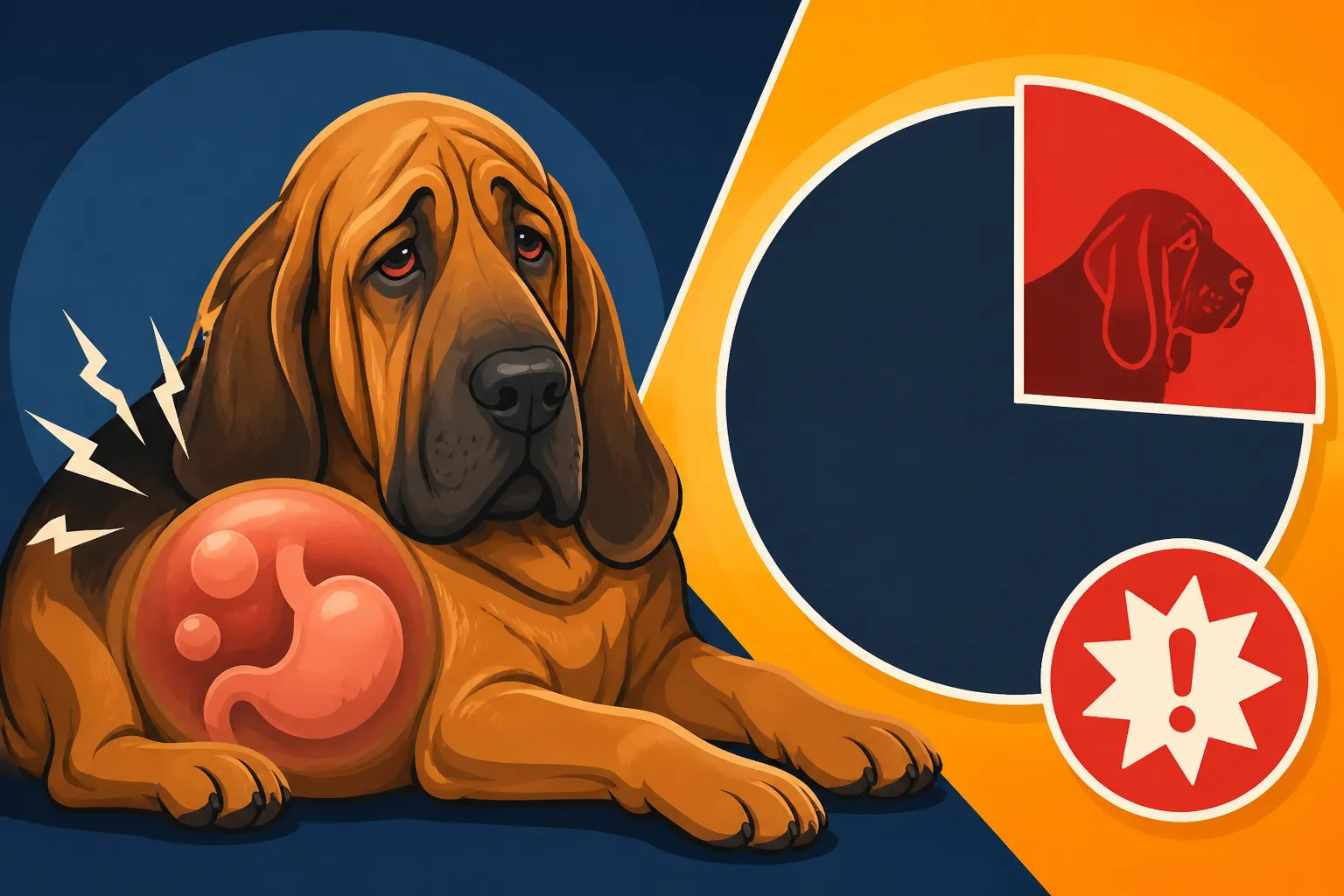
Imagine your dog's stomach, usually a flexible, somewhat balloon-like organ, suddenly expanding with an enormous amount of gas. This alone, called gastric dilatation, is incredibly painful and causes immense pressure. But the real horror of GDV happens when that gas-filled stomach then twists on its axis. Think of a towel being wrung out – that's what happens to your dog's stomach, and often, its spleen. When this twisting, or volvulus, occurs, both the entry and exit points of the stomach are sealed off. Nothing can get in or out. Blood flow to the stomach and surrounding organs is severely compromised, leading to tissue death, shock, and ultimately, if not treated immediately, organ failure and death.
The symptoms can be subtle at first, maybe just some restlessness or pacing. But they escalate rapidly. Your Bloodhound might try to vomit but produce nothing (retching), their abdomen might distend and feel tight, and they'll likely show signs of extreme pain and distress. This is not a situation where you can "wait and see." If you suspect bloat, every single minute counts. Understanding the mechanics of what happens inside your dog's body during GDV really drives home the urgency of immediate veterinary care.
The Alarming Speed of Bloat in Bloodhounds
One of the most terrifying aspects of bloat for Bloodhound owners is how incredibly fast it can progress from seemingly normal to critical. You might be enjoying a quiet evening, and within an hour or two, your dog can be in a life-threatening crisis. The initial gas buildup can happen quickly after a meal, especially if your dog has eaten rapidly or engaged in strenuous activity soon after. Once the stomach twists, the clock truly starts ticking. Without intervention, the pressure continues to build, cutting off circulation and leading to organ damage and toxemia.
Veterinarians often talk about a "golden hour" or a very small window to intervene effectively. After just a few hours, the chances of survival drop dramatically, even with surgery. This rapid progression means that knowing the signs and having an emergency plan in place is paramount for Bloodhound owners. There's no time to research or call multiple clinics; you need to know where you're going and what steps to take the moment you see suspicious symptoms. Many owners describe the experience as a blur of panic and speed, trying to get their dog to an emergency veterinary clinic as fast as possible. This is why discussions around topics like The Half Hour a Bloating Bloodhound Has are so vital for preparedness.
Why Bloodhounds are Uniquely Vulnerable
It's a frustrating reality that some breeds are simply more predisposed to bloat than others, and our beloved Bloodhounds unfortunately fall squarely into that high-risk category. The primary anatomical factor that makes them so vulnerable is their deep, narrow chest conformation. Think of it like a long, cylindrical barrel – there's more space for the stomach to swing around and twist if it becomes distended. Breeds with broad, shallow chests tend to have less room for this dangerous rotation to occur.
Beyond chest shape, other factors often associated with Bloodhounds also contribute to their risk. Their tendency to eat rapidly, their often anxious or excitable temperament, and their large size all play a role. A lean Bloodhound, ironically, can sometimes be at higher risk because there's less fat to hold internal organs in place. While genetics are still being researched, it's widely believed that there's a hereditary component to bloat risk. This means if a Bloodhound's relatives have bloated, their risk might be higher. This unique combination of physical traits and potential genetic predispositions makes bloat a constant concern for anyone sharing their home with one of these magnificent hounds. For a deeper dive into the anatomical reasons, consider reading Why a Bloodhound's Chest Shape Causes Bloat.
Examining the Statistics: Does Bloat Account for a Quarter of Deaths?
It's a stark question that weighs heavily on Bloodhound owners: is bloat really responsible for such a large percentage of deaths? While pinpointing an exact "quarter" (25%) can be tricky due to varying data collection methods and study populations, the overwhelming consensus is that bloat is a leading cause of mortality in Bloodhounds, accounting for a significant and distressing proportion of their losses.
The Reality of Bloodhound Mortality Rates
When we look at studies and veterinary data concerning the lifespan and causes of death in large and giant breed dogs, bloat consistently ranks among the top killers for Bloodhounds. While specific numbers can fluctuate between studies, it's common to see figures ranging from 15% to 30% or even higher for bloat-related deaths in high-risk breeds like Bloodhounds. This means the idea that bloat accounts for around a quarter of Bloodhound deaths is not an exaggeration; it aligns very closely with what veterinary professionals and researchers observe in the field.
This percentage is particularly tragic because, unlike some age-related diseases, bloat often strikes healthy, otherwise vibrant dogs, sometimes even young adults. It's not a gradual decline but a sudden, catastrophic event that leaves owners feeling helpless and heartbroken. The high mortality rate isn't just about the initial event, either; complications even after successful surgery can lead to further issues, adding to the overall impact. This makes the question of What Most Bloodhounds Actually Die Of a difficult one, with bloat so prominently featured.
The Purdue Bloat Study and its Findings
The Purdue Bloat Study is one of the most comprehensive and frequently cited research efforts into Gastric Dilatation-Volvulus (GDV) in dogs. This groundbreaking study, conducted over many years at Purdue University, provided invaluable insights into the risk factors and potential preventive measures for bloat. While it didn't focus exclusively on Bloodhounds, they were certainly included as a high-risk breed, and the findings have profound implications for Bloodhound owners.
Among its many conclusions, the study identified several key risk factors. It highlighted that eating one large meal a day, rapid eating, genetics, and stress could increase the likelihood of bloat. It also pointed out the significant role of chest conformation, confirming that deep-chested breeds are at a higher risk. Perhaps most importantly, the Purdue study strongly advocated for preventive gastropexy as a highly effective method to reduce the risk of GDV. The data from this study underpins much of the advice given today to owners of at-risk breeds. For a detailed breakdown of these critical findings, exploring What the Purdue Bloat Study Found About Bloodhounds is a must.
Other Significant Causes of Death in Bloodhounds
While bloat undoubtedly casts a long shadow over Bloodhound health, it's important to remember that they are also susceptible to other serious health issues that contribute to their overall mortality rates. Knowing these helps owners understand the broader health landscape for their breed.
- Cancer: Like many large and giant breeds, Bloodhounds are unfortunately prone to various forms of cancer. Lymphoma, osteosarcoma (bone cancer), and mast cell tumors are among those frequently seen. The incidence of cancer often increases with age, becoming a more prevalent cause of death in senior Bloodhounds.
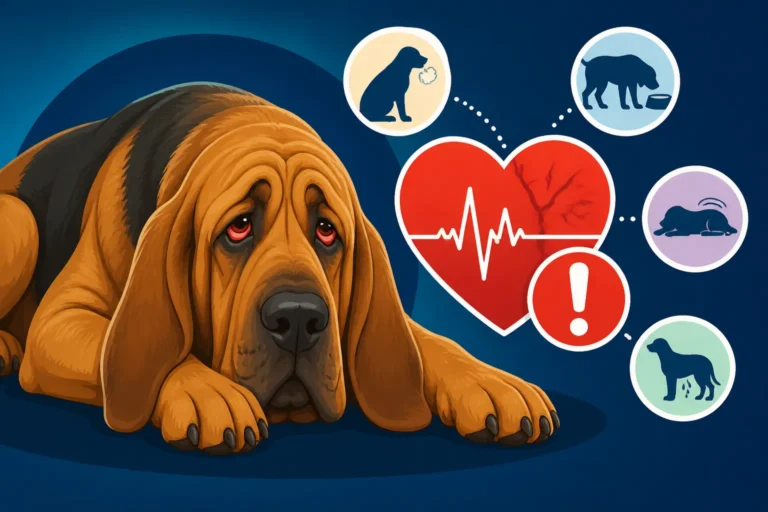
- Heart Disease: Bloodhounds can also suffer from various cardiac conditions, with dilated cardiomyopathy (DCM) being a concern in some lines. This condition weakens the heart muscle, leading to heart failure. Regular cardiac screenings can sometimes help detect these issues early. More information on this can be found in discussions about Heart Disease in the Bloodhound.
- Orthopedic Issues: While hip and elbow dysplasia are more commonly associated with chronic pain and mobility issues than direct mortality, severe cases or complications from surgery can indirectly contribute to a Bloodhound's decline or difficult quality of life decisions. These conditions significantly impact their overall health and well-being.
- Other Age-Related Conditions: As Bloodhounds age, typically starting around six years old, they become more susceptible to kidney disease, cognitive decline, and other systemic failures that naturally come with aging. Discussions around Aging in a Bloodhound Starts at Six often delve into these challenges.
It's clear that while bloat is a rapid and often fatal event, other diseases also play a crucial role in shortening the lives of these magnificent dogs. This emphasizes the importance of comprehensive veterinary care throughout a Bloodhound's life, not just focusing on one ailment, however terrifying.
Proactive Measures and Prevention Strategies
Given the devastating nature and high mortality rate of bloat, taking proactive steps to prevent it is perhaps the most critical responsibility of a Bloodhound owner. While no method is 100% foolproof, there are significant actions you can take to dramatically reduce your beloved hound's risk.
Recognizing the Early Signs of Bloat
One of the greatest challenges with bloat is its rapid progression. Early recognition is absolutely key to improving survival rates. As an owner, you need to be hyper-aware of your Bloodhound's normal behavior and quickly identify anything out of the ordinary, especially after meals or exercise.
Here are the critical signs to watch for:
- Retching without producing anything: This is a hallmark symptom. Your dog might look like they're trying to vomit, their body heaving, but nothing comes up or maybe just a little foamy saliva.
- Distended or swollen abdomen: This might be subtle at first, especially in larger, more heavily coated Bloodhounds, but their stomach area (behind the ribs) will often look tight, hard, and larger than usual. Sometimes it's more noticeable on one side.
- Restlessness and pacing: Your Bloodhound might be unable to get comfortable, constantly shifting, standing, or trying to lie down in different positions. They may groan or whine.
- Excessive drooling: This can be a sign of nausea or discomfort.
- Pain signals: They might look at their flank, snap if you try to touch their belly, or exhibit general signs of discomfort and pain.
- Weakness or collapse: As bloat progresses, your dog will become increasingly weak, their gums might become pale, and they could collapse due to shock.
If you observe any combination of these signs, particularly the non-productive retching and abdominal distension, do not hesitate. This is an immediate emergency. Call your veterinarian or the nearest 24-hour emergency clinic while you are on the way. Timeliness is literally a matter of life or death. For more details on what to look for, check out Signs a Bloodhound Is Bloating.
The Role of Preventive Gastropexy
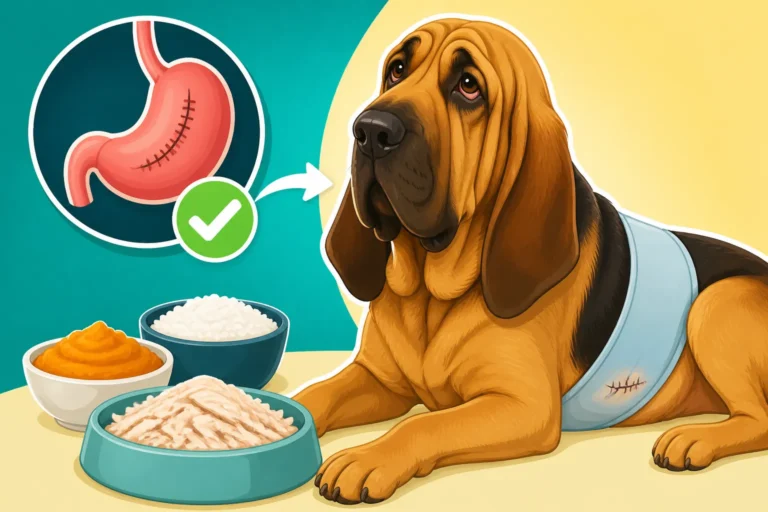
For breeds like the Bloodhound, which are at such a high risk for bloat, a preventive gastropexy is often recommended by veterinarians. This elective surgical procedure involves permanently attaching the stomach to the abdominal wall. The goal is simple: if the stomach dilates with gas, it won't be able to twist, thus preventing the fatal volvulus component of GDV.
A gastropexy doesn't prevent the stomach from filling with gas (dilatation), but it prevents the twist that causes the most severe, life-threatening complications. While a dog who has had a gastropexy can still experience bloat (gas accumulation), it's typically much less severe and far less likely to be fatal because the stomach cannot twist. This can mean the difference between a trip to the vet for gas relief and emergency, life-saving surgery.
Many owners choose to have this procedure done when their Bloodhound is already undergoing another surgery, such as spaying or neutering. This reduces the number of times the dog needs to be anesthetized and often makes the procedure more cost-effective. Given the significant costs associated with emergency bloat surgery (which can easily run into several thousands of dollars, making What Emergency Bloat Surgery Costs on a Bloodhound a sobering read), a preventive gastropexy is often seen as a wise investment in your dog's health and your peace of mind. Veterinary insurance providers like Healthy Paws often cover elective procedures like gastropexy if it's done before any symptoms of bloat appear, making it an even more accessible option.
Everyday Management to Reduce Risk
Beyond surgical intervention, daily habits and careful management play a crucial role in minimizing your Bloodhound's bloat risk. These aren't just suggestions; for a high-risk breed, they're part of responsible ownership.
- Multiple Small Meals: Instead of one large meal, feed your Bloodhound two or three smaller meals throughout the day. This reduces the amount of food and gas that can accumulate in the stomach at any one time.
- Slow Down Eating: If your Bloodhound scarfs down their food in seconds, consider using a slow-feeder bowl or a puzzle feeder. There are many options available, including bowls with raised ridges or inserts that force your dog to eat around obstacles, significantly slowing their consumption.
- Limit Exercise Around Meals: Avoid strenuous exercise, excessive excitement, or rough play for at least an hour before and two hours after meals. This allows the food to settle and digest without undue stomach movement. Even a car ride immediately after eating can be a risk.
- Provide Constant Fresh Water: Ensure your Bloodhound always has access to fresh water, but discourage them from guzzling large amounts immediately after meals. A little at a time is fine.
- Minimize Stress: While harder to quantify, stress and anxiety are believed to be contributing factors to bloat. A calm, consistent routine and a secure environment can help manage your Bloodhound's overall stress levels.
- Choose Appropriate Food: While the debate about specific ingredients is ongoing, generally, high-quality large-breed formulas are recommended. Avoid foods with citric acid listed among the first four ingredients, as the Purdue study indicated a potential link. Also, ensure the kibble size is appropriate – too small, and they might swallow too much air.
Incorporating these practices into your daily routine offers a strong line of defense against bloat. While a gastropexy offers the most robust protection, these daily management strategies are essential complementary measures. A robust insurance plan, like one from Healthy Paws, can also provide financial peace of mind should a medical emergency arise.
| Bloat Symptom | Normal Bloodhound Behavior | Action Needed |
|---|---|---|
| Non-productive retching (trying to vomit but nothing comes up) | Occasional cough, spitting up grass, actual vomiting of food | EMERGENCY VET IMMEDIATELY |
| Distended, hard, painful abdomen | Soft, pliable belly, may feel full after eating | EMERGENCY VET IMMEDIATELY |
| Restlessness, pacing, inability to get comfortable | Settles quickly for a nap, normal stretching | Monitor closely; if combined with other signs, VET |
| Excessive drooling | Minor drooling (normal for Bloodhounds), drooling during anticipation of food | Monitor; if excessive and continuous, VET |
| Weakness, collapse, pale gums | Alert, energetic, pink gums | EMERGENCY VET IMMEDIATELY |
| Rapid, shallow breathing | Normal respiratory rate, calm breathing | Monitor closely; if rapid and sustained, VET |
| Standing with head down, hunched back (prayer position) | Normal posture, comfortable lying positions | EMERGENCY VET IMMEDIATELY |
Navigating the Emotional and Financial Impact of Bloat
The reality that bloat accounts for such a significant portion of Bloodhound deaths isn't just a statistic; it represents profound emotional and financial burdens on owners. Facing this emergency is one of the most challenging experiences you can have with your dog.
The emotional toll of bloat is immense. The suddenness of it, the terror of watching your dog suffer, and the urgency of the situation create an incredibly stressful environment. Many owners feel guilt, wondering if they missed a sign or could have done something differently, even when they did everything right. The profound grief if you lose your Bloodhound to bloat is amplified by its swift and brutal nature. Resources discussing How Fast Bloat Kills a Bloodhound often highlight this emotional devastation.
Financially, bloat is one of the most expensive emergencies a pet owner can face. Emergency surgery, intensive care, diagnostics, and post-operative medications can quickly escalate into thousands of dollars. It's not uncommon for a bloat bill to reach $5,000 to $10,000, especially if complications arise or if specialized veterinary care is needed after hours. This is where pet insurance, like a comprehensive plan from Healthy Paws, can be a true lifesaver, allowing you to focus on your Bloodhound's care rather than the crushing cost. Having an emergency fund or insurance coverage is not just a suggestion; it's a necessity for Bloodhound owners. The decision of The Gastropexy Decision Every Bloodhound Owner Faces often comes with weighing these significant financial considerations against the preventative benefits.
Disclaimer
This article is intended for informational purposes only and is not a substitute for professional veterinary advice. If you suspect your Bloodhound is experiencing bloat or any other medical emergency, seek immediate veterinary care. Always consult with a qualified veterinarian for diagnosis and treatment options.