Whether a Bloodhound’s Neck Roll Needs Daily Attention
One of the most common worries for new Bloodhound owners, and even seasoned ones, is how to manage all that beautiful, loose skin. Specifically, you might find yourself constantly peering at that prominent neck roll, wondering if it's harboring trouble and whether it demands daily, dedicated attention. This guide is here to shed light on the unique needs of your Bloodhound's neck folds, what problems can arise, and how to keep your beloved hound comfortable and healthy.
Understanding Your Bloodhound's Unique Skin Folds
That majestic, loose skin, or "dewlap" as it's often called, is one of the most defining characteristics of a Bloodhound. It’s what gives them that saggy, soulful appearance we all adore, but it’s also a feature that requires particular care and understanding. Many owners are surprised by the sheer amount of skin their Bloodhound carries, especially around the neck and throat.
The Anatomy of a Bloodhound's Neck Roll and Other Folds
When we talk about a Bloodhound's neck roll, we're typically referring to the prominent folds of skin that hang beneath their chin and extend down their throat to their chest. This isn't just one smooth flap; it's often a series of deep, overlapping folds, creating pockets and crevices. These rolls are part of the breed standard, developed to aid in scent trailing by trapping scent particles and sweeping them towards their incredible nose. But what's good for trailing isn't always easy for daily hygiene.
Beyond the neck, Bloodhounds have a myriad of other folds, each with its own quirks. Their expressive faces boast deep wrinkles around the eyes and muzzle, their long, pendulous ears create folds that trap moisture, and some even have folds on their chests or between their toes. Each of these areas can become a hotspot for issues if not managed correctly. While the focus here is the neck, it's crucial to remember that similar principles apply to all the magnificent folds on your hound. For a broader understanding, you might want to look into Where a Bloodhound's Skin Folds Sit.
Why These Folds Exist and What They're Designed For
The abundant loose skin on a Bloodhound, particularly the substantial dewlap and neck folds, serves a very specific purpose related to their unparalleled tracking abilities. When a Bloodhound lowers its head to the ground, these folds, along with their long ears, act like natural scent collectors. They help to funnel ground scent towards the nose, creating a localized scent chamber that intensifies the odor molecules, making it easier for the dog to discern and follow a trail. This remarkable adaptation is part of what makes the Bloodhound so effective in search and rescue and law enforcement.
However, this design, while brilliant for scent work, wasn't built with modern living in mind. The very features that make them master trackers also create environments ripe for dermatological challenges. These deep folds, especially the neck roll, can become warm, moist, and dark, essentially a perfect incubator for bacteria and yeast if not regularly cleaned and dried. This biological reality means that while the folds are a testament to their working heritage, they also introduce a significant husbandry responsibility for every Bloodhound owner.
The Daily Reality of Bloodhound Skin Fold Care
Living with a Bloodhound means accepting a certain level of commitment to their unique physical needs. The neck roll, while a beautiful characteristic, requires consistent attention to prevent minor irritations from escalating into painful infections. Many owners, especially those new to the breed, underestimate just how often these areas need inspecting and cleaning. It’s not just about aesthetics; it’s about preventing discomfort and promoting overall health.
The Moisture and Debris Trap
The deep crevices within a Bloodhound's neck roll are unfortunately excellent at trapping moisture, food particles, drool, and environmental debris. After a drink of water, residual moisture can linger in these folds for extended periods. Similarly, during meal times, kibble crumbs or wet food can easily get lodged in the folds around the chin and neck. Even just everyday activity outdoors can introduce dirt, pollen, and other irritants into these warm, hidden pockets.
This constant dampness and accumulation of foreign matter create a perfect breeding ground for bacteria and yeast, leading to irritation and infection. It's not uncommon for owners to notice a distinct, slightly sour odor emanating from these areas, even on a generally clean dog. This scent is often an early indicator that the skin environment is out of balance. This constant dampness is a prime breeding ground for the issues that lead to Skin Fold Dermatitis on a Bloodhound. Neglecting these areas means inviting discomfort and potential health problems for your hound.
Signs Your Bloodhound's Neck Roll Needs Immediate Attention
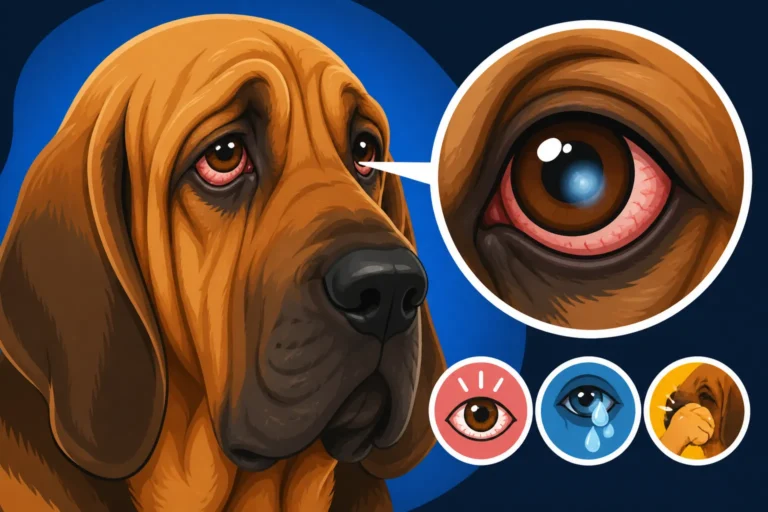
Being vigilant about the condition of your Bloodhound's neck folds is paramount. It’s easy to miss subtle changes, but early detection can save your dog from significant discomfort and you from costly vet bills. Keep an eye out for any redness, inflammation, or a persistent moistness within the folds. You might notice your Bloodhound scratching or rubbing its neck more than usual, or even trying to lick the area, which can further exacerbate irritation.
A tell-tale sign of a brewing problem is an unpleasant odor that persists even after bathing. This can indicate bacterial or yeast overgrowth. Look for any discharge, which might be clear, yellowish, or even bloody, and could be accompanied by hair loss in the affected area. Sometimes, the skin itself may appear thickened, crusty, or develop small pustules. These are all clear indicators that the neck roll has become problematic and needs immediate attention from you, and potentially your veterinarian. You can learn more about these specific indicators by reading Signs a Bloodhound's Fold Has Become Infected.
The Right Tools for Regular Fold Maintenance
Maintaining a healthy neck roll requires a simple but consistent toolkit. You don't need anything elaborate, but having the right supplies on hand makes the routine much easier and more effective.
Here's a quick overview of essential supplies:
| Item | Purpose | Usage Frequency | Key Consideration |
|---|---|---|---|
| Soft cotton pads | Gentle wiping and applying cleaners | Daily | Avoid abrasive materials that could irritate skin. |
| Hypoallergenic wipes | Quick clean-ups between deeper cleanses | As needed | Ensure they are alcohol-free and fragrance-free. |
| Skin fold cleaner | Antiseptic solution to combat bacteria/yeast | 2-3 times/week | Look for chlorhexidine or miconazole based formulas. |
| Drying powder/cream | Absorb moisture and create a protective barrier | After cleaning | Zinc oxide-free, veterinary-approved powders are best. |
| Soft towel | Thoroughly drying the folds after cleaning | After cleaning | Dedicated towels for pet use are always a good idea. |
| Treats | Positive reinforcement during cleaning | During cleaning | Makes the experience positive for your Bloodhound. |
For daily wiping, soft cotton pads or clean, soft cloths are ideal. These allow you to gently wipe away debris and excess moisture without irritating the delicate skin. For a quick refresh between full cleanings, hypoallergenic, fragrance-free pet wipes are a convenient option. Just be sure they don't leave a residue.
When it comes to deeper cleaning, a veterinary-recommended skin fold cleaner is your best friend. These often contain mild antiseptic ingredients like chlorhexidine or miconazole to help control bacterial and yeast growth. Apply it gently with a cotton pad, ensuring you get deep into the folds. After cleaning, the most crucial step is thorough drying. A soft, absorbent towel can work wonders, but for really deep folds, you might consider a cool hairdryer setting to ensure absolutely no moisture remains. Some owners also find a light dusting of veterinary-approved drying powder or a very thin layer of soothing, protective cream beneficial, particularly in areas prone to excessive moisture, after ensuring the area is completely dry. Remember, for detailed advice on specific products, always consult your vet.
Preventing Issues: A Proactive Approach to Neck Roll Health
The best offense is a good defense, especially when it comes to your Bloodhound's skin folds. Proactive care is far more effective, and certainly more comfortable for your dog, than reacting to an established infection. It might seem like a lot of work at first, but once you establish a routine, it becomes a quick and natural part of your day.
Establishing a Consistent Cleaning Routine
The answer to "whether a Bloodhound's neck roll needs daily attention" is, quite often, yes. While not every fold requires deep cleaning every single day, the neck roll absolutely benefits from daily inspection and a quick wipe-down. Think of it like brushing your own teeth – you wouldn't skip it for days on end, and neither should your Bloodhound's most vulnerable skin folds be neglected.
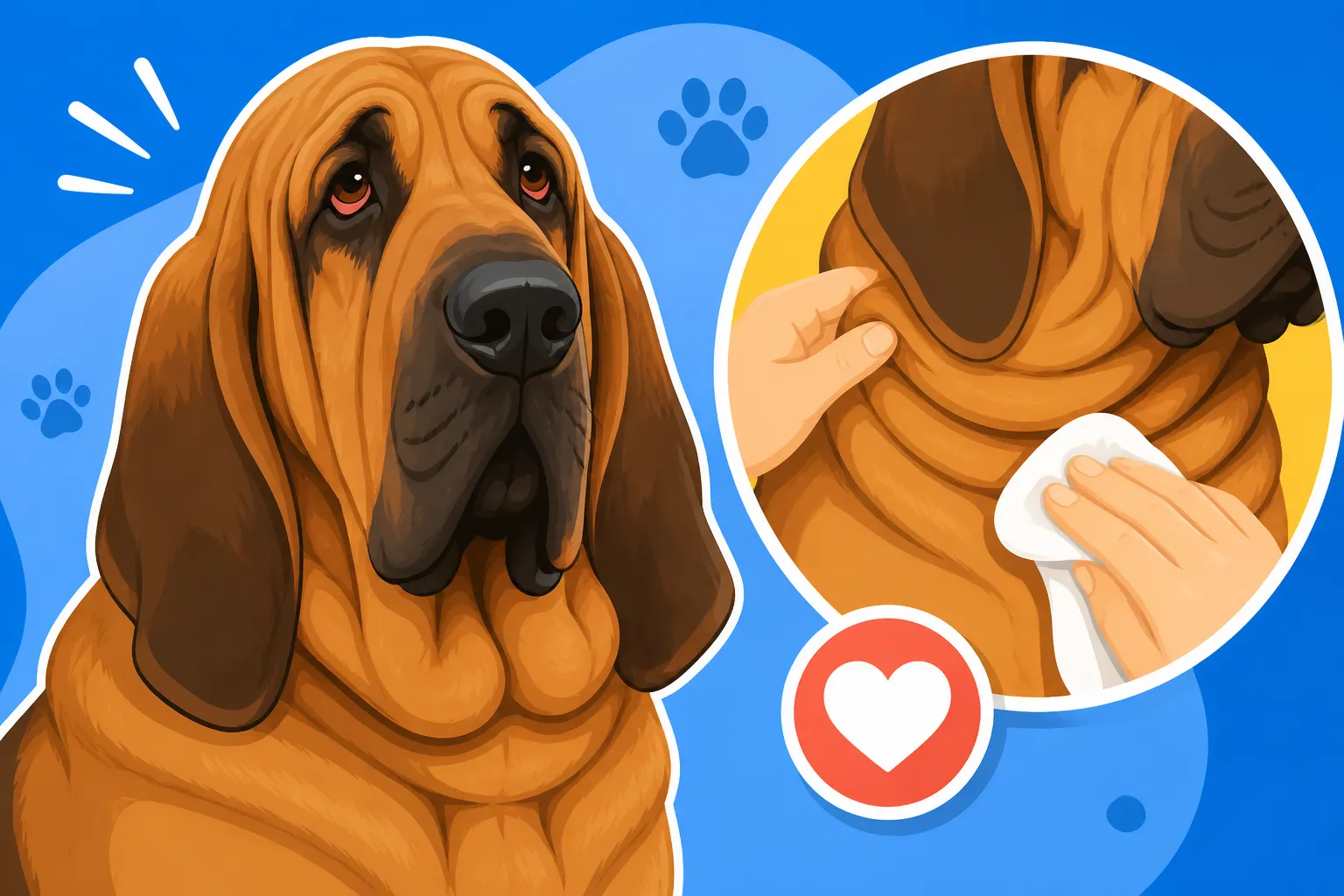
Start by making it a positive experience. Choose a quiet time of day, perhaps after a meal or a walk when your Bloodhound is relaxed. Use a soft, damp cloth or a pet-specific wipe to gently part the folds and wipe away any accumulated moisture, drool, or food debris. Always wipe with the grain of the fur, and ensure you get into the deepest parts of each fold. After wiping, follow up with a dry cloth or even a cool hairdryer (on a very low setting) to ensure the area is completely dry. Moisture is the enemy here. For a deeper cleanse, using a gentle antiseptic wipe or solution two to three times a week can be beneficial. Consistency is key, and rewarding your Bloodhound with praise and a treat will make them more cooperative. You can find more comprehensive guidance in How Often a Bloodhound's Folds Need Wiping and What to Wipe a Bloodhound's Folds With.
Environmental Factors and Lifestyle Adjustments
Beyond direct cleaning, the environment and your Bloodhound's lifestyle play a significant role in managing their skin fold health. Humidity, for instance, can greatly exacerbate moisture problems. If you live in a particularly humid climate, consider using dehumidifiers indoors to create a drier environment for your hound. After baths or if your Bloodhound gets wet during outdoor adventures, ensure their folds are meticulously dried before they air dry, or worse, stay damp.
Diet can also indirectly influence skin health. Some Bloodhounds may have sensitivities or allergies that manifest as skin irritation, which can make existing fold issues worse. If you notice persistent redness or itching despite a good cleaning routine, consult your vet about potential dietary changes or allergy testing. Keeping your Bloodhound at a healthy weight is also crucial; excessive weight can create deeper, more pronounced folds, increasing the challenge of proper ventilation and cleaning. Ensuring your dog's living space is clean and their bedding is regularly washed can also reduce the overall bacterial load they're exposed to. This ties into the broader concept of maintaining a clean home, where Whether a Bloodhound Owner Should Buy Washable Everything becomes a very practical question!
When to Seek Veterinary Advice for Skin Fold Concerns
Despite your best efforts, sometimes skin fold issues can become more than you can handle at home. It’s important to know when to bring in the professionals. If you notice any of the "immediate attention" signs mentioned earlier – persistent redness, swelling, oozing, a foul odor that doesn't resolve with cleaning, pain when touching the area, or if your Bloodhound seems unusually lethargic or unwell – it's time for a vet visit.
A veterinarian can accurately diagnose the type of infection (bacterial, yeast, or both) and prescribe appropriate medication, which might include medicated shampoos, topical creams, or oral antibiotics. Never try to self-diagnose or treat severe infections with over-the-counter products, as this can often make the problem worse or delay proper treatment. Early veterinary intervention is critical to prevent the infection from spreading or becoming chronic. If you are concerned about the financial implications of unexpected veterinary visits for these sorts of issues, pet insurance from reputable providers like Healthy Paws can offer significant peace of mind, helping to cover a portion of diagnostic tests and treatments. They can also advise on specific situations, like if Whether a Bloodhound's Fold Infection Needs Antibiotics is necessary.
Long-Term Management and Your Bloodhound's Comfort
The journey with a Bloodhound's skin folds is often a lifelong one. Understanding the commitment and implementing a consistent, proactive approach is key to ensuring your hound remains comfortable, happy, and free from chronic skin issues. It's an ongoing dialogue between you, your dog, and your vet.
Understanding the Risk of Chronic Issues
The unique anatomy of a Bloodhound's skin folds, particularly that prominent neck roll, means they are inherently predisposed to certain dermatological challenges. Without diligent care, what starts as a minor irritation can quickly become a chronic problem, leading to repeated infections, discomfort, and even structural changes to the skin. This condition, often referred to as intertrigo or What Fold Dermatitis Does to a Bloodhound, can be incredibly frustrating for both owner and dog.
Chronic fold dermatitis can result in thickened, hyperpigmented skin (darkening of the skin), constant itching, and even pain. It can impact your Bloodhound's quality of life, making them irritable or withdrawn. It's a bit of a vicious cycle: the irritation leads to more licking or rubbing, which causes more inflammation, and so on. This is why consistent, preventative care is so vital. It breaks this cycle before it even begins, keeping the skin healthy and intact. Remember, preventing chronic issues is always easier and less expensive than treating them. If you’re ever worried about managing the long-term costs of such conditions, especially if a recurring issue develops, pet insurance plans from companies like Healthy Paws can be a valuable resource. They understand the breed-specific needs and risks of Bloodhounds.
The Role of Diet and Overall Health in Skin Fold Management
While direct cleaning of the neck roll is paramount, a Bloodhound's overall health and nutrition also play a significant, albeit indirect, role in maintaining healthy skin folds. A balanced, high-quality diet provides the essential nutrients needed for a healthy skin barrier and a robust immune system. Deficiencies can sometimes manifest as poor skin and coat condition, making your hound more susceptible to infections in vulnerable areas like skin folds.
Beyond general nutrition, being mindful of potential food allergies or sensitivities is crucial. Some Bloodhounds may react to certain ingredients with skin irritation, itching, or redness, which can exacerbate existing issues in their folds. If your Bloodhound experiences persistent skin problems despite a meticulous cleaning routine, discussing dietary changes or elimination diets with your veterinarian could be beneficial. They might suggest novel protein diets or hydrolyzed protein diets to identify and mitigate any allergic triggers.
Maintaining an ideal body weight is another critical aspect. Overweight Bloodhounds tend to have deeper, more numerous skin folds, which are harder to ventilate and clean effectively. This increased depth and warmth create an even more inviting environment for bacterial and yeast overgrowth. Regular exercise and appropriate portion control contribute not only to their overall well-being but also directly to the ease of managing those magnificent, but sometimes challenging, neck rolls and other folds. This holistic approach ensures your Bloodhound is healthy from the inside out, making the external battle against fold issues much easier to win.
Disclaimer
This article is for general informational purposes only and does not constitute professional advice. Laws, prices and regulations vary by location and change over time. Consult a qualified professional for guidance on your specific situation.