Whether a Bloodhound Owner Should Buy Washable Everything
You've fallen in love with that majestic, soulful gaze, the incredible nose, and the gentle giant demeanor of a Bloodhound. But let's be real: living with a Bloodhound means living with mess. From the legendary drool to the mud they bring in after a good sniffari, these hounds have a way of leaving their mark on everything. This guide dives deep into why investing in "washable everything" isn't just a suggestion for Bloodhound owners – it's practically a survival strategy, exploring the specific challenges and offering practical solutions to keep your home sane and relatively clean.
The Bloodhound Lifestyle: Why "Washable Everything" Becomes Your Mantra
Owning a Bloodhound is a deeply rewarding experience, filled with snuffles, bays, and unconditional affection. However, their unique physical traits and natural instincts mean they are, by their very nature, predisposed to making a certain amount of mess. Understanding these aspects isn't about criticizing the breed; it's about preparing yourself for a joyful, albeit sometimes slobbery, reality.
Drool: The Inevitable Decorator
If you've ever seen a Bloodhound shake its head after a drink, you know exactly what I mean. Their loose jowls are magnificent, but they're also incredibly efficient at slinging water and saliva across a surprisingly wide radius. It's not just a little drip here and there; we're talking about visible trails and splatters that can reach impressive heights on your walls and furniture. Picture walking into your living room after your hound has had a drink, only to discover a fine mist of water droplets speckled across your favorite painting or the ceiling fan. It's a charming quirk, yes, but one that demands a proactive approach to cleanliness.
This magnificent drool isn't just water; it's thick, sticky, and full of enzymes. When it lands on surfaces like walls, wooden furniture, or painted doors, it dries quickly, forming what many Bloodhound owners affectionately call a "drool halo" or "snail trails." If not wiped away promptly, these marks can become surprisingly stubborn, requiring real elbow grease to remove. Over time, consistent drool accumulation can even damage certain finishes, leading to discoloration or etching on sensitive materials. This is why you'll constantly find yourself asking Whether a Bloodhound's Drool Damages Paint, and the answer, unfortunately, is often yes if left unchecked.
When it comes to soft furnishings, the challenge intensifies. Fabric sofas, upholstered chairs, and decorative pillows are prime targets. Drool soaks into these materials, leaving behind not just a visual stain but also a distinctive odor if not addressed regularly. Imagine your beautiful linen sofa developing a permanent "eau de hound" scent because the drool has permeated the fibers. This is where the concept of "washable everything" truly becomes a non-negotiable part of Bloodhound ownership. You simply cannot expect to maintain a fresh-smelling home without the ability to regularly clean and sanitize the items your Bloodhound interacts with most. You'll soon realize that understanding Where a Bloodhound Puts Its Drool is half the battle; the other half is being ready to clean it.
Ears and Folds: Magnets for Mess
Those long, velvety ears are part of the Bloodhound's iconic look, sweeping the ground to funnel scent particles towards their incredibly sensitive nose. However, this magnificent feature also makes them incredibly efficient sweepers, dragging through food bowls, muddy puddles, and anything else within snout's reach. Think about it: a Bloodhound takes a drink, and those long ears dip into the water bowl. They walk away, shake their head, and now you have a shower of water, bits of kibble, and whatever else was on their ears flung across your kitchen. When it's muddy outside, those ears become mud paddles, bringing a startling amount of the outdoors straight into your home. This is why Cleaning a Bloodhound's Ears Every Week for Life isn't just about hygiene; it's about managing the daily mess.
Beyond the ears, a Bloodhound's distinctive loose skin and deep facial folds are beautiful but require diligent care. These folds, particularly around the lips and neck, are prone to trapping moisture, food particles, and environmental debris. This creates a warm, damp environment that is a perfect breeding ground for bacteria and yeast, leading to skin fold dermatitis if not kept scrupulously clean. When these folds become irritated or infected, they can exude odors and discharge, further contributing to general household grime. You'll quickly learn the importance of Wiping a Bloodhound's Folds Before They Sour as a routine task.
The combination of drool and dirty ears/folds creates a cycle of mess. A Bloodhound drinks, getting water and food residue on its ears. It then shakes its head, flinging this mixture onto nearby surfaces. After eating, it might lie down, smearing residual food and moisture from its jowls and ears onto dog beds, carpets, or your sofa. The sheer weight of those ears means they often get stepped on or dragged across the floor, picking up whatever might be there. This constant interaction with surfaces and their own physical features means a Bloodhound is continuously collecting and depositing grime, making a robust washable strategy absolutely essential. Many owners swear by using a snood to contain ears during meals, realizing What a Snood Does for a Bloodhound to prevent constant ear-related mess.
The Call of the Trail: Mud and Dirt
A Bloodhound lives for the trail, and that often means navigating through muddy fields, dusty trails, and soggy woods. Their unparalleled love for scent work means they aren't deterred by less-than-pristine conditions; in fact, the muddier, the better for some scent work. This strong drive means they'll joyfully bring a good portion of the outdoors back inside with them after any significant outing. Even a simple walk around the block after a rain shower can turn your typically neat Bloodhound into a four-legged mud monster, complete with dirty paws and a damp, earthy scent clinging to their coat.
Every strand of their short, dense coat, every crease in their loose skin, and especially those large paws are designed to pick up and retain dirt, mud, burrs, leaves, and whatever else they've encountered on their adventures. It's amazing how much natural debris a seemingly "clean" Bloodhound can shed onto your floors and furniture moments after coming inside. Their sheer size means they track in substantially more dirt than a smaller breed, and their eagerness to explore every sniffable patch of ground only amplifies this effect. After an intense trailing session, like those organized through local clubs or professional trainers, you'll find their harnesses and long lines covered in the same grit, highlighting why investing in washable gear is just as important as washable home items. You might even find yourself pondering What a Mantrailing Harness and Long Line Cost and realizing how quickly such essential gear accumulates grime.
The consequences for carpets, upholstery, and car interiors are significant. Trying to brush off dried mud from non-washable fabric is a frustrating, often futile, endeavor that can damage the fibers and leave behind a permanent shadow. Without washable protection, your carpets will quickly become discolored, your car seats stained, and your furniture prematurely aged. It’s an uphill battle if your home isn't equipped to handle this regular influx of outdoor elements. A good practice is to always check your Bloodhound's ears and paws after any outdoor excursion, knowing Whether a Bloodhound's Ears Should Be Checked After Every Walk is crucial not just for cleanliness, but for preventing burrs or debris from causing irritation.
Essential Washable Items for Every Bloodhound Home
Once you accept the delightful reality of Bloodhound ownership and its inherent mess-making potential, the next step is to equip your home with practical solutions. This isn't about giving up on cleanliness; it's about embracing a smart, low-fuss approach.
Furniture and Bedding: Your First Line of Defense
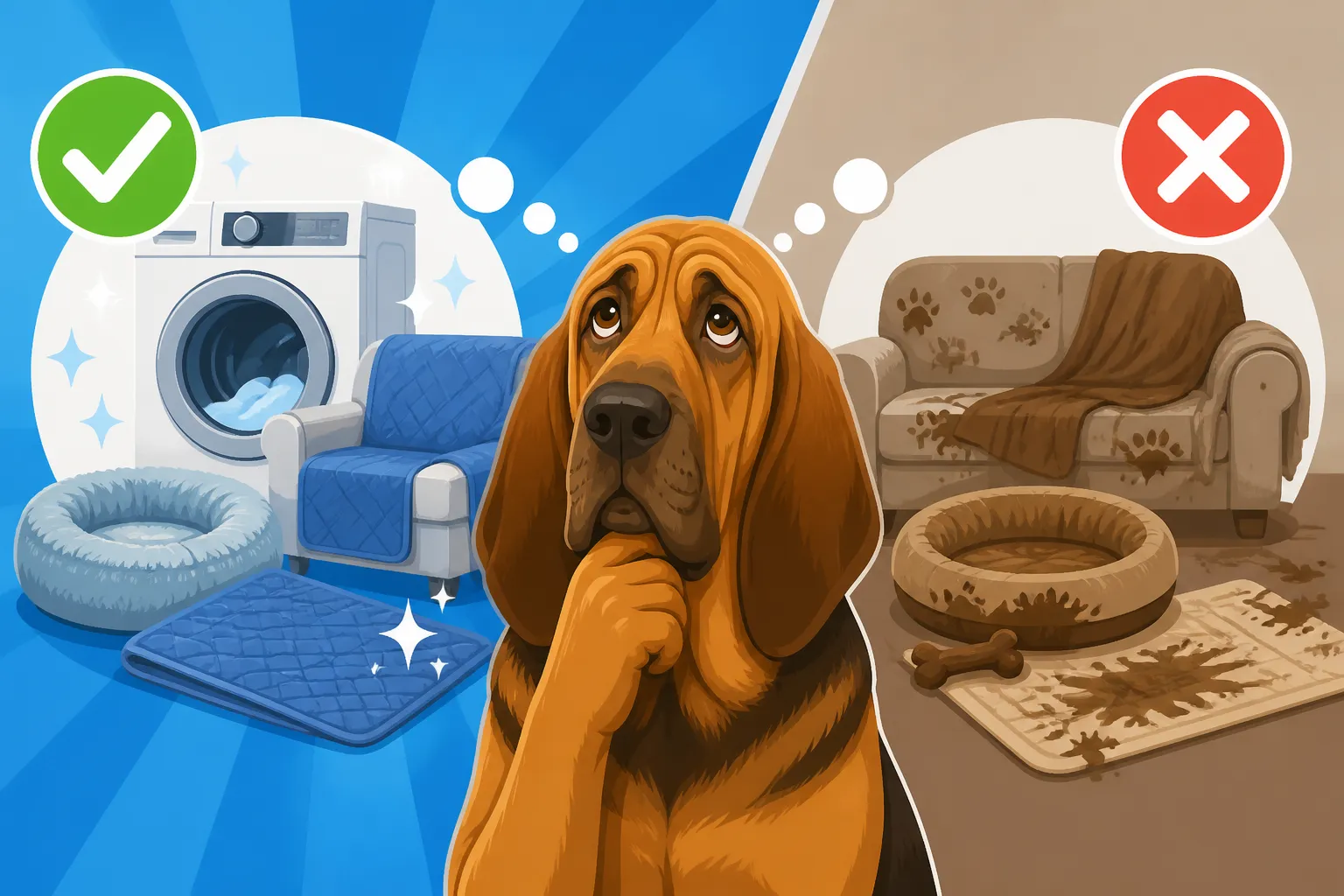
Your sofa and chairs are often central gathering spots in your home, and if your Bloodhound is anything like mine, they consider these their rightful resting places too. This is why investing in durable, machine-washable sofa covers and throw blankets is not just a nice-to-have, but a necessity. Look for heavy-duty fabrics that can withstand frequent washing without losing their integrity or color. Slipcovers are a fantastic option, allowing you to completely transform and protect your furniture. Many brands, including those found on platforms like Chewy, offer a wide range of pet-friendly covers designed specifically to be stain-resistant and easily laundered, making cleanup a breeze after a drooly nap.
Dog beds are another critical area. Bloodhounds are large dogs who need supportive, comfortable places to rest their substantial bodies. Unfortunately, these beds also absorb tremendous amounts of drool, hair, and the general "hound scent" over time. Therefore, any dog bed you purchase must have a removable, machine-washable cover. It’s often a good idea to buy an extra cover or two for rotation, so you always have a clean one available while the other is in the wash. Without this feature, you'll be faced with either constantly scrubbing a non-removable cover (which is rarely effective) or frequently replacing entire beds, which quickly becomes an expensive habit.
Even if your Bloodhound is meticulously crate-trained, accidents or messes can still happen inside their den. A washable crate pad is therefore non-negotiable. Not only does it provide comfort, but it also creates an absorbent barrier that can catch drool, tracked-in dirt, or even an upset stomach incident. These pads typically feature zippered covers that are easy to remove and toss into the washing machine. Ensuring all these items are washable means you can keep your Bloodhound's resting spots hygienic and odor-free, contributing to a healthier environment for both of you. This thoughtful preparation aligns with the goal of minimizing effort in what becomes The Weekly Routine a Bloodhound Owner Cannot Skip.
Flooring and Mats: Protecting Your Foundation
Your entryways are the first line of defense against the outdoor elements your Bloodhound inevitably brings inside. Large, absorbent, and, most importantly, washable entryway mats at every exterior door are essential. These aren't just decorative rugs; they're functional barriers designed to trap mud, moisture, and debris from paws and ears before it gets tracked further into your home. Look for mats with rubber backing to prevent slipping and ensure they are robust enough to withstand being thrown in a large capacity washing machine regularly.
In areas where your Bloodhound spends a lot of time – perhaps the kitchen, living room, or hallways – consider opting for small, machine-washable rugs and runners instead of wall-to-wall carpeting. Companies like Ruggable offer innovative washable rug systems that are fantastic for pet owners. These allow you to simply peel off the top layer and wash it, while the non-slip pad stays in place. This strategy significantly reduces the headache of trying to deep clean large carpets, which can quickly become stained and retain odors when exposed to Bloodhound drool and dirt. You'll soon realize that for a Bloodhound owner, What a Bloodhound Owner Spends on Towels and Cleaner can be a recurring expense, so durable, washable items are key to keeping it manageable.
Transporting your Bloodhound, whether to the vet, the park, or for a trailing session, means your vehicle's interior is also at risk. Heavy-duty, waterproof car seat covers, cargo liners, or even dedicated pet hammocks are crucial for protecting your upholstery from mud, drool, and shedding hair. Choose options made from materials like canvas, nylon, or thick quilted fabrics that can either be hosed down easily or tossed into a commercial-sized washing machine. These protective layers mean you can enjoy adventures with your Bloodhound without constantly worrying about the state of your car's interior. After all, a Bloodhound can easily cause a car interior to become as soiled as your kitchen floor, especially if Whether a Bloodhound Floods the Kitchen Drinking happens in the backseat.
Bloodhound Gear: Harnesses, Collars, and Snoods
Your Bloodhound's everyday gear is constantly in direct contact with their skin, drool, and the environment. Collars, harnesses, and leashes quickly accumulate grime, oils, and odors. For this reason, selecting gear made from washable materials like nylon, Biothane (which can be wiped clean), or machine-washable fabric is paramount. Avoid materials like untreated leather for daily use, as it's much harder to clean and can degrade quickly with constant exposure to moisture and dirt. Keeping these items clean isn't just about aesthetics; it also helps prevent skin irritations around their neck and chest.
Snoods are an absolute game-changer for Bloodhound owners, especially during meal times. These fabric tubes slip over your hound's head, holding those long ears back and out of the food and water bowls. This prevents them from dragging through their kibble, getting soaked when they drink, and then flinging food-laden drool across your kitchen. Because snoods bear the brunt of mealtime mess, they will get dirty very quickly and need frequent washing – often daily or every other day. Having several on hand allows for easy rotation, ensuring your Bloodhound always has a clean one, and reducing the incidence of ear-related messes around the house.
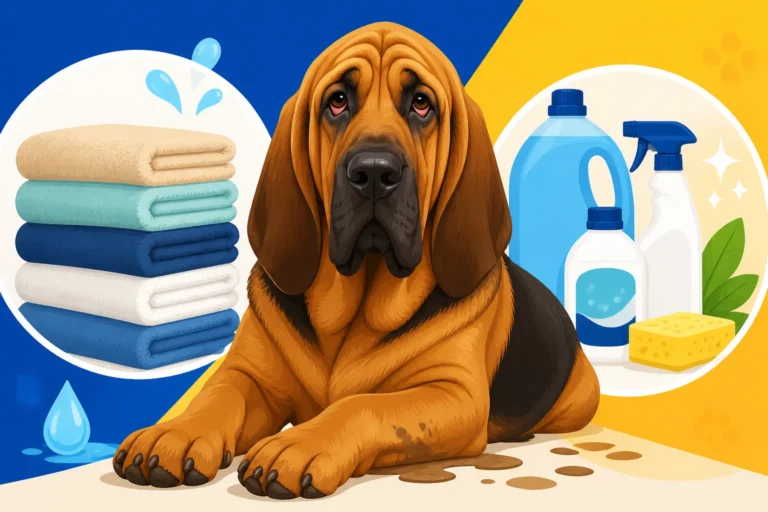
Finally, you cannot underestimate the sheer volume of towels and cleaning cloths you will need. Stock up! Designate a specific set of "dog towels" for muddy paws at the door, for wiping up drool drips, and for post-bath drying. Microfiber cloths are excellent for quick clean-ups and polishing surfaces. Keep a dedicated bucket or basket of these cloths, along with pet-safe cleaning solutions, in strategic locations around your home – near the doors, next to the food bowls, and in your car. This preparedness allows for immediate action against messes, which is key to preventing stains and odors from setting in. As a Bloodhound owner, you'll find yourself needing to know Whether a Bloodhound Owner Should Keep Cloths in Every Room to handle the inevitable drool and dirt.
Beyond Just Washable: Strategies for a Cleaner Bloodhound Home
While purchasing washable items is a huge step, maintaining a cleaner home with a Bloodhound also involves adopting certain habits and making smart choices about your home's finishes. It's a holistic approach that combines prevention, quick action, and durable materials.
Daily Rituals and Quick Wipes
The most effective way to combat Bloodhound mess is through immediate and consistent action. Establishing daily rituals can make a world of difference. For instance, make it a habit to give your Bloodhound's jowls a quick wipe with a dedicated cloth after they drink water. This simple step can drastically reduce the amount of drool slung around your kitchen or dining area. Similarly, after every meal, take a moment to wipe down their ears and the areas around their mouth. This prevents caked-on food from drying and later being smeared or shaken onto surfaces. Don't let drool or moisture dry onto surfaces; have your cleaning supplies ready for instant use.
Beyond general mess, regular ear and fold cleaning is critical for your Bloodhound's health and contributes significantly to a cleaner home environment. The deep, heavy ears of a Bloodhound create a warm, moist, dark canal that is a perfect breeding ground for infections. Weekly ear cleaning is a non-negotiable part of their care. Similarly, their deep facial and neck folds need to be wiped daily or every other day to prevent moisture, dirt, and bacteria from accumulating, which can lead to skin irritation, infection, and unpleasant odors. The Weekly Routine a Bloodhound Owner Cannot Skip will definitely include these crucial cleaning steps.
Another simple but effective habit is paw wiping at the door. Keep a stack of designated dog towels or a specialized paw-cleaning tool right by every entrance. Before your Bloodhound steps fully inside, take a moment to thoroughly wipe down their paws, especially after walks in wet or muddy conditions. This tiny investment of time prevents a surprising amount of dirt, dust, and pollen from being tracked into your living spaces. For owners with a history of ear issues, it's worth noting Whether a Bloodhound Owner Can Buy Ear Drops Without a Visit, emphasizing the need for regular vet check-ups alongside meticulous cleaning to prevent chronic problems that lead to more mess.
Choosing Materials Wisely
When furnishing your home, think ahead about the impact of a Bloodhound. For upholstery, prioritize performance fabrics designed for durability and stain resistance. Tightly woven synthetics, microfibers, or outdoor fabrics are often excellent choices. These materials are generally easier to clean, resist pet hair embedding, and stand up better to repeated cleaning. Leather, surprisingly, can also be a good option for furniture, as it's non-porous and can be easily wiped down with a damp cloth, making drool and dirt removal much simpler than from fabric. Steer clear of delicate fabrics like silk, linen, or velvet in areas where your Bloodhound has access.
For flooring, hard surfaces are generally a Bloodhound owner's best friend. Tile, sealed concrete, luxury vinyl plank (LVP), or even engineered hardwood with a durable finish are far easier to clean and maintain than carpeting. Spills, drool, and tracked-in mud can be quickly wiped or mopped away without soaking into fibers. If you absolutely love carpet, choose low-pile varieties in darker, neutral colors that can camouflage minor stains, and consider using large, washable area rugs over them for extra protection. When considering food choices, some owners explore options like Ollie that provide fresh, quality meals, hoping for better digestion and potentially less gastric upset, which can also contribute to a cleaner environment by reducing stomach-related messes.
Don't forget your walls! Investing in washable, scrubbable paint is a smart move. Eggshell or semi-gloss finishes tend to be more durable and easier to clean than matte finishes. When those inevitable drool marks appear (and they will!), you'll be able to wipe them away without removing the paint underneath. This forward-thinking approach to home finishes acknowledges the reality of living with a large, drooly, and active hound, saving you countless hours of frustration and potential re-painting in the long run.
The Financial Sense of Durability
At first glance, buying "washable everything" might seem like a more expensive upfront investment. Quality washable sofa covers, durable dog beds with multiple liners, and robust floor mats often cost more than their cheaper, non-washable counterparts. However, this initial expense is almost always offset by significant long-term savings. Think about it: constantly replacing stained carpets, scrubbing hopelessly soiled furniture, or frequently buying new dog beds because they're beyond salvaging quickly adds up. Investing in durable, washable items means they last longer, require less frequent replacement, and ultimately save you money on cleaning services or new purchases.
Beyond just the items themselves, washable everything protects your larger assets. Your furniture, your vehicle, and your home's flooring are significant investments. By using washable covers, mats, and protective liners, you're shielding these valuable items from premature wear and tear, stains, and odors. This helps maintain their aesthetic appeal and extends their lifespan, preserving the value of your property. It’s similar to understanding What It Costs to Put a Bloodhound on a Trail – there are upfront investments in gear that pay off in performance and longevity.
Perhaps most importantly, a home equipped for easy cleaning provides immense peace of mind. Instead of constantly worrying about every drip, paw print, or smear, you can relax and truly enjoy your Bloodhound's presence. Knowing that messes are manageable and easily cleaned allows you to focus on the joy of companionship rather than the stress of constant cleanup. This mental relief is invaluable. Furthermore, having a good pet insurance policy, like those from Healthy Paws, can also offer another layer of peace of mind, covering unexpected accidents or illnesses that might lead to bigger messes (like incontinence or vomiting) or significant veterinary bills, ensuring you're prepared for unforeseen circumstances. Understanding Whether Pet Insurance Is Worth It on a Bloodhound is an important part of financial planning for your hound.
| Item Type | Examples | Recommended Washing Frequency | Notes |
|---|---|---|---|
| Bloodhound Gear | Snoods, fabric collars, harnesses, long lines | Weekly/Bi-weekly | Frequent contact with drool, food, and outdoor elements. |
| Pet Bedding | Dog bed covers, crate liners, blankets | Weekly/Bi-weekly | Absorbs drool, hair, and skin oils; essential for odor control. |
| Protective Covers | Sofa covers, throw blankets, car seat covers | Monthly/As needed | Protects furniture/vehicle interiors from dirt, hair, and drool. |
| Floor Mats/Rugs | Entryway mats, small area rugs | Bi-weekly/Monthly | Catches outdoor debris, can accumulate significant dirt quickly. |
| Cleaning Cloths | Drool rags, paw towels | Daily/After each use | Essential to have a constant supply; wash frequently to prevent odor. |
Ultimately, adopting a "washable everything" mindset isn't about being overly fastidious; it's about being a realistic and responsible Bloodhound owner. These magnificent hounds bring so much joy, love, and laughter into our lives, and in return, they ask for a bit of understanding and a practical approach to managing their unique characteristics. By choosing washable items and implementing smart cleaning habits, you create a home environment that is both comfortable for your Bloodhound and enjoyable for you, ensuring a happy and healthy life together without drowning in a sea of drool and dirt.
Disclaimer
This article is for general informational purposes only and does not constitute professional advice. Laws, prices and regulations vary by location and change over time. Consult a qualified professional for guidance on your specific situation.