How Many Ear Infections a Bloodhound Averages a Year
If you're a Bloodhound owner, or even just thinking about bringing one of these magnificent, scent-driven dogs into your life, you've likely heard the whispers (or experienced the reality) of "Bloodhound ears." The long, pendulous ears are undeniably part of their iconic look, but they are also a notorious hotspot for infections, leading many owners to wonder just how often they're going to be battling ear woes. It's a frustrating, often messy, and sometimes expensive reality that many of us face, and this guide is here to shed some light on what you can realistically expect and how to manage it.
Understanding Why Bloodhounds Are Prone to Ear Infections
It's not just bad luck that Bloodhounds seem to get ear infections more often than many other breeds; it's a direct consequence of their unique anatomy and the way their ears are designed. While those long, floppy ears are perfect for sweeping scent towards their incredibly powerful noses, they create an environment that's practically tailor-made for bacterial and yeast overgrowth. It's a classic case of form following function, but with an unfortunate side effect for our beloved hounds.
The Anatomy of a Bloodhound's Ear
A Bloodhound's ear is a marvel of scent-tracking design, but a challenge for ear health. Imagine a long, heavy curtain of ear leather, extending well past the jawline, sometimes even touching the ground when they're intently following a scent. This isn't just about length; it's about density and lack of airflow. The ear canal itself is deep and winding, much more so than in prick-eared breeds. This deep canal creates a dark, moist, and warm environment that bacteria and yeast absolutely adore. It's like a tiny, perfectly insulated sauna for microorganisms, shielded from the outside world by that heavy ear flap.
Furthermore, the structure itself naturally blocks air circulation. Unlike breeds with upright ears where air can flow freely, a Bloodhound's ear flap lies flat against the side of its head. This effectively seals off the ear canal from fresh air, trapping any moisture that gets in. Whether it's from humidity in the air, a bath, or a quick drink of water that ends up sloshed over their head, that moisture has nowhere to go. This anatomical predisposition is why A Bloodhound's Ears Are a Standing Infection Risk, making regular preventative care not just recommended, but absolutely essential.
Moisture and Microclimates
The deep, covered nature of a Bloodhound's ear creates what we call a "microclimate" – a small, localized environment with its own distinct conditions. In this case, it's a consistently warm and humid space. Every time your Bloodhound drinks from its water bowl, splashes through a puddle, or even just runs outside on a damp day, there's a good chance some moisture will find its way into that ear canal. And because the ear leather hangs so heavily and closely, that moisture can become trapped for hours, if not days.
This trapped moisture softens the delicate skin lining the ear canal, making it more susceptible to irritation and infection. It also dilutes the ear's natural protective cerumen (ear wax), changing its pH balance and creating an even more welcoming habitat for opportunistic pathogens. It's a vicious cycle: moisture gets in, stays in, and sets the stage for trouble. This constant dampness can be a real headache for owners, constantly feeling like you're battling the elements just to keep their ears healthy. Understanding Why a Bloodhound's Ear Leather Blocks Airflow really highlights this struggle.
Identifying the Culprits: Yeast vs. Bacteria
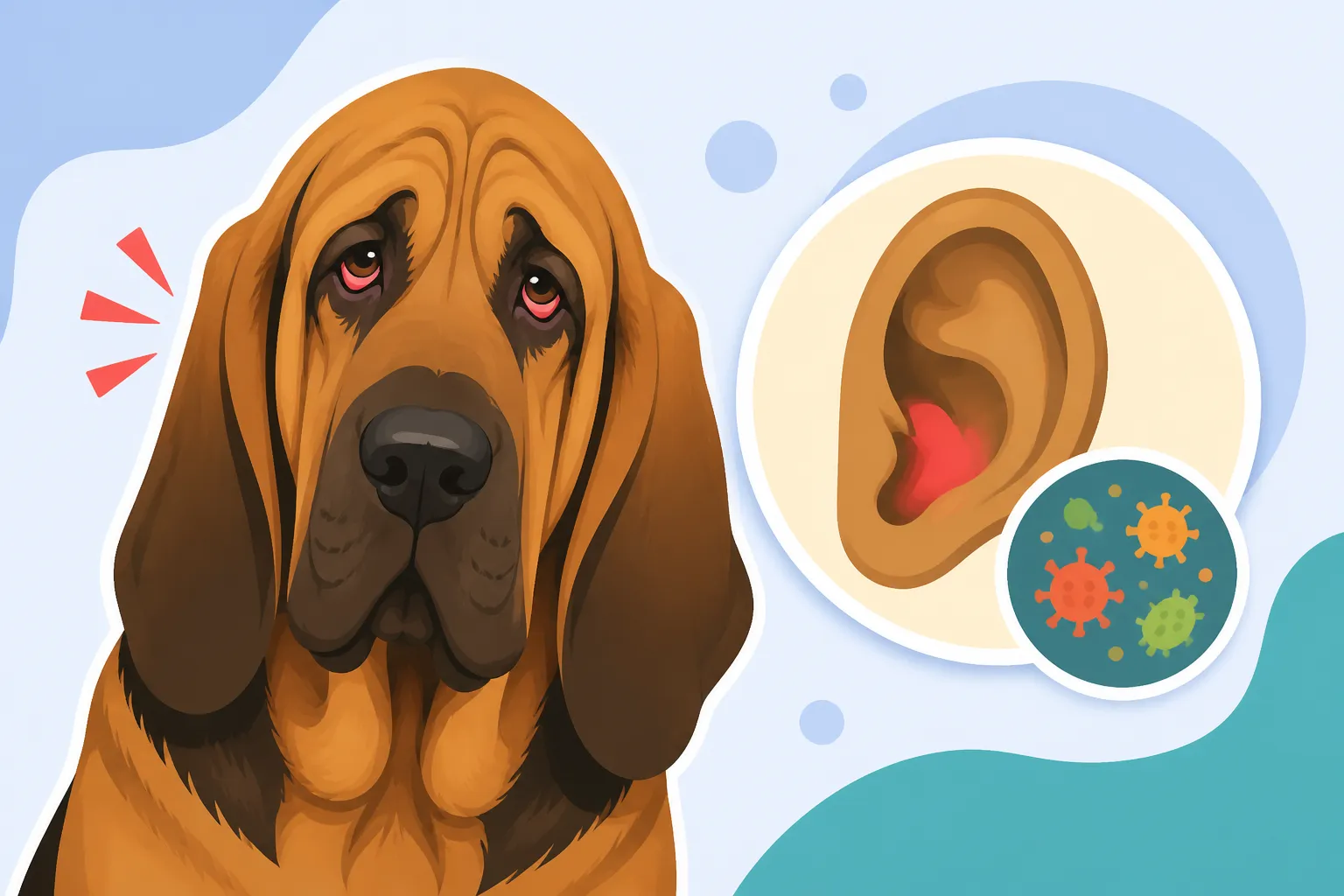
When a Bloodhound's ear does get infected, it's most commonly due to an overgrowth of either yeast or bacteria, or sometimes both. Yeast infections, often caused by Malassezia pachydermatis, tend to have a distinct, pungent, somewhat sweet or cheesy odor and produce a brownish, waxy discharge. They thrive in warm, moist environments and can be incredibly itchy, leading your Bloodhound to shake its head vigorously or scratch at its ears.
Bacterial infections, on the other hand, can be caused by a variety of bacteria, often Staphylococcus or Pseudomonas. These can produce a yellow or greenish pus-like discharge, and the ear might appear red, swollen, and be extremely painful to the touch. The smell can be quite foul. Sometimes, a bacterial infection can follow a yeast infection, or vice-versa, making diagnosis and treatment more complex. It's crucial not to try and guess what kind of infection it is because different pathogens require different medications. That's why your vet might suggest Whether a Bloodhound Needs a Culture Before Ear Drops to ensure they prescribe the most effective treatment.
The Average Frequency of Ear Infections in Bloodhounds
So, with all this talk of anatomy and microclimates, what's the bottom line? How often can you expect to deal with this? The honest answer isn't a simple number, because it varies greatly from one Bloodhound to another, but it's safe to say that most Bloodhound owners will encounter ear infections at some point, and many will face them regularly.
What "Average" Really Means
When we talk about an "average" number of ear infections for a Bloodhound, it's more of a spectrum than a fixed figure. For a lucky few, with diligent preventive care and perhaps a genetic predisposition for healthier ears, it might be one infection every few years, or even none at all. These are the unicorns of the Bloodhound world. For the majority, however, an "average" year might involve 2-4 infections, requiring veterinary visits and medication. And then there are the chronic sufferers – the Bloodhounds who seem to perpetually battle ear issues, experiencing 6 or more infections a year, or having one infection barely clear up before another takes its place.
This variability means that while there's a breed-wide tendency, your individual Bloodhound's experience will be unique. It's important not to despair if your hound falls into the more frequent infection category, as many proactive steps can be taken to manage and reduce the incidence. The key is understanding that "normal" for a Bloodhound might mean more ear issues than for other breeds you've owned.
Factors Influencing Frequency
Several factors can significantly influence how often your Bloodhound experiences ear infections:
- Allergies: This is a huge one. Many Bloodhounds suffer from environmental allergies (like pollen, dust mites) or food allergies, and one of the most common ways these allergies manifest is through itchy, inflamed ears. If your Bloodhound's ears are constantly bothering them, allergies should be high on the list of suspects. Allergy management often goes hand-in-hand with ear care.
- Grooming and Hygiene: The cornerstone of prevention! Insufficient or improper ear cleaning allows moisture and debris to build up, creating that perfect breeding ground for infection. If you're not routinely cleaning those ears, you're almost guaranteed to face infections more often.
- Swimming and Water Exposure: Bloodhounds love to splash, but water in those deep ear canals is a recipe for disaster. Frequent swimming or even just getting wet during baths without thorough drying can significantly increase infection risk.
- Diet: While often linked to allergies, a poor-quality diet or one that doesn't agree with your individual Bloodhound can contribute to overall inflammation and weakened immune response, making them more susceptible to infections. Some owners find that switching to a high-quality, limited-ingredient diet, or even a fresh food option from services like Ollie, can make a noticeable difference in reducing allergic flare-ups, including those affecting the ears.
- Underlying Conditions: Less common, but sometimes polyps, foreign bodies, or even mites can cause chronic irritation and lead to recurrent infections. Your vet will rule these out during an examination.
- Genetics: Some Bloodhound lines simply seem more prone to ear issues than others. While you can't change genetics, being aware of a puppy's lineage can help you be prepared for potential challenges.
When to Suspect an Infection
Recognizing the early signs of an ear infection is critical to getting prompt treatment and preventing it from becoming more severe or chronic. Your Bloodhound will likely give you some pretty clear clues. Look out for these common indicators:
- Head Shaking: This is often one of the first and most obvious signs. They're trying to dislodge whatever is bothering them.
- Excessive Ear Scratching: Your Bloodhound might use a paw to furiously scratch at its ears, sometimes even rubbing them along furniture or the ground.
- Redness or Swelling: When you lift the ear flap, you might see that the inside of the ear, particularly the opening of the canal, is redder or more swollen than usual.
- Discharge: A tell-tale sign. This could be brown and waxy (often yeast), yellow or green and pus-like (often bacteria), or sometimes dark and crusty (could be mites, though less common in adults).
- Odor: A strong, unpleasant smell emanating from the ear. This is different from the normal, slightly musky "hound smell."
- Pain or Sensitivity: Your Bloodhound might flinch, whine, or snap when you try to touch its ear.
- Reluctance to Play or Changes in Behavior: If they're feeling uncomfortable, they might be less enthusiastic about their usual activities.
- Rubbing Ears on Surfaces: Similar to scratching, they might rub their ears against carpets, furniture, or your leg trying to relieve the itch.
If you observe any of these signs, it's time for a vet visit. Early intervention is key to preventing discomfort and more serious complications. For a more detailed breakdown of what to look for, check out Signs a Bloodhound's Ear Is Infected.
Proactive Management and Prevention Strategies
Given the Bloodhound's predisposition, prevention really is worth a pound of cure (and certainly less costly and stressful than repeated vet visits!). Establishing a consistent routine and being vigilant can dramatically reduce the frequency and severity of ear infections.
Establishing a Regular Cleaning Routine
This is the absolute cornerstone of Bloodhound ear health. You simply cannot skip it. Their ears need to be cleaned regularly to remove debris, excess wax, and trapped moisture.
- Frequency: For many Bloodhounds, weekly ear cleaning is necessary. If your dog is prone to infections, swims often, or has active allergies, you might even need to clean them every few days. The goal is to keep the ear canal clean and dry. How Often a Bloodhound's Ears Need Cleaning is a must-read for establishing a good schedule.
- The Right Tools: You'll need a veterinarian-approved ear cleaner specifically designed for dogs. Avoid using alcohol or hydrogen peroxide, as these can be irritating. You'll also need cotton balls or gauze pads. Never use cotton swabs (Q-tips) down the ear canal, as this can push debris further in or even damage the eardrum. Chewy or your local pet store will have a wide selection of suitable cleaners.
- Technique: Gently lift your Bloodhound's ear flap. Apply a generous amount of ear cleaner into the ear canal until it's full. Massage the base of the ear for 30-60 seconds – you should hear a squishing sound. This helps break up wax and debris. Let your Bloodhound shake its head (it will do this, so stand back!). Then, use cotton balls to gently wipe out any visible dirt and excess cleaner from the outer ear and the opening of the ear canal. Repeat until the cotton comes out clean. Be thorough but gentle. Remember, What to Clean a Bloodhound's Ears With is just as important as how you do it.
- Drying: After cleaning or after a bath/swim, ensure the ears are thoroughly dried. You can use a soft towel or even a low-setting hairdryer (held a safe distance away) to gently dry the inside of the ear flap and the visible outer part of the canal.
Dietary Considerations and Allergy Management
As mentioned, allergies are a huge driver of ear infections. If your Bloodhound is constantly battling inflamed ears, working with your vet to investigate potential allergies is crucial.
- Food Trials: Your vet might recommend a food elimination trial, where your dog is fed a novel protein or hydrolyzed protein diet for several weeks to see if symptoms improve. If they do, specific food allergens can often be identified. Brands like Ollie offer fresh, limited-ingredient diets that some owners find beneficial for dogs with sensitivities, as they avoid common allergens and fillers found in many kibbles.
- Environmental Allergy Management: If environmental allergies are suspected, your vet might suggest antihistamines, allergy shots (immunotherapy), or other medications. Keeping up with regular ear cleaning becomes even more critical during allergy season.
- Supplements: Omega-3 fatty acids (like fish oil) can sometimes help reduce overall inflammation, potentially benefiting skin and ear health. Probiotics can also support gut health, which is intricately linked to the immune system and allergy response.
Environmental Controls and Lifestyle Adjustments
Beyond direct ear care and diet, there are other ways to minimize your Bloodhound's exposure to ear-irritating factors.
- Snoods: These fabric tubes or "ear covers" are a Bloodhound owner's best friend, especially around mealtimes. A snood keeps those long ears out of the food and water bowls, preventing them from getting dirty and wet. Many owners also use them when their Bloodhound is outdoors, particularly in brushy areas, to keep burrs and debris out of the ears. What a Snood Does for a Bloodhound is a detailed look at this handy accessory.
- Water Management: If your Bloodhound loves to swim, consider investing in a good ear-drying solution to use immediately after they get out of the water. This helps evaporate moisture and acidify the ear canal, making it less hospitable to pathogens. Be extra diligent with cleaning and drying after any water activities.
- Avoid Irritants: Steer clear of harsh shampoos or grooming products that could irritate the sensitive skin in the ears. Even seemingly innocuous things like dust and dirt from vigorous outdoor play can be problematic if not addressed with cleaning.
What to Do When an Infection Strikes
Despite your best preventative efforts, it's highly likely your Bloodhound will still get an ear infection from time to time. When that happens, knowing how to respond effectively is key to a quick recovery.
The Importance of Early Veterinary Intervention
Seriously, don't try to play vet with ear infections. As soon as you notice any of the Signs a Bloodhound's Ear Is Infected, call your veterinarian. Trying to treat an ear infection at home with remedies you found online or old medications can not only delay proper treatment but can also make the problem worse. For example, if you're treating for yeast but it's a bacterial infection, you're not helping, and you might even be contributing to antibiotic resistance.
An untreated or improperly treated ear infection can quickly escalate. What starts as a minor irritation can turn into a painful, chronic condition. If left unchecked, it can lead to middle or inner ear infections, potentially affecting balance and even hearing. In severe, chronic cases, the ear canal itself can become permanently scarred and narrowed, eventually requiring expensive and invasive surgery like a Total Ear Canal Ablation (TECA). Dealing with When a Bloodhound's Ear Infection Becomes Permanent is something no owner wants to face.
Diagnostic Steps and Treatment Options
When you bring your Bloodhound in for an ear infection, your vet will perform a thorough examination. This usually involves:
- Visual Inspection: Looking at the outer ear and using an otoscope to look down into the ear canal to assess redness, swelling, discharge, and check for any foreign bodies or eardrum damage.
- Ear Swab and Cytology: This is a crucial step. Your vet will take a swab of the discharge and examine it under a microscope. This allows them to identify whether the infection is caused by yeast, bacteria (and what type of bacteria), or mites. This is where the decision about Whether a Bloodhound Needs a Culture Before Ear Drops comes in – if the initial cytology doesn't provide clear answers or if the infection is particularly stubborn, a culture might be sent to a lab for more precise identification and sensitivity testing.
- Medication: Treatment typically involves prescription ear drops or ointments, often containing a combination of anti-fungal, antibiotic, and anti-inflammatory ingredients. Oral antibiotics or anti-fungals might also be prescribed for more severe or deep-seated infections. Pain medication or anti-inflammatories might be given to reduce discomfort.
It's vital to administer all medications exactly as prescribed, for the full duration, even if the ear looks better. Stopping early can lead to a relapse and contribute to resistant infections. Your vet will likely schedule a recheck to ensure the infection has completely cleared.
Dealing with Chronic or Recurrent Infections
If your Bloodhound seems to be on a merry-go-round of ear infections, it's incredibly frustrating, and you're not alone. This is often where deeper investigation is needed.
- Specialist Referrals: For persistent issues, your vet might recommend a referral to a veterinary dermatologist. These specialists have advanced training and diagnostic tools (like video otoscopy) to get to the root cause of chronic ear problems.
- Allergy Management: Again, this cannot be stressed enough. If allergies are the underlying cause, aggressive management of those allergies is essential to break the cycle of ear infections. This could involve lifelong allergy shots, strict diet management, or specific prescription medications.
- Lifestyle Changes: Re-evaluate your cleaning routine, how you dry ears after water exposure, and whether a snood needs to become a permanent fixture.
- Surgery: In very rare and severe cases where the ear canal is irreversibly damaged or permanently narrowed, surgery (like a TECA) might be considered as a last resort to relieve pain and prevent further infections. This is a major surgery and comes with its own set of considerations and recovery, not to mention a significant cost, as seen in What Ear Canal Surgery Costs on a Bloodhound.
Managing a Bloodhound's ears can feel like a part-time job, but with diligence and a good partnership with your veterinarian, you can significantly improve your dog's quality of life and reduce the frequency of those bothersome infections. Remember, the investment in time and care now can save you a lot of heartache (and veterinary bills) down the line.
Here's a quick comparison of ear infection types:
| Feature | Yeast Infection (Malassezia) | Bacterial Infection (Staphylococcus, Pseudomonas) |
|---|---|---|
| Common Odor | Sweet, cheesy, pungent | Foul, putrid |
| Discharge | Brown, waxy, sometimes greasy | Yellow, green, pus-like, often crusty |
| Appearance | Red, inflamed, sometimes thickened skin | Very red, swollen, painful, sometimes ulcerated skin |
| Itchiness | Often very itchy, leading to scratching | Can be itchy, but often more painful |
| Contributing Factors | Moisture, humidity, allergies, diet | Often secondary to yeast or foreign body, allergies, moisture |
| Treatment | Antifungal ear drops/medication | Antibiotic ear drops/oral antibiotics |
| Cost to Treat | Can vary, but typically involves exam, cytology, and prescription ear drops. What a Bloodhound's Ear Infection Costs to Treat breaks down typical expenses. |
When it comes to the financial side of things, dealing with recurrent ear infections can add up. Pet insurance, like policies from Healthy Paws, can be a real lifesaver for these ongoing medical expenses, especially if chronic issues or specialist care become necessary. It's worth researching options to mitigate the financial impact of your Bloodhound's predisposition to ear problems.
Disclaimer
This article is for general informational purposes only and does not constitute professional advice. Laws, prices and regulations vary by location and change over time. Consult a qualified professional for guidance on your specific situation.