A Bloodhound’s Ears Are a Standing Infection Risk
One of the biggest heartaches for Bloodhound owners is watching their beloved companion shake their head, scratch at an ear, or just seem generally miserable because of a persistent ear infection. It's a frustrating, often painful cycle that seems to come with the territory of those magnificent, long ears. We adore their expressive faces and the way those ears frame them, but let's be honest, they're also a constant source of worry. This guide will walk you through everything you need to know about why Bloodhound ears are so prone to infection, how to spot the signs early, and most importantly, how to keep those beautiful ears healthy and your hound happy.
The Unique Anatomy That Makes Bloodhound Ears Prone to Infection
It's not just bad luck that Bloodhounds seem to get ear infections more often than many other breeds. Their ears are truly unique, and while they're perfectly designed for scent work – sweeping odors towards that incredible nose – they also create a perfect storm for microbial growth. Understanding this anatomy is the first step in effective preventive care.
How a Bloodhound's Ear Leather Blocks Airflow
Imagine a long, heavy curtain perpetually drawn over a window. That's essentially what a Bloodhound's ear leather does for its ear canal. Their ears are incredibly long, often reaching well past their nose when extended, and surprisingly heavy. They hang close to the side of the head, sometimes even folding over themselves. This design, while charming, drastically limits air circulation to the inner ear.
Without adequate airflow, the ear canal becomes a warm, enclosed, and humid environment. This is exactly the kind of place that yeast and bacteria love to call home. When your Bloodhound is trotting along, those ears aren't just looking majestic; they're creating a little microclimate, trapping heat and moisture. Think about what happens when you leave a damp towel folded up – it quickly gets musty and can start to grow mildew. The same principle applies here. This constant lack of ventilation is a primary culprit behind the standing infection risk these hounds face. Their ears are just not designed for quick drying, making them vulnerable after even a slight exposure to moisture.
Why a Bloodhound's Ear Canal Stays Damp
Beyond the heavy ear leather, the internal structure of a Bloodhound's ear canal is another key factor in its dampness. Unlike a human ear canal, which is relatively straight, a dog's ear canal takes a sharp L-shaped turn. It has a vertical section that dips down, followed by a horizontal section that leads to the eardrum. In Bloodhounds, this canal can be particularly deep and narrow.
This deep, L-shaped canal means that any moisture that enters – whether from bathing, swimming, or even just condensation from the trapped humidity – struggles to escape. Water doesn't just drain out naturally. Gravity might help a little with the vertical canal, but the sharp turn and horizontal segment mean moisture can easily pool and get stuck. If your Bloodhound loves to swim, that joy can quickly turn into an ear infection nightmare if you don't take immediate and thorough drying measures. Even a simple drink of water can result in an ear dip, providing enough moisture to kickstart a problem. This persistent dampness is a perfect breeding ground for the microorganisms that cause trouble, leading to constant irritation and discomfort for your hound.
The Impact of Glandular Activity and Hair on Ear Health
Adding to the anatomical challenges, a Bloodhound's ear canal is also home to numerous sebaceous glands, which produce wax and oils. While a certain amount of wax is normal and protective, excessive production can become problematic. This waxy buildup, combined with shed hair (many Bloodhounds have a surprising amount of fine hair deep within their ear canals), creates a sticky matrix. This matrix acts like a net, trapping moisture, debris, and dead skin cells.
This trapped material becomes a nutrient-rich buffet for opportunistic yeast and bacteria. Think of it as a clogged drain – not only does it trap water, but it also collects all sorts of gunk that starts to decompose and smell. In a Bloodhound's ear, this means a constant potential for an overgrowth of resident microbes, leading to inflammation and infection. The hair also makes it harder for ear cleaning solutions to penetrate and for medications to reach the affected areas effectively, often requiring more diligent and persistent cleaning and treatment efforts. It's a triple threat: poor airflow, trapped moisture, and an abundance of fuel for infection.
Recognizing the Early Signs of a Bloodhound Ear Infection
Catching an ear infection early can make a world of difference in your Bloodhound's comfort and the ease of treatment. These hounds are stoic by nature, so sometimes the signs can be subtle until the infection is quite advanced. Learning to recognize the earliest cues is crucial for all Bloodhound owners.
Behavioral Clues Your Bloodhound's Ears Are Bothering It
Your Bloodhound might not be able to tell you directly that its ear hurts, but it will certainly show you through its behavior. One of the most common and noticeable signs is head shaking. It might start subtly, a slight twitch, then progress to vigorous, forceful shaking, often accompanied by the characteristic flapping sound of those long ears. Another clear indicator is excessive scratching at the affected ear. You might notice your hound using a hind paw to scratch frantically, sometimes even vocalizing with a grunt or whine if it's particularly painful.
Beyond direct ear manipulation, you might observe your Bloodhound rubbing its ear or side of its head on furniture, the carpet, or even against your leg, trying to alleviate the itch or discomfort. They might hold their head tilted to one side, favoring the painful ear, or seem generally out of sorts. Some Bloodhounds become withdrawn, less enthusiastic about play or walks, while others might become unusually irritable, snapping or growling if you try to touch their head or ears. Don't mistake a decrease in their usual trailing focus for mere stubbornness; it could be a sign of discomfort. If you notice any of these behavioral changes, especially if they persist, it's time to take a closer look at those ears. These can be the first clear Signs a Bloodhound's Ear Is Infected and warrant immediate attention.
Visual and Olfactory Indicators of Trouble
Once you've noticed behavioral changes, a visual and olfactory inspection is your next step. Gently lift your Bloodhound's ear leather and take a good look and a sniff. A healthy Bloodhound ear canal should be pale pink, clean, and mostly odorless. There might be a very faint, slightly waxy smell, but nothing strong or unpleasant.
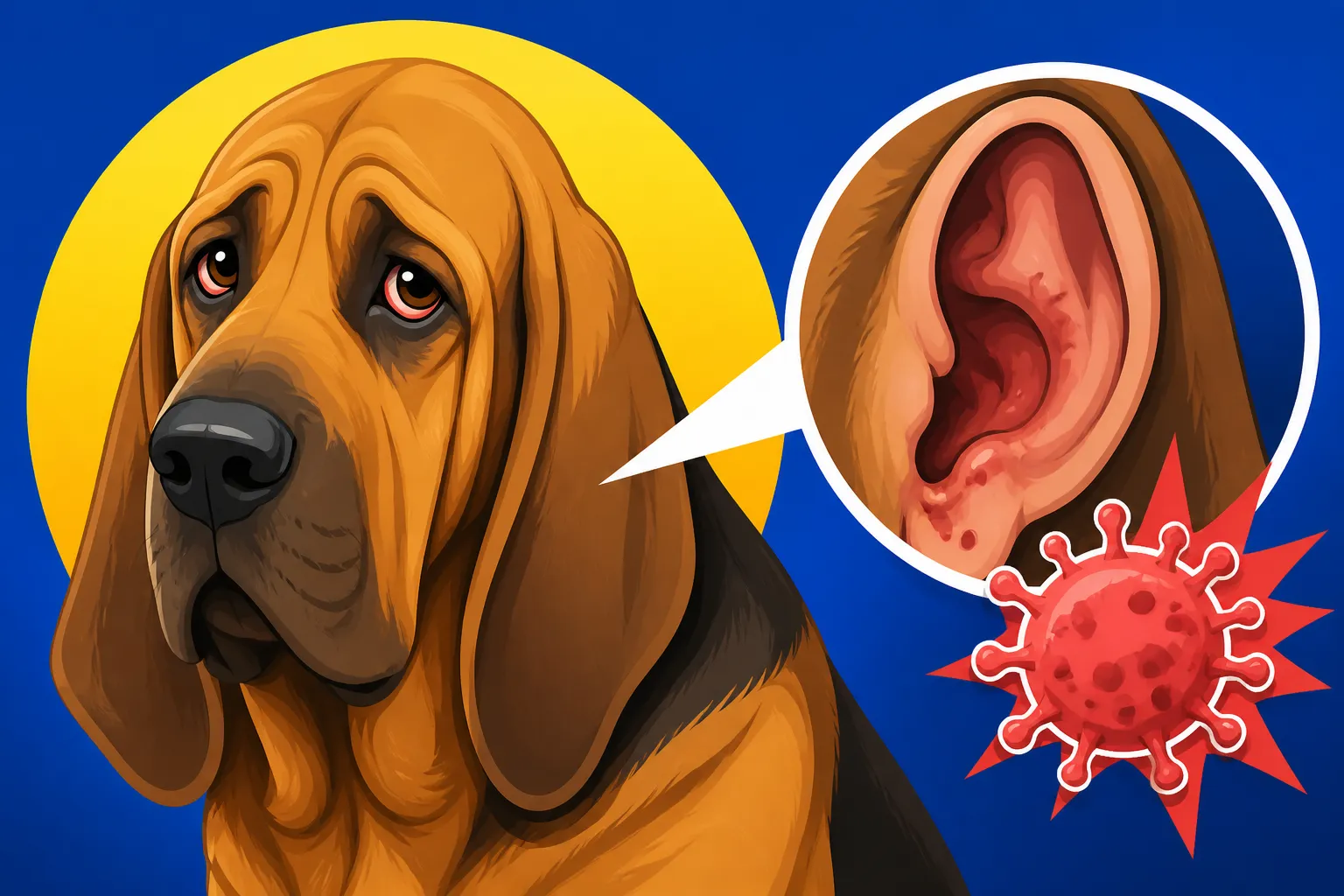
An infected ear, however, will tell a very different story. You'll likely see redness and inflammation around the opening of the ear canal and potentially deeper inside. The skin might appear swollen or puffy. Look for discharge: this can range from dark brown, waxy, and somewhat gritty (often indicative of a yeast infection) to yellowish or greenish pus-like discharge (more common with bacterial infections). You might also notice crusts or scabs forming around the ear opening, which can be from the discharge drying or from the hound scratching the area raw. Most tellingly, there will almost certainly be an unpleasant odor. This can be distinctly yeasty, like old bread or corn chips, or it can be a foul, fetid smell, signaling a more severe bacterial infection. Sometimes, you'll even see blood from excessive scratching or a hematoma forming from vigorous head shaking. Any of these visual or olfactory cues are strong indications that an infection has taken hold and needs professional attention.
The Difference Between Yeast and Bacterial Infections
While both yeast and bacteria can cause ear infections in Bloodhounds, they often present slightly differently, and understanding the nuances can help your vet narrow down the diagnosis. A yeast infection (most commonly caused by Malassezia pachydermatis) typically produces a dark brown, waxy, and often greasy discharge. The tell-tale sign is usually the smell – a distinctive sweet, yeasty, or "corn chip" odor that is hard to miss once you've encountered it. The ear might be red and itchy, but often less acutely painful than a severe bacterial infection.
Bacterial infections, on the other hand, can be caused by a variety of bacteria (e.g., Staphylococcus, Pseudomonas). These often result in a yellow or green, pus-like discharge. The odor tends to be more foul or putrid. Bacterial infections are frequently more painful, and the ear might be visibly swollen, hot to the touch, and extremely sensitive. Sometimes, both yeast and bacteria are present, complicating the picture. Because the treatments differ significantly – antifungals for yeast, antibiotics for bacteria – a veterinarian will almost always recommend a cytology (examining a swab of the discharge under a microscope) or even a culture and sensitivity test. This allows them to identify the specific culprit and prescribe the most effective medication. It’s impossible to truly know Whether Yeast or Bacteria Is More Common in a Bloodhound's Ear or what type of infection your dog has without a vet's diagnosis, as symptoms can overlap.
Proactive Care: Essential Routine for Healthy Bloodhound Ears
Prevention is always better than cure, especially when it comes to Bloodhound ears. Establishing a consistent and thorough ear care routine from puppyhood can significantly reduce the risk and frequency of infections, saving your hound discomfort and you potentially costly vet bills.
How Often a Bloodhound's Ears Need Cleaning
This is perhaps the most crucial question for any Bloodhound owner, and the answer is: frequently. For most Bloodhounds, a weekly ear cleaning should be considered the absolute minimum. However, many owners find that their hound's ears benefit from even more frequent attention, perhaps every 3-5 days, especially if their dog is prone to infections or has recently been swimming or spent time in humid environments.
Consistency is key. It's far better to do a quick, gentle cleaning regularly than to wait until you see signs of trouble and then attempt a deep clean on an already irritated ear. During allergy season or times of high humidity, you might need to increase the frequency. If your Bloodhound swims regularly, you absolutely must clean and dry their ears immediately after every swim. Think of it as part of their regular grooming, as essential as nail trims or brushing. Establishing this routine early on will not only keep their ears healthier but will also accustom your Bloodhound to the process, making future cleanings much easier. The general consensus for proactive maintenance is that How Often a Bloodhound's Ears Need Cleaning directly correlates to preventing issues.
Choosing the Right Ear Cleaner and Technique
Selecting the right ear cleaner is important. Look for veterinary-formulated ear cleaners that are specifically designed for dogs. Many good quality cleaners contain ingredients that are antiseptic, antifungal, and/or have drying agents to help prevent microbial overgrowth. Your veterinarian can recommend a specific brand or type that best suits your Bloodhound's individual needs, especially if they have recurring issues. Avoid harsh chemicals, alcohol, or homemade remedies like pure vinegar solutions, as these can irritate sensitive ear skin.
When it comes to technique, gentle but thorough is the goal. Start by gathering your supplies: the cleaner, plenty of cotton balls or gauze pads (avoid cotton swabs, as they can push debris deeper into the ear canal), and treats.
- Warm the cleaner slightly by holding the bottle in your hands for a few minutes; this makes it more comfortable for your dog.
- Gently lift the ear leather and hold it up to expose the ear canal opening.
- Fill the ear canal with the cleaning solution until it overflows. Don't be shy; you need enough to flush out debris.
- Massage the base of the ear for about 30 seconds. You should hear a squishing sound as the cleaner breaks up wax and debris. Your Bloodhound might enjoy this part!
- Allow your Bloodhound to shake their head. This helps dislodge the cleaner and debris. It will be messy, so do this outdoors or in an easy-to-clean area.
- Wipe the visible part of the ear canal and the underside of the ear leather with a cotton ball or gauze pad. Repeat until no more dirt or discharge comes out. Don't try to go too deep into the L-shaped canal.
- Reward your Bloodhound with praise and a treat.
Regular cleaning is crucial, and knowing What to Clean a Bloodhound's Ears With and how to do it correctly is fundamental to preventing problems.
The Role of Snoods and Proper Feeding Bowls
Sometimes, preventing ear issues requires a bit of creative thinking when it comes to daily routines. For Bloodhounds, their magnificent ears are constantly in danger of dragging through their food and water bowls, which can introduce moisture and bacteria directly into the ear canal. This is where simple tools like snoods and specially designed feeding bowls become invaluable.
A snood is essentially a fabric tube or cowl that you slip over your Bloodhound's head, pulling their long ears up and out of the way. Many owners use them during meal times to prevent the ears from dipping into wet food, gravy, or water. This simple barrier keeps the ears clean and dry, reducing the risk of food particles or excess moisture contributing to an infection. Some owners even use snoods when their Bloodhound is outdoors, especially in brushy areas, to protect the ears from burrs, twigs, and excessive dirt, all of which can irritate the ear canal or carry infectious agents. If you're wondering What a Snood Does for a Bloodhound, it's primarily a shield against mess and debris.
Similarly, the type of feeding bowl you use can make a big difference. Traditional wide, shallow bowls are an open invitation for those long ears to become submerged. Instead, opt for narrow, deep bowls. These bowls are designed with a smaller opening at the top, making it harder for the ears to fall in while your Bloodhound eats or drinks. Some owners even use elevated feeders with these types of bowls to further minimize contact. This small adjustment in equipment can have a significant impact on ear hygiene. By using a deep, narrow bowl, you're directly addressing Which Bowl Shape Keeps a Bloodhound's Ears Out of their food and water, minimizing contamination.
When to Seek Veterinary Help for a Bloodhound's Ears
While proactive care is your first line of defense, even the most diligent Bloodhound owner might encounter an ear infection that requires professional medical attention. Knowing when to escalate from home care to a veterinary visit is crucial for your hound's health and comfort.
Identifying When an Ear Infection Becomes Serious
Sometimes, an ear infection progresses beyond the point where home cleaning and monitoring are sufficient. You need to be vigilant for signs that indicate a more serious underlying problem or a worsening infection. These include:
- Persistent pain or discomfort: If your Bloodhound yelps when you try to touch their ear, or is constantly shaking their head, pawing at their ear, or tilting their head to one side for more than a day or two, it's a strong sign of significant pain.
- Head tilt or loss of balance: This can indicate that the infection has progressed to the middle or inner ear, which can affect their equilibrium and be quite serious.
- Hearing loss: If you notice your Bloodhound is unresponsive to sounds on one side, or seems to have general hearing impairment, it could be due to a severe blockage or damage from chronic infection.
- Fever or lethargy: These are systemic signs that the infection is impacting their overall health.
- Lack of response to home care: If you've been diligently cleaning and using over-the-counter remedies (if applicable and vet-approved) for a few days without improvement, or if symptoms worsen, it's definitely time to see the vet.
- Recurring infections: If your Bloodhound seems to get an ear infection every few weeks or months, even with consistent care, it suggests an underlying issue that needs to be addressed. This can be a sign When a Bloodhound's Ear Infection Becomes Permanent or chronic, and professional intervention is vital.
Don't wait if you observe these symptoms. Prompt veterinary care can prevent the infection from becoming more entrenched, more painful, and more difficult (and expensive) to treat.
The Veterinary Examination and Diagnostic Process
When you take your Bloodhound to the vet for an ear problem, they will perform a thorough examination to determine the cause and severity of the infection. This process usually involves several key steps:
- Physical Examination: The vet will start with a general check-up, looking for any other signs of illness or allergies that might contribute to ear issues. They will observe your Bloodhound's gait, head posture, and overall demeanor.
- Otoscopic Examination: This is where the vet uses an otoscope (a specialized instrument with a light and magnifying lens) to look deep into the ear canal. This allows them to visualize the eardrum (if visible), assess the extent of inflammation, identify any foreign bodies, tumors, or excessive wax buildup. They'll also note the color and type of discharge.
- Cytology: This is a crucial step. The vet will take a swab of the ear discharge and examine it under a microscope. This allows them to identify whether yeast, bacteria (and their shapes, which can suggest types), or even mites are present. This immediate information helps guide initial treatment choices.
- Culture and Sensitivity Testing: If the infection is severe, recurrent, or not responding to initial treatment, the vet may send a sterile swab of the discharge to a laboratory for a culture. This test identifies the specific type of bacteria or yeast present and, critically, determines which antibiotics or antifungals will be most effective against it. This helps avoid using medications that won't work, saving time and preventing antibiotic resistance. Knowing Whether a Bloodhound Needs a Culture Before Ear Drops is often determined by the veterinarian based on the initial cytology and the history of ear infections.
These diagnostic steps are essential for a targeted and effective treatment plan, ensuring your Bloodhound gets the right medication for the specific infection they have.
Treatment Options: From Medication to Surgery
Once your veterinarian has diagnosed the type and severity of your Bloodhound's ear infection, they will outline a treatment plan. Most ear infections are successfully treated with medication, but in chronic or severe cases, surgery might be necessary.
For typical infections, treatment usually involves:
- Topical Medications: These are ear drops or ointments that are applied directly into the ear canal. They often contain a combination of antibiotics (to kill bacteria), antifungals (to kill yeast), and anti-inflammatory corticosteroids (to reduce swelling and pain). You will typically need to clean the ear thoroughly before each application to allow the medication to penetrate effectively. Your vet will instruct you on the frequency and duration of use.
- Oral Medications: If the infection is deep-seated, severe, or affects the middle ear, your vet might prescribe oral antibiotics or antifungals. These work systemically throughout the body. Oral pain relief or anti-inflammatory drugs might also be given, especially in cases where the ear is very painful and swollen.
- Deep Ear Cleaning/Flushing: In some instances, especially with severe wax buildup or very thick discharge, your vet might perform a deep ear flush under sedation. This allows them to thoroughly clean the ear canal and ensure medications can reach the affected tissues.
For Bloodhounds suffering from chronic, unresolving ear infections, particularly those that have led to significant scarring, narrowing of the ear canal, or even ruptured eardrums, Total Ear Canal Ablation (TECA) might be recommended. This is a surgical procedure where the entire diseased ear canal is removed, and the middle ear is cleaned out. It's a last resort but can provide immense relief for a dog in constant pain from intractable ear disease. While it results in permanent hearing loss in the affected ear, the improvement in quality of life is often dramatic. It's a tough decision, but understanding What a Total Ear Canal Ablation Means for a Bloodhound can prepare you for the possibility if other treatments fail.
Preventing Recurrence and Managing Chronic Ear Issues
For many Bloodhounds, an ear infection isn't a one-time event but a recurring battle. Preventing recurrence and effectively managing chronic issues requires a holistic approach that goes beyond just treating the immediate symptoms.
Addressing Underlying Causes of Persistent Infections
If your Bloodhound's ears seem to be in a constant state of flux, cycling through infections despite diligent cleaning and treatment, it's time to dig deeper into potential underlying causes. Simply treating the infection itself won't stop it from coming back if the root cause isn't addressed.
One of the most common culprits behind recurrent ear infections in dogs, including Bloodhounds, is allergies. These can be:
- Environmental allergies (atopy) to things like pollen, dust mites, or molds. Just like humans get sneezing or itchy eyes, dogs often manifest allergies through skin problems, and the ears are a common target. The inflammation and itchiness associated with allergies can compromise the ear's natural defenses, making it more susceptible to secondary yeast and bacterial infections.
- Food allergies or sensitivities, which can also trigger skin and ear inflammation. Identifying and eliminating the offending ingredient (often a common protein like chicken or beef) through a strict elimination diet can sometimes resolve chronic ear issues.
Another less common but important underlying factor can be hypothyroidism. A low-functioning thyroid gland can lead to various skin and coat problems, including recurrent infections and poor healing. If your vet suspects hypothyroidism, a simple blood test can confirm it. Treating the thyroid condition can sometimes lead to a significant improvement in ear health. For more information, you can explore Hypothyroidism in a Bloodhound.
Finally, sometimes there are anatomical abnormalities beyond the breed's general characteristics, such as excessively narrow canals, that make infection almost inevitable. Your vet might discuss long-term management strategies, including specific ear medications or supplements, once these underlying causes are identified.
Long-Term Management Strategies and Lifestyle Adjustments
Even after treating an acute infection and addressing any underlying causes, long-term management is crucial to keep your Bloodhound's ears healthy. This isn't a "set it and forget it" situation; it requires ongoing vigilance and commitment.
Key strategies include:
- Consistent Cleaning Schedule: Stick to your weekly (or more frequent) ear cleaning routine. This is non-negotiable for Bloodhounds. Make it a positive experience with treats and praise so your dog learns to tolerate, if not enjoy, the process.
- Proactive Monitoring: Regularly inspect and sniff your Bloodhound's ears. Get into the habit of a quick check daily. The moment you notice any redness, discharge, or a faint odor, you can intervene quickly with a cleaning or contact your vet before it escalates into a full-blown infection.
- Preventive Drops: For Bloodhounds with a history of chronic issues, your veterinarian might recommend using a specific preventive ear rinse or drying agent a few times a week, or after swimming, to maintain a healthy ear environment.
- Allergy Management: If allergies are identified as an underlying cause, adhere strictly to the prescribed allergy management plan. This might involve special diets, allergy medications (antihistamines, Apoquel, Cytopoint), or even immunotherapy (allergy shots).
- Environmental Control: Try to minimize exposure to known triggers. For example, if your Bloodhound is allergic to dust mites, regular vacuuming and washing bedding in hot water can help. If they love to swim, ensure immediate and thorough ear drying afterward.
- Regular Veterinary Check-ups: Ensure your Bloodhound has regular veterinary examinations, allowing your vet to assess ear health even when there aren't obvious problems.
By integrating these strategies into your Bloodhound's routine, you'll be actively working to create an environment where ear infections are less likely to take hold, giving your hound a better quality of life.
The Financial Reality of Bloodhound Ear Care
Let's be candid: owning a Bloodhound can be expensive, and a significant portion of that expense often goes toward managing their unique health needs, particularly their ears. The Standing Cost of a Bloodhound's Ears is a real and ongoing factor in ownership.
Consider the breakdown:
- Routine Cleaners: Good quality veterinary ear cleaning solutions aren't cheap, and you'll be going through them regularly. Expect to spend $15-30 per bottle, and you might need several a year.
- Vet Visits for Infections: Each time an infection flares up, you're looking at an examination fee (typically $60-100+), plus the cost of diagnostics like cytology ($30-70+) and potentially a culture ($100-200+).
- Medications: Prescription ear drops, oral antibiotics, or antifungals can range from $40 to $150 or more per course of treatment, depending on the specific medication and the duration needed.
- Allergy Management: If allergies are the root cause, treatments like specialized diets, allergy medications (which can be hundreds of dollars monthly), or immunotherapy can add up quickly.
- Advanced Procedures: If an infection becomes severe or chronic, procedures like a sedated ear flush can cost several hundred dollars. A Total Ear Canal Ablation (TECA) surgery, while rare, is a major surgery and can easily run into thousands of dollars (e.g., $2,000 – $5,000+ per ear), especially if performed by a specialist.
It's easy to see how these costs can accumulate. This is where pet insurance, like Healthy Paws, can be a real lifesaver. A good policy might cover a significant portion of diagnostic tests, medications, and even major surgeries like TECA, greatly reducing your out-of-pocket expenses for chronic or severe ear issues. Investing in insurance when your Bloodhound is young and healthy, before any pre-existing conditions (like chronic ear infections) are noted, is a wise financial decision for any Bloodhound owner. Being prepared for these costs is just part of being a responsible Bloodhound parent.
Bloodhound Ear Infection Summary
| Feature | Healthy Ear | Infected Ear (General Signs) | Specific to Bloodhounds (Challenges) |
|---|---|---|---|
| Appearance | Pale pink, clean, no redness or swelling | Redness, swelling, discharge (brown, yellow, green) | Long, heavy ear leather covers canal; deep, L-shaped canal |
| Odor | Mild, slightly waxy | Yeasty, foul, putrid | Poor airflow due to ear flap; moisture trapped easily |
| Discharge | None or minimal light wax | Waxy, greasy, pus-like | Abundant sebaceous glands & hair in canal trap debris |
| Behavior | Calm, normal | Head shaking, scratching, rubbing, head tilt | Stoic nature means signs might be subtle at first |
| Prevention/Care | Weekly cleaning, snood, proper bowls | Vet visit for diagnosis & treatment | Consistent, frequent cleaning is paramount |
| Common Causes | Genetic predisposition (anatomy) | Yeast, bacteria, ear mites, allergies, hypothyroidism | Susceptibility to environmental & food allergies |
| Treatment | N/A | Topical/oral meds, deep cleaning, surgery (TECA) | Targeted treatment based on cytology/culture |
| Cost | Routine cleaner ($15-30/bottle) | Vet exams, diagnostics, medications ($100s-$1000s) | Potential for high recurring costs; consider pet insurance (Healthy Paws) |
Disclaimer
The information provided in this article is intended for general informational purposes only and does not constitute veterinary medical advice. Always consult with a qualified veterinarian for any health concerns or before making any decisions related to your Bloodhound's health and treatment plan. Individual situations may vary, and only a professional can provide an accurate diagnosis and appropriate recommendations.