Whether a Bloodhound With Fair Hips Should Be Bred
It's a moment every Bloodhound owner dreads, especially if they have dreams of their beloved hound continuing their impressive lineage: you get the results back from the orthopedic screening, and while your dog "passed," the score is only "Fair." This isn't just a technicality on a piece of paper; it creates a real dilemma for breeders and future generations. This guide is here to unravel what a "Fair" hip score truly signifies for a Bloodhound and help you navigate the complex decisions around breeding.
Understanding "Fair" Hip Scores in Bloodhounds
When you put your Bloodhound through the rigorous process of hip screening, usually through organizations like the Orthopedic Foundation for Animals (OFA) or PennHIP, you're looking for reassurance about their skeletal health. The results can be a rollercoaster of emotions, and a "Fair" score often leaves owners scratching their heads, wondering if it's truly good enough. It's a passing grade, yes, but it carries a weight of nuance you absolutely need to understand before making any breeding decisions.
What an OFA "Fair" Rating Truly Means
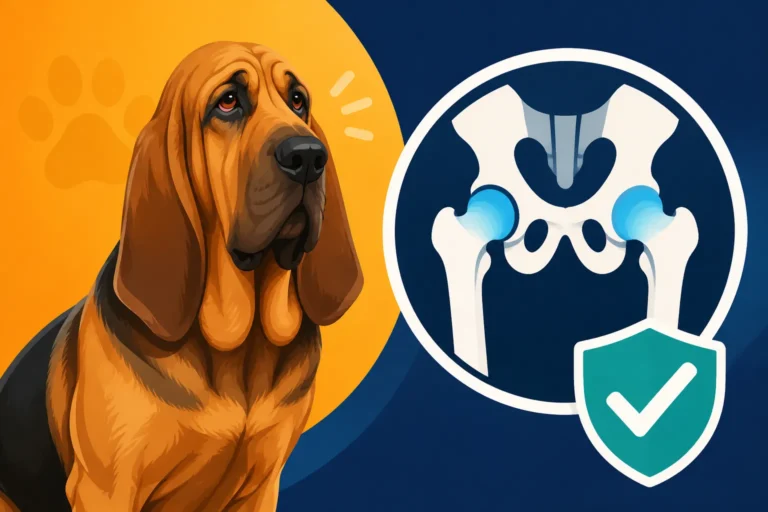
The OFA's hip evaluation system is well-regarded and widely used in the United States. It involves submitting specific X-ray views of your dog's hips to a panel of three board-certified veterinary radiologists. These experts then evaluate the images for signs of hip dysplasia, a complex condition where the hip joint doesn't form correctly. The scores range from Excellent, Good, Fair (all considered passing, or "normal"), to Borderline, Mild, Moderate, and Severe (all considered dysplastic, or "abnormal").
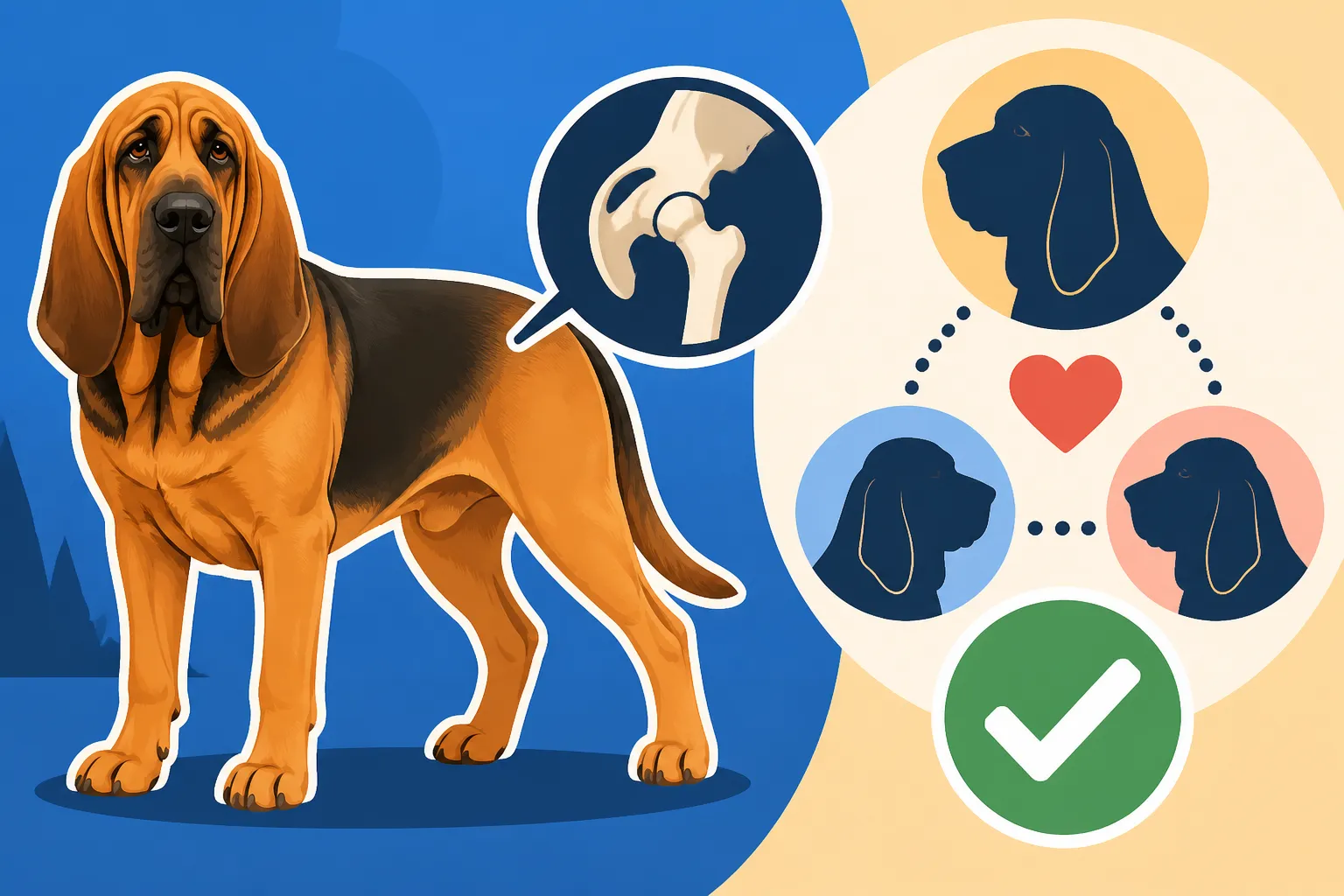
A "Fair" rating from the OFA means that while the hip joint is still considered "phenotypically normal" – meaning it looks healthy enough at the time of the X-ray – there are minor irregularities. These might include slight laxity in the hip joint or minor changes in the bone structure that indicate it's not as tightly fitted or perfectly formed as a "Good" or "Excellent" hip. It's a pass, but it's the lowest acceptable passing grade, a bit like getting a C on a test. It means the dog is unlikely to show clinical signs of hip dysplasia in its own life from this specific X-ray, but it also signals that there’s less margin for error, and potentially a higher genetic predisposition for future issues or for passing on genetic factors that lead to dysplasia.
The Nuances Between "Fair" and Other Passing Scores
The difference between an "Excellent," "Good," and "Fair" score isn't just academic; it reflects the degree of hip joint congruity and stability. An "Excellent" hip has a very tight fit of the femoral head into the acetabulum (the hip socket), with almost no space for laxity. "Good" hips show a well-formed, congruent hip joint with minimal subluxation (partial dislocation). "Fair" hips, however, demonstrate some minor irregularities. These might be subtle changes in the joint space, a slightly less spherical femoral head, or indications of minimal osteoarthritic changes.
For a Bloodhound owner, this distinction is crucial because the goal of ethical breeding isn't just to produce a dog that won't suffer from hip dysplasia itself, but to improve the breed's overall health and reduce the incidence of genetic diseases in future generations. While a Bloodhound with a "Fair" score might never show symptoms of lameness or pain, breeding it could introduce or reinforce genes that lead to more severe forms of hip dysplasia in its offspring. It's a stark reminder that passing isn't always thriving, especially when genetic legacy is on the line. For more on what these scores imply, check out our article on What an OFA Hip Score Means for a Bloodhound.
Why "Fair" Isn't Always "Good Enough" for Breeding
While technically a "Fair" hip score means your Bloodhound has passed the OFA's evaluation for hip dysplasia, it’s rarely considered "good enough" by responsible breeders committed to advancing the breed's health. The reason is simple: hip dysplasia is a polygenic condition, meaning multiple genes contribute to its development, alongside environmental factors. When you breed a dog with "Fair" hips, you're essentially choosing a dog with a lower genetic predisposition for excellent hip conformation than one with "Good" or "Excellent" hips.
This choice carries an inherent risk of producing puppies with inferior hip scores, potentially even dysplastic hips. The aim of any conscientious breeding program is to produce offspring that are better than their parents, or at least maintain the highest possible standard. Breeding a "Fair" dog often means you are settling for "average" or "borderline," rather than striving for genetic improvement. Many breeders will opt to only breed dogs with "Good" or "Excellent" scores to maximize the chances of producing healthy puppies, ensuring they do everything possible to mitigate genetic health risks. This commitment helps safeguard the long-term health of the breed, something every Bloodhound lover should champion.
The Ethical and Genetic Considerations of Breeding a Bloodhound with "Fair" Hips
The decision to breed a Bloodhound is a weighty one, involving not just the individual dog but the entire future of the breed. When a "Fair" hip score enters the equation, it complicates matters significantly, raising important ethical and genetic questions that demand careful thought and honest assessment. It's about more than just checking a box; it's about understanding the intricate web of genetics and the responsibility owed to these magnificent hounds.
The Heritability Factor and Offspring Risk
Hip dysplasia is known to be a heritable condition. This means that genetic factors play a significant role in whether a dog develops it and to what severity. While environmental factors like diet, exercise, and rapid growth in puppies can influence the expression of the disease, the underlying genetic predisposition is passed down from parents. A dog with "Fair" hips, by definition, has a genetic makeup that predisposes it to slightly less ideal hip conformation than a dog with "Good" or "Excellent" hips.
When you breed a Bloodhound with "Fair" hips, you are taking a calculated risk that their puppies could inherit an even higher predisposition for hip laxity or outright dysplasia. Even if the other parent has "Excellent" hips, the combination of genes is a roll of the dice. Some puppies might inherit the stronger hip genes, but others could inherit a less desirable combination, leading to clinical hip dysplasia, pain, and a diminished quality of life. This is the core ethical dilemma: do you risk contributing to the incidence of a painful, debilitating disease when the option to select a genetically stronger parent exists? It's a tough pill to swallow, especially when you adore your dog, but it's a vital consideration for the health of the entire Bloodhound population. Understanding Hip Dysplasia in a Bloodhound can further clarify these risks.
Balancing Individual Health with Breed Health
This is perhaps the biggest tightrope walk for any breeder. On one hand, you have your individual Bloodhound, a cherished companion, possibly with an incredible nose, superb temperament, or conformation that aligns perfectly with the breed standard. They might even have a "Fair" hip score and live a full, active life without any signs of discomfort. It’s natural to want to pass on these wonderful qualities.
However, the greater responsibility lies with the health of the Bloodhound breed as a whole. Every breeding decision contributes to the collective gene pool. If every breeder decided that "Fair" was "good enough," over time, the average hip quality of the breed could decline, leading to a higher prevalence of hip dysplasia and associated suffering. Responsible breeding requires looking beyond the individual dog and considering the long-term impact on the entire breed. This means sometimes making difficult decisions that prioritize breed health over the desire to breed a specific individual, no matter how beloved. It's a commitment to the future, ensuring that Bloodhounds continue to be healthy, functional companions for generations to come. The American Bloodhound Club works to uphold these standards, as detailed in What the American Bloodhound Club Asks Breeders to Screen.
The Role of the American Bloodhound Club Guidelines
The American Bloodhound Club (ABC) plays a crucial role in promoting responsible breeding practices and the overall health of the breed. While they strongly recommend hip and elbow screening, their specific stance on "Fair" hips for breeding is a strong deterrent. The ABC, along with most reputable breed clubs, generally advises breeders to utilize dogs with hip evaluations of "Good" or "Excellent" for breeding purposes. They might tolerate "Fair" when combined with an "Excellent" mate, particularly if the "Fair" dog brings exceptionally strong qualities in other areas (like an unparalleled working nose or exceptional temperament) that are otherwise rare, and if the pedigree is free of dysplasia. However, this is usually a carefully considered exception, not the rule.
The general consensus among ethical Bloodhound breeders is to strive for the highest possible hip scores in their breeding stock. This commitment helps to continuously improve the breed’s health over successive generations. Ignoring these recommendations, or consistently breeding dogs with "Fair" hips, could be seen as undermining the collective efforts to reduce the incidence of hip dysplasia in Bloodhounds. These guidelines are not arbitrary; they are developed through years of experience and scientific understanding, aimed at preserving and enhancing the unique qualities of the Bloodhound while minimizing hereditary health issues. You can learn more about general screening recommendations in Whether a Bloodhound Should Be Screened Before Breeding.
| OFA Hip Rating | Interpretation | Suitability for Breeding (Ethical Stance) |
|---|---|---|
| Excellent | Superior hip conformation, very tight joints | Highly recommended |
| Good | Well-formed hip conformation, congruent joints | Highly recommended |
| Fair | Minor irregularities, acceptable but less than ideal | Generally not recommended, or only with extreme caution and exceptional genetic merit in other areas |
| Borderline | Marginally acceptable conformation, uncertain | Not recommended |
| Mild Dysplasia | Evidence of hip dysplasia, slight malformation | Not recommended |
| Moderate Dysplasia | Obvious signs of hip dysplasia, significant malformation | Not recommended |
| Severe Dysplasia | Marked evidence of hip dysplasia, major malformation | Not recommended |
This table reflects the general ethical guidelines for responsible Bloodhound breeding programs.
Practical Decisions for Bloodhound Breeders and Owners
When faced with a "Fair" hip score, the path forward isn't always clear-cut, but it does become more defined by ethical responsibility and practical considerations. It’s about making choices that honor your Bloodhound’s well-being and contribute positively to the breed’s future. For owners, this means exploring alternatives to breeding, focusing on their dog's health, and understanding the financial implications of managing potential health issues down the line.
Alternatives to Breeding for "Fair" Hipped Bloodhounds
Discovering your Bloodhound has "Fair" hips can be disappointing if you had breeding aspirations. However, this certainly doesn't diminish their value as a companion, a working dog, or a show dog in non-breeding categories. Many Bloodhounds with "Fair" hips go on to have incredibly successful careers in various venues:
- Mantrailing and Scent Work: A "Fair" hip score has absolutely no bearing on a Bloodhound's unparalleled scenting ability. These dogs can excel in mantrailing, search and rescue, or various forms of nose work, where their primary tool is their incredible nose, not necessarily perfect joint conformation. A dog with "Fair" hips can still be a phenomenal working partner. For more on this, consider Mantrailing Is the Answer to a Bloodhound, Not Obedience.
- Performance Sports: Depending on the severity of the laxity, some Bloodhounds with "Fair" hips might still participate in lower-impact dog sports like rally obedience or even some agility, though careful veterinary consultation is a must to prevent injury.
- Companion Animals: Most importantly, a Bloodhound with "Fair" hips can be an absolutely wonderful family pet. Their gentle nature and devoted companionship are their defining traits, irrespective of their hip scores. They deserve a loving home where they can thrive, whether or not they contribute to the gene pool.
- Ambassador Roles: Many "Fair" hipped Bloodhounds, especially those with exceptional temperaments, can serve as excellent breed ambassadors, participating in educational events or therapy work, showcasing the breed's wonderful qualities without the pressure of reproduction.
It’s important to remember that a "Fair" rating is still considered "normal" by the OFA, suggesting that most of these dogs will live full, active lives without needing intervention for hip dysplasia. It’s the breeding aspect that raises the ethical flag, not their potential as individuals.
Supporting a "Fair" Hipped Bloodhound's Lifespan
If your Bloodhound has received a "Fair" hip score, shifting your focus to proactive care for their joint health throughout their life is a smart move. While "Fair" hips typically don't cause immediate problems, a slightly less stable joint could be more prone to developing arthritis or discomfort later in life. There are many ways to support their long-term well-being:
- Weight Management: Keeping your Bloodhound at a lean, healthy weight is paramount. Excess weight puts significant stress on all joints, accelerating wear and tear, especially on hips that aren't perfectly tight. Regular weight checks with your vet are essential.
- Controlled Exercise: Provide consistent, moderate exercise to build and maintain strong muscle mass around the hips, which helps stabilize the joints. Avoid high-impact activities, sudden stops, or excessive jumping, especially during their growth phases. Swimming can be an excellent low-impact option.
- Joint Supplements: Many veterinarians recommend joint supplements containing glucosamine, chondroitin, and MSM for large breeds, particularly those with less-than-perfect joint scores. These can help support cartilage health and reduce inflammation. Omega-3 fatty acids are also beneficial for their anti-inflammatory properties.
- Comfortable Living: Ensure your Bloodhound has soft, supportive bedding to reduce pressure on their joints. Consider ramps for cars or furniture if they struggle with jumping as they age.
- Regular Veterinary Check-ups: Consistent vet visits allow your veterinarian to monitor your Bloodhound’s joint health, identify any signs of discomfort early, and recommend interventions if needed. Early detection can make a big difference in managing any future issues. Companies like Healthy Paws can be a real lifeline for managing these ongoing health costs, ensuring you can provide the best care without financial strain.
By being proactive, you can significantly contribute to your Bloodhound’s comfort and mobility, allowing them to enjoy a long and happy life, even with "Fair" hips.
Financial Implications and the Value of Comprehensive Health Testing
Raising any Bloodhound comes with financial considerations, but potential joint issues, even from "Fair" hips, can add to the costs. While a "Fair" dog might never need surgery, the possibility of arthritis developing later in life means potential expenses for pain medication, anti-inflammatory drugs, special diets, physical therapy, or even advanced diagnostics. These can add up quickly over several years.
This highlights the immense value of comprehensive health testing not just for breeding, but for general ownership. Knowing your dog's hip status allows you to be proactive in their care and prepare for potential future expenses. This is where pet insurance, like policies offered by Healthy Paws, can be invaluable. A good pet insurance plan can help mitigate the financial burden of managing chronic conditions like arthritis or unforeseen orthopedic issues that might arise from those "Fair" hips down the line. While many policies won't cover pre-existing conditions, getting coverage early means you're prepared for new conditions that might develop.
Breeders who commit to thorough health testing, including advanced screenings for hips, elbows, eyes (as discussed in The Four Eye Problems a Bloodhound Is Born Toward), and heart conditions (Heart Disease in the Bloodhound), are not just performing a service to their individual buyers; they are investing in the entire breed's future. The initial cost of comprehensive testing, as highlighted in What OFA Certification Costs a Bloodhound Breeder, is a small price to pay compared to the potential financial and emotional cost of dealing with multiple generations of dogs suffering from preventable genetic conditions. Ultimately, choosing to breed only the healthiest Bloodhounds ensures that the money spent by future owners goes towards enriching their lives, rather than constantly battling preventable health crises.
Disclaimer
This guide provides general information and recommendations regarding Bloodhound health and breeding considerations. It is not a substitute for professional veterinary advice. Always consult with your veterinarian or a board-certified veterinary orthopedic specialist for diagnosis, treatment, and specific recommendations tailored to your individual Bloodhound. Breeding decisions should always be made in consultation with experienced mentors, breed clubs, and veterinary professionals.