Signs a Bloodhound Puppy Has Elbow Dysplasia
It’s truly disheartening when your joyful, clumsy Bloodhound puppy suddenly seems to favor a leg, struggles to get up, or doesn't want to play as much as usual. You might wonder if it's just a growth spurt ache, a silly stumble, or something more serious. This guide is here to walk you through the tell-tale signs of elbow dysplasia in Bloodhound puppies, helping you understand what to look for and what steps to take.
Understanding Elbow Dysplasia in Bloodhounds
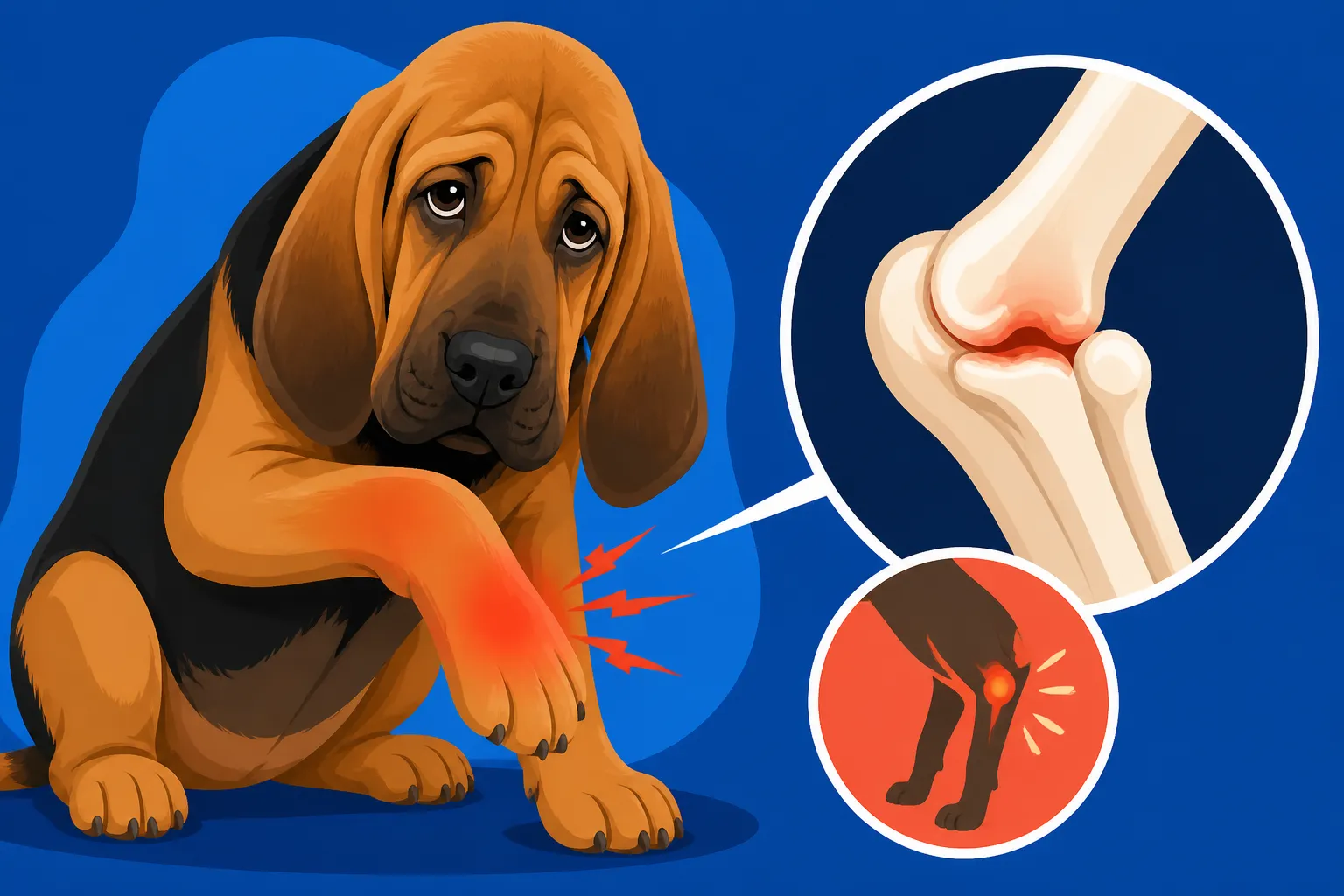
Elbow dysplasia is one of those scary terms that no large breed dog owner wants to hear, but for Bloodhounds, it's a condition we absolutely need to be aware of. It's not just one disease; it’s a blanket term covering several developmental abnormalities of the elbow joint that commonly affect rapidly growing, large breed dogs. Essentially, the bones that make up the elbow joint (the humerus, radius, and ulna) don't fit together perfectly, leading to instability, abnormal cartilage wear, and eventually, painful arthritis.
What Exactly Is Elbow Dysplasia?
To break it down a bit, elbow dysplasia typically involves one or more of four specific conditions: ununited anconeal process (UAP), fragmented coronoid process (FCP), osteochondrosis dissecans (OCD) of the humeral condyle, and elbow incongruity. Each of these can lead to joint inflammation, pain, and degenerative changes over time. Imagine trying to walk around with a stone in your shoe all day – that's a bit like what a dog with early elbow dysplasia might experience. The constant irritation and friction within the joint cause pain, and as they try to compensate, other parts of their body can also become strained.
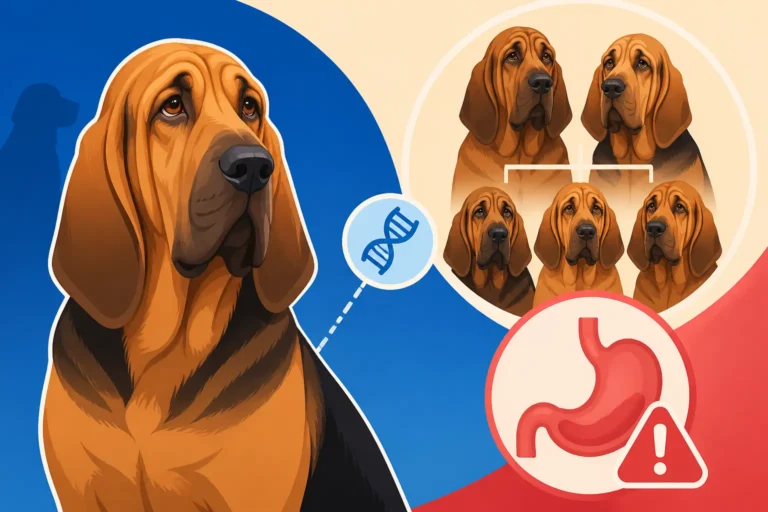
It’s crucial to understand that while a genetic predisposition is a major factor, environmental influences like diet, exercise, and growth rate can also play a role in how severely the condition manifests. A puppy might carry the genes for elbow dysplasia, but its upbringing can impact the severity of the symptoms it develops. This complex interplay is why even with careful breeding, it’s still something Bloodhound owners must be vigilant about.
Why Bloodhounds Are Prone to Elbow Dysplasia
Bloodhounds, with their deep chests, heavy bones, and rapid growth spurts, fit the classic profile for breeds susceptible to elbow dysplasia. They grow from adorable, floppy-eared puppies to substantial adults in a relatively short period, and this accelerated growth can put immense stress on their developing joints. Their genetic heritage also plays a significant role; certain lines may be more predisposed. This is similar to how we also see a prevalence of Hip and Elbow Dysplasia in the Bloodhound, making proper screening so vital.
The weight and general conformation of a Bloodhound can exacerbate any underlying joint incongruity. When a breed is designed for endurance and scent work, carrying a substantial frame, any subtle misalignment in the elbow can be magnified with every step, every gallop, and every enthusiastic tug on the leash as they follow an intriguing scent. It’s not just about their size, though; it’s about how their entire skeletal system is put together and the incredible demands placed upon it.
Early Warning Signs to Watch For in Your Bloodhound Puppy
Spotting elbow dysplasia early in a Bloodhound puppy can be tricky because puppies are, by nature, a bit clumsy. They trip, they stumble, they have growth spurts that can make them appear awkward. However, there are definite signs that go beyond typical puppy antics and warrant immediate attention. The key is observation: truly watching how your puppy moves, plays, and rests.
Subtle Changes in Gait and Movement
This is often the first, most noticeable indicator. Keep an eye out for a general stiffness or lameness, especially after your puppy has been resting or sleeping. They might have difficulty getting up, seeming a little "rusty" before they loosen up.
- Intermittent Lameness: Your puppy might limp one day, be fine the next, and then limp again. This on-again, off-again nature can be frustrating and make you doubt if you're really seeing something or just imagining it. Don't dismiss these fleeting limps.
- A "Bunny Hop" Gait: Sometimes, a puppy with elbow pain will move both hind legs together, almost like a bunny, to reduce the impact on their front limbs. While more commonly associated with hip issues, it can occur if they are trying to shift weight forward to alleviate pain.
- Outward Turned Elbows: Observe how your puppy stands. Are their elbows turning out or pulling close to their body in an unnatural way? They might try to compensate by rotating their paws outwards to change the angle of their joint.
- Reluctance to Bear Weight: You might see them consistently favoring one front leg, perhaps holding it up for a moment after a burst of activity, or shifting their weight noticeably when standing still.
- Stiffness After Rest: This is a classic sign for many joint issues. After a nap or a long night's sleep, they might struggle to push themselves up, moving slowly and awkwardly for the first few minutes before their joints "warm-up." This "warm-up" is actually them trying to mitigate pain.
Behavioral Clues and Activity Level
Beyond their physical movements, changes in your Bloodhound puppy's behavior and usual energy levels can be big red flags. Remember, these are typically exuberant, curious pups who love to explore.
- Decreased Playfulness: A puppy that suddenly isn't as enthusiastic about running, jumping, or wrestling with littermates or other dogs might be trying to tell you something. They might refuse to jump into the car or onto furniture (if allowed), opting for the stairs or even whining to be picked up.
- Lethargy or Increased Rest: While puppies need a lot of sleep, a significant increase in resting time, or a general lack of energy even when awake, can indicate chronic pain. They might choose to lie down more frequently during play sessions.
- Reluctance to Go Up or Down Stairs: Watch how they navigate stairs. Are they hesitating? Do they hop awkwardly? Do they try to avoid them altogether? Climbing and descending stairs put particular stress on the elbow joints.
- Changes in Temperament: Chronic pain can make even the sweetest Bloodhound puppy grumpy or irritable. They might snap when touched in certain areas or become withdrawn. This isn't naughtiness; it's a sign of discomfort.
Physical Indicators and Examination Tips
Sometimes, the signs are right there if you know where to gently feel. A careful, gentle examination of your puppy's elbows can reveal some clues.
- Swelling Around the Elbow Joint: Carefully feel around your puppy's elbows. Compare one to the other. Is one noticeably warmer or swollen? Inflammation can lead to visible or palpable puffiness around the joint.
- Pain Upon Palpation: Gently flex and extend your puppy's elbow. If they flinch, whine, try to pull away, or even nip, it's a strong indication of pain. Do this very gently and stop immediately if you meet resistance or pain.
- Crepitus (Grinding Sensation): When you gently flex and extend the elbow, do you feel or hear a grinding, clicking, or popping sensation? This is called crepitus and indicates bone-on-bone friction or cartilage damage within the joint. This is a very concerning sign.
- Muscle Atrophy: In some cases, if a puppy has been favoring a limb for a while, the muscles around that elbow might start to waste away due to lack of use, making the limb appear thinner. This usually happens in more chronic cases.
If you notice any of these physical signs, especially in conjunction with the gait or behavioral changes, it’s time to reach out to your veterinarian. Ignoring these can lead to more severe, long-term issues for your Bloodhound.
Diagnosing and Managing Elbow Dysplasia
Finding out your Bloodhound puppy might have elbow dysplasia can be incredibly worrying. The good news is that early diagnosis and management can make a significant difference in their quality of life. Don't delay in seeking professional veterinary advice.
When to Consult Your Veterinarian
The moment you observe any persistent lameness, stiffness, or changes in your Bloodhound puppy's activity or behavior that you suspect relate to discomfort, it's time to call your vet. Don't wait for it to get "worse" or hope it will resolve on its own. Puppies have a remarkable ability to hide pain, and by the time symptoms are obvious, the condition might have progressed.
Be prepared to give your vet a detailed history. When did you first notice the signs? How often does it happen? Does it seem worse after exercise or rest? Does anything make it better or worse? Video recordings of your puppy's gait or unusual movements can also be incredibly helpful for your vet to see what you've observed, as sometimes dogs act perfectly normal in the clinic. Remember, proactive care is always better, especially given the various health considerations for this breed, such as Heart Disease in the Bloodhound or even the risks of Bloat Is What Kills Most Bloodhounds.
Diagnostic Procedures and What to Expect
Once you're at the vet, they will perform a thorough physical and orthopedic examination, checking your puppy's range of motion, palpating joints, and observing their gait. If elbow dysplasia is suspected, they will likely recommend diagnostic imaging.
- X-rays (Radiographs): This is the most common initial diagnostic tool. Your puppy will need to be sedated to get clear, precisely positioned X-rays of their elbows. The sedation ensures they are still and comfortable, allowing for accurate images that can reveal changes in bone structure indicative of elbow dysplasia. These images help the vet assess joint congruity and look for specific lesions.
- CT Scans (Computed Tomography): For a more detailed look, especially if X-rays are inconclusive or a specific type of lesion (like FCP) is suspected, a CT scan might be recommended. CT provides a 3D image of the bones and soft tissues, offering much greater detail than X-rays. This is a specialized procedure, often done at a referral center.
- Arthroscopy: In some cases, a veterinary orthopedic specialist might recommend arthroscopy, a minimally invasive surgical procedure where a tiny camera is inserted into the joint to directly visualize the cartilage and bone surfaces. This is often both diagnostic and therapeutic, as some lesions can be removed or treated during the same procedure.
These diagnostic procedures can be costly, and this is where having good pet insurance, like a plan from Healthy Paws, can make a huge difference, helping you cover unexpected veterinary expenses without compromising on the best care for your furry friend.
Treatment Options and Long-Term Care
The treatment approach for elbow dysplasia depends heavily on the severity of the condition, the specific lesions present, and your puppy's age and overall health.
Conservative Management:
For milder cases or those unsuitable for surgery, conservative management focuses on pain control, inflammation reduction, and joint support.
- Pain Medication and Anti-inflammatories: Non-steroidal anti-inflammatory drugs (NSAIDs) are commonly prescribed to manage pain and reduce inflammation.
- Joint Supplements: Glucosamine, chondroitin, and omega-3 fatty acids can support joint health and slow degenerative changes. Brands like Dasuquin or Cosequin are often recommended.
- Weight Management: Keeping your Bloodhound lean is absolutely critical. Excess weight puts additional strain on compromised joints. This ties into the general advice of Keeping a Bloodhound Lean on Purpose.
- Controlled Exercise: Low-impact activities like swimming or short, controlled walks on soft surfaces can help maintain muscle mass without overstressing the joints. High-impact activities, jumping, and rough play should be avoided.
- Physical Therapy: Rehabilitation exercises, hydrotherapy, and therapeutic massage can significantly improve mobility, strengthen supporting muscles, and reduce pain.
Surgical Intervention:
Many forms of elbow dysplasia benefit from surgery, especially when diagnosed early. Surgical options aim to remove fragmented bone, reattach bone fragments, or alter the joint mechanics to reduce pain and improve function.
- Arthroscopic Surgery: As mentioned, this can be used to remove fragmented coronoid processes or OCD flaps. It’s minimally invasive with a quicker recovery.
- UAP Repair: For ununited anconeal process, surgery involves reattaching the anconeal process or removing it, depending on the case.
- Corrective Osteotomies: In some complex cases of elbow incongruity, more invasive surgeries may involve cutting and realigning bones to improve joint fit.
Post-surgical care is rigorous, involving strict rest, physical therapy, and ongoing medication. Even with successful surgery, most dogs with elbow dysplasia will develop some degree of arthritis later in life, so long-term management will be a lifelong commitment. Pet insurance plans from providers like Healthy Paws can be a real lifeline for managing these ongoing costs, from medications to specialized food and future physical therapy sessions.
Preventing and Mitigating Risk
While genetics play a huge role in elbow dysplasia, there are definitely things you, as a Bloodhound owner, can do to mitigate the risk and promote healthy joint development in your puppy. Prevention starts even before you bring your puppy home.
The Importance of Responsible Breeding
This is perhaps the most critical factor. Responsible Bloodhound breeders are incredibly transparent about the health of their breeding stock. They screen their adult dogs for elbow dysplasia (and hip dysplasia) using recognized programs like the Orthopedic Foundation for Animals (OFA) or PennHIP. When you see parents with "OFA Excellent" or "Good" hip and elbow scores, you know the breeder is actively trying to reduce the incidence of these conditions in their puppies.
- Ask for Health Clearances: Always ask to see the OFA or PennHIP certificates for both parent dogs. Don't just take their word for it. A good breeder will proudly share these documents. The American Bloodhound Club provides guidelines on What the American Bloodhound Club Asks Breeders to Screen for good reason.
- Understand Pedigree: Inquire about the health history of the wider family tree. Are there instances of elbow dysplasia further back in the pedigree? Even with clear parents, if there's a strong history in the line, it's something to be aware of.
- Breeder Contract: A reputable breeder often includes a health guarantee in their contract, sometimes covering genetic conditions like elbow dysplasia for a certain period. This can offer some peace of mind, though it doesn't replace careful screening.
Choosing a puppy from health-tested parents significantly reduces the likelihood of your Bloodhound puppy developing elbow dysplasia.
Nutritional and Exercise Considerations for Growing Pups
How you feed and exercise your growing Bloodhound puppy can have a profound impact on their joint health. Rapid growth, often fueled by inappropriate nutrition, is a major contributing factor to developmental orthopedic diseases.
- Large Breed Puppy Food: Feed a high-quality commercial dog food specifically formulated for large breed puppies. These diets are carefully balanced with appropriate calcium and phosphorus levels and calorie content to support slow, steady growth rather than rapid, uncontrolled spurts. Overfeeding can lead to obesity and accelerated growth, both detrimental to joint development. As discussed in topics like Overfeeding a Bloodhound Puppy Harms Its Joints, this is a critical aspect of their early care.
- Avoid Excess Calories: Don't free-feed your Bloodhound puppy, and be mindful of treats. Keep them on the lean side, allowing you to easily feel their ribs without seeing them.
- Controlled Exercise: While Bloodhounds need exercise, vigorous, high-impact activities like prolonged running, jumping off high places, or excessive stair climbing should be limited during their growth phase (up to 12-18 months). Focus on short, frequent, controlled walks and supervised play on soft surfaces. Swimming is an excellent low-impact exercise that builds muscle without stressing joints.
- Avoid Slippery Surfaces: Puppies running and playing on slippery floors (hardwood, tile) can put abnormal strain on their joints as they slip and slide. Provide rugs or runners in areas where your puppy frequently plays or rests.
By being diligent with these preventive measures, you are giving your Bloodhound puppy the very best chance at healthy joint development and a long, comfortable life.
Summary of Elbow Dysplasia Signs in Bloodhound Puppies
| Sign Category | Specific Indicators | Urgency |
|---|---|---|
| Gait & Movement | Intermittent lameness, "bunny hop," stiffness after rest, favoring a limb, outward-turned elbows. | Moderate to High – Warrants vet visit within days. |
| Behavioral | Decreased play, lethargy, reluctance to use stairs/jump, changes in temperament (grumpiness). | Moderate – Observe closely, consult vet if persistent or worsening. |
| Physical | Swelling, warmth around elbow, pain on palpation, crepitus (grinding/clicking), muscle atrophy. | High – Immediate vet attention, especially with pain or crepitus. |
Disclaimer
The information provided in this article is for educational purposes only and is not a substitute for professional veterinary advice. Always consult with a qualified veterinarian for any health concerns or before making any decisions related to your Bloodhound's care and treatment.