Whether a Gastropexied Bloodhound Still Needs Split Meals
One of the most terrifying things a Bloodhound owner can face is the sudden, life-threatening crisis of bloat. Many of us, myself included, decide to have a gastropexy performed to protect our beloved hounds from this silent killer. But once that surgery is done, a crucial question often lingers: does a gastropexied Bloodhound still need the same careful meal management, specifically split meals, that we've been told is vital for preventing bloat? It's a valid concern, and the short answer is yes, they absolutely do.
Why a Gastropexied Bloodhound Still Needs Split Meals
It's completely understandable to feel a sense of relief, even a touch of invincibility, after your Bloodhound has had a gastropexy. This surgery is a game-changer, undoubtedly. It prevents the stomach from twisting, which is the most immediately fatal part of Gastric Dilatation-Volvulus (GDV). However, it doesn't eliminate the entire risk of bloat, and that's where the nuance of meal management comes in. Thinking of the gastropexy as a "fix-all" can lead to a dangerous complacency, and we certainly don't want that for our hounds.
Understanding the Nuances of Bloat and Gastropexy
To fully grasp why split meals remain important, we need to clarify what bloat truly entails and precisely what a gastropexy accomplishes. It's not just a single event; it's a two-part process.
The Terrifying Two-Stage Act of Bloat
Bloat, or GDV, is a nightmare scenario for deep-chested breeds like Bloodhounds. The "GD" part stands for Gastric Dilatation – which means the stomach fills with gas, fluid, or food, causing it to swell and distend. This alone is painful and can be dangerous, putting pressure on other organs and restricting breathing. The "V" part, Volvulus, is when that distended stomach then twists on its axis, cutting off blood supply and trapping the contents. It's the volvulus that makes bloat so rapidly fatal, often within hours. Many Bloodhound owners know the heartbreaking reality that Bloat Is What Kills Most Bloodhounds. The peculiar Why a Bloodhound's Chest Shape Causes Bloat is a significant factor in this predisposition.
What a Gastropexy Actually Does
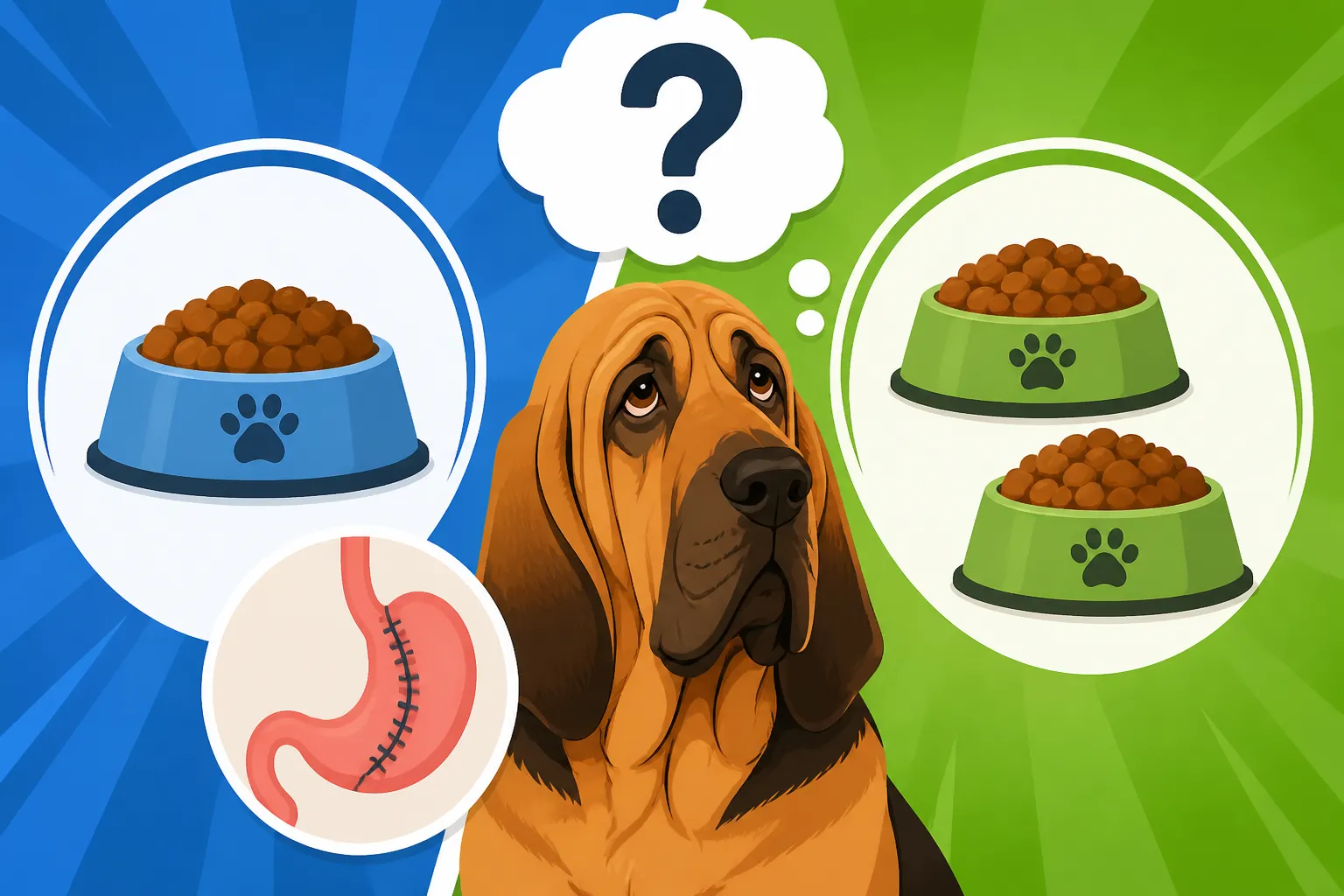
A gastropexy is a surgical procedure where a portion of the stomach wall is permanently attached, or "tacked," to the abdominal wall. This crucial step prevents the stomach from being able to twist. It's incredibly effective at preventing the volvulus, which is a huge relief to us owners. However, and this is the vital part, What a Preventive Gastropexy Does for a Bloodhound is not to stop the stomach from dilating in the first place. Your Bloodhound's stomach can still fill with gas, still distend painfully, and still cause considerable discomfort and potentially other complications, even if it can't twist. This is why we still need to be vigilant about managing other risk factors.
Ongoing Risk Factors Even With Gastropexy
Even with a gastropexy, there are still elements that can contribute to gastric dilatation, and these are often linked to feeding practices. The risk isn't entirely gone; it's simply reduced in severity. As a Bloodhound owner, you should be aware that Whether a Bloodhound With a Gastropexy Can Still Bloat is a resounding "yes," it just won't be the life-threatening twisted kind.
Factors that can still contribute to bloat (dilatation) even after gastropexy include:
- Rapid Eating: Gobbling food quickly can cause a dog to swallow excessive air, contributing to gas buildup.
- Large Single Meals: A massive quantity of food or water consumed at once can lead to a heavily distended stomach.
- Post-Meal Activity: Exercising or high-stress situations immediately before or after eating can disrupt digestion and increase gas.
- Anxiety/Stress: Anxious dogs may be more prone to digestive upset and gas.
- Dietary Factors: Certain types of food, especially those with fermentable ingredients or rapid expansion when wet, might contribute more to gas.
Knowing these persistent risks highlights why a holistic approach to bloat prevention, including careful feeding, remains paramount for your gastropexied Bloodhound.
The Enduring Importance of Split Meals for All Bloodhounds
So, with the understanding that gastropexy prevents twisting but not necessarily initial distension, the need for split meals becomes much clearer. This practice isn't just for non-gastropexied dogs; it's a cornerstone of responsible feeding for Bloodhounds across the board.
Managing Stomach Distension
The primary goal of splitting meals is to prevent the stomach from ever becoming excessively full or distended. When a Bloodhound eats one huge meal a day, their stomach has to accommodate a large volume of food, water, and often, swallowed air, all at once. This creates a large, heavy mass that stretches the stomach walls. While a gastropexy holds the stomach in place, reducing this extreme distension is still a good idea for comfort and overall digestive health.
Think of it like this: if you fill a balloon to bursting point, even if you hold it still, it's under immense pressure. If you fill it halfway, the pressure is much less. Smaller, more frequent meals mean the stomach isn't working as hard to digest a massive load and is less likely to become over-inflated with gas. Aiming for How Many Meals a Day a Bloodhound Should Eat is generally two or three, especially for larger breeds.
Encouraging Slower Eating Habits
Many Bloodhounds, being hounds, tend to eat with gusto, often inhaling their meals in record time. This rapid eating is a well-known risk factor for swallowing air, which directly contributes to gastric dilatation. By splitting meals, you might inherently reduce the volume they are attempting to gobble down at one time, giving their digestive system a bit more grace.
You can further encourage slower eating by using slow feeder bowls. These bowls have various ridges or obstacles that make it harder for your Bloodhound to scoop up large mouthfuls of food. Some owners even scatter kibble on a clean floor or use puzzle toys to make mealtime a stimulating, slower activity. It's not just about preventing bloat; it’s about making mealtime a more mindful and beneficial experience for your dog. For more information, check out Feeding a Bloodhound So It Does Not Bloat.
Promoting Overall Digestive Health
Beyond the specific concern of bloat, split meals contribute significantly to a Bloodhound's general digestive well-being. Large, once-a-day meals can overwhelm the digestive system, potentially leading to:
- Indigestion: The sheer volume can make it harder for the stomach to process food efficiently.
- Nutrient Malabsorption: If food passes too quickly or isn't properly broken down, your dog might not absorb all the necessary nutrients.
- Discomfort: An overly full stomach can simply feel uncomfortable, leading to lethargy or restlessness after eating.
- Vomiting/Regurgitation: Some dogs might regurgitate large meals because their stomach can't handle the volume.
By breaking the daily food intake into two or three smaller portions, you're providing a steadier supply of nutrients and making digestion a much smoother process. This can lead to better nutrient absorption, more consistent energy levels, and a generally happier, healthier gut for your Bloodhound. Even for senior Bloodhounds, who may be experiencing Aging in a Bloodhound Starts at Six, maintaining good digestive health through split meals is crucial.
Practical Feeding Strategies for Gastropexied Bloodhounds
Okay, so we've established why split meals are important. Now, let's talk about the how. Implementing these strategies effectively can make all the difference in your Bloodhound's long-term health and comfort.
Optimal Meal Frequency and Portions
For most adult Bloodhounds, whether gastropexied or not, two meals a day is the gold standard. Some owners, especially those with particularly fast eaters or those managing weight, might even opt for three smaller meals.
Here's how to think about it:
- Total Daily Intake: First, determine your Bloodhound's total recommended daily caloric intake based on their age, weight, activity level, and specific food. Your veterinarian is the best resource for this.
- Divide and Conquer: If feeding twice a day, simply split that total amount in half for breakfast and dinner. If feeding three times, divide by three.
- Consistency is Key: Try to feed at roughly the same times each day. Dogs thrive on routine, and consistent meal times can help regulate their digestive system.
Remember, the goal isn't just to split the food; it's to reduce the amount in the stomach at any single moment, thereby reducing distension.
Choosing the Right Food and Eating Environment
Beyond frequency, what and how your Bloodhound eats makes a difference.
- Kibble Size and Shape: Some believe that larger kibble pieces encourage more chewing and slower eating. While not a substitute for slow feeder bowls, it can be a complementary strategy. Avoid kibble that swells significantly when wet.
- Hydration: Always provide fresh water, but monitor how much your Bloodhound gulps down immediately after a meal. Some experts recommend restricting water for about an hour before and after eating, or offering small amounts frequently, rather than a huge bowl to guzzle.
- Slow Feeder Bowls: As mentioned, these are excellent tools. Brands like Outward Hound offer various designs that make eating more challenging and therefore slower. You might also consider puzzle feeders or snuffle mats for their dry kibble.
- Minimize Stress: Ensure your Bloodhound has a quiet, calm place to eat, away from other pets or household commotion. Stress can contribute to digestive upset. If you have multiple dogs, feed them in separate rooms to avoid competition or anxiety.
- Consider Soaking Kibble: Some owners prefer to soak their Bloodhound's kibble in water for a short period before feeding. This can help prevent the kibble from expanding rapidly in the stomach and potentially reduce the amount of air swallowed.
Remember that while Whether a Raised Bowl Is Right for a Bloodhound has been a topic of debate, recent studies suggest they might actually increase bloat risk. It's generally safer to feed from floor level.
Activity Around Meal Times
This is perhaps one of the most critical aspects of bloat prevention, even for gastropexied Bloodhounds. Vigorous activity too close to meal times is a significant risk factor.
- Before Eating: Avoid intense exercise for at least an hour before a meal. A leisurely potty break is fine, but no running, jumping, or strenuous play.
- After Eating: This is even more important. Your Bloodhound needs to rest for at least 60-90 minutes after eating. This means no running, no playing, no roughhousing, and definitely no long walks or car rides where they might get jostled. A calm nap or quiet cuddle time is ideal. This allows their stomach to begin the digestive process without being thrown around.
Sticking to these routines is a simple yet powerful way to support your Bloodhound's digestive health. Even if you have pet insurance like Healthy Paws, which can be a lifesaver for unexpected emergencies, proactive prevention is always the best approach. After all, preventing bloat in the first place is always preferable to treating it.
Debunking Myths and Addressing Concerns
Despite all the information out there, a few myths and practical concerns often pop up regarding feeding gastropexied Bloodhounds. Let's tackle them head-on.
"My dog is gastropexied, so I don't need to worry about feeding anymore."
This is probably the most dangerous misconception. While the gastropexy provides an immense safety net by preventing the fatal twisting (volvulus), it does not eliminate the risk of gastric dilatation. Your Bloodhound's stomach can still swell with gas and food, causing significant discomfort and potentially leading to other health issues. Imagine a balloon that can't twist, but can still inflate to an uncomfortable, even dangerous, size. Signs a Bloodhound Is Bloating – things like restlessness, pacing, unproductive retching, and an enlarged abdomen – still warrant immediate veterinary attention, even if the stomach can't twist. The procedure protects against the worst outcome, but vigilance and good feeding practices are still essential for your Bloodhound's daily well-being.
"It's too much work to split meals."
I get it. Life is busy, and adding another chore to your day can feel overwhelming. However, preparing two or three meals a day for your Bloodhound doesn't have to be complicated.
- Pre-portioning: Measure out your Bloodhound's daily kibble in the morning and divide it into separate containers for each meal. This takes only a minute.
- Automatic Feeders: For some, an automatic feeder can be a lifesaver, dispensing pre-set amounts at specific times. Just ensure your Bloodhound doesn't knock it over or try to 'break into' it. These work especially well for the mid-day meal if you're not home.
- Routine Integration: Once you get into the habit, feeding your Bloodhound twice or thrice a day becomes second nature, just like their daily walks or ear cleaning. It's a small investment of time for a huge return in peace of mind and your dog's health.
Think of it as simply part of the Bloodhound lifestyle. Their health is worth the extra few minutes a day.
Cost Implications and Insurance
While the immediate cost of split meals is negligible, there's a broader financial perspective to consider. Investing in preventive care, like proper feeding, can save you significant money down the line. Even though your Bloodhound is gastropexied, non-volvulus bloat or severe gastric distension could still require veterinary visits, diagnostics, and treatment. These costs can add up quickly.
Pet insurance, such as a policy from Healthy Paws, can certainly help cushion the financial blow of unexpected health issues, including those related to the digestive system. However, even with insurance, preventing problems is always better than treating them. A good insurance policy paired with proactive care, like feeding split meals and being mindful of activity, gives your Bloodhound the best chance at a long, healthy life. It also means you might not have to worry about rushing to an emergency clinic and wondering Whether a Bloodhound Owner Should Choose a Vet With Overnight Surgery when every second counts.
Bloat Risk Factors: Gastropexy vs. Split Meals
Here's a quick summary to help visualize how gastropexy and split meals work together to mitigate the risk of bloat.
| Risk Factor | How it Contributes to Bloat | How Gastropexy Helps | How Split Meals Help |
|---|---|---|---|
| Gastric Dilatation (GD) | Stomach fills with gas/food | Does NOT prevent initial distension | Reduces volume, less gas, slower digestion |
| Gastric Volvulus (GV) | Stomach twists | Prevents twisting (primary benefit) | Indirectly, by reducing initial distension |
| Rapid Eating | Swallows air | No direct effect | Reduces volume, encourages slower intake (with tools) |
| Large Single Meals | Overfills stomach | No direct effect on initial fullness | Prevents stomach from being overly distended |
| Post-Meal Activity | Jostles stomach | Stomach stays tacked, but still distended | Ensures stomach is less full for activity, encourages rest |
| Anxiety/Stress | Digestive upset | No direct effect | Can promote calm routine, less pressure on system |
As you can see, gastropexy is an incredible tool for preventing the most life-threatening aspect of bloat, but split meals address other crucial factors that gastropexy doesn't touch. Together, they form a powerful defense.
Final Thoughts on Feeding Your Gastropexied Bloodhound
Ultimately, owning a Bloodhound is a commitment to their unique needs, and that includes their susceptibility to bloat. While a gastropexy is one of the best preventative measures you can take, it’s not an excuse to abandon other responsible feeding practices. Continuing to offer your gastropexied Bloodhound two or three smaller meals a day, ensuring they eat slowly, and providing adequate rest before and after meals are all vital components of their ongoing health and happiness.
It’s about giving your magnificent hound the best chance at a long, comfortable life, free from the shadow of bloat, even the non-twisted kind. Prioritize these habits, and you'll be giving your Bloodhound a gift of health and peace of mind for yourself.
Disclaimer
This article provides general information about Bloodhound health and feeding practices and is not a substitute for professional veterinary advice. Always consult with your veterinarian for specific recommendations regarding your Bloodhound's diet, health conditions, and treatment plans, especially concerning serious conditions like bloat.