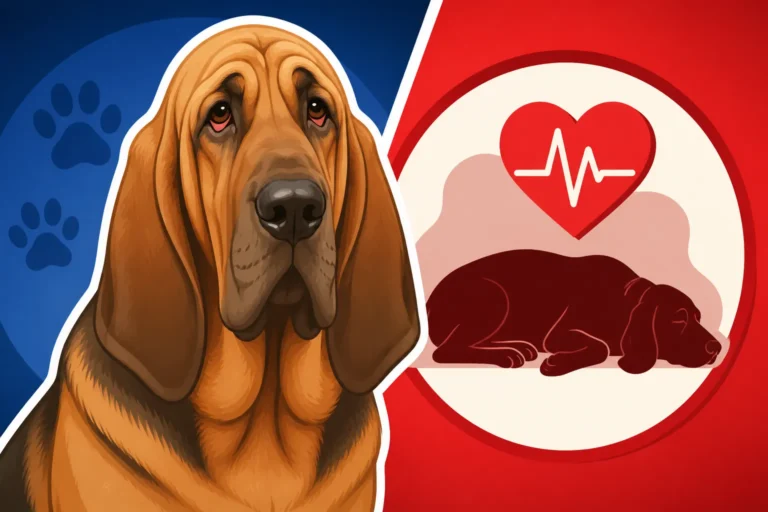
Aging in a Bloodhound Starts at Six
It's a bittersweet moment when you first notice those subtle changes in your big, goofy Bloodhound. One day they're a whirlwind of scent-driven energy, the next, they're taking a little longer to get up from their nap, or maybe they just don't bounce back from a long walk quite like they used to. This guide is here to walk you through what to expect when your beloved Bloodhound starts reaching their golden years, typically beginning around six years old, helping you prepare for and navigate this important stage of their life.
Defining Seniority in Bloodhounds: More Than Just a Number
For many dog owners, "senior" brings to mind an ancient, grey-muzzled friend, perhaps a decade or more into their life. But with a Bloodhound, that timeline shifts significantly. While they might still have that puppy glint in their eye and the nose of a champion, their bodies often begin the aging process much earlier than smaller, longer-lived breeds. Understanding this accelerated timeline is crucial for proactive care and ensuring their comfort and well-being.
The Biological Reality of Large Breed Aging
It's a tough truth to swallow, but large and giant breed dogs, like our magnificent Bloodhounds, generally age faster and have shorter lifespans than their smaller canine counterparts. This isn't just an observation; it's a biological reality rooted in their rapid growth rate and larger body mass. Their cells simply undergo more divisions and accumulate wear and tear at an increased pace. Think about it: a Bloodhound goes from a tiny puppy to a massive, 100+ pound adult in a fraction of the time it takes a smaller dog to reach maturity. This rapid growth puts immense strain on their systems, particularly their joints and organs, which can predispose them to age-related conditions earlier in life.
This accelerated aging means that while a small Chihuahua might be considered senior at ten or twelve years old, a Bloodhound is typically entering their senior phase around six or seven years of age. At this point, even if they still seem full of vim and vigor, their internal systems are already undergoing changes. Their metabolism might slow down, their immune system could become less robust, and their organs might not function with the same youthful efficiency. Owners often don't see these subtle internal shifts, but they lay the groundwork for the more visible signs of aging that will soon appear.
Shorter Lifespans and Accelerated Decline
The heartbreaking reality for Bloodhound owners is that the breed's lifespan is considerably shorter than many other dogs. While a Labrador Retriever might reasonably expect to live to 10-12 years, Bloodhounds, on average, tend to live around 8 to 10 years, with some reaching 11 or 12, but sadly, many passing even sooner. This is why you often hear the phrase that a Bloodhound lives shorter than a Labrador. This compressed lifespan means that their senior years are not only shorter in duration but can also involve a more rapid progression of age-related issues. The time from the first subtle sign of aging to significant health challenges can feel incredibly fast.
One of the main reasons for this accelerated decline and shorter life is often linked to breed-specific health concerns that tend to manifest or worsen with age. Conditions like Why a Bloodhound Dies Younger Than Its Size Predicts or Bloat Is What Kills Most Bloodhounds are ever-present threats throughout their lives, but the overall resilience of an older dog can make recovery from such emergencies more challenging. Similarly, the cumulative effects of decades of rapid growth and heavy body weight can make conditions like Hip and Elbow Dysplasia in the Bloodhound more debilitating as they age, impacting their mobility and overall comfort. It becomes a race against time, making every year, every month, every day with our Bloodhounds precious.
Individual Variation and Early Indicators
While six years old is a general guideline for when a Bloodhound is considered senior, it's important to remember that every dog is an individual. Just like people, some Bloodhounds might show signs of aging earlier, while others remain remarkably spry well into their later years. Genetics, diet, lifestyle, and overall health care throughout their younger life all play a role in how gracefully they age. A Bloodhound that has been kept lean, exercised appropriately, and received consistent veterinary care may appear and act younger than their chronological age.
However, there are often early, subtle indicators that your Bloodhound is transitioning into their senior phase. You might notice them sleeping more deeply or for longer periods, or perhaps taking more naps throughout the day. Their enthusiasm for a walk might still be there, but they may tire more quickly or be less eager to bound around the yard. Pay attention to how they move: a slight stiffness in their gait after resting, a reluctance to jump into the car, or a bit more grunting when settling down are all potential early signs that their joints are starting to feel the effects of age. Even a slight dulling of their once-bright eyes, or a new habit of getting confused about where they are in the house, can signal the onset of age-related changes.
Physical Transformations in the Aging Bloodhound
As your Bloodhound crosses the threshold into their senior years, their body will inevitably undergo a series of transformations. Some of these changes are cosmetic, like a grizzled muzzle, while others can significantly impact their comfort and quality of life. Being aware of these physical shifts allows you to provide targeted care and make necessary adjustments to their daily routine.
Joint Stiffness and Mobility Challenges
One of the most common and impactful changes in an aging Bloodhound is the onset or worsening of joint issues. Given their large size and the sheer weight they carry, their joints, particularly hips and elbows, endure a tremendous amount of stress over the years. Conditions like osteoarthritis, often secondary to What an OFA Hip Score Means for a Bloodhound or elbow dysplasia diagnosed earlier in life, become much more pronounced as they age. You might notice your Bloodhound struggling to get up from a lying position, especially after a long nap, or perhaps they're reluctant to climb stairs or jump onto the couch – activities they once did with ease.
This stiffness isn't just a minor inconvenience; it can be a source of chronic pain and significantly reduce their quality of life if left unaddressed. Their once powerful, ground-covering stride might shorten, and you may observe a slight limp or a general awkwardness in their movement. During cooler weather, their joint pain can become even more noticeable, making them less willing to go outside. It's crucial to differentiate between general slowing down and actual pain, and to discuss any changes in mobility with your veterinarian. Early intervention with supplements, medication, and physical therapy can make a world of difference in keeping them comfortable and mobile for as long as possible.
Changes in Coat, Skin, and Senses
Beyond their joints, an aging Bloodhound's coat, skin, and sensory organs also begin to show the passage of time. The most obvious cosmetic change is often the greying around their muzzle, eyes, and sometimes their paws. Their once vibrant coat might become a bit duller, coarser, or thinner in places, and shedding patterns can change. Because Whether a Bloodhound Carries an Odor From Its Folds, these skin folds can become even more prone to issues in older dogs, as their immune system weakens and they may be less diligent about self-grooming. Skin Fold Dermatitis on a Bloodhound can become a recurring problem if not managed with diligent hygiene.
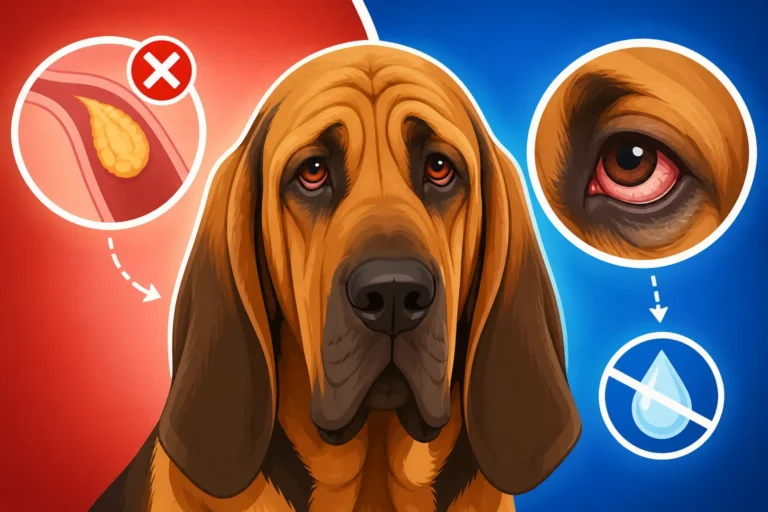
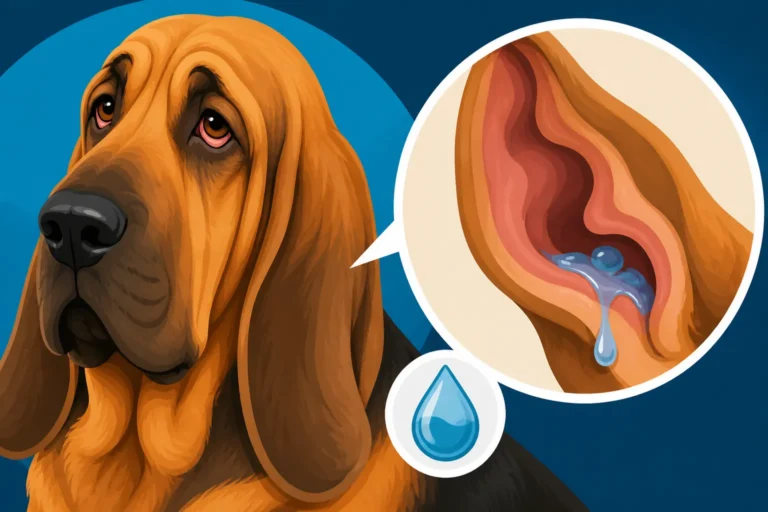
Their senses, particularly hearing and sight, may also start to diminish. You might find yourself having to speak louder or clap your hands to get their attention, or they might seem startled when approached from behind. Their vision can also decline, making them more hesitant in unfamiliar environments or in dim lighting. They might bump into furniture they once navigated effortlessly. While their incredible nose often remains a powerhouse, even it can experience a slight decline, though usually not enough to completely hinder their tracking abilities. Regular checks of their eyes and ears for signs of infection or unusual discharge become even more important, as issues like A Bloodhound's Ears Are a Standing Infection Risk can be harder for them to fight off as seniors.
Dental Health and Oral Concerns
Dental health often becomes a significant concern as Bloodhounds age, and it's something many owners overlook until a problem becomes severe. Over the years, plaque and tartar can build up on their teeth, leading to gingivitis and periodontal disease. This isn't just about bad breath; severe dental disease can be incredibly painful, making it difficult for your Bloodhound to eat, and the bacteria from infected gums can enter the bloodstream, impacting vital organs like the heart, kidneys, and liver.
As they age, their immune system might not fight off these bacterial infections as effectively, exacerbating the problem. You might notice a reluctance to chew on hard toys or eat dry kibble, excessive drooling, pawing at their mouth, or even weight loss if the pain is severe enough to affect their appetite. Regular professional dental cleanings under anesthesia are often recommended, but for senior Bloodhounds, the risks of anesthesia need to be carefully weighed with your veterinarian. Daily home dental care, like brushing with dog-specific toothpaste, becomes even more critical in preventing severe issues and maintaining their comfort.
The Shifting Health Landscape: Common Ailments
As Bloodhounds age, they become more susceptible to a range of health conditions. While regular veterinary check-ups are always important, they become absolutely non-negotiable for senior Bloodhounds. Being aware of these common ailments can help you spot potential problems early and seek timely treatment, often leading to better outcomes.
Heart Health Concerns in Older Hounds
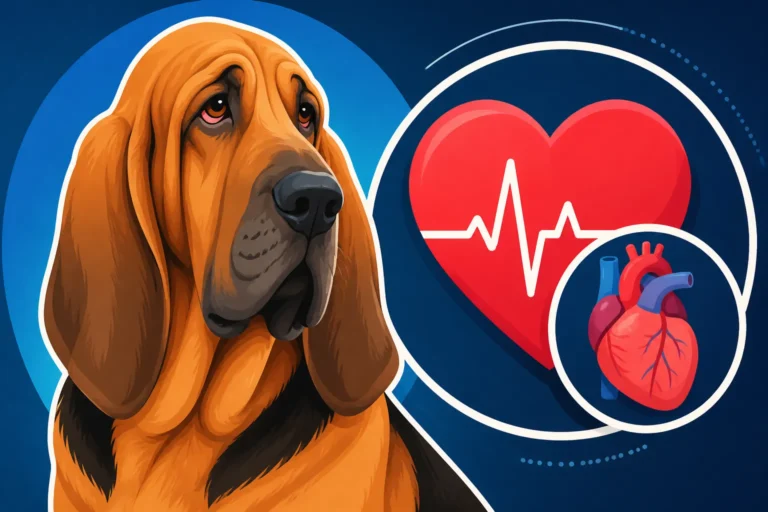
Heart disease is a significant concern for aging Bloodhounds, just as it is for many large breeds. While some dogs may be born with congenital heart defects, acquired heart conditions like Dilated Cardiomyopathy (DCM) or valvular disease often develop or worsen with age. DCM is particularly prevalent in larger breeds and involves the enlargement and weakening of the heart muscle, making it less efficient at pumping blood. This can lead to congestive heart failure.
Signs of heart disease in an older Bloodhound might include a persistent cough (especially at night or after exercise), decreased stamina, difficulty breathing, a distended abdomen (due to fluid retention), or even fainting spells. You might notice they're less enthusiastic about their walks or seem generally more tired. Your veterinarian will often listen for heart murmurs or arrhythmias during routine exams, and may recommend further diagnostics like chest X-rays, an electrocardiogram (ECG), or an echocardiogram (ultrasound of the heart) if they suspect a problem. Early diagnosis and management with medications can help slow the progression of heart disease and improve your Bloodhound's quality of life. This is why understanding Heart Disease in the Bloodhound is so important for owners.
Thyroid Issues and Metabolic Changes
Hypothyroidism, a condition where the thyroid gland doesn't produce enough thyroid hormone, is another common endocrine disorder seen in aging Bloodhounds. This hormone plays a crucial role in regulating metabolism, so when levels are low, it can lead to a cascade of subtle but impactful symptoms. While some Bloodhounds are diagnosed with hypothyroidism earlier in life, it can also manifest or become more pronounced as they reach their senior years.
Symptoms of Hypothyroidism in a Bloodhound are often vague and can mimic other age-related changes, making diagnosis tricky. You might notice your Bloodhound gaining weight despite no change in their diet, becoming lethargic, developing a dull or thinning coat, having dry or flaky skin, or being more intolerant to cold temperatures. They might just seem generally "off" or less energetic. A simple blood test can diagnose hypothyroidism, and once confirmed, it's typically managed with daily oral thyroid hormone supplementation. Treatment usually leads to a significant improvement in symptoms, bringing back some of that spark and energy you remember.
Cancer Risk and Early Detection
Sadly, cancer is a leading cause of death in older dogs, and Bloodhounds are no exception. As cells age, they become more prone to mutations, increasing the risk of abnormal cell growth. While the thought of cancer is terrifying, early detection can often lead to more successful treatment options and improved prognosis.
Cancer can manifest in many forms, from visible lumps and bumps on or under the skin to internal tumors affecting organs. It's crucial to regularly check your Bloodhound's body for any new growths, paying close attention during grooming sessions. Other warning signs to watch for include unexplained weight loss, loss of appetite, persistent lameness, vomiting or diarrhea that doesn't resolve, bleeding or discharge from any body opening, difficulty breathing, or any sudden changes in behavior or energy levels. Don't dismiss these signs as "just old age." A trip to the vet for a thorough examination, including blood work and potentially imaging, is always warranted if you notice any suspicious symptoms.
Cognitive Decline and Behavioral Shifts
Just like people, dogs can experience cognitive decline as they age, sometimes referred to as Canine Cognitive Dysfunction (CCD). This is essentially a form of canine dementia, and it can significantly impact a senior Bloodhound's behavior and their interaction with their environment. It's not just about forgetting a trick; it can be deeply disorienting and stressful for them.
Symptoms of CCD can vary widely but often include disorientation (getting lost in familiar surroundings, staring blankly at walls), changes in social interaction (becoming more clingy, irritable, or withdrawn), changes in sleep-wake cycles (pacing at night, sleeping more during the day), house-soiling accidents, and a decrease in activity level or engagement. Your once highly intelligent, scent-driven companion might seem confused or distant. If you notice these changes, discuss them with your vet. There are medications, dietary supplements, and environmental enrichment strategies that can help manage the symptoms of CCD and improve your Bloodhound's cognitive function and quality of life.
Dietary Adjustments for the Senior Bloodhound
What and how your Bloodhound eats throughout their life is foundational to their health, but as they age, their nutritional needs shift. What worked perfectly for a youthful, active hound might not be ideal for a slower, older one. Adjusting their diet is a key component of senior care, focusing on maintaining a healthy weight, supporting aging systems, and ensuring they get all the necessary nutrients.
Calorie Needs and Weight Management
As Bloodhounds age, their metabolism naturally slows down, and their activity levels often decrease due to joint pain or general fatigue. This means their caloric needs will also decrease. Continuing to feed them the same amount of food they ate in their prime can quickly lead to weight gain, which is detrimental to their health, especially their already stressed joints. Excess weight exacerbates arthritis, strains the cardiovascular system, and can contribute to other health issues like diabetes.
It's vital to meticulously manage their weight, aiming for a lean body condition where you can easily feel their ribs but not see them. This might mean reducing their portion sizes, switching to a high-quality senior dog food formulated with fewer calories but still packed with essential nutrients, or even increasing the frequency of meals while decreasing the amount per meal. Remember, How Much an Adult Bloodhound Eats will change as they transition into their senior years. Consult with your veterinarian to determine the ideal weight and feeding plan for your individual Bloodhound, as their specific needs will depend on their activity level, current health status, and any existing medical conditions.
Joint Support and Digestive Aids
Beyond calorie control, senior Bloodhound diets should focus on providing targeted support for common age-related issues. Joint support is paramount. Look for senior dog foods or supplements that include glucosamine, chondroitin, and Omega-3 fatty acids (EPA and DHA), which are known to help maintain cartilage health, reduce inflammation, and improve joint lubrication. Brands like Hill's Science Diet, Royal Canin, and Purina Pro Plan often have senior formulas specifically designed with these ingredients.
Digestive health can also become more sensitive as dogs age. Some senior Bloodhounds may experience constipation, a decrease in appetite, or more frequent upset stomachs. Senior diets often include easily digestible proteins and sometimes added prebiotics or probiotics to support a healthy gut microbiome. Fiber content might also be adjusted to aid in regular bowel movements. If your Bloodhound is experiencing consistent digestive upset, your vet might recommend specific dietary changes or supplements. For dogs with declining appetite, making food more appealing by warming it slightly or adding a little low-sodium broth can sometimes help.
Hydration Strategies for Older Dogs
Hydration is critical for all dogs, but it becomes even more important for senior Bloodhounds. Older dogs can be more prone to dehydration due to decreased thirst drive, medications that increase urination, or underlying kidney issues. Adequate water intake is essential for organ function, joint health (synovial fluid needs water!), and preventing constipation.
Encourage your senior Bloodhound to drink by ensuring they always have access to fresh, clean water in multiple locations throughout the house. Consider using a large, stable water bowl that won't easily tip over, or even a water fountain, which some dogs find more appealing. You can also add water or low-sodium broth to their kibble to increase their fluid intake. If your Bloodhound is particularly prone to dehydration or has kidney disease, your vet might recommend prescription wet food or even subcutaneous fluid administration. Keep an eye on their water intake and urine output, and report any significant changes to your vet.
Adapting Exercise and Enrichment for Senior Hounds
While your senior Bloodhound may not be able to keep up with their youthful self on long, demanding trails, maintaining a modified exercise routine and providing consistent mental enrichment is crucial for their physical and mental well-being. It's about quality over quantity, and gentle engagement rather than strenuous activity.
Low-Impact Activities and Pacing
Gone are the days of marathon scent trails or intense sessions of fetch. As your Bloodhound ages, especially with potential joint issues, their exercise routine needs to shift to low-impact activities. Regular, gentle exercise is still vital for maintaining muscle mass, supporting joint flexibility, and preventing excessive weight gain. Short, frequent walks are often better than one long one, allowing them to stretch their legs without overexertion. Pay attention to their signals: if they start lagging behind, seem stiff, or are breathing heavily, it's time to head home.
Swimming, if accessible and enjoyable for your Bloodhound, is an excellent low-impact exercise that supports their joints without bearing weight. Even gentle strolls around the block, allowing them to sniff and explore at their own pace, can be incredibly enriching. Avoid high-impact activities like jumping, running on hard surfaces, or long hikes up steep hills. If your Bloodhound enjoys the backyard, supervised meandering and sniffing sessions are perfect. The goal is to keep them moving comfortably, not to push them to their limits.
Mental Stimulation Beyond the Trail
A Bloodhound's brain is their most powerful tool, and keeping it active is just as important as keeping their body moving. Even if long-distance trailing isn't feasible anymore, their incredible nose still offers endless opportunities for mental enrichment. Short, low-impact scent games are perfect for older Bloodhounds. Hide-and-seek with treats or their favorite toys around the house can be wonderfully engaging. Scent work, even simplified versions where you hide a specific article and let them find it in a small area, can tap into their natural instincts and provide immense satisfaction.
Puzzle feeders are another fantastic way to engage their minds and make mealtime an enriching experience. Instead of just dumping kibble in a bowl, make them work a little for their food. This prevents boredom, slows down eating (which can be good for preventing bloat, though a What a Preventive Gastropexy Does for a Bloodhound is still the best defense), and provides mental stimulation. Learning new, simple tricks or reviewing old ones for short periods can also keep their cognitive functions sharp. The key is to keep it fun, low-stress, and tailored to their current physical capabilities.
Maintaining Social Connections
Bloodhounds are generally social creatures, and maintaining their social connections is crucial for their emotional well-being as they age. Isolation can lead to boredom, anxiety, and even accelerate cognitive decline. Continue to include them in family activities, even if it's just lying at your feet while you watch TV or puttering around the garden with you.
Supervised, gentle interactions with other calm, well-behaved dogs can still be beneficial, provided your Bloodhound enjoys it and isn't showing signs of pain or irritation. Avoid boisterous puppies or overly energetic dogs that might inadvertently knock them over or cause discomfort. Short visits from familiar friends or relatives can also provide positive social interaction. The goal is to ensure they still feel like a valued and loved member of the family and their social circle, preventing loneliness and fostering a sense of security and contentment in their golden years.
Veterinary Care: Proactive Approaches for Senior Bloodhounds
Regular veterinary care is paramount for all dogs, but for a senior Bloodhound, it's the cornerstone of a healthy and comfortable aging process. Proactive care, focused on early detection and management of age-related conditions, can significantly extend their quality of life and even their lifespan.
Comprehensive Senior Health Panels
Once your Bloodhound reaches six years old, your veterinarian will likely recommend more frequent check-ups, often twice a year, instead of the annual visits common for younger adults. These senior wellness exams are more comprehensive and typically include a full physical examination, with particular attention paid to their joints, teeth, eyes, ears, and any new lumps or bumps. Beyond the physical exam, comprehensive senior health panels are crucial. These usually involve blood work, including a complete blood count (CBC) and a chemistry panel, which assesses organ function (kidneys, liver, pancreas) and screens for conditions like diabetes and Hypothyroidism in a Bloodhound.
Urinalysis is also a standard part of a senior panel, checking for urinary tract infections, kidney disease, and other metabolic issues. Depending on your Bloodhound's history and any symptoms, your vet might also recommend specialized tests like blood pressure measurement, an electrocardiogram (ECG) to screen for Heart Disease in the Bloodhound, or X-rays to evaluate joint health and look for signs of arthritis or internal masses. The goal of these comprehensive panels is to catch potential health problems in their earliest stages, often before any obvious symptoms appear, when they are much more treatable.
Pain Management and Quality of Life Discussions
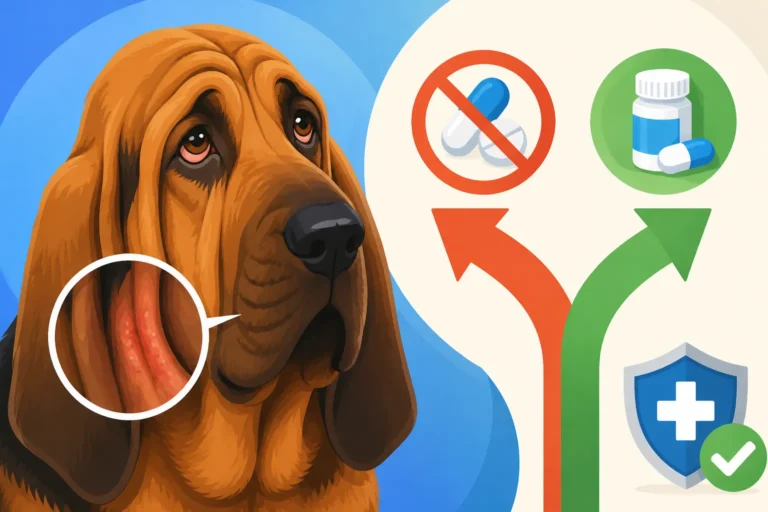
One of the most important aspects of senior Bloodhound care is effective pain management, particularly for arthritis and other musculoskeletal issues. It's easy to assume a slower dog is "just old," but often, they are in chronic pain. Your veterinarian can help identify sources of pain and recommend a tailored management plan. This might include non-steroidal anti-inflammatory drugs (NSAIDs) specifically designed for dogs, joint supplements, physical therapy, acupuncture, laser therapy, or even newer medications targeting specific pain pathways.
Regular, open discussions with your vet about your Bloodhound's quality of life are essential. These conversations can be difficult but are incredibly important. Your vet can help you assess their overall well-being, considering factors like their ability to eat, drink, move comfortably, maintain hygiene, interact with the family, and enjoy their favorite activities. They can provide an objective perspective and help you make informed decisions about pain relief, ongoing treatments, and, when the time comes, end-of-life care. Knowing that you've explored every option to keep them comfortable can bring immense peace of mind.
Supporting Your Vet with Detailed Observations
You are your Bloodhound's primary advocate, and your detailed observations are invaluable to your veterinary team. Keep a journal or a mental note of any changes you notice between visits, no matter how subtle they seem. This includes shifts in appetite, water intake, urination or defecation patterns, changes in mobility, new lumps or bumps, alterations in sleep patterns, or any behavioral quirks. For instance, if you notice them taking longer to get up after a nap, or if they seem less interested in their usual sniffing games, these are critical pieces of information.
Don't hesitate to write down questions or concerns before your appointment so you don't forget anything. The more information you can provide, the better your vet can assess your Bloodhound's health and tailor their recommendations. A detailed history from you, combined with their physical exam and diagnostic tests, creates the most comprehensive picture of your senior Bloodhound's health, allowing for the best possible care plan. Even if you're working with a pet insurance provider like Healthy Paws, detailed records of symptoms and treatments are essential for claims.
| Sign of Aging | What to Watch For | Potential Underlying Issue(s) | When to Contact Your Vet |
|---|---|---|---|
| Mobility Changes | Difficulty getting up, stiffness, limping, reluctance to jump/climb stairs, slower gait. | Arthritis, hip/elbow dysplasia, muscle loss, neurological issues, pain. | Any persistent change in movement, new limp, signs of pain. |
| Appetite/Weight | Decreased appetite, unexplained weight loss or gain, picky eating. | Dental disease, organ dysfunction (kidney/liver), cancer, hypothyroidism, pain. | Sustained changes in appetite or unexplained weight fluctuations. |
| Thirst/Urination | Increased thirst, increased frequency/volume of urination, accidents in the house. | Kidney disease, diabetes, Cushing's disease, urinary tract infection. | Any significant increase in thirst or urination. |
| Coat/Skin Changes | Dull coat, hair loss, flaky skin, new lumps/bumps, recurrent skin fold infections. | Hormonal imbalances (hypothyroidism), allergies, cancer, skin infections. | Any new lumps/bumps, persistent skin issues, or significant coat changes. |
| Cognitive/Behavioral | Disorientation, staring, pacing, changes in sleep-wake cycle, house-soiling, decreased interaction. | Canine Cognitive Dysfunction (dementia), pain, vision/hearing loss. | Sudden behavioral changes, confusion, or severe anxiety. |
| Breathing/Coughing | Persistent cough, increased breathing effort, panting without exertion. | Heart disease, lung disease, allergies, kennel cough. | Any new or persistent cough, difficulty breathing. |
| Dental Issues | Bad breath, visible tartar, red/bleeding gums, pawing at mouth, reluctance to chew. | Periodontal disease, tooth decay, oral tumors. | Any signs of oral pain, bad breath, or difficulty eating. |
Creating a Comfortable Home Environment
As your Bloodhound ages and their physical abilities change, their home environment needs to adapt to support their comfort, safety, and ease of movement. Simple modifications can make a profound difference in their daily life, allowing them to navigate their familiar surroundings with dignity and less strain.
Orthopedic Beds and Accessibility Aids
One of the most impactful changes you can make for a senior Bloodhound is investing in high-quality orthopedic bedding. Their large, heavy bodies put a lot of pressure on their joints when they lie down, and a thin bed offers little relief. An orthopedic bed, typically made with memory foam or dense, supportive foam, cradles their body, cushions their joints, and helps alleviate pressure points. This can significantly improve their comfort, especially after long periods of rest, and help them get up more easily. Place these beds in their favorite resting spots, ensuring they have easy access without having to navigate stairs or slippery floors.
Beyond beds, consider accessibility aids to help them with activities that have become challenging. Ramps can be invaluable for helping them get in and out of the car, or for navigating a few steps into the house or onto a favorite piece of furniture. While a Bloodhound might have once leaped onto the couch without a second thought, an older one may struggle or risk injury. Non-slip mats or rugs placed on slick flooring (hardwood, tile) can provide much-needed traction, preventing slips and falls that could lead to serious injury. Even a simple handle or harness with a handle can provide support when they need a little boost to stand up or navigate a tricky spot.
Temperature Regulation and Comfort
Older Bloodhounds, like older people, can be more sensitive to temperature extremes. Their ability to regulate body temperature might diminish, and conditions like arthritis can be exacerbated by cold weather. Ensuring they are comfortable year-round is crucial. In winter, provide warm, cozy bedding, and consider a dog coat or sweater for outdoor excursions, especially for those with thinner coats or who spend more time outdoors.
In warmer months, it's essential to prevent overheating. Provide plenty of shade outdoors, ensure constant access to fresh, cool water, and consider cooling mats or elevated beds that allow for airflow underneath. Because of their deep chests and often slower metabolisms, older Bloodhounds can be more susceptible to heatstroke. Never leave a senior Bloodhound unattended in a hot car, even for a few minutes. Their comfort in their home environment plays a significant role in their overall well-being.
Safety Considerations in the Home
As your Bloodhound's senses and mobility decline, their home environment needs to be made safer. Diminished eyesight can make navigating at night or in dimly lit areas hazardous. Consider adding nightlights in hallways or areas where they frequently move. If their hearing is failing, they might not hear you approach, so make sure to give them a gentle touch to avoid startling them.
Remove clutter that could be tripping hazards, both for them and for you as you assist them. Be mindful of stairs; if your Bloodhound struggles, consider blocking access to stairs if they cannot be supervised or if ramps are not feasible. Ensure their food and water bowls are easily accessible and at a comfortable height – elevated feeders can sometimes help, but discuss this with your vet as the impact of raised bowls on bloat risk is still debated, though a preventive Whether a Gastropexy Is Standard for Bloodhounds Now minimizes this specific concern. The goal is to create a safe, predictable, and easily navigable space where your senior Bloodhound can relax and move without unnecessary stress or risk of injury.
Navigating the Emotional Journey of Senior Dog Ownership
Owning a senior Bloodhound is an incredibly rewarding experience, filled with quiet companionship and profound love. However, it also brings unique emotional challenges. Watching your once-vibrant companion slow down, facing increased health concerns, and eventually contemplating their mortality can be incredibly difficult.
Recognizing Quality of Life
As your Bloodhound ages, there will come a point where evaluating their quality of life becomes a regular, and often painful, exercise. This isn't about making a single, definitive decision, but rather an ongoing assessment of their comfort, happiness, and ability to engage with life. Is their pain managed effectively? Are they still eating and drinking? Are they able to move around, even if slowly? Do they still show interest in family interactions, favorite toys, or gentle scent games? These are crucial questions to ask yourself regularly.
It's easy to focus on one bad day, but try to look at the overall trend over a week or a month. Keeping a journal can help you track their good days versus bad days, making it easier to see patterns. Discuss your observations and concerns openly with your veterinarian, who can offer objective guidance and help you determine if your Bloodhound is truly enjoying their life or if their discomfort and struggles outweigh their joy. This continuous assessment allows you to make informed decisions that prioritize their well-being and honor the bond you share.
Grief and Anticipatory Loss
The journey with a senior Bloodhound often involves experiencing anticipatory grief – grieving the loss of your dog even before they are gone. You might mourn the loss of their youthful energy, the long hikes you once shared, or simply the thought of a future without them. This is a normal and valid part of the process, and it's important to acknowledge these feelings rather than suppress them. Witnessing their decline, even when managed with the best care, can be heartbreaking.
Allow yourself to feel these emotions. Talk to trusted friends or family members who understand, or seek support from online communities or pet bereavement resources. Organizations like the Association for Pet Loss and Bereavement offer resources and support groups. Remember that cherishing the present moments and providing the best possible care is the greatest gift you can give your senior Bloodhound, but it doesn't diminish the pain of knowing your time together is finite.
Cherishing Every Moment
Despite the challenges, the senior years with a Bloodhound are incredibly precious. They often become even more affectionate, relying on your presence and comfort. These are the years of quiet snuggles, slow walks filled with contented sniffs, and the deep, unspoken understanding that only comes from years of shared life. Every moment becomes more meaningful.
Make a conscious effort to savor these times. Take extra photos, record their characteristic snores or bays, and simply sit with them, enjoying their presence. Provide them with all the comfort, love, and care you can. By focusing on their quality of life, managing their pain, and showering them with affection, you ensure their final years are as comfortable and joyful as possible. The love you share with your senior Bloodhound is a profound gift, and cherishing every moment is the ultimate way to honor that bond. While their How Long a Bloodhound Lives might feel too short, the depth of companionship is immense.
Disclaimer
This article is intended for informational purposes only and does not constitute veterinary advice. Always consult with a qualified veterinarian for any health concerns or before making any decisions about your Bloodhound's care.