Hip and Elbow Dysplasia in the Bloodhound
One of the most heartbreaking realities of sharing your life with a magnificent Bloodhound is confronting the health challenges they often face. When you notice that familiar gait becoming a little stiffer, or the enthusiasm for a favorite walk wanes, a sinking feeling can set in, often bringing with it the worry of joint issues. This comprehensive guide is here to unravel the complexities of hip and elbow dysplasia in Bloodhounds, providing you with a deep understanding of these conditions, how to identify them, and the best ways to manage and prevent them to ensure your loyal companion lives as comfortably as possible.
Understanding Hip Dysplasia in Bloodhounds
Hip dysplasia is a term that many large breed dog owners, especially those with Bloodhounds, know all too well. It’s a condition that can cause immense discomfort and limit your dog's mobility, and it’s something every Bloodhound owner needs to be aware of from the moment they bring their floppy-eared friend home.
What Exactly is Hip Dysplasia?
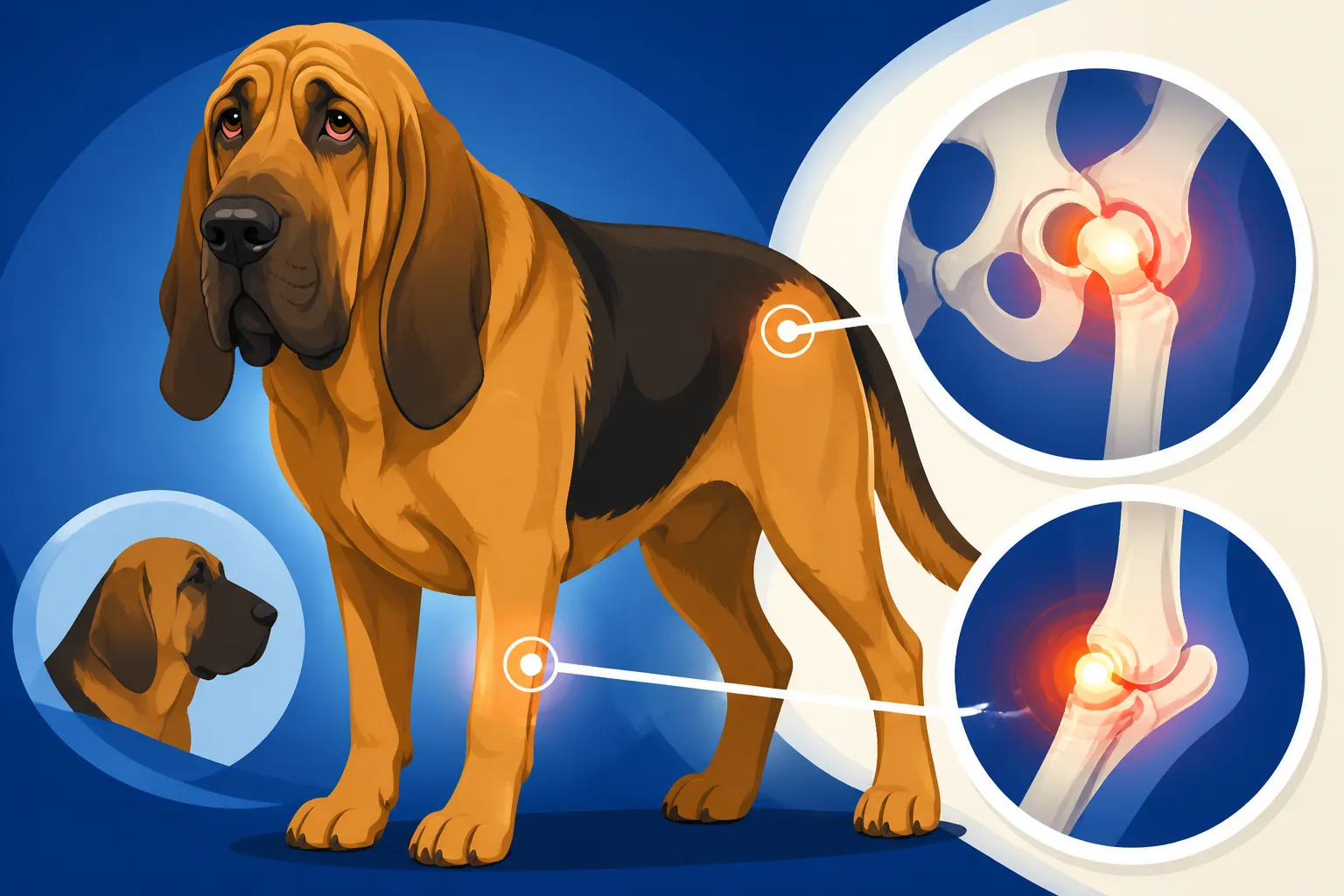
At its core, hip dysplasia is a malformation of the hip joint. Think of your Bloodhound’s hip as a ball and socket joint, much like a human hip. The "ball" is the head of the femur (thigh bone), and the "socket" is the acetabulum, a concave depression in the pelvis. In a healthy hip, this ball fits snugly and smoothly into the socket, allowing for a wide range of fluid, pain-free movement. The surfaces are cushioned by cartilage and lubricated by synovial fluid.
With hip dysplasia, this ideal fit goes awry. The socket might be too shallow, or the ball might be flattened or misshapen. Instead of gliding smoothly, the ball and socket grind against each other. This constant friction and instability lead to stretching of the joint capsule, microfractures, inflammation, and ultimately, the degeneration of cartilage and the development of osteoarthritis. Over time, the body tries to stabilize the joint by laying down new bone, which often results in painful bone spurs and further restricts movement. It’s a progressive disease, meaning it tends to worsen over a dog's lifetime.
The Genetic Component
It's crucial to understand that hip dysplasia is primarily a hereditary condition. This means it’s passed down from parents to their offspring. While not all Bloodhounds born with the genetic predisposition will develop severe dysplasia, the genetic blueprint is undeniably the biggest risk factor. If both parents have excellent, healthy hips, the chances of their puppies developing severe hip dysplasia are significantly lower. Conversely, if one or both parents have dysplastic hips, the risk to their puppies skyrockets.
This is why responsible breeding practices are so vital. Reputable Bloodhound breeders go to great lengths to screen their breeding stock for hip health, often utilizing certifications from organizations like the Orthopedic Foundation for Animals (OFA) or the PennHIP evaluation system. Ignoring these genetic predispositions can perpetuate the problem within the breed, leading to generations of Bloodhounds destined for pain and mobility issues. It's a sad cycle that can only be broken by informed choices by breeders and careful selection by prospective owners.
Environmental Factors That Influence Severity
While genetics load the gun, environmental factors pull the trigger and determine the gun's impact. Even a Bloodhound with a genetic predisposition might live a relatively comfortable life if environmental stressors are minimized. Key factors include rapid growth, excessive weight, and inappropriate exercise. For instance, allowing a Bloodhound puppy to grow too quickly through overfeeding or a high-calorie diet can put undue stress on developing joints. Their bones and soft tissues simply aren't ready to support rapid increases in mass, leading to structural weaknesses.
Maintaining an ideal body weight throughout a Bloodhound's life is paramount. Every extra pound your dog carries translates to increased pressure on their hips, exacerbating any existing instability and accelerating the progression of osteoarthritis. Imagine carrying a backpack filled with bricks all day – that’s what excess weight feels like to a dog with compromised joints. Similarly, while exercise is vital, the type and intensity of exercise matter. High-impact activities, excessive jumping, or long-distance running on hard surfaces, especially during puppyhood, can be detrimental. Controlled, consistent exercise that builds muscle support around the joints, without excessive strain, is the ideal approach. Learning about How Much Exercise a Bloodhound Actually Needs is key to managing their joint health.
Recognizing the Signs of Hip Dysplasia
It’s easy to dismiss early signs of discomfort in a playful Bloodhound, especially when they’re still full of puppy energy. However, being vigilant and knowing what to look for can make a world of difference in managing hip dysplasia effectively.
Subtle Clues in Puppies and Young Adults
Hip dysplasia often manifests in Bloodhound puppies and young adults between five months and a year of age, though symptoms can sometimes appear earlier or much later. In the initial stages, the signs can be incredibly subtle, almost easy to miss if you’re not looking carefully. You might observe a slight reluctance to climb stairs, jump into the car, or get up after resting. Their gait might appear "bunny hopping," where both hind legs move together when running, instead of independently. They might show reduced activity levels or a decreased interest in playing fetch or going for long walks.
Sometimes, the only clue is a subtle lameness in the hind legs after strenuous exercise, which might improve after rest. They might stand with their hind legs closer together, or shift their weight forward onto their front limbs to alleviate pressure on their hips. A "waddling" gait is also a common observation. Pay close attention to any changes in their normal movement patterns or reluctance to engage in activities they once loved. Early recognition can lead to earlier intervention, which is often crucial for better long-term outcomes.
Progression and Worsening Symptoms in Older Bloodhounds
As hip dysplasia progresses, especially into a Bloodhound's later years, the symptoms become more pronounced and persistent. The chronic inflammation and joint degeneration lead to increasingly severe osteoarthritis. You’ll likely see more obvious lameness in one or both hind legs, which doesn't improve with rest and may even worsen in cold, damp weather. Getting up from a lying position can become a slow, painful ordeal, often accompanied by groans or visible stiffness.
Muscle atrophy, particularly in the hindquarters, is common as the dog uses these muscles less due to pain. You might notice their thighs look thinner, or their back end sways when they walk. They may become less tolerant of physical activity, preferring shorter walks or simply lounging. Some Bloodhounds might even show changes in temperament due to chronic pain, becoming irritable or withdrawn. It's a tough thing to witness, seeing your once active Bloodhound struggle with everyday movements, and it’s a powerful reminder of why proactive care and management are so vital. It's important to remember that Aging in a Bloodhound Starts at Six, and joint issues can become more prevalent then.
How Veterinarians Diagnose Hip Dysplasia
If you suspect your Bloodhound has hip dysplasia, the first step is always a thorough veterinary examination. Your vet will perform a physical assessment, looking for signs of pain, instability, and reduced range of motion in the hip joints. They might try to elicit the "Ortolani sign," a palpable "clunk" as the femoral head slips in and out of the acetabulum, indicating joint laxity. However, this test often requires sedation, especially in larger, muscular dogs like Bloodhounds, to relax the muscles and get an accurate reading.
The definitive diagnosis, however, comes from X-rays. High-quality radiographs of the hips are essential to visualize the joint structure, assess the degree of malformation, and look for signs of osteoarthritis. For these X-rays, your Bloodhound will almost certainly need sedation or general anesthesia. This ensures they are perfectly still and positioned correctly for accurate images, as even slight movements can distort the results. Your vet will take specific views, usually with the legs extended, to evaluate the fit of the femoral heads within the sockets. These X-rays are often sent to a veterinary radiologist or organizations like OFA or PennHIP for expert interpretation and scoring, providing an objective assessment of your Bloodhound’s hip health. This is a critical step, especially if you plan on breeding your Bloodhound, as outlined in What an OFA Hip Score Means for a Bloodhound.
Elbow Dysplasia: A Closer Look
While hip dysplasia often gets more attention, elbow dysplasia is equally, if not more, prevalent and debilitating in large breeds like Bloodhounds. It’s a complex condition involving multiple potential problems within the elbow joint, and it can significantly impact a dog's front limb mobility.
The Complexities of the Elbow Joint
The canine elbow is a hinge joint, but it's far more intricate than simply two bones meeting. It's formed by the precise articulation of three bones: the humerus (upper arm bone), the ulna (one of the forearm bones), and the radius (the other forearm bone). These three bones must fit together perfectly, like pieces of a highly precise puzzle, to allow for smooth flexion and extension without pain. The joint surfaces are covered in smooth cartilage, and the entire structure is stabilized by ligaments and muscles.
Any disruption to this delicate arrangement, especially during the rapid growth phase of a Bloodhound puppy, can lead to developmental abnormalities grouped under the umbrella term "elbow dysplasia." Because it involves three bones, issues can arise from asynchronous growth of the radius and ulna, or from problems with specific bony processes within the joint. This makes elbow dysplasia a challenging condition to understand and treat, as there isn't just one single cause or presentation.
Different Forms of Elbow Dysplasia
Elbow dysplasia isn't a single disease but rather a syndrome encompassing several distinct, yet often related, developmental abnormalities within the elbow joint. The most common forms include:
- Fragmented Coronoid Process (FCP): This is one of the most frequently diagnosed forms. Small pieces of bone and cartilage on the medial (inner) coronoid process of the ulna break off and float within the joint, causing pain, inflammation, and damage to the opposing cartilage on the humerus.
- Ununited Anconeal Process (UAP): The anconeal process is a small projection on the ulna that normally fuses to the main bone by about 5-6 months of age. In UAP, this fusion fails to occur, leaving the process separate, unstable, and often causing irritation and pain within the joint.
- Osteochondritis Dissecans (OCD) of the Medial Humeral Condyle: This occurs when the cartilage on the end of the humerus fails to develop properly or separates from the underlying bone, forming a flap. This flap can cause pain and inflammation, and sometimes even break off into the joint as a "joint mouse."
- Elbow Incongruity: This describes a situation where the three bones forming the elbow joint don't fit together perfectly. This can be due to an abnormally short ulna or radius, leading to uneven pressure distribution across the joint surfaces, cartilage wear, and early arthritis.
Often, a Bloodhound can suffer from one or more of these conditions simultaneously in the same elbow, compounding the issue and leading to earlier onset and greater severity of osteoarthritis.
Genetic Predisposition and Breed-Specific Risk
Just like hip dysplasia, elbow dysplasia is largely inherited, and large, rapidly growing breeds like the Bloodhound are particularly susceptible. The genetic component means that certain lines of Bloodhounds carry a higher risk for these developmental issues. The rapid growth rate typical of Bloodhounds also contributes; if the bones aren't growing at precisely the same rate, even a slight mismatch can lead to joint incongruity and subsequent breakdown.
This strong genetic link underscores the critical importance of health screening for elbow dysplasia in breeding dogs. Organizations like OFA evaluate elbow radiographs to determine a dog's elbow health, assigning a score. Responsible breeders will only breed dogs with normal elbows, minimizing the risk of passing on these debilitating conditions. Prospective Bloodhound owners should always inquire about the elbow scores of both parents, as well as their siblings and offspring, if possible. Don't be shy about asking to see the actual certification papers; it's your right as a potential owner to ensure you're getting the healthiest puppy possible, and it’s part of What the American Bloodhound Club Asks Breeders to Screen.
Spotting Elbow Dysplasia Symptoms
The signs of elbow dysplasia can sometimes be even more challenging to identify than hip dysplasia, partly because dogs tend to mask discomfort, especially in the forelimbs. However, paying close attention to your Bloodhound’s movement and behavior can help you catch it early.
Early Indicators in Growing Bloodhounds
Elbow dysplasia typically becomes evident in Bloodhound puppies between 4 and 12 months of age, though it can sometimes show up earlier or later. The most common early sign is a subtle, intermittent lameness in one or both front limbs. You might notice your puppy "pointing" a paw, holding it slightly off the ground, or an awkwardness in their gait, often described as a "toe-out" stance where their paws splay outwards when standing or walking. The lameness might be worse after rest or after periods of intense play.
Sometimes, puppies will be reluctant to play, run, or jump, or they might struggle to get up from a lying position. You may observe them holding their elbows closer to their body, or they might appear stiff in their front legs. Unlike the hind end issues with hip dysplasia, elbow issues affect their ability to bear weight and move forward comfortably. They might also show pain when the elbow joint is manipulated or exhibit swelling around the joint. Any persistent or recurring lameness in a growing Bloodhound should be immediately investigated by a veterinarian, as early intervention is critical for these conditions.
Chronic Pain and Degeneration
If elbow dysplasia is left untreated or progresses, the chronic inflammation and abnormal joint mechanics lead to severe, debilitating osteoarthritis. In older Bloodhounds, the lameness becomes more pronounced and consistent. They will often exhibit significant stiffness, especially after periods of rest or in the morning. Getting up and lying down can become very painful, and they may struggle to find a comfortable position. Their activity levels will drastically decrease, and they might become reluctant to go for walks or engage in any form of vigorous play.
You might notice muscle atrophy in the affected forelimb due to disuse, making the leg appear thinner. The elbow joint itself might appear swollen, feel warm to the touch, or have a reduced range of motion. Bloodhounds with chronic elbow pain may also develop secondary issues, such as compensatory lameness in other limbs as they try to shift weight, or behavioral changes like irritability, aggression, or withdrawal due to constant discomfort. It's a cruel progression that impacts their quality of life profoundly, reinforcing the need for diligent observation and proactive care.
Diagnostic Procedures for Elbow Dysplasia
Diagnosing elbow dysplasia involves a thorough physical examination, palpation of the elbow joints, and diagnostic imaging. Your veterinarian will carefully flex and extend your Bloodhound's elbows, listening for crepitus (a grinding sound) and assessing the range of motion and any signs of pain. They might also observe your Bloodhound's gait for lameness.
However, just like with hip dysplasia, definitive diagnosis requires radiographs (X-rays). Specialized views of the elbow are taken to identify the specific forms of elbow dysplasia present, such as FCP, UAP, or OCD lesions, and to assess the degree of osteoarthritis. Due to the complexity of the elbow joint and the potential for subtle lesions, high-quality, properly positioned X-rays are paramount. Often, sedation is necessary to ensure the Bloodhound remains still and cooperative for these precise images. In some cases, especially when X-rays are inconclusive or a very detailed assessment of the cartilage and bone is needed, advanced imaging techniques like computed tomography (CT) scans or magnetic resonance imaging (MRI) may be recommended by a veterinary orthopedic specialist. These advanced imaging modalities can provide a clearer picture of the lesions and help guide surgical planning.
Management and Treatment Options
Discovering your Bloodhound has hip or elbow dysplasia can be overwhelming, but thankfully, there are numerous strategies and treatments available to help manage their pain and improve their quality of life. The approach often depends on the severity of the condition, the dog's age, and the specific type of dysplasia.
Conservative Management Strategies
For many Bloodhounds, especially those with milder forms of dysplasia or those who aren't candidates for surgery, conservative management can be incredibly effective in controlling pain and maintaining mobility. The cornerstone of conservative therapy is weight management. Keeping your Bloodhound at a lean, healthy weight significantly reduces stress on their joints, slowing the progression of arthritis and alleviating pain. This can involve adjusting their diet to a high-quality, balanced formula and controlling portion sizes. Remember, Keeping a Bloodhound Lean on Purpose is a lifelong commitment crucial for joint health.
Pain medication is often a necessary component. Non-steroidal anti-inflammatory drugs (NSAIDs) are commonly prescribed to reduce inflammation and pain. Other medications like gabapentin or amantadine might be used for neuropathic pain or as adjuncts to NSAIDs. Joint supplements, often containing glucosamine, chondroitin, and omega-3 fatty acids, can help support cartilage health and reduce inflammation, though their efficacy varies among individuals. Physical therapy and rehabilitation are invaluable. This can include hydrotherapy (underwater treadmill), therapeutic exercises to build muscle strength around the joint, massage, laser therapy, and acupuncture. These therapies improve range of motion, reduce pain, and enhance overall function without putting excessive strain on the joints. Controlled, low-impact exercise like swimming or leash walks on soft surfaces is preferred over high-impact activities.
Surgical Interventions for Hip Dysplasia
When conservative management isn't enough to provide a good quality of life, surgical options for hip dysplasia become a consideration. The choice of surgery depends on the Bloodhound's age, size, and the severity of their condition.
- Juvenile Pubic Symphysiodesis (JPS): This procedure is performed on very young puppies (typically under 5 months of age) with mild to moderate hip laxity. It involves fusing a growth plate in the pelvis, which causes the hip sockets to rotate and deepen as the puppy grows, improving hip coverage. It's a minimally invasive procedure, but timing is crucial.
- Triple Pelvic Osteotomy (TPO) or Double Pelvic Osteotomy (DPO): These procedures are performed on young dogs (typically under a year) who still have significant hip laxity but no signs of severe osteoarthritis. They involve cutting the pelvis in multiple places and rotating the bone segments to create a deeper, better-fitting socket, then securing them with plates and screws. This aims to stabilize the joint and prevent future arthritis.
- Femoral Head Ostectomy (FHO): For dogs of any age, especially those with severe arthritis or who are not candidates for a total hip replacement, an FHO involves removing the femoral head (the "ball" of the joint). The body then forms a "false joint" of scar tissue, which, while not a true ball-and-socket, can be pain-free if the dog's musculature is strong enough to support the leg. Recovery involves extensive physical therapy to build muscle mass.
- Total Hip Replacement (THR): This is considered the gold standard for treating severe hip dysplasia and end-stage osteoarthritis in dogs. The diseased ball and socket are replaced with artificial implants made of metal and plastic. THR offers excellent long-term results, providing pain relief and restoring near-normal function. However, it is a complex, specialized, and expensive surgery with a significant recovery period, and not all Bloodhounds are candidates due to size or other health issues. Understanding A Bloodhound's Money Is Spent in the Operating Room becomes very clear when considering such a procedure.
Surgical Approaches for Elbow Dysplasia
Surgical intervention for elbow dysplasia aims to address the specific underlying problem and alleviate pain, often to slow the progression of osteoarthritis.
- Arthroscopy: This minimally invasive procedure is often preferred for diagnosing and treating FCP and OCD. A tiny camera (arthroscope) is inserted into the joint through small incisions, allowing the surgeon to visualize the interior of the joint, identify fragments (FCP) or cartilage flaps (OCD), and remove them with specialized instruments. This results in less pain, quicker recovery, and less scarring than traditional open surgery.
- Removal of Ununited Anconeal Process (UAP): For UAP, the ununited piece of bone can be reattached with a screw, or if severe arthritis is present, it may be removed entirely. The goal is to stabilize the anconeal process and eliminate irritation.
- Sliding Humeral Osteotomy or PAUL (Proximal Abducting Ulna Osteotomy): These more advanced procedures are sometimes used to address elbow incongruity, particularly when the ulna is too short, causing pressure points in the joint. They involve making a cut in one of the forearm bones (ulna) to allow the joint to realign, reducing pressure and improving congruity.
- Canine Unicompartmental Elbow Arthroplasty (CUE): For severe, end-stage elbow arthritis, where other treatments have failed, CUE involves replacing only the most affected portion of the elbow joint with an implant. This is a specialized and less common procedure compared to total hip replacement.
Each surgical option comes with its own set of risks, recovery protocols, and financial implications. A board-certified veterinary surgeon will discuss the best options for your Bloodhound based on their specific condition, age, and your family's circumstances.
Prevention and Responsible Breeding Practices
Preventing joint dysplasia in Bloodhounds starts long before a puppy ever enters your home. It’s a collaborative effort between dedicated breeders and informed owners, focusing on both genetic selection and proper environmental care.
The Role of Health Screenings
The single most impactful step in preventing hip and elbow dysplasia is rigorous health screening of breeding dogs. Organizations like the Orthopedic Foundation for Animals (OFA) and the University of Pennsylvania Hip Improvement Program (PennHIP) provide standardized methods for evaluating canine joint health.
OFA certification involves taking specific X-rays of a dog's hips and elbows, which are then evaluated by a panel of three veterinary radiologists. Hips are graded as excellent, good, fair (all considered passing), borderline, or dysplastic (mild, moderate, severe). Elbows are graded as normal or dysplastic (Grade I, II, or III). Dogs must be at least 24 months old for final OFA certification, as their joints are not fully mature before then.
PennHIP evaluation is a different method that assesses hip laxity (looseness) quantitatively. It involves three specific radiographs taken by certified veterinarians, often under sedation. The distraction index (DI) derived from these X-rays is a measure of hip laxity, and dogs are compared to others of their breed. PennHIP can be performed on dogs as young as 16 weeks, offering an earlier indication of hip quality.
Responsible Bloodhound breeders utilize these screening tools to select breeding pairs with excellent joint health, thereby reducing the incidence of dysplasia in their puppies. It is critical for prospective owners to ask for proof of OFA or PennHIP certifications for both parents before committing to a puppy. Understanding Whether a Bloodhound Should Be Screened Before Breeding is a fundamental part of finding a healthy puppy.
Here's a quick comparison of OFA and PennHIP:
| Feature | OFA Evaluation | PennHIP Evaluation |
|---|---|---|
| Primary Focus | Phenotypic evaluation (current radiographic appearance) | Quantitative measure of hip laxity |
| Minimum Age | 24 months for final certification | 16 weeks (earlier indicator) |
| Grading | Hips: Excellent, Good, Fair, Borderline, Dysplastic (Mild, Mod, Severe) | Hips: Distraction Index (DI), percentile ranking within breed |
| Elbow Evaluation | Yes (Normal or Dysplastic: Grade I, II, III) | No (focuses solely on hips) |
| Predictive Value | Good for mature dogs; may miss genetic predisposition in younger dogs | Stronger predictor of future OA risk, even in young puppies |
| Sedation/Anesthesia | Often required for accurate positioning | Required for precise measurements |
| Cost | Varies by vet and fees; generally comparable to PennHIP for hips + elbows | Varies by vet and fees; generally slightly higher for specialized equipment |
| Accepted by Breeders | Widely accepted and recognized | Growing acceptance, considered more objective by some |
Supporting Healthy Growth in Puppies
Even with sound genetics, a Bloodhound puppy's environment and care during its critical growth phase play a huge role in whether or not dysplasia develops and its severity. Overfeeding and rapid growth are major culprits. Growing too quickly puts excessive strain on developing bones and joints before they are mature enough to handle the stress. This means providing a high-quality, large-breed puppy food formulated for slow, controlled growth, rather than maximizing weight gain. Avoid free-feeding and stick to recommended portion sizes.
Equally important is appropriate exercise. While puppies need play and activity, over-exercising or engaging in high-impact activities like jumping off furniture, excessive stair climbing, or long, strenuous runs on hard surfaces can be detrimental. Controlled exercise, such as short, frequent walks on soft ground, supervised play sessions, and swimming (once they are old enough and vaccinated), is ideal for building muscle tone without stressing immature joints. Allowing rest and adequate sleep is also crucial for proper development. A balanced approach to nutrition and exercise is paramount to giving your Bloodhound puppy the best start for healthy joints.
The Breeder's Ethical Responsibility
A responsible Bloodhound breeder is the first line of defense against hereditary conditions like hip and elbow dysplasia. Their ethical responsibility extends far beyond simply producing puppies; it encompasses a deep commitment to the health and welfare of the breed. This means:
- Comprehensive Health Testing: They will screen all breeding stock for hip and elbow dysplasia (OFA, PennHIP), as well as other common Bloodhound health concerns such as Heart Disease in the Bloodhound and The Four Eye Problems a Bloodhound Is Born Toward. They should be transparent with these results and provide proof.
- Careful Pedigree Research: Good breeders look not only at the immediate parents' health but also at the health history of their ancestors, siblings, and offspring to identify potential genetic patterns.
- Selecting for Temperament and Type: Health isn't the only consideration; responsible breeders also ensure their dogs embody the desired temperament and physical characteristics of the Bloodhound breed standard.
- Educating Prospective Owners: They take the time to educate potential puppy buyers about the breed's needs, including proper nutrition, exercise, and the ongoing care required to support joint health. They may even recommend a preventive gastropexy to mitigate bloat risk, as discussed in The Gastropexy Decision Every Bloodhound Owner Faces.
- Lifetime Support: A truly responsible breeder will offer ongoing support and advice to puppy owners throughout the dog's life and will take back any dog they have bred if the owner can no longer care for it.
Choosing a puppy from a breeder who adheres to these high standards is the best way to stack the odds in favor of a long, healthy life for your Bloodhound, free from the pain of severe joint disease.
Living with a Dysplastic Bloodhound
If your Bloodhound is diagnosed with hip or elbow dysplasia, it can feel like a heavy blow. However, a diagnosis isn't a death sentence. With dedication and thoughtful adjustments, you can help your beloved hound live a comfortable, fulfilling life.
Adapting Your Home Environment
Making some simple modifications around your home can dramatically improve your dysplastic Bloodhound's comfort and mobility. First and foremost, address slippery surfaces. Hardwood, tile, and laminate floors can be like ice rinks for a dog with compromised joints, making them prone to falls and further injury. Lay down non-slip rugs, runners, or carpet tiles in high-traffic areas. Consider dog socks with traction pads for extra grip.
Ramps can be invaluable. If your Bloodhound loves to join you on the couch or bed, a sturdy ramp can eliminate the need for painful jumping. Ramps for getting into and out of vehicles are also highly recommended. Invest in an orthopedic dog bed with supportive memory foam. These beds contour to your dog's body, providing superior joint support and reducing pressure points, which can alleviate stiffness and pain, especially after a long night's sleep. Ensure food and water bowls are easily accessible without excessive bending or reaching; an elevated bowl stand can be helpful, though some research suggests caution with raised bowls for bloat risk, so discuss this with your vet. Simple changes can make a world of difference for your Bloodhound’s daily comfort.
Exercise Modifications and Enrichment
A diagnosis of dysplasia doesn't mean your Bloodhound should become a couch potato; it means you need to modify their exercise routine to be joint-friendly. The goal is to maintain muscle mass and joint flexibility without causing pain or further damage. Avoid high-impact activities like fetching a ball repeatedly, jumping, or long runs on hard surfaces. Instead, focus on low-impact, controlled exercise.
Swimming is often an excellent option, as the buoyancy supports the body weight, allowing for full range of motion without concussive forces. Regular, moderate leash walks on soft, even terrain (like grass or dirt trails) are also beneficial. Short, frequent walks are often better than one long, strenuous outing. Pay close attention to your Bloodhound’s cues – if they show signs of lameness or discomfort, it's time to rest. Mental enrichment becomes even more critical when physical activity is limited. Nose work, puzzle toys, slow feeder bowls, and training sessions that don't put strain on their joints can keep their brilliant minds engaged and happy. This is especially true for Bloodhounds, who truly thrive on using their incredible sense of smell, so activities like Mantrailing Is the Answer to a Bloodhound, Not Obedience can be adapted.
Financial Considerations and Pet Insurance
Managing hip and elbow dysplasia can be financially demanding. From diagnostic X-rays and ongoing medications to joint supplements, physical therapy, and potentially expensive surgeries, the costs can quickly add up. A single emergency surgery for conditions like bloat can cost thousands, and joint surgeries are often in a similar range. Knowing about The Two Surgeries a Bloodhound Owner Should Expect can help you plan.
This is where pet insurance can be a lifesaver, assuming you enroll your Bloodhound before a diagnosis of dysplasia is made. Most pet insurance policies consider hip and elbow dysplasia hereditary or congenital conditions, meaning they are excluded if symptoms or a diagnosis occur before policy enrollment or during a waiting period. However, if your Bloodhound is enrolled as a puppy and develops dysplasia later, a good policy can cover a significant portion of the treatment costs, including diagnostics, medications, physical therapy, and even surgery.
When choosing a policy, read the fine print carefully. Look for plans that have clear terms regarding hereditary conditions and high annual limits. Companies like Healthy Paws are known for their comprehensive coverage, but every plan is different. It's a proactive measure that can provide immense peace of mind and ensure you can make treatment decisions based on what’s best for your Bloodhound, not just what you can afford out-of-pocket. Without insurance, it's wise to maintain a substantial emergency fund, as A Bloodhound's Money Is Spent in the Operating Room is a very real concept.
Disclaimer
The information provided in this guide is for general informational purposes only and does not constitute veterinary advice. Always consult with a qualified veterinarian or veterinary specialist for any health concerns or before making any decisions related to your Bloodhound's health and treatment.