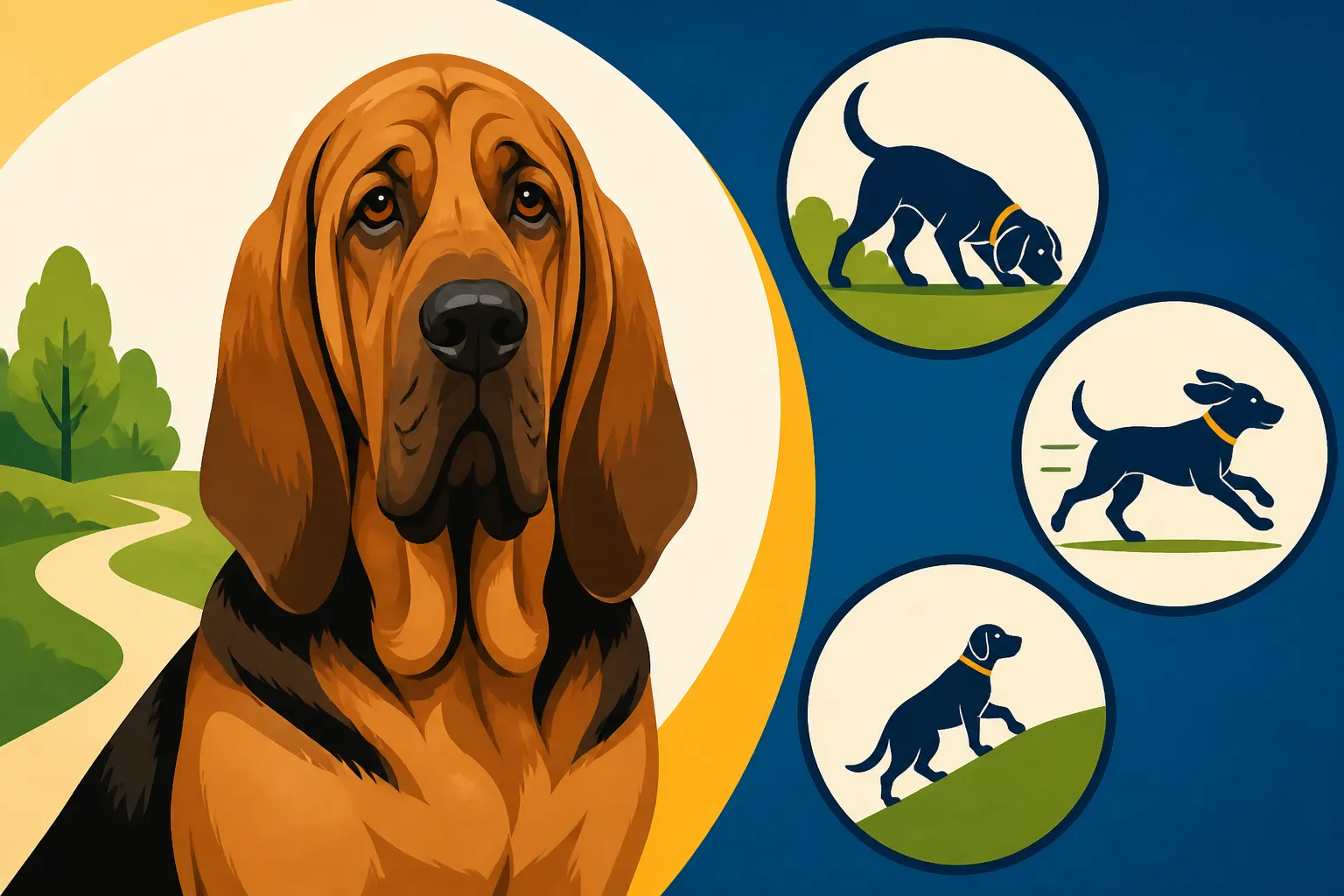
How Much Exercise a Bloodhound Actually Needs
One of the biggest misconceptions about Bloodhounds is that they are either lazy couch potatoes or constantly need to be running marathons. Owners often struggle to find that sweet spot, wondering if their big hound is getting enough activity without overdoing it, especially when their nose dictates their entire world. This guide will help you understand the true exercise requirements of a Bloodhound, balancing their incredible scent drive with their physical capabilities, ensuring a happy, healthy, and well-adjusted companion.
The Bloodhound's Unique Energy Profile: More Than Just a Walk
It's easy to look at a Bloodhound's calm demeanor indoors and assume they don't need much. Or, conversely, to see their large size and think they need to be out jogging for miles every day. The truth, like with most things Bloodhound, lies in a nuanced understanding of their breed-specific needs. Their energy isn't like a Border Collie's or a Labrador's; it's focused, intense, and primarily driven by their olfactory superpower. Ignoring this unique profile leads to frustrated owners and bored, potentially destructive, hounds.
Understanding the Bloodhound's "Job"
For centuries, Bloodhounds have been bred for one singular purpose: to follow a scent trail. This isn't just a hobby for them; it's deeply ingrained in their very being. When they're on a trail, their focus is absolute, their stamina incredible, and their determination unwavering. This "job" taps into their primal instincts and provides unparalleled mental and physical engagement. Without an outlet for this drive, you'll find their energy misdirected in ways you definitely don't want.
Think of it this way: asking a Bloodhound to simply "go for a walk" without a scent to follow is like asking a master chef to just stir a pot of water all day. They're capable, yes, but their true talent and passion lie elsewhere. This isn't to say walks aren't important, but they need to be approached with a Bloodhound's perspective in mind. Their mental engagement is just as, if not more, tiring than their physical exertion.
Why Generic Exercise Advice Falls Short
Standard advice for "large breed dogs" often suggests long walks or runs. While a Bloodhound can do these things, they often don't provide the fulfillment and appropriate expenditure of energy that their breed demands. A brisk two-mile jog might exhaust a different breed, but a Bloodhound might come home physically tired but mentally restless, still pacing and sniffing around the house because their most powerful tool—their nose—was underutilized.
This is where many owners get stuck. They provide what they think is ample exercise, yet their Bloodhound still seems "full of beans" or, worse, starts chewing drywall or baying incessantly. The key is understanding that for a Bloodhound, movement is secondary to mental engagement through scent. Without tapping into that, you're missing the core of what makes them tick, and what truly tires them out in a healthy, productive way.
The Critical Role of Scent Work in a Bloodhound's Exercise Regime
If you take one thing away from this guide, let it be this: scent work is not optional for a Bloodhound; it is absolutely vital to their well-being and is the most effective form of exercise you can provide. Their entire anatomy, from those long, sweeping ears that cup scent to their deeply wrinkled face that holds scent particles closer to their nose, is designed for it. Providing opportunities for them to use their nose isn't just a fun activity; it's a fundamental necessity.
Mantrailing: The Bloodhound's Natural Calling
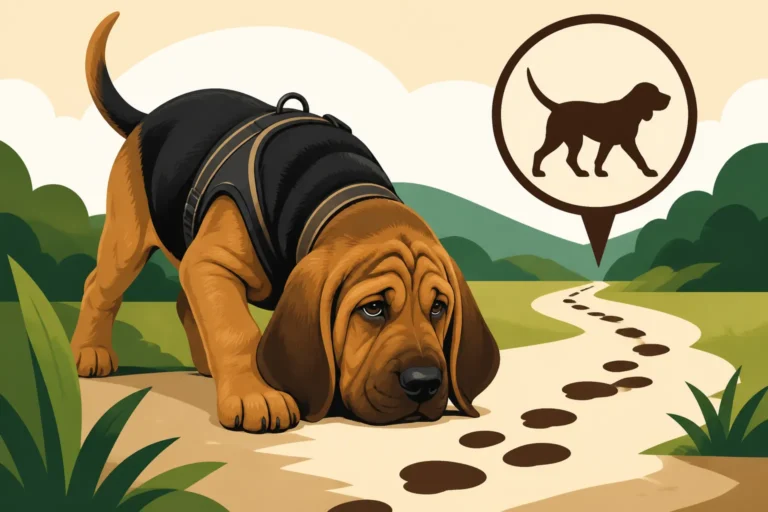
Mantrailing, or tracking human scent, is the ultimate workout for a Bloodhound. It engages their mind, body, and spirit in a way no other activity can. This isn't just a dog sniffing around; it's a dog meticulously unraveling a complex puzzle, navigating terrain, wind currents, and distractions, all while maintaining focus on a specific human odor. A dedicated mantrailing session, even a relatively short one, can be far more tiring and satisfying for a Bloodhound than an hour of mindless running.
When you see a Bloodhound on a trail, you witness pure, unadulterated canine joy and purpose. Their concentration is palpable. It's a structured activity where they are the experts, and you are their assistant, holding the long line and interpreting their signals. This inversion of roles (where they lead, and you follow) is incredibly empowering for them and builds immense confidence. For detailed guidance, I highly recommend exploring Mantrailing Is the Answer to a Bloodhound, Not Obedience.
Integrating Nose Work Into Daily Life
Even if you're not planning to certify your Bloodhound for search and rescue, you can still integrate plenty of nose work into your daily routine. Simple games like "find it" with treats scattered around the house or yard can be surprisingly engaging. Start easy, then gradually increase the difficulty by hiding treats in harder-to-reach places or making your dog wait longer before starting their search.
You can also create more elaborate scent games outdoors. Hide a favorite toy or a highly prized treat in your yard and let your Bloodhound "hunt" for it. Encourage them to use their nose, guiding them gently if they get stuck but primarily letting them figure it out. These activities provide mental stimulation, physical movement, and a healthy outlet for their natural drives, even if they aren't following a specific human trail.
The Mental Fatigue of Scenting
It's hard for us humans to fully grasp how much mental energy a Bloodhound expends when using their nose. Imagine trying to solve a complex mathematical equation while simultaneously navigating a busy street, listening to multiple conversations, and remembering a specific smell from hours ago. That's a rough approximation of what a Bloodhound's brain is doing on a trail.
This intense mental focus leads to a profound kind of fatigue that is different from physical exhaustion. A mentally tired Bloodhound is a calm, content, and often sleepy Bloodhound. They’ve had their brain cells working overtime, deciphering a world of odors we can barely comprehend. So, next time you think your Bloodhound just needs a longer walk, consider if what they really need is a good sniffari or a challenging scent game.
Physical Exercise: The Body Needs to Keep Up with the Nose
While scent work is paramount for mental and emotional well-being, physical exercise remains crucial for a Bloodhound's overall health. They are large, powerful dogs with substantial musculature and a hearty constitution, and their body needs to be kept in good working order to support their trailing endeavors and general longevity. However, the type and intensity of this physical exercise need careful consideration, especially given their susceptibility to certain joint and health issues.
Structured Walks and Sniffaris
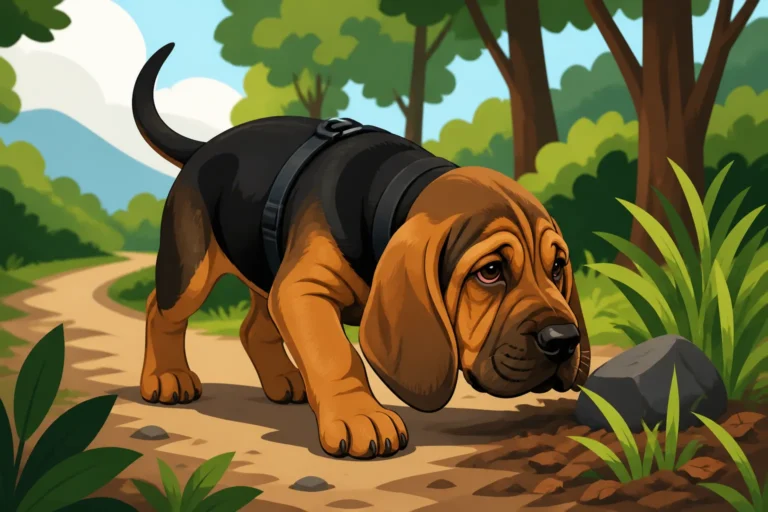
Daily walks are still important, but for a Bloodhound, they should often be more of a "sniffari" than a brisk heel. Allow your Bloodhound ample time to explore scents along the path. Letting them investigate intriguing smells is not "bad behavior"; it's them engaging with their world, and it provides valuable mental stimulation even during a purely physical outing. Walking at their pace, which can sometimes be maddeningly slow as they meticulously dissect a scent, is key.
Vary the environment of your walks. Exploring new parks, trails, or even different neighborhoods provides a richer olfactory experience and keeps things interesting. Remember, a Bloodhound's primary mode of interaction with the world is through scent, so a walk without opportunities to sniff is like watching a movie with the sound off for us. Aim for at least one good, long sniff-filled walk daily, in addition to shorter potty breaks. For more tips on managing their leash manners and trailing instinct during walks, check out Walking a Bloodhound That Has Found a Scent.
Appropriate Play and Movement
Beyond walks, structured play can contribute to their physical fitness. Gentle games of fetch in a securely fenced area are great, as are tug-of-war games (with appropriate rules to prevent guarding issues). Keep these sessions relatively short and focused, especially with young Bloodhounds, to avoid overexertion or injury. Bloodhounds aren't typically "go all out" athletes in the way some retrievers or herding breeds are, and prolonged, high-impact activities can be detrimental to their joints.
Consider activities that encourage natural movement without excessive impact. A large, securely fenced yard where they can trot and explore at their own pace is fantastic. Some Bloodhounds enjoy swimming, which is an excellent low-impact exercise, but always supervise closely due to their heavy build and potential for ear infections. Remember their ear length! A snood might be beneficial to keep ears out of the water if they're dipping their heads.
Avoiding Overexertion, Especially in Growing Pups
This is incredibly important. Bloodhounds grow very quickly, and their bones, joints, and ligaments are vulnerable during their first 18-24 months. Overexercising a puppy or adolescent Bloodhound can lead to serious, lifelong joint problems like hip and elbow dysplasia. Resist the urge to let them run wild or engage in prolonged, strenuous activity.
For puppies, short, frequent play sessions and gentle, controlled walks are far better than long, intense outings. A general rule of thumb is 5 minutes of structured exercise per month of age, twice a day, up to a certain point. So, a 4-month-old pup might get two 20-minute walks a day, including sniff time. Always consult your veterinarian for specific guidance tailored to your puppy's growth and development. Learn more about their limits in The Exercise Limit on a Growing Bloodhound and Hip and Elbow Dysplasia in the Bloodhound.
Tailoring Exercise to Your Bloodhound's Life Stages
Just like humans, a Bloodhound's exercise needs change throughout their life. What's appropriate for a rambunctious puppy isn't right for a senior, and what fuels a working dog might be too much for a pet Bloodhound. Being attuned to these stages and adjusting accordingly is a hallmark of responsible Bloodhound ownership.
The Energetic Puppy and Adolescent
Young Bloodhounds, especially those under two years old, can seem like bundles of clumsy energy. They have bursts of zoomies, chew on everything, and seem to have an insatiable curiosity. This energy, however, needs to be managed carefully to protect their developing bodies. As mentioned before, controlled exercise is key. Focus on quality over quantity.
Puzzle toys, like those from Amazon or local pet stores, are fantastic for mental stimulation, channeling that puppy energy into problem-solving rather than destructive chewing. Short training sessions, focusing on basic manners, are also excellent for their developing brains. Puppy classes are great for socialization, but ensure play is supervised and appropriate for their size and clumsy nature. BAXTER & Bella, an online puppy school, can provide structured training plans that integrate mental work and appropriate physical activity for young Bloodhounds, right from your living room. Remember, their minds are often more ready for "work" than their bodies are for intense physical exertion.
The Prime Adult Bloodhound (2-6 years)
Once a Bloodhound is fully grown and their growth plates have closed (usually around 18-24 months), they can handle more robust exercise. This is often their prime for serious scent work, whether for competition, search and rescue, or just dedicated hobby trailing. At this stage, two solid hours of activity a day, ideally split into multiple sessions, is a good baseline. This should include at least one long, engaging sniffari or tracking session, combined with other physical activity.
This doesn't mean they need to be running constantly. A 45-minute tracking session, followed by an hour of relaxed yard exploration and some indoor puzzle play, might be more effective than a two-hour hike where they aren't allowed to truly use their nose. The goal is a combination of purposeful physical movement and intense mental engagement. If they're showing signs of restlessness, excessive baying, or destructive behavior, it's often a sign they need more (or better quality) exercise.
The Senior Bloodhound (7+ years)
As Bloodhounds enter their senior years, typically starting around age six or seven, their needs shift again. While they might not be as eager or physically capable of long tracking sessions, their love for scent work often remains. Adjust the length and intensity of activities to match their stamina and any developing conditions like arthritis. Short, frequent sniff-walks are often preferred over one long outing.
Low-impact activities like gentle swimming (if they enjoy it and their ears are managed) or simply pottering around a secure yard, following interesting smells, become even more valuable. Keep their minds sharp with easier scent games and puzzle toys. Regular vet check-ups become paramount to manage pain or discomfort that might limit their mobility. Remember, an old Bloodhound may move slower, but their nose is still a powerful tool they enjoy using. Aging in a Bloodhound Starts at Six has more information on what to expect.
Essential Gear and Safety for Bloodhound Exercise
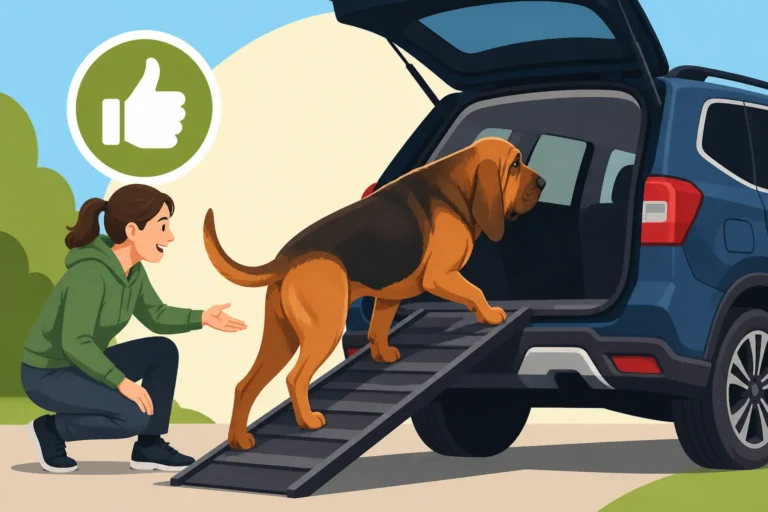
Exercising a Bloodhound isn't like walking a smaller, less scent-driven dog. You need specific equipment to ensure both their safety and your control, especially when their powerful nose takes over. Investing in the right gear from the start will make your exercise routines much more enjoyable and effective.
The Indispensable Long Line
For any serious scent work or even just an extended sniffari in a safe, open area, a long line is absolutely essential. We're talking 15, 30, or even 50 feet of sturdy webbing. This isn't a retractable leash; it's a fixed-length line that allows your Bloodhound to range out and follow a scent without you having to constantly reel them in or worry about them bolting. It gives them the freedom to explore while keeping them safely connected to you. How Long a Line Suits a Bloodhound in the Open delves into this further.
A quality long line allows your Bloodhound to work a scent without feeling restricted, while also ensuring you can intervene if they head towards danger (like a road). When choosing one, look for durable, weather-resistant materials that won't tangle easily. Carrying a long line properly takes practice to avoid tangles and rope burns, so consider wearing gloves, especially when starting out.
Harnesses vs. Collars for Scent Work and Walks
Never, ever attach a long line or even a regular leash directly to a flat collar when your Bloodhound is working or enthusiastic on a walk. Their powerful necks and tendency to pull when on a scent mean a collar can easily cause tracheal damage or slip off entirely. A well-fitting, comfortable harness is non-negotiable.
For scent work, a Y-front or H-back harness is often preferred as it distributes pressure evenly across the chest and shoulders, rather than putting strain on the neck. There are many excellent options available on Amazon. Some owners find that a tracking harness, specifically designed to give the dog freedom of movement while ensuring handler control, is ideal. Ensure the harness allows for full range of shoulder motion and doesn't rub in sensitive areas like the armpits. Which Harness a Bloodhound Trails In provides more detail on selecting the right one.
| Gear Item | Purpose | Key Features | Why It's Crucial for Bloodhounds |
|---|---|---|---|
| Long Line | Enables scent exploration with safety | 15-50 ft, durable webbing, sturdy clip | Gives freedom to follow scent while maintaining control |
| Tracking Harness | Distributes pressure during pulling | Y-front/H-back design, broad chest strap, no neck restriction | Prevents injury, ensures comfort when working a trail |
| Snood | Protects long ears during eating/drinking/mud | Soft fabric tube, elasticated ends | Keeps ears clean, prevents infection, reduces injury |
| High-Value Treats | Motivation and reward for scent work | Strong-smelling, small, easily consumed | Reinforces positive behavior, fuels motivation |
| Water Bottle & Bowl | Hydration during extended outings | Portable, leak-proof bottle, collapsible bowl | Essential for preventing dehydration, especially in heat |
| Reflective Gear | Visibility during low-light conditions | Reflective vests, collars, leashes | Enhances safety for handler and hound |
Safety Considerations: Environment and Weather
Always consider the environment and weather when planning exercise. Bloodhounds have a relatively short coat but can overheat, especially during strenuous activity or trailing in warm weather. Their large bodies make them prone to heatstroke, so always carry water and plan sessions for cooler parts of the day.
Conversely, in cold weather, while their coat provides some protection, extreme cold can still be an issue. Their long ears are particularly susceptible to frostbite. Be mindful of paved surfaces in both extremes – hot asphalt can burn paw pads, and icy sidewalks can lead to slips and falls. Always be aware of potential hazards like wildlife, sharp objects, or poisonous plants, as a scent-driven Bloodhound might follow a trail into risky areas without looking up.
Common Exercise Mistakes Bloodhound Owners Make
Even with the best intentions, it's easy to fall into traps when exercising a Bloodhound. Their unique characteristics require a different approach than many other breeds. Recognizing and avoiding these common pitfalls can save you a lot of frustration and ensure your Bloodhound gets the best possible care.
Expecting "Off-Leash" Reliability
One of the biggest mistakes new Bloodhound owners make is hoping their dog will someday be reliably off-leash. While an emergency recall might be possible with extensive training, the reality is that a Bloodhound's nose will almost always override any command once it's locked onto a scent. Their instinct to follow a trail is so powerful that it's simply not safe to trust them off-leash in unfenced areas.
Accepting this reality early on will prevent heartbreak and potential danger. Your Bloodhound isn't being disobedient; they're being a Bloodhound. Instead of chasing the elusive dream of off-leash freedom, embrace the long line and secure, supervised spaces. You can still provide immense freedom and mental engagement without putting your dog at risk. For a deeper dive into this, see Why Off Leash Is Not a Goal With a Bloodhound.
Confusing Physical Exhaustion with Mental Fulfillment
As discussed, a long walk or a strenuous run might physically tire your Bloodhound, but if their nose hasn't been engaged, they might still feel restless and unfulfilled. This often manifests as destructive behaviors, excessive baying, or general anxiety. Owners might mistakenly think, "They must need more exercise!" and then push for even more physical activity, creating a cycle of frustration.
It's crucial to distinguish between tiring the body and tiring the mind. While physical exercise is important for health, it's the mental exertion of scent work that truly satisfies a Bloodhound. If your Bloodhound is physically tired but still causing trouble, try increasing their nose work activities before adding more miles to their walk. A tired nose equals a happy dog, and often, a peaceful home.
Ignoring Age and Health Considerations
Another common mistake is applying a "one size fits all" exercise approach throughout a Bloodhound's life. Pushing a puppy too hard can lead to irreversible joint damage, while failing to adjust exercise for a senior dog can exacerbate existing conditions or cause unnecessary pain. Similarly, a Bloodhound recovering from surgery or managing a chronic illness will have very different needs.
Always be observant of your Bloodhound's signals. Are they lagging behind on walks? Are they reluctant to get up? Are they limping after playtime? These are all signs that you need to re-evaluate their exercise routine and consult with your veterinarian. Being proactive and adjusting their activity level to their current physical state is a loving and responsible aspect of ownership. Regular vet check-ups are important to catch any developing issues early, and understanding what to screen for as a Bloodhound owner, as outlined in What the American Bloodhound Club Asks Breeders to Screen, can guide these conversations.
Incorporating Mental Stimulation Beyond Scent Work
While scent work is undeniably the king of mental stimulation for a Bloodhound, it's not the only thing that can engage their brilliant, albeit sometimes single-minded, brains. A well-rounded approach includes various forms of mental challenges that can complement their nose work and keep them sharp and adaptable.
Puzzle Toys and Interactive Feeders
Bloodhounds are often incredibly food motivated, which makes puzzle toys and interactive feeders an excellent way to provide mental stimulation indoors. Instead of just dumping their kibble into a bowl, make them work for it! There are countless options available, from simple treat-dispensing balls to more complex puzzles that require multiple steps to solve. These toys not only keep them occupied but also encourage problem-solving and can slow down fast eaters.
Using their regular meal portions in these feeders is a great way to integrate mental work into their daily routine without adding extra calories. Look for durable toys that can withstand a Bloodhound's powerful jaws. Many options can be found on sites like Amazon, offering a range of difficulty levels. Start with easier puzzles and gradually introduce more challenging ones as your Bloodhound masters them.
Basic Obedience and Concept Training
While Bloodhounds aren't known for their eager-to-please nature in traditional obedience, they are certainly capable of learning. Short, positive, reward-based training sessions can be a wonderful mental workout. Focus on basic cues like "sit," "stay," "down," and a reliable "come" (even if it's only reliable indoors or on a long line).
Beyond basic commands, you can teach them fun tricks or engage in concept training. For example, teaching them to differentiate between toys by name, or to "find" a specific object, further engages their cognitive abilities. Keep sessions brief (5-10 minutes), upbeat, and always end on a positive note. This kind of mental engagement strengthens your bond and helps them learn self-control, which can be a valuable skill even for a scent-driven dog.
Enrichment Activities at Home
Think about ways to enrich your Bloodhound's home environment. Rotational toys, giving them access to different playthings each day, can keep things fresh. Providing appropriate chew items, like durable chew toys or dental chews, satisfies their natural urge to chew and can be mentally satisfying.
You can also engage their senses in other ways. Play classical music or dog-specific relaxation audio to provide auditory enrichment. For visual enrichment, if they're home alone, consider leaving the TV on a nature channel. Even just varying their daily routine slightly, like eating in a different spot or taking a different route for a short walk, can provide novel mental stimulation.
Finding the Balance: Preventing Boredom and Overwhelm
The key to a well-adjusted Bloodhound is finding that sweet spot where they are neither bored nor overstimulated. It's a delicate dance that requires observation, patience, and a deep understanding of their individual personality. Every Bloodhound is an individual, and their needs, while rooted in breed characteristics, will also vary.
Signs Your Bloodhound Needs More or Different Exercise
If your Bloodhound is constantly restless, pacing, destructive chewing, barking or baying excessively, digging, or exhibiting other undesirable behaviors, it's often a cry for more or better quality exercise. This usually means more mental stimulation, particularly scent work. They might also be exhibiting signs of anxiety or frustration if their natural drives aren't being met.
Conversely, if your Bloodhound is lethargic, reluctant to play, or showing signs of chronic fatigue, you might be overdoing it. This is especially important for growing puppies or senior dogs. Pay attention to their gait, energy levels, and overall demeanor. A happy Bloodhound is typically calm and relaxed indoors after a good session, settling down for a long nap.
Creating a Flexible Exercise Routine
A rigid, unchangeable schedule might work for some dogs, but Bloodhounds often benefit from a more flexible approach that adapts to their needs, the weather, and your schedule. Aim for a general framework, but be prepared to adjust. Maybe one day you do a long tracking session, and the next is a shorter sniffari combined with extensive puzzle toy time.
Consider splitting their daily activity into several shorter bursts. A morning potty break with a quick sniff around the yard, a midday scent game, an afternoon long line walk, and an evening puzzle feeder can add up to a comprehensively exercised Bloodhound without any single session being overly long or strenuous. The goal is consistent, appropriate engagement, not necessarily massive amounts of continuous activity.
The Importance of Rest and Downtime
Just as important as exercise is adequate rest. Bloodhounds need plenty of sleep, especially after an intense scent work session. Providing a quiet, comfortable space where they can truly relax and decompress is vital. This might be a cozy crate, a dedicated dog bed in a low-traffic area, or their own spot on the couch (if allowed!).
Overstimulation can be just as detrimental as understimulation. If your Bloodhound is constantly "on," without proper downtime, they can become cranky, prone to overreactions, or even physically ill. Think of them like a working athlete: they train hard, but they also need proper recovery time to perform their best. A well-rested Bloodhound is better able to engage in their next exercise session and maintain their characteristic calm, gentle disposition.
Disclaimer
This article is for general informational purposes only and does not constitute professional advice. Laws, prices and regulations vary by location and change over time. Consult a qualified professional for guidance on your specific situation.