Starting a Bloodhound Puppy on a Trail
You've brought home your adorable Bloodhound puppy, and already, you can see that nose is working overtime, sniffing out every speck of dust and stray crumb. It's natural to dream of channeling that instinct, but many new owners feel lost on where to begin, worried they'll do it wrong or overwhelm their little hound. This guide is here to walk you through the exciting, scent-filled journey of gently introducing your Bloodhound puppy to the world of trailing.
Understanding the Bloodhound's Natural Drive
Before you even think about putting a harness on your puppy, it's crucial to understand the incredible instinct that lies within every Bloodhound. These dogs aren't just good at sniffing; they are driven by scent in a way most other breeds can't comprehend. It's not just a hobby for them; it's practically their life's purpose. Trying to fight against this deep-seated desire is a losing battle, and often leads to frustration for both dog and owner. Instead, our job is to learn to work with that magnificent nose, not against it.
The Unmatched Power of Their Nose
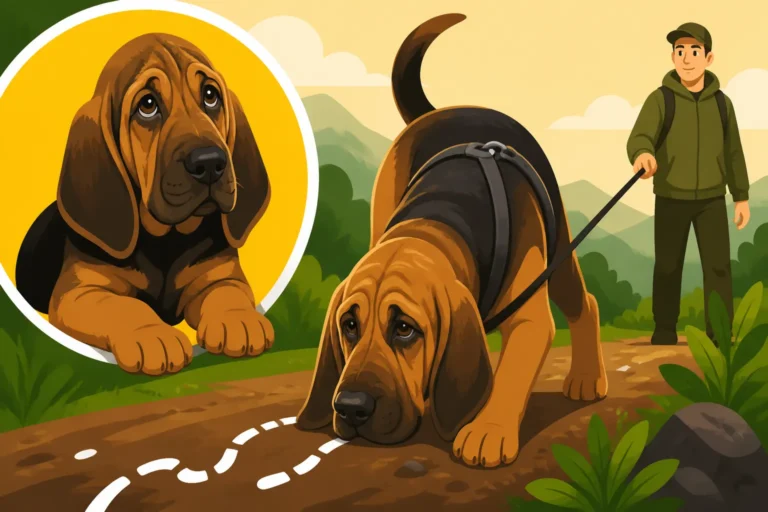
Your Bloodhound puppy's nose is not just sensitive; it's a super-powered organ designed for one thing: finding and following a specific scent. They possess an astounding number of scent receptors – often cited as having forty times more than humans – and a unique brain structure dedicated to processing these olfactory signals. Think about a regular dog sniffing around a park; they're taking in a general picture. A Bloodhound, however, can pick out an individual thread of scent, like a single violin in a symphony, and follow its intricate melody for miles, days, or even weeks. This is why you often hear that The Bloodhound Is the Only Dog Whose Evidence Stands in Court; their abilities are truly unparalleled.
This isn't just a physical trait; it’s a deep psychological drive. For a Bloodhound, finding a trail and following it to its conclusion is the most rewarding thing they can do. It's a puzzle, a mission, and a profound form of mental enrichment. Denying them this outlet, or failing to understand its depth, is like denying a retriever the chance to retrieve or a border collie the chance to herd. Their contentment, balance, and overall well-being are intrinsically tied to using their nose.
Many owners, understandably, underestimate this drive. They might think a few casual walks are enough, or that basic obedience will temper the "stubbornness" when the nose takes over. But a Bloodhound isn't being stubborn when it puts its nose to the ground and ignores you; it's simply following its programming. Its brain literally prioritizes the scent information above almost all else. Acknowledging this fundamental difference is the first, most important step in building a successful relationship with your trailing partner.
Instinct vs. Training in a Young Hound
When you bring home a Bloodhound puppy, you're not starting with a blank slate. You're starting with thousands of years of selective breeding for a very specific purpose. That puppy already knows, on an instinctual level, what its job is. Our "training" often isn't about teaching them how to trail, but rather how to trail with us and within a structured framework. It's about harnessing, directing, and refining that instinct, not creating it from scratch.
Think of it like a naturally gifted musician. They have an innate talent, but they still need lessons to learn technique, read music, and play harmoniously with others. Your Bloodhound puppy has the raw talent for scent work, but it needs your guidance to understand the "rules" of the game, like staying on a specific track, working for a reward, and collaborating with a human partner. This means respecting their natural inclinations and building on them, rather than trying to force a square peg into a round hole with traditional obedience methods alone.
This balance between instinct and training is particularly important in puppyhood. You want to nurture their natural curiosity and drive without overwhelming them with too many formal commands or expectations. The goal is to make trailing feel like the most natural and enjoyable activity in the world, something they choose to do with you, rather than a chore. If we start too formally, too strictly, or too quickly, we risk dampening that incredible natural enthusiasm that makes Bloodhounds so special on a trail.
Why a Bloodhound's Nose Outvotes Its Handler
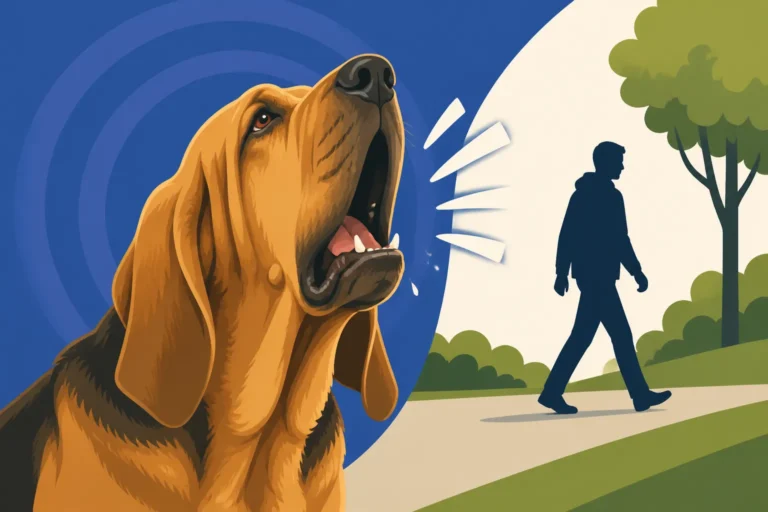
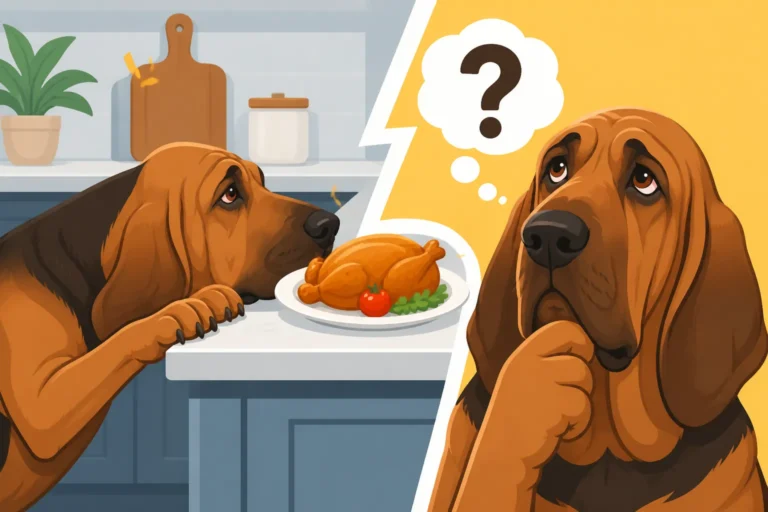
This is a truth Bloodhound owners learn quickly, often with a laugh and a sigh: A Bloodhound's Nose Outvotes Its Handler. You might have the most delicious treat in your pocket, the most exciting toy, or be calling their name with the utmost enthusiasm, but if there's a compelling scent, your Bloodhound will likely choose the scent every single time. It's not personal; it's pure genetics and instinct.
Imagine walking your Bloodhound puppy on a leash, heading in one direction. Suddenly, that nose hits a scent, and it's like a switch flips. Their head drops, their body language changes, and they become a canine vacuum cleaner, pulling you in a completely different direction. For an inexperienced owner, this can feel like disobedience or stubbornness, but it's really your dog doing exactly what it was bred to do. The scent is an irresistible force, a siren song that pulls them forward.
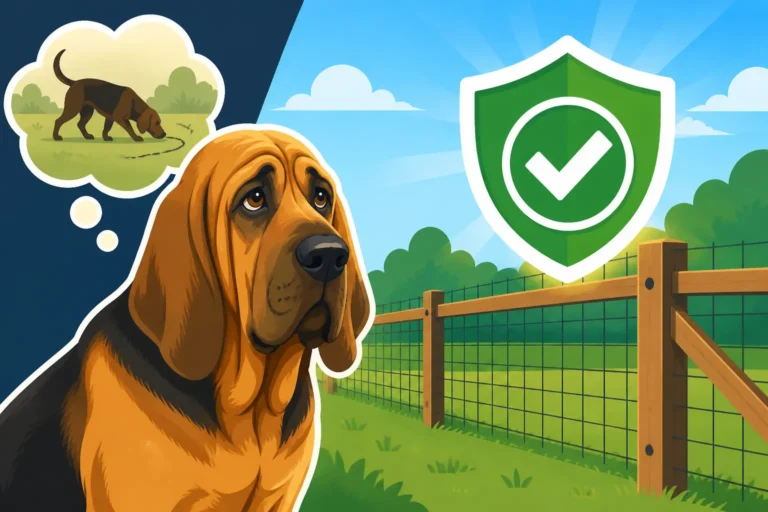
This fundamental aspect means that traditional recall and "stay" commands often don't work the same way for a Bloodhound when a strong scent is present. You can train them diligently in a sterile environment, and they might be perfect. But once that nose is engaged with a real, intriguing trail, all bets are off. This isn't a failure of training; it's a testament to the power of their olfactory world. Understanding this helps you manage expectations and, more importantly, put in place safety measures like secure leashes and proper confinement, acknowledging that their nose will always be their primary guide.
Early Socialization and Foundation Skills
While the nose is paramount, a well-adjusted, confident Bloodhound puppy makes for a much better trailing partner. Early socialization and basic foundation skills are not about curbing their scent drive but about building a well-rounded dog who can focus, trust you, and navigate various environments. These are the building blocks that allow their incredible nose to operate effectively in the real world, rather than being a chaotic force.
Puppyhood Socialization Beyond the Park
Proper socialization for a Bloodhound puppy goes far beyond simply meeting other dogs at the dog park. While positive interactions with other polite canines are certainly valuable, your Bloodhound needs exposure to a vast array of sights, sounds, surfaces, and experiences. Think about the places a Bloodhound might eventually trail: bustling urban areas, quiet rural fields, busy shopping centers, dense woods, even indoors. A puppy that is fearful of strange noises, slick floors, or unusual people will struggle to focus on a trail when these distractions arise.
Enroll your puppy in a well-run puppy class that focuses on positive reinforcement and exposure to novel stimuli. Beyond that, actively seek out different environments for short, positive visits. Take them to pet-friendly stores (on leash, of course), walk them on different types of sidewalks, expose them to traffic noises from a safe distance, let them walk on grass, gravel, concrete, and even a small patch of mud. The goal is to build a puppy who is resilient, curious, and comfortable in many different settings, so when it's time to trail, the environment itself isn't a source of stress. A great online resource like BAXTER & Bella often provides structured programs for early puppy development and exposure that can be incredibly helpful for new owners navigating this crucial stage.
Remember, every new experience should be positive and low-pressure. Don't force your puppy into a scary situation. Instead, offer treats, praise, and comfort. The aim is to create positive associations with the world, teaching them that new things are opportunities for good things to happen, which directly translates to their confidence and ability to work on a trail in diverse conditions.
Building a Strong Relationship with Your Handler
Trailing, at its heart, is a partnership. Your Bloodhound puppy needs to trust you implicitly, view you as a source of good things, and feel comfortable working alongside you. This relationship isn't built on strict commands or dominance; it's built on mutual respect, positive reinforcement, and consistent, fair communication. You are their guide, their advocate, and their reward dispenser.
Spend plenty of quality time with your puppy, engaging in play, gentle grooming, and hand-feeding. Make yourself the most interesting and rewarding thing in their world, even when their nose is trying to convince them otherwise. Use positive reinforcement for every good decision they make, whether it's looking at you when called, settling quietly, or offering a moment of attention amidst distractions. This is particularly important for a breed that can get so engrossed in its own world; you need to be able to occasionally break through that scent-driven focus.
A strong bond also means understanding and respecting your Bloodhound's personality. They are generally gentle and sensitive dogs. Harsh corrections or frustration can easily shut them down or make them hesitant to engage. Instead, cultivate patience, a sense of humor, and a deep appreciation for their unique way of experiencing the world. This relationship forms the bedrock upon which all future trailing work will be built.
Basic Cues and Self-Control in a Scent-Driven World
While a Bloodhound's recall might never be perfect when a hot trail is calling, having a solid foundation of basic obedience cues in low-distraction environments is still incredibly valuable. "Sit," "stay," "come" (in a controlled setting), and "leave it" aren't just for tricks; they are tools for management and safety. These cues help teach your puppy self-control and build their capacity to listen to you, even if only for a brief moment.
For instance, a reliable "sit-stay" can be crucial before releasing them onto a trail, helping them focus and build anticipation. A strong "leave it" can help redirect them from a tempting, but irrelevant, scent in a non-trailing situation. These aren't about stopping them from sniffing, but about giving them the mental framework to pause and make choices, which is a huge step for such an instinct-driven breed. Practice these cues in various locations, starting in quiet areas and gradually introducing more mild distractions, always keeping it positive and fun.
Remember, the goal isn't to turn your Bloodhound into a precision obedience machine; it's to develop a dog that respects your guidance and has some self-regulation. This makes managing them in everyday life much easier and sets the stage for more focused work when they are on an actual trail. These foundational skills, taught patiently and positively, contribute to a calmer, more manageable, and ultimately, a happier Bloodhound.
Introducing the Scent Article
This is where the magic really begins! The scent article is the starting point for any trail. It's the piece of fabric, the object, or the item that holds the unique odor of the person you want your Bloodhound to find. Getting your puppy comfortable with and excited about the scent article is a critical first step in their trailing education. Without a clear "target" scent, your puppy is just sniffing generally, not purposefully tracking.
What Makes a Good First Scent Article
For a puppy's very first introduction, the scent article should be something soft, personal, and strongly imbued with a single person's scent. Think a recently worn cotton t-shirt, a sock, or even a bandana that someone has had close to their skin for an hour or two. Avoid anything with multiple people's scents, strong perfumes, or lingering food odors, as this will only confuse your budding tracker. The clearer the scent picture, the easier it is for your puppy to understand the game.
The material matters too. A cotton cloth is excellent because it holds scent well and is easy for a puppy to manipulate and eventually carry. Avoid plastics, shiny objects, or anything that might be unpleasant for them to hold. It should also be something that won't distract them with its own texture or taste. The goal is for the scent to be the most interesting thing, not the item itself.
It's also a good idea to have a dedicated "scent kit" from the beginning. This could be a small zippered bag or a plastic container that you use only for storing clean scent articles (before they are used) and the scent article once it's been "scented" by your helper. This helps to prevent cross-contamination of scents, ensuring that each trailing session starts with the purest possible scent picture for your pup.
The Scent Cone and How Your Puppy Finds It
Before your puppy ever hits a "trail," they need to understand that the scent article is the starting point of the game. We're teaching them to identify a specific odor from a small item. When a person touches or holds a scent article, they transfer their unique blend of skin cells, oils, and bacteria—this is What a Bloodhound Is Actually Smelling on a Trail. This scent then creates a "scent cone" around the article, which dissipates over time.
For a puppy, we want to make this easy. Start by placing the scented article on the ground in a quiet, familiar area, like your living room or a calm part of your yard. Let your puppy freely investigate it. When they sniff it, offer a quiet "good!" and immediately reward them with a super-high-value treat (something they absolutely adore, like cooked chicken or cheese) and enthusiastic praise. The moment their nose touches that article, the party starts! We're building a strong positive association.
Repeat this several times over short sessions. You can even hold the article for a moment and then place it, letting them "find" it. The key is to make it clear: this special item means good things. This foundational step teaches them that engaging with this specific scent leads to rewards, which is the very beginning of understanding their job on a trail.
Making the Scent Article a Positive Association
The ultimate goal here is for your puppy to associate the scent article with immense positivity and the beginning of a fun, rewarding activity. It's not just an object; it's a "ticket" to their favorite game. To achieve this, consistency is key. Every time you present a scent article, it should lead to a positive outcome.
You can play a simple game: show your puppy the scented article, then immediately hide it a few feet away, letting them see where it goes. Encourage them to "find it!" When they do, celebrate wildly with treats and praise. This starts to connect the scent article with the act of searching and finding. Over time, you can gradually increase the difficulty, hiding it behind a chair or under a blanket, always making sure they succeed.
Another powerful technique is to use the scent article right before a "runaway" game with a helper (which we'll discuss next). The helper might briefly hold the article, then dash off, and the puppy gets to follow. This directly links the scent article to the exciting chase and the reunion with their favorite person. This consistent pairing of the scent article with positive experiences and rewards reinforces its value and importance, making your puppy eager to start every trailing session.
Laying the First Short Trails
Once your Bloodhound puppy understands that a scent article is special and leads to good things, it's time to take their first wobbly steps on a true "trail." For puppies, this isn't about solving complex cases; it's about building confidence, reinforcing their natural instincts, and making trailing the most fun game ever. We want to set them up for absolute success.
The "Runaway" Game: Your Puppy's First Trail
The "runaway" game is the perfect way to introduce a Bloodhound puppy to its first trail. You'll need a helper – a friend or family member who your puppy likes and is comfortable with. The concept is simple: the helper holds the scented article for a minute or two to get their scent on it, then runs a very short distance away (we're talking 10-20 feet max for the very first time), and the puppy follows them. This immediate reward of finding the "missing" person at the end of the trail is incredibly motivating.
To set it up:
- Have your helper briefly hold a clean scent article.
- While the puppy is held (or leashed) by you, the helper gets the puppy's attention, perhaps by calling their name excitedly.
- The helper then jogs away, in a straight line, making sure the puppy sees them leave. They then hide slightly out of sight or simply stop at the end of the short trail.
- Immediately, present the scented article to your puppy where the helper started. Encourage them, "Find [helper's name]!" and let them follow.
- When the puppy reaches the helper, it's a huge party! Lots of praise, treats, and happy reunion. The helper should make a big fuss. This is The First Runaway a Bloodhound Puppy Should Follow.
This game taps into their natural desire to find people and makes the connection between the starting scent, the path, and the reward perfectly clear. Keep these early trails incredibly short and easy, ensuring your puppy experiences success every single time.
Keeping Trails Short, Simple, and Successful
The mantra for puppy trailing is: short, simple, and successful. We cannot emphasize this enough. A young Bloodhound puppy's attention span is short, and their physical stamina is still developing. Overwhelming them with long, complex trails will lead to frustration, confusion, and potentially extinguish their enthusiasm for scent work. The goal is to build their confidence and passion for the work, not to test their limits.
For the first few weeks, your trails might only be 20-50 feet long, perhaps around the corner of a building or behind a bush. They should be laid on surfaces the puppy is comfortable with, like grass. The person laying the trail should walk slowly and deliberately, creating a strong scent path. You're teaching the puppy the concept of following a trail, not how to be a search and rescue dog overnight.
Always end on a high note. If your puppy is showing signs of fatigue, distraction, or disinterest, end the session immediately with a successful find, even if it means shortening the planned trail. It's far better to do two very short, successful trails than one long, frustrating one. This positive reinforcement builds a strong mental association: trailing is fun, easy, and always leads to a great reward.
Gradually Increasing Difficulty and Distance
Once your Bloodhound puppy is consistently succeeding at the super-short, simple "runaway" trails, you can gradually, and we mean gradually, introduce more challenge. This doesn't mean jumping to a mile-long trail overnight. Incrementally increase one variable at a time:
- Distance: Add just a few more feet to the trail length. Instead of 20 feet, try 30. Then 40. Work up to 100-200 feet over several weeks.
- Time: Start with "fresh" trails (laid seconds before you run the puppy). As they gain confidence, let the trail "age" for a minute or two before starting. This is the first step in learning How Old a Trail a Bloodhound Can Follow.
- Turns: Introduce a gentle, obvious turn. Instead of a straight line, have the helper walk around a tree or a corner of a shed. Make it clear and easy to follow at first.
- Surface Changes: Once comfortable on grass, try a short section on pavement, then back to grass. This helps them generalize their trailing skills to different environments.
Always remember to return to easier trails if your puppy struggles. Success breeds confidence, and confidence is paramount. If they get frustrated, they learn to dislike the game. Think of it like teaching a child to read; you start with simple words and gradually introduce more complex ones, always celebrating their achievements.
The Right Equipment for Puppy Trailing
Having the correct gear isn't just about looking the part; it's about safety, comfort, and effective communication. The wrong equipment can hinder your puppy's ability to trail, cause discomfort, or even put them at risk. For Bloodhounds, specific types of harnesses and lines are essential for scent work.
Choosing the Right Harness for Scent Work
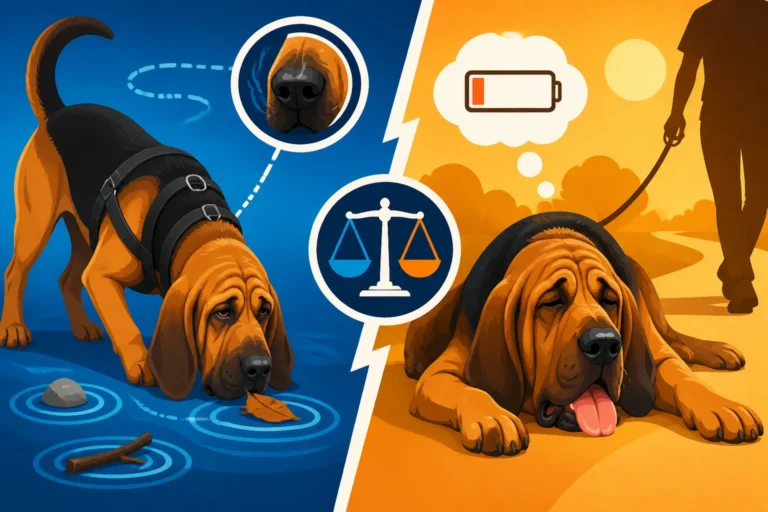
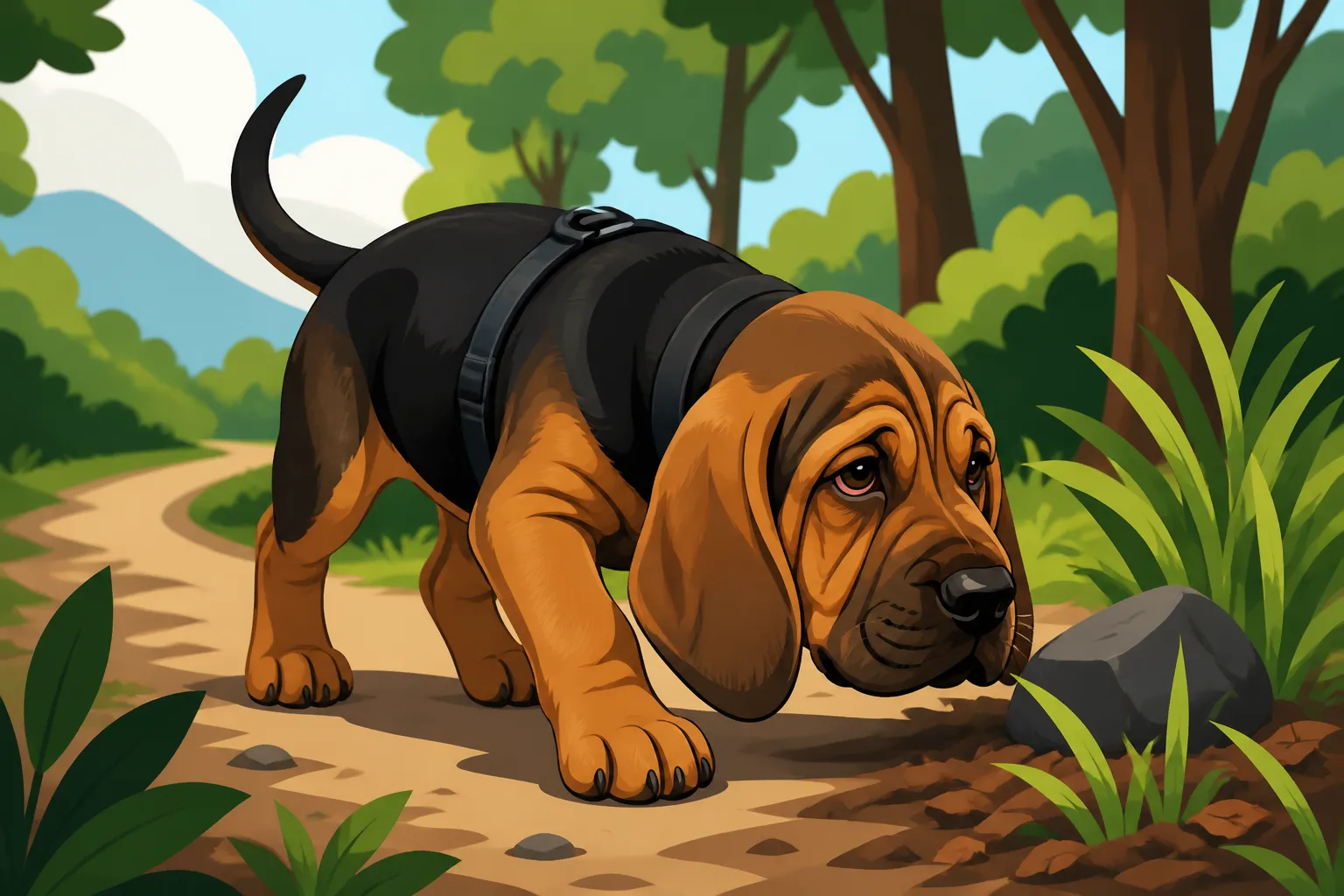
For any kind of scent work, especially trailing, a well-fitting tracking harness is non-negotiable. This is fundamentally different from a regular walking harness or a collar. A tracking harness is designed to distribute pressure evenly across your dog's chest and shoulders, rather than putting strain on their neck or throat. This is crucial because your Bloodhound puppy will be pulling into the harness as they follow a trail, and you don't want to restrict their breathing or cause injury.
Look for a Y-front or H-style harness that allows full range of motion for their shoulders. It should fit snugly enough that they can't back out, but not so tight that it chafes. Many brands offer excellent tracking harnesses; some popular options include harnesses from Ruffwear or even more specialized gear available on Amazon that specifically cater to working dogs. The key is comfort and allowing the dog to lean into the pull naturally. Never use a head halter, no-pull harness that restricts shoulder movement, or a choke/prong collar for trailing; these are counterproductive and can be harmful. For more specific guidance, you can refer to Which Harness a Bloodhound Trails In.
A good harness also signals to your dog that it's "work time." Many professional handlers use a distinct harness only for scent work. This helps your puppy associate putting on that specific piece of gear with the exciting, focused activity of trailing, helping them mentally transition into their working mode.
The Importance of a Long Line
A long line is your best friend when starting a Bloodhound puppy on a trail. Forget short leashes for a moment; a Bloodhound needs space to work, to put its nose down, and to follow the nuances of a scent. A long line, typically 15 to 30 feet in length (though some use even longer for advanced work), allows your puppy to explore the scent path ahead of you without being truly off-leash. This provides them the freedom to make their own choices on the trail, which is crucial for building their confidence and problem-solving skills, while still giving you control and ensuring their safety.
Using a long line is also how you learn to "read" your dog on a trail. You'll observe subtle shifts in their body language, the way their head moves, or how they work a specific area, all from a distance that doesn't interfere with their scenting process. It teaches you to be a silent partner, following your dog's lead rather than constantly directing them.
Remember Why a Bloodhound Works on a Long Line, Not a Collar. Attaching a long line to a collar is dangerous. A sudden pull could cause neck injury. Always attach the long line to the tracking harness. Choose a material that's comfortable to hold, doesn't tangle too easily, and can withstand some wear and tear. Biothane lines are popular for their durability and ease of cleaning, especially for those inevitable muddy adventures.
Essential Gear for Your Trailing Adventures
Beyond the harness and long line, a few other items are indispensable for starting your Bloodhound puppy on a trail:
- High-Value Treats: These are non-negotiable. Your puppy needs incredible motivation to work, and finding the "missing" person is the ultimate reward, but treats (like tiny pieces of hot dog, cheese, or cooked meat) reinforce the process itself. Keep them small, soft, and easy for your puppy to gobble down quickly without breaking focus.
- Scent Articles: As discussed, a variety of clean, neutral cloth items (bandanas, t-shirts, socks) dedicated for scenting by your helper.
- Gloves: Especially when starting, you might find yourself handling a wet or muddy long line. Gloves offer better grip and protection.
- Comfortable Footwear: You'll be doing a lot of walking, potentially on uneven terrain. Prioritize comfort!
- Water and a Bowl: Hydration is essential for both you and your puppy, especially during warmer weather.
- A Bag for Poo: Always, always, always.
- Optional – A Clicker: Some trainers use clicker training to mark the exact moment a puppy engages with the scent or makes a good decision. This isn't universally necessary for trailing but can be a useful tool for precision.
- A Snood: While not directly for trailing, a snood is a practical accessory for a Bloodhound to keep those long ears out of the way, especially when they are nosing through dense brush or bending down to work a scent. You can easily find these on Amazon or specialty pet stores.
Having all your gear ready makes each session smoother and more enjoyable, allowing you to focus on your puppy and the joy of the trail.
| Item | Purpose | Key Features |
|---|---|---|
| Tracking Harness | Comfortably distribute pull on the chest | Y-front/H-style, adjustable, non-restrictive to shoulders, durable |
| Long Line (15-30 ft) | Allows freedom of movement, maintains control | Durable material (Biothane, nylon), comfortable grip, swivel clip, no tangles |
| High-Value Treats | Positive reinforcement for good choices | Small, soft, extremely palatable (cooked chicken, cheese), easy to dispense |
| Scent Articles | Provides target scent for the puppy | Clean, absorbent fabric (cotton t-shirt, sock, bandana), stored in sealed bag |
| Snood (Optional) | Keeps long ears clean and out of the way | Soft, breathable fabric, comfortable fit around head and ears |
| Water & Portable Bowl | Hydration for dog and handler | Collapsible bowl, ample water supply |
Keeping it Fun and Positive
The most important aspect of starting your Bloodhound puppy on a trail is to keep the entire experience overwhelmingly positive and fun. Trailing should be a game, not a chore or a test. If your puppy isn't enjoying themselves, they won't learn effectively, and you risk squashing their natural drive. A happy trailing dog is a successful trailing dog.
The Power of Reinforcement and Praise
Every single success, no matter how small, deserves enthusiastic reinforcement. When your puppy puts their nose down, when they follow the line, when they find the helper – celebrate! Use a happy, excited tone of voice, give those high-value treats, and offer plenty of physical affection (if your dog enjoys it). The reward at the end of the trail (finding the person) is powerful, but consistent praise and treats during the trail reinforce the act of doing the trailing itself.
Think about it from your puppy's perspective: "I put my nose on this amazing smell, I followed it, and then my human got super excited and gave me yummy food, and then I found my favorite person!" This creates a powerful feedback loop. The more positive associations you build, the more eager your Bloodhound will be for the next trailing session. Don't be shy about sounding a little ridiculous with your praise; your puppy loves it!
This positive reinforcement strategy is key for building confidence, especially in a young dog. If they feel supported and celebrated, they're more likely to try new things and push through small challenges. It also helps to prevent them from becoming "sour" to the work, ensuring they remain passionate about trailing throughout their lives.
Recognizing When Your Puppy Needs a Break
Puppies have limited attention spans and physical stamina. It’s crucial to recognize the signs that your Bloodhound puppy needs a break or that the session should end. Pushing them too far can lead to frustration, exhaustion, or even injury, and will teach them to dislike trailing.
Look for these cues:
- Loss of Interest: Sniffing randomly, looking around, or trying to wander off the trail without purpose.
- Excessive Distraction: Consistently breaking focus for non-scent related stimuli (birds, rustling leaves, ignoring the scent article).
- Fatigue: Slowing down significantly, panting heavily (especially in warm weather), lagging behind, or lying down.
- Frustration: Whining, barking out of frustration, or showing signs of stress.
- Mouthing/Chewing the Line: This can be a sign of boredom or stress.
When you see these signs, it's time to stop. If you can, end the session with an easy, successful find and a big reward, then put the gear away. It’s always better to stop a session slightly too early, leaving your puppy wanting more, than to push them past their limit. This ensures that every memory of trailing is a positive one, and they look forward to the next time. Remember that How Long a Bloodhound's Attention Lasts in a Session is usually short when they're young.
Avoiding Pressure and Frustration
One of the biggest mistakes new handlers make is putting too much pressure on their young Bloodhound. Trailing is not about "fixing" mistakes in the traditional sense. If your puppy goes off trail, gets distracted, or simply stops, it's not a failure on their part; it's a sign that the trail was too hard, too long, or the environment too distracting for their current skill level.
Instead of correcting, gently redirect. If they go off trail, walk back to the last place they were confidently on scent and restart from there. Keep your voice light and encouraging. Avoid pulling, jerking, or scolding. Your job is to be their supportive partner, helping them solve the puzzle, not dictating every move.
Frustration on your part will quickly transfer to your puppy. If you're getting annoyed, take a deep breath. Remember that you're working with a creature whose primary drive is scent, and they're just learning the ropes of working with a human. Patience, understanding, and a calm demeanor are your most valuable assets. By keeping it low-pressure, you allow your Bloodhound puppy to learn and explore their incredible abilities at their own pace, fostering a lifelong love for trailing.
Common Puppy Trailing Pitfalls
Even with the best intentions, new Bloodhound owners can sometimes fall into common traps when starting their puppies on a trail. Understanding these potential pitfalls can help you avoid them and keep your trailing journey on a positive and productive path. It's all part of the learning curve, for both you and your dog.
When Your Puppy Gets Distracted
It's going to happen. Your Bloodhound puppy, with its incredible nose, will inevitably encounter a distraction that pulls them off the designated trail. A rabbit might have run across the path, a new and exciting pee-mail from another dog might call their name, or a particularly interesting patch of grass might demand investigation. When this happens, it can be disheartening, but it's important not to react negatively.
Instead of getting frustrated or scolding, view it as feedback. The distraction was more compelling than the trail you laid. This means the trail might have been too subtle, too long, or the environment had too many high-value distractions. Gently guide your puppy back to where they lost focus. If they completely lose interest, don't force them. Pick up the scent article, have your helper reappear with a big party, and then end the session. The next time, choose a quieter location, lay a fresher, shorter trail, and use an even higher value reward at the end.
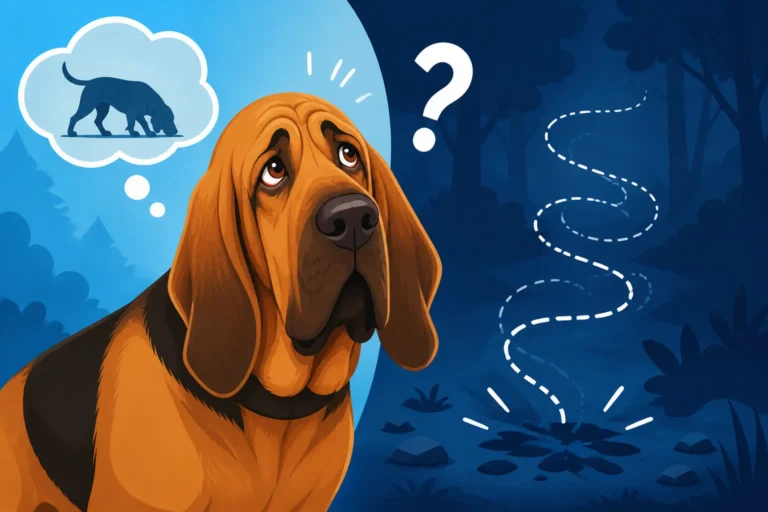
Sometimes, a distraction simply means the session is over for the day. A tired or overstimulated puppy won't learn effectively. Knowing What a Bloodhound Does When It Loses the Trail is key to understanding when to reset or when to just call it a day, ensuring they don't associate distractions with punishment.
The Risk of Overworking a Young Nose
While Bloodhounds are born to sniff, their physical and mental stamina, especially in puppyhood, is limited. There's a real risk of overworking a young nose, which can lead to burnout, disinterest, or even physical fatigue. Their brains are working incredibly hard to process all that scent information, and they need breaks.
Keep trailing sessions short, especially in the beginning. For a very young puppy (under 6 months), a session might only be 5-10 minutes of active trailing. Even older puppies shouldn't be asked to trail for extended periods. Focus on quality over quantity. A few short, successful trails a week are far more beneficial than one long, exhausting one that ends in frustration.
Overworking can also manifest as your puppy becoming "sloppy" on the trail, cutting corners, or rushing. This isn't laziness; it's often a sign of mental fatigue. If you see this, it's time to pack it in for the day. Allow for plenty of rest between sessions, and ensure they have access to water. Remember, their noses are always working, even when you're not formally trailing, so give them downtime to just be a puppy too. This thoughtful approach supports their development into a keen, long-term trailing partner.
Misinterpreting Your Bloodhound's Body Language
Bloodhounds communicate a lot through their body language, and learning to "read" your puppy is vital for successful trailing. Misinterpreting their signals can lead to missteps in training, frustrating both of you. For instance, a Bloodhound with its nose to the ground might look like it's trailing perfectly, but a slight lift of the head, a rapid sniff, or a change in tail carriage might indicate they've lost the scent and are casting (searching) for it.
Pay attention to:
- Tail Carriage: A happy, working Bloodhound often has a relaxed, wagging tail. A tucked tail or stiff tail can indicate stress or uncertainty.
- Ear Position: While their ears are long, you can still read tension or relaxation in their set.
- Mouth/Jowls: Are they relaxed, or are they tense and pulled back?
- Pacing: Are they moving purposefully, or are they hesitant, speeding up, or slowing down erratically?
If your puppy is casting, you might see them work back and forth across the last known scent path. This is a normal and important part of trailing, not a "mistake." Your job is to observe and learn, giving them the space to figure it out, rather than jumping in to "correct." Your silence and observation allow them to hone their natural abilities. By becoming a keen observer of your puppy's cues, you can better understand their progress, when they need help, and when they simply need more time to work it out on their own.
When to Seek Professional Guidance
While you can do a lot of foundational work with your Bloodhound puppy on your own, there comes a time when professional guidance can be incredibly valuable. A good trainer can help you refine your skills, advance your puppy's training, and troubleshoot any challenges you encounter. This isn't a sign of failure but a smart investment in your Bloodhound's potential.
Recognizing When You Need an Expert Trainer
Even the most dedicated owner can hit a plateau or encounter a problem that feels insurmountable. If you find yourself consistently frustrated, unsure of how to progress, or if your puppy seems to be losing interest, it might be time to bring in an expert. A qualified trailing or scent work instructor has years of experience understanding canine behavior, scent theory, and how to motivate a Bloodhound.
Signs that you might benefit from professional help include:
- Your puppy consistently loses the trail and struggles to pick it back up.
- You're unsure how to increase trail difficulty without overwhelming your dog.
- Your puppy is easily distracted and you can't seem to break through it.
- You want to advance beyond basic "runaways" to more complex scenarios.
- You're struggling with managing your puppy's drive or energy during sessions.
- You're curious about different scent work disciplines beyond just trailing.
A good trainer can provide an objective perspective, identify subtle issues you might be missing, and introduce you to techniques and exercises that will strengthen your partnership and your puppy's skills. They can help you both understand Whether a Pet Bloodhound Should Do Scent Work Classes and tailor the experience to your goals.
Finding a Qualified Mantrailing Instructor
Finding the right instructor is paramount. Not all dog trainers are experienced in scent work, and fewer still have specialized knowledge of Bloodhounds and their unique trailing style. Look for instructors who:
- Specialize in Scent Work/Mantrailing/Tracking: Look for terms like "K9 Nose Work," "Mantrailing," "Tracking," or "Scent Detection."
- Use Positive Reinforcement Methods: Avoid trainers who advocate harsh corrections, force, or intimidation. Bloodhounds thrive on positive motivation.
- Have Experience with Scent Hounds: Specifically ask if they have experience working with Bloodhounds, Basset Hounds, or Coonhounds, as their drive differs significantly from, say, a Labrador or a German Shepherd.
- Offer Group Classes or Private Lessons: Group classes can be great for controlled distractions, while private lessons offer individualized attention.
- Are Affiliated with Reputable Organizations: Check for certifications from organizations like the National Association of Canine Scent Work (NACSW) or similar trailing/tracking groups.
Word-of-mouth recommendations from other Bloodhound owners or local hound clubs can also be an excellent resource. Don't be afraid to interview potential trainers, observe a class, or ask about their philosophy and methods before committing. An online option like BAXTER & Bella also provides a foundation that can be built upon later with in-person specialist trailing instruction.
Advancing to More Complex Trailing Scenarios
Once your Bloodhound puppy has mastered the basics with your help and perhaps some professional guidance, you can begin to explore more complex trailing scenarios. This is where the real fun and challenge begin, pushing both you and your dog to grow as a team.
Advanced scenarios might include:
- Older Trails: Gradually increasing the age of the trail, moving from minutes to hours.
- Contaminated Trails: Trails laid through areas where other people or dogs have walked, forcing your Bloodhound to discriminate.
- Different Surfaces: Working trails across concrete, gravel, through buildings, and over different types of terrain.
- Urban Environments: Trailing in busy areas with many distractions, ambient scents, and varied surfaces.
- Longer Distances: Steadily increasing the trail length, potentially for miles.
- Multiple Hides/Runaways: Having your helper take several turns and hide in different locations along a longer path.
This progression requires patience, consistent practice, and a deep understanding of your dog's capabilities. It's a journey that can last a lifetime, continually deepening the bond between you and your amazing Bloodhound. Your puppy's journey from a curious sniffer to a skilled tracker is one of the most rewarding experiences you can share, unlocking their true potential and fulfilling their ancient purpose.
Disclaimer
This article is for general informational purposes only and does not constitute professional advice. Laws, prices and regulations vary by location and change over time. Consult a qualified professional for guidance on your specific situation.