Why a Bloodhound Works on a Long Line, Not a Collar
Anyone who has ever tried to walk a Bloodhound on a standard leash understands the unique frustration: one moment they're ambling along, the next their nose hits a scent, and you're being dragged along like a waterskier. It's not just annoying; it's genuinely dangerous for both you and your beloved hound. This guide will delve into why traditional collars are often a poor and potentially harmful choice for Bloodhounds, and why adopting a long line in conjunction with a proper harness is not just a preference, but a necessity for their safety, well-being, and effective communication.
Understanding the Bloodhound's Nature on a Walk
Owning a Bloodhound means accepting, celebrating, and learning to manage one of the most powerful and dedicated noses in the canine kingdom. Their entire being is hardwired to follow scent, and when that switch flips, the world around them — including you, their handler — often fades into the background. This isn't stubbornness; it's simply what they were bred to do for centuries, a deep-seated instinct that overrides almost everything else.
The Irresistible Pull of a Scent
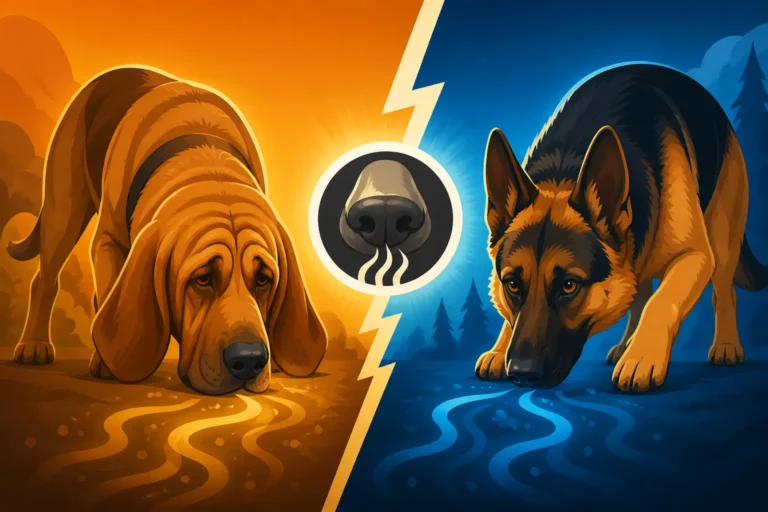
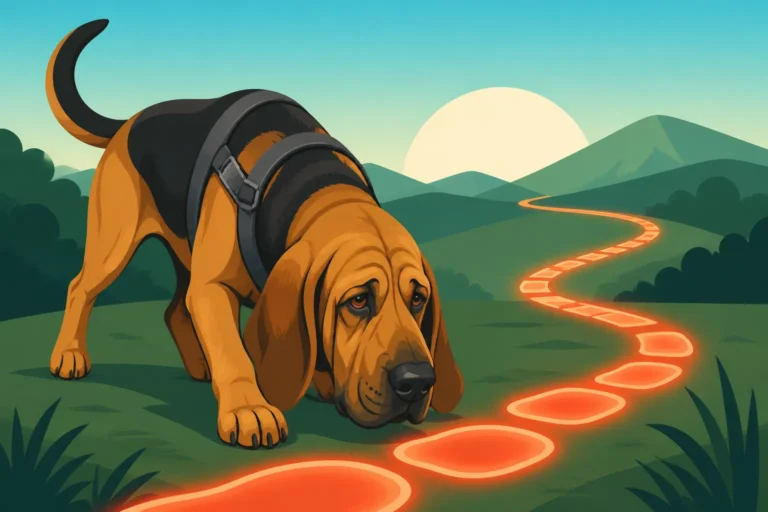
Imagine a world where every single whiff tells a story, a vibrant tapestry of information that you, as a human, can barely comprehend. That's a Bloodhound's reality. A faint trace of a squirrel from yesterday, the ghost of a person who walked by hours ago, or the fresh track of a deer just moments before – these are not merely interesting smells; they are compelling narratives that demand to be read. When a Bloodhound's nose locks onto such a story, it's like a siren call, an all-consuming urge to follow. Their focus becomes absolute, their body language shifts, and suddenly, they are no longer just "walking the dog" but actively working, even if you hadn't intended it. It's truly fascinating, but it makes traditional walks a challenge. What a Bloodhound Is Actually Smelling on a Trail explores this incredible ability in more detail.
This intense drive means that a Bloodhound isn't just sniffing casually; they are actively processing a wealth of information that we can't even perceive. Their head drops, their massive ears sweep the ground, directing scent particles towards their highly sensitive nose, and their body follows. Stopping to sniff is not a passive activity; it's intense concentration, and trying to pull them away from a compelling scent is akin to interrupting someone mid-sentence during a thrilling novel. They are literally driven by their nose, and that drive is incredibly powerful, easily outweighing any desire to please their human in that moment.
The Disconnect Between Brain and Leash
Because their brain is so utterly consumed by scent, a Bloodhound's physical body becomes secondary to their olfactory mission. A standard leash, especially one attached to a collar, provides very little leverage or effective communication in these moments. You might be giving a verbal cue, or even a gentle tug, but their mind is miles away, metaphorically speaking, deep in the rabbit hole of scent. What feels like a strong pull to you is often barely registered as a minor inconvenience by a dog so utterly absorbed.
This isn't malicious disobedience. It's a testament to the power of their primary sense. A Bloodhound pulling on a collar can quickly learn to ignore the discomfort because the reward of following the scent trail is far greater. This creates a cycle where the human gets frustrated, the dog potentially experiences neck strain, and the walk becomes a battle of wills, which is counterproductive to building a positive relationship and effective training. It highlights why more traditional obedience methods, focused on constant heeling, often miss the mark with this breed, leading many owners to feel like their Bloodhound is "stubborn" when in reality, they're just being a Bloodhound. Mantrailing Is the Answer to a Bloodhound, Not Obedience is an excellent resource for understanding their true potential.
Why Traditional Collars Fall Short (and Can Be Dangerous)
Given the Bloodhound's immense strength and singular focus on scent, relying on a traditional collar for walks can range from ineffective to downright dangerous. Many owners, out of habit or lack of awareness, start with a flat collar, only to quickly realize it's a losing battle. Even more concerning, some resort to punitive collars, believing they'll provide control, but these tools carry significant risks for a breed with specific physical vulnerabilities.
Risks to the Bloodhound's Neck and Trachea
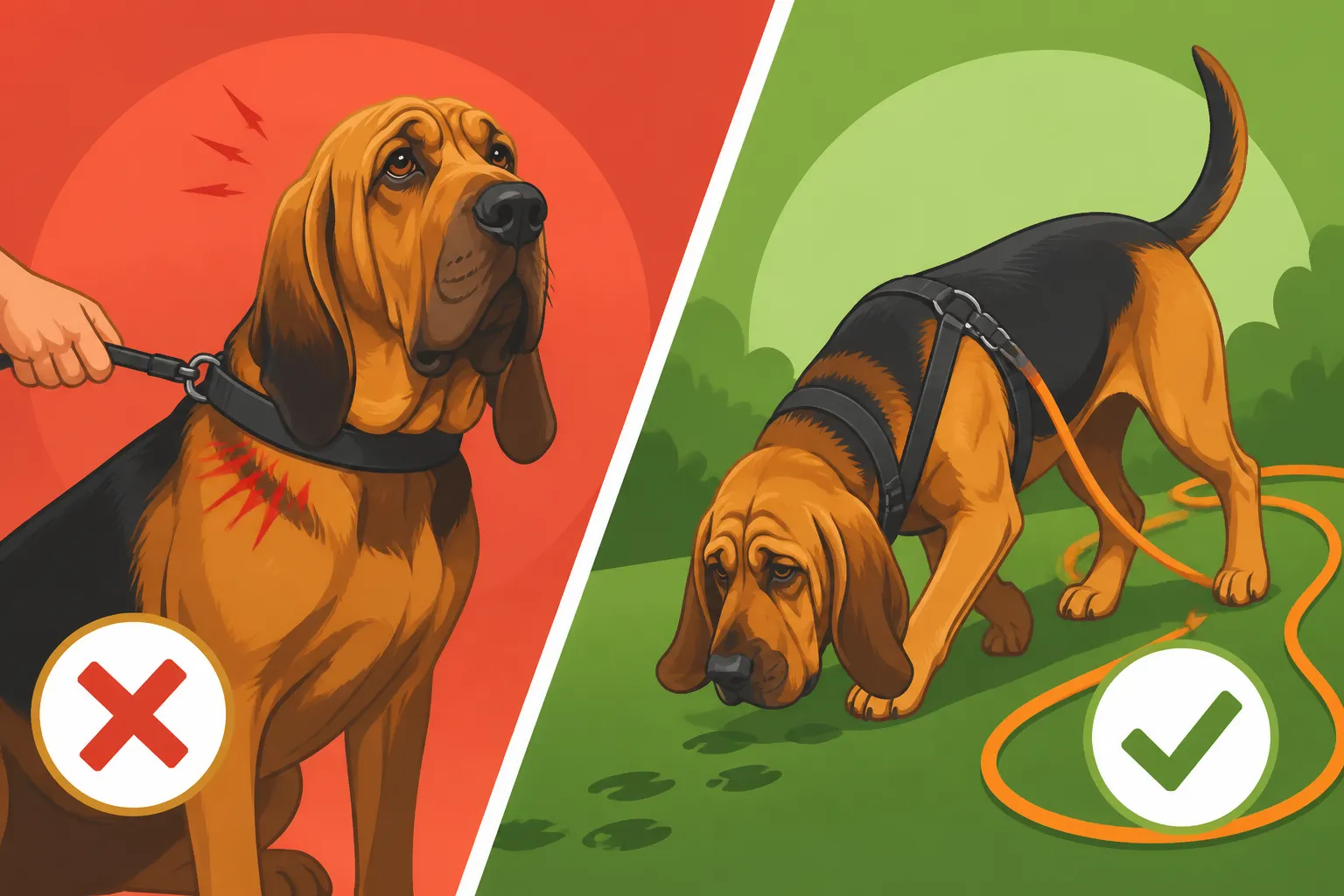
A Bloodhound is a large, powerful dog, often weighing over a hundred pounds. When they lunge or pull suddenly on a flat collar, all that force is concentrated on a small area of their throat. This can lead to serious physical harm. Owners commonly report their Bloodhounds coughing, gagging, or making strange noises after a strong pull, which can be signs of tracheal irritation or damage. Over time, repeated pressure can weaken the trachea, potentially leading to a collapsed trachea, a painful and often chronic condition that severely impacts their breathing. This is especially concerning for a breed prone to other health issues.
Beyond the trachea, the neck houses vital structures like the thyroid gland and various nerves. Constant jerking or sustained pressure from a collar can potentially cause injury to these areas. It's not just about the immediate discomfort; it's about the cumulative stress on their delicate anatomy. While a Bloodhound might seem robust, their throat and neck are not designed to withstand repeated strong impacts from a collar. This is why many experienced Bloodhound owners steer clear of anything that puts direct pressure on the throat, prioritizing their dog's long-term health and comfort.
Ineffectiveness for Scent-Driven Breeds
Let's be honest: a Bloodhound in full scent drive is a force of nature. A flat collar offers little to no effective control when they decide to follow a trail. The physical discomfort of pulling against their neck is often secondary to the overwhelming drive of their nose. They'll pull, choke, gag, and keep going if the scent is strong enough. This makes walks incredibly stressful and unenjoyable for both dog and owner. The collar becomes a tool of constant tension and struggle rather than communication.
Even worse, some owners might try slip leads, choke chains, or prong collars in an attempt to gain control. While these tools might temporarily deter pulling in some breeds, for a Bloodhound, they often lead to frustration, pain, and a damaged relationship, without actually solving the underlying issue of their scent drive. A Bloodhound learns to tolerate the discomfort or develops an aversion to walks, rather than understanding that you are the leader. They learn to pull harder against the discomfort, or they shut down, neither of which is a healthy outcome. Why a Prong Collar Is Wrong for a Bloodhound provides more insight into the detrimental effects of such tools.
The Ethical Concerns with Aversive Tools
The use of collars that cause pain or discomfort, such as choke chains or prong collars, raises significant ethical questions, especially for a breed like the Bloodhound, which thrives on positive reinforcement and partnership. These tools rely on aversive stimuli to suppress natural behaviors, like following a scent. While they might stop the pulling in the short term, they don't teach the dog what to do instead. Instead, they can instill fear, anxiety, and a deep distrust of the handler.
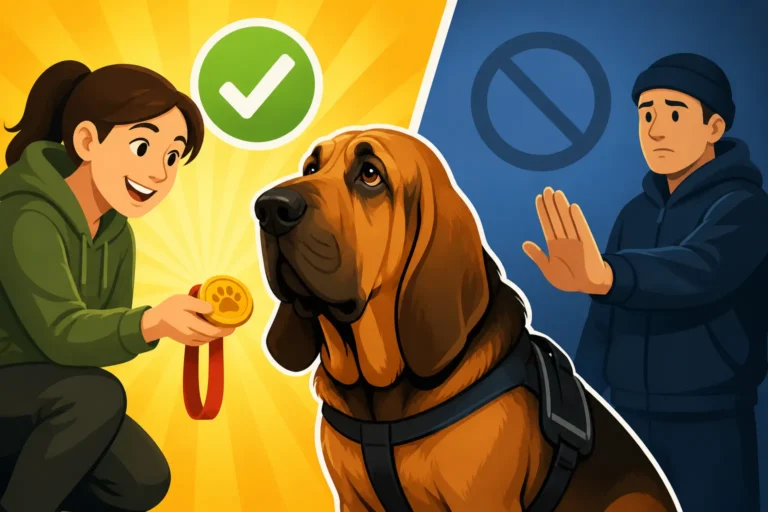
A Bloodhound's sensitive nature means they respond much better to guidance and rewards than to punishment. Using aversive collars can lead to a dog that is timid, reluctant to explore, or even aggressive out of fear. It also misses the fundamental point that a Bloodhound isn't misbehaving when it follows a scent; it's simply doing what it was born to do. Our role as owners is to guide and manage that instinct safely and humanely, not to suppress it with pain. Building a bond based on trust and positive experiences is far more effective and rewarding in the long run.
The Advantages of a Long Line for Bloodhounds
Shifting from a collar to a long line and a well-fitting harness can be a complete game-changer for Bloodhound owners. It allows you to honor their incredible instinct while maintaining safety and control, transforming walks from a battle into a cooperative exploration. This equipment allows for a much more natural and fulfilling experience for your scent hound.
Providing Freedom Without Risk
One of the greatest benefits of a long line is the ability to give your Bloodhound the illusion of freedom while you maintain a physical connection. A 15, 20, or even 30-foot line allows them to range further, investigate interesting smells more thoroughly, and feel less constrained than on a 6-foot leash. This greatly reduces their frustration and the desperate need to pull, because they can actually get to the exciting thing they've scented. It’s a compromise that satisfies their deep drive for exploration without putting them in danger. How Long a Line a Bloodhound Handler Buys discusses the various lengths available.
Imagine your Bloodhound tracing a fascinating scent trail in a park or open field. With a long line, they can weave back and forth, put their nose to the ground for an extended period, and truly engage with the environment, all while you hold the other end. This mental and physical stimulation is crucial for their well-being. It prevents them from feeling constantly reined in, which can often manifest as pulling or general anxiety on a shorter lead. The long line enables them to work their nose, which is truly their happiest state, in a safe and controlled manner.
Enhancing Communication and Training
While a long line gives more freedom, it also enhances your ability to communicate with your Bloodhound. Instead of constant tension, a gentle take-up of slack on the line becomes a clear signal, rather than just another pull against their neck. You can use the length to encourage them to check back in with you, practice recall in a controlled environment, or guide them around obstacles without resorting to harsh corrections. The goal isn't to prevent them from trailing, but to teach them to do it in partnership with you.
This longer tether also provides an excellent tool for specific scent work training, like Mantrailing Is the Answer to a Bloodhound, Not Obedience. You can allow them to work a trail, giving them enough line to follow the nuances of the scent, and then gently guide them back or redirect their focus when necessary. It allows for a more fluid and less confrontational interaction, fostering a stronger bond built on mutual understanding and respect, rather than force. Positive reinforcement, paired with the freedom of a long line, allows a Bloodhound to learn that cooperating with their handler still means they get to enjoy their passion.
Building Confidence and Reducing Frustration
For a Bloodhound, being constantly restrained on a short leash can be incredibly frustrating. They are born to move, to explore, and to use their nose, and a short leash actively works against these innate desires. This frustration can lead to stress, increased pulling, and a general lack of enjoyment during walks. A long line, however, alleviates much of this tension. By allowing them greater exploration, it satisfies their natural instincts, making them happier and more confident.
When a Bloodhound is allowed to engage their powerful nose and follow interesting trails within safe boundaries, they are mentally stimulated and physically exercised in a way that truly fulfills them. This reduces pent-up energy and mental frustration, often leading to a calmer, more content dog at home. It also teaches them that walks are an opportunity for partnership and discovery, rather than a constant tug-of-war. For an easily distracted and scent-driven breed, this positive association with their handler and outdoor exploration is invaluable for their overall temperament and training success. The First Year With a Bloodhound That Already Wants to Trail highlights the importance of channeling their natural drives early on.
Selecting the Right Gear: Long Lines and Harnesses
Making the switch to a long line means also considering the appropriate harness. The combination of these two pieces of equipment is what truly makes the difference, ensuring comfort, safety, and effective communication. Skimping on quality here can negate all the benefits, so it's worth investing a little time and money to get it right.
Characteristics of an Ideal Long Line
When choosing a long line for your Bloodhound, several factors come into play. First, material is critical. Nylon or biothane are popular choices. Nylon is generally lighter and more affordable, but it can absorb water and mud, becoming heavy and difficult to clean. Biothane, on the other hand, is waterproof, doesn't absorb odors, and is incredibly easy to clean – just wipe it down. While it might be a bit pricier, its durability and low maintenance often make it worth the investment for a dog that loves to get messy.
Next, consider length. For general park walks or open field scent work, a 15-foot or 20-foot line is often a good starting point. If you have access to truly vast, safe areas, you might even consider a 30-foot line to really give them room to roam. The key is to choose a length you can comfortably manage without getting tangled or losing control. Width and strength are also important; a thin line can cut into your hands if your Bloodhound lunges, so look for something at least 1/2 to 5/8 inch wide, with sturdy hardware that can withstand the strength of your dog. You can find a wide variety of these on platforms like Amazon, but always double-check reviews for durability.
The Importance of a Well-Fitting Harness
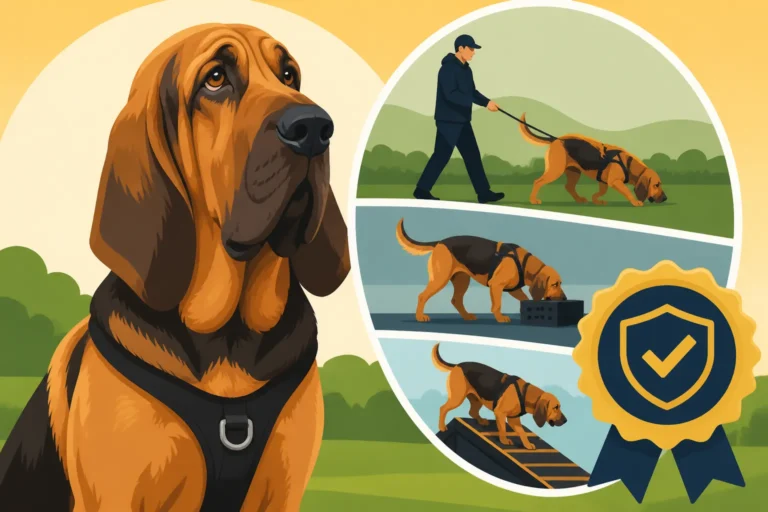
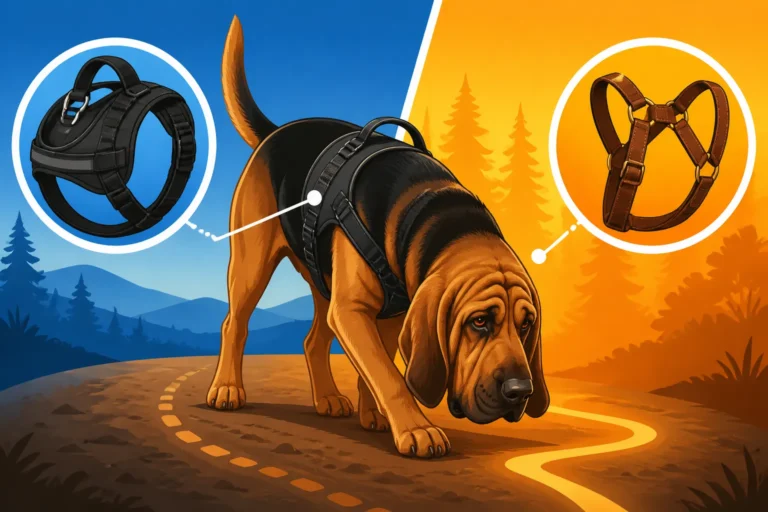
A good harness is the cornerstone of safe and effective long-line use. For Bloodhounds, who often have deep chests and can be champions at backing out of poorly fitting harnesses, a Y-front or H-style harness is generally recommended. These designs distribute pressure evenly across their chest and shoulders, rather than putting strain on their throat, and make it much harder for them to escape. Look for a harness with multiple adjustment points – at the neck, chest, and sometimes even the belly – to ensure a snug, secure fit.
Avoid harnesses that restrict shoulder movement or chafe in the armpit area, as these can be uncomfortable and potentially cause gait issues over time, especially with active trailing. Padded harnesses can add an extra layer of comfort, preventing rubbing on their sensitive skin. Investing in a high-quality harness is not just about comfort; it's about safety. A Bloodhound that can slip its harness is a huge liability, given their intense scent drive and tendency to travel far very quickly. Which Harness a Bloodhound Trails In gives more details on harness types for working dogs.
Where to Find Quality Equipment
Finding the right long line and harness can sometimes feel overwhelming with the sheer number of options available. Local pet supply stores often have a decent selection of harnesses, allowing you to try them on for fit, which is always recommended. For long lines, particularly those made from biothane or in longer lengths, online retailers like Amazon are excellent resources. You'll often find a wider variety of materials, lengths, and strengths suitable for large, strong breeds there.
When shopping, always read reviews from other large dog owners to gauge durability and effectiveness. Don't be afraid to invest in quality; a cheap leash or harness that breaks or causes discomfort will end up costing you more in the long run, either through replacements or vet bills. Consider looking at brands that specialize in tracking or working dog equipment, as these are often designed with strength and longevity in mind. Resources like BAXTER & Bella, while often focused on training methods, can also be a good place to find recommendations for durable, well-designed equipment that aligns with positive reinforcement principles.
Mastering the Long Line: Techniques and Training
Simply purchasing a long line and harness isn't enough; learning how to use them effectively is key. It requires a shift in handling technique and a commitment to positive reinforcement, but the rewards of a more harmonious walk with your Bloodhound are well worth the effort.
Handling Skills for the Human
Using a long line requires a bit more active handling than a standard leash. First and foremost, never wrap the line around your hand or wrist, as a sudden lunge from your Bloodhound could cause serious injury. Instead, learn to gather and release the line smoothly, keeping it clear of your feet and any obstacles. Gloves can be a lifesaver, providing extra grip and protecting your hands from rope burn if your Bloodhound takes off unexpectedly.
Developing a "flow" with the line is essential. Your goal is to keep a gentle slack in the line when your Bloodhound is exploring, allowing them maximum freedom. Only when you need to redirect or stop them should you gently take up the slack and provide a clear, consistent signal. Practice in open, low-distraction environments initially, gradually introducing more challenging situations as both you and your Bloodhound become more proficient. It's a dance, not a wrestling match, and learning to anticipate their movements will make it much easier.
Introducing the Long Line to Your Bloodhound
For your Bloodhound, the long line should represent freedom and opportunity, not restraint. Start by introducing the harness in positive ways, allowing them to wear it for short periods around the house with treats and praise. Once they're comfortable with the harness, attach the long line and let them drag it around in a safe, enclosed area (like a securely fenced yard) for a few minutes. This helps them get used to the feel and weight of the line without any pressure.
When you first go out, choose a quiet, familiar location. Let your Bloodhound explore at their own pace, allowing the line to extend. Resist the urge to constantly pull them back. Instead, let them follow scents, and periodically call them back to you with a cheerful voice and a high-value treat, reeling in the line as they approach. This teaches them that coming to you is rewarding, even when there are fascinating smells around. The goal is to build a positive association with both the long line and checking in with you. The First Year With a Bloodhound That Already Wants to Trail emphasizes the importance of these early positive experiences.
Integrating the Long Line into Scent Work
The long line truly shines when integrated into formal or informal scent work. It allows your Bloodhound to practice their innate trailing abilities in a controlled and safe manner. When working a trail, let the line flow freely, giving them enough slack to follow the nuances of the scent without feeling choked or pulled off track. Your role becomes that of a support system, ensuring their safety and providing gentle guidance when needed, rather than micromanaging their every move.
Many Bloodhound owners discover that structured scent work, like mantrailing, provides immense mental and physical exercise, often tiring their dog out more effectively than a long walk. The long line is indispensable for this type of activity, allowing them to develop their skills and build confidence. You can even find online courses or resources, such as those offered by BAXTER & Bella, that can guide you through positive reinforcement training techniques that incorporate long lines for scent work, enhancing your partnership with your remarkable hound. It’s an incredibly rewarding experience to watch your Bloodhound truly thrive, doing what they were born to do.
When to Use a Long Line and When to Opt for Shorter Leashes
While the long line is a fantastic tool for Bloodhounds, it's not the only tool you'll ever need. Understanding when and where to deploy different types of leashes is part of being a responsible and savvy Bloodhound owner. Each situation calls for a slightly different approach to ensure both safety and enjoyment.
Navigating Public and Crowded Areas
In highly public, crowded, or urban environments, a long line can quickly become impractical and even hazardous. Imagine navigating a busy street fair or a crowded sidewalk with 15 feet of line trailing behind your Bloodhound – it's a recipe for tangles, tripping hazards, and lost control. In these situations, a standard 4-foot or 6-foot leash, still attached to a secure, comfortable harness, is generally the safer and more appropriate choice. The shorter leash allows for tighter control, quicker reactions, and keeps your Bloodhound close by, preventing accidental contact with other people or dogs.
Even with a shorter leash, a Bloodhound's scent drive can still be powerful. This is where consistent positive reinforcement training, focusing on "leave it" and "look at me" cues, becomes even more critical. While they might still strain a bit against a fascinating smell, the shorter leash gives you the immediate physical proximity needed to manage the situation safely. Always prioritize safety in these environments, knowing that a long line's benefits are diminished in close quarters.
Maximizing Freedom in Safe Spaces
The long line truly comes into its own in environments where your Bloodhound can safely explore with ample space. Think large, securely fenced parks (if permitted), quiet hiking trails away from roads, or vast open fields where you have clear sightlines. These are the prime locations to let your Bloodhound indulge their powerful nose, allowing them the full extension of the long line to follow interesting trails. The more space they have, the more enriching the experience becomes.
In these ideal scenarios, the long line acts as a crucial safety net, preventing your Bloodhound from wandering off course or chasing wildlife, which they are prone to do when fully immersed in a scent. How Far a Loose Bloodhound Will Travel illustrates just how quickly they can cover ground when on a mission. It's important to remember that "off-leash" is generally not a safe option for Bloodhounds due to their extreme scent drive and often poor recall once a trail is found. The long line offers the best compromise, providing mental stimulation and physical exercise within controlled boundaries.
The Role of a Long Line in Training and Exercise
Beyond general walks, the long line is an invaluable training tool. It’s perfect for practicing recall in increasingly distracting environments, allowing you to gradually lengthen the distance and simulate off-leash situations without the risk of your Bloodhound running away. It's also fundamental for any formal scent work or tracking training, where the dog needs the freedom to work independently on a trail while the handler maintains a connection for guidance and safety.
Furthermore, for exercise, the long line facilitates more engaging movement than a short leash. Your Bloodhound can zig and zag, sprint a short distance, and change direction, all while staying connected to you. This varied movement is excellent for their physical conditioning and mental engagement. Whether you're working on basic obedience, advanced scent discrimination, or just providing a deeply satisfying sniffari, the long line provides the flexibility and control needed to make these activities successful and enjoyable for both ends of the leash.
| Leash Type | Typical Length | Best Use Case for Bloodhounds | Pros | Cons |
|---|---|---|---|---|
| Standard Leash | 4-6 feet | Crowded areas, sidewalks, vet visits | Close control, easy to manage in tight spaces | Restrictive for scent work, encourages pulling, less freedom |
| Long Line | 15-30+ feet | Open fields, parks, hiking trails, scent training | Ample freedom to explore, enhances scent work, safer | Can tangle easily, requires active handling, unsafe in crowds |
| Retractable Leash | Varies | NOT Recommended | (Perceived freedom) | No real control, dangerous recoil, potential for injury to dog/handler |
Disclaimer
This article is for general informational purposes only and does not constitute professional advice. Laws, prices and regulations vary by location and change over time. Consult a qualified professional for guidance on your specific situation.