What a Bloodhound Does at the End of a Trail
One of the most intense and often misunderstood aspects of owning a Bloodhound, especially one engaged in scent work, is what happens when they finally reach the end of a trail. Many people envision a dramatic, Hollywood-style apprehension, but the reality for a Bloodhound is far more nuanced, driven by their incredible instinct and specific training. This guide will walk you through the fascinating behaviors a Bloodhound exhibits at the culmination of a scent trail, from the moment they confirm their find to how they transition out of their working mindset.
The Climax of the Scent: Identifying the Subject
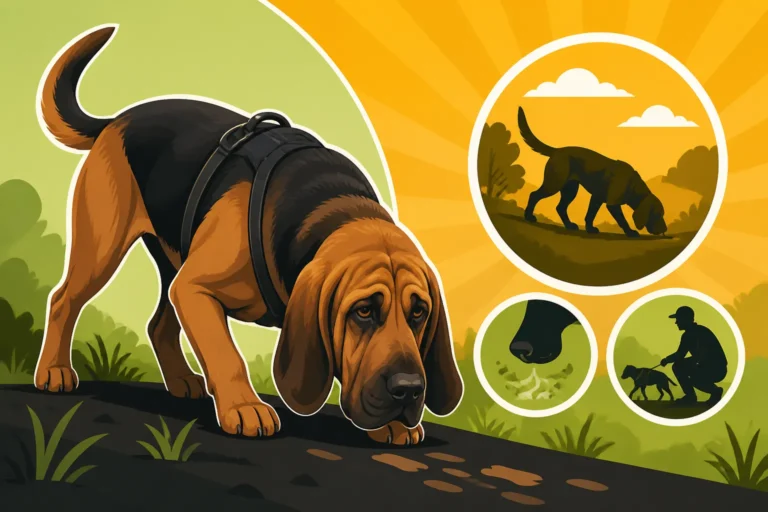
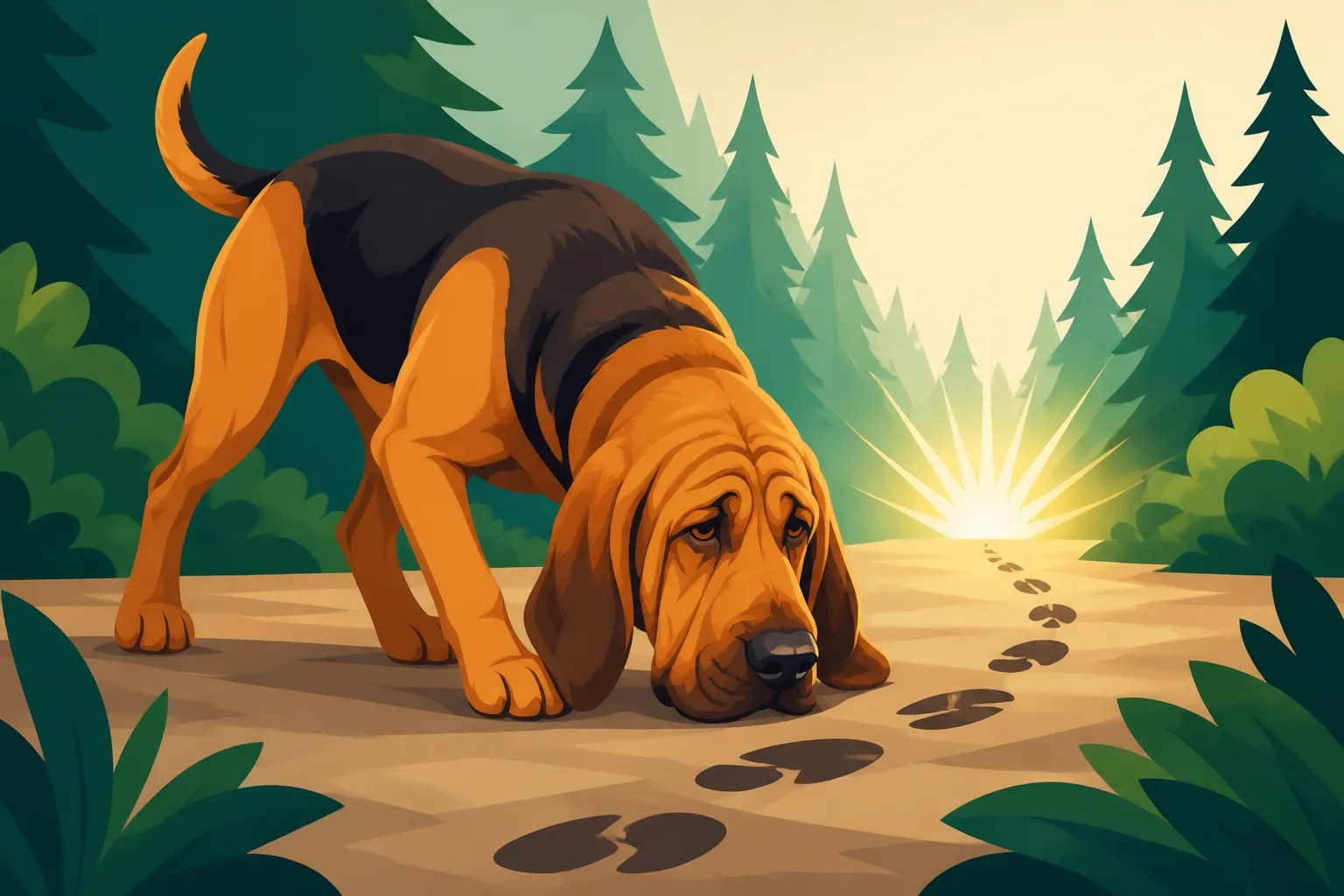
Imagine your Bloodhound, nose to the ground, pulling steadily on the line, focused entirely on an invisible thread of scent. This intense concentration can last for miles, over varied terrain, and through countless distractions. When they finally close in on the source of that scent, whether it's a person hidden in a field during a training exercise or a genuine missing person, their demeanor changes, often subtly at first, then more definitively. This isn't just about spotting a person; it's about making a positive identification through scent.
The Bloodhound's primary tool is its nose, and its reward is the confirmation of that scent. When a Bloodhound "hits" on a subject, meaning they've located the person whose specific scent they were tasked to follow, their entire body language shifts. The frantic, driven energy of the search often gives way to a more contained, purposeful focus. They might circle the subject once or twice, head still low, taking in the full scent picture. This is their way of definitively saying, "Yes, this is the one." It’s an amazing thing to witness, a silent declaration of success after hours of intense concentration. Whether a Bloodhound Knows When It Has Found the Person is less about visual recognition and all about olfactory certainty.
The "Scent Confirmation Dance"
What I like to call the "scent confirmation dance" is a fascinating moment. The Bloodhound might not leap joyfully at the person, especially if they are a stranger, but rather they will often present the scent article or make physical contact with the person they've found. This isn't a playful greeting in many cases; it's a confirmation, a physical tag. Their deep, resonant bay, which is often heard during the trail, might soften into a series of contented "woofs" or even a quiet whimper of satisfaction as they verify the scent.
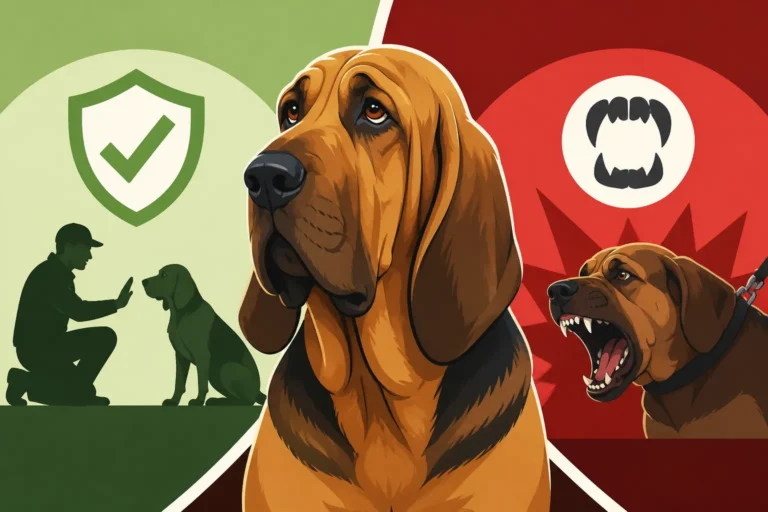
This behavior is rooted deeply in their purpose. These dogs aren't bred for aggression or for taking down a target. Their history, and their legal standing as a "trailing dog" whose evidence is admissible in court, is built on their ability to follow a scent and identify the source, not to engage in conflict. Their soft nature is precisely why they are so valuable in search and rescue; they are there to find, not to harm.
Why Visual Cues Are Secondary
For a Bloodhound, visual cues are very much secondary to scent. They might see the person, but their brain is still processing the information through their nose. This is why a Bloodhound can successfully track someone even if that person has changed clothes or tried to disguise their appearance. The scent is immutable, a unique fingerprint that the Bloodhound latches onto.
Think about it from their perspective: they've been following a specific molecular trail for what could be hours, ignoring countless other smells. To finally arrive at the source and confirm it with their nose is the ultimate payoff. This is why their reaction, while not always overtly demonstrative to human eyes, is incredibly profound for them. It's the moment of absolute certainty, and every fiber of their being communicates that they have fulfilled their mission.
The Reward: Not Just a Treat
Once the Bloodhound has confirmed the find, the next crucial step is the reward. This isn't just a casual pat on the head; it’s a critical part of the training and motivation that keeps these incredible animals working. The type and delivery of the reward are paramount to reinforcing the desired behavior and ensuring the Bloodhound continues to love its work. What a Bloodhound Will Work For isn't always what you'd expect.
The most common and effective reward is often the subject themselves. For a Bloodhound, especially in training, the joy of finding "their" person is immense. This is why many handlers use a familiar person as the "quarry" for initial trails. That person might engage in a brief, excited play session, offer praise, or even have a favorite toy ready. This interaction, coupled with the handler's praise, solidifies the Bloodhound's understanding that finding the scent leads to positive outcomes.
Food, Praise, and Play
While finding the subject is often the primary reward, food and specific toys play a huge role too. High-value treats, like bits of cooked chicken, cheese, or specialized training treats, are often used. These aren't just any treats; they are reserved only for successful finds, making them incredibly special and motivating. Some handlers use specific toys, like a favorite tug toy or squeaky ball, that only come out at the end of a successful trail.
The praise from the handler is also vital. A Bloodhound, despite its independent nature on the trail, is still a dog that thrives on its handler's approval. Enthusiastic verbal praise, gentle scratches behind the ears, or a moment of quiet connection all contribute to the overall reward experience. It's a combination of all these elements that creates a powerful positive association with completing a trail. Products from BAXTER & Bella, for example, often emphasize positive reinforcement methods in their training guides, which aligns perfectly with how Bloodhounds learn to cherish their work.
The Role of the Handler in the Reward
The handler's role at the end of the trail is multifaceted. First, they need to read their dog's signals accurately to know a true find has been made. Then, they must orchestrate the reward seamlessly. This might involve cueing the subject to engage, offering the food or toy, and delivering genuine, heartfelt praise. It's a dance between dog, subject, and handler, all culminating in that moment of positive reinforcement.
It's also essential that the handler doesn't rush this moment. The Bloodhound has worked hard, sometimes for hours, and deserves to fully experience the reward. This brief celebration reinforces their dedication and fuels their desire to work again. It's a bond-building exercise as much as it is a training one.
Transitioning from Work to Rest
After the high-intensity focus of the trail and the excitement of the find and reward, a Bloodhound needs to transition back to a calmer state. This isn't always immediate; their minds are still buzzing from the sensory overload and physical exertion. Handlers understand the importance of a structured cool-down period to prevent overstimulation and to allow the dog to decompress. How Long a Bloodhound Can Work Before It Tires highlights that their stamina is immense, but they still need to wind down.
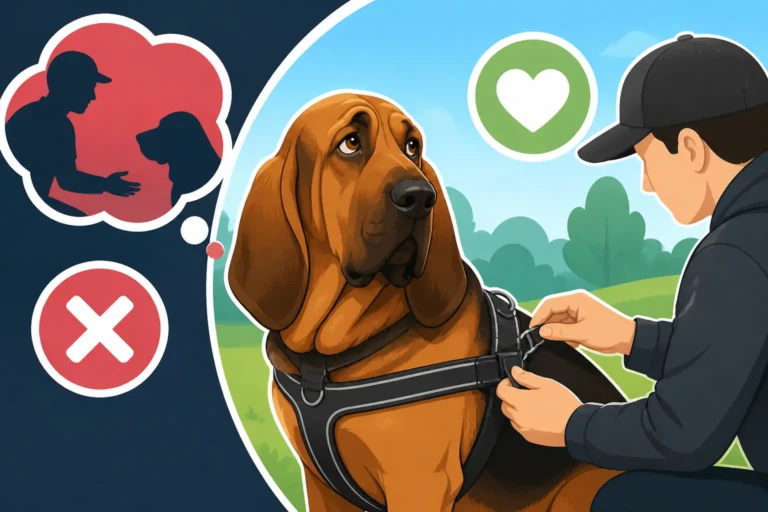
Typically, after the reward, the long line and harness come off. This is a clear signal to the Bloodhound that the "work" portion is over. The handler might then take the dog for a short, relaxed walk on a regular leash, allowing them to sniff around casually, emptying their "scent bucket" of any residual work-related thoughts. This helps them gradually shift from their hyper-focused trailing mindset.
Hydration and Physical Check
Given the physical demands of trailing, hydration is absolutely critical. A Bloodhound, especially after a long trail, will be offered fresh water immediately. Smart handlers carry plenty of water for both themselves and their dogs, sometimes using portable bowls found easily on Amazon. This rehydration helps their body recover from the exertion.
Beyond water, a thorough physical check is often part of the cool-down routine. This involves checking paws for thorns, cuts, or abrasions, especially after traversing rough terrain. Their long ears, which often sweep the ground during a trail, might need a quick check for debris or burrs. A Bloodhound's Ears Are a Standing Infection Risk makes this check particularly important. It's all about ensuring the dog is physically comfortable and ready to relax.
The Mental Wind-Down
The mental wind-down is just as important as the physical one. After being intensely "on" for so long, a Bloodhound's brain needs time to process everything. This might manifest as them being a bit restless initially, perhaps still sniffing the air or twitching their nose. Providing a quiet, comfortable space where they can simply relax, without demands or further stimulation, is key.
Some Bloodhounds might choose to nap almost immediately, while others prefer to chew on a favorite bone or toy. The important thing is that the handler provides the opportunity for this mental decompression. Rushing them into another activity or putting them into a noisy, chaotic environment can undo some of the positive effects of the successful trail.
The Lingering Effects and Long-Term Impact
The "end of a trail" isn't just a discrete event; it's a moment that contributes to the Bloodhound's overall understanding of its job and its relationship with its handler. Every successful find, every well-delivered reward, and every calm wind-down reinforces their natural drive and builds their confidence. This cumulative experience shapes their future performance and their eagerness to work.
A Bloodhound that consistently has positive experiences at the end of a trail will be a more motivated and enthusiastic worker. They'll greet the harness and long line with excitement, knowing what fulfilling work and a rewarding conclusion await them. This continuous reinforcement is how handlers cultivate such dedicated and effective trailing partners. The First Year With a Bloodhound That Already Wants to Trail is a testament to how early these drives develop.
Building Trust and Partnership
The moments at the end of a trail are also powerful for building trust between the Bloodhound and its handler. The dog learns that its handler will interpret its signals correctly, provide the appropriate reward, and ensure its comfort and well-being after the hard work. This deepens the partnership, making the team more cohesive and effective.
This trust is vital because trailing can be physically and mentally demanding for both parties. Knowing that their human partner understands their needs and respects their efforts makes all the difference. It's this mutual respect and understanding that elevates a Bloodhound's work from a task to a shared passion.
The Desire to Work Again
Ultimately, what a Bloodhound does at the end of a trail sets the stage for the next one. The satisfaction of the find, the joy of the reward, and the comfort of the cool-down all combine to instill an eager anticipation for the next opportunity to put their incredible nose to work. It's a self-perpetuating cycle of dedication and reward. For a Bloodhound, finding that scent and reaching that subject is not just a job; it's what they were born to do, and every successful trail confirms that profound sense of purpose.
| Aspect of the "End of Trail" | Bloodhound's Behavior | Handler's Role | Importance |
|---|---|---|---|
| Scent Identification | Head low, circling, focused sniffing, subtle body shift, contented woofs/whimpers. | Observe subtle cues, confirm positive ID, don't rush. | Establishes absolute certainty, fulfills primal drive. |
| Reward Phase | Seeking interaction with subject, accepting treats/toys, playful engagement. | Deliver high-value rewards (subject interaction, food, toys), lavish praise. | Reinforces desired behavior, builds motivation for future trails. |
| Physical Cool-down | Seeking water, relaxed sniffing, stretching. | Offer water, check paws/ears, gentle massage, quiet walk on leash. | Prevents injury, aids physical recovery, ensures comfort. |
| Mental Decompression | Gradual reduction in hyper-vigilance, resting, chewing on toy. | Provide quiet space, avoid further demands, allow for rest. | Prevents stress, allows mental processing, maintains mental well-being. |
| Overall Impact | Increased confidence, eagerness for next work, stronger bond. | Consistent positive reinforcement, understanding, partnership. | Ensures long-term dedication, improves team cohesion. |
Disclaimer
This article is for general informational purposes only and does not constitute professional advice. Laws, prices and regulations vary by location and change over time. Consult a qualified professional for guidance on your specific situation.