How Long a Bloodhound Can Work Before It Tires
It’s a common misconception that a Bloodhound, with its legendary nose and seemingly endless drive, can just work indefinitely. While their scenting ability is truly remarkable, and their dedication to a trail can seem boundless, the reality is that Bloodhounds are living, breathing creatures with physical limits, just like us. Understanding how long your Bloodhound can realistically work before they tire isn't just about maximizing their performance; it's absolutely crucial for their safety, health, and maintaining that incredible working relationship you both share. This guide will help you understand those limits and how to manage them, ensuring your loyal partner stays healthy and happy on (and off) the trail.
Understanding Your Bloodhound's Innate Drive and Physical Limits
When you watch a Bloodhound on a trail, it's easy to be mesmerized by their intense focus and unwavering determination. They seem to pull energy from some hidden reserve, their noses glued to the ground, utterly committed to the task. But this powerful drive, while a hallmark of the breed, doesn't mean they're immune to physical fatigue. They are built for endurance, yes, but not endless exertion.
The Scent-Driven Marathoner, Not a Sprinter
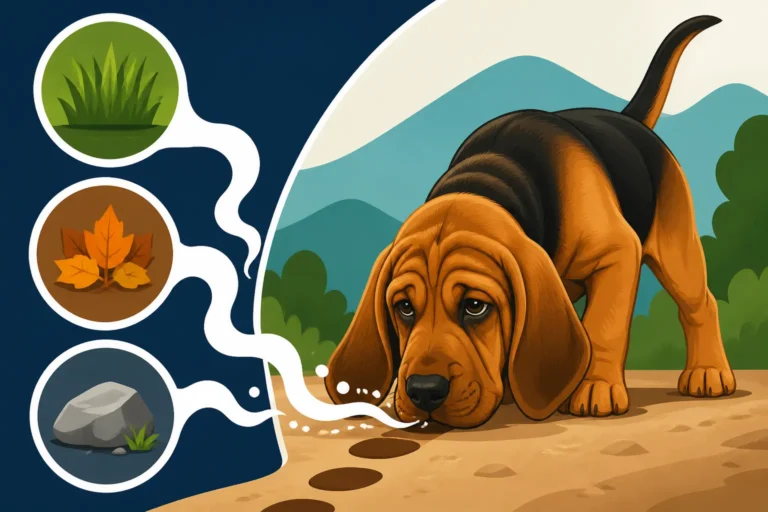
A Bloodhound is unequivocally a marathoner when it comes to scent work. Their body structure – that deep chest, sturdy legs, and generally deliberate pace – isn't designed for quick bursts of speed over short distances. Instead, they are engineered to methodically follow a trail for miles, often over challenging terrain and for extended periods. This makes them incredibly valuable in search and rescue or law enforcement roles, where persistence trumps speed. They might not tear through a field at top speed, but they will meticulously dissect every scent molecule until they find what they're looking for, even if it takes hours. This unique combination of unwavering focus and physical stamina is what sets them apart, but it still has a breaking point.
Think of it like a human marathon runner. They can run for hours, but they train for it, hydrate, and eventually, their body signals that it's time to stop. A Bloodhound is no different. Their mental fortitude is immense, but their physical resources are finite. When you’re training, remember that Mantrailing Is the Answer to a Bloodhound, Not Obedience and building their endurance through scent work is key, rather than focusing on high-impact, short-burst activities that might not suit their physical makeup.
Factors Influencing Endurance Beyond Just Desire
While their desire to work is a powerful motivator, several practical factors dictate how long your Bloodhound can actually perform before fatigue sets in. It’s never just about how much they want to keep going; it's about what their body can safely sustain. Ignoring these factors can lead to exhaustion, injury, or even serious health complications.
Firstly, age plays a massive role. A young Bloodhound puppy still has developing joints and bones, and pushing them too hard can cause lifelong damage. You might be eager to get started, but tempering enthusiasm with caution is essential, especially when you’re Starting a Bloodhound Puppy on a Trail. Conversely, a senior Bloodhound, typically considered "aging" around six years old, will have less stamina and recover slower than a dog in its prime. Secondly, their overall fitness level and conditioning are paramount. A dog that gets consistent, appropriate exercise and scent work will naturally have better endurance than one that's primarily a couch potato. You can't expect a dog to run a marathon without training.
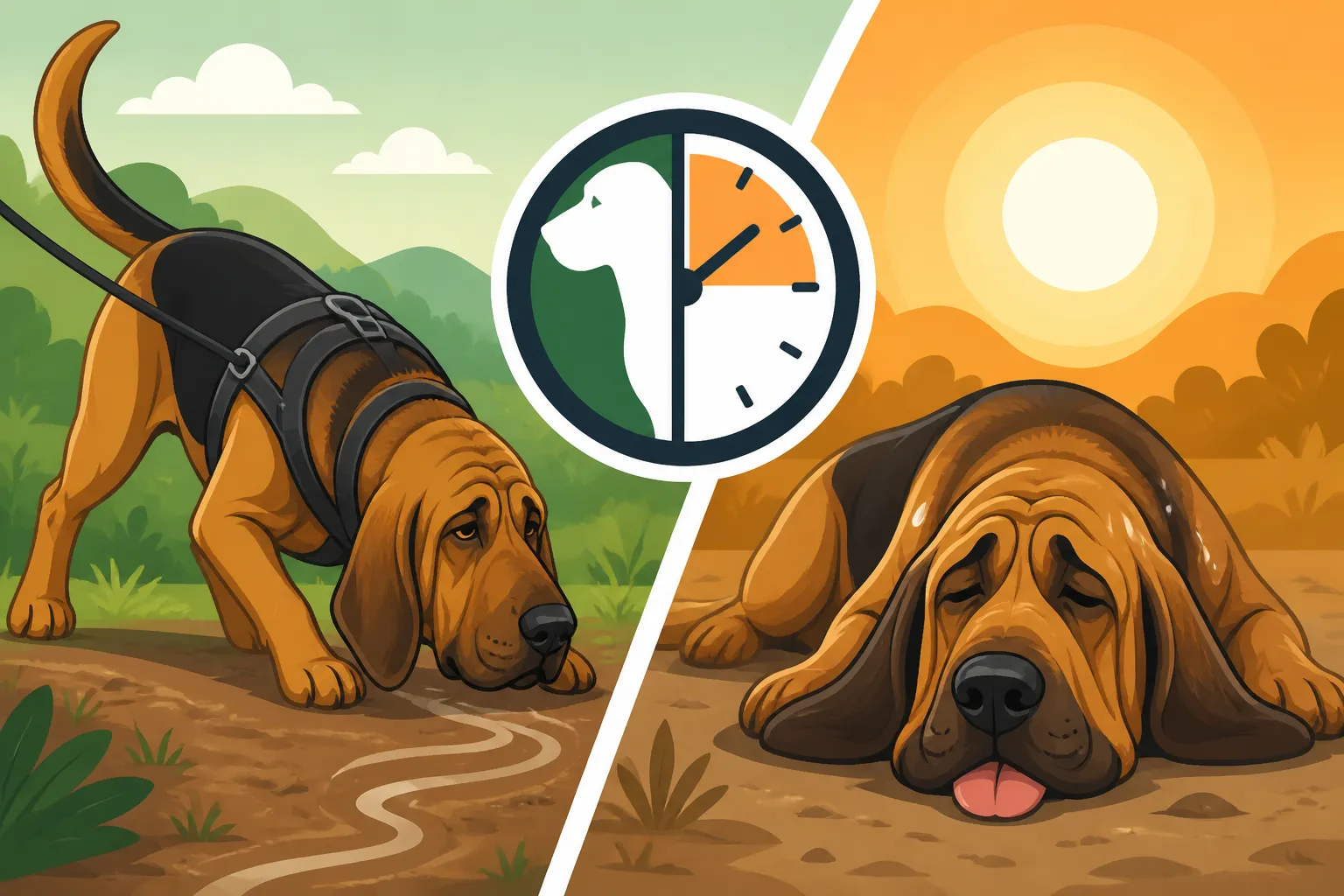
Health status is another non-negotiable factor. Any underlying health issue, even a seemingly minor one, can drastically reduce their working capacity. Conditions like heart disease, hip and elbow dysplasia, or even just chronic inflammation from untreated issues like Skin Fold Dermatitis on a Bloodhound can impact their ability to sustain effort. It's always wise to ensure your Bloodhound has regular veterinary check-ups to rule out any hidden problems. Finally, environmental conditions are huge. A cool, overcast day with a gentle breeze is ideal for scent work. A hot, humid day, especially with direct sun exposure, can drastically cut short a session. The terrain also matters; working through dense brush or up steep inclines is far more taxing than a flat, open field.
Here's a quick look at how various factors can influence a Bloodhound's working endurance:
| Factor | Optimal Conditions | Limiting Conditions | Impact on Endurance |
|---|---|---|---|
| Age | Adult (2-6 years) | Puppy (<1 year) or Senior (>6 years) | Developing bodies/joints; slower recovery/less stamina |
| Fitness Level | Well-conditioned, regular exercise | Sedentary, inconsistent activity | High stamina, quick recovery; low stamina, slow recovery |
| Health Status | Free from illness, no chronic conditions | Chronic pain, respiratory issues, heart conditions | Sustained effort possible; significantly reduced capacity |
| Temperature | Cool (40-65°F / 4-18°C) | Hot (>80°F / 27°C) or extreme cold | Extended work periods; risk of overheating/hypothermia |
| Humidity | Low to Moderate | High (>70%) | Comfortable breathing; difficult to cool down |
| Terrain | Flat, open, easy footing | Steep, rocky, dense vegetation, hard pavement | Less physical strain; increased physical exertion |
| Hydration | Well-hydrated throughout | Dehydrated | Peak performance; rapid fatigue, health risk |
Recognizing the Signs of Fatigue in a Working Bloodhound
Your Bloodhound might have the heart of a lion, but their body will eventually send signals that it's reaching its limit. Learning to recognize these cues is paramount. Because Bloodhounds are so driven, they might try to push through discomfort, making it even more important for you to be their advocate and call for a break or end the session.
Subtle Early Warning Signs
Before your Bloodhound completely crashes, there are often subtle hints that they're starting to tire. These are the cues you need to tune into, as addressing them early can prevent a full-blown exhaustion scenario. One of the first things you might notice is a slight drop in their laser-like focus. They might still be sniffing, but perhaps they're taking more casual sniffs of irrelevant foliage or showing less intensity in their tail wag – that excited, powerful pendulum swing might lessen to a more subdued motion. Their pace, while never breakneck, might become a touch slower or less purposeful. You might also observe them taking more frequent, albeit brief, glances back at you, almost as if checking in or seeking reassurance, which can sometimes be a sign of waning confidence or energy.
Another early indicator can be a slight decrease in the precision of their work. They might still be on the scent, but their turns might not be as sharp, or they might backtrack a little more than usual. While a Bloodhound will always need to work through scent puzzles and sometimes appear to lose the trail before finding it again (a normal part of their process, as covered in What a Bloodhound Does When It Loses the Trail), an increase in these behaviors could signal mental fatigue. It's like when you're tired at work; you might still be at your desk, but your accuracy and speed decline. This is your cue to consider a short break, offer some water, or start thinking about wrapping up.
Overt Physical and Behavioral Indicators
If you miss the subtle signs, your Bloodhound will eventually progress to more obvious physical and behavioral indicators of fatigue. These are definite red flags that the session needs to end, and possibly that your dog needs immediate attention. Heavy panting that seems disproportionate to the effort, especially if it doesn't subside quickly with a pause, is a clear sign. If they're also drooling excessively, beyond their normal houndy dribbles, it’s a strong indication of overheating or significant exertion. Look at their gums; if they're pale or very dark red, and their capillaries don't refill quickly after pressing them, it's an emergency.
Physically, a tired Bloodhound might start to stumble slightly, show weakness in their hindquarters, or lag noticeably behind you, even on a long line. They might start ignoring your cues or commands, not out of stubbornness, but because their mental reserves are depleted. You might also see them actively seeking shade or water if available, or even lying down voluntarily in the middle of a trail. This isn't laziness; it's a clear signal from their body that they cannot continue.
It's absolutely critical to differentiate between being "tired" and being "overheated or exhausted." The latter is a medical emergency. Signs like profuse drooling, bright red gums, uncontrolled panting, disorientation, wobbling, or collapsing require immediate action: stop work, get to shade, offer water, and if the symptoms are severe or don't improve rapidly, get to a vet. Never push a Bloodhound past these overt signs. Their drive will make them want to continue, but it's your responsibility to protect them.
Strategies for Maximizing and Managing Your Bloodhound's Work Time
Knowing when your Bloodhound is tiring is one thing; proactively managing their energy and building their stamina is another. With the right approach, you can help your Bloodhound work longer and more effectively, all while keeping them safe and happy.
Conditioning and Training for Stamina
Just like any athlete, a Bloodhound needs proper conditioning to build and maintain stamina. This isn't about running them ragged; it's about a gradual, consistent approach. Start with shorter, less intense sessions and slowly increase both the duration and difficulty of the trails. Think of it as incremental gains. If you’re working with a young dog, remember that How Much Exercise a Bloodhound Actually Needs will vary based on their age and development, so avoid overdoing it.
Cross-training can also be incredibly beneficial. Structured, leash walks in varying environments, safe off-leash play in a secure area (if appropriate for your dog's recall), and even swimming (if your Bloodhound enjoys it and is supervised) can build overall fitness without relying solely on scent work. Positive reinforcement training, like the methods often advocated by programs like BAXTER & Bella, can instill a strong work ethic and keep your Bloodhound engaged, making them more resilient to mental fatigue as well. A dog that is happy, motivated, and physically fit will naturally have greater endurance. Consistency is key here; short, regular sessions are more effective for building stamina than infrequent, marathon efforts.
Smart Hydration and Nutrition on the Trail
Proper hydration and nutrition are the unsung heroes of endurance. You wouldn't run a marathon without water, and neither should your Bloodhound work a trail for an extended period without it. Always carry plenty of fresh water for yourself and your dog. Offer frequent, small water breaks, even if your Bloodhound doesn't seem thirsty. A collapsible bowl, easily found on Amazon, is an indispensable piece of gear for any Bloodhound owner.
For longer sessions, especially in warmer weather, consider adding an electrolyte solution to their water or offering small, easily digestible treats throughout the work. While Feeding a Bloodhound So It Does Not Bloat focuses on daily meal routines, the principles of avoiding large meals right before or after strenuous activity apply here too. A small, high-energy snack during a break can help replenish some lost energy without risking gastric upset. Make sure your Bloodhound's regular diet is appropriate for a large, active breed, providing all the necessary nutrients to support their energy levels.
Reading the Environment and Adjusting Expectations
The environment is a powerful, often overlooked, factor. On hot, humid days, shift your work sessions to the cooler parts of the day – early morning or late evening. Avoid working on asphalt or concrete during warm weather, as it can quickly heat up and burn sensitive paw pads. Seek out shaded trails or areas with natural water sources where your Bloodhound can cool off.
Be prepared to adjust your expectations for how long your Bloodhound can work. A 2-hour trail in ideal conditions might become a 30-minute session on a warm, sunny day. It's better to end a session early with your dog still enthusiastic than to push them to exhaustion. Learn to observe the subtle environmental cues too: a sudden increase in temperature, higher humidity, or even changes in wind patterns can make a trail more physically demanding. Investing in good gear, such as a well-fitting tracking harness (there are many excellent options available on Amazon), can also make a significant difference in your Bloodhound's comfort and ability to work efficiently. Remember, your Bloodhound’s health and well-being always take precedence over completing a trail or meeting a training goal.
The Recovery Process After a Long Work Session
Bringing your Bloodhound home after a vigorous scenting session isn't the end of the work; it's the beginning of a crucial recovery phase. Proper post-work care ensures they bounce back quickly, remain healthy, and are ready for the next adventure. Neglecting recovery can lead to soreness, injury, and a decreased willingness to work in the future.
Post-Work Cool Down and Inspection
Just like human athletes, a Bloodhound benefits from a cool-down period. Don't immediately crate them or put them straight in the car for a long ride after intense work. A gentle, short walk on a loose leash for 10-15 minutes helps their heart rate return to normal and prevents muscle stiffness. This is also the perfect time to give them a thorough physical inspection. Run your hands over their entire body, checking for any new lumps, bumps, or tender spots. Pay close attention to their paw pads for cuts, abrasions, or embedded debris from the trail.
Given their floppy ears and loose skin, their ears and folds need special attention. Check their long ears for any burrs, foxtails, or ticks, especially if they’ve been working in tall grass or brush. The damp, warm environment under those pendulous ears is a breeding ground for problems, so it's a good time to remember Cleaning a Bloodhound's Ears Every Week for Life. Similarly, inspect their signature facial and neck folds. These areas can trap moisture, dirt, and debris, leading to irritation or infection. Giving their folds a quick wipe down with a damp cloth is a great habit, echoing the advice in Wiping a Bloodhound's Folds Before They Sour. Always offer fresh water during this cool-down period to ensure they rehydrate adequately.
Rest, Refuel, and Recharge
After the cool-down and inspection, the most important part of recovery is rest. Provide your Bloodhound with a comfortable, quiet space where they can relax undisturbed. A soft, supportive bed in a calm area of the house is ideal. Resist the urge to engage them in active play or demanding mental tasks; their bodies and minds need time to truly unwind.
Once they've had a chance to settle and rehydrate, it's time to refuel. While avoiding large meals immediately before intense exercise is wise, an appropriate meal after they've cooled down helps replenish their energy stores. Consult your vet or a canine nutritionist about the best post-workout feeding strategy, especially if your Bloodhound is a regular working dog. For dogs involved in regular, strenuous activity, you might also consider discussing joint supplements with your veterinarian. Even with careful conditioning, the impact of trailing can take a toll on their hips and elbows, especially as they age. Quality nutrition, plenty of clean water, and ample restful sleep are the pillars of sustained health and working longevity for your amazing Bloodhound.
Disclaimer
This article is for general informational purposes only and does not constitute professional advice. Laws, prices and regulations vary by location and change over time. Consult a qualified professional for guidance on your specific situation.