What Scent Article a Bloodhound Puppy Starts On
It's an undeniable truth: from the moment you bring home a Bloodhound puppy, that incredible nose is already working overtime, processing a world of smells we can only dream of. Owners often find themselves wondering how to channel this innate, powerful drive, especially when their little pup seems to already know its calling. This guide will walk you through the crucial first steps of introducing your Bloodhound puppy to its very first scent article, setting the stage for a lifetime of rewarding scent work.
Understanding Your Bloodhound Puppy's Natural Drive
Let's be real, you don't teach a Bloodhound to smell. They are born with an olfactory superpower, an instinct so profound it's almost overwhelming. As Bloodhound owners, our job isn't to create this drive, but to gently guide it, nurture it, and give it a positive outlet. Trying to suppress that nose is like trying to stop the tide – impossible and ultimately frustrating for both you and your pup.
The Inherent Scenting Instinct
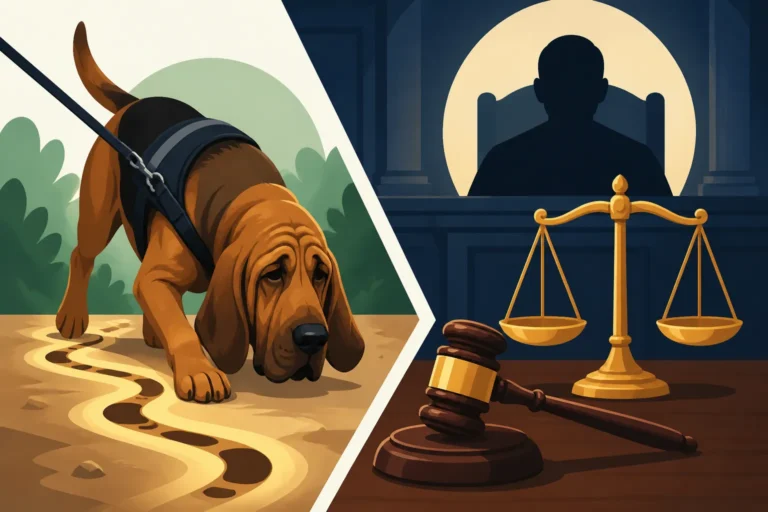
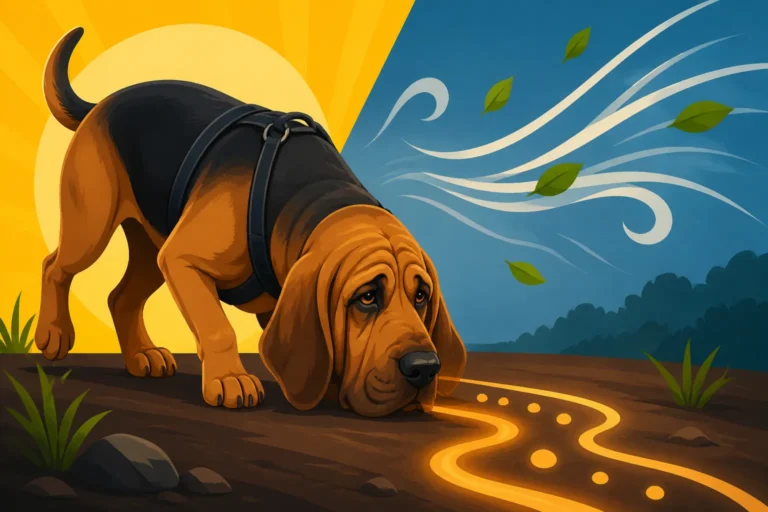
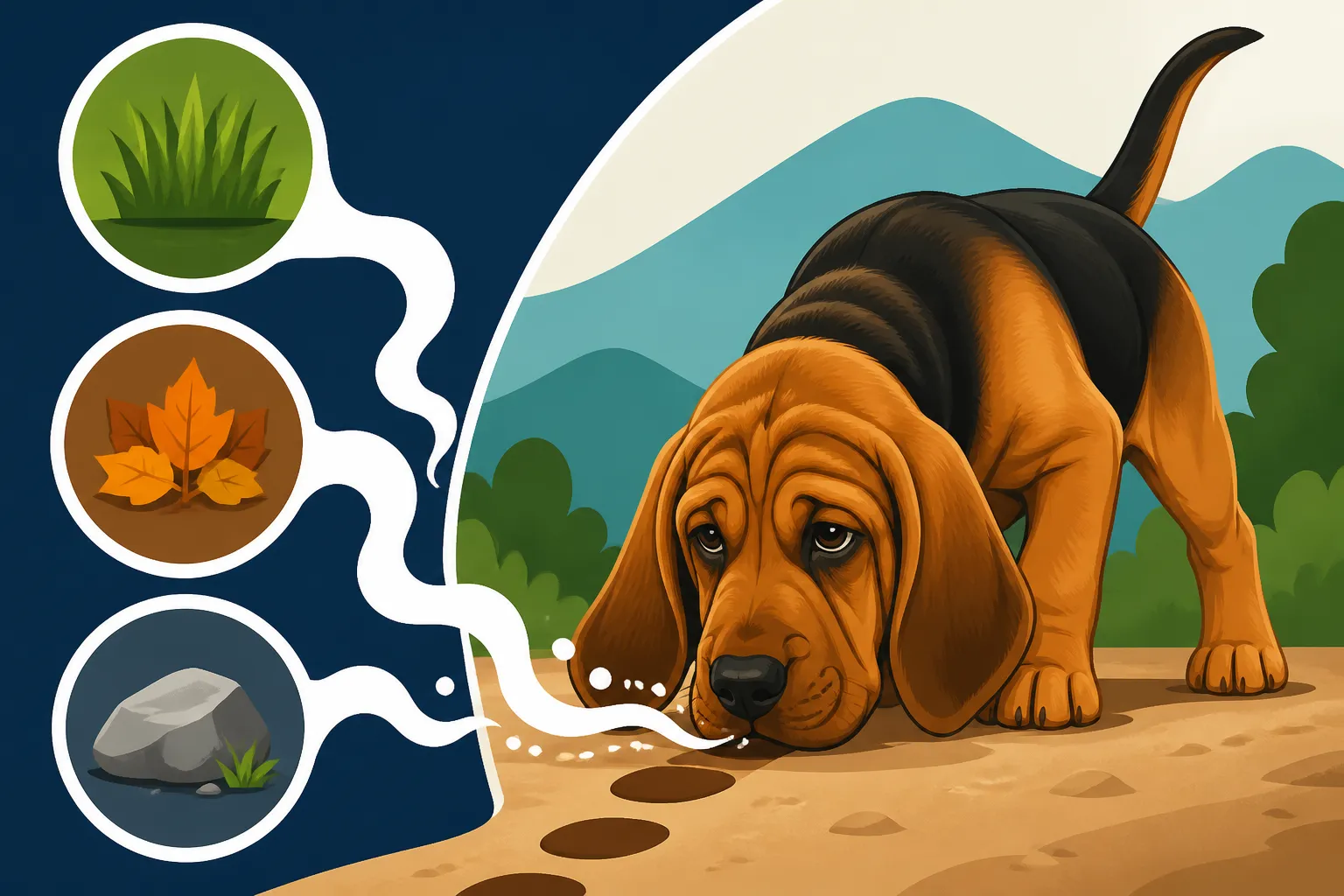
Imagine living in a world defined by scent. That's your Bloodhound puppy's reality. Their unique physical characteristics – those long, pendulous ears that sweep scent particles towards their nostrils, the loose skin that creates more surface area for scent collection, and the sheer number of olfactory receptors – all combine to create a scenting machine. It's truly a marvel to behold. When your puppy is sniffing every blade of grass, every crack in the pavement, every dust bunny under the couch, they aren't being disobedient; they're simply being a Bloodhound. It's what they were literally bred for, recognized even in courtrooms for their incredible ability to follow a trail. This isn't just a hobby for them; it's a fundamental part of their being, a deep-seated instinct that, if ignored, can lead to frustration and boredom.
Many owners feel exasperated when their Bloodhound puppy "tunes them out" for a scent. But remember, that deep concentration is a gift. It's the very trait that makes them extraordinary. Instead of fighting it, we embrace it. Providing early, positive exposure to scent work allows them to fulfill this intrinsic need in a structured, fun way. It builds confidence and strengthens your bond, turning a potential "problem" into a shared passion. Think of it as speaking their language – the language of scent.
Why Early Exposure Matters
Starting scent work early with your Bloodhound puppy isn't just about training for a future trailing career, though that's certainly a possibility for many. It's about providing vital mental stimulation, building confidence, and fostering a strong relationship between you and your dog. Puppies are sponges, and their brains are rapidly developing during these crucial first months. Introducing them to scent work at a young age capitalizes on this natural curiosity and learning capacity.
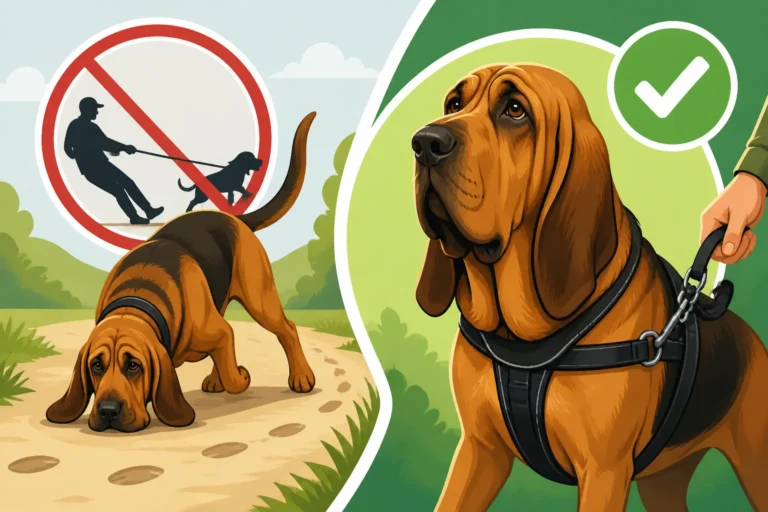
Early exposure helps your puppy associate scent work with positive experiences. It becomes a game, a fun activity they look forward to. This foundation is invaluable. It teaches them to focus their incredible nose on a specific task, rather than just indiscriminately sniffing everything. It's also a fantastic way to burn off some of that boundless puppy energy, offering a mental workout that can be just as tiring, if not more so, than a physical one. A tired Bloodhound is often a happy, well-behaved Bloodhound, and a mentally engaged one is even better. We often talk about Whether Nose Work Tires a Bloodhound More Than Walking, and for many pups, the answer is a resounding yes! Plus, getting your puppy accustomed to a harness and line for scent work early makes the transition to more serious trailing much smoother. It builds muscle memory and positive associations, reducing stress later on.
Choosing the Ideal First Scent Article
Selecting the right scent article for your Bloodhound puppy's first experience is more important than you might think. It needs to be safe, enticing, and familiar, setting them up for success right from the start. We want to make this introduction as seamless and positive as possible.
Characteristics of a Good Scent Article for Puppies
When picking that very first item for your puppy to trail, think simple and safe. The goal is to provide a clear, strong scent that isn't overwhelming or confusing, and an object that won't pose any choking hazards.
Here are a few key characteristics:
- Strong, Familiar Human Scent: This is paramount. The scent should ideally come from someone the puppy knows and loves – a primary caregiver is perfect. The stronger and more distinct the human scent, the easier it will be for the puppy to identify and follow.
- Non-Toxic and Chew-Safe: Puppies explore with their mouths! Whatever you choose must be safe for them to mouth, carry, and potentially chew on. Avoid anything small enough to be swallowed or anything made of materials that could splinter or cause injury.
- Easy to Handle: The article should be something you can easily place down, pick up, and that the puppy can comfortably pick up or sniff intently without frustration.
- Scent-Proof Storage: Once you've selected an article, it's wise to store it in a dedicated, scent-proof bag or container when not in use. This prevents it from picking up other household odors or losing its primary scent. You can find excellent airtight containers or heavy-duty Ziploc bags easily on platforms like Amazon. This practice ensures that when you bring out the article, its target scent is clear and undiluted.
Common First Scent Article Choices
For a Bloodhound puppy's initial scent article, simplicity is key. You don't need fancy equipment to begin; everyday items often work best because they carry a strong, personal scent.
- A Worn Sock or T-Shirt: This is probably the most popular and effective starting point. Grab a sock or a small piece of a t-shirt that you've worn for a few hours. The fabric absorbs your unique scent wonderfully. Make sure it's clean (no dirt or food residue, just human scent) and doesn't have any loose threads that could unravel and be ingested. A small section of a well-worn piece of clothing from a trusted family member is ideal.
- A Handkerchief or Small Cloth: If you're hesitant about using a sock, a clean handkerchief that you've kept in your pocket or handled for a while is another great option. The key here is that it's your scent, and not contaminated by other strong odors like laundry detergent or perfume.
- An Unwashed Glove or Mitten: Especially in cooler weather, a glove you've worn for an outing can carry a distinct personal scent. Again, ensure it's not too bulky for a puppy to manipulate and doesn't have any attached strings or embellishments.
The beauty of these items is their familiarity. Your puppy already knows your scent, and associating it with a fun game will only deepen that positive connection. Remember, the goal isn't just about finding the article; it's about following your scent to find you or an extension of you. This is a fundamental concept in What a Bloodhound Is Actually Smelling on a Trail.
Introducing the Scent Article and First Steps
Once you've chosen your puppy's first scent article, the next step is the actual introduction. This should be a fun, low-pressure experience, building excitement and positive associations from the very first sniff.
The Gentle Introduction Method
Your puppy's first encounter with "scent work" needs to be nothing short of a party! We're not looking for perfection here, just engagement and enthusiasm.
- Scent the Article: Ensure your chosen article (a worn sock, perhaps) has a good, fresh scent from you. Hold it in your hand for a few minutes, rub it on your skin if needed.
- Make it a Game: Get your puppy excited! Sit on the floor in a quiet, familiar area, like your living room. Show them the scent article, letting them sniff it. Use an encouraging, happy voice. "What's this? Find it!"
- The "Hide and Seek" Begins: Start incredibly simple. While your puppy is watching, toss the article just a few feet away. Point to it and encourage them to go get it. When they pick it up or even just nose it, celebrate wildly! Give them a small, high-value treat (something they adore), praise them enthusiastically, and maybe even engage in a quick game of tug or play with a favorite toy. The reward isn't just the treat; it's the joy of the discovery and your positive reaction.
- Gradual Increase in Difficulty: Once they understand this basic concept, you can make it slightly harder. Still with them watching, toss it a little further. Then, place it just out of sight behind a chair, or under a blanket, in the same room. The key is to keep it super easy, with a high success rate, to build their confidence.
- Focus on the Scent, Not Just the Object: As they retrieve the article, gently guide their nose back to it. Praise them for sniffing and finding the scent, not just for picking up an object. This subtly reinforces the true purpose of the game.
Remember, this is about shaping behavior and building a love for scent work. Never scold or show frustration. Keep sessions short (5-10 minutes max for a puppy) and always end on a high note. Consistency in these early, positive experiences is key to fostering a lifelong love for trailing.
Setting Up Your Puppy's First "Trail"
After your puppy understands the basic concept of finding the scent article in plain sight, you can progress to a very, very short, simple "trail." This is where the magic really begins!
- The "Runaway" Helper: You'll need a helper for this part. The helper will be the "runner" whose scent the puppy will follow. Ensure the helper has a scent article with their scent on it (e.g., a sock they've worn).
- Short and Sweet: Start with an incredibly short trail, maybe just 5-10 feet in a clear, low-distraction environment like your backyard or a quiet room indoors.
- Laying the Trail:
- Have your helper stand with the scent article.
- Hold your puppy on a short leash or long line.
- Have the helper walk a very short distance, perhaps behind a bush or just around a corner, where they are still visible or easily found. As they walk, they can drag the scent article lightly on the ground to deposit more scent.
- The helper then hides or waits at the end, holding the scent article.
- Releasing the Bloodhound:
- Bring your puppy to the starting point of the trail. Let them sniff the ground where the helper began.
- Give a cue like "Find!" or "Seek!" and gently encourage them forward. Walk with them, keeping the line loose.
- When your puppy finds the helper and their scent article, the helper should immediately get down on their level, give lavish praise, offer a treat, and engage in joyful play. This is the ultimate reward for a Bloodhound – finding their person and getting that positive interaction.
- Repeat and Vary: Do a few short trails like this, always keeping them successful. Gradually, you can increase the distance by a few feet, or add a very gentle turn. Resources like BAXTER & Bella offer fantastic online courses and community support that can guide you through these early stages, providing structured lessons for various training aspects, including scent work. Their approach often emphasizes positive reinforcement and clear communication, which is exactly what a young Bloodhound needs. For more detailed guidance, consider checking out How to Introduce a Bloodhound Puppy to a Scent Article.
It's vital that these early trails are not challenging. The puppy should always succeed easily. We're building drive and confidence, reinforcing the idea that following a scent always leads to a great reward.
Progressing and Troubleshooting Early Scent Work
As your Bloodhound puppy grows and gains confidence, you'll naturally want to progress their scent work. However, this journey isn't always linear, and understanding when to adjust and how to navigate common hurdles is crucial.
When to Change Scent Articles
The first scent article (your worn sock, for instance) is an excellent starting point because of its strong, familiar scent. But as your puppy matures and becomes more proficient, you'll want to introduce variety. This isn't about making it harder, but about teaching generalization – the understanding that the "target scent" can be on different items, and can lead to different "finds."
- Introducing New Scents (People): Once your puppy is confidently trailing you (or your primary helper), start introducing scent articles from other family members or trusted friends. Each new person provides a distinct scent profile for your Bloodhound to learn. Always start with very short, easy trails with the new scent, just like you did with the first article. The goal is for your puppy to understand that the game is about finding a specific human's scent, regardless of who that human is.
- Varying Materials: You can also vary the material of the scent article slightly. Move from a sock to a piece of worn cloth, a leather wallet, or a wooden item that has been handled extensively. Again, ensure safety first – no small or ingestible parts. This helps your Bloodhound generalize the scent itself, rather than associating the game solely with the texture or shape of a specific sock.
- "Aging" the Article (Carefully): While not for very young puppies, as they get older and more experienced, you might experiment with leaving the scent article out for a short period before the trail, rather than using it immediately after it's been worn. This introduces the concept of an "older" scent, which is vital for real-world trailing. However, this is a more advanced step and should only be done once your puppy is consistently successful with fresh, strong scents. The progression here is key, and going too fast can be demotivating. You might find resources on The First Year With a Bloodhound That Already Wants to Trail helpful for navigating this journey.
The general rule of thumb is to introduce a new variable (new person, new material, slightly older scent) one at a time, ensuring your puppy is still having fun and succeeding most of the time. Celebrate every success, no matter how small!
Common Puppy Scent Work Hurdles
Even with the best intentions and the most natural scent dog, you'll encounter some bumps in the road. Puppies, after all, are still learning to be dogs!
- Distractions, Distractions, Distractions: A Bloodhound's nose is amazing, but a puppy's focus can be fleeting. Birds flying by, a sudden squirrel, the smell of last week's barbecue, or another dog barking can easily pull their attention away from the target scent.
- Solution: Go back to basics. Work in the quietest, lowest-distraction environment possible. Build confidence there before gradually introducing minor distractions. Make your rewards for finding the target scent incredibly high-value – that special treat or toy they only get during scent work. Patience is your best friend here.
- Short Attention Spans: Puppies get tired, mentally and physically, much faster than adult dogs. Expecting a long, complex trail from a young Bloodhound is unrealistic and will only lead to frustration.
- Solution: Keep sessions very short, usually 5-10 minutes. It's better to have multiple short, successful sessions than one long, draining one. End on a high note, always. If you notice your puppy losing interest, it's time to stop and try again later.
- Loss of Interest/Motivation: Sometimes a puppy might just not seem into it, or they might seem to "lose" the trail easily. This often comes back to either overwhelming distractions or trails that are too difficult.
- Solution: Re-evaluate the environment and the difficulty. Is the trail too long? Are there too many competing scents? Make it so easy they can't fail. Also, check your own enthusiasm! If you're stressed, your puppy will pick up on that. Be a cheerleader! Sometimes, a break from formal scent work and just playing fun nose games (like hiding treats in a snuffle mat) can rekindle their joy of sniffing.
- "What's in it for me?": While Bloodhounds love to work, they're not above asking for fair compensation! The reward at the end of the trail needs to be truly motivating.
- Solution: Experiment with different high-value treats (chicken, cheese, liverwurst) or a favorite tug toy. Some Bloodhounds live for praise and a good ear scratch. Make the "find" truly exciting and worth their effort. This reinforcement is critical for developing and maintaining their drive.
Remember that every Bloodhound puppy is an individual, and what works for one might need adjustment for another. The journey of scent work with a Bloodhound is incredibly rewarding, demanding patience, understanding, and a willingness to embrace their unique gifts. By starting with the right scent article and approaching training with positivity and consistency, you'll lay a strong foundation for a wonderful partnership.
Disclaimer
This article is for general informational purposes only and does not constitute professional advice. Laws, prices and regulations vary by location and change over time. Consult a qualified professional for guidance on your specific situation.