Whether a Bloodhound’s Find Holds Up in Court
It's a question that many Bloodhound owners and enthusiasts ponder: does a Bloodhound's incredible nose truly hold up in a court of law? You hear stories, you see them in the news, and you know your own hound's unwavering focus on a scent, but the reality of legal admissibility is often far more complex than a simple "yes." This guide will cut through the myths and give you a realistic understanding of when and how a Bloodhound's trailing evidence can be presented, and what it truly takes for that evidence to be taken seriously by a judge and jury.
The Unique Legal Standing of the Bloodhound's Trail
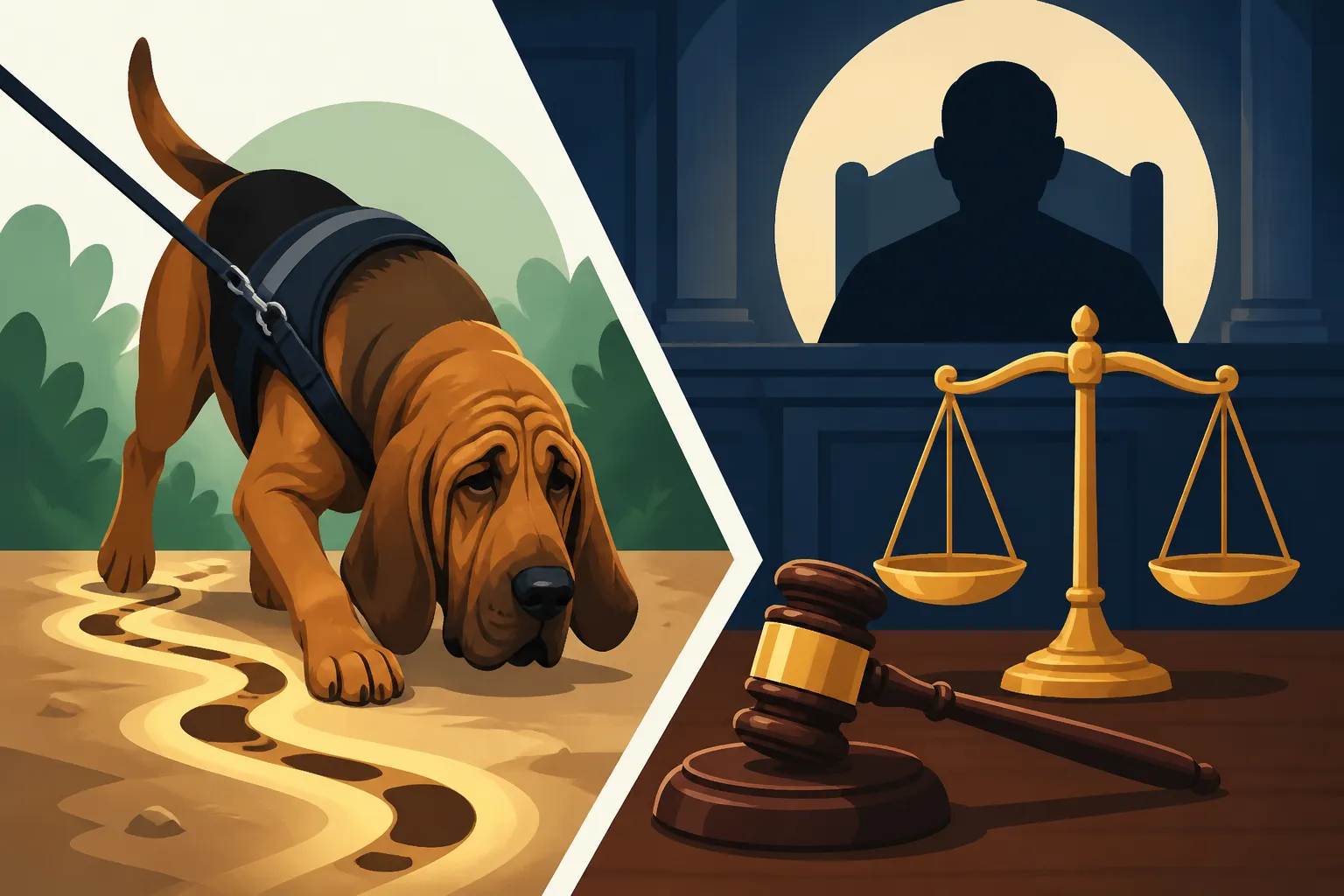
For centuries, the Bloodhound has been synonymous with law enforcement and tracking. There's a persistent belief, one that's actually rooted in truth, that the Bloodhound is the only dog whose scent-tracking evidence is widely accepted in courts. It's not just a myth; historically, courts have indeed given a unique deference to the Bloodhound's abilities. This isn't because they're magic, but because of their incredible olfactory capabilities, their consistent genetic predisposition for single-minded trailing, and a long, documented history of success. The breed has been selectively bred for generations specifically for its scenting prowess, resulting in a dog that possesses an unparalleled ability to differentiate and follow individual human scent over varied terrain and significant periods.
This historical acceptance means that, unlike many other breeds, a Bloodhound's "find" isn't immediately dismissed out of hand. Instead, it enters a legal arena with a certain level of established credibility. However, this credibility doesn't mean it's automatically irrefutable proof. Think of it like a powerful piece of testimony; it's impactful, but it still needs to be presented correctly and corroborated. The legal system, being what it is, demands specific protocols and qualifications to ensure the reliability and integrity of the evidence. It’s a testament to the Bloodhound's profound talent that it has achieved this unique position, a position that requires rigorous standards to maintain. When you're talking about The Bloodhound Is the Only Dog Whose Evidence Stands in Court, you're tapping into a deep history of judicial recognition that is truly unique in the canine world.
Why Bloodhounds Are Different from Other Scenthounds in Court
While many hound breeds possess excellent noses – think of Basset Hounds, Beagles, or various Coonhounds – the Bloodhound's distinction in the legal sphere comes down to a combination of physiological advantages and historical application. A Bloodhound's scent receptors are estimated to be vastly more numerous than in other breeds, and their long, pendulous ears, loose skin, and deep flews are all thought to assist in trapping and funneling scent particles directly to their nose, enhancing their ability to pick up and concentrate a trail. This physical design, combined with centuries of breeding focused exclusively on trailing, has made them the gold standard.
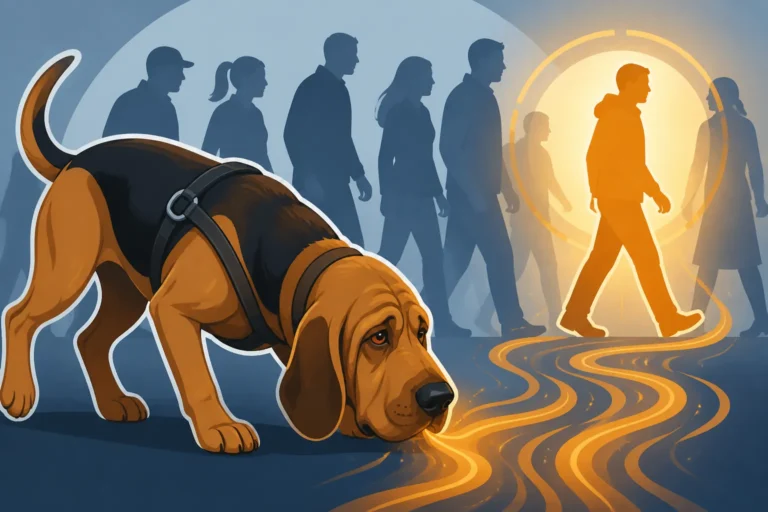
Furthermore, the legal history largely revolves around the Bloodhound. Judges and legal scholars have referenced the Bloodhound's unique capabilities for over a hundred years. Other scenthounds might be fantastic at finding game or even locating lost pets, but they haven't undergone the same rigorous scrutiny or established the same long-standing legal precedent in human-tracking cases. The emphasis is on human scent and individual identification, which is where the Bloodhound truly shines. Their ability to discriminate one human's scent from another, even in a crowded environment, is what sets them apart. The Bloodhound Against the Other Scenthounds really highlights this specificity.
The Nuance of "Evidence" vs. "Conviction"
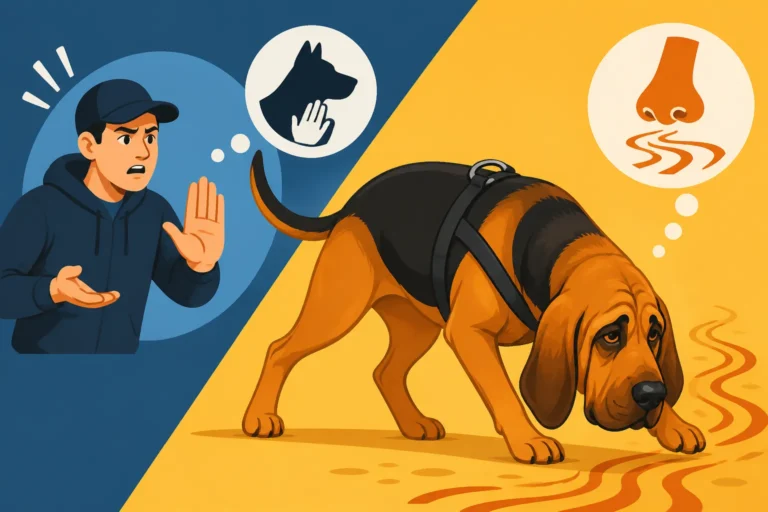
It's crucial to understand the difference between a Bloodhound's trail being considered "evidence" and it being sufficient for a "conviction." A Bloodhound's trail is generally considered circumstantial evidence. This means it can point to a possibility, connect a person to a scene, or indicate a direction of travel, but it rarely, if ever, serves as the sole basis for a criminal conviction. Imagine a scenario where a Bloodhound tracks a suspect from a crime scene directly to their home. This trail strongly suggests the suspect was at the scene. However, a defense attorney will argue that someone else could have laid the trail, or the scent could have been transferred.
Therefore, Bloodhound evidence is usually just one piece of a much larger puzzle. It provides strong investigative leads, helps narrow down suspects, and corroborates other forms of evidence such as DNA, fingerprints, eyewitness accounts, or surveillance footage. It strengthens the overall case but rarely stands alone. This is an important distinction, as many people assume a successful trail equals an open-and-shut case. The reality is that the legal system is designed to be highly skeptical, and every piece of evidence, no matter how compelling, is subject to scrutiny. Even if your Bloodhound is famously accurate, Whether a Bloodhound's Trail Alone Can Convict is almost always a 'no' in serious criminal proceedings.
What Makes a Bloodhound's Find Admissible in Court?
Just having a Bloodhound track someone isn't enough for the courts. There are very specific, stringent requirements that must be met for the dog's work to be deemed admissible evidence. These requirements are in place to ensure the reliability of the scent evidence and protect against wrongful accusations. It's a heavy burden, but one that reputable Bloodhound handlers are well-prepared to meet.
Handler Qualification and Testimony
The most critical factor in getting a Bloodhound's find admitted as evidence is the qualification and testimony of the handler. It's less about the dog itself speaking, and more about the handler interpreting the dog's actions and providing expert testimony on the process. A handler isn't just someone who walks a dog; they are a highly trained professional who understands canine behavior, scent theory, and legal protocols. They must be able to articulate their dog's training, performance history, and the specific circumstances of the trail.
This means documented training, experience, and often, certification from recognized organizations. A court will want to know that the handler is experienced, competent, and adheres to strict professional standards. They'll ask about the dog's daily training logs, its success rates, and its ability to distinguish between different scents. This also extends to the handler's ability to remain impartial and objective throughout the trailing process, preventing any possibility of "cueing" or influencing the dog. This is precisely why Whether a Bloodhound Handler Must Be Qualified to Testify is such a critical component of legal proceedings.
Documented Training and Performance
A Bloodhound that is used in legal cases needs a meticulously documented training record. This isn't just a casual training log; it's a comprehensive history that demonstrates the dog's proficiency and reliability. This includes records of:
- Regular Training Trails: Proof of consistent, ongoing training, often multiple times a week, over varying distances and conditions.
- Proofing: Training designed to ensure the dog can handle distractions and false trails without deviation.
- Certification: Validation from recognized K9 organizations, often requiring blind trails where neither the dog nor handler knows the track beforehand.
- Success Rates: Detailed records of successful trails versus unsuccessful ones, to establish a statistical reliability.
- Environmental Challenges: Documentation of training in various weather conditions, terrains (urban, rural), and scent ages.
This level of documentation shows the court that the Bloodhound isn't just a pet with a good nose, but a finely tuned instrument of detection. Handlers often keep incredibly detailed logs, akin to a pilot's flight log, noting everything from weather and terrain to the dog's performance and any challenges encountered. If you're wondering How a Bloodhound Is Certified for Search Work, you'll see just how rigorous these standards are.
Scent Article Integrity and Chain of Custody
The starting point of any Bloodhound trail is the "scent article" – an object believed to have been touched or worn by the person to be trailed. The integrity and chain of custody of this scent article are paramount. If the scent article is contaminated, or if its handling can be called into question, the entire trail can be challenged.
Here's why it's so important:
- Uniqueness of Scent: The scent article must ideally contain only the scent of the person being sought. If multiple people have touched it, the dog's ability to isolate the target scent is compromised.
- Contamination Prevention: Handlers use sterile gloves and bags to collect and store scent articles, minimizing any outside contamination.
- Chain of Custody: Just like any forensic evidence, there must be an unbroken record of who handled the scent article, when, and where, from its collection at the scene until it's presented to the Bloodhound. Any break in this chain can render the evidence unreliable.
For instance, if an officer collects a discarded hat with bare hands and then hands it to a Bloodhound handler, a defense attorney could argue that the officer's scent, or scents from others, contaminated the article, thus invalidating the dog's subsequent trail. This meticulous attention to detail is crucial for ensuring that the dog's work is based on the purest possible scent and can withstand legal challenges.
Environmental Factors and Limitations
Even with a perfectly trained dog and a pristine scent article, environmental factors play a huge role in the reliability of a trail and its admissibility. A Bloodhound's nose is incredible, but it's not impervious to the laws of physics. Factors that can affect scent degradation and therefore challenge the admissibility of the evidence include:
- Weather Conditions: Rain can wash away scent, high winds can disperse it, and extreme heat can degrade it rapidly.
- Terrain: Hard surfaces like asphalt hold scent differently (and often less effectively) than grassy or porous surfaces. Water features can also complicate a trail.
- Time: While Bloodhounds are known for following old trails, the older the scent, the more it degrades, making it harder to follow and easier for a defense to argue against its reliability.
- Crowds/Contaminants: Urban environments with many people, vehicles, and varied odors can create a "scent soup" that makes isolation of a single trail more challenging.
A skilled handler will take these factors into account when testifying, explaining how the conditions might have influenced the trail, but they also represent avenues for the defense to challenge the evidence. For more on what influences a trail, you might be interested in Whether Rain Destroys a Bloodhound's Trail or Whether Wind Moves the Scent a Bloodhound Follows. The court will consider these elements when weighing the strength of the Bloodhound's evidence.
Challenges and Limitations to Bloodhound Evidence in Court
While Bloodhound evidence holds a unique place in jurisprudence, it is far from infallible and is often vigorously challenged by defense attorneys. Understanding these limitations is key to appreciating the role Bloodhounds play and why their evidence is typically corroborative, not definitive.
The Human Element and Potential for Error
Despite their incredible noses, Bloodhounds are still animals, and their work relies heavily on human interpretation and management. This introduces a "human element" which can be a point of contention in court. The handler's testimony is subjective, as they are interpreting the dog's behavior. How do we know the dog is on the target scent and not just another interesting smell? While training helps standardize these responses, there's always room for human error in judgment, or even unconscious bias.
Moreover, if the handler isn't fully trained or inadvertently cues the dog, the reliability of the trail is severely compromised. This is why extensive, documented training is so critical. The defense will often attempt to sow doubt about the handler's competence, experience, or the neutrality of their interpretation. They might argue that the handler "led" the dog, even unintentionally, or misinterpreted a signal. This is a common tactic, and it underscores the need for handlers to be beyond reproach in their methodology.
Defense Challenges and Cross-Examination
Defense attorneys are adept at poking holes in any evidence, and Bloodhound trails are no exception. They understand the limitations and will exploit them. Common lines of questioning and challenges include:
- Lack of Scientific Consensus: While Bloodhound evidence is historically accepted, some argue that the "science" behind individual scent identification isn't as rigorously proven as, say, DNA analysis. They'll question the methodology and the empirical data.
- Contamination of Scent Article: As discussed, this is a prime target for defense. Any ambiguity in the chain of custody or collection method will be highlighted.
- Environmental Interference: The defense will bring up any adverse weather, crowded conditions, or other factors that could have degraded or obscured the scent.
- Dog's Reliability: They may question the specific dog's training record, its success rate on similar cases, or point to instances where the dog might have been "wrong." For example, if a Bloodhound trailed someone who later had an iron-clad alibi, that history could be used to discredit future trails. Whether a Bloodhound Can Be Wrong is a valid question a defense will ask.
- Handler Bias: The defense might suggest the handler had prior knowledge of a suspect and inadvertently guided the dog.
These challenges highlight why Bloodhound evidence, while powerful, needs to be handled with extreme care and backed by an impeccable record. The handler must be prepared for intense scrutiny and demonstrate their expertise and adherence to best practices.
The Bloodhound's True Value Beyond Direct Courtroom Convictions
While the discussion often centers on court admissibility, the Bloodhound's role extends far beyond merely providing evidence for a conviction. Their primary value lies in their unparalleled ability as an investigative tool, shaping the course of an investigation long before a courtroom is even considered.
Investigative Leads and Search & Rescue
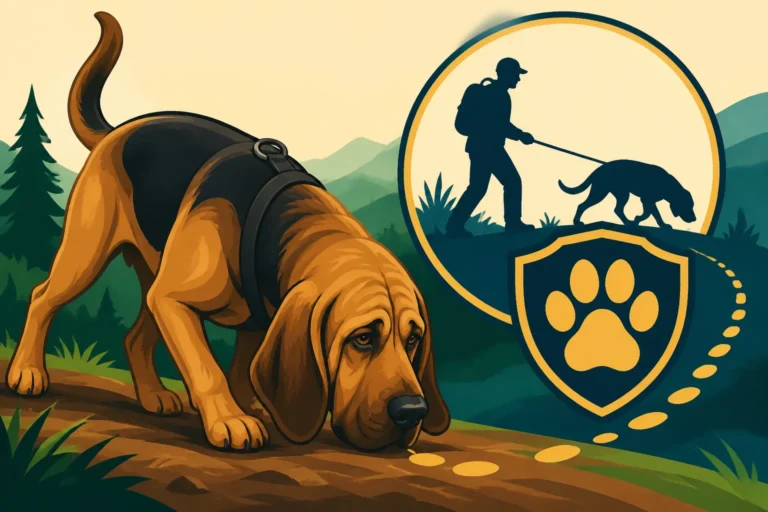
The Bloodhound truly shines in the initial stages of an investigation or in search and rescue operations. Their ability to quickly establish a direction of travel from a scent article can save critical hours in a missing person case or help law enforcement contain a perimeter for a fleeing suspect. They provide tangible leads that might otherwise be impossible to obtain.
Consider a lost child: a Bloodhound can quickly determine the child's last known path, leading search teams away from dead ends and towards the actual area of interest. For a suspect, knowing their escape route can guide police to where they might be hiding or where crucial evidence might have been discarded. This kind of immediate, directional information is invaluable. Many police departments still rely heavily on them, as Whether Police Departments Still Keep Bloodhounds confirms. Their ability to discern a specific human trail from a complex array of other scents, even in challenging environments, is irreplaceable. For a deeper dive into their scenting abilities, you might check out How a Bloodhound Separates One Person's Scent From a Crowd.
Locating Evidence and Missing Persons
It's not just about finding the person; Bloodhounds can often indicate areas where a suspect stopped, touched something, or discarded items. While they aren't trained for article search in the same way some other breeds are, their trailing behavior can highlight specific locations of interest. If a Bloodhound checks intently at a specific bush or fence line, it might indicate where an item was dropped or where the person paused, prompting investigators to focus their search there.
Their real fame, of course, comes from finding missing people. Whether it's an elderly individual with dementia who wandered off, a child who got lost in the woods, or a hiker disoriented in rough terrain, the Bloodhound's unwavering focus on the human scent is a lifeline. Their work in locating missing persons, whether alive or deceased, brings closure and is a profound humanitarian service. When the Bloodhound reaches the end of their task, What a Bloodhound Does at the End of a Trail is often a clear indication of a successful "find."
The Importance of Training for All Bloodhounds
Even if your Bloodhound will never step foot in a courtroom or work for law enforcement, understanding the rigor of working Bloodhound training is valuable. It underscores the incredible potential of the breed and informs responsible ownership. For pet Bloodhounds, channeling their powerful instincts through activities like mantrailing (recreational tracking) is incredibly beneficial for their mental and physical well-being. It's a way to engage their genetic drive in a positive, constructive manner.
While a home-trained Bloodhound won't have its "find" admitted in court, the principles of clear communication, consistent training, and understanding scent theory are still important. Resources like specialized books on K9 legal work (available on Amazon) can offer insights into the standards, even if you're not pursuing legal certification. Many owners find that Mantrailing Is the Answer to a Bloodhound, Not Obedience for keeping their hounds happy and fulfilled. Investing in a good quality tracking harness and a long line, often found on Amazon, is essential for any scent work, whether for fun or professional purposes. This kind of engagement prevents boredom, reduces destructive behaviors, and builds an incredible bond between you and your hound.
Conclusion
The Bloodhound occupies a unique and revered position in the legal world, primarily due to its unparalleled olfactory capabilities and a long history of successful human-tracking. Their "finds" can indeed hold up in court, but not as definitive proof of guilt. Instead, they serve as powerful circumstantial evidence and crucial investigative leads. The admissibility of Bloodhound evidence hinges on a multitude of factors, most notably the impeccable qualifications and testimony of the handler, meticulous documentation of the dog's training and performance, the untainted integrity of the scent article, and an understanding of the environmental conditions.
The legal system rightfully scrutinizes such evidence, and defense attorneys will always seek to challenge its reliability. This is why the handler's professionalism and the rigor of the Bloodhound's training are paramount. Ultimately, while your Bloodhound won't be testifying from the stand, their work, when conducted under stringent protocols, can provide critical pieces of the puzzle, aiding investigations and bringing closure to families. It’s a powerful testament to the bond between human and hound, and the extraordinary gifts these magnificent dogs possess.
Disclaimer
This article is for general informational purposes only and does not constitute professional advice. Laws, prices and regulations vary by location and change over time. Consult a qualified professional for guidance on your specific situation.