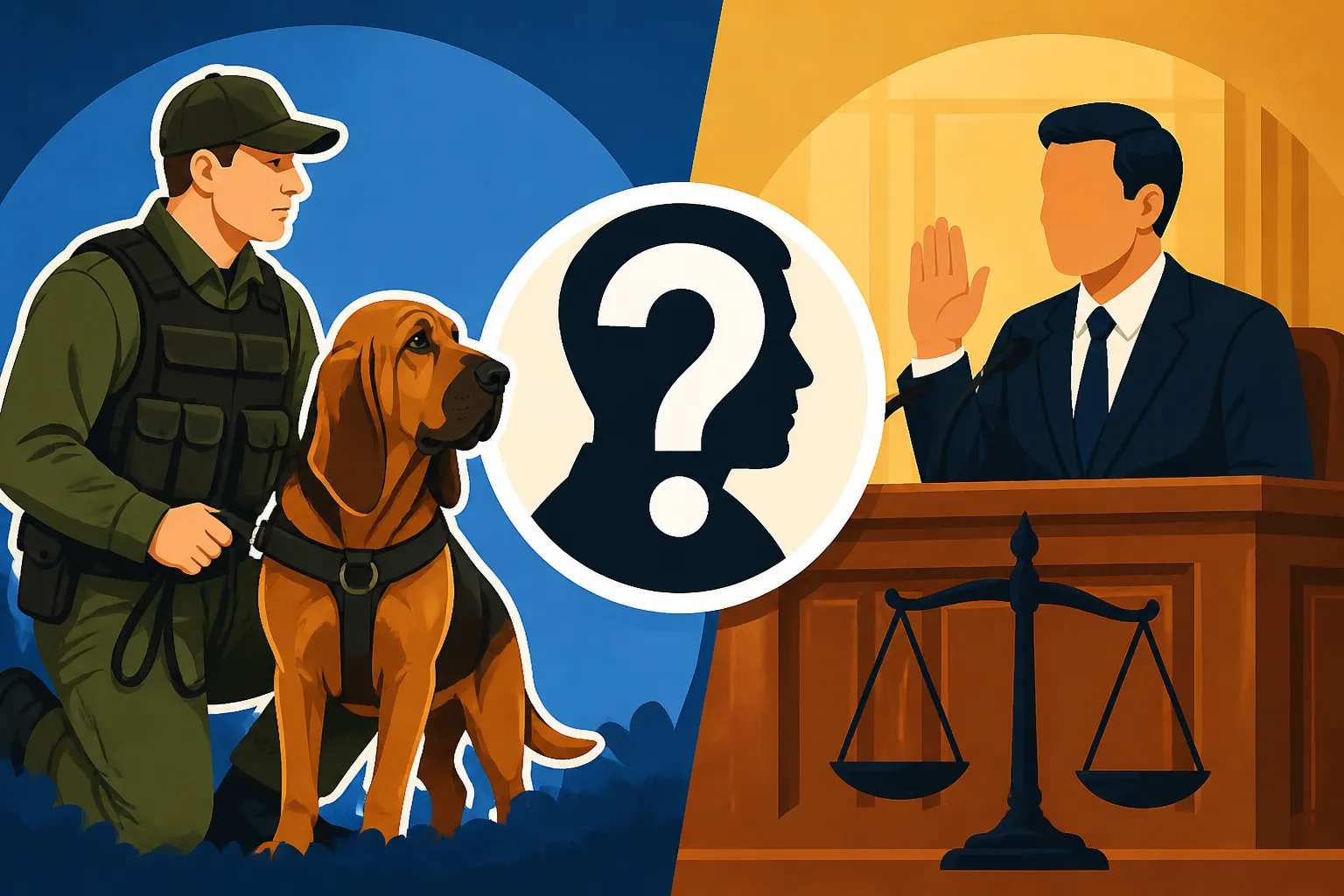
Whether a Bloodhound Handler Must Be Qualified to Testify
It’s a deeply frustrating thing for any dog owner, but especially for Bloodhound handlers, to know your incredible dog has followed a scent perfectly, found the person, and yet have that powerful evidence questioned or even dismissed in a courtroom. The truth is, while a Bloodhound's nose has unparalleled legal standing, the human half of that team – the handler – bears an immense responsibility for ensuring that trail means something when it truly counts. This guide will walk you through exactly what it means for a Bloodhound handler to be qualified to testify, why it matters so much, and what goes into building that rock-solid credibility.
The Legal Standing of Bloodhound Evidence
You might have heard it said that a Bloodhound is the only dog whose testimony is admissible in court. It’s a powerful statement, and it's largely true, but it's not quite as simple as just showing up with your dog. The legal system, for all its complexities, respects the Bloodhound's unique olfactory abilities, recognizing its historical role in law enforcement and search and rescue. However, that respect comes with a hefty dose of scrutiny, and rightly so, given what's often at stake.
Bloodhound Trails in Court: A Special Case
The legal precedent for accepting Bloodhound evidence dates back decades, even over a century in some jurisdictions. This isn't just because Bloodhounds are good at sniffing; it's because their trailing ability has been repeatedly proven and documented in countless real-world scenarios, leading to finds and, yes, even convictions. Unlike other breeds, which might contribute to finding evidence, a Bloodhound's trail itself can be presented as evidence of a person's presence at a scene or movement along a specific path. It’s a remarkable distinction, reflecting the breed's singular talent.
However, this doesn't mean a Bloodhound’s track is an automatic "slam dunk" in court. Far from it. Judges and juries are increasingly sophisticated in their understanding of forensic evidence, and they expect rigorous standards. They want to know how that evidence was gathered, by whom, and whether it meets scientific reliability. This is where the handler's qualifications become absolutely critical. Without a handler who can articulate the process and defend its integrity, even the most perfect trail by the most talented Bloodhound could be rendered meaningless.
The Daubert Standard and Admissibility Challenges
When we talk about whether evidence is allowed in court, especially scientific or technical evidence, we often encounter something called the "Daubert Standard." This is a legal test that judges use to determine if an expert's testimony and the methods they used are scientifically valid and relevant to the case. For Bloodhound evidence, this means the court isn't just taking your word for it that your dog is good at its job. The judge will be looking for factors like whether the tracking technique has been tested, if it's been subjected to peer review, what its known error rate is, and if it's generally accepted within the relevant scientific community.
This applies directly to the handler and the Bloodhound team. Prosecutors or defense attorneys might try to challenge the admissibility of Bloodhound evidence by questioning any of these points. They might argue that the specific dog or handler isn't properly trained, that the methodology used for that particular trail was flawed, or that the conditions weren't suitable. This is why handler qualification isn't just a nicety; it's the bedrock upon which the entire admissibility of the Bloodhound's powerful testimony rests. It's a heavy burden, but one that dedicated handlers understand and embrace.
What "Qualified to Testify" Really Means for a Handler
Becoming a Bloodhound handler whose evidence is respected in a courtroom isn't about being a casual dog owner who happens to have a Bloodhound. It's a commitment to a rigorous path of training, certification, and continuous education. It’s about building a reputation of professionalism and unwavering adherence to best practices, because everything you do with your dog could someday be scrutinized under a legal microscope.
Beyond Just Owning a Bloodhound: The Training and Certification Journey
Imagine trying to explain quantum physics if you'd only read a few Wikipedia articles. You wouldn't be taken seriously, right? The same principle applies here. A Bloodhound handler isn't just someone who walks a Bloodhound; they are, in essence, an expert in canine scent discrimination and trailing. This expertise comes from extensive training that covers everything from scent theory and environmental factors to proper leash handling and reading subtle canine cues. This training typically involves hundreds, if not thousands, of hours of practical work.
Formal certifications are absolutely vital. Organizations like the National Association for Search and Rescue (NASAR) or various state-level law enforcement agencies offer rigorous certifications that test both the dog's ability and the handler's skill. These aren't participation trophies; they involve challenging scenarios, often under varying conditions, and require passing strict criteria. A certified handler can present these credentials in court, demonstrating that their skills meet recognized industry standards. Furthermore, ethical handlers maintain meticulous logs of all their training, trails, and continued education, including details about scent articles, weather conditions, trail age, and dog performance. These records are invaluable in establishing credibility. You can often find specialized training equipment and resources, from long lines to specific harness types, through retailers like Chewy, which can be crucial for this intensive training.
Demonstrating Expertise and Reliability in Court
When a handler takes the stand, they aren't just there to say, "My dog found the person." They are there to explain how their dog found the person, why their methods are reliable, and what safeguards were in place to ensure accuracy. This requires an in-depth understanding of canine olfaction, an ability to articulate their training methods, and a thorough knowledge of their specific Bloodhound's capabilities and limitations. How many scent receptors a Bloodhound has and how that translates to their trailing ability is often part of this explanation.
This also means being prepared to discuss the dog's full operational history, not just its successes. Has the dog had "negative" trails where no scent was found or where the trail ended without a person? How were those handled? What was learned? This transparency actually adds to credibility, showing that the handler isn't presenting an infallible dog, but rather a highly trained animal working within known parameters. The judge and jury need to trust not just the dog, but the person guiding it and interpreting its behavior. Without this trust, a challenge like whether a Bloodhound can be wrong can gain traction, undermining the evidence entirely.
| Aspect of Qualification | Details for Credibility | Example of Question in Court |
|---|---|---|
| Formal Training | Certified courses, seminars, workshops specific to K9 trailing. Documented hours. | "Can you describe your initial training program and how many hours you dedicated to it?" |
| Certifications | Recognized certifications from reputable organizations (e.g., NASAR, state law enforcement). | "Which specific certifications do you hold, and what did they entail?" |
| Experience | Number of actual trails, search deployments, variety of conditions worked. | "How many live search operations have you and your Bloodhound participated in?" |
| Record Keeping | Meticulous logs of training sessions, actual trails, weather, scent articles, outcomes. | "Do you maintain detailed records of your training and deployments, and can you present them?" |
| Dog's Performance | Demonstrated reliability of the specific Bloodhound through documented successful finds. | "How consistently has this particular Bloodhound successfully followed trails of this age and in these conditions?" |
| Continuing Education | Ongoing training, workshops, staying current with best practices in canine forensics. | "What have you done in the last year to update your skills or knowledge in canine trailing?" |
| Scent Theory Knowledge | Ability to explain the science behind scent, decomposition, environmental factors. | "Can you explain how human scent is deposited and how factors like humidity affect its persistence?" |
The Handler's Role in Presenting Evidence
It’s one thing to train a Bloodhound; it’s another entirely to present its work in a courtroom setting, under oath and under intense scrutiny. The handler transforms from a field operative into a witness, and often, an educator. Their ability to communicate clearly, confidently, and without bias is just as important as the Bloodhound's ability to follow a scent.
Explaining the Science (or Art) of the Scent Trail
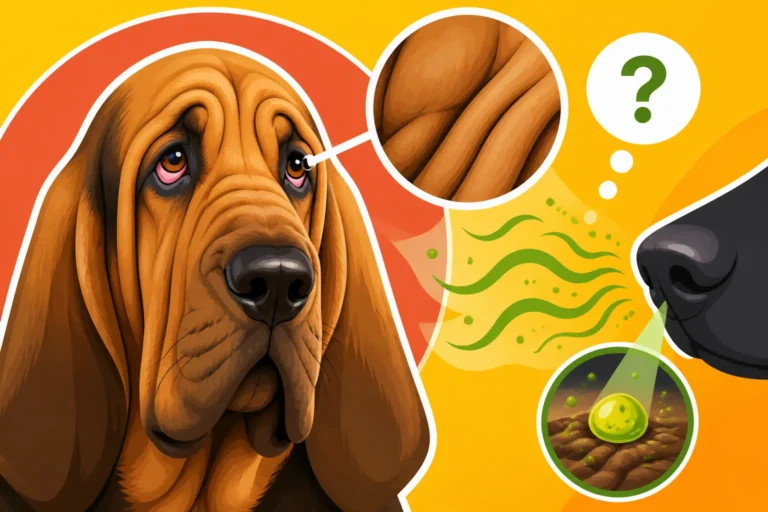
When a Bloodhound handler testifies, they are essentially translating the complex world of canine olfaction into terms that a judge and jury can understand. This means explaining what a Bloodhound is actually doing when it's on a trail – that it's not simply following footsteps, but rather detecting the unique cellular material and volatile fatty acids shed by an individual. They must describe how the dog interprets scent, how its behavior indicates it's on a trail, and what "finding" the subject looks like. This often involves discussing concepts like how environmental factors, such as wind or rain, can affect scent dispersal and persistence. What a Bloodhound is actually smelling on a trail is a key component of this explanation.
This educational role is crucial because many people have misconceptions about how tracking dogs work, often influenced by television or movies. The handler must demystify the process, grounding it in scientific principles and documented experience. They might explain the difference between air-scenting and ground-scenting, or how why a Bloodhound's ears sweep scent toward its nose is part of their remarkable physiology. It’s not just about stating facts, but about building an understandable narrative that instills confidence in the Bloodhound's capabilities and the handler's interpretations.
Cross-Examination: The Ultimate Test of Credibility
If testifying is a performance, cross-examination is the ultimate improv challenge. Defense attorneys, especially, are trained to poke holes in evidence and undermine witness credibility. A Bloodhound handler must be prepared for rigorous questioning designed to challenge their training, their dog's reliability, the specific methods used in a given trail, and even their personal biases. Whether a defense can challenge a Bloodhound's trail is not just a theoretical question; it's a routine occurrence in court.
Questions might range from "How do you know your dog wasn't just following another animal?" to "Have you ever had a trail that didn't lead to the suspect?" or "Were you aware of any potential contaminants at the scene?" A qualified handler will have anticipated these types of questions and will have clear, factual, and well-supported answers. They will calmly refer to their training records, explain their methodology, and maintain their composure, even under pressure. This is where meticulous documentation – those detailed training logs and deployment reports – truly pays off. They aren't just for personal reference; they are the evidence that backs up every claim made on the stand. Knowing their stuff, inside and out, is the handler's best defense against attempts to discredit their invaluable work. This level of detail isn't learned overnight; it's built through years of dedicated work and often supported by resources found at places like Chewy, for everything from logbooks to training articles.
Why Handler Qualification is Paramount for Justice
The stakes in any legal proceeding are incredibly high, and when Bloodhound evidence is introduced, it can often be a crucial piece of the puzzle. Therefore, the integrity of that evidence—and the person presenting it—is paramount. The qualification of a Bloodhound handler directly impacts the fairness and accuracy of the judicial process.
Ensuring Accuracy and Preventing Miscarriages of Justice
The power of a Bloodhound’s nose is undeniable, but it's a tool, and like any tool, its effectiveness depends on the skill of the operator. An unqualified or poorly trained handler can misinterpret their dog's signals, make mistakes in scent preservation, or even inadvertently contaminate a scene. This isn't about malicious intent; it's about a lack of knowledge or adherence to best practices. Such errors can lead to inaccurate trails, which, in a worst-case scenario, could contribute to a wrongful accusation or conviction. Whether a Bloodhound's trail alone can convict highlights the severe implications, even if it's rare for a trail to be the sole evidence.
Proper handler qualification ensures that the person guiding the Bloodhound understands the scientific principles of scent, the dog’s behavioral indicators, and the strict protocols required to preserve the integrity of a trail. They know how to identify and mitigate potential environmental interferences and how to accurately document every step of the process. This meticulous approach directly contributes to the accuracy and reliability of the Bloodhound's work, providing the most truthful possible information to the court and ultimately helping to prevent miscarriages of justice. For handlers dedicated to upholding this standard, finding reliable training resources and gear from trusted suppliers, like the wide selection available on Chewy, is essential.
The Future of Bloodhound Evidence and Handler Standards
The legal landscape is constantly evolving, and what was acceptable a decade ago might not be today. Courts are increasingly demanding more robust scientific backing for all forms of forensic evidence, and Bloodhound trailing is no exception. This means that the standards for handler qualification are not static; they are likely to continue to become more stringent, requiring even greater levels of training, certification, and ongoing professional development. Handlers must stay current with the latest research in canine olfaction, refine their techniques, and participate in regular recertification processes.
This ongoing commitment ensures that Bloodhound evidence maintains its unique and respected position within the judicial system. It reinforces the notion that the handler isn't just someone who owns a dog with a good nose, but a skilled professional who understands the profound responsibility they carry. For individuals considering getting involved in this specialized field, it's a reminder that the journey to becoming a legally credible Bloodhound handler is a continuous one, driven by a passion for justice and an unwavering dedication to their incredible canine partners. To learn more about the breed's role in law enforcement, you can check out resources like whether police departments still keep Bloodhounds.
Disclaimer
This article is for general informational purposes only and does not constitute professional advice. Laws, prices and regulations vary by location and change over time. Consult a qualified professional for guidance on your specific situation.