How to Introduce a Bloodhound Puppy to a Scent Article
Bringing a Bloodhound puppy home is an exciting adventure, but many new owners quickly realize that traditional obedience training often clashes with their pup's overwhelming drive to follow its nose. Instead of battling that natural instinct, this guide will show you how to channel your Bloodhound's incredible scenting ability by introducing them to scent articles, transforming their innate drive into a rewarding and engaging activity from day one.
Understanding Your Bloodhound Puppy's Natural Drive
Before we even think about scent articles, it's crucial to understand the very essence of what makes a Bloodhound tick. These aren't just dogs; they are living, breathing scent machines, purpose-bred for centuries to follow a trail. Trying to ignore or suppress this fundamental aspect of their being is not only frustrating for you, but it's also deeply unfulfilling for your puppy. Their world is quite literally mapped out in scent, and their brain is wired to interpret it.
The Innate Trailing Instinct
Your Bloodhound puppy comes pre-programmed with an ancient and powerful trailing instinct. From the moment they open their eyes, their nose is their primary way of interacting with the world. They explore, identify, and understand their environment through scent long before they truly grasp visual cues or verbal commands. This isn't just a strong sense of smell; it's a profound, almost spiritual connection to the world of odors, allowing them to differentiate subtle nuances that are utterly imperceptible to us.
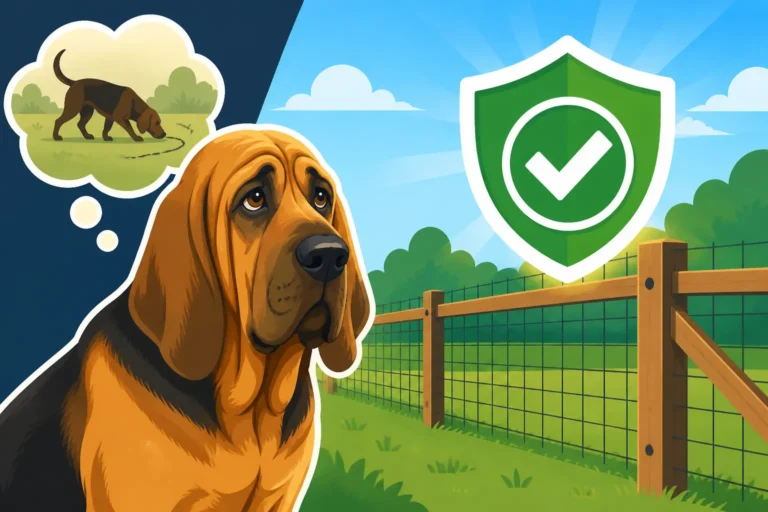
When you see your puppy burying their face in the grass, tracing an invisible path with their nose, they aren't just sniffing around. They are actively engaged in interpreting complex scent information, often following a trail left by another animal or person hours, or even days, before. This instinct is what truly defines the breed, giving them their unparalleled ability to follow a trail, even one that seems impossible to us. What a Bloodhound Is Actually Smelling on a Trail delves deeper into this fascinating world. This drive is so powerful that it often overrides everything else, making traditional "come" commands difficult when a fascinating scent presents itself.
Why Early Exposure Matters
Starting early with scent work isn't about creating a search and rescue dog (though it can certainly lead there if you choose!). It's about building a foundation of positive reinforcement around their natural abilities. Imagine having a superpower but being constantly told not to use it. That's what it can feel like for a Bloodhound whose nose isn't engaged. Early exposure to scent articles and simple trailing games provides an outlet for that intense drive, preventing frustration, boredom, and potentially destructive behaviors that can arise from an unfulfilled Bloodhound.
Introducing them to a scent article as a puppy teaches them that their nose is a tool for fun, connection, and rewards. It helps them learn focus, problem-solving, and builds confidence. Think of it as a natural language they already speak, and you're just providing the vocabulary. Plus, it establishes a positive relationship with you as their guide in this scent-filled world, making them more likely to work with you rather than constantly ignoring you for a more interesting whiff.
The Difference Between Play and Purpose
It’s important to distinguish between general sniffing and purposeful scent work. Your Bloodhound puppy will naturally sniff everything, and that’s wonderful for mental enrichment. However, with scent articles, we’re introducing the concept of a specific target scent and a defined goal: finding the person associated with that scent. This shifts their activity from random exploration to focused problem-solving.
When you introduce a scent article, you're not just letting them smell a sock. You're associating that sock with a specific person, a 'quarry' to be found. This provides structure to their natural instinct. It teaches them to discriminate, to ignore environmental distractions, and to stick to a particular human scent profile. This early distinction is crucial because later, when you're working a trail, you want them focused on your person's scent, not the squirrel that just ran by or the discarded wrapper on the sidewalk. This purposeful engagement is far more mentally tiring and satisfying for a Bloodhound than a simple walk around the block, although both have their place in a balanced routine.
Gathering Your Scent Article Starter Kit
You don't need a lot of fancy equipment to start, and that's the beauty of it. The most crucial component is already attached to your puppy's face! However, having a few simple tools will make the process smoother, clearer for your puppy, and more consistent for you. Don't worry about breaking the bank; many items can be found around the house or purchased affordably.
Choosing the Right Scent Article Material
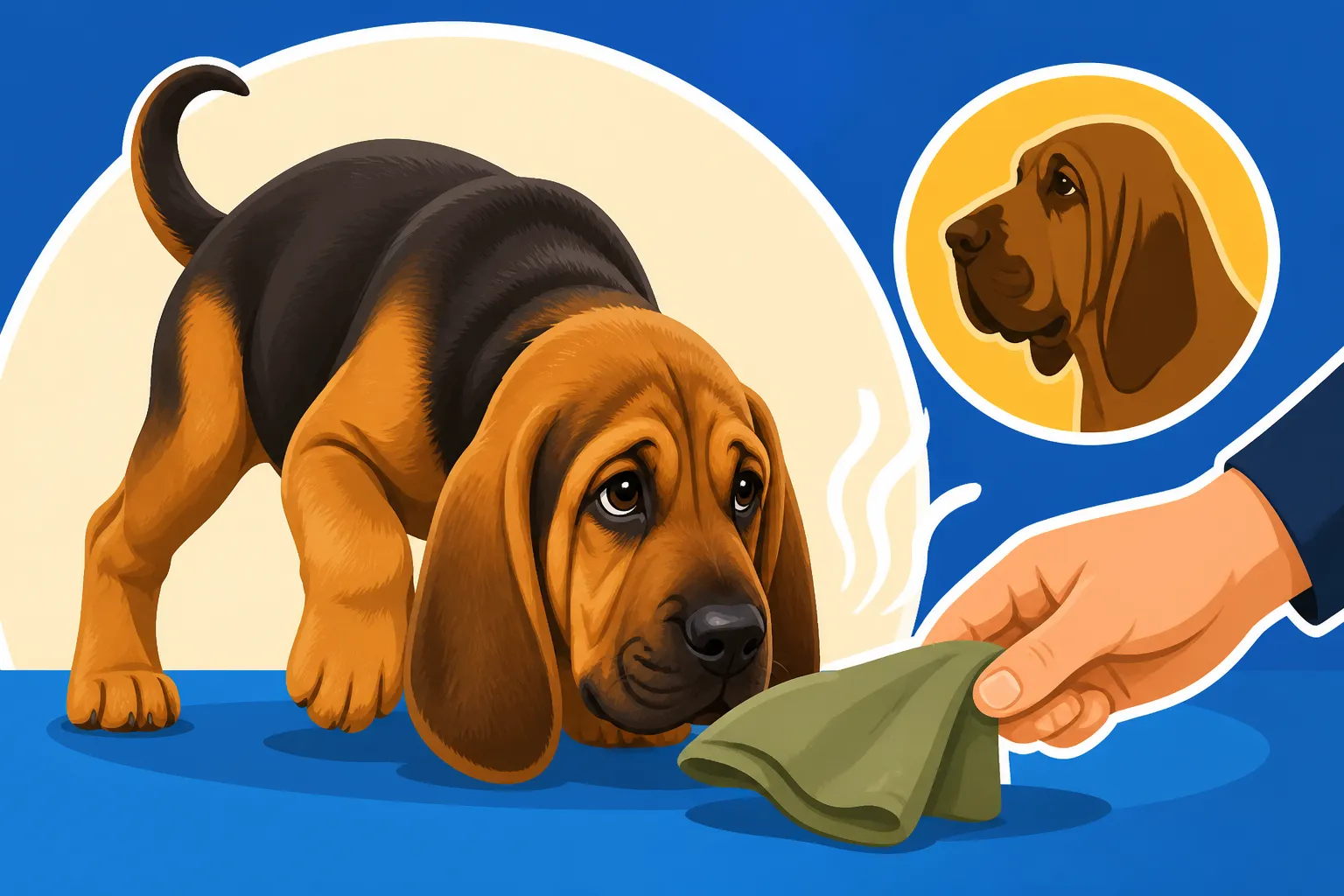
The "scent article" is simply an object that carries the scent of the person you want your Bloodhound to find. The key is that it needs to hold a strong, clear scent of that individual and ideally not be contaminated by other scents.
Here are some good choices:
- Clean cloth/fabric swatch: An old, clean cotton t-shirt, a piece of flannel, or even a washcloth works wonderfully. The fabric weave traps scent well. Make sure it's something recently worn by the "quarry" (the person who will be hidden or walk the trail) and hasn't been washed.
- Worn sock: A sock worn for several hours is a fantastic scent article. Again, it needs to be only worn by the quarry.
- Hat or glove: These items often carry a strong head or hand scent.
- Small toy: If the quarry has a specific toy they've been handling, that can work, but clean fabric is generally better for a pure scent.
What to avoid:
- Items with strong perfume or detergent smells: These can mask the human scent.
- Items handled by many people: You want a singular, clear scent profile.
- Items that have been on the floor or in a dog bed: These pick up too many environmental odors.
The best practice is to have the "quarry" handle the chosen item for at least 15-30 minutes, keeping it next to their skin. Then, place it directly into a clean, airtight container (like a Ziploc bag or a glass jar) until you're ready to use it. This preserves the scent and prevents contamination.
Essential Equipment for Scent Work
While your Bloodhound is the star, a few pieces of equipment will set you both up for success.
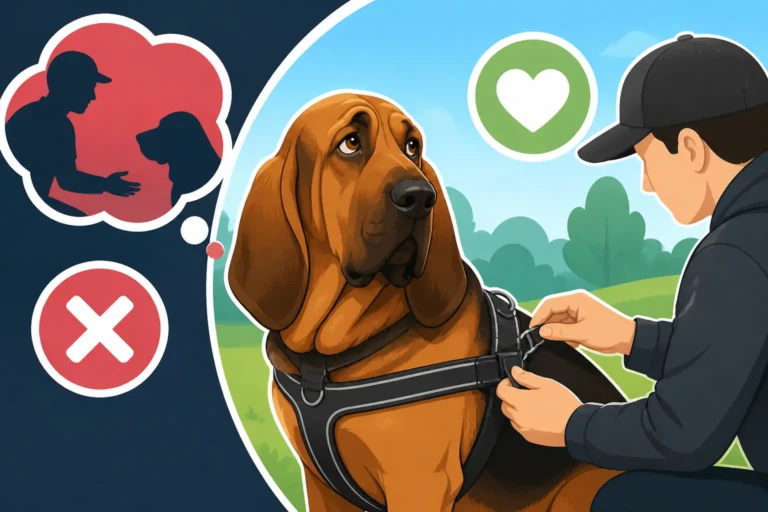
- A Mantrailing Harness: This is non-negotiable for serious scent work. A proper mantrailing harness is designed to distribute pressure across the dog's chest, not its throat, and allows for comfortable, unrestricted movement. It signals to your Bloodhound that it's time to work. Look for harnesses with a ring on the back and a comfortable, padded fit. Many options are available on online retailers like Amazon, or from specialized pet outfitters. Which Harness a Bloodhound Trails In gives more detailed insights.
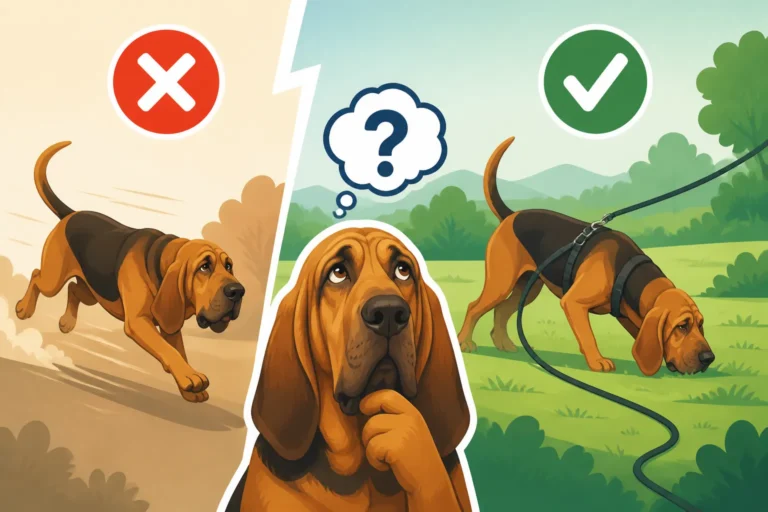
- A Long Line: Forget the retractable leashes! A 15-30 foot long line (or even longer as your puppy progresses) is essential. This allows your Bloodhound to explore the scent cone and follow a trail without being right at your heels. It gives them the freedom they need while still keeping them safely connected to you. You can find durable long lines made from biothane or nylon on Amazon. How Long a Line a Bloodhound Handler Buys offers guidance on length.
- High-Value Rewards: Bloodhounds are motivated by food! Think soft, smelly, pea-sized treats they don't usually get. Cooked chicken, hot dogs, cheese, or specialized training treats are perfect. You'll need a pouch or pocket to carry these.
- A "Quarry" (Helper): This is typically a family member or friend who your puppy knows and likes, willing to hide or lay a short trail.
- A Designated Scent Article Container: As mentioned, an airtight container for preserving the scent article is a must.
- Optional: A "Work" Vest or Special Collar: Some handlers like to put a special vest or collar on their Bloodhound during scent work, again, to clearly signal that it's "work time." This helps the dog differentiate between casual walks and focused trailing.
Preparing the Scent Article
The preparation of the scent article is simple, but critical for ensuring success. The goal is to maximize the quarry's fresh scent and minimize other smells.
- Select the item: Choose a clean, fabric item that the quarry can wear or handle directly against their skin. A recently worn cotton t-shirt or a pair of socks are usually excellent choices.
- Quarry wears/handles the item: Have the designated "quarry" wear the item (e.g., a t-shirt for an hour, socks for a few hours) or handle it extensively with their bare hands for at least 15-30 minutes. They should avoid touching other surfaces or people with the item during this time.
- Store it cleanly: Immediately after handling, the quarry should place the item into a clean, airtight container, like a Ziploc bag or a glass jar. This prevents contamination from other household odors and preserves the scent. Do not let it sit out in the open or touch other items.
- Transport it safely: When you're ready to use it, transport the container to your training area. Only open the container when you are ready to present the scent article to your Bloodhound.
This careful preparation ensures that your puppy is presented with a clear, strong sample of the target scent, making their job much easier and more rewarding in the initial stages.
The First Steps: Making Scent Work a Game
Introducing your Bloodhound puppy to a scent article should feel like the most exciting game they've ever played. The goal is to build massive positive associations with the scent article, the harness, and the act of following a trail. This isn't about rigid commands; it's about fostering their natural talent in a way that feels inherently rewarding.
Starting in a Familiar, Low-Distraction Environment
When you first introduce the scent article, choose a quiet, familiar place where your puppy feels comfortable and there are minimal distractions. Your living room, a quiet backyard, or a low-traffic park area that your puppy already knows are ideal. Avoid busy public spaces, new environments, or times when other pets or people are likely to interrupt.
The familiarity helps your puppy relax and focus on the task at hand rather than being overwhelmed by new sights, sounds, and smells. Begin indoors if possible, as it's easier to control the environment. Start with a very short "trail" – sometimes just a few feet from where you present the scent article to where the quarry is openly visible. The less complex the environment, the more successful your puppy will be, and success is the ultimate motivator!
Keeping it Fun and Positive
This is arguably the most important rule: keep it fun. Your enthusiasm will be contagious. Every single interaction around the scent article and trailing should be positive.
Here's how to ensure a positive experience:
- Excitement is key: When you bring out the harness and the scent article, act excited! Use a special, happy tone of voice.
- Short sessions: Puppies have short attention spans. Keep initial sessions very brief – just a few minutes, maybe 2-3 "finds" per session. It's better to end on a high note, leaving them wanting more.
- Massive praise: When your puppy finds the quarry, lavish them with praise. "Good find! Yes! You did it!" coupled with their high-value treats and perhaps a brief, gentle play session with the quarry.
- No pressure, no corrections: Never scold, pull, or force your puppy if they seem distracted or lose the trail. Scent work is about guiding and encouraging, not correcting. If they get off track, gently redirect them back to where they lost the scent or simply pick up the scent article and try again later. We want them to associate this activity with joy, not pressure. Remember, A Bloodhound's Nose Outvotes Its Handler, so patience is paramount.
- The "magic" of the harness: Only put the trailing harness on when you are doing scent work. This helps create a clear signal for your Bloodhound: "Harness on means we're doing the super fun scent game!" Take it off immediately afterward.
This foundational stage is about building desire and confidence. If your puppy loves the game, they'll be eager to learn more. Many online resources, like those offered by BAXTER & Bella, emphasize positive reinforcement in early puppy training, which is perfectly suited for this approach.
Short Sessions and Big Rewards
As mentioned, short sessions are crucial, especially for a young Bloodhound puppy. Their brains are developing, and they can only sustain focus for so long. Aim for 2-5 minutes of active trailing time, followed by a break. You can do a couple of these mini-sessions throughout the day if your puppy is keen.
The rewards, however, need to be big. This isn't just a pat on the head. When your puppy successfully finds the quarry at the end of even the shortest trail, they should receive:
- Verbal praise: Enthusiastic "YES!" or "GOOD FIND!"
- High-value treats: Several pieces of their absolute favorite treats. Think a jackpot of chicken or cheese.
- Quarry interaction: The quarry should also be excited, petting the puppy and engaging in a short, happy interaction. This reinforces that the person is the ultimate reward.
- A special toy (optional): Some puppies enjoy a quick tug or play with a specific toy only brought out during scent finds.
The combination of these rewards creates a powerful positive feedback loop. Your puppy quickly learns that following that specific scent leads to incredible things. It reinforces their natural instincts and makes them associate the scent article, the harness, and the quarry's scent with immense satisfaction. This positive start is vital for fostering a lifelong love for scent work.
Progressing to a Simple "Runaway" Trail
Once your Bloodhound puppy understands that the scent article leads to a hidden person and great rewards, you can start making the "game" a little more challenging. The next step is introducing a simple "runaway" trail, where your helper actually walks a short path before hiding. This mimics real-world trailing more closely and helps your puppy learn to follow a linear scent line.
The Role of a Helper
Your helper, or "quarry," is absolutely indispensable in this stage. They are the person your Bloodhound puppy will be looking for, and their role is to lay a clean, clear scent trail and then be an enthusiastic reward at the end.
- Familiarity is best: In these early stages, use a helper your puppy already knows and likes. This familiarity reduces anxiety and strengthens the bond associated with the 'find'.
- Clean scent: The helper should handle the scent article extensively before the session. They should also be careful not to walk through areas where other people or animals have recently been, to avoid confusing scent distractions.
- Enthusiastic at the find: When your puppy finds them, the helper should be overjoyed! Lots of happy voices, petting, and doling out those high-value treats. This reinforces that finding the person is the ultimate goal and reward.
- Consistency: The helper should try to be consistent in how they lay the trail and how they react at the end. This predictability helps your puppy learn the routine.
Remember, the helper is not there to tease or trick the puppy, but to facilitate a successful and rewarding experience.
Laying a Clear, Short Trail
The first runaway trails need to be incredibly simple and straightforward to ensure success and build confidence. Think of them as baby steps on a long journey.
- Choose a suitable area: Again, start in a low-distraction, familiar outdoor area. A quiet park, a large grassy field, or even your own backyard if it's big enough. Ensure the ground surface is relatively consistent and free of major obstacles.
- Start point (Scent Introduction): The helper leaves the scent article at a designated "start flag" or clear marker. This could be a small cone or just a distinctive spot.
- The "Runaway": The helper then walks a very short, straight line away from the scent article, for maybe 5-10 yards initially. They should walk naturally, dragging their feet a little to deposit more scent. At the end of this short path, they hide in plain sight – behind a bush, a tree, or even just turning their back slightly. The goal is for them to be easily found. How Many Yards a Bloodhound's First Runaway Should Be provides more detail on ideal distances.
- No crossing the trail: Crucially, neither you nor the helper should walk over the laid trail once it's set. You'll approach the start point from a different angle.
- Wind considerations: On calm days, wind isn't a huge factor, but if it's breezy, try to lay the trail crosswind or downwind so the puppy can easily pick up the scent.
The clarity of the trail is everything at this stage. We're teaching the puppy the concept of following a person's individual scent, not testing their ability to work a complex scene.
Guiding Your Puppy to the "Find"
Once the trail is laid and the helper is hidden, it's your turn to guide your Bloodhound puppy.
- Harness and line on: Put your puppy in their trailing harness and attach the long line. This signals work time.
- Present the scent article: Go to the start flag where the scent article was left. Hold the scent article to your puppy's nose, letting them take a good, deep sniff. Use a special cue like "Find [Helper's Name]!" or "Seek!" but keep it consistent.
- Allow exploration: Let the long line run out and allow your puppy to move freely, nose to the ground. Don't pull them or try to dictate their path. Let them follow their nose. Your job is to simply hold the line and follow along, observing their behavior.
- Follow their lead: If your puppy looks up, seems confused, or gets off track, you can gently guide them back to where they last had the scent, or simply stand still and let them reorient themselves. Resist the urge to point or give too many verbal commands. The dog's nose is in charge.
- The "Find": When your puppy reaches the helper, celebrate immediately! "YES! Good find!" followed by enthusiastic praise, treats, and happy interaction with the helper. Make it a huge party. This positive climax solidifies the entire process.
- End on a high note: After the celebration, take the harness off. This clearly marks the end of the work session. Even if you plan another short trail, take a break first.
Consistency is key here. Every time you bring out the harness and the scent article, your puppy should know exactly what's expected: follow the scent, find the person, get rewarded! This builds a strong, positive association with the entire scent work process.
Common Pitfalls and Troubleshooting
While Bloodhounds are naturally gifted at scent work, training isn't always a straight line. There will be days when your puppy seems distracted, confused, or just not interested. Understanding common pitfalls and how to troubleshoot them with patience and kindness is crucial for long-term success.
When Your Puppy Loses Interest
It can be disheartening when your Bloodhound, supposedly a scenting prodigy, suddenly seems bored or refuses to follow a trail. Don't despair; it's a common issue, and usually, the fix is simpler than you think.
- Trail is too hard: This is the most frequent culprit. The trail might be too long, too old, too contaminated, or in an area with too many distractions. Dial it back significantly. Go back to a super short trail in your living room, where the quarry is visible just a few feet away. Success builds confidence and desire.
- Rewards aren't high-value enough: Is that kibble really exciting enough? Bloodhounds work for what they really want. Up the ante with cooked meats, cheese, or novel, stinky treats. The reward needs to be worth the effort of the "hunt."
- Over-training: Puppy brains get tired! Are you doing too many sessions or making them too long? Keep them short and sweet, always ending on a success.
- Contaminated scent article: Was the scent article handled by multiple people, or left out where it picked up other smells? A clear, strong target scent is vital.
- Environmental distractions: Is the area too busy? Other dogs, people, cars, or exciting smells can pull your puppy's attention away. Choose a quieter spot.
- Puppy isn't feeling well: Just like us, sometimes our dogs have off days. If they seem lethargic or unwell, it's not the day for scent work.
If your puppy loses interest, simply stop the session. Don't force it. Make it a fun experience they always look forward to, not a chore. Try again later, making it easier and more rewarding.
Over-Correcting or Pressuring Your Bloodhound
This is a critical mistake that can quickly sour your Bloodhound's love for scent work. Bloodhounds are sensitive dogs, and pressure, harsh corrections, or frustration from the handler can shut them down.
- No physical corrections: Never yank the long line, kick, or physically punish your Bloodhound for making a mistake or getting distracted. This will teach them to fear the work, not to do it better.
- Avoid verbal scolding: Raising your voice, saying "no," or expressing disappointment during a trailing session is counterproductive. Your Bloodhound thrives on positive reinforcement and encouragement.
- Don't micromanage: Resist the urge to constantly point, prod, or tell your Bloodhound where to go. They have the nose; you have the leash. Your role is to follow, not lead. Let them figure it out. If they're off trail, just gently re-guide them to where they last had a strong scent, or let them circle to find it again.
- Patience is key: Bloodhounds are methodical. They might pause, circle, or seem to wander as they work out a scent puzzle. Give them time and space to think with their nose. Rushing them will only lead to confusion and frustration for both of you.
Remember, the Bloodhound's trailing method is a natural behavior, not a learned trick. We are simply providing the framework for them to express it. If you find yourself getting frustrated, take a deep breath. It's okay to end a session early and try again later with a fresh mindset. The goal is enjoyment for both of you. Mantrailing Is the Answer to a Bloodhound, Not Obedience highlights why this positive approach is so crucial for the breed.
Maintaining Scent Integrity
The strength and purity of the scent article are paramount, especially for a young puppy learning the ropes. A contaminated or weak scent article makes the job much harder for your Bloodhound and can lead to confusion and lack of interest.
- Handle with care: Only the quarry should handle the scent article prior to placing it in the airtight container. Minimize your own handling of the article before presenting it to your dog. If you need to pick it up after the quarry has placed it, use gloves.
- Airtight storage: Always store the scent article in a clean, airtight bag or container. This keeps foreign odors out and the target scent locked in.
- Fresh is best (for puppies): While experienced Bloodhounds can trail very old scents, for puppies, the fresher the scent, the better. Try to lay the trail and work it within 30 minutes to an hour of the scent article being created.
- Avoid cross-contamination: Don't let your puppy's favorite toy or bedding touch the scent article. Ensure the start point is as free from other distracting smells as possible.
- Use different articles for different people: If you're going to have multiple people act as quarries, use distinct scent articles for each person, or at least ensure a fresh article each time.
By paying meticulous attention to scent integrity, you set your Bloodhound puppy up for the clearest possible signal, making it easier for them to succeed and build confidence in their incredible nose.
Integrating Scent Work into Daily Life
Introducing your Bloodhound puppy to a scent article isn't a one-time event; it's the beginning of a lifelong journey of engagement and partnership. To truly nurture their natural abilities, scent work needs to become a regular, cherished part of your routine. This integration ensures they remain mentally stimulated, happy, and continue to develop their impressive skills.
Continuing Reinforcement at Home
Scent work doesn't always require a grand outing to a park. Many opportunities exist right in your home or backyard to reinforce your Bloodhound puppy's burgeoning scenting skills.
- Mini-finds indoors: Hide a family member (the "quarry") in another room or behind furniture, present the scent article, and let your puppy track them down. This keeps the game fresh and fun, even on rainy days.
- Scent games with toys: While not strict trailing, hiding your puppy's favorite toy (that you've rubbed with your scent) and having them "find" it is another way to engage their nose. This reinforces the idea of using their nose to locate specific items.
- Consistency with the harness: Continue to use the special trailing harness only for scent work. This strong association helps your puppy understand when it's "work time" versus "play time." As discussed in Why a Bloodhound Works on a Long Line, Not a Collar, the harness is a critical cue.
- "Find It" games with treats: Scatter treats in the grass or hide them around a room and let your puppy use their nose to find them. This builds focus and reward for sniffing.
- Short, daily engagements: Even a 5-10 minute session a few times a week can make a huge difference in your Bloodhound's mental well-being and continued development. It's about consistent, positive engagement.
These small, consistent efforts reinforce the joy and reward associated with using their nose, making them eager for more structured trailing sessions. It's about making scent work a natural and regular part of their daily life, not just an occasional novelty.
Gradually Increasing Complexity
As your Bloodhound puppy gains confidence and skill, you can slowly begin to introduce more challenging elements to their trails. Remember, "gradually" is the operative word – push them just enough to learn, but not so much that they get frustrated.
Here are ways to increase complexity:
- Longer trails: Extend the length of the trail from 10 yards to 20, then 30, and so on. Always ensure success at each new distance before increasing further.
- Older trails: Once your puppy is confidently trailing fresh scents, try letting the trail sit for 15-30 minutes before working it. This introduces the concept of an "aging" trail.
- More complex terrain: Move from flat, open grass to areas with light vegetation, gentle curves, or subtle changes in surface (e.g., grass to a dirt patch). Avoid asphalt initially, as it holds scent differently.
- Simple obstacles: Have the quarry walk around a tree, over a low log, or through a very shallow ditch.
- "Blind" finds: Instead of the quarry hiding in plain sight, have them truly hide, out of your puppy's direct line of sight. This teaches the puppy to trust their nose completely.
- Adding mild distractions: Work in areas with very mild background distractions, like distant foot traffic or a few parked cars, but ensure the primary scent is still clear. Never overwhelm them.
- Multiple quarries (advanced): Much later, you can introduce the concept of distinguishing one person's scent from another, but only after they've mastered single-person trails.
Always observe your puppy closely. If they start to struggle, back up to an easier level. Success at an easier level is always better than failure at a harder one. The idea is to incrementally build their problem-solving skills and confidence.
Preparing for Formal Training
While starting scent work at home is fantastic, many Bloodhound owners eventually want to explore more formal training. This could be anything from local scent work classes to competitive mantrailing or even search and rescue. Early, positive home training provides an excellent foundation for these pursuits.
- Building a strong foundation: The consistent, positive reinforcement you've established at home will make transitioning to formal classes much smoother. Your puppy will already understand the basic concept of following a scent article to a quarry.
- Socialization: If you plan on formal training, ensure your Bloodhound puppy is well-socialized to new environments, people, and (calm) dogs. While they work with their nose down, they will still encounter these elements in a class setting. Whether a Bloodhound Puppy Should Be Socialized to Traffic Early is a good read for broader socialization tips.
- Understanding professional methods: Look for instructors who use positive, force-free training methods, especially for scent work. A good trainer will understand the Bloodhound's unique drive and how to channel it effectively. You might want to explore programs like BAXTER & Bella for virtual or in-person guidance on foundational skills.
- Equipment familiarity: Your puppy will already be comfortable in their trailing harness and working on a long line, which are standard tools in formal scent work. What a Mantrailing Harness and Long Line Cost gives you an idea of the investment involved.
- Enjoy the journey: Whether you pursue competitive titles or simply enjoy engaging your Bloodhound's nose for fun, the journey of scent work is incredibly rewarding. It strengthens your bond, provides unparalleled mental stimulation for your dog, and allows them to fulfill their deepest instinct.
| Stage of Scent Introduction | Key Goals | Environment | Trail Length | Rewards | Common Pitfalls |
|---|---|---|---|---|---|
| Initial Exposure | Build positive association with scent & find | Familiar, low-distraction home | 1-3 feet | High-value treats, enthusiastic praise | Too much pressure, poor scent |
| Simple Runaway | Understand following a linear scent line | Familiar, quiet outdoor area | 5-10 yards | High-value treats, quarry interaction | Trail too hard, weak scent |
| Increasing Complexity | Develop focus, problem-solving on trail | Varied outdoor areas, mild distractions | 10-50+ yards | Consistent high-value rewards | Over-challenging, impatience |
This table provides a quick overview of the progression. Always remember to prioritize your Bloodhound's enjoyment and success, and you'll foster a truly incredible working partnership.
Disclaimer
This article is for general informational purposes only and does not constitute professional advice. Laws, prices and regulations vary by location and change over time. Consult a qualified professional for guidance on your specific situation.