How Long a Line a Bloodhound Handler Buys
One of the biggest challenges for Bloodhound owners is managing their dog's incredible nose and powerful drive when out and about. A traditional 6-foot leash simply doesn't cut it for these scent hounds, leading to constant pulling, frustration, and a dog that feels stifled. This guide is here to walk you through understanding why longer lines are not just a luxury but a necessity for Bloodhounds and how to choose the right length for various activities, ensuring both your safety and your Bloodhound's contentment.
The Indispensable Long Line for Bloodhounds
If you've ever walked a Bloodhound on a standard short leash, you know the struggle. Their head is down, nose to the ground, pulling relentlessly because their world is a vibrant tapestry of scent that a short lead constantly interrupts. For a Bloodhound, the ability to follow a trail, even a casual one on a walk, is not just an activity; it's an inherent, powerful drive. When they're unable to fully engage this drive, they can become frustrated, which can manifest as excessive pulling, whining, or even a general sense of unease.
A long line, sometimes called a tracking line or a drag line, changes the entire dynamic. It provides your Bloodhound with a generous radius of freedom to explore scents, allowing them to feel less restrained while still remaining safely connected to you. Think of it as giving them a longer "leash" to express their true nature. This isn't about letting them run wild; it's about allowing them to immerse themselves in their olfactory world without reaching the end of the line every few seconds. This greater freedom helps satisfy their instinctual need to trail, making walks more enjoyable for both of you and reducing the constant tension on your arm.
This is especially critical when you consider that Why Off Leash Is Not a Goal With a Bloodhound. Their nose will always trump their recall when a fascinating scent is involved. A long line allows them to follow that fascinating scent for a considerable distance, giving them the mental and physical exercise they desperately need, all while keeping them out of harm's way. It's a compromise that respects their breed-specific traits while maintaining control in open spaces. Without a long line, you're constantly fighting against their nature, which is a battle you're unlikely to win in the long run.
Matching Line Length to Your Bloodhound's Activity
Choosing the right line length isn't a one-size-fits-all situation; it largely depends on the activity you're engaging in and the environment you're in. What works for a quick potty break might be entirely inadequate for serious scent work. It's often helpful to have a few different lengths on hand to suit various needs.
Everyday Walks and Leash Training
For your average neighborhood stroll, especially in urban or suburban areas where you'll encounter other dogs, people, and traffic, a shorter line is perfectly acceptable and often necessary for safety.
- 6-10 Foot Lines: These are your standard "walking" leashes. They're good for teaching basic leash manners, practicing heeling in distraction-rich environments, and navigating crowded spaces. While a Bloodhound's nose will still be glued to the ground, this length offers immediate control for quick corrections or to steer them away from potential hazards. It's also suitable for trips to the vet or pet store. For many owners, a durable, comfortable nylon or biothane leash in this length, perhaps found at a general pet supply store or online through retailers like Chewy, is a staple.
Controlled Exploration and Backyard Play
When you want to give your Bloodhound a bit more freedom to sniff and explore in a relatively safe, open area, but not full tracking autonomy, a medium-length line comes into play.
- 15-30 Foot Lines: These are fantastic for larger parks, open fields, or secure backyards where you want to practice recall or simply let your Bloodhound wander and investigate without feeling constantly tethered. They're also great for introductory scent games or simply letting them decompress after being on a shorter leash. This length allows them to make wider arcs and follow interesting scent trails for a short distance, which is incredibly satisfying for them. It’s also a good length for working on basic obedience commands at a distance. If you're wondering Whether a Bloodhound Can Be Called Off a Scent, a longer line can give you that crucial extra second to intervene.
Dedicated Scent Work and Trailing
This is where the Bloodhound truly shines, and where the longest lines become not just useful, but absolutely essential. If you're serious about letting your Bloodhound engage in what they were bred to do, whether for sport, hobby, or even actual search work, a significantly longer line is non-negotiable.
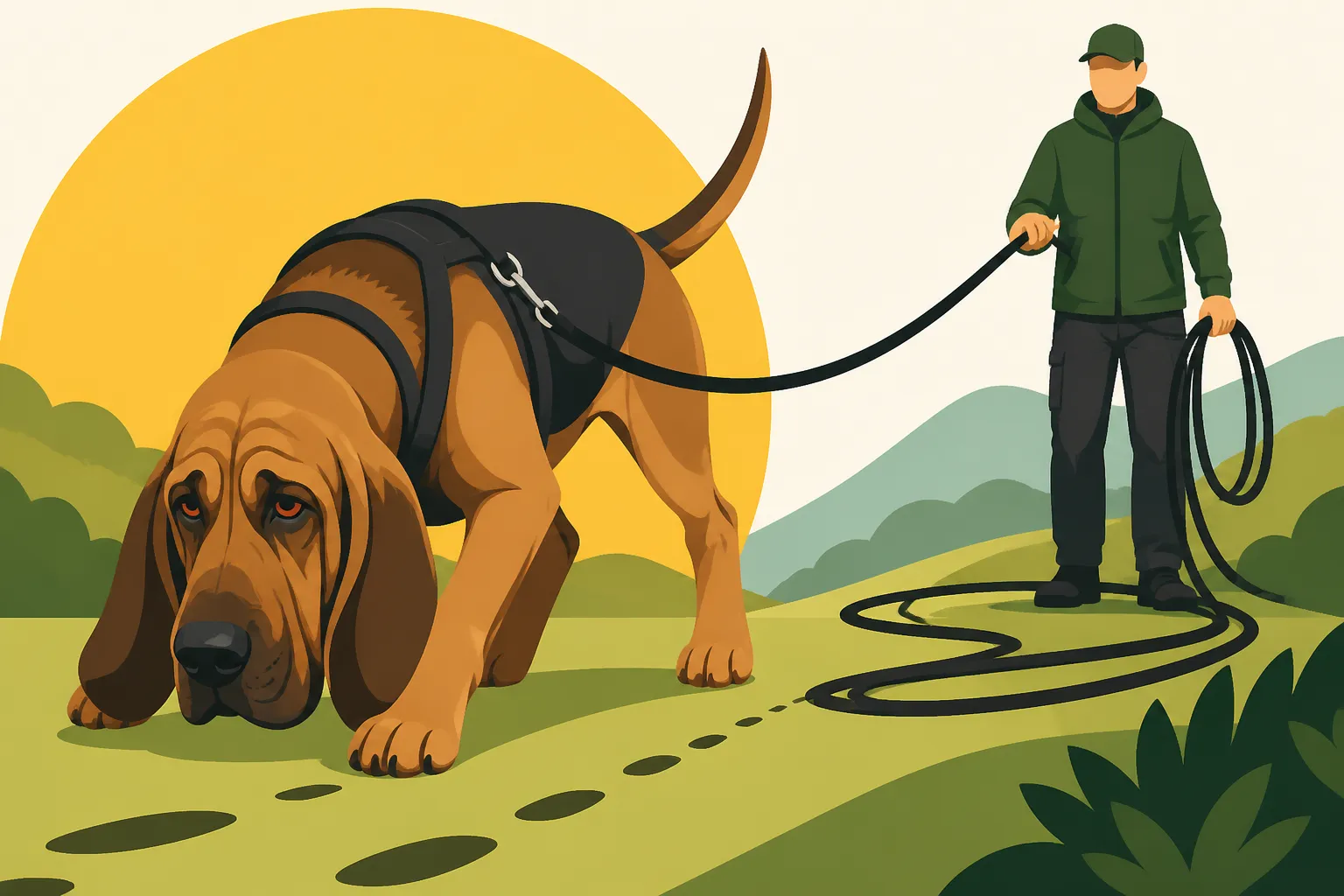
- 50-100+ Foot Lines: These are your serious tracking or mantrailing lines. They are designed to allow your Bloodhound to work a trail with minimal interference from the handler. A Bloodhound needs this length to follow the intricate, often winding path of a scent without being jerked off course by a short leash. When a Bloodhound is working, its focus is absolute, and a handler needs to allow them the space to interpret the scent without physically guiding them. This length means you can stay further back, observing their subtle cues and letting them "hunt" the scent. This is the length that truly enables a Bloodhound to engage in Mantrailing Is the Answer to a Bloodhound, Not Obedience, giving them the space to use their extraordinary nose. For those starting a young dog, a line in this range is perfect for Starting a Bloodhound Puppy on a Trail. You might even wonder How Long a Line Suits a Bloodhound in the Open – the answer often approaches these maximum lengths.
Here's a quick comparison of line lengths and their typical uses:
| Line Length | Typical Use Case | Environment | Handler Involvement | Key Benefit for Bloodhound |
|---|---|---|---|---|
| 6-10 Feet | Urban walks, vet visits, crowded areas, basic obedience | Populated, confined | High | Immediate control, safety in traffic |
| 15-30 Feet | Park exploration, recall practice, light scent games | Open fields, secure yards | Medium | More freedom to sniff, distance obedience |
| 50-100+ Feet | Mantrailing, tracking, serious scent work | Rural, large open spaces | Low (following) | Full expression of trailing instinct, minimal interference from handler |
Choosing the Right Material and Features for Your Long Line
Once you've settled on the ideal length (or lengths!) for your Bloodhound's activities, the next step is to consider the material and features. This isn't just about durability; it's about comfort for you and your dog, safety, and ease of use.
Material Matters
The material of your long line significantly impacts its performance, feel, and maintenance.
- Biothane: This is a fantastic synthetic material that looks and feels a bit like leather but is incredibly durable, waterproof, and easy to clean. It doesn't absorb odors, won't get tangled easily, and holds up well in various weather conditions. It's a favorite among professional trackers because it doesn't get heavy when wet and is resistant to rot and mildew. If you're doing serious trailing, especially in wet or muddy conditions, Biothane is often worth the investment.
- Nylon: A very common and versatile material. Nylon lines are strong, relatively lightweight, and come in a wide range of colors. They are generally affordable and widely available. However, nylon can absorb water, which makes it heavier when wet and can lead to mildew if not dried properly. It can also cause rope burns if it slides quickly through your hands. For casual use or shorter lines, nylon is a good choice.
- Cotton/Canvas: These natural fiber lines are soft on the hands and generally quiet, which can be an advantage when tracking. They offer good grip but can be very prone to absorbing water and dirt, making them heavy, hard to clean, and susceptible to rot. They might not be the best choice for a Bloodhound's intensive, often muddy, scent work unless you're prepared for rigorous cleaning.
Hardware and Features
Don't overlook the details on the line itself!
- Snaps/Clips: Look for a heavy-duty brass or stainless steel snap. Your Bloodhound is strong, and a flimsy snap is a recipe for disaster. Swivel snaps are excellent as they prevent the line from twisting and tangling, which is especially important on longer lines.
- No Handle (for long lines): This might sound counterintuitive, but for lines 30 feet or longer, a handle can be a safety hazard. If your Bloodhound bolts or you accidentally drop the line while trailing, a handle can get caught on obstacles, or worse, on your foot, causing you to trip. A long line without a handle is designed to drag safely behind the dog if dropped, allowing you to quickly step on it to regain control. For shorter lines (6-10 ft), a comfortable, secure handle is, of course, essential.
- Width and Thickness: A wider, thicker line is generally more durable and less likely to break, but it can also be heavier and bulkier. A good balance is key. For a Bloodhound, you'll want something robust enough to withstand their strength, usually at least 1/2 inch to 5/8 inch wide for the longest lines. Remember, Why a Bloodhound Works on a Long Line, Not a Collar, meaning the line is often your primary connection.
- Color: While not strictly functional, a bright color can be helpful for visibility, especially if the line is dragging on the ground and you need to locate it quickly in tall grass or low light.
- Durability and Safety: Always inspect your lines regularly for wear and tear, especially where the snap attaches. A worn line can fail at the worst possible moment. When purchasing, consider reputable brands known for their quality tracking gear. While major retailers like Chewy offer a range of options, sometimes specialized online shops or local dog training supply stores might have lines specifically designed for working breeds. For peace of mind regarding unforeseen accidents during enthusiastic trailing, having pet insurance like Healthy Paws can be incredibly beneficial.
When you're out there with your Bloodhound, whether it's for a casual sniff-walk or an intense trailing session, the right line makes all the difference. It fosters a safer, more enriching experience for your amazing scent hound. And always remember, proper nutrition, perhaps with a diet from a brand like Ollie, is key to fueling their incredible energy and focus for all their scent-driven adventures.
Disclaimer
This article is for general informational purposes only and does not constitute professional advice. Laws, prices and regulations vary by location and change over time. Consult a qualified professional for guidance on your specific situation.