Whether a Bloodhound Can Be Called Off a Scent
It's a familiar scenario for so many Bloodhound owners: you're out walking, perhaps enjoying a quiet moment, when suddenly your hound's nose locks onto a scent. In that instant, it's as if the world shrinks to a single, invisible thread, and your usually responsive companion transforms into a deaf, single-minded tracking machine. The question then becomes, can you actually call a Bloodhound off a scent once they've committed? This guide dives deep into the realities of Bloodhound recall, exploring why it's such a challenge and how owners can manage this powerful instinct for safety and a harmonious life together.
Understanding the Bloodhound's Overwhelming Drive
To truly grasp why calling a Bloodhound off a scent is so difficult, we first have to appreciate the sheer intensity of their drive. It’s not merely a strong preference; it’s an all-consuming passion, ingrained deep within their very being. They aren't just sniffing casually; they are actively processing a complex tapestry of information with an acuity we can barely imagine.
The Primacy of Scent for a Bloodhound
For a Bloodhound, scent isn't just something they detect; it is their primary way of experiencing and understanding the world around them. Think of it like this: for us, sight is our dominant sense, informing most of our perceptions and decisions. For a Bloodhound, that role belongs unequivocally to their nose. They possess an astounding number of olfactory receptors – orders of magnitude more than humans – and their brains are uniquely wired to interpret these intricate scent pictures. When they put their nose to the ground, they are literally reading a story written in molecules, unfolding events and identifying individuals with incredible precision. They can tell you where someone went, how long ago, and even in which direction. How Many Scent Receptors a Bloodhound Has
This isn't a hobby for them; it's their life's purpose, forged over centuries of selective breeding. Their entire physical structure, from their long, droopy ears that sweep scent towards their nose to their loose facial skin that traps scent molecules, is designed for this singular task. When they find a compelling trail, it’s not a distraction; it's the most profound, rewarding, and genetically fulfilling experience they can have. It’s the equivalent of a musician hearing a perfect symphony or an artist seeing a breathtaking masterpiece – an experience so rich and all-encompassing that everything else fades into the background.
The "In the Zone" Phenomenon
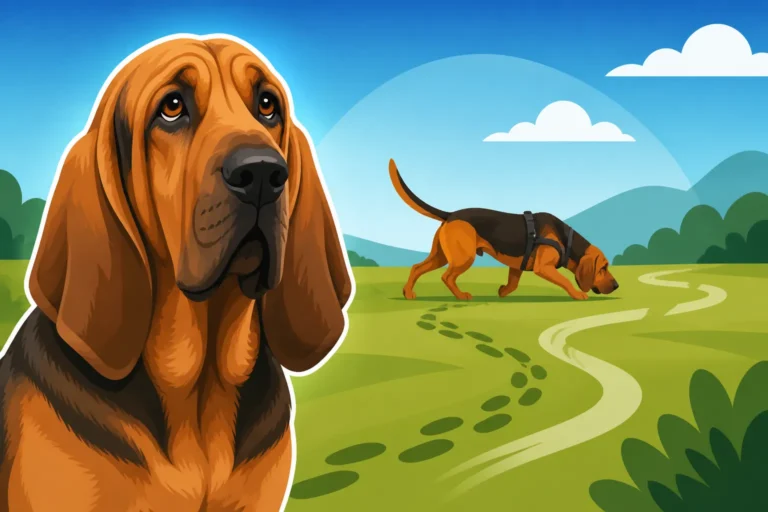
When a Bloodhound is "in the zone," actively trailing a scent, their mental and physical state shifts dramatically. It’s not mere concentration; it’s an immersive, almost trance-like focus that allows them to filter out virtually all other stimuli. If you've ever seen a Bloodhound on a hot trail, you've witnessed this transformation. Their head is down, nose glued to the ground, tail often held high and wagging with intense purpose. Their gait becomes fluid and driven, often a loping trot or a determined walk, pulling steadily forward.
During this time, external sounds, sights, and even the touch of a handler can become secondary, if they register at all. Your voice, no matter how urgent or familiar, often sounds like background noise to them, overridden by the intricate symphony of scents their nose is processing. They aren't being stubborn or disobedient; their brain is simply dedicating all its processing power to the trail. It's a primal, instinctual override that is incredibly difficult for a domestic dog to switch off. Imagine trying to have a complex conversation with someone while they are engrossed in a thrilling, high-stakes puzzle that demands every ounce of their intellect. That’s a bit like what it’s like to try to call a Bloodhound off a fresh, intriguing scent.
Why Traditional Recall Fails
Given their profound connection to scent, it's no wonder that traditional recall methods, which work wonders for many other breeds, often fall flat with a Bloodhound when a strong scent is involved. It’s not a flaw in the dog's intelligence or your training; it’s a fundamental mismatch between what we ask and what their biology dictates.
Competing Priorities
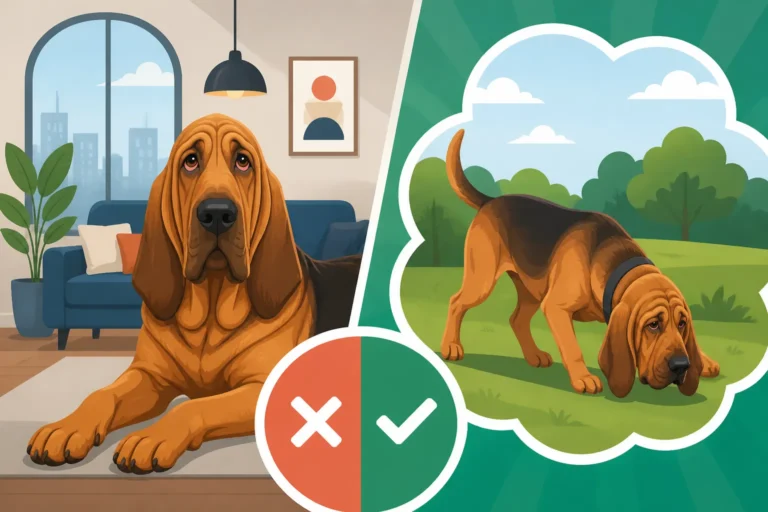
The core issue with traditional recall for a Bloodhound on a scent is one of competing priorities. For most dogs, a well-trained recall means that coming back to their handler offers a higher value reward (treats, praise, a favorite toy, continued playtime) than whatever momentary distraction they are pursuing. With a Bloodhound on a trail, this equation is completely flipped. The intrinsic reward of following that scent is so overwhelmingly powerful that almost nothing you can offer will outweigh it in that moment.
Imagine you're in the middle of solving a deeply engaging mystery, one that promises a huge, satisfying reveal, and someone offers you a small, everyday snack. You'd probably politely decline or ask them to wait. For a Bloodhound, a hot scent is that captivating mystery. A piece of chicken or a squeaky toy, while normally fantastic, just doesn't compare to the primal satisfaction of unraveling a complex trail. Why Recall Fails on a Bloodhound Outdoors They aren't defying you; they are simply prioritizing their most fundamental instinct and the incredible, self-reinforcing reward that comes from fulfilling it. It's not personal, it's pure Bloodhound.
The Sensory Overload
Beyond the sheer magnetic pull of the scent, there’s also the aspect of sensory overload. A Bloodhound’s nose is constantly bombarded with information, and when they actively "engage" with a trail, their brain dedicates itself almost entirely to processing that data. Trying to process a verbal command from a human, even a familiar one like "Come!" or "Here!", becomes incredibly difficult. Their auditory pathways might simply be overwhelmed or deprioritized by the torrent of olfactory information.
It’s not an act of defiance but rather a cognitive limitation in that specific, highly stimulated moment. Their ancient, scent-driven brain isn't designed to multitask effectively between deciphering a complex scent puzzle and responding to a human vocal cue. This is why shouting or getting increasingly frustrated often has no effect; it just adds more confusing noise to an already overloaded sensory system. Recognizing this helps us shift our approach from expecting an instant, automatic response to understanding the deep-seated biological wiring at play.
Realistic Expectations and Management Strategies
So, if traditional recall is often a pipe dream, what's a Bloodhound owner to do? The answer lies not in fighting their instincts, but in understanding, managing, and channeling them productively. This means setting realistic expectations for off-leash behavior and implementing robust management strategies.
Managing the Environment, Not Just the Dog
For a Bloodhound, safety and successful walks are far more about environmental management than about expecting flawless obedience in every situation. The stark reality is that an off-leash Bloodhound in an unsecured area is a Bloodhound at extreme risk. Their nose will lead them, often directly into traffic, onto private property, or miles away from you, completely oblivious to danger. For this reason, Whether a Bloodhound Should Ever Be Let Off Leash is a question with a clear answer: almost never, unless you are in a truly secure, purpose-built enclosure.
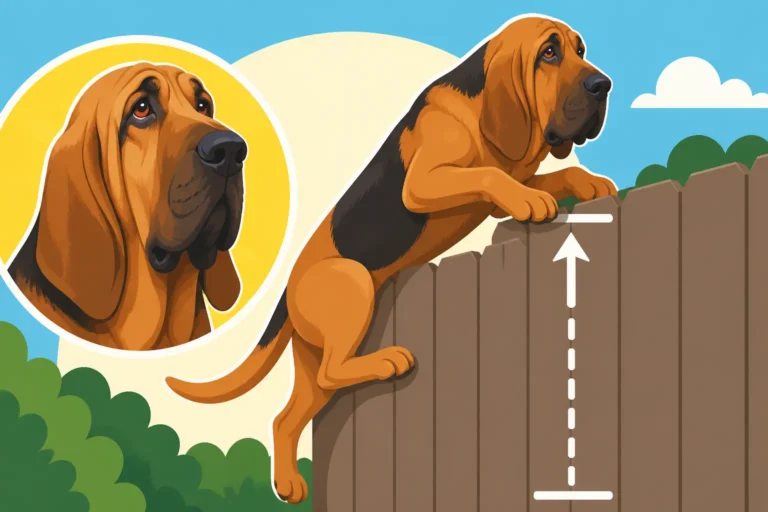
Instead, think about creating controlled environments. A securely fenced yard – and by secure, we mean a fence that is tall, dug in to prevent tunneling, and without gaps they can squeeze through – is paramount. If your yard isn't escape-proof, a long line becomes your best friend. These lines, often 15 to 30 feet long, allow your Bloodhound to explore and follow scents within a safe radius while remaining physically tethered to you. You can find excellent quality long lines made from biothane or durable nylon on platforms like Amazon, offering both strength and ease of cleaning. What Fencing Actually Holds a Bloodhound This approach acknowledges their need to explore with their nose while keeping them safe.
The "Wait" or "Check In" Cue
While a full recall off a hot scent might be unrealistic, a more achievable and incredibly useful goal is teaching a "wait" or "check in" cue. This isn't about stopping them from trailing entirely, but rather about getting them to momentarily pause, look back at you, or shift their weight, acknowledging your presence before continuing. It's about breaking that intense focus for a second or two.
You can teach this by rewarding any voluntary glance back or hesitation, especially when they are just starting to pick up a scent, not when they are fully immersed. Use high-value treats and a specific verbal cue. Practice this in increasingly distracting environments. For example, when they're sniffing a particularly interesting patch of grass, call their name softly. The moment their head comes up or they make eye contact, reward them lavishly. This isn't about commanding them away from the scent, but about asking for a brief, polite interruption. It builds a cooperative relationship where they can still indulge their nose but also maintain some awareness of you.
Embracing Mantrailing as an Outlet
The absolute best way to manage a Bloodhound’s powerful scent drive is to embrace it wholeheartedly and channel it into a productive activity like mantrailing or scent work. Their nose isn’t a problem to be solved; it’s a magnificent gift that simply needs an appropriate outlet. Mantrailing, where your dog follows a specific human scent, provides the ultimate mental and physical enrichment for a Bloodhound. Mantrailing Is the Answer to a Bloodhound, Not Obedience
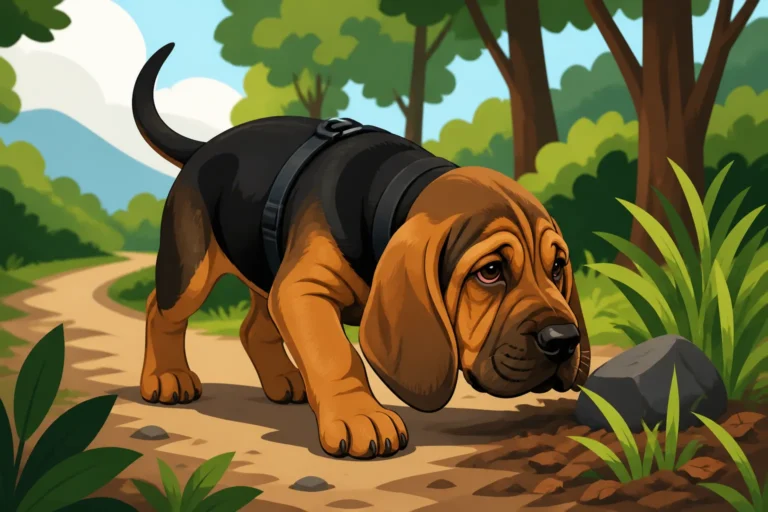
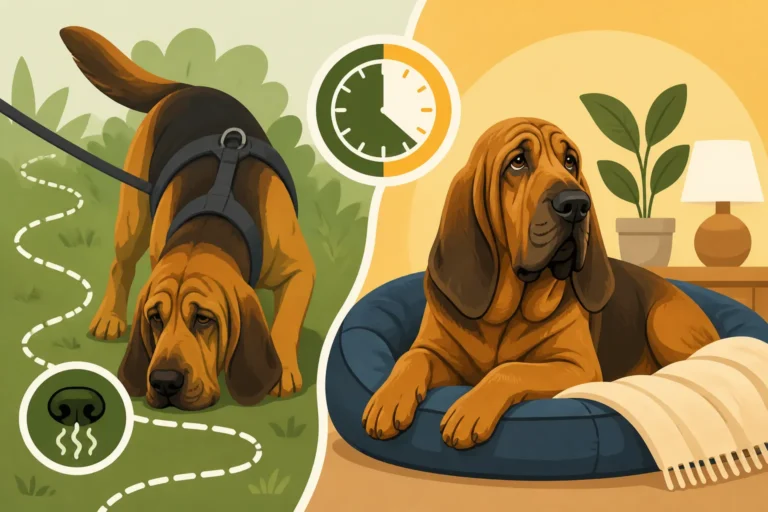
By engaging in structured scent work, you’re not only fulfilling their innate needs but also strengthening your bond and teaching them "on-duty" vs. "off-duty" behaviors. When they're in their tracking harness, they know it's time to work. When the harness comes off, they can be a relaxed, happy pet. Many local training clubs offer mantrailing classes, and online resources, such as those from BAXTER & Bella, can provide fantastic foundational courses for starting scent work at home. This structured activity can significantly reduce their frantic need to indiscriminately follow every scent they encounter during walks because they know they have a dedicated time and place to truly "work" their nose.
Training for a "Reliable Enough" Response
Even with the understanding that a Bloodhound's recall off a hot scent is incredibly challenging, it's still vital to strive for the most reliable response possible. This means building a foundation, understanding different types of cues, and consistently reinforcing desired behaviors.
Building a Strong Foundation in Low-Distraction Areas
The journey to a "reliable enough" response for a Bloodhound begins in the quietest, most low-distraction environments possible. You can't expect a Bloodhound to perform a perfect recall next to a bustling street if they haven't mastered it in your living room. Start with their name and a positive interrupter in a calm space, rewarding any attention they give you with their absolute favorite treats – think cooked chicken, cheese, or hot dogs, not just kibble.
Gradually introduce minor distractions, always ensuring you can guarantee success. A long line is indispensable here, acting as both a safety net and a gentle reminder. If they get too engrossed in a scent, a quick, light tug on the line can break their focus, allowing you to re-engage with your verbal cue and reward. Consistency is key, repeating these exercises daily in short, fun sessions. Think of this foundational work as building a bank account of positive associations with coming when called, so you have some capital to draw on when the distractions inevitably ramp up. This early training is crucial for The First Year With a Bloodhound That Already Wants to Trail.
The Emergency Stop vs. Recall
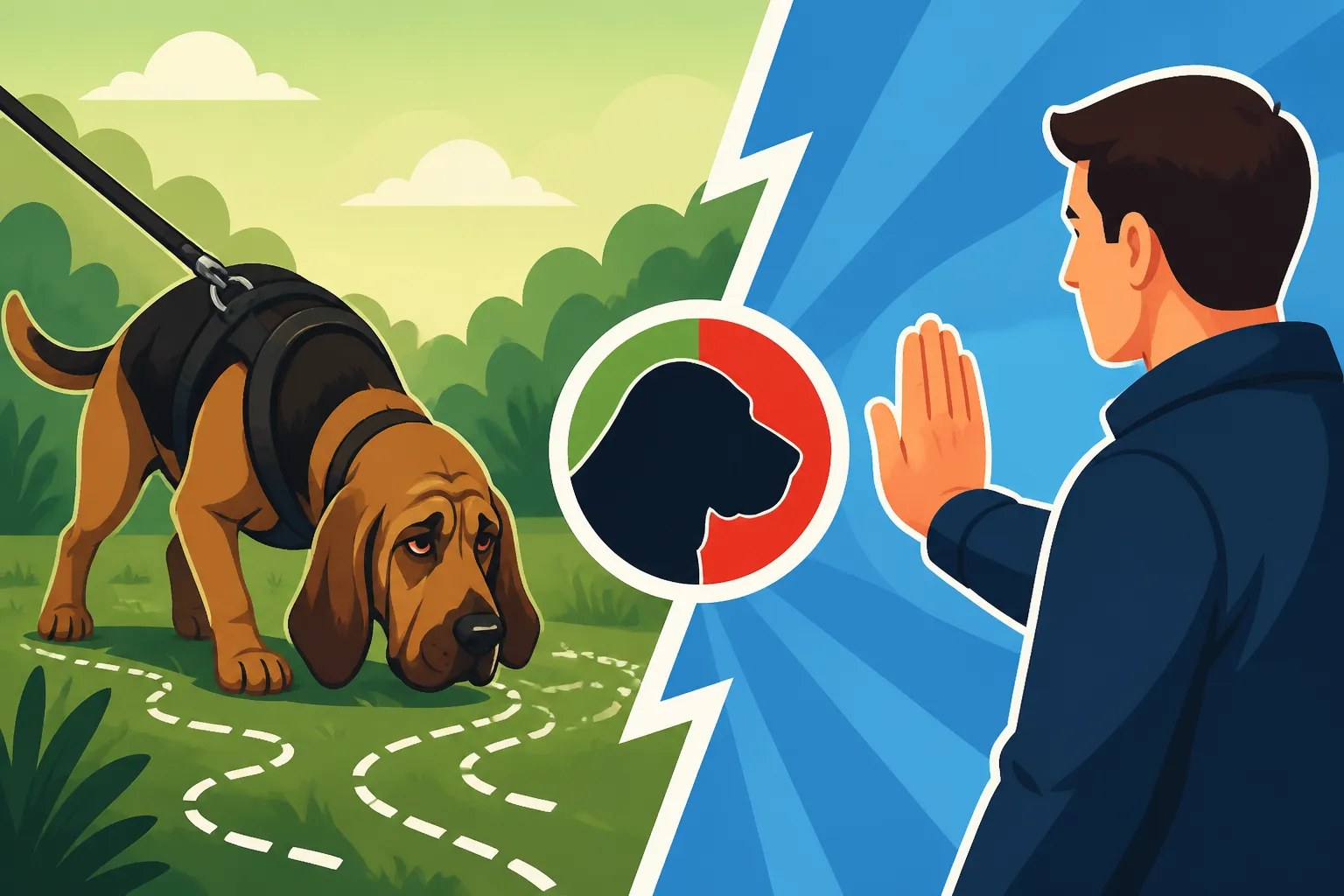
It's helpful to differentiate between an "emergency stop" and a full "recall." A full recall means your dog turns around and comes directly back to you. An emergency stop is about getting your dog to freeze in place, regardless of what they are doing, to prevent them from running into immediate danger. For a Bloodhound, an emergency stop might be more achievable and incredibly life-saving in certain situations.
Training an emergency stop involves a distinct, high-energy verbal cue (like "STOP!" or "HALT!") coupled with a clear hand signal. Practice this extensively in controlled environments, starting with your dog already in motion. As soon as you give the cue, toss an incredibly high-value treat at their feet when they stop, rewarding the immediate cessation of movement. The goal isn't for them to come to you, but to stop dead in their tracks. While still challenging when a powerful scent is involved, a well-proofed emergency stop can buy you precious seconds to grab their long line or intercept them before they bolt into a dangerous situation. It's a pragmatic safety measure, acknowledging the Bloodhound's primary drive while still providing a layer of protection. Whether a Bloodhound Can Learn a Reliable Emergency Stop
Tools and Techniques for Safety and Success
Since we know a Bloodhound's nose often outvotes its handler, leaning on reliable tools and techniques isn't a sign of failure but a testament to responsible ownership. These aids are crucial for keeping your scent-driven companion safe and giving you peace of mind.
Harnesses and Long Lines
For any Bloodhound owner, a high-quality, well-fitting harness and a collection of long lines are non-negotiable pieces of equipment. A harness is far superior to a collar for a Bloodhound because it distributes pressure across their chest and shoulders, rather than their neck. This is especially important for a breed known for pulling strongly when on a scent. Choose a harness that is escape-proof and sturdy, with D-rings or attachment points that inspire confidence.
Long lines come in various lengths, typically from 15 feet up to 50 feet or more, and materials like biothane (easy to clean, waterproof) or nylon. How Long a Line a Bloodhound Handler Buys The choice depends on your environment and how much "freedom" you want to safely give your hound. For city parks or areas with more obstacles, a shorter line might be safer. For wide-open fields, a longer line allows for more exploration. Always inspect your lines and harness for wear and tear before each outing, as a determined Bloodhound can snap a weakened clip or chew through a frayed line surprisingly quickly. Never tie a long line to yourself in a way that could cause injury if your dog suddenly bolts. Instead, loop it around your hand securely or use a hands-free belt designed for dog walking (see Why a Bloodhound Works on a Long Line, Not a Collar).
GPS Trackers
Let's be realistic: even with the most diligent training and management, a Bloodhound can sometimes get away. A gate might be left ajar, a leash could slip, or a squirrel-induced lunge might yank the line from your grasp. When this happens, a Bloodhound's incredible scent drive can lead them miles away in a surprisingly short amount of time. How Far a Loose Bloodhound Will Travel This is where a GPS tracker becomes an invaluable safety net.
Attaching a reliable GPS tracker to your Bloodhound's collar or harness provides an extra layer of protection. These devices use satellite technology to pinpoint your dog's location, often in real-time, sending updates to an app on your smartphone. While not a substitute for proper training, secure containment, or physical supervision, a GPS tracker dramatically increases the chances of a safe reunion should the unthinkable happen. It offers peace of mind knowing that you have a tool to actively search for your hound, rather than relying solely on luck or lost dog posters. Consider it an essential part of your Bloodhound safety kit.
| Command/Goal | Standard Dog Expectation | Bloodhound Reality | Training Focus for Bloodhounds |
|---|---|---|---|
| "Come" (Recall) | Drop everything, return immediately to handler. | May acknowledge, but often prioritizes scent over handler. | "Check-in" or "Wait" for momentary break in focus, not full return. |
| "Leave It" | Disengage from an object/scent. | Extremely difficult when on an active trail; scent is too powerful. | Redirecting focus before they become fully immersed, using high value treats. |
| "Stay" | Remain in place until released. | Highly challenging with compelling scents; duration is limited. | Short duration holds in controlled environments; building tolerance for distraction. |
| Off-Leash Freedom | Safe in many environments with good recall. | Generally unsafe outside of highly secure, known areas; high flight risk. | Restricted to long lines, secure fencing, or dedicated scent work areas. |
| Primary Motivation | Food, toys, praise, handler attention. | The intrinsic reward of following a scent. | Integrating scent work as the ultimate reward, alongside occasional high-value treats. |
Disclaimer
This article is for general informational purposes only and does not constitute professional advice. Laws, prices and regulations vary by location and change over time. Consult a qualified professional for guidance on your specific situation.