How Hard a Bloodhound Puppy Mouths
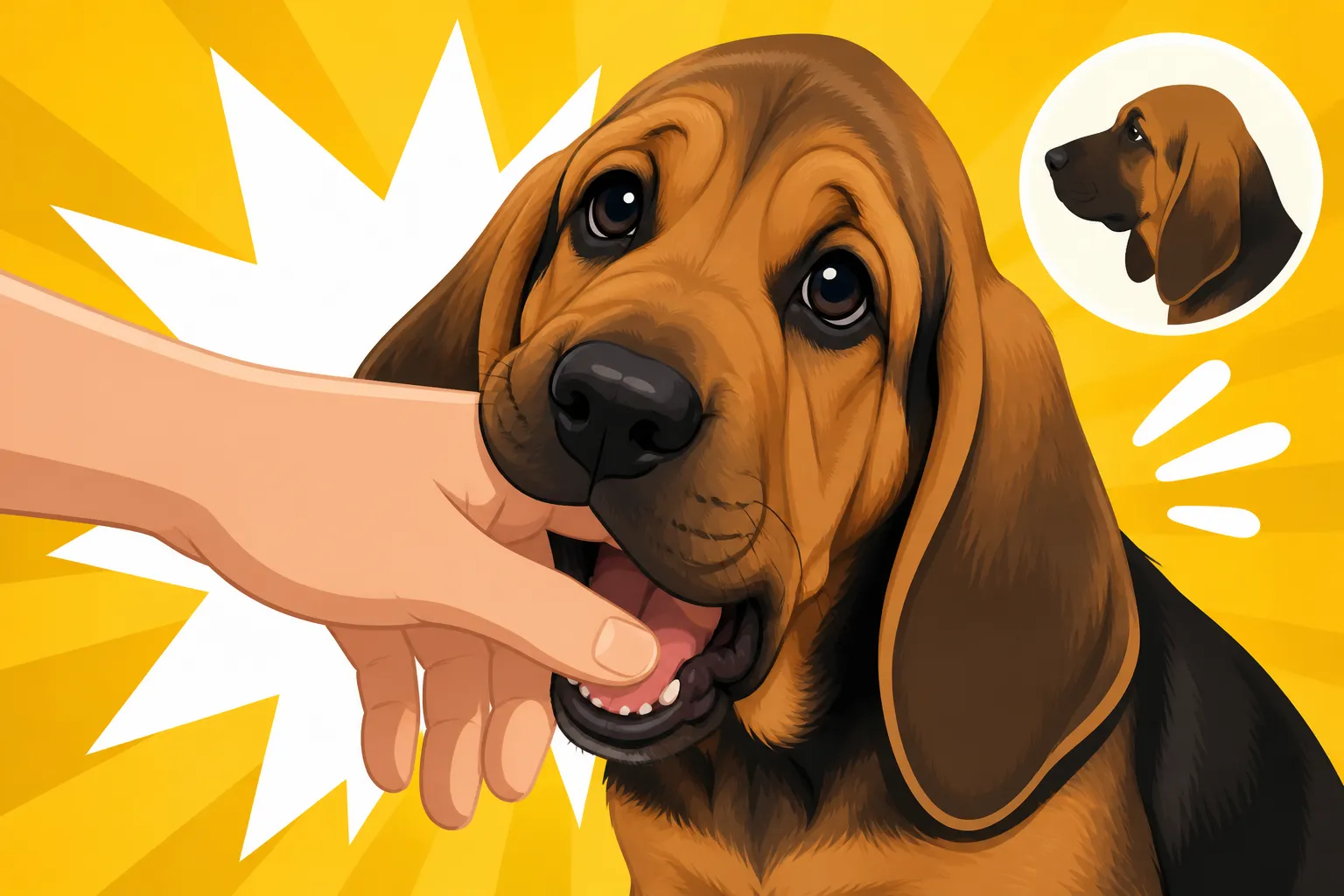
Oh, the joy of a Bloodhound puppy! Those big, floppy ears, that wrinkled brow, that incredible nose… and those needle-sharp teeth that seem to find every bit of exposed skin! If you’re living with a Bloodhound puppy, you know the struggle: you love them fiercely, but sometimes it feels like you're wrestling a furry piranha. It's a common, and often painful, frustration for new Bloodhound owners, leaving many wondering if their pup is being aggressive or if this is just "normal." This guide is here to shed light on Bloodhound puppy mouthing, why it happens, and how you can gently but effectively guide your precious pup towards a softer mouth.
Understanding Bloodhound Puppy Mouthing
When you bring home a Bloodhound puppy, you’re not just getting an adorable, wrinkly bundle of fur; you’re welcoming a natural-born detective with an extraordinary set of tools, and one of those tools is their mouth. Unlike many breeds, Bloodhounds are bred to use their mouths as an extension of their nose, exploring and interacting with the world through taste and touch. This inherent trait often manifests as a significant amount of mouthing in puppyhood.
Why Bloodhounds Mouth More Than Other Puppies
It's easy to feel singled out when your Bloodhound puppy seems to be constantly gnawing on your hands, feet, or clothes. But this isn't usually a sign of aggression or a unique flaw in your pup; it's deeply ingrained in the breed's natural instincts. Bloodhounds are scent hounds, and from a very young age, they learn to explore their environment by picking up and mouthing objects. Their keen sense of smell works in tandem with their mouth, allowing them to process and understand scents by bringing them closer, often involving a gentle (or not-so-gentle) chew. Think about it: their loose skin, long ears, and impressive jowls all play a part in trapping scent. It's no wonder their mouth is such a central tool for them.
Beyond their working heritage, puppies, in general, mouth to explore, to communicate, and to relieve teething discomfort. For a Bloodhound, this natural puppy behavior is amplified by their breed characteristics. They don't have hands, so their mouth is how they interact with the world, much like a human baby uses their hands to grab and feel everything. They're trying to figure out what's what, how things feel, and what's safe to chew. It's crucial to understand that this behavior, while sometimes painful for you, is typically not malicious. It’s part of their learning process and an essential aspect of their development. The goal isn't to stop them from mouthing entirely, but to teach them what to mouth and how gently to do it.
The Difference Between Play Mouthing and Aggressive Biting
This is probably the biggest worry for most Bloodhound owners: "Is my puppy being aggressive?" It’s a completely valid concern, especially when those sharp puppy teeth make contact a little too hard. However, it’s vital to distinguish between normal puppy play mouthing and actual aggressive biting. Most of the time, your Bloodhound puppy's mouthing is play-driven, an attempt to engage with you in the way they would with their littermates.
Play Mouthing Characteristics:
- Context: Happens during playful interactions, when excited, or when seeking attention.
- Body Language: Loose, wiggly body, wagging tail, relaxed ears (though Bloodhound ears are always pretty relaxed!), play bows, soft eyes. They might solicit play with a paw swat or a playful bark.
- Intensity: Varies, but usually has an ebb and flow. There might be a hard nip, but it's often followed by a softer touch, or they respond to an "ouch" by backing off.
- Aim: Usually aimed at hands, feet, clothing, or even your hair. They're not trying to cause harm; they're learning boundaries and bite inhibition.
Aggressive Biting Characteristics:
- Context: Often triggered by fear, pain, resource guarding (food, toys, space), or feeling cornered.
- Body Language: Stiff body, tense muscles, hard stare, raised hackles, growling (a low, warning growl, not a playful rumble), baring teeth with a tense lip, tail tucked or held stiffly. Their posture might be leaning away or forward with intent.
- Intensity: Usually without inhibition, aiming to cause damage. They may not back off even with a yelp, and might even escalate.
- Aim: Could be anywhere, but the intent is to deter or defend, not to play.
Puppies learn "bite inhibition" from their littermates. When one puppy bites another too hard, the bitten puppy yelps and stops playing. This teaches the offender that a hard bite means the game ends. Since your puppy doesn't have littermates to learn from, you become the teacher. Your goal is to emulate that natural learning process. It’s a process, not an overnight fix, and it requires consistent, clear communication from you. Don't be discouraged if you feel like you're constantly saying "ouch" and pulling away; you're doing the important work of teaching them appropriate interaction.
Managing and Redirecting Puppy Mouthing
Teaching your Bloodhound puppy not to mouth you like a chew toy is one of the most important lessons you'll impart. It's about setting boundaries, providing appropriate outlets for their natural chewing instincts, and consistent communication. Remember, they're not doing it to be naughty, but because they're puppies and that's how they interact.
Techniques for Teaching Bite Inhibition
The key to teaching bite inhibition is to communicate clearly what is acceptable and what is not, in a way your puppy understands.
- The "Ouch" and Withdraw Method: This is probably the most widely recommended and effective technique. The moment your puppy’s teeth make hard contact with your skin, give a sharp, high-pitched "Ouch!" or "Yelp!" – just like another puppy would. Immediately withdraw your hand or body part and stop playing for a few seconds. If the puppy tries to come back and mouth gently, you can resume play. If they bite hard again, repeat. If they continue to bite hard, proceed to the "reverse time-out." This teaches them that hard bites equal the end of fun. It needs to be consistent, so everyone in the household needs to be on board with this method.
- Reverse Time-Outs: If your puppy is overly excited and the "ouch" isn't stopping the hard mouthing, it's time for a reverse time-out. This means you leave the situation, rather than moving the puppy. Walk away from your puppy, go behind a baby gate, or step into another room for 30-60 seconds. Make sure your puppy can still see you, but you're not interacting. When you return, calmly resume what you were doing. If the mouthing starts again, repeat. This teaches your puppy that hard mouthing makes their favorite human disappear, which is a powerful motivator for a social breed like the Bloodhound. The important thing is that these time-outs are brief and consistent, so the puppy connects the hard bite directly to your departure.
- Consistency is King: These methods only work if they are applied every single time your puppy mouths too hard. If sometimes you let it slide, and other times you react, your puppy will be confused. Every family member, every guest, needs to follow the same rules. This might feel tedious, especially with a particularly mouthy Bloodhound, but it’s laying crucial groundwork for a well-mannered adult dog. Remember, Bloodhounds are intelligent but can be independent thinkers, so clear and unwavering rules are essential.
Appropriate Chew Toys and Diversions
Since mouthing is a natural behavior for Bloodhounds, you can't just tell them "no." You have to give them something acceptable to say "yes" to! Providing plenty of appropriate chew toys is absolutely essential. These aren't just for distraction; they're vital for dental health and mental stimulation.
- Variety is Key: Offer a range of textures, shapes, and sizes. Hard rubber toys, nylon chews (like Nylabone products), rope toys, and even safe edible chews can all be part of the rotation. Different materials provide different mouthfeel sensations and help satisfy various chewing needs.
- Interactive Toys: Puzzle toys or treat-dispensing toys (like a classic Kong) are fantastic for Bloodhounds. They engage their minds and their mouths, satisfying their urge to work for something. You can stuff these with peanut butter, yogurt, or wet food and freeze them for a longer-lasting challenge. Finding a good selection of durable toys is easy on platforms like Amazon, where you can read reviews and compare options.
- Frozen Wonders: Frozen carrots, ice cubes, or even a wet, twisted washcloth that’s been frozen can offer great relief for teething gums and provide a satisfying chew. Just be sure whatever you offer is safe and won't splinter or be a choking hazard.
- Redirection, Redirection, Redirection: Whenever your puppy mouths you, immediately redirect their attention to an appropriate toy. Shove a toy in their mouth instead of your hand, and praise them enthusiastically when they chew on it. This teaches them, "Not my hand, but this toy is great!" Carry toys with you so you always have one ready.
It's also helpful to ensure your Bloodhound puppy is getting enough mental and physical exercise. A tired puppy is often a less destructive and less mouthy puppy. Engage them with Starting a Bloodhound Puppy on a Trail or other scent games. Even short, structured training sessions can burn a lot of mental energy. You'll find that a Bloodhound who has had their brain engaged is often much calmer.
The Role of Socialization in Mouthing Behavior
Socialization plays a massive role in shaping your puppy's bite inhibition and overall behavior, especially when it comes to mouthing. Just as they would learn from their littermates, interaction with other well-socialized, vaccinated puppies and adult dogs teaches invaluable lessons.
- Puppy Classes: Enrolling your Bloodhound puppy in a reputable puppy socialization class is one of the best investments you can make. These classes provide a safe, supervised environment for puppies to play and learn from each other. Trainers can guide you on how to interpret puppy play, intervene appropriately, and ensure positive interactions. A key aspect of these classes is observing how puppies correct each other – a hard bite often results in a yelp and a cessation of play, teaching natural bite inhibition.
- Controlled Interactions with Adult Dogs: If you have friends with calm, well-mannered adult dogs, controlled playdates can also be beneficial. An older, patient dog can teach a puppy boundaries more effectively than a human ever could. They might give a quick growl or a firm correction that a puppy understands instantly, where human attempts might just be ignored. Always supervise these interactions closely and ensure the adult dog is truly tolerant and safe with puppies.
- Exposure to Different People: Socialization isn't just about other dogs; it's about people too. Expose your Bloodhound puppy to a variety of gentle people, especially those who understand how to interact with a puppy learning bite inhibition. Ask them to follow your "ouch" and redirect rules. This helps your puppy generalize that soft mouths are required for all human interaction, not just with you. Many online training platforms, such as BAXTER & Bella, offer resources on proper socialization techniques and how to introduce your puppy to new people and environments safely. This can be especially useful for learning how to ensure your puppy is socialized to traffic early (Whether a Bloodhound Puppy Should Be Socialized to Traffic Early) and other stimuli they'll encounter.
- Supervision is Non-Negotiable: Never leave a puppy unsupervised with children or other animals, especially when they are still learning bite inhibition. Even a playful nip can scare a child or accidentally injure a smaller pet. Teaching children how to interact appropriately with a puppy is just as important as teaching the puppy. They should know when to step away, when to offer a toy, and how to give a proper "ouch."
When to Seek Professional Help
While most Bloodhound puppy mouthing is normal and can be managed with consistent training, there are times when it escalates beyond typical puppy behavior or persists despite your best efforts. Knowing when to reach out for professional guidance is crucial for both your peace of mind and your puppy's well-being.
Recognizing Red Flags in Mouthing Behavior
It's important to keep a close eye on your puppy's behavior and differentiate between normal puppy antics and potential issues. Here are some red flags that suggest your Bloodhound puppy's mouthing might be veering into problematic territory:
- Persistent Hard Biting: If your puppy consistently applies significant pressure with their bites, even after your "ouch" or time-outs, and doesn't seem to be learning to soften their mouth, it's a concern. They should be making progress, even if it's slow. If they're regularly breaking skin or causing bruises, that’s a red flag.
- Growling or Snapping During Mouthing: While playful growls can happen during tug-of-war, a stiff-bodied, low, guttural growl or an actual snap (where the teeth connect but don't hold) in response to being touched or redirected is a serious warning sign. This is different from the playful "aroo" or rumbles Bloodhounds sometimes make.
- Resource Guarding: If your puppy growls, snaps, or bites when you try to take away a toy, food, or even their bed, this is resource guarding and needs immediate professional intervention. It's a common issue, but one that can escalate quickly if not addressed correctly.
- Fear-Based Aggression: If your puppy bites out of fear, for example, when startled, approached suddenly, or during handling for grooming or vet visits, this is a serious concern. Body language in these situations might include a tucked tail, flattened ears, trembling, or trying to escape before resorting to a bite.
- No Improvement: You've been consistently applying the techniques mentioned above for several weeks, and you're seeing no discernible improvement in bite inhibition or a reduction in mouthing intensity. Sometimes, an experienced eye can pinpoint exactly what's going wrong in your approach or identify a subtle trigger you're missing.
It's natural to feel overwhelmed or discouraged if you're experiencing these issues. Remember, seeking help isn't a sign of failure; it's a sign of a responsible and loving owner committed to their dog's future.
Consulting a Professional Trainer or Behaviorist
If you're seeing any of the red flags, or if you simply feel like you're not making headway, don't hesitate to reach out to a professional. Not all trainers are created equal, so do your homework.
- Look for Experience with Scent Hounds: A trainer who understands the unique temperament and drives of a Bloodhound (or similar scent hounds) will be invaluable. They'll appreciate that your dog's nose often outvotes its ears and that their mouthing is intrinsically tied to their breed's purpose. They can offer tailored advice that considers your Bloodhound's instincts.
- Positive Reinforcement Focus: Always choose a trainer who uses positive, force-free training methods. Methods that rely on punishment, fear, or pain can damage your bond with your Bloodhound and often exacerbate aggression or fear-based behaviors. A good trainer will teach you how to communicate effectively with your dog. Organizations like the Certification Council for Professional Dog Trainers (CCPDT) or the International Association of Animal Behavior Consultants (IAABC) can help you find qualified professionals in your area.
- Online Resources: If in-person help is hard to find, online platforms can provide a wealth of knowledge and virtual guidance. For example, BAXTER & Bella offers comprehensive online puppy training programs that cover everything from basic obedience to problem behaviors like mouthing, and they often have resources for finding local trainers or behaviorists. They can provide structured lesson plans and support that can be implemented in your home.
- What a Professional Can Offer: A professional trainer or veterinary behaviorist can observe your puppy's behavior in context, help you identify triggers, and develop a personalized plan. They can teach you advanced techniques for managing arousal, building impulse control, and strengthening your bond, which are all crucial for a well-adjusted Bloodhound. They can also help you understand and channel your Bloodhound's natural scent drive, giving them appropriate outlets for their energy and focus.
Veterinary Consultation for Underlying Issues
Sometimes, what appears to be a behavioral problem can have an underlying medical cause. It’s always a good idea to rule out any health issues with your veterinarian, especially if the mouthing behavior has had a sudden onset, increased dramatically, or is accompanied by other unusual symptoms.
- Pain or Discomfort: A puppy that is in pain might lash out or bite more readily, particularly if touched in a sensitive area. This could be due to an injury, an infection, or even a dental problem. Teething itself is uncomfortable, but extreme pain could indicate something more.
- Dental Problems: While teething is normal, sometimes puppies can have dental issues like retained deciduous teeth (baby teeth that don't fall out), broken teeth, or gum infections, all of which could increase mouth sensitivity and lead to increased mouthing or biting.
- Other Medical Conditions: In rare cases, certain medical conditions or neurological issues can contribute to behavioral changes. Your vet can perform a thorough examination to ensure there's no physical reason for the behavior. They can also advise on proper nutrition for a growing Bloodhound, ensuring they are not overfed and are receiving adequate calcium, especially important for large breeds.
Always start with your vet to rule out medical issues, and then, if necessary, work in conjunction with a qualified positive reinforcement trainer or veterinary behaviorist. With patience, consistency, and the right guidance, you can help your Bloodhound puppy develop into a well-mannered, gentle companion who uses their incredible mouth for sniffing out adventure, not nipping your fingers!
| Mouthing Characteristic | Play Mouthing (Normal Puppy) | Aggressive Biting (Red Flag) |
|---|---|---|
| Intent | Exploration, play, attention | Defense, fear, resource guarding |
| Body Language | Loose, wiggly, playful bow, relaxed ears, wagging tail | Stiff, tense, low growl, bared teeth, raised hackles, tucked tail |
| Response to "Ouch" | Generally backs off, softens bite, pauses play | May ignore, escalate, or become more defensive |
| Force Used | Varies, learns to inhibit (softens over time) | Consistent hard pressure, intends to cause pain/damage |
| Common Targets | Hands, feet, clothing, hair | Any part of the body, often accompanied by guarding |
| Typical Age Range | Peaks during teething (3-6 months), gradually reduces | Can occur at any age, often concerning if persistent in puppyhood |
This article is for general informational purposes only and does not constitute professional advice. Laws, prices and regulations vary by location and change over time. Consult a qualified professional for guidance on your specific situation.