How Long House Training a Bloodhound Puppy Takes
Bringing a Bloodhound puppy into your home is an incredible experience, but it also means facing the often-dreaded task of house training. Many new Bloodhound owners find themselves asking, "Just how long does house training a Bloodhound puppy take?" because, let's be honest, those accidents are substantial, and the thought of months of cleanup can be daunting. You're not alone in feeling this way; these big, intelligent, yet often distractible hounds can present unique challenges. This comprehensive guide will walk you through the realistic timeline, specific hurdles, and proven strategies to successfully house train your Bloodhound puppy, ensuring a cleaner, happier home for everyone.
The Reality Check: Why House Training a Bloodhound Puppy Feels Like Forever
It's easy to look at a Bloodhound puppy with its earnest, wrinkled face and assume they'll pick up house training faster than other breeds because of their famous intelligence. But intelligence, especially the scent-driven kind, doesn't always translate directly to speedy potty training. Owners often get frustrated when their puppy seems to "get it" one day and then has an accident the next, leading to the feeling that the process is stretching on indefinitely.
Understanding the Bloodhound Puppy's Bladder and Brain
First, let's talk biology. A puppy's bladder capacity is directly related to its age. A two-month-old Bloodhound puppy, despite its size, has a tiny bladder and simply cannot hold it for long. Expecting them to is like asking a human toddler to wait until dinner for a restroom break – it's just not physically possible. As they grow, their bladder muscles develop, allowing them to hold it longer. This physical development usually aligns with their increasing ability to understand and control their urges, but for a fast-growing breed like the Bloodhound, the physical size can sometimes outpace the mental maturity for impulse control.
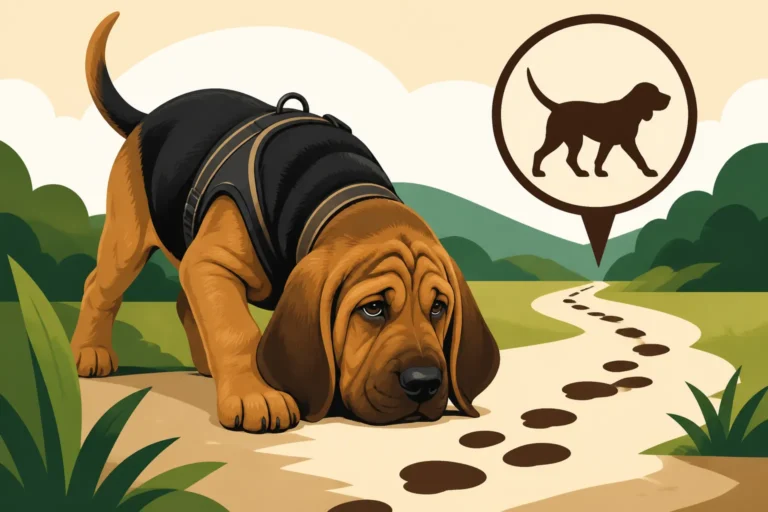
Then there's the Bloodhound brain. These dogs are purpose-bred to follow scent. It's their entire world. When they're outside, every breeze, every leaf, every patch of grass tells a story, and sometimes, that story is far more compelling than the urgent need to empty their bladder. This means they can easily get distracted, forget what they're out there for, and then, two minutes after coming inside, suddenly remember and oops. This isn't stubbornness; it's a deep-seated instinct. Understanding this makes it easier to empathize with their "mistakes" and adjust your training approach.
The "Normal" Timeline: What to Expect
While every puppy is an individual, and there's no magic number, most Bloodhound puppies achieve reliable house training somewhere between 4 and 6 months of age. Notice I said "reliable," not "perfect." It's totally normal for occasional accidents to happen even after this period, especially during growth spurts, changes in routine, or adolescent regressions. For some, particularly those who struggle with distractions or anxiety, it might take closer to 8 months, or even longer to be truly bombproof indoors.
Here's a general breakdown of what you might expect:
- 8-12 Weeks: Expect frequent accidents. Your job is to prevent them as much as possible through constant supervision and frequent potty breaks (every 30-60 minutes while awake, immediately after waking, eating, and playing). This is foundational.
- 3-4 Months: You should start seeing longer stretches between potty breaks, maybe 2-3 hours. Accidents will decrease but still happen, especially if you're not vigilant. They're learning the concept.
- 4-6 Months: This is often the sweet spot where most puppies become reliably house trained, meaning they can typically hold it for 3-4 hours during the day and possibly through the night. Accidents are much rarer and usually due to owner oversight.
- 6-12 Months (Adolescence): Some puppies may experience a "regression" during adolescence. They might suddenly have accidents again, seemingly forgetting their training. This is normal but frustrating! Stay consistent.
The key takeaway here is consistency. The more diligently you manage their environment and schedule in those early weeks, the faster your Bloodhound puppy will grasp the concept of "potty outside." Rushing the process or expecting too much too soon will only lead to more frustration for both of you.
Bloodhound-Specific Potty Training Challenges (and how to tackle them)
Bloodhounds are unique, and their house training journey often comes with its own set of breed-specific quirks. It's not just about bladder control; it's about harnessing their powerful instincts and understanding their physical characteristics.
The Scenthound Distraction Factor
As we touched on earlier, a Bloodhound's nose is their entire world. When you take your puppy outside to potty, their brain immediately goes into scent-tracking mode. That fascinating patch of grass where a squirrel once sniffed, the faint smell of a neighbor's cat, the distant aroma of someone cooking dinner – these are all far more stimulating than the simple act of peeing. You might take your puppy out, wander around for ten minutes while they sniff every blade of grass, come inside, and BAM, they relieve themselves on your rug. It's infuriating, right?
Tackling it: The trick is to establish a clear "potty command" and make potty breaks strictly business first. Take your puppy to the designated potty spot on a leash. Stand still. Repeat your potty command ("Go potty," "Get busy," "Hurry up"). Don't interact, don't play, don't let them sniff wander. As soon as they go, praise them lavishly with a high-value treat and then you can let them have a few minutes to sniff and explore before coming back inside. This teaches them: potty first, then fun.
Size Matters: Larger Accidents, Larger Cleanup
Let's face it, a Bloodhound puppy grows fast. A six-month-old Bloodhound can be a substantial animal, and their "accidents" are equally substantial. A puddle from a Chihuahua is one thing; a lake from a Bloodhound is quite another. This means more mess, more odor, and a higher potential for damage to flooring if not cleaned thoroughly and immediately. The sheer volume of waste can make the house training process feel even more overwhelming and messy.
Tackling it: Prevention is your absolute best friend. The fewer accidents they have inside, the less chance they'll develop a preference for indoor potty spots. When accidents do happen, clean them meticulously. Use an enzymatic cleaner (like those readily available on Amazon) to completely break down the odor, otherwise, your Bloodhound's super nose will detect the residual scent and be drawn back to that spot. Consider investing in washable rugs or covers for furniture, as a Bloodhound owner often finds themselves needing to [buy washable everything].
Baying and Communication
Bloodhounds are known for their distinctive bay. It's a mournful, melodious sound that can carry for miles. While they might use it to alert you to an intruder or a particularly interesting scent, they might not always use it to tell you they need to go out. Some Bloodhounds are subtle, standing by the door or giving a soft whine. Others might just wander off and find a quiet spot without making a peep. This lack of a clear, universal "I need to potty" signal can make it harder for owners to respond promptly.
Tackling it: Teach your Bloodhound a clear way to communicate. Many owners install bells on the door and teach their puppy to nudge or paw them to signal they need out. Whenever you take your puppy out to potty, gently tap their nose or paw to the bells. When they eventually ring it themselves, immediate praise and a trip outside reinforce the behavior. Be prepared for them to ring it just to go outside for fun, but that's a small price to pay for clear communication. Also, pay close attention to any subtle cues your puppy gives – a sudden stop in play, sniffing the floor more intently, circling. Over time, you'll learn their unique tells.
Weather Woes and Big Paws
Bloodhounds are generally pretty hardy, but some can be surprisingly particular about the weather when it comes to potty breaks. A chilly rain, a dusting of snow, or even just a wet lawn can make a Bloodhound puppy hesitate. They'll stand at the door, look out at the elements, look back at you with those soulful eyes, and essentially say, "Are you sure we have to go out there?" And let's not forget those large, heavy paws and long, floppy ears which can gather an impressive amount of mud and debris, tracking it right back into your freshly cleaned home.
Tackling it: Don't give in to the puppy dog eyes. If it's potty time, it's potty time. Go out with them, encourage them, and make it a quick, efficient process. If they refuse to go in certain weather, you might need to find a small, sheltered spot or even a designated potty pad area under an awning to get them started. For the mud, a good mat at the door and a quick paw wipe are essential. You might even consider a doggy doormat or paw cleaner from a place like Amazon designed to quickly absorb moisture and dirt before they enter the main living areas. Also, be mindful of their long ears; they can often drag through damp or muddy areas outside, then sweep that mess into their water bowl or even onto your clean floor. Many owners find What a Snood Does for a Bloodhound can be a lifesaver in keeping those ears clean and out of the way, especially when they're sniffing low to the ground.
Strategies for a Squeaky Clean Home (Eventually!)
While the challenges can feel specific to Bloodhounds, the core principles of house training remain the same. The difference is often in the intensity and consistency required for these scent-driven, large breed puppies.
The Power of a Consistent Schedule
This cannot be stressed enough: a predictable schedule is the cornerstone of successful house training for any dog, but especially for a Bloodhound. Puppies thrive on routine. Their bodies learn when to expect food, when to play, and when to eliminate. Without a consistent schedule, you're essentially asking them to guess when the "right" time and place to go are, which is a recipe for accidents.
Your schedule should include:
- First thing in the morning: Straight outside, no sniffing around the house.
- Last thing at night: Right before you go to bed.
- After every meal and drink: Give them about 15-20 minutes, then out they go.
- After every nap: As soon as they wake up.
- After every play session: Excitement can stimulate their bladder.
- Every 1-2 hours in between: While they are awake and active, especially when they are very young.
Yes, this sounds like a lot of trips outside, especially when your Bloodhound puppy is tiny, but it's crucial. Each successful potty break outside reinforces the desired behavior. How Many Minutes a Day a Bloodhound's Upkeep Takes is significant, and a large chunk of that early time will be dedicated to this schedule.
Crate Training: Your Best Friend for Potty Training
For many Bloodhound owners, a crate is an indispensable tool for house training. Dogs naturally don't want to soil their sleeping area. By providing a properly sized crate (one where they can stand up, turn around, and lie down comfortably, but not large enough to use one end as a bathroom), you leverage this natural instinct.
When your Bloodhound puppy is in their crate, they will typically try to hold their bladder and bowels. This helps them develop better bladder control. However, it's vital to remember that a crate is not a magical solution to neglect. A young puppy still needs frequent potty breaks, even from their crate. Never leave a young puppy in a crate for longer than they can reasonably hold it (rule of thumb: age in months + 1 hour, up to 8-10 hours max for an adult). For an in-depth look, check out Whether Crate Training Suits a Bloodhound Puppy. A crate can also be invaluable during the times you cannot actively supervise your puppy. Instead of letting them roam and have an accident, they can rest comfortably and safely in their crate.
Positive Reinforcement and High-Value Rewards
Bloodhounds are generally eager to please, especially when there's a good reward involved. Positive reinforcement is the only way to train a Bloodhound puppy successfully for house training. When your puppy potties outside, immediately praise them enthusiastically ("Good potty! Good dog!") and give them a high-value treat. A high-value treat is something they love – not just their regular kibble. Think small pieces of cooked chicken, cheese, or specialized training treats.
The timing of the reward is critical. It needs to happen within 2-3 seconds of them finishing their business, so they clearly associate the treat with the act of eliminating outside. If you wait until you're back inside, the connection is lost. Avoid scolding or punishing your puppy for accidents inside. They don't understand why they're being punished, only that you're angry, which can lead to them hiding their accidents or becoming fearful of going potty in front of you (even outside!). This is especially true for a sensitive breed like the Bloodhound. Instead, calmly clean up the mess and recommit to more diligent supervision and more frequent trips outside.
Managing Accidents and Minimizing Setbacks
Accidents will happen. It's part of puppyhood, especially with a breed that gets easily distracted. The way you manage these accidents can significantly impact the speed of your house training.
- Catch them in the act: If you see your Bloodhound puppy squatting or starting to eliminate indoors, immediately interrupt them with a sharp clap or "Ah-ah!" and scoop them up (or leash them and hustle them) outside to their designated potty spot. If they finish outside, reward them generously.
- Clean thoroughly: As mentioned, use an enzymatic cleaner every single time. This neutralizes the odor that might otherwise attract your puppy back to the same spot.
- Re-evaluate your routine: An increase in accidents usually means one of two things: either your puppy needs more frequent potty breaks, or your supervision needs to be stricter. Don't blame the puppy; adjust your strategy.
- Supervise, supervise, supervise: When your Bloodhound puppy is not crated, they should be either directly supervised by you (on a leash, tethered to you, or in the same room) or in a puppy-proofed, contained area like a playpen. This prevents them from having unsupervised accidents.
Tools of the Trade: Making Life Easier
There are several products that can make the house training journey with a Bloodhound puppy smoother and less stressful.
- Enzymatic Cleaners: Absolutely essential. Brands like Nature's Miracle or Rocco & Roxie (available on Amazon) are popular choices for their effectiveness in eliminating odors and stains. You'll thank yourself for having a large bottle on hand. After all, What a Bloodhound Owner Spends on Towels and Cleaner can add up!
- Snoods: As your Bloodhound puppy grows, their magnificent ears will begin to develop their full length. These long ears can dip into food and water bowls, and even drag on the ground outside, picking up dirt and moisture. A snood, a fabric tube that keeps their ears contained, can be a game-changer for keeping those ears (and your floor) cleaner, especially during meal times.
- High-Value Treats: Stock up on small, soft, and extremely palatable treats for immediate rewards during potty breaks.
- Appropriate Crate: A sturdy, correctly-sized crate will be your ally.
- Leash and Collar/Harness: For supervised outdoor potty trips.
- Potty Bells: A simple set of bells hung on the door can empower your Bloodhound to communicate their needs.
- Washable Bedding/Rugs: Bloodhounds can be messy, even beyond potty training. Investing in easily washable items for their sleeping areas and high-traffic spots will save your sanity.
Beyond the Basics: Advanced Tips and When to Seek Help
Even with the best intentions and consistent effort, house training can hit snags. Knowing what to look for and when to ask for professional help is crucial for long-term success.
Recognizing Regression and Puberty
Just when you think your Bloodhound puppy has finally got it all figured out, around 6-12 months of age, they might suddenly start having accidents again. This "adolescent regression" is incredibly common across many breeds, including Bloodhounds. Hormonal changes, increased independence, and a desire to test boundaries can all contribute. What worked perfectly yesterday might be completely ignored today.
What to do: Don't panic, and don't assume your Bloodhound has forgotten everything. Go back to basics: increase supervision, shorten the time between potty breaks, and reinforce the schedule diligently. Treat them like a younger puppy again for a few weeks or a month until the behavior normalizes. Consistency is key here. If you're seeing a lot of new behaviors or defiance, you might also be seeing When an Adolescent Bloodhound Stops Listening in other areas, and it's all part of this same developmental stage.
Dealing with Submissive or Excitement Urination
Some Bloodhound puppies, particularly those with a more timid or sensitive disposition, might exhibit submissive urination (peeing when feeling overwhelmed, scared, or when being greeted) or excitement urination (peeing during greetings or high-energy play). This is not a house training problem in the traditional sense; it's an involuntary response. Scolding them for this only makes it worse, increasing their anxiety and the likelihood of future incidents.
What to do:
- For submissive urination: Avoid direct eye contact, towering over them, or loud greetings. Crouch down, offer a gentle hand, and let them approach you. Keep greetings calm and low-key.
- For excitement urination: Keep greetings calm. If they pee when people arrive, have guests ignore them until they've settled, and immediately take them outside before guests arrive or before exciting play begins. You might also want to have them potty right before any high-excitement events. This is also where a company like BAXTER & Bella, which offers online puppy training programs, could provide more nuanced strategies for these specific behavioral challenges through their virtual classes and resources.
When to Consult a Veterinarian or Professional Trainer
If you're doing everything right – impeccable consistency, frequent potty breaks, positive reinforcement – and your Bloodhound puppy is still having frequent accidents, it's time to consider other factors.
- Medical Issues: The first step is always a visit to your veterinarian. Urinary tract infections (UTIs) are common in puppies and can cause frequent urination and accidents. Other medical conditions, though less common, can also lead to house training difficulties. A clean bill of health from the vet will rule out any underlying physical causes.
- Behavioral Consultation: If medical issues are ruled out, and you're still struggling, a certified professional dog trainer or a veterinary behaviorist can be a huge asset. They can observe your Bloodhound's behavior in your home environment, identify specific triggers or issues you might be missing, and develop a customized training plan. Sometimes, an outside, expert perspective is all it takes to get things back on track. They can also provide guidance on managing anxiety or stress, which can sometimes manifest as house soiling.
House training a Bloodhound puppy requires patience, diligence, and a good sense of humor. They are fantastic companions, but their unique blend of powerful scent drive and sometimes-distractible nature means you might need to adapt your approach. By understanding their needs, being incredibly consistent, and celebrating every small victory, you'll eventually enjoy a reliably house-trained Bloodhound who brings joy (and only joy!) into your home.
Disclaimer
This article is for general informational purposes only and does not constitute professional advice. Laws, prices and regulations vary by location and change over time. Consult a qualified professional for guidance on your specific situation.