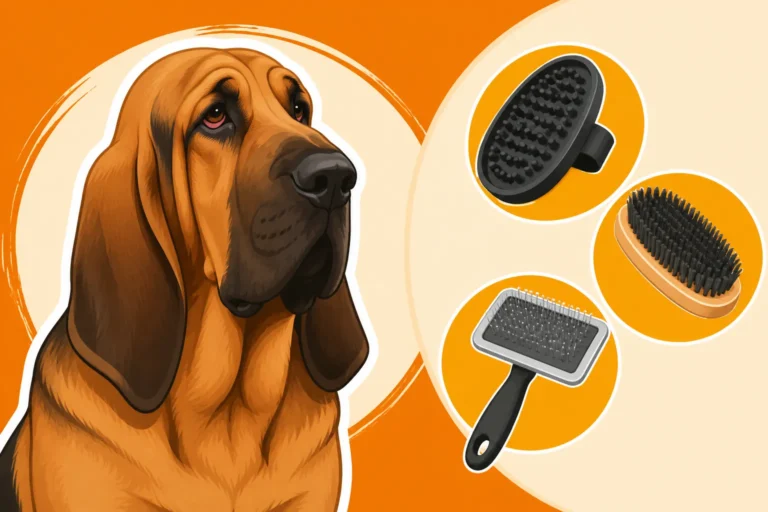
How Many Minutes a Day a Bloodhound’s Upkeep Takes
Many folks fall for the myth that a Bloodhound, with their short, easy-care coat, must be a low-maintenance dog. It's a sweet thought, but as any seasoned Bloodhound owner will tell you, the reality is delightfully, sometimes exasperatingly, different! While their coat might not demand hours of brushing, the unique features that make our Bloodhounds so distinctive – those long, pendulous ears, deep facial wrinkles, and generous jowls – require consistent, daily attention. This guide is here to shed light on the real daily time commitment involved in Bloodhound ownership, breaking down the minutes that add up to a truly well-cared-for hound.
The Myth of the "Easy Coat" and the Reality of Daily Grooming
Let's be honest, when you look at a sleek, short-coated Bloodhound, you probably don't envision hours spent grooming. And in terms of brushing, you'd be right – a quick once-over a few times a week usually suffices. But that's just one tiny piece of the daily upkeep puzzle. The truth is, a Bloodhound's specialized anatomy, while perfect for scent work, creates a host of areas prone to moisture, dirt, and potential irritation that demand regular, proactive intervention. This isn't just about aesthetics; it's crucial for their health and comfort.
Ear Care: The Unsung Time Sink
Oh, those magnificent ears! They're part of what makes a Bloodhound instantly recognizable, sweeping the ground to funnel scent towards that incredible nose. But those long, heavy flaps of leather also create a warm, moist, and poorly ventilated environment perfect for yeast and bacteria to thrive. You simply cannot ignore them, not for a single day, if you want to keep infections at bay.
On a daily basis, you'll need to perform a quick visual inspection and a gentle wipe down of the visible part of the ear canal and the underside of the ear flap. This involves lifting the ear, checking for any redness, discharge, or foul odor, and then using a soft cloth or cotton ball (never a cotton swab deep in the canal!) with a vet-approved ear cleaner. It's about removing surface debris and drying the area as much as possible. If you spot a bit of gunk, a more thorough cleaning might be needed, but the daily wipe prevents accumulation. This routine alone can take anywhere from 5 to 10 minutes each day, depending on how cooperative your hound is and how much fun they've had investigating the backyard. Some owners even invest in snoods to keep those ears out of food and water bowls, which helps reduce the amount of cleaning needed on the ear leather itself, but the internal canal still needs its daily check. Cleaning a Bloodhound's Ears Every Week for Life is more than just a suggestion; it's a mandate for these hounds.
Fold Patrol: Wiping Away Trouble
Bloodhounds are wonderfully wrinkly, aren't they? From their expressive brow to the loose skin around their neck and jowls, these folds are iconic. However, just like those long ears, these skin folds can trap moisture, food particles, and dirt, leading to irritation, unpleasant odors, and even painful skin fold dermatitis. This is particularly true for the deep folds around their mouth and their prominent neck rolls.
Your daily routine needs to include what I affectionately call "fold patrol." After every meal and after any particularly enthusiastic drinking session, you'll want to gently wipe inside those folds with a soft, clean cloth. For a more thorough daily cleaning, especially in warmer or humid weather, a damp cloth followed by a dry one, or even a specialized medicated wipe recommended by your vet, is essential. Pay close attention to the lip folds where drool and food often accumulate, and the deeper neck wrinkles. This isn't a five-second job; you need to lift the folds and get into the crevices. Neglecting this leads to red, irritated skin that can quickly become infected and incredibly uncomfortable for your dog. Factor in another 5 to 10 minutes of dedicated fold care each day, especially if your Bloodhound is particularly drooly or messy. It might seem tedious, but it saves you much bigger headaches (and vet bills!) down the road. Wiping a Bloodhound's Folds Before They Sour is a critical preventative measure.
Eye Duty: Keeping Those Expressive Eyes Clear
Those famously "sad" Bloodhound eyes, with their often drooping lower eyelids, are another area requiring daily attention. The loose skin, sometimes called a "haw," means that the eye isn't as tightly sealed as in some other breeds. This can make them more prone to collecting dust, debris, and environmental irritants. While it's part of their charm, it also means you'll frequently see some discharge.
Daily eye care involves a gentle wipe with a soft, damp cloth (or a sterile eye wipe designed for dogs) to remove any crusts or discharge that might have accumulated overnight or throughout the day. It's important to wipe away from the eye, always using a fresh part of the cloth for each eye to prevent spreading any potential issues. You're not just cleaning up mess; you're also checking for any signs of redness, excessive tearing, or squinting, which could indicate a more serious problem like an infection or corneal ulcer. This brief but important task usually takes around 2 to 3 minutes each day. Daily Eye Care for a Bloodhound is not optional; it's part of keeping them comfortable.
Beyond the Basics: Feeding, Hydration, and "Bloodhound-Proofing"
Caring for a Bloodhound goes beyond direct grooming. Their unique physical traits impact how you feed them, how you manage their hydration, and how you generally "Bloodhound-proof" your living space. These aspects don't just happen; they require intentional daily habits that add to your time commitment.
Mealtime Management: Not Just Filling a Bowl
Feeding a Bloodhound isn't as simple as pouring kibble into a bowl once a day. Due to their deep, narrow chests, Bloodhounds are at a significantly higher risk for Gastric Dilatation and Volvulus (GDV), commonly known as bloat. This life-threatening condition means that feeding them carefully is a critical daily consideration.
Most Bloodhound owners opt for feeding two or even three smaller meals a day instead of one large one to reduce the risk of bloat. This means you're preparing and monitoring meals more often. You'll also want to ensure a calm environment during feeding and enforce a "rest period" of at least an hour before and after eating, particularly avoiding strenuous exercise. If you use a slow-feeder bowl, which many Bloodhound owners do to prevent gulping, it adds a small amount of time to each meal as the dog takes longer to eat. And, of course, there's the inevitable clean-up around the bowl where those long ears have dipped or jowls have slobbered. Each meal, from preparation to post-meal wipe-down and ensuring rest, can add about 5 minutes of active management, multiplied by however many meals you serve. Feeding a Bloodhound So It Does Not Bloat is a daily ritual based on preventative care.
Hydration Station: The Art of Managing Water Messes
Water is essential, of course, but with a Bloodhound, it's also an adventure in fluid dynamics. Those long jowls and ears are incredible scent collectors, but they also become highly efficient water delivery systems, carrying drips and sloshes far and wide after every drink. This isn't just a minor annoyance; it can lead to constant dampness around their chin and chest, potentially contributing to skin irritation if not managed.
You'll quickly learn that strategically placed water bowls and absorbent mats are your best friends. Many owners opt for narrower, deeper bowls or specialized "slobber stopper" designs to minimize how much of their face and ears get submerged. Even with these tools, you'll still be wiping up puddles and drips from the floor, walls, and furniture throughout the day. This isn't a one-and-done chore; it's an ongoing effort. Every time your Bloodhound drinks, you'll likely spend a minute or two wiping their mouth and drying the surrounding area. Over the course of a day, this can easily add up to 5 to 10 minutes of active clean-up. How Much Water a Bloodhound Spills in a Day is a good indicator of how much attention this area needs!
Drool and Drips: The Constant Cleanup
Let's address the elephant in the room – or rather, the drool on your walls. Bloodhounds drool. It's a fact of life for the breed, particularly when they're excited, anticipating food, or just hot. Their loose jowls, designed to trap scent, are also incredibly good at collecting and slinging saliva when they shake their heads.
This means that "spot cleaning" becomes a daily, almost hourly, activity. You'll find drool on your kitchen cabinets, lower walls, furniture, and often, your clothing. Keeping a supply of dedicated "drool rags" in various rooms is a standard Bloodhound owner hack. It's not just about aesthetics; leaving drool on wooden furniture can damage finishes, and leaving it on walls can attract dust and grime. While a single "drool event" might only take a few seconds to wipe, the cumulative effect of constantly noticing and cleaning up these little surprises throughout the day adds up. Think of it as intermittent, short bursts of activity, totaling anywhere from 5 to 15 minutes over a full day, depending on your hound's drool factor and your tolerance for mess. This constant vigilance is part of Where a Bloodhound Puts Its Drool and why you'll always have a cloth handy.
The "Hidden" Time Commitments: Exercise, Training, and Health Checks
Beyond the direct physical care, there are other daily considerations that demand your time as a Bloodhound owner. These might not be as obvious as wiping an ear, but they are equally crucial for your dog's well-being and your household's harmony.
Exercise: Quality Over Quantity, But Still Time
Bloodhounds are often misunderstood as couch potatoes because they're not hyperactive. While they aren't marathon runners, they absolutely need consistent physical and mental exercise every single day. This isn't just about a quick trot around the block; it's about engaging their incredible noses and bodies.
A Bloodhound needs at least one good, long walk daily, ideally an hour or more, where they can sniff and explore. Because of their intense scent drive, these walks must almost always be on a leash, preferably a long line in a safe area, to prevent them from following a trail into danger. This means you're actively managing the leash, watching for scent opportunities, and letting them "work" their nose. Structured scent work or mantrailing sessions, even short ones in your backyard or a local park, are also incredibly stimulating and tiring for them. These types of activities don't just burn calories; they satisfy their innate drive. Setting aside dedicated time for these walks and scent games is non-negotiable and typically requires at least 60 to 90 minutes of your day, often split into a morning and evening session. How Much Exercise a Bloodhound Actually Needs isn't just about movement, but mental engagement.
Training: Patience and Persistence
While Bloodhounds are intelligent, they are also famously independent thinkers, especially when a good scent is involved. This means that consistent, positive reinforcement training is vital and an ongoing daily commitment, not just a phase they grow out of. Their powerful noses often "outvote" their ears when it comes to following commands outdoors.
Daily training sessions, even short 10-15 minute bursts, are crucial for reinforcing good manners, working on loose-leash walking (a challenge with a scent-driven dog), and practicing basic obedience cues. You'll need patience and creativity to keep them engaged, often relying on high-value treats or the reward of a short "trail" to motivate them. Even beyond formal training, you're constantly guiding and managing their behavior throughout the day – preventing counter-surfing, teaching polite greetings, and managing their baying. This active engagement with their training and management can add another 15 to 30 minutes of dedicated time each day, plus countless brief moments of redirection and positive reinforcement. For many, formal Mantrailing Is the Answer to a Bloodhound, Not Obedience, and that requires time for training sessions too.
Health Monitoring: Catching Issues Early
Finally, a significant portion of your "daily upkeep" time for a Bloodhound isn't a specific chore, but rather an ongoing state of mindful observation. Being attuned to your Bloodhound's normal behavior is crucial for catching potential health issues early, which can save lives and significant expense.
Each day, you should be making a mental note of their appetite, water intake, energy levels, and general demeanor. Are they eating normally? Are they drinking more or less? Is there any limping, coughing, or lethargy? Are their eyes bright and clear, and their nose moist? Because Bloodhounds are prone to certain breed-specific ailments, like bloat or ear infections, being vigilant about subtle changes is incredibly important. This "monitoring" time is woven into all your interactions – during feeding, walks, and cuddle sessions. While it's not a discrete block of time, it's an underlying responsibility that informs how you spend your day with them. If you notice something off, then the minutes dedicated to calling the vet, researching symptoms, or performing closer examinations quickly add up.
Daily Bloodhound Upkeep: A Snapshot of Your Time
To give you a clearer picture, here's a table summarizing the estimated daily time commitment for various Bloodhound care tasks. Remember, these are averages, and individual dogs (and owners!) will vary.
| Task Category | Specific Task | Estimated Daily Time (Minutes) | Notes |
|---|---|---|---|
| Grooming & Hygiene | Ear Check & Wipe (each ear) | 5-10 | Crucial for preventing infections in long, heavy ears. |
| Fold Cleaning (face, jowls, neck) | 5-10 | Prevents skin irritation and odor from trapped moisture/food. | |
| Eye Wipe (discharge removal) | 2-3 | Keeps eyes clear and comfortable due to loose eyelids. | |
| Feeding & Hydration | Meal Preparation & Management (2-3 meals) | 10-15 | Includes careful feeding for bloat prevention, managing slow feeders, and post-meal rest. |
| Water Bowl & Drool Cleanup | 5-10 | Managing drips, puddles, and wiping jowls after drinking. | |
| General Drool Spot Cleaning (walls, furniture) | 5-15 | Intermittent clean-up throughout the day. | |
| Exercise & Training | Daily Leashed Walk/Scent Work (minimum) | 60-90 | Essential for physical and mental stimulation; must be on-leash due to scent drive. |
| Dedicated Training Sessions | 15-30 | Reinforces manners, obedience, and engages their intelligence. | |
| Observation | Health Monitoring (subtle changes, overall well-being) | Ongoing/Integrated | Constant, passive observation during all interactions, crucial for early detection of issues. |
| Total Estimated Daily Time | 107-183 Minutes (approx. 1.8 to 3 hours) | This represents active, dedicated time, not just passive companionship. |
As you can see, the daily active upkeep for a Bloodhound easily totals between 1.5 to 3 hours, not including the time you spend simply enjoying their company. This might seem like a lot when you break it down, and it is! Bloodhounds are a commitment, and those minutes truly do add up. They demand a presence and consistency that not all breeds require.
However, for those of us who share our lives with these incredible scent hounds, every minute is worth it. Their gentle nature, unwavering loyalty, and unparalleled nose make them truly special companions. The daily rituals of ear cleaning or fold wiping become opportunities for bonding, and the long walks transform into shared adventures in scent. It's not about being low-maintenance; it's about being deeply involved, and for a Bloodhound owner, that's exactly what we sign up for. They are a labor of love, and the rewards they bring to our lives are immeasurable.
Disclaimer
This article is for general informational purposes only and does not constitute professional advice. Laws, prices and regulations vary by location and change over time. Consult a qualified professional for guidance on your specific situation.