Whether a Bloodhound Is Low Maintenance
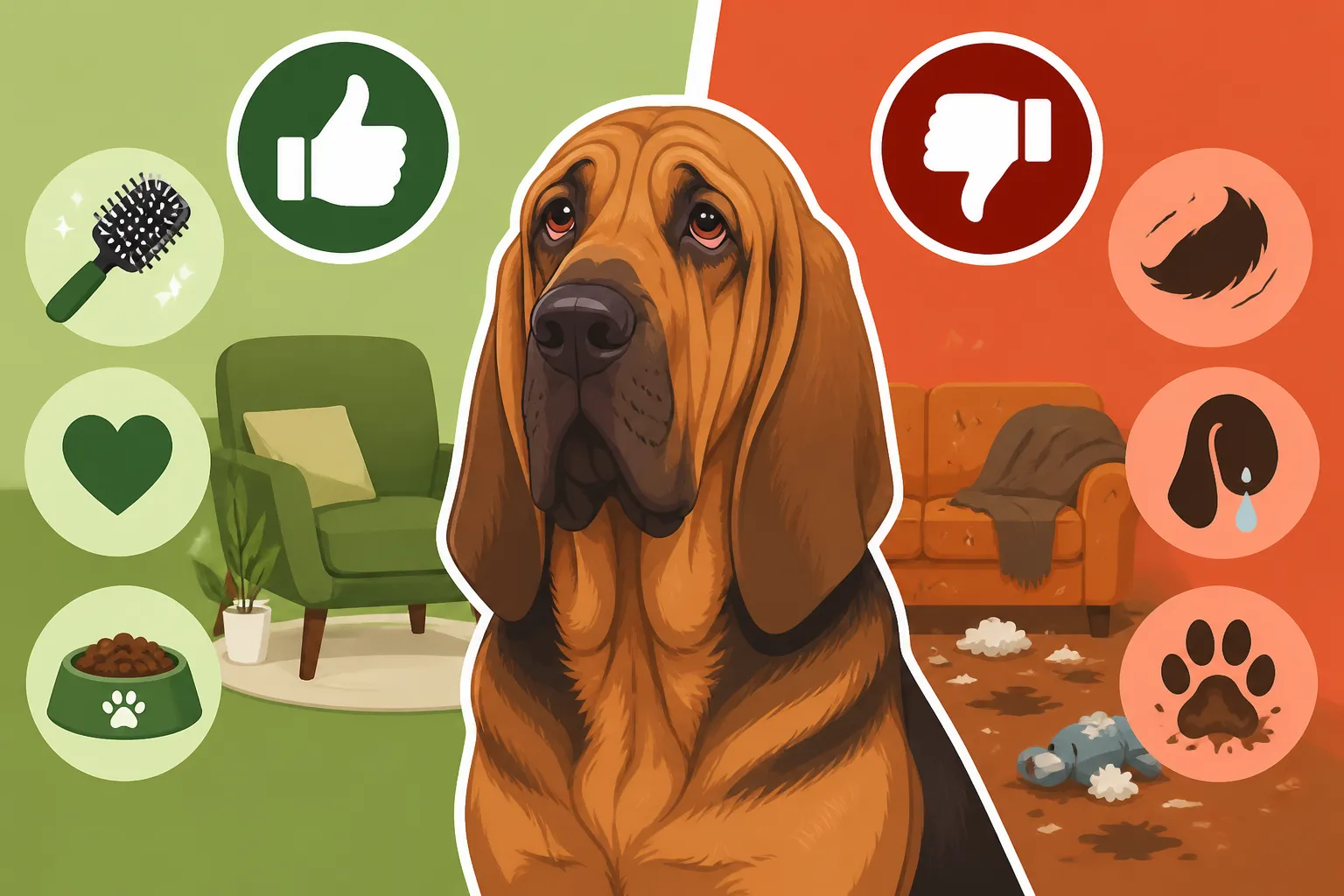
Many people look at a Bloodhound's short, sleek coat and think, "Now there's a low-maintenance dog!" It's an easy mistake to make, but the reality couldn't be further from the truth. These magnificent hounds, while undeniably loving and gentle, come with a unique set of care requirements that demand consistent effort and dedication. This guide will help you understand the true commitment involved in owning a Bloodhound, addressing the daily grooming, specialized feeding, extensive exercise, and ongoing health considerations that make them anything but low-maintenance.
More Than Just a Short Coat: The Reality of Bloodhound Grooming
Oh, believe me, I know how tempting it is to look at that sleek, short coat and think, "Finally, a dog that won't require hours of brushing!" But with a Bloodhound, their low-shedding coat is just about the only low-maintenance thing you'll find. The reality of living with these incredible scent hounds is far more involved than many first-time owners anticipate, and it’s important to go in with eyes wide open. Their signature features – those long, pendulous ears, deep facial wrinkles, and characteristic drool – all require diligent, consistent attention to prevent serious health issues and keep your home tidy.
The Endless Battle with Bloodhound Ears
If there’s one thing that defines a Bloodhound, it’s those magnificent, floppy ears. They’re beautiful, they help funnel scent, and they are, without a doubt, a standing infection risk. The sheer length and weight of their ear leather mean the ear canal is almost always covered, trapping moisture, warmth, and dirt – a perfect breeding ground for bacteria and yeast. This isn't just about occasional cleaning; it's a weekly, sometimes even daily, ritual. You’ll need to commit to Cleaning a Bloodhound's Ears Every Week for Life, which involves specialized ear cleaner, cotton balls, and a whole lot of patience from both you and your hound.
Imagine trying to clean something that’s about as long as your forearm, deep, and constantly exposed to the ground when your dog puts its head down. These ears will trail through everything from muddy puddles on a walk to their food and water bowls. This isn't a "wait until they smell bad" situation; by then, you're likely already dealing with a painful infection. Many owners opt for snoods during meal times to keep those long ears out of the kibble and water, a small but essential tool that makes a big difference in maintaining ear hygiene. It's a continuous, proactive effort to prevent the misery of a full-blown ear infection, which can be notoriously stubborn and expensive to treat. Neglect them, and you’re looking at chronic infections, intense pain for your dog, and potentially costly vet visits and even surgery down the line.
Managing Those Glorious, But Problematic, Wrinkles and Folds
Another hallmark of the Bloodhound is their loose, elastic skin, which forms those wonderfully expressive wrinkles and folds, particularly around their face, neck, and jowls. While these contribute to their distinctive, endearing look – and aid in scent collection by trapping odors – they are also prime locations for moisture, food particles, and debris to get trapped. This creates a warm, damp environment where bacteria and yeast can thrive, leading to a condition known as skin fold dermatitis. This isn't a minor irritation; it can be incredibly uncomfortable, itchy, and painful for your dog, often resulting in red, inflamed skin, a foul odor, and potential infection.
To combat this, you need to be regularly Wiping a Bloodhound's Folds Before They Sour. This means daily inspections and cleaning, especially after meals or anytime your dog gets wet or muddy. You’ll become intimately familiar with every crease and cranny, using gentle, pet-safe wipes or a soft cloth with a mild antiseptic solution. Pay particular attention to the deep folds around their muzzle, neck, and under their eyes. If left unchecked, these areas can quickly become hot spots, requiring veterinary intervention, including medicated washes, creams, or even oral antibiotics. It’s a constant vigilance to prevent discomfort and maintain their skin health, highlighting just how hands-on Bloodhound care truly is.
The Drool Factor: A Daily Reality
Let's talk about drool. With their deep flews and loose jowls, Bloodhounds are, shall we say, proficient droolers. It's not just a little drip here and there; it can be quite a production, especially after they drink water, eat, or get excited. If you're someone who values pristine, spotless floors and walls, a Bloodhound might test your patience. That majestic head shake, after a big drink of water, can send glistening trails across your kitchen, up your cabinets, and onto your clothes. It’s just part of the Bloodhound charm, but it requires a certain level of acceptance and preparation.
You’ll quickly learn to keep towels strategically placed throughout your home. A designated "drool rag" becomes as essential as their leash. Where a Bloodhound Puts Its Drool is often everywhere, from the floor by their food bowl to the couch where they nap. Wiping their jowls after drinking or eating isn't just for cleanliness; it helps prevent skin irritation in the folds around their mouth. For many Bloodhound owners, investing in absorbent mats under their food and water bowls, and perhaps even a specially designed water bowl that minimizes splashes, becomes standard practice. It’s not just a cosmetic issue; consistent wetness can lead to skin problems, so regular wiping is crucial for their well-being, not just your floors.
Beyond the Bowl: Feeding and Exercise Needs
Beyond the constant grooming, a Bloodhound's dietary needs and exercise requirements are far from "set it and forget it." These aren't dogs you can free-feed or simply let out in the yard for a quick romp. Their specific physiology and deeply ingrained instincts demand thoughtful meal planning and engaging activities.
Strategic Feeding to Prevent Health Scares
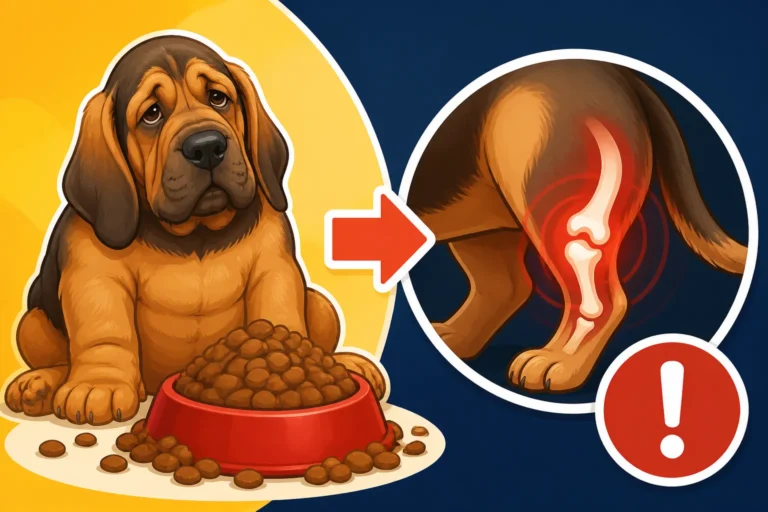
One of the most terrifying health emergencies for a large, deep-chested breed like the Bloodhound is bloat, or Gastric Dilatation-Volvulus (GDV). This life-threatening condition occurs when the stomach fills with gas and often twists, cutting off blood supply and rapidly leading to shock. It's a sudden, agonizing, and often fatal crisis that every Bloodhound owner dreads. The risk of bloat means that Feeding a Bloodhound So It Does Not Bloat isn't just about choosing good kibble; it's about a careful feeding regimen.
Most Bloodhound owners choose to feed two or even three smaller meals a day, rather than one large one, to reduce the amount of food and gas in the stomach at any given time. There's also debate about elevated food bowls; while once thought to prevent bloat, some studies suggest they might actually increase the risk in certain breeds. It's crucial to discuss this with your veterinarian. What’s universally agreed upon, however, is the need for a quiet feeding environment and strict rest periods before and after meals. Vigorous exercise, excitement, or excessive drinking around meal times can be triggers, so managing these factors is a non-negotiable part of Bloodhound ownership. This level of dietary management and vigilance is far from low maintenance and requires a mindful approach to every mealtime.
The Non-Negotiable Need for Scent Work and Exercise
If you think a Bloodhound will be happy with a couple of short walks around the block, think again. While they aren't marathon runners in the traditional sense, their minds are wired for one thing: scent work. A bored Bloodhound is a destructive Bloodhound, and simply running around a yard won't satisfy their innate drive. Their exercise needs are less about physical exertion and more about mental engagement, specifically engaging that incredible nose. This is why Mantrailing Is the Answer to a Bloodhound, Not Obedience for fulfilling their inherent needs.
They need opportunities to use their noses, whether it's through organized scent work classes, backyard "hide-and-seek" games with treats, or actual trailing practice on a long line. A Bloodhound on a scent will ignore everything else around them – including your recall commands – making off-leash excursions in unsecured areas incredibly risky. They will simply follow their nose for miles. So, daily walks often involve a long line to give them freedom to explore scents safely. This specialized exercise regimen is crucial for their mental well-being and to prevent behavioral problems like excessive baying, digging, or destructive chewing. Providing this consistent mental and physical outlet is a significant time commitment, differentiating them sharply from breeds content with less directed activity.
The Lifelong Investment: Health and Training Considerations
Owning a Bloodhound isn't just about managing daily care; it's a lifelong investment in their specific health challenges and their unique approach to learning. These aren't "easy to train" dogs, nor are they "set it and forget it" when it comes to veterinary care.
Understanding the Bloodhound's Unique Health Landscape
Bloodhounds are prone to several breed-specific health issues that require proactive management and can lead to significant veterinary expenses. Beyond bloat, conditions like hip and elbow dysplasia are prevalent due to their large size, requiring careful monitoring, appropriate exercise during growth, and potentially costly treatments. Their droopy eyelids, while endearing, can also lead to eye conditions like ectropion or entropion, where the eyelids roll out or in, respectively, causing irritation and requiring surgical correction. Daily Eye Care for a Bloodhound is often part of the routine to prevent issues.
Chronic ear infections, as mentioned earlier, can become a persistent battle. Hypothyroidism is another common ailment, requiring lifelong medication. While no dog is entirely free from health concerns, the Bloodhound's predispositions mean that regular veterinary check-ups are even more critical, often involving breed-specific screenings. Many owners opt for pet insurance or maintain a robust emergency fund because A Bloodhound's Money Is Spent in the Operating Room far more often than with many other breeds. Being prepared for these potential health challenges, both financially and emotionally, is a major part of Bloodhound ownership that few would describe as low maintenance.
Training a Nose-Driven Canine
When it comes to training, Bloodhounds are often described as "stubborn" or "independent," but it’s more accurate to say they are obsessed. Their nose is their world, and once they're on a scent, everything else fades into the background. This means traditional obedience training, while still necessary for basic manners, often requires immense patience, creativity, and a deep understanding of their drive. They aren't trying to be disobedient; they're simply following their instincts.
For example, achieving a reliable recall is an uphill battle, and for many, it's an unrealistic expectation in an open, unfenced area. Their single-minded focus on scent means that positive reinforcement methods, with high-value treats, are essential. Harsh corrections or frustration will only make them shut down. You’ll spend more time working with their nose than against it, channeling that incredible drive into productive activities. This kind of specialized training, which acknowledges and utilizes their natural instincts, is a far cry from the easy-to-teach responsiveness found in many other breeds. It’s an ongoing process of guidance, rather than strict command, making the training aspect a continuous, dedicated effort for the Bloodhound owner.
Comparing Bloodhound Care: Perception vs. Reality
To really drive home the point, let's look at some common perceptions versus the daily reality of Bloodhound ownership.
| Care Aspect | Common Perception (Short Coat Dog) | Bloodhound Reality |
|---|---|---|
| Grooming | Quick brush occasionally, maybe a bath monthly. | Weekly deep ear cleaning, daily fold wiping, frequent baths for odor/dirt, constant drool management, eye cleaning. |
| Feeding | Two meals a day, any bowl. | Two to three smaller meals, specialized bloat-prevention practices (e.g., slow feeders, strict rest before/after meals), careful monitoring of activity around food. |
| Exercise | Short leash walks, backyard play. | Daily structured scent work sessions (even short ones), long-line walks for mental stimulation, often needs 1-2 hours of focused activity, not just physical running. |
| Health | Routine annual vet visits, occasional emergencies. | Proactive monitoring for bloat, hip/elbow dysplasia, eye issues, chronic ear infections. Higher likelihood of emergency vet visits and specialized treatments/surgeries (e.g., gastropexy, eyelid surgery, ear canal ablation if neglected). |
| Training | Basic obedience, easy to recall. | Challenging recall, independent nature, highly scent-driven, requires creative, positive reinforcement, ongoing mental stimulation through scent work. |
| Cleanliness | Fairly neat, minimal mess. | Drool on walls, floors, clothes; muddy ears and feet tracking dirt; constant need for cleaning cloths. |
As you can see, while the short coat might trick you into thinking they're low-maintenance, a Bloodhound's other distinguishing features and deep-seated instincts demand a highly involved and consistent care routine. Brands like Chewy and Amazon will become your go-to for essentials like ear cleaners, gentle wipes for folds, and those all-important snoods. You might even find yourself exploring specialized large-breed foods from companies like Ollie that cater to sensitive stomachs and growth needs.
So, is a Bloodhound low maintenance? Absolutely not. They are a high-commitment breed that requires a dedicated owner willing to invest significant time, effort, and resources into their unique needs. But for those who embrace the challenge, the reward is an unparalleled companion with an incredible nose and an even bigger heart.
Disclaimer
This article is for general informational purposes only and does not constitute professional advice. Laws, prices and regulations vary by location and change over time. Consult a qualified professional for guidance on your specific situation.