Whether a Bloodhound’s Water Bowl Should Be Elevated
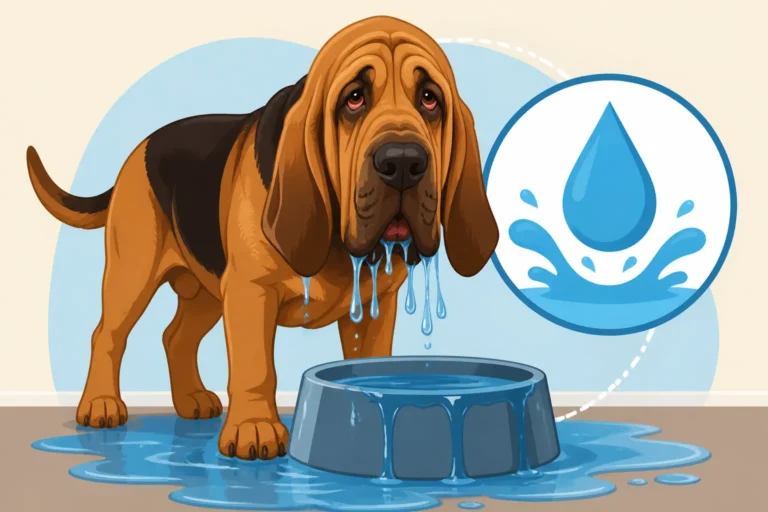
It’s a common sight: a magnificent Bloodhound, all jowls and wisdom, taking a long drink from their water bowl, often leaving a small lake on the floor around it. As devoted Bloodhound owners, we’re constantly looking for ways to improve their health and comfort, and a persistent question that often arises is whether their water bowl should be elevated. This guide will dive deep into the science and practicalities behind elevated water bowls for Bloodhounds, helping you make an informed decision for your beloved companion.
The Long-Held Belief: Elevated Bowls as Bloat Prevention
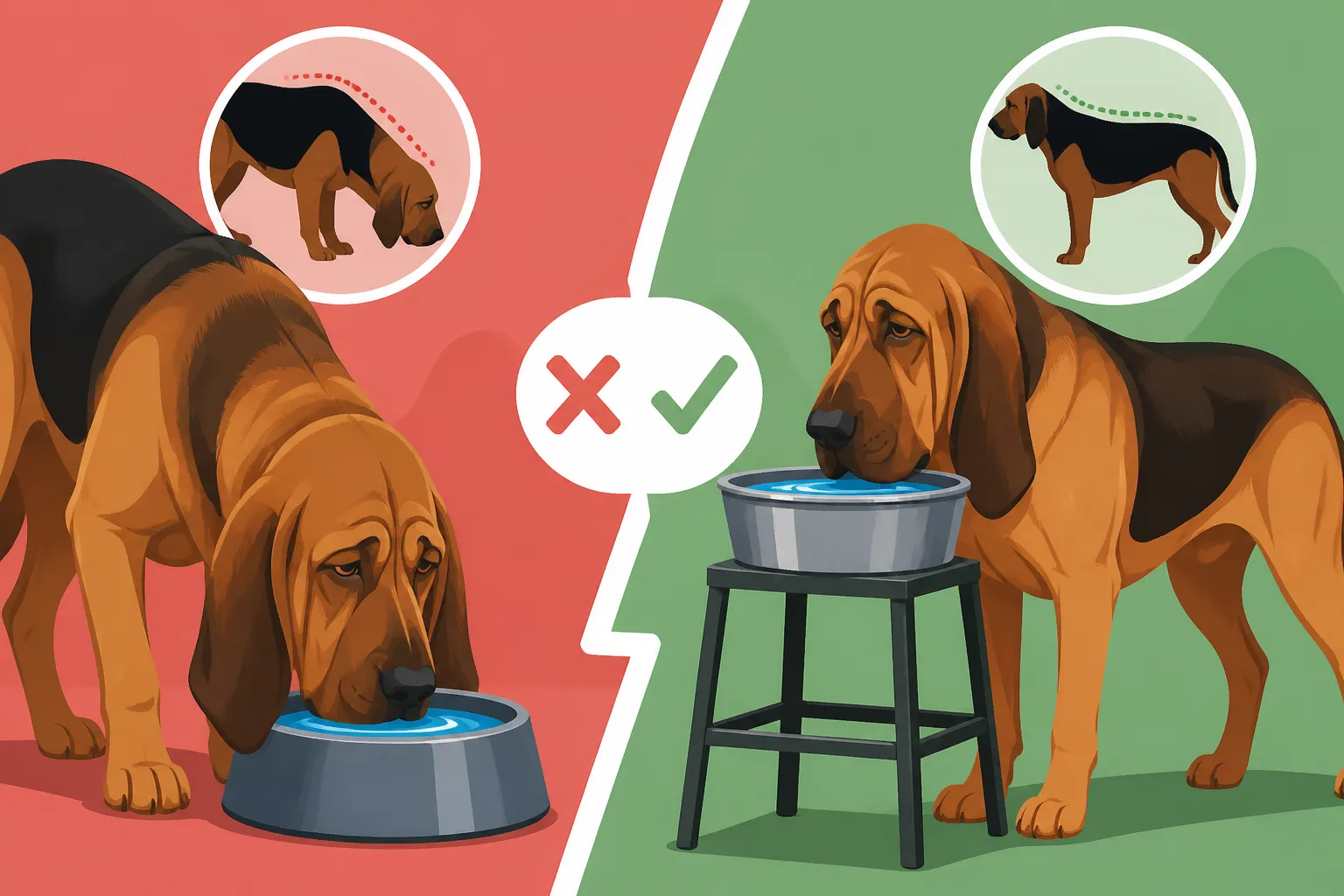
For many years, and still, in some circles, there was a strong belief that elevated food and water bowls were beneficial for large, deep-chested breeds like Bloodhounds. The reasoning seemed logical enough: by raising the bowls, a dog wouldn't have to bend their neck and back as far, supposedly leading to a more comfortable eating and drinking posture. The primary concern, and the driving force behind this recommendation, was the prevention of Gastric Dilatation-Volvulus (GDV), more commonly known as bloat.
Bloat is a terrifying, life-threatening condition where a dog's stomach fills with gas and can then twist upon itself, cutting off blood supply and trapping the gas. It's an emergency that often requires immediate, costly surgery, and even then, survival isn't guaranteed. Bloodhounds, with their deep, narrow chests, are unfortunately among the breeds at higher risk. Owners, understandably desperate to avoid such a crisis, embraced any suggestion that might offer protection. The theory was that if a dog ate and drank from a raised bowl, they would swallow less air because their posture was more natural, and this reduced air intake would, in turn, lower the risk of bloat. It made perfect sense to countless owners and even many veterinary professionals at the time, and you'd often see sturdy, elevated feeding stations advertised specifically for giant breeds. The idea was to create an ergonomic setup that eased digestion and minimized the gulping of air that could contribute to the dangerous gastric distension preceding a twist. Many of us, myself included, set up these elevated stations with the best intentions, believing we were providing optimal care and safeguarding our hounds from a silent, swift killer. It's truly heartbreaking to think that what was once considered a preventative measure might not only be ineffective but potentially counterproductive.
The Surprising Truth: What Recent Research Reveals About Elevated Bowls
Here's where the plot thickens, and our understanding of canine health has evolved significantly. While the idea of elevated bowls reducing bloat risk was pervasive for decades, more recent and comprehensive scientific studies have challenged this long-standing assumption. The most pivotal of these was the large-scale Purdue Bloat Study, which carefully investigated numerous factors associated with GDV in large and giant breed dogs. What they found surprised many in the veterinary community and changed how we approach feeding for at-risk breeds.
Contrary to the popular belief, the Purdue study actually found an increased risk of bloat in large and giant breed dogs when they ate or drank from elevated bowls. Yes, you read that right – an increased risk. For giant breeds, the risk was found to be more than double for dogs using elevated feeding and watering dishes compared to those eating from bowls on the floor. This finding certainly caused a stir, overturning years of conventional wisdom. The exact mechanisms behind this increased risk aren't entirely clear, but researchers have hypothesized several possibilities. One theory suggests that elevated bowls might encourage dogs to eat and drink faster, leading to more air being swallowed in their haste. Another thought is that the altered posture might affect the esophagus or stomach in a way that predisposes to gas accumulation or twisting, perhaps by relaxing the esophageal sphincter or changing the angle of the stomach. What the Purdue Bloat Study Found About Bloodhounds
For Bloodhound owners, this information can feel unsettling, especially if you've been diligently using elevated bowls for years. It underscores the importance of staying updated with veterinary science and realizing that what we thought was best for our dogs can sometimes be re-evaluated with new research. Ultimately, based on the current body of evidence, placing your Bloodhound's water bowl directly on the floor is generally considered a safer practice in terms of bloat prevention than elevating it. Of course, every dog is an individual, and it's always wise to discuss these decisions with your veterinarian, especially given your Bloodhound's unique medical history and risk factors for conditions like Bloat Is What Kills Most Bloodhounds. This shift in understanding means we need to consider other, more proven strategies to mitigate bloat risk, rather than relying on bowl elevation.
Practical Considerations for a Bloodhound's Water Bowl
Beyond the question of elevation, there are many practical aspects to consider when it comes to your Bloodhound's water bowl setup. These details can significantly impact your dog's hydration, hygiene, and even your daily routine. Bloodhounds are unique, and their physical characteristics—those long ears, those prodigious jowls, that gentle sloppiness—mean that standard dog care advice often needs a "Bloodhound adjustment."
Material and Size Matter
First off, let's talk materials. When it comes to water bowls, stainless steel is almost always the gold standard. It’s incredibly durable, easy to clean, and non-porous, meaning it won't harbor bacteria like scratched plastic can. Plastic bowls are often cheaper and lighter, but those tiny scratches that inevitably form become breeding grounds for germs, which can contribute to acne on your Bloodhound's chin or even more serious infections. Ceramic bowls are another option; they're heavy and less prone to tipping, which is a plus for a big dog, but they can chip or crack, creating sharp edges and porous surfaces where bacteria can hide. Stick with good quality stainless steel for the best long-term solution. You can find excellent, heavy-duty stainless steel bowls on platforms like Amazon or Chewy, specifically designed for large breeds.
Size is also crucial. A Bloodhound needs a substantial amount of water throughout the day. A small bowl will require constant refilling, which isn't always practical, especially if you're not home all day. Look for bowls with a generous capacity, ideally enough to last for several hours without needing a top-up. You want to ensure your hound always has access to fresh, clean water.
Placement, Stability, and the Drool Factor
Bloodhounds are notoriously enthusiastic drinkers, and their jowls and long ears often mean that a simple drink of water turns into a small flood. Placement of the water bowl is key to managing this delightful mess. Think about high-traffic areas where a wet floor won't cause slips, or consider placing the bowl on a non-slip mat specifically designed for pet feeding areas. Many owners use a large boot tray or a designated waterproof mat to catch the inevitable drips and splashes. How Much Water a Bloodhound Spills in a Day
Stability is also paramount. A lightweight bowl is an open invitation for a Bloodhound to knock it over, creating an even bigger mess and leaving them without water. Look for heavy bowls or those with a non-skid rubber ring on the bottom. Some elevated feeding stations, while not recommended for bloat prevention, do offer stability by holding the bowls securely in a frame. If you're going for a floor-level bowl, ensure it's weighty enough not to be easily nudged.
And then there's the drool. Oh, the drool! It's part and parcel of Bloodhound ownership. Their jowls dip into the water, collect it, and then often shake it across the room. A simple solution for keeping those long, magnificent ears out of the water (and food) is a snood. A snood is a fabric tube that you can slip over your Bloodhound's head, keeping their ears tucked safely away while they eat or drink. What a Snood Does for a Bloodhound This not only keeps their ears dry and cleaner, reducing the risk of ear infections, but also prevents them from dragging soggy ears across your floor. Many owners swear by snoods for mealtimes, and they're easy to find through online retailers like Amazon or specialty pet stores. The Bloodhound Ear That Trails Through the Food Bowl
The Constant Battle Against Contamination
A Bloodhound's water bowl is a hotspot for all sorts of "extras." Those long, droopy ears often dip into the water, introducing yeast and bacteria from their ears. Their magnificent jowls collect food, dirt, and drool, all of which can end up in the water. This means a Bloodhound's water bowl can get surprisingly dirty, surprisingly fast.
This isn't just an aesthetic issue; it's a health one. A perpetually dirty water bowl can become a breeding ground for bacteria, mold, and even algae, especially if left in a warm environment. These contaminants can contribute to various issues, from skin irritation around their mouth to gastrointestinal upset. Therefore, daily cleaning of your Bloodhound's water bowl is not optional; it's essential. A quick rinse isn't enough; you need to scrub it with hot, soapy water, just as you would your own dishes. If you have multiple bowls, rotate them so one is always clean and dry, ready for use. Ensuring fresh, clean water at all times is one of the simplest yet most effective ways to support your Bloodhound's overall health. Don't forget their ears need regular attention too, so ensuring clean water is just one piece of the puzzle. Cleaning a Bloodhound's Ears Every Week for Life
Optimizing Hydration and Reducing Bloat Risk: Beyond Bowl Elevation
Since we've learned that elevated bowls aren't the answer to preventing bloat, it's natural to wonder what else we can do to optimize our Bloodhound's hydration and reduce their risk of this frightening condition. The good news is there are several actionable strategies that focus on safe feeding practices, careful monitoring, and proactive veterinary care.
Smart Feeding Practices for Bloat Prevention
While water bowls might not be elevated, how and when your Bloodhound eats and drinks can make a significant difference.
- Smaller, More Frequent Meals: Instead of one or two large meals, consider splitting your Bloodhound's daily food allowance into three or even four smaller meals. This reduces the amount of food and gas in the stomach at any one time, which can lessen the risk. Feeding a Bloodhound So It Does Not Bloat This is a widely recommended strategy for deep-chested breeds.
- Slow Down Mealtime: Many Bloodhounds are champion gobblers, inhaling their food in mere seconds. Rapid eating can lead to swallowing excessive air. Invest in a slow-feeder bowl or a puzzle feeder to make mealtime an engaging challenge. These bowls have various ridges and obstacles that force your dog to eat more slowly. While primarily designed for food, slowing down the entire eating process can contribute to better digestion. You can find many effective slow-feeder options from reputable pet supply stores like Chewy or Amazon.
- Restrict Activity Around Meals: It's crucial that your Bloodhound rests for at least an hour before and, more importantly, after eating and drinking. Strenuous exercise, excitement, or even rough play immediately before or after a meal can increase the risk of bloat. This means no vigorous walks right before dinner, and no zoomies in the yard immediately after they've emptied their bowl. A calm, quiet environment for digestion is key.
- Consistent Hydration: Encourage steady water intake throughout the day rather than allowing them to gulp large quantities all at once, which can happen if water is restricted then offered. Always have fresh water available, but don't let them become excessively thirsty.
Monitoring Water Intake and Overall Hydration
Keeping an eye on your Bloodhound's drinking habits can tell you a lot about their health.
- Know Their Normal: Understand how much your Bloodhound typically drinks in a day. Significant increases or decreases can be indicators of underlying health issues, from kidney problems to diabetes.
- Multiple Water Stations: Consider having several water bowls scattered around your home, especially if you have a large house or multiple floors. This ensures easy access and encourages consistent hydration, even for a lazy hound.
- Hydrating Foods: If your Bloodhound isn't a huge drinker, you can supplement their water intake through their food. Adding a bit of warm water or low-sodium broth to their kibble, or incorporating moisture-rich fresh foods, can help. For instance, if you're exploring high-quality diets like those offered by Ollie, remember that these can often be more hydrating than dry kibble alone, but they don't negate the need for continuous access to fresh water. Proper hydration is a cornerstone of overall health, complementing any dietary choice.
- Weather and Activity: On hot days or after vigorous exercise (like a long trailing session!), your Bloodhound will naturally need more water. Be extra vigilant about offering water breaks and replenishing their bowls frequently.
Proactive Veterinary Measures for Bloat
While these practices help, the single most effective way to prevent bloat in a high-risk breed like a Bloodhound is a surgical procedure called a gastropexy.
- The Gastropexy Decision: A gastropexy is a procedure where the stomach is surgically tacked to the abdominal wall, preventing it from twisting. It doesn't prevent the stomach from dilating (filling with gas), but it virtually eliminates the life-threatening volvulus (twisting). This surgery can be performed preventatively, often at the same time as a spay or neuter, or as part of emergency bloat surgery. For Bloodhound owners, seriously considering a prophylactic gastropexy is one of the most impactful decisions you can make for their long-term health and your peace of mind. The Gastropexy Decision Every Bloodhound Owner Faces While it's a financial investment, the cost and emotional toll of emergency bloat surgery far outweigh the preventative procedure.
- Regular Vet Check-ups: Maintaining regular veterinary visits ensures your Bloodhound's overall health is monitored, allowing your vet to catch any potential issues early and provide tailored advice regarding diet, exercise, and bloat prevention. They can also advise on any new research or recommendations that emerge.
By focusing on these comprehensive strategies – smart feeding, vigilant hydration monitoring, and proactive veterinary care like a gastropexy – you can provide the best possible protection for your Bloodhound against bloat, ensuring they live a healthy, happy life with plenty of slurps from their floor-level water bowl.
| Feature | Elevated Bowl (Historical View) | Floor-Level Bowl (Current Recommendation) |
|---|---|---|
| Bloat Risk | Believed to decrease risk. | Research indicates an increased risk in large breeds. |
| Dog's Posture | Supposedly more natural, less neck strain. | Dog naturally lowers head and neck to drink. |
| Air Swallowing | Thought to reduce air intake. | Less evidence of excessive air swallowing. |
| Comfort for Arthritis | Potentially more comfortable for older dogs (secondary benefit, not primary bloat reason). | May require more bending for older dogs. |
| Hygiene (Ears/Jowls) | Does not inherently keep ears/jowls cleaner from water. | Ears/jowls still prone to dipping in water. |
| Stability | Often more stable if built into a heavy stand. | Can be easily tipped if not heavy or non-slip. |
| Ease of Cleaning | No difference in bowl cleaning. | No difference in bowl cleaning. |
| Cost | Elevated feeders can be more expensive. | Simple bowls are typically more affordable. |
Disclaimer
This article is for general informational purposes only and does not constitute professional advice. Laws, prices and regulations vary by location and change over time. Consult a qualified professional for guidance on your specific situation.