Whether a Bloodhound’s Ears Get Sore at the Tips
It’s a common sight for Bloodhound owners: you’re giving your beloved hound some ear rubs, and suddenly you notice redness, maybe some scabbing, or even a little bit of hair loss right on the tips of those magnificent, long ears. It’s disheartening to see your gentle giant uncomfortable, and it immediately raises concerns about what’s causing the soreness and how you can fix it. This guide is here to help you understand why your Bloodhound's ear tips might get sore, what to look out for, and how to keep those impressive leathers healthy and happy.
The Unique Vulnerability of a Bloodhound's Ears
Let's face it, a Bloodhound's ears are iconic. They're long, they're heavy, and they are absolutely essential to their incredible sense of smell, sweeping scent particles towards that powerful nose. But what makes them so extraordinary also makes them incredibly vulnerable. It’s a bit of a paradox, isn’t it? These beautiful, pendulous ears are constantly exposed to the world in a way other breeds' ears simply aren't, leading to a host of potential problems.
Length and Weight: A Recipe for Trouble
Imagine having earlobes so long they could drag on the ground as you sniff along, or get caught underfoot when you lie down. That's the reality for a Bloodhound. Their ears aren't just long; they're also thick and heavy with rich blood supply and cartilage, which means they have significant mass. This weight, combined with their length, makes them surprisingly delicate despite their robust appearance.
Every time your Bloodhound dips its head to follow a fascinating scent, those ear tips are sweeping the ground, brushing against rough terrain, sticks, stones, and even pavement. This constant friction can lead to tiny abrasions, nicks, and scrapes that might seem insignificant individually but accumulate over time. Think about how easily your own skin gets irritated by constant rubbing; now imagine that happening to a dog's delicate ear leather. The very thing that makes them such superb trackers – those long, scent-gathering ears – puts them at a constant risk of physical trauma. It's truly a challenge unique to our long-eared companions.
Gravity's Relentless Pull and Reduced Airflow
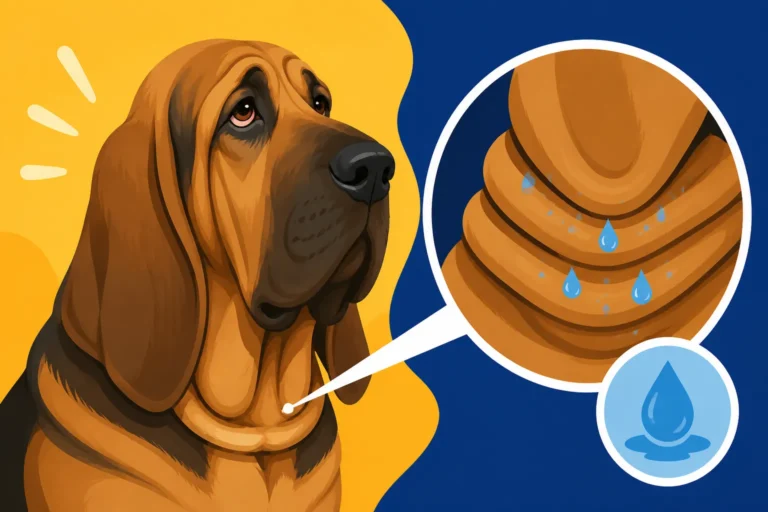
Beyond just physical contact with the ground, the sheer pendulous nature of a Bloodhound's ears creates an environment that can be a breeding ground for trouble. Gravity is not their friend here. The way the ears hang means there's less natural airflow compared to dogs with pricked or semi-pricked ears. This reduced ventilation traps moisture and heat within the ear canal and along the inner surface of the ear leather.
This warm, damp environment is an open invitation for yeast and bacteria to flourish. While a full-blown ear infection might start deep in the canal, the continuous moisture and lack of air can affect the entire ear flap, making the skin along the tips more susceptible to fungal or bacterial overgrowth. This isn't just about infection; it's about compromised skin health across the board. The constant humidity can weaken the skin barrier, making it more prone to dryness, cracking, and irritation, even without an outright infection taking hold. It's a battle against nature, and it's why A Bloodhound's Ears Are a Standing Infection Risk is always something we need to be mindful of.
Common Causes of Sore Ear Tips
When those big, expressive ears start showing signs of soreness, it’s often a result of one or more common culprits. It’s rarely just one thing, which is why figuring out the root cause can sometimes feel like detective work. Understanding these common issues is the first step toward effective prevention and treatment.
Trauma and Abrasions from Daily Life
As mentioned, a Bloodhound's ears are practically ground-sweepers. This means they are constantly exposed to potential injury. Imagine your dog enthusiastically following a scent trail through tall grass, thorny bushes, or even just scraping along concrete sidewalks. The thin skin on the ear tips can easily get scratched, torn, or abraded. I've seen my own hound come in with tiny nicks from a romp in the woods, or a little scrape from an enthusiastic dig in the garden.
Sometimes, the trauma is accidental but self-inflicted. A vigorous head shake to dislodge water or an itch can cause the heavy ear flaps to slap against each other or against hard objects, leading to bruising or splitting, especially at the tips. If your Bloodhound gets into a playful tussle with another dog, their ears can become an easy target for accidental nips or scratches. These seemingly minor injuries, if left unaddressed or if they become chronic, can lead to persistent soreness, inflammation, and even secondary infections. It’s a constant battle to protect those precious, working ears from the wear and tear of everyday life.
Environmental Irritants and Allergies
Beyond physical trauma, the environment itself can be a major source of irritation for a Bloodhound's ear tips. Their long, dragging ears pick up everything! Pollen, dust, dirt, burrs, tiny seeds, and even residual chemicals from lawn treatments can cling to the ear leather and cause irritation. For a dog prone to environmental allergies, this constant contact with allergens can trigger localized reactions, leading to redness, itching, and inflammation. The skin becomes inflamed, and the hound responds by scratching or rubbing, which only exacerbates the problem and can lead to open sores.
Food allergies or sensitivities can also manifest as skin issues, including general skin inflammation and itching that can extend to the ears. If your Bloodhound is constantly itchy all over, their ears won't be exempt. This systemic inflammation can make the ear tips more sensitive and reactive to even minor environmental irritants. It's a double whammy: external irritants combined with an internal predisposition to react. For some dogs, switching to a limited ingredient diet or a fresh food diet like what Ollie offers, can sometimes help manage overall skin health and reduce allergic flare-ups that contribute to ear tip soreness. It’s important to remember that skin issues are often a symptom of something deeper, and allergies are frequently the root cause.
Infections and Dermatitis that Spread
The warm, moist environment inside a Bloodhound's ear canal is notoriously conducive to infections. Why a Bloodhound's Ear Canal Stays Damp explains this in detail. What often starts as an infection deep within the canal – be it bacterial, yeast, or even mites – can quickly spread to the entire ear flap if left untreated. The inflammation and irritation associated with these infections aren't confined to the inner ear; they extend outward, causing the ear leather, including the tips, to become red, swollen, hot, and incredibly painful.
Dermatitis, or inflammation of the skin, can also affect the ear tips. This might be contact dermatitis from something they've brushed against, or it could be related to generalized skin conditions like seborrhea, which causes greasy or flaky skin. When these conditions affect the ear tips, the skin can become thickened, cracked, and prone to secondary bacterial or yeast infections due to constant moisture and lack of air. The skin on the tips is already thin and sensitive, making it particularly vulnerable to these spreading issues. A simple ear infection can quickly become a full-blown dermatological nightmare if not caught and addressed promptly.
Recognizing and Diagnosing Sore Ear Tips
Catching ear tip problems early is key to preventing more severe pain and complications for your Bloodhound. Sometimes, the signs are subtle, but with regular grooming and attention, you'll become attuned to what's normal for your hound. Knowing what to look for, both visually and behaviorally, can make all the difference.
Visual Cues and Behavioral Changes
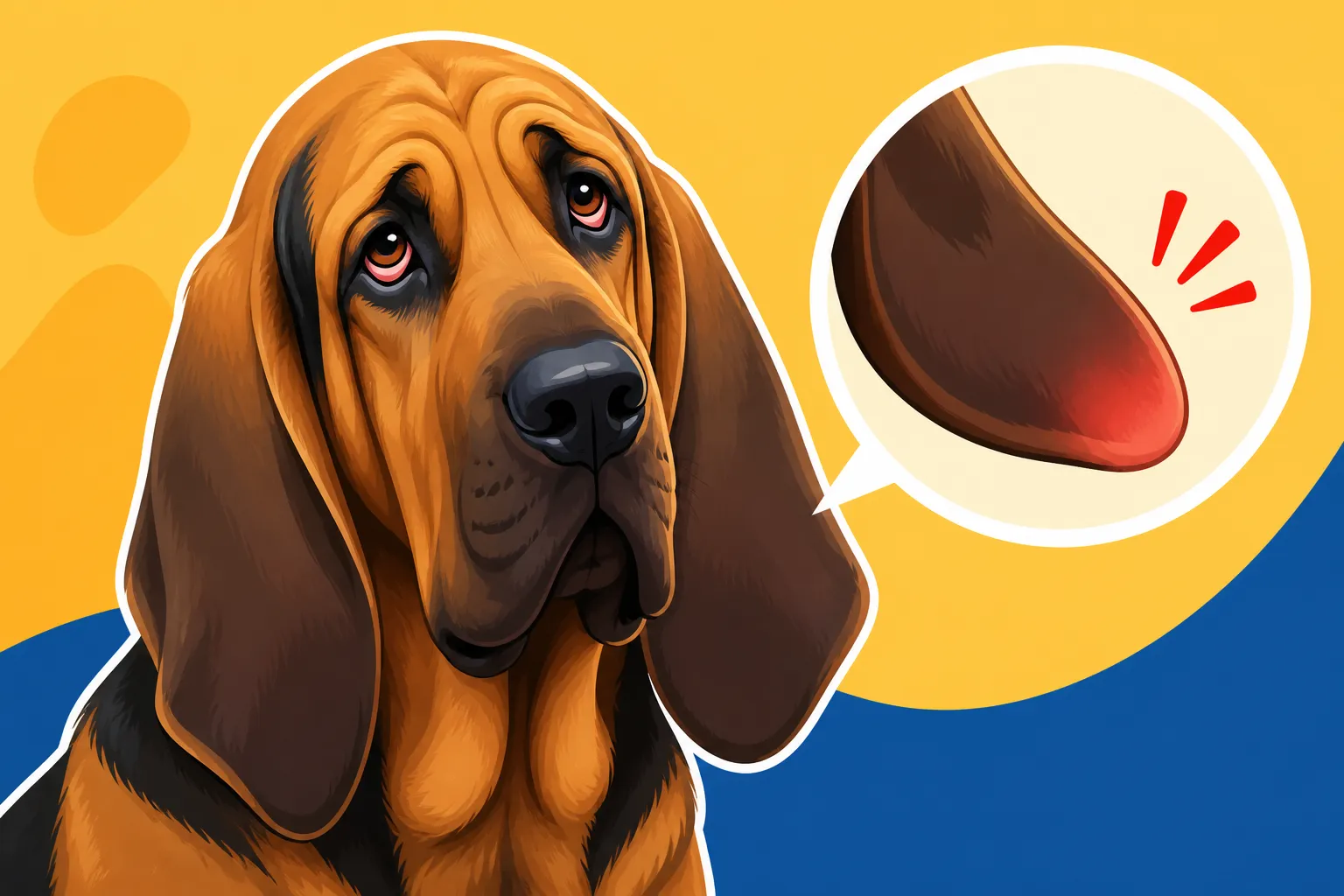
When you suspect an issue with your Bloodhound's ear tips, start with a thorough visual inspection. Look for any signs of redness, which might range from a subtle pink to a bright cherry red. Check for swelling, which can make the ear tips appear thicker or puffy. Scabbing, crusting, or flakiness are also clear indicators of irritation or injury. You might notice hair loss on the tips, or the fur might appear matted or greasy from discharge. In severe cases, there might be open sores or cracks in the skin, which can be quite painful.
Beyond what you can see, pay close attention to your Bloodhound's behavior. Are they shaking their head more than usual? Are they rubbing their ears against furniture, the ground, or their paws? Do they flinch or pull away when you try to touch their ears, particularly the tips? Excessive scratching at the ears or signs of discomfort during normal activities are red flags. Sometimes, they might even hold one ear slightly differently, trying to protect it. Changes in appetite or general demeanor could also signal that they are in pain. It’s all about noticing what's different from their usual happy-go-lucky hound self.
The Importance of a Vet Visit for Proper Diagnosis
While observing these signs is crucial for early detection, self-diagnosis is rarely enough when it comes to ear issues. There are so many potential causes, and treating the symptoms without understanding the underlying problem is like putting a band-aid on a broken leg. A visit to your veterinarian is absolutely essential for a proper diagnosis and effective treatment plan.
Your vet will conduct a thorough examination of the entire ear, not just the tips. They’ll look deep into the ear canal with an otoscope, checking for signs of infection, foreign bodies, or parasites. They will likely take samples from the ear – a swab for cytology to look for yeast, bacteria, or mites under a microscope, and possibly a culture if a resistant infection is suspected. They might also discuss your dog’s diet, environment, and any history of allergies. For persistent or recurrent issues, your vet might recommend allergy testing or a specialized referral to a veterinary dermatologist. Trying to guess what’s wrong and using over-the-counter remedies can sometimes make things worse or mask a more serious issue, leading to chronic discomfort for your dog. So, when in doubt, always consult your trusted vet.
| Symptom | Potential Cause | Immediate Action |
|---|---|---|
| Redness & Swelling | Trauma, allergy, infection | Gentle clean, vet visit |
| Scabs & Crusting | Abrasions, mites, dermatitis | Prevent scratching, vet visit |
| Hair Loss (tips) | Chronic irritation, rubbing | Identify irritant, vet visit |
| Head Shaking/Rubbing | Itch, pain, infection | Check for foreign bodies, vet visit |
| Flinching to Touch | Pain, acute injury, severe inf. | Handle with care, urgent vet visit |
| Discharge (ear canal) | Infection | Do not self-treat, vet visit |
| Cracks/Splits | Trauma, dryness, severe dermatitis | Keep clean, prevent further injury, vet visit |
Preventing Sore Ear Tips in Your Bloodhound
An ounce of prevention is worth a pound of cure, especially when it comes to those magnificent Bloodhound ears. Proactive care can save your hound a lot of discomfort and save you some unexpected vet bills. It’s all about creating a routine that minimizes risk and maximizes ear health.
Regular Cleaning and Inspection Routines
This is probably the most critical part of preventing ear tip soreness, and it goes beyond just cleaning the inside of the ear. While How Often a Bloodhound's Ears Need Cleaning covers the canal, the tips themselves need daily attention. After walks, especially through brush or dusty areas, gently wipe down the entire length of the ear leather with a soft, damp cloth. Pay special attention to the tips, checking for any debris, burrs, or small cuts. You want to make sure the skin is clean and dry.
For general weekly care, use a veterinarian-approved ear cleaner not just inside the canal, but also to gently wipe the visible parts of the ear flap. Make sure you're using a product that's designed for dog ears, as human products can be too harsh. After cleaning, thoroughly but gently dry the ear tips. Moisture left on the skin, particularly in the deep folds or at the tips, can lead to irritation and infection. Consider incorporating this into your regular grooming sessions, making it a positive experience for your dog with treats and praise. This consistent routine will help you spot issues before they escalate and keep the skin healthy. Many reliable ear cleaners are available on Chewy or Amazon, making it easy to keep stocked up.
Protective Measures for Active Hounds
For Bloodhounds that love to explore, whether they’re working a trail or just enjoying a vigorous romp in the yard, protective measures are incredibly helpful. One of the simplest and most effective tools is a snood. A snood is a soft fabric tube that slips over your dog's head, covering their ears and keeping them out of the food bowl, away from muddy puddles, and protected from thorns and burrs when they’re sniffing through dense undergrowth. What a Snood Does for a Bloodhound beautifully illustrates its utility.
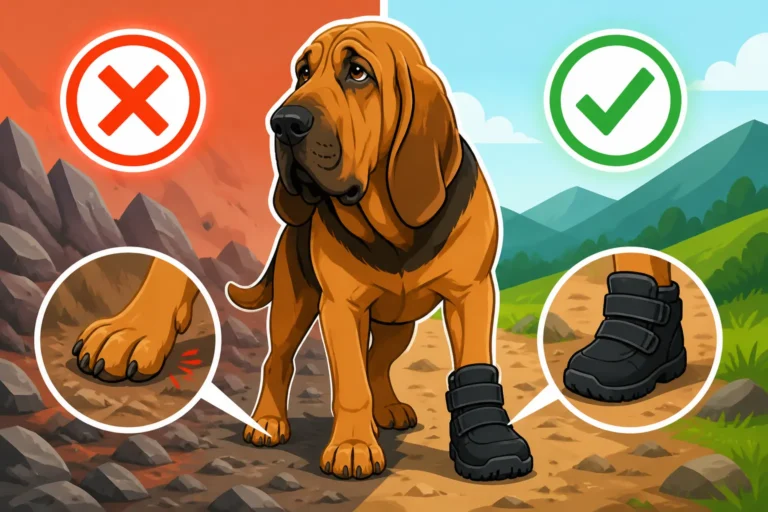
Beyond snoods, consider the environment. If your Bloodhound is prone to ear tip injuries from concrete or rough surfaces, you might consider dog boots or paw balms that indirectly help by making them more comfortable to move and less likely to drag themselves in awkward positions. For very active dogs, especially those working in rough terrain, some handlers use wraps or medical tape to secure the ear tips against the side of the head during activity. Always ensure these are applied loosely enough to allow circulation and removed immediately after the activity. The goal is to create a barrier between those delicate ear tips and the harsh elements of the world.
Nutritional Support and Allergy Management
A healthy coat and skin start from the inside out. A high-quality, balanced diet provides the essential nutrients – omega fatty acids, vitamins, and minerals – that support a strong skin barrier and a healthy immune system. If your Bloodhound’s skin is generally dry, flaky, or inflamed, it makes their ear tips much more susceptible to problems. Talk to your vet about whether a specific diet might benefit your dog's skin health.
For Bloodhounds with known allergies, whether food or environmental, rigorous allergy management is paramount. This might involve working with your vet on elimination diets, using prescription anti-allergy medications, or creating an allergen-reduced home environment. If your dog suffers from environmental allergies, wiping down their ears and paws after coming inside can remove some of the irritants they've picked up. Remember, healthy skin is resilient skin, and a healthy immune system is better equipped to fight off opportunistic infections that can cause ear tip soreness. Brands like Ollie offer fresh, minimally processed food options that some owners find beneficial for dogs with sensitivities, as they often avoid common allergens found in highly processed kibble. It's an investment in overall health that can pay dividends for their ears.
Treating Sore Ear Tips When They Occur
Despite our best efforts, sometimes sore ear tips still happen. When they do, knowing how to react quickly and appropriately can prevent a minor irritation from escalating into a serious problem. It’s a two-pronged approach: immediate first aid at home, followed by professional veterinary care when needed.
First Aid and Gentle Home Care
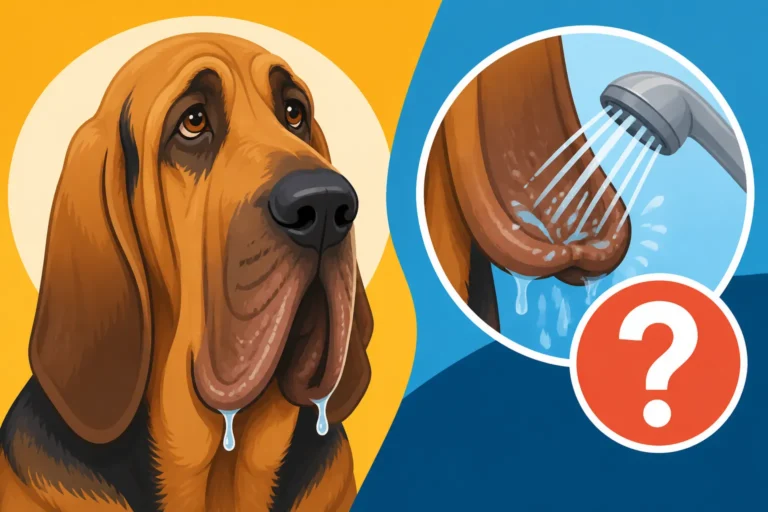
If you notice your Bloodhound’s ear tips are sore, the very first step is to gently clean the area. Use a soft cloth dampened with warm water and a mild, pet-safe antiseptic solution if recommended by your vet. Avoid harsh soaps, alcohol, or hydrogen peroxide, as these can further irritate already sensitive skin. The goal is to remove any dirt, debris, or discharge without causing more pain. Pat the area dry very carefully.
Once clean, preventing your Bloodhound from scratching or rubbing the ears is crucial. This self-trauma only makes the problem worse. An Elizabethan collar (e-collar) might be necessary to protect the ears while they heal. You can find comfortable e-collars on Amazon or Chewy. For minor, non-infected irritations, a cold compress can sometimes help reduce swelling and discomfort, but always check with your vet first to ensure it's appropriate for the specific issue. Never apply human creams or ointments unless specifically instructed by your vet, as many contain ingredients that are toxic to dogs or can exacerbate their skin condition.
Veterinary Treatments for Specific Conditions
For any ear tip soreness that doesn't resolve quickly, shows signs of infection (pus, strong odor, excessive redness/swelling), or causes significant pain to your Bloodhound, a vet visit is imperative. Based on their diagnosis, your vet might prescribe a variety of treatments:
- Topical Medications: For localized inflammation, mild infections, or allergic reactions, your vet might prescribe medicated creams, ointments, or sprays containing antibiotics, antifungals, or corticosteroids. These are applied directly to the affected ear tips.
- Oral Medications: If the infection is more widespread, deep-seated, or if the inflammation is severe, oral antibiotics, antifungals, or anti-inflammatory drugs (like steroids) may be necessary. These medications work systemically to combat the issue.
- Pain Relief: If your Bloodhound is in significant pain, your vet will likely prescribe pain medication to keep them comfortable during the healing process.
- Specialized Washes: For certain types of dermatitis or skin infections, medicated shampoos or rinses might be recommended to cleanse the area and deliver active ingredients.
- Allergy Management: If allergies are identified as the root cause, long-term allergy management, including specific diets, antihistamines, or immunomodulators, will be part of the treatment plan. This helps prevent future flare-ups, which is a major factor in preventing recurring ear tip issues.
Remember, following your vet's instructions precisely is vital for a successful outcome. Stopping medication early, even if the ear looks better, can lead to a relapse and potentially more resistant infections.
Long-Term Management and Outlook
Living with a Bloodhound means accepting that their ears are a lifelong project. While acute ear tip soreness can often be resolved with prompt treatment, the underlying vulnerabilities mean that long-term, consistent management is crucial. It's not just about fixing problems as they arise, but about maintaining optimal ear health every single day.
Chronic Issues and Ongoing Vigilance
Some Bloodhounds, unfortunately, are predisposed to chronic ear problems, which can include recurring soreness at the tips. This might be due to severe allergies, conformation that makes them particularly susceptible to trauma, or a history of recurrent infections that have weakened the skin’s integrity. For these dogs, ongoing vigilance becomes a way of life.
This might mean daily ear tip cleaning and inspection, stricter adherence to protective measures like snoods during certain activities, or a permanent shift to a specialized diet for allergy management. You might need to have a standing appointment with your vet or a veterinary dermatologist for regular check-ups, even when things seem fine, to catch any nascent problems before they become serious. It's about being proactive rather than reactive. Understanding that your Bloodhound may have Whether a Bloodhound's Ear Tips Crack in Winter or be otherwise predisposed can help you plan your care throughout the year. For some owners, this means having a dedicated ear care kit, ready for use, potentially stocked with veterinary-recommended products from Chewy or Amazon.
The Role of the Owner in Maintaining Ear Health
Ultimately, your dedication as a Bloodhound owner is the most significant factor in maintaining your dog's ear health. You are their first line of defense, their caretaker, and their advocate. Your commitment to routine care, early detection of problems, and consistent partnership with your veterinarian will determine how comfortable and healthy those iconic ears remain throughout your Bloodhound's life.
This means more than just occasionally checking their ears. It involves incorporating ear care into your daily and weekly routine, making it as natural as feeding them. It means understanding their breed-specific vulnerabilities and educating yourself on how to mitigate risks. It means having an emergency plan and funds (or pet insurance) for when unexpected ear issues arise, because with Bloodhounds, they almost certainly will. It’s a big responsibility, but the reward is a happy, healthy hound who can use their incredible nose to its full potential, free from the distraction and pain of sore ear tips. The bond you share with your Bloodhound is deepened by this attentive care, and knowing you’re doing everything you can for their comfort is truly what being a Bloodhound parent is all about.
Disclaimer
This article is for general informational purposes only and does not constitute professional advice. Laws, prices and regulations vary by location and change over time. Consult a qualified professional for guidance on your specific situation.