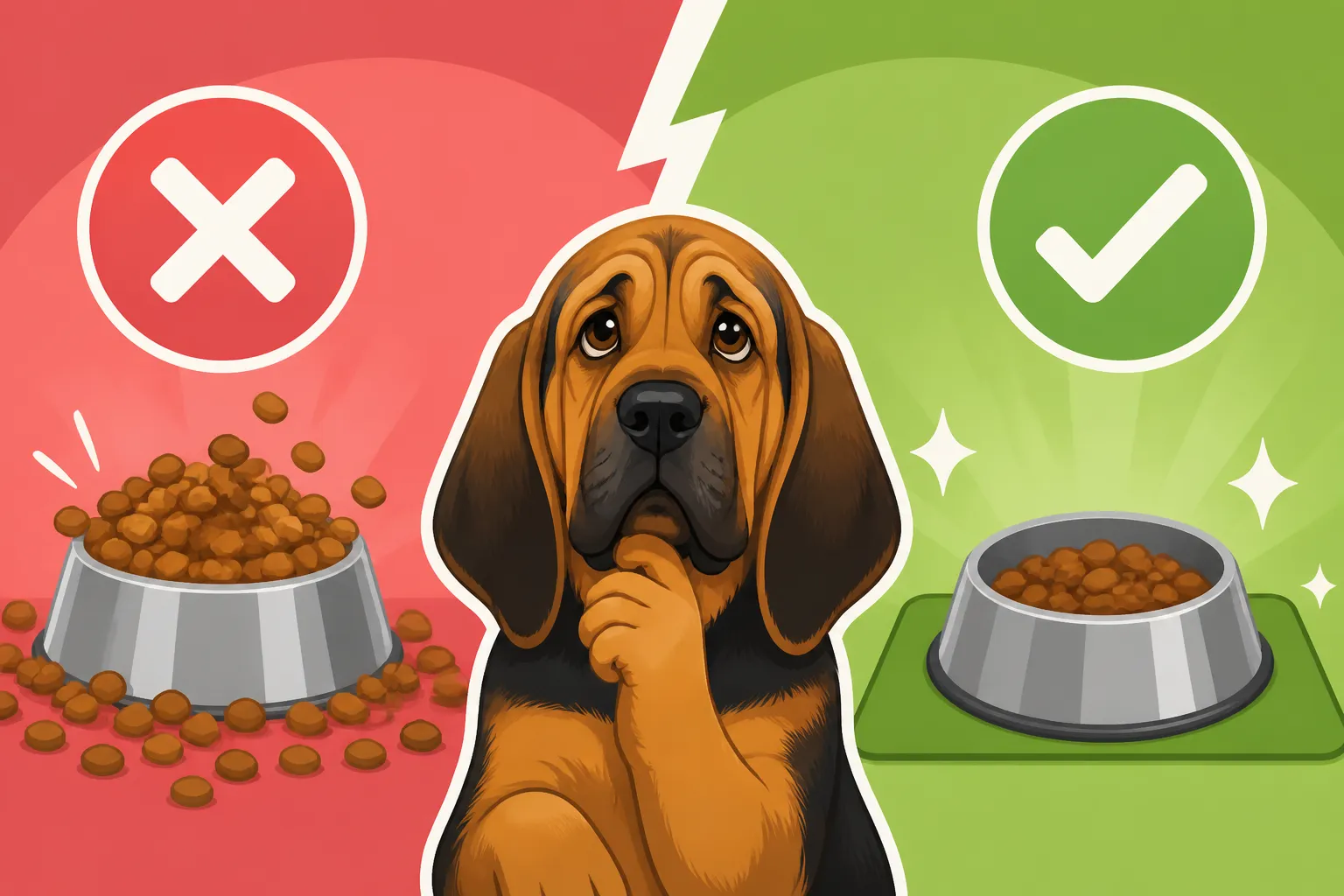
Whether a Bloodhound Puppy Should Be Free Fed
It's a common dilemma for new puppy parents: you want your furry companion to always feel content, never hungry, and free-feeding, where a bowl of kibble is always available, seems like such an easy solution. But for a Bloodhound puppy, what might seem like a convenience can actually open the door to a host of health challenges that no owner wants to face. This guide will delve into why a constant buffet isn't the best approach for these magnificent hounds and explore healthier alternatives for their unique needs.
The Temptation of the Always-Full Bowl
Let's be honest, the idea of free-feeding a puppy is incredibly appealing from an owner's perspective. You pour the food, and your job is done for the day – no worrying about specific meal times, no rushing home to feed, and theoretically, no hungry puppy staring mournfully at an empty dish. Many people associate a full bowl with a happy, well-fed dog, and for some breeds, it might not pose immediate, obvious problems.
The convenience factor cannot be overstated. In busy households, where schedules are erratic or multiple family members might forget who fed the dog last, a perpetually full bowl eliminates the guesswork. It removes the stress of meal prep and timing, allowing a puppy to graze throughout the day as its appetite dictates. This perceived freedom for the dog and ease for the owner makes free-feeding a concept many people explore when bringing a new puppy home. It feels natural, almost like a wild animal grazing, but a domesticated Bloodhound puppy's reality is quite different from that of its wild ancestors.
However, beneath the surface of convenience lies a potential minefield of issues, especially when we talk about a breed as distinctive and prone to specific health concerns as the Bloodhound. What works for a toy breed might be detrimental to a giant breed, and understanding these differences is crucial for responsible ownership. The sheer size and rapid growth rate of a Bloodhound puppy mean their nutritional needs and how they consume their food have significant implications for their long-term health and wellbeing.
Why Free-Feeding Is a Risky Game for Bloodhound Puppies
For a Bloodhound puppy, the 'always-on' buffet of free-feeding can directly contribute to several serious health problems. These aren't just minor inconveniences; they can be life-altering or even life-threatening conditions unique to large, deep-chested breeds.
Rapid Growth and Fragile Joints
Bloodhound puppies are destined to become large, powerful dogs, and they grow at an astonishing rate. This rapid growth requires very carefully managed nutrition. If a Bloodhound puppy has unlimited access to food, it's incredibly easy for them to overeat, consuming more calories and nutrients than their growing bodies can properly utilize. This excess intake leads to accelerated growth and puts immense strain on their still-developing bones and joints. Imagine a building being constructed too quickly, without enough time for the foundation and framework to set properly – that's what happens to a puppy's skeleton under rapid growth.
The critical issue here is that their joints simply aren't designed to handle the extra weight and stress of growing too fast. Conditions like hip and elbow dysplasia, which Bloodhounds are already genetically predisposed to, can be exacerbated by overfeeding and rapid weight gain during puppyhood. Overfeeding a Bloodhound Puppy Harms Its Joints is a very real concern. When a puppy grows too quickly, the cartilage and bone development can become asynchronous, leading to ill-fitting joints and the painful arthritis that follows. This isn't just about making them a bit chunky; it's about setting them up for a lifetime of discomfort and expensive veterinary care, potentially requiring surgeries that could have been avoided with proper dietary management from the start.
The Looming Shadow of Bloat
Perhaps the most critical reason to avoid free-feeding for a Bloodhound puppy is the increased risk of bloat, or Gastric Dilatation-Volvulus (GDV). Bloodhounds, with their distinctive deep, narrow chests, are among the breeds at highest risk for this terrifying condition. When a dog eats too quickly, consumes a large volume of food or water at once, or exercises too soon after eating, the stomach can fill with gas and sometimes twist on itself.
While bloat is more commonly associated with adult dogs, the eating habits established in puppyhood can contribute to risk factors later on. Free-feeding encourages grazing, but it can also lead to gulping down large quantities if another dog approaches the bowl, or if the puppy simply decides to eat a lot after a long period of not eating. Large, infrequent meals are a known bloat risk. We want to Feeding a Bloodhound So It Does Not Bloat, and that means structured mealtimes where the dog eats slowly and rests afterward. Preventing bloat starts with understanding how a Bloodhound's unique physiology makes them vulnerable and taking proactive steps with their diet and post-meal routine. Why a Bloodhound's Chest Shape Causes Bloat explains this in more detail.
Hiding Health Issues and Dietary Changes
Another significant drawback of free-feeding is that it makes it incredibly difficult to monitor your Bloodhound puppy's appetite and overall health. A sudden lack of interest in food is often the first sign that something is amiss with a dog's health, whether it's an upset stomach, an infection, or something more serious. If there's always food in the bowl, you might not notice for hours, or even days, that your puppy hasn't eaten properly.
With timed, portion-controlled meals, you instantly know if your puppy isn't eating with their usual gusto. This early detection can be crucial for getting timely veterinary attention and addressing problems before they escalate. Furthermore, if your vet recommends a specific diet or a change in food for health reasons, it's nearly impossible to implement this effectively with free-feeding. You need to know exactly what your puppy is consuming and how much to ensure they are getting the right nutrients and that any new food is being introduced appropriately. This level of control is simply not possible when the food is always available.
The Structured Approach: Timed Meals for a Thriving Bloodhound
Instead of free-feeding, a structured meal plan with timed, portion-controlled meals is overwhelmingly recommended for Bloodhound puppies. This approach not only addresses the risks associated with free-feeding but also offers numerous benefits for their health, development, and your bond.
Optimal Weight Management and Healthy Growth
Scheduled feeding allows you to precisely control the amount of food your Bloodhound puppy consumes each day. This is paramount for managing their growth rate and preventing them from becoming overweight. By sticking to recommended portion sizes for large breed puppies, as advised by your veterinarian or the food manufacturer, you ensure a steady, healthy development that supports strong bones and joints. It’s about building a sturdy foundation, not rushing to the finish line.
Monitoring your puppy's body condition regularly – feeling their ribs, checking their waistline – becomes a much simpler task when you know exactly how much they're eating. If they start to look a little too lean or too chubby, you can make small adjustments to their daily intake under veterinary guidance. This proactive approach to weight management helps mitigate the risk of developing orthopedic issues down the line, giving your Bloodhound the best chance for a comfortable and active life. Remember, Keeping a Bloodhound Lean on Purpose during puppyhood is a proactive health choice, not a punishment.
Reducing Bloat Risk and Promoting Healthy Digestion
Dividing your Bloodhound puppy's daily food allowance into multiple smaller meals – typically three or four times a day for puppies – significantly reduces the risk of bloat. This prevents them from gorging on a large amount of food at once, which is a major trigger for GDV. Smaller meals are easier for their digestive system to process, and it spreads out the intake of gas-producing elements that can contribute to stomach distension.
Equally important is establishing a routine where your puppy rests quietly for at least an hour before and after meals. Vigorous exercise, excited play, or gulping water immediately after eating can all increase bloat risk. With scheduled meals, you can build this critical rest period into your daily routine. How Long a Bloodhound Should Rest After Eating is a non-negotiable step in bloat prevention. A calm eating environment also contributes to better digestion, allowing your Bloodhound to eat at a more relaxed pace and enjoy their food without stress.
Enhancing Health Monitoring and Training Opportunities
Scheduled mealtimes offer a golden opportunity for regular health checks and reinforce your bond with your Bloodhound puppy. As mentioned, any change in appetite is immediately apparent, prompting you to investigate potential health issues early. This vigilant monitoring can literally save your dog's life, especially with conditions like bloat where minutes count.
Beyond health, mealtimes become an integral part of your puppy's daily structure, which is vital for a breed that thrives on routine. It's a fantastic chance for positive reinforcement training. You can teach polite manners around food, like waiting for a "go ahead" cue before eating, or "sit" before the bowl is placed down. This builds impulse control and respect, which are incredibly valuable traits in a large, scent-driven breed. It also allows you to interact directly with your puppy, observing their behavior and strengthening your relationship. When you control resources like food, you naturally become a leader your puppy trusts and looks to for guidance.
| Feature | Free-Feeding (Always Available) | Scheduled Feeding (Timed Meals) |
|---|---|---|
| Convenience for Owner | High (set and forget) | Moderate (requires routine and planning) |
| Bloat Risk | Higher (encourages gulping, uncontrolled intake) | Lower (smaller meals, controlled pace, post-meal rest) |
| Weight Management | Difficult (easy to overeat, leading to obesity) | Easy (precise portion control, healthy growth) |
| Joint Health (Puppy) | Greater risk of growth abnormalities due to rapid gain | Better (controlled growth, less stress on developing joints) |
| Health Monitoring | Difficult (changes in appetite go unnoticed) | Easy (immediate detection of appetite changes) |
| Training Opportunities | Limited (food is always available, less incentive) | High (food as a motivator, routine building) |
| Managing Special Diets | Extremely difficult | Simple and effective |
| Digestive Health | Can lead to upset stomach from gorging | Promotes calm, consistent digestion |
Practical Steps for Feeding Your Bloodhound Puppy
Okay, so free-feeding is out. What's the best way to ensure your Bloodhound puppy gets all the nutrition they need without the risks? It's all about establishing good habits from day one.
Choosing the Right Food and Portions
The first step is selecting a high-quality large breed puppy food. These formulas are specifically designed to support the slower, more controlled growth necessary for breeds like Bloodhounds, typically with carefully balanced calcium and phosphorus levels. Avoid generic puppy foods that might encourage too rapid growth. Consult with your veterinarian on the best brand and type for your individual puppy, as they can assess their specific needs.
Once you have the food, stick to the feeding guidelines provided by the manufacturer, but always use them as a starting point. Your vet will be your best resource for adjusting these amounts based on your puppy's activity level, body condition, and individual growth curve. What a Bloodhound Puppy Eats at Four Months (while this is a general reference, your vet will tailor specific amounts) will vary greatly depending on their overall daily needs. It’s better to slightly underfeed and add a bit more than to overfeed and risk joint issues.
Slowing Down a Speedy Eater
Bloodhounds, like many hounds, can be enthusiastic eaters, inhaling their meals in seconds flat. This rapid consumption is a significant contributor to bloat risk. Thankfully, there are many tools available to help slow them down. Slow feeder bowls, with their raised ridges and obstacles, force your puppy to work a little harder for each bite. You can find a fantastic selection of these on sites like Amazon or Chewy, offering various designs to suit your puppy's preference and challenge level.
Puzzle feeders and food-dispensing toys are another excellent option, making mealtime an engaging mental exercise. Instead of just eating, your puppy has to figure out how to get the kibble out, extending the meal duration and providing mental stimulation. For particularly voracious eaters, you can even spread their kibble out on a baking sheet or muffin tin, forcing them to pick up individual pieces. You can also incorporate a snood to keep those magnificent ears out of the food and prevent them from getting soaked or dirty during meals.
Establishing a Consistent Routine
Consistency is key. Feed your Bloodhound puppy at the same times each day. For young puppies, this might mean three to four meals. As they get older, around 6-12 months, you'll likely transition to two or three meals a day, depending on your vet's advice and your dog's needs. How Many Meals a Day a Bloodhound Should Eat is a common question, and for puppies, more smaller meals are always better than fewer large ones. Remember that Whether Three Meals Lower a Bloodhound's Bloat Risk is a generally accepted principle.
Creating a routine isn't just about meal times; it's about the entire process. Feed your puppy in a quiet, undisturbed area where they can focus on their food without competition or distractions. After they eat, enforce a mandatory rest period. No running, no jumping, no intense play for at least an hour, preferably two. This allows their stomach to digest without excessive movement. If you're looking for convenience in managing this routine, services like Ollie, which deliver pre-portioned fresh meals, can help you maintain consistency, though always ensure any food meets the specific nutritional needs for large breed puppies.
By embracing a structured feeding approach, you're not just preventing problems; you're actively promoting a lifetime of health, happiness, and a strong bond with your incredible Bloodhound. It takes a little more effort upfront, but the peace of mind and the well-being of your beloved companion are absolutely worth it.
Disclaimer
This article is for general informational purposes only and does not constitute professional advice. Laws, prices and regulations vary by location and change over time. Consult a qualified professional for guidance on your specific situation.